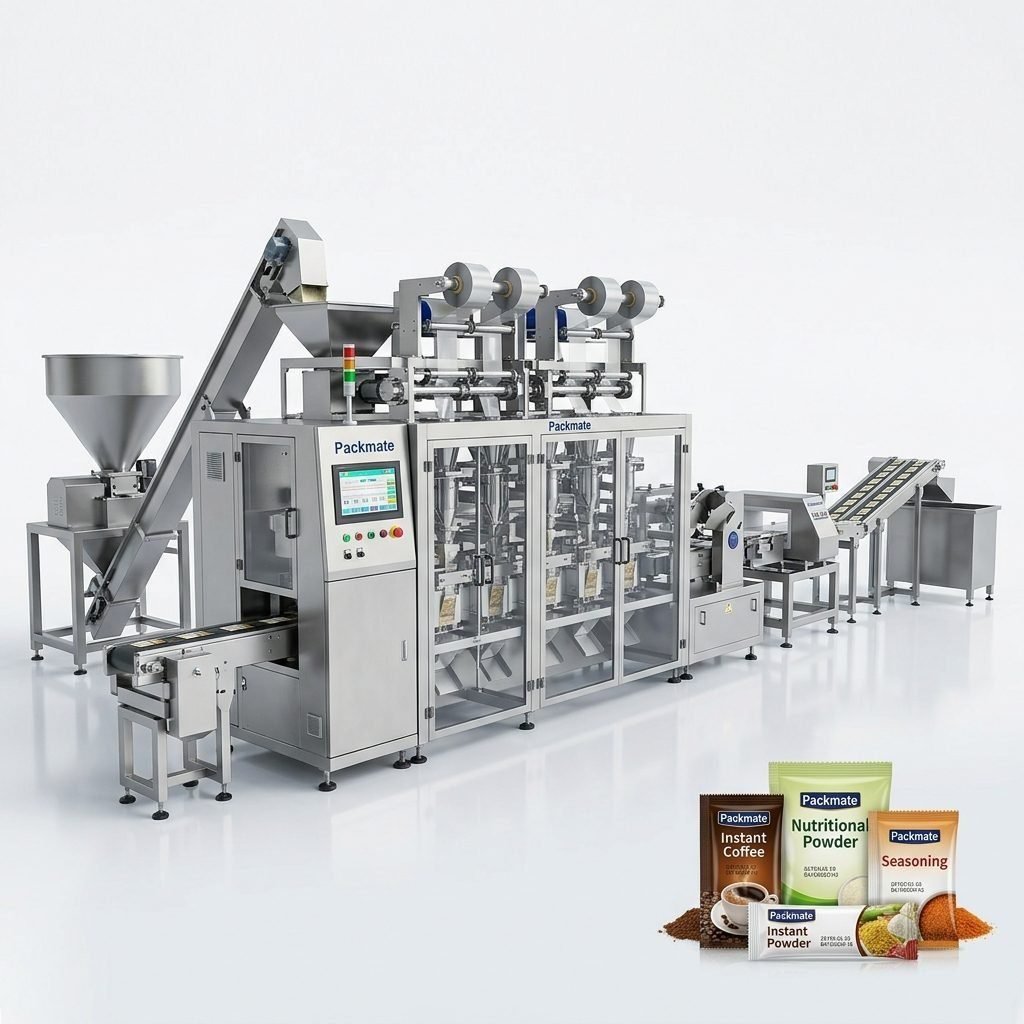
In today’s fast-paced manufacturing world, efficiency, consistency, and speed are paramount. Automatic packaging machines are the cornerstone of modern production lines, transforming how products from food and pharmaceuticals to cosmetics and industrial goods are prepared for market. This guide explores the different types of automatic packaging machines, explains how they work, details their significant benefits, and provides key considerations for making an informed purchase.
Core Types of Automatic Packaging Machines
The landscape of automatic packaging is diverse, with machines tailored to specific product forms and packaging styles. Understanding the main categories is the first step in selecting the right equipment.
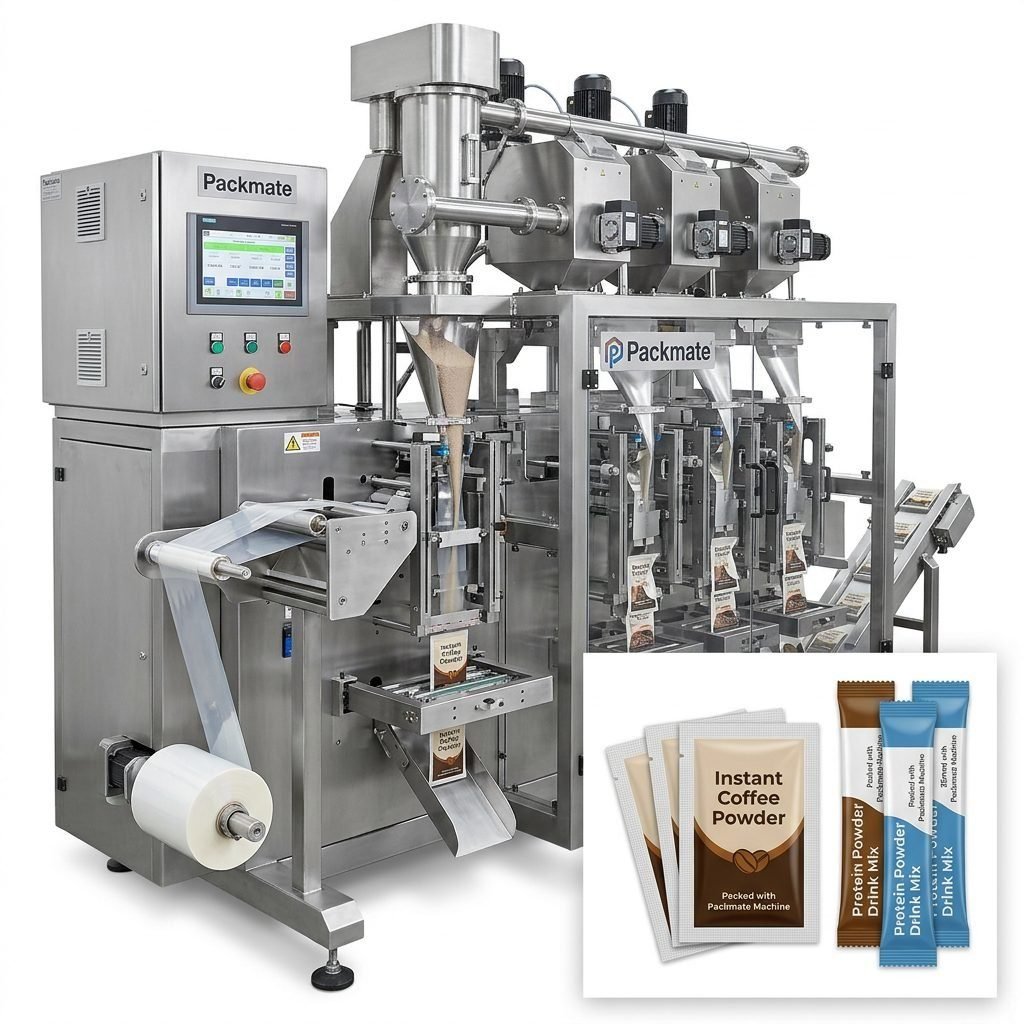
Vertical Form-Fill-Seal (VFFS) Machines
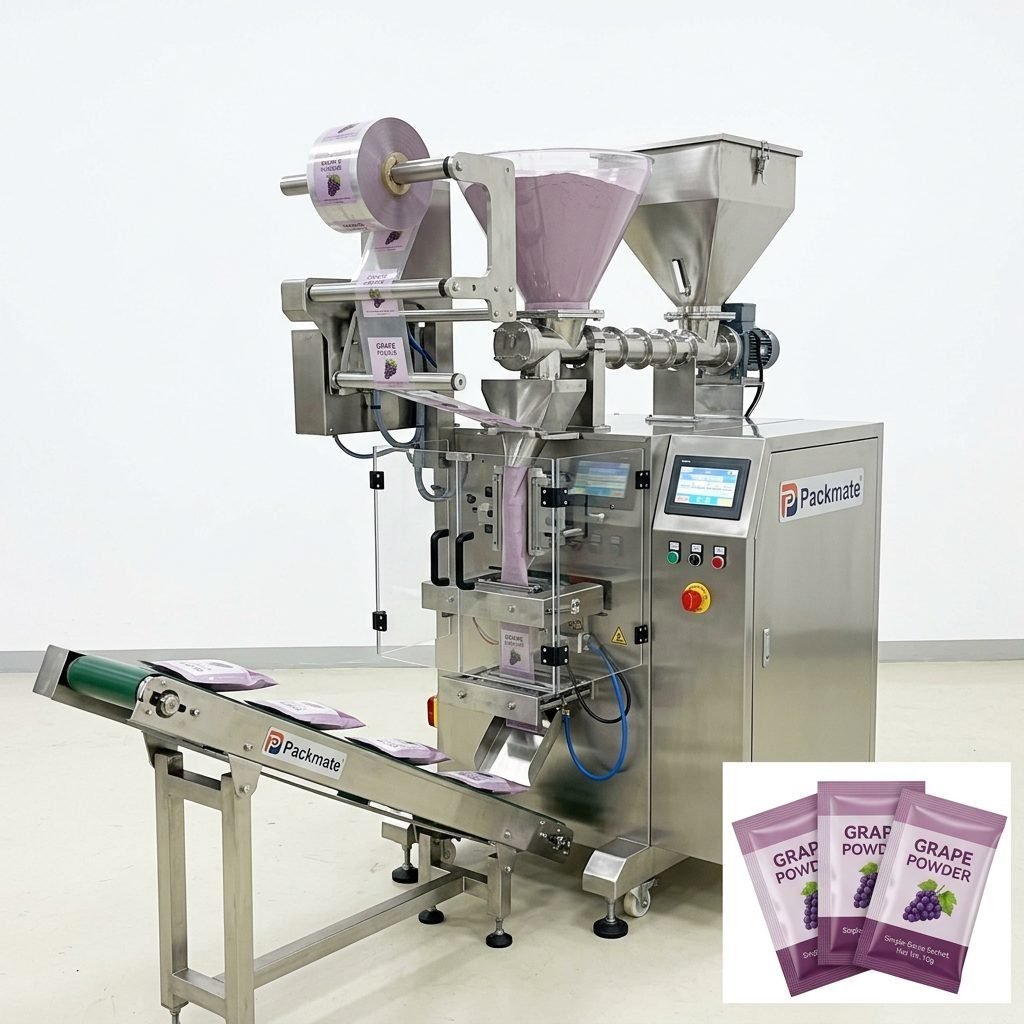
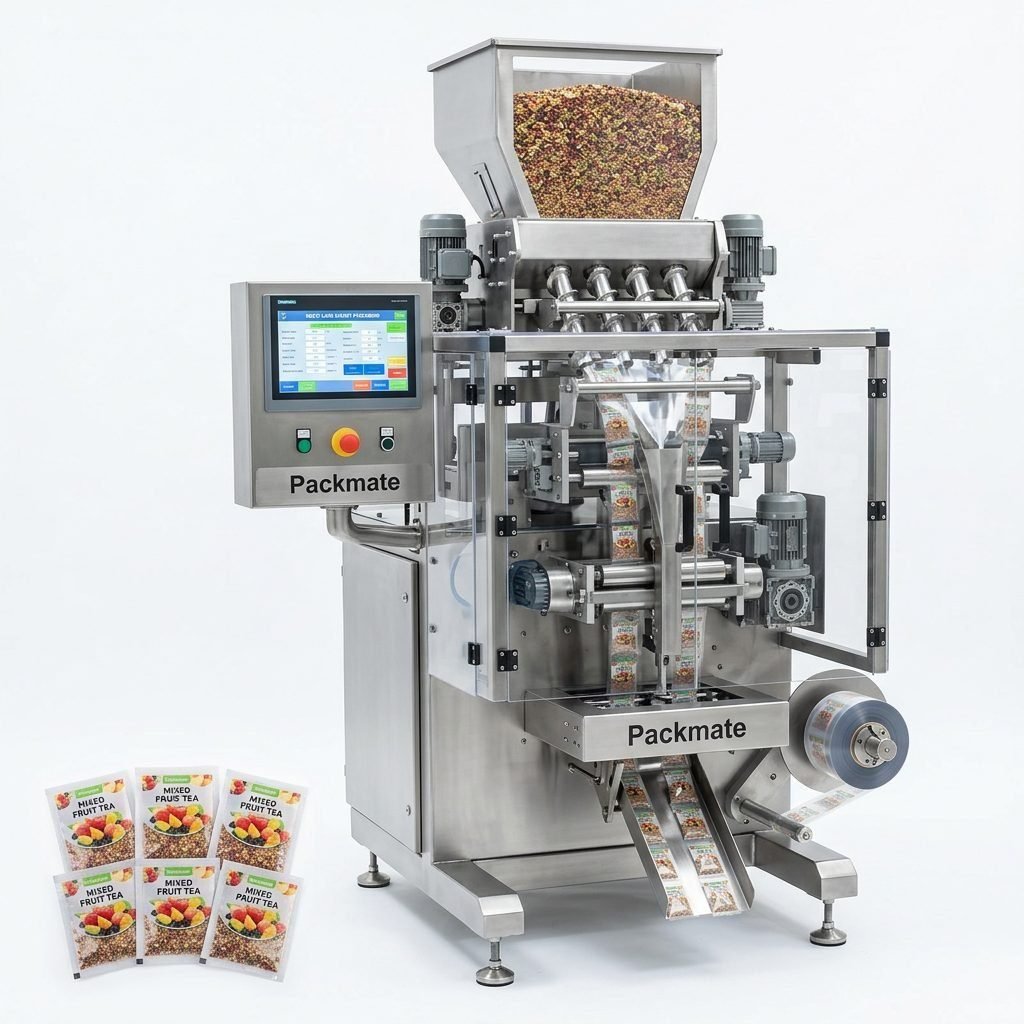
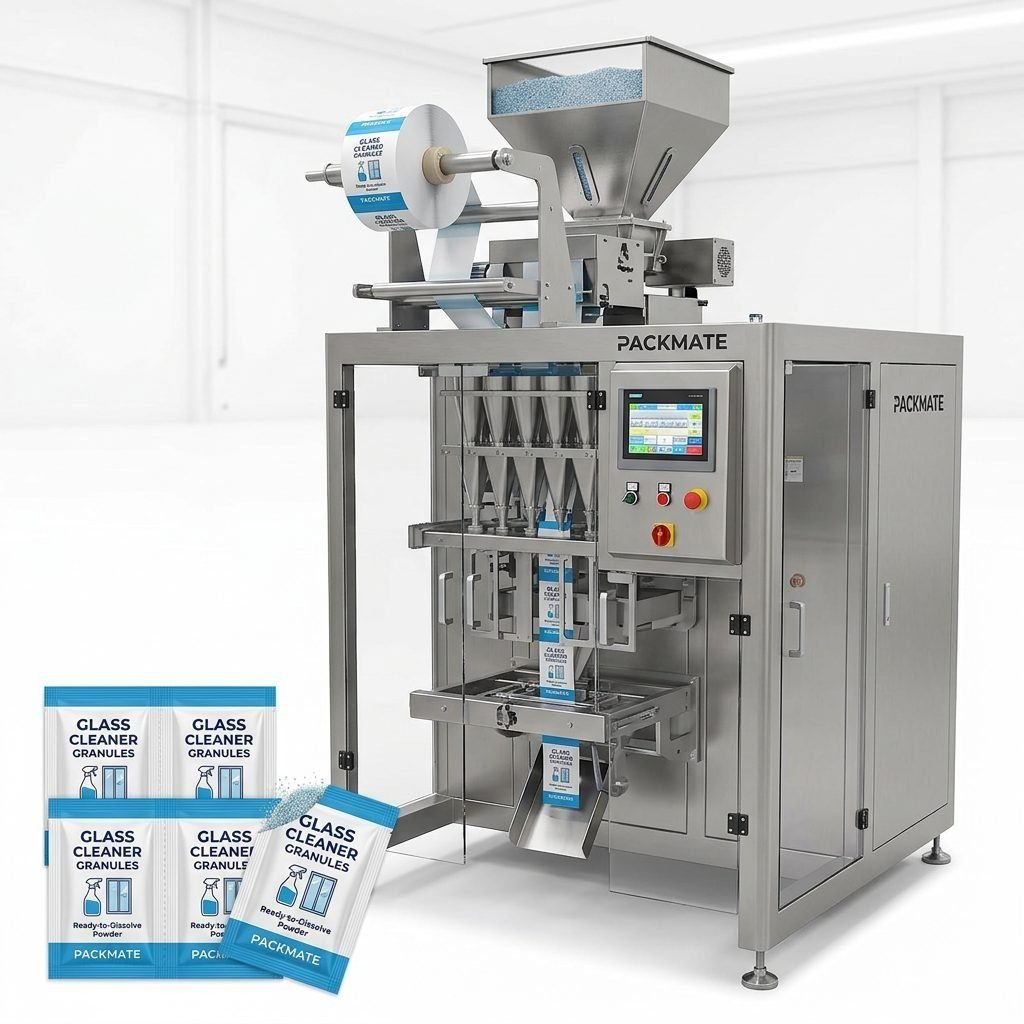
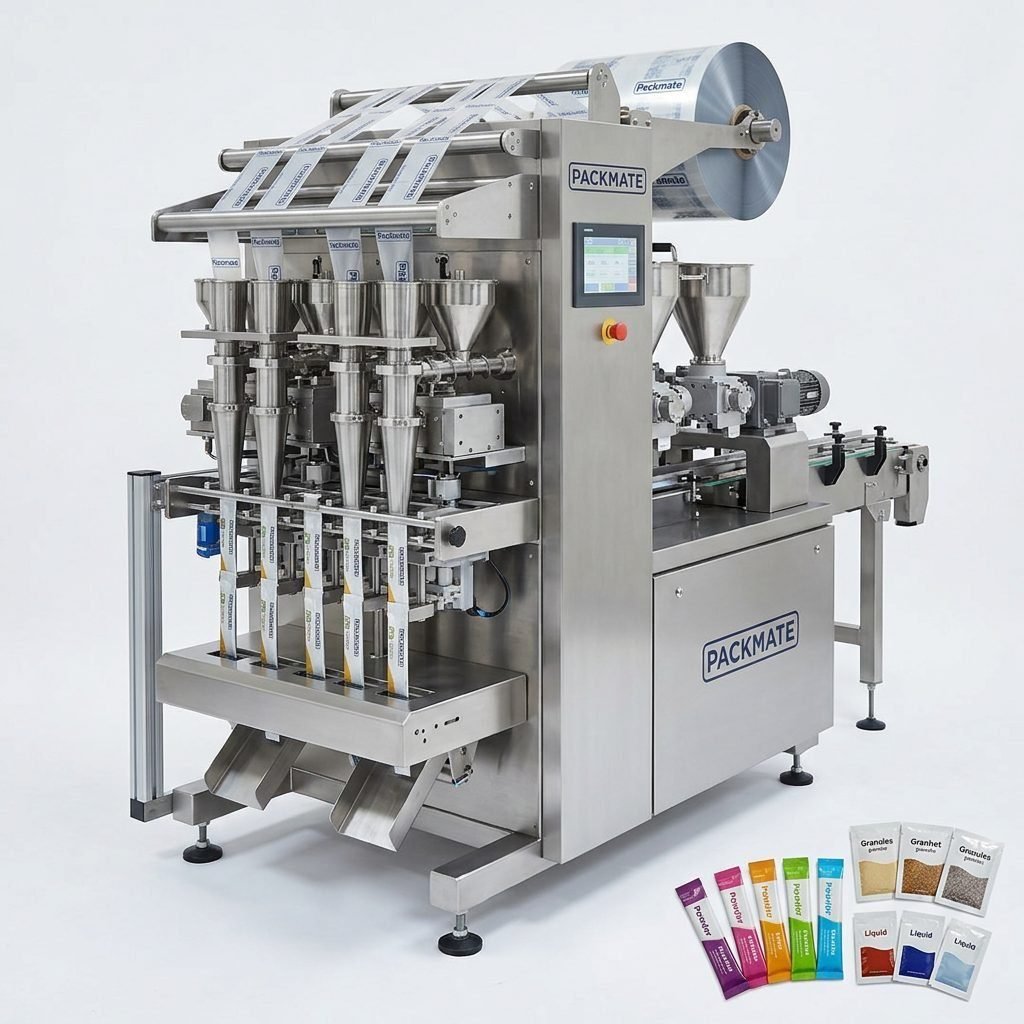
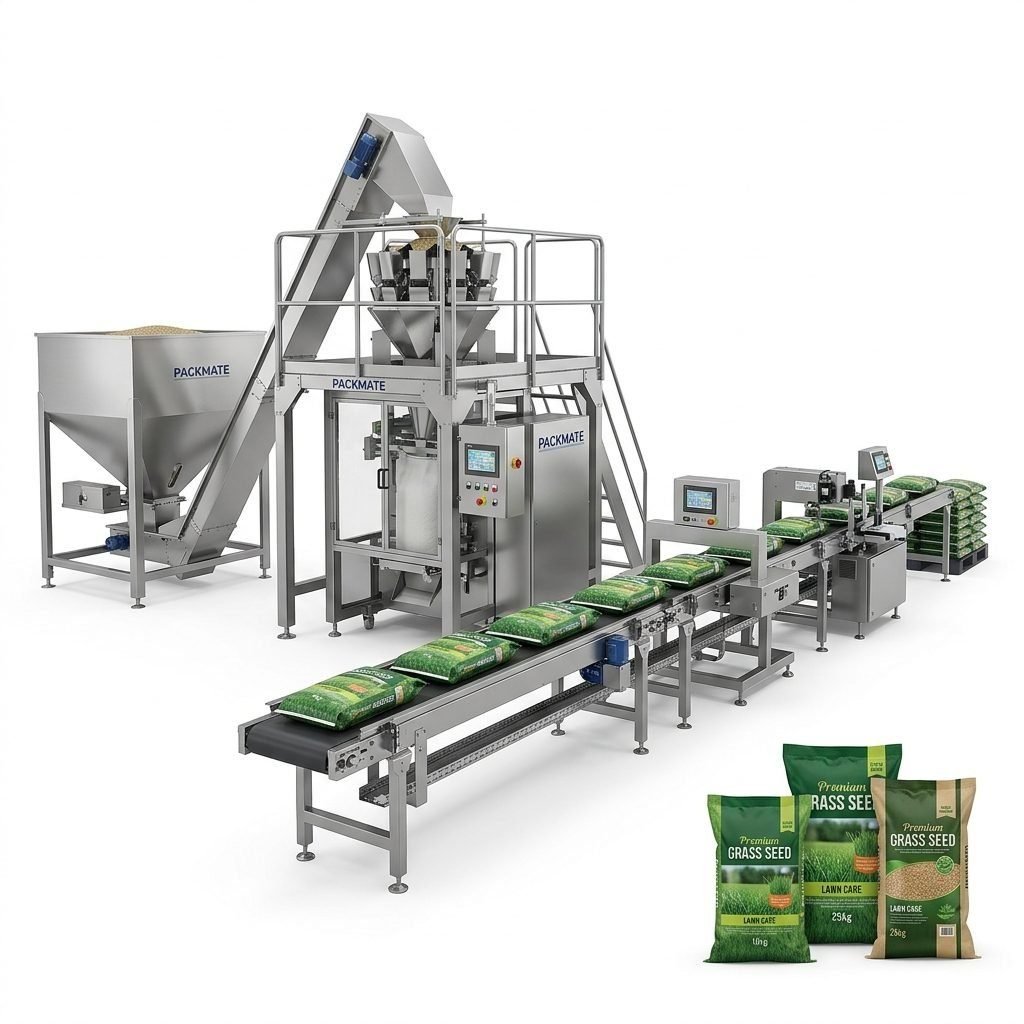
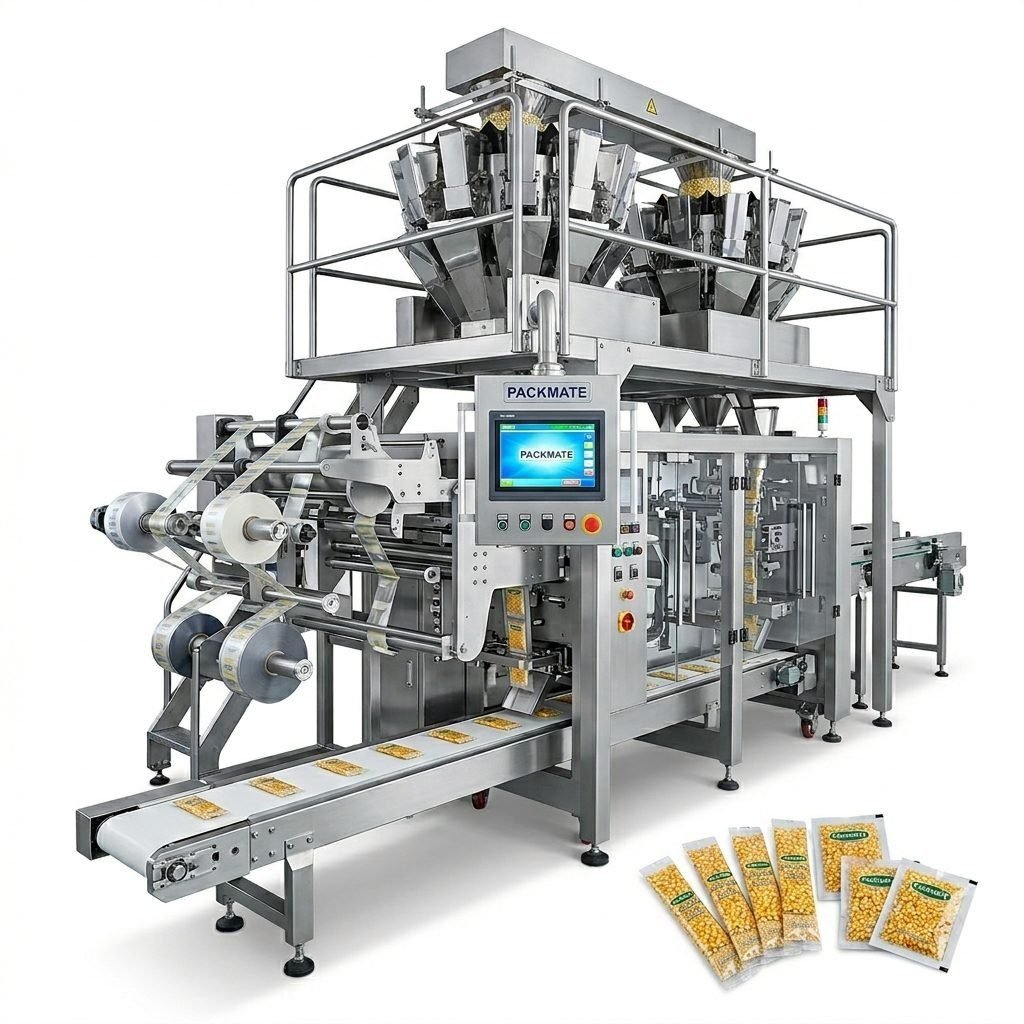
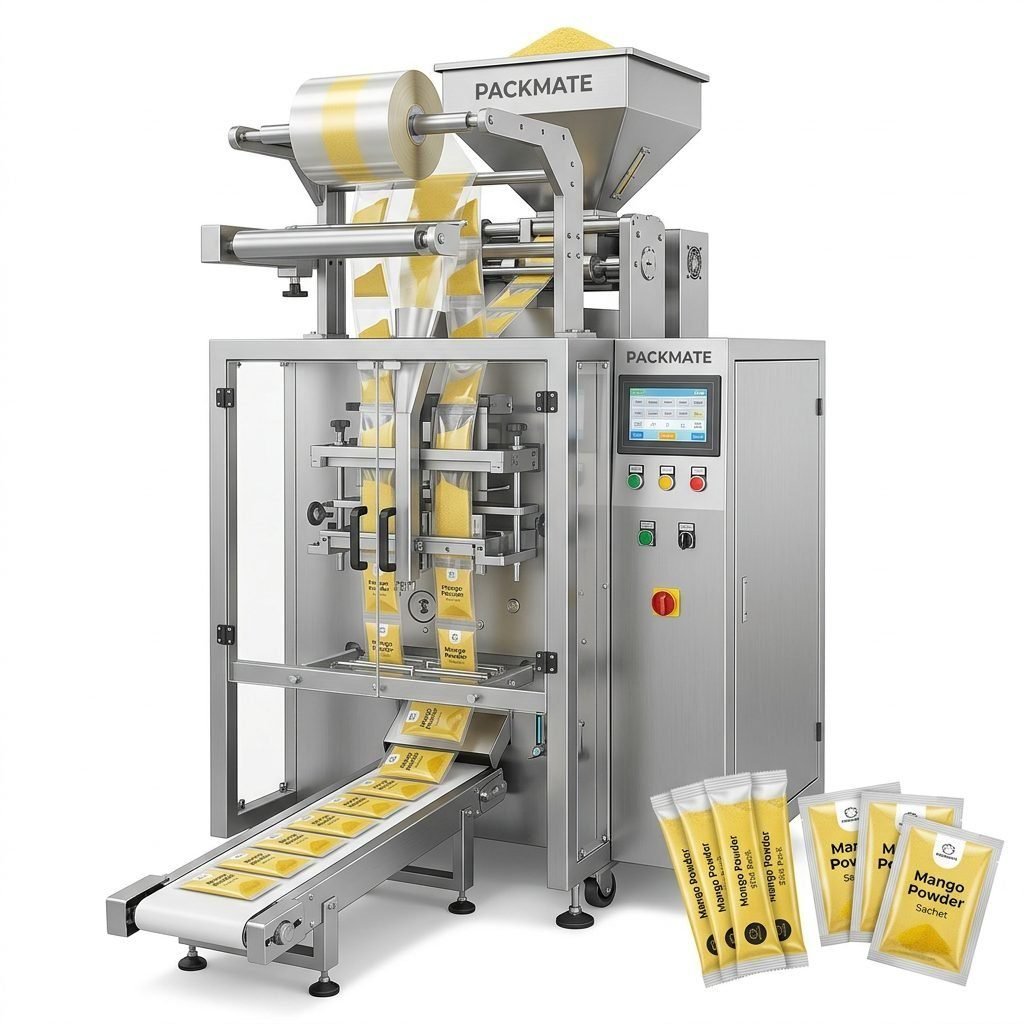
These are among the most common and versatile packaging systems. They form bags from a roll of film, fill them with product, and seal them—all in a continuous vertical motion. Ideal for powders, granules, seeds, and snacks, VFFS machines are highly efficient for single-serving pouches, sachets, and stick packs.
Horizontal Form-Fill-Seal (HFFS) Machines
HFFS machines are typically used for products that are more rigid or require a specific presentation, like bars, biscuits, or multi-component packs. The film travels horizontally, and the product is placed into pre-formed pockets before sealing. This method is excellent for maintaining product integrity and shape.
Liquid & Paste Filling Machines
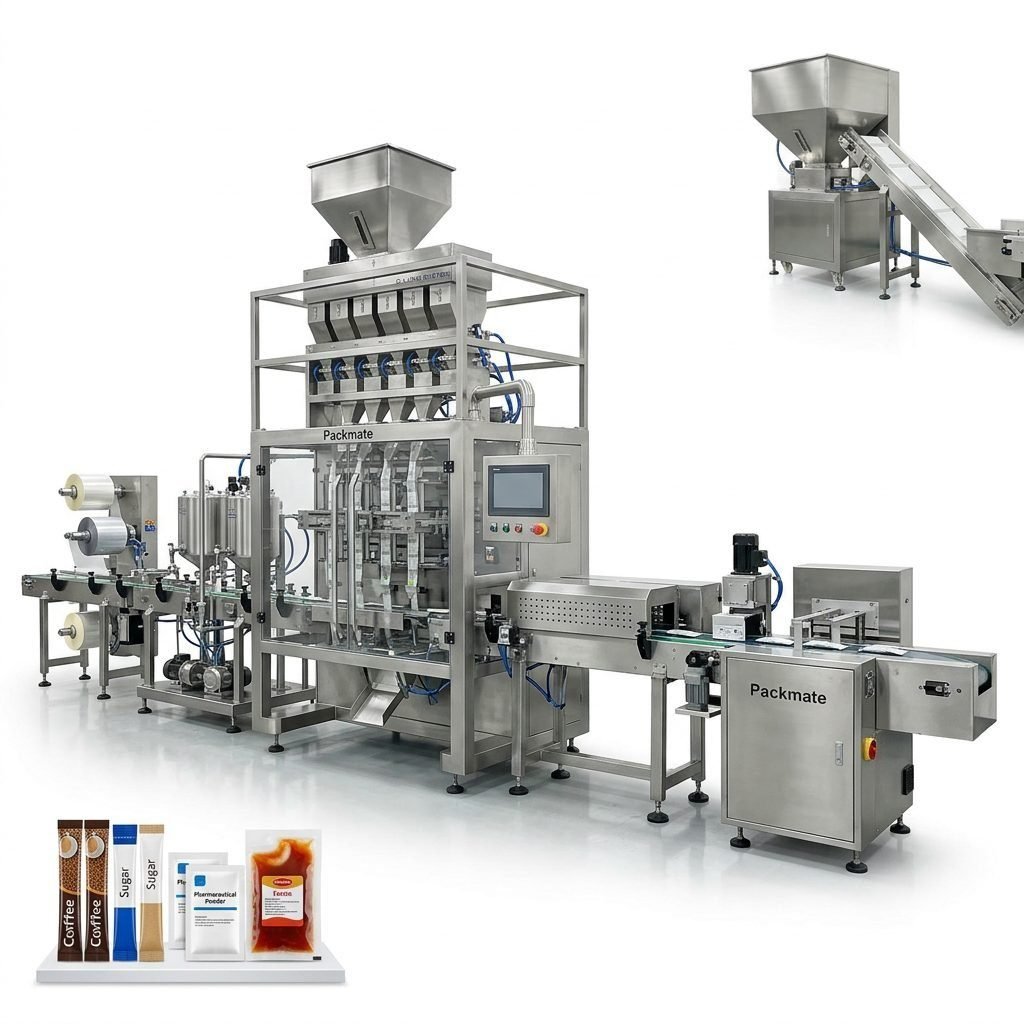
Designed to handle viscous or free-flowing liquids, these machines use precise pumps (piston, peristaltic, gravity) to dose products like sauces, oils, lotions, and shampoos into bottles, tubes, or sachets. Accuracy and hygiene are their top priorities.
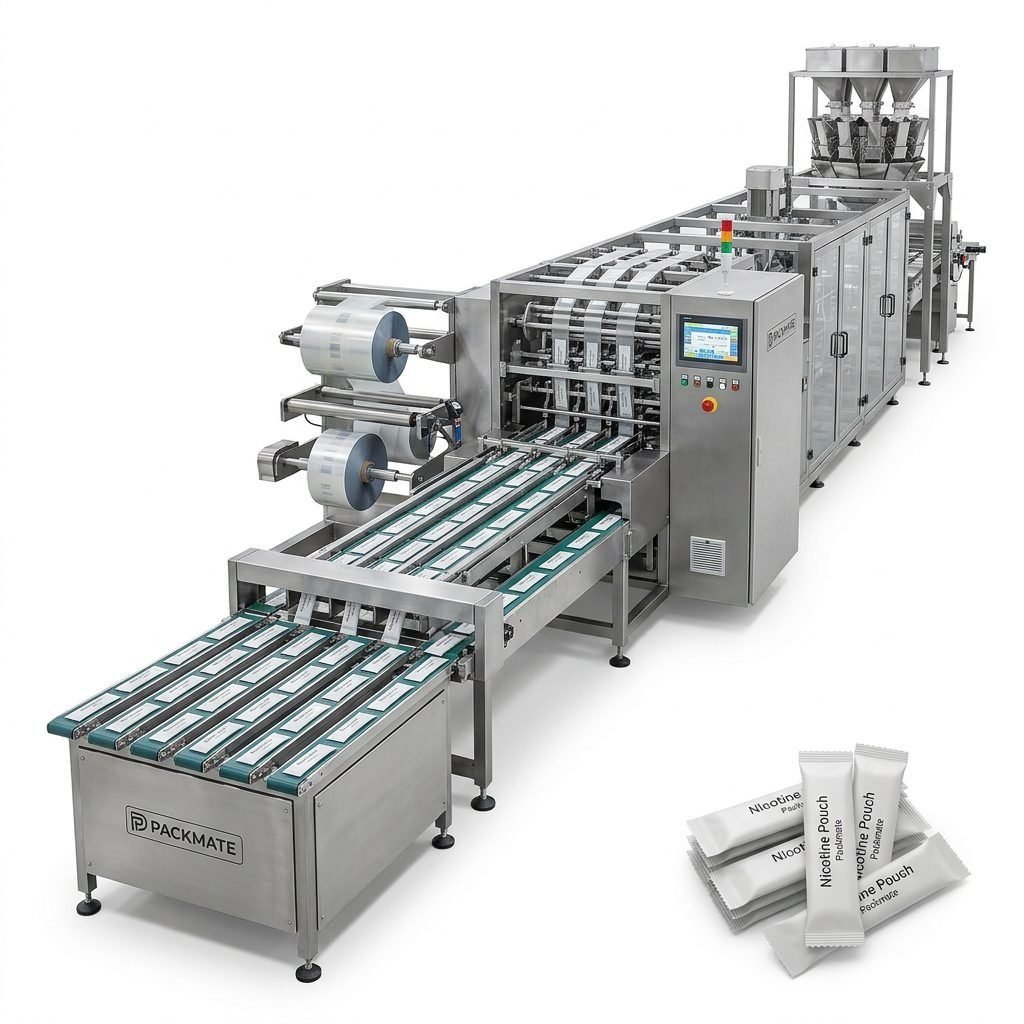
Multi-Lane Stick Pack & Sachet Machines
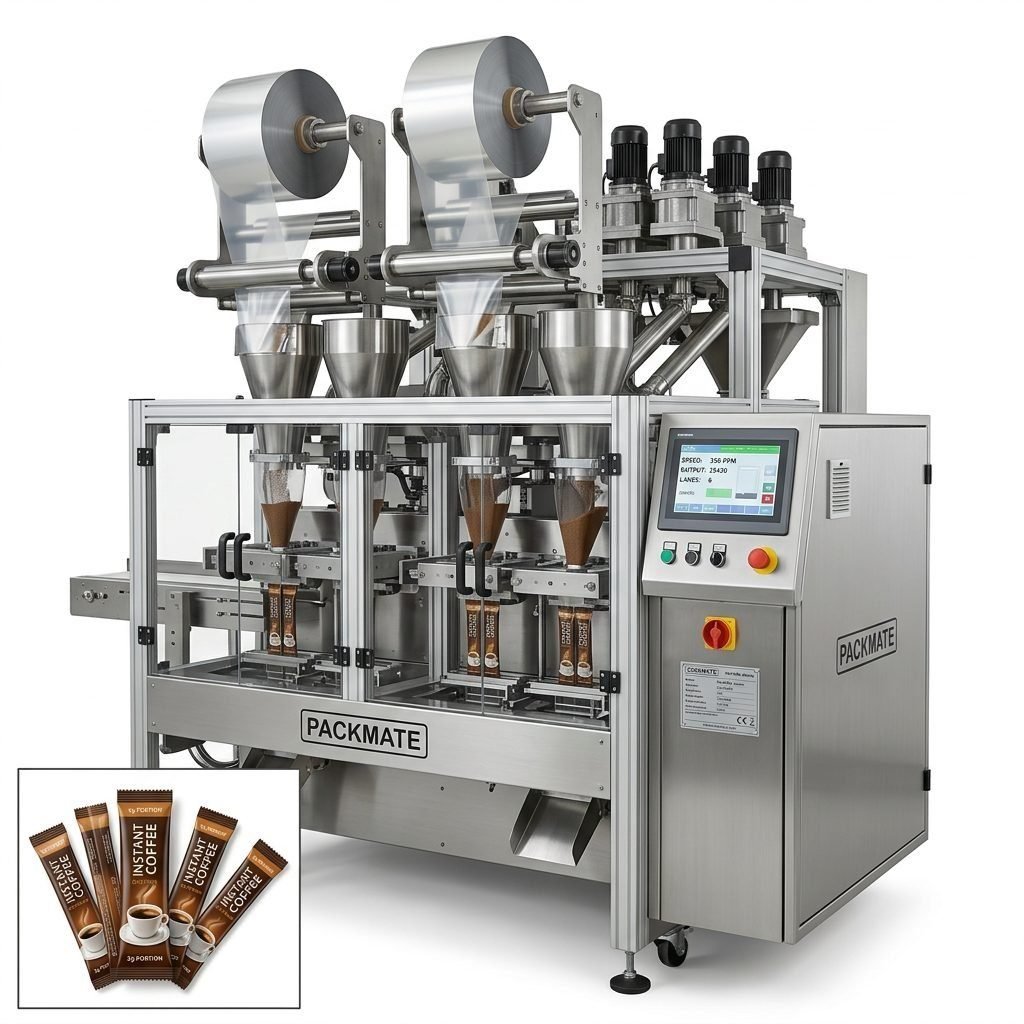
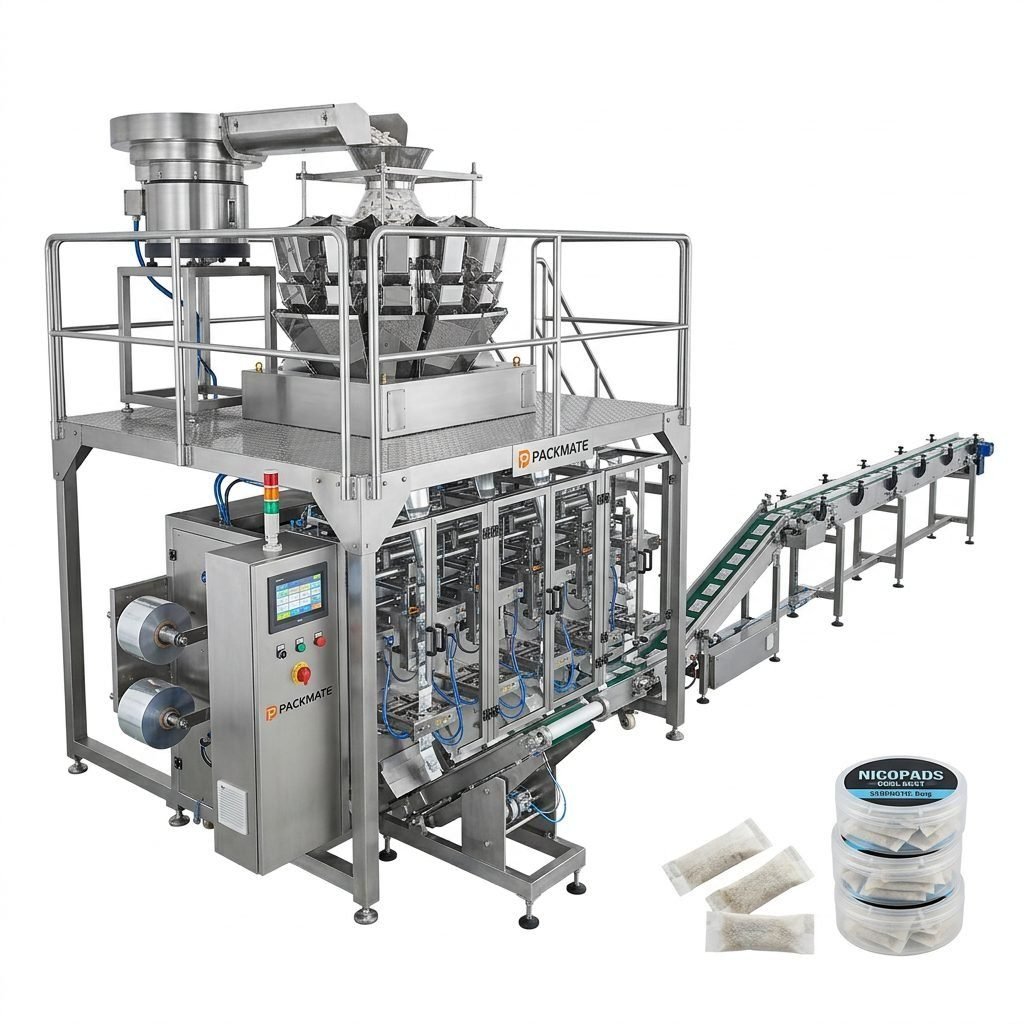
For ultra-high-volume production of single-serve portions, multi-lane machines run several packaging lanes in parallel. They are the workhorses for products like instant coffee, sugar, seasoning, pharmaceutical powders, and nicotine pouches, dramatically boosting output rates.
How Automatic Packaging Machines Work: The Basic Principles
While designs vary, most automatic packaging systems follow a similar sequence of operations, often integrated into a seamless turnkey line.
- Product Feeding & Metering: Bulk product is transferred from a hopper or conveyor. Volumetric cups, auger fillers, or precision weigh scales ensure the exact amount is dispensed.
- Packaging Material Unwinding: A roll of flexible film (laminate, foil, plastic) is fed into the machine.
- Bag Forming: The film is shaped into a tube (VFFS) or a series of pockets (HFFS) around a forming collar or mold.
- Filling: The pre-measured product is injected into the newly formed pouch.
- Sealing: Heated jaws seal the filled pouch, creating an airtight and tamper-evident package. This step often includes date coding.
- Cutting & Discharge: Individual packages are cut from the film web and discharged onto a conveyor for secondary packaging or cartoning.
Key Benefits of Automation in Packaging
Investing in automatic packaging technology delivers a substantial return on investment through multiple channels.
| Benefit | Description |
|---|---|
| Dramatically Increased Speed | Machines can produce hundreds, even thousands, of packages per minute, far surpassing manual capabilities. |
| Unmatched Consistency & Accuracy | Every package receives the exact same product weight and is sealed identically, ensuring brand uniformity and reducing giveaway. |
| Significant Labor Savings | Automation reduces dependency on large manual packing teams, lowering labor costs and minimizing human error. |
| Enhanced Hygiene & Safety | Closed systems minimize product contact with operators, which is critical for food, pharmaceutical, and sterile products. |
| Material Efficiency | Precision film handling and cutting reduce waste, optimizing packaging material usage and cost. |
| Scalability | Production can be easily scaled up to meet demand spikes without a proportional increase in labor or floor space. |
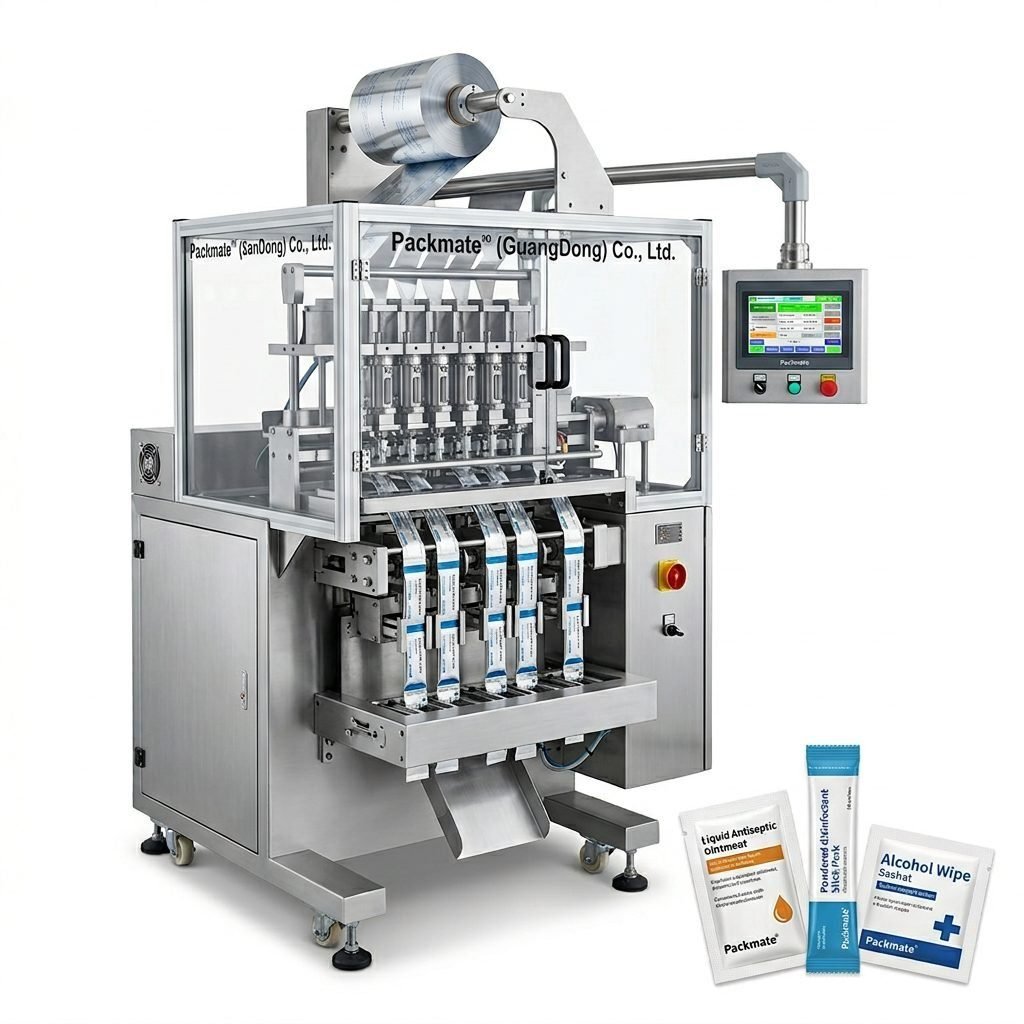
Critical Factors When Buying an Automatic Packaging Machine
Choosing the right machine is a strategic decision. Here are the essential factors to evaluate.
1. Product Characteristics
This is the most crucial starting point. Is your product a powder, granule, liquid, paste, or solid? Its flowability, abrasiveness, hygroscopic nature, and particle size will determine the type of feeder (auger, pump, cup) and machine construction required.
2. Desired Packaging Format & Materials
Define your end package: stick pack, stand-up pouch, sachet, pillow bag? The machine must be compatible with your chosen packaging film (e.g., PET/AL/PE, OPP/CPP) and able to handle its thickness and sealing properties.
3. Required Output Capacity (Speed)
Calculate your required production speed in packs per minute (PPM) or per hour. Consider both current needs and future growth. A leading manufacturer like Ludyway offers machines ranging from compact models to high-speed multi-lane systems to match any volume.
4. Level of Automation & Integration
Will this be a standalone machine, or does it need to integrate with upstream equipment (mixers, grinders) and downstream systems (cartoners, case packers, palletizers)? Planning for a turnkey packaging line from the outset ensures seamless operation.
5. Supplier Expertise and Support
Partner with a reputable manufacturer with a proven track record in your industry. Look for:
- Technical Support: Availability of installation, training, and troubleshooting.
- Spare Parts: Easy access to genuine spare parts to minimize downtime.
- Customization: Ability to adapt the machine to your specific product and packaging needs. Companies like Packmate Machinery and PackingMachineOEM specialize in such tailored solutions.
Navigating the Global Market: A Note on Key Regions
The demand for automated packaging is global, but priorities can vary by region. In Europe and North America</strong, buyers often emphasize machine precision, safety certifications (CE, UL), and advanced automation for high-wage labor markets. In the Middle East, Africa, and Southeast Asia, there is growing demand for robust, cost-effective machines that can handle diverse products and offer easy maintenance. Suppliers with strong export footprints, such as PacklineOEM, are adept at meeting these varied international requirements.
Conclusion
Automatic packaging machines are not just a purchase; they are a long-term investment in productivity, quality, and competitiveness. By carefully analyzing your product, output goals, and operational needs, and by partnering with a reliable and experienced supplier, you can implement a system that delivers consistent returns for years to come. For specialized applications like nicotine pouches, working with a focused expert like SnusMachinery can provide critical niche expertise.
Frequently Asked Questions (FAQs)
What is the typical lead time for an automatic packaging machine?
Lead times vary based on complexity and customization. Standard models may ship in 8-12 weeks, while fully customized or turnkey lines can take 16-24 weeks or more. Always confirm timelines with your supplier.
Can one machine handle different products and bag sizes?
Many machines are designed with changeover capabilities. Quick-change parts for forming tubes, filling heads, and sealing jaws allow switching between similar products and bag sizes, though major format changes may require more extensive retooling.
What kind of maintenance do these machines require?
Regular preventative maintenance is key. This includes daily cleaning, lubrication of moving parts, inspection of seals and heaters, and calibration of weighing systems. A good supplier will provide a detailed maintenance schedule.
How do I ensure the machine meets my country’s safety standards?
Always specify the required safety certifications (e.g., CE for Europe, UL for North America) during the quotation process. Reputable manufacturers design and build their machines to comply with these international standards.
What is the difference between a standalone machine and a turnkey line?
A standalone machine performs the core packaging function (form-fill-seal). A turnkey line integrates multiple machines (e.g., feeder, filler, sealer, checkweigher, cartoner) into a complete, synchronized system, often with a single control panel, for end-to-end automation.