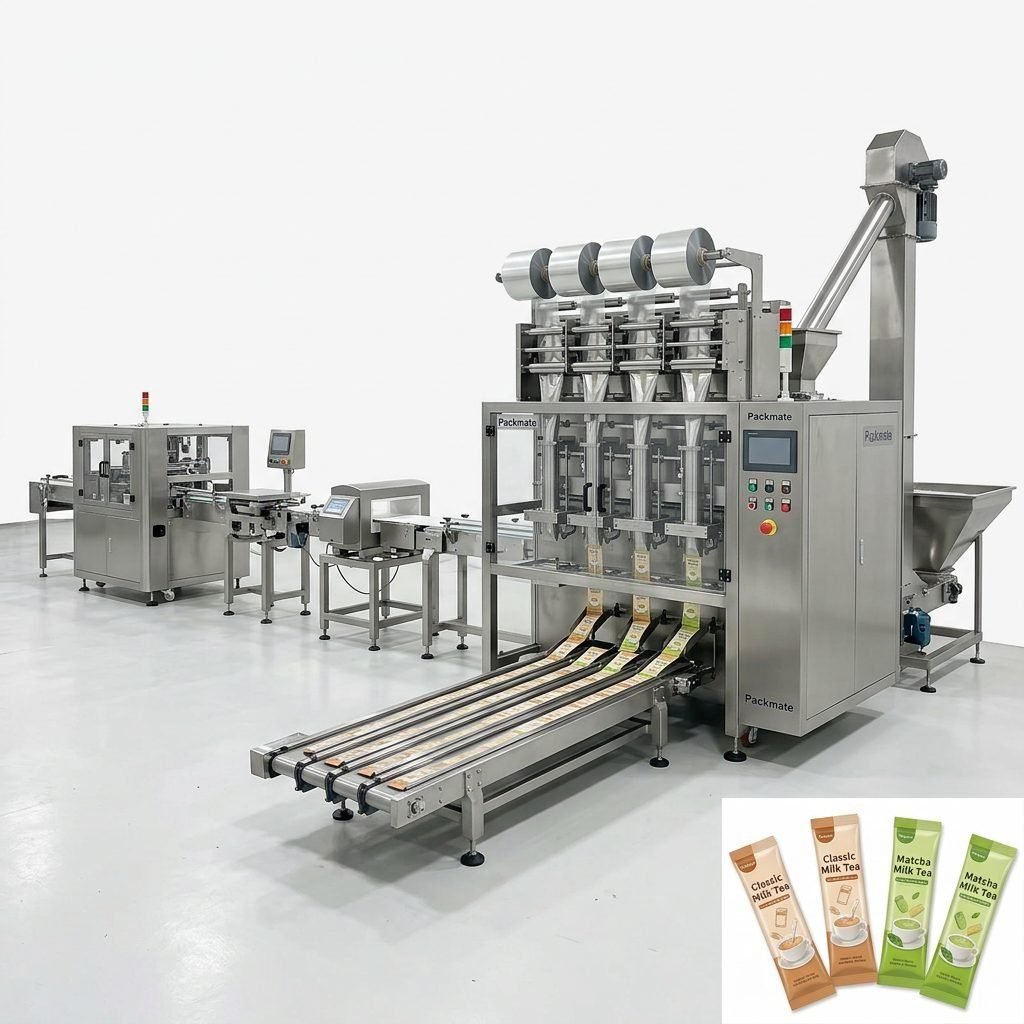
Germany is home to some of the world’s most respected and technologically advanced packaging machine manufacturers. For buyers, engineers, and production managers across Europe and beyond, selecting a trusted supplier from Germany involves more than just comparing specifications. It requires a deep understanding of the local industry’s standards for precision engineering, after-sales support, and long-term reliability. This guide outlines the key factors to consider when choosing a packaging machine supplier in Germany, tailored for the needs of German and European manufacturing professionals.
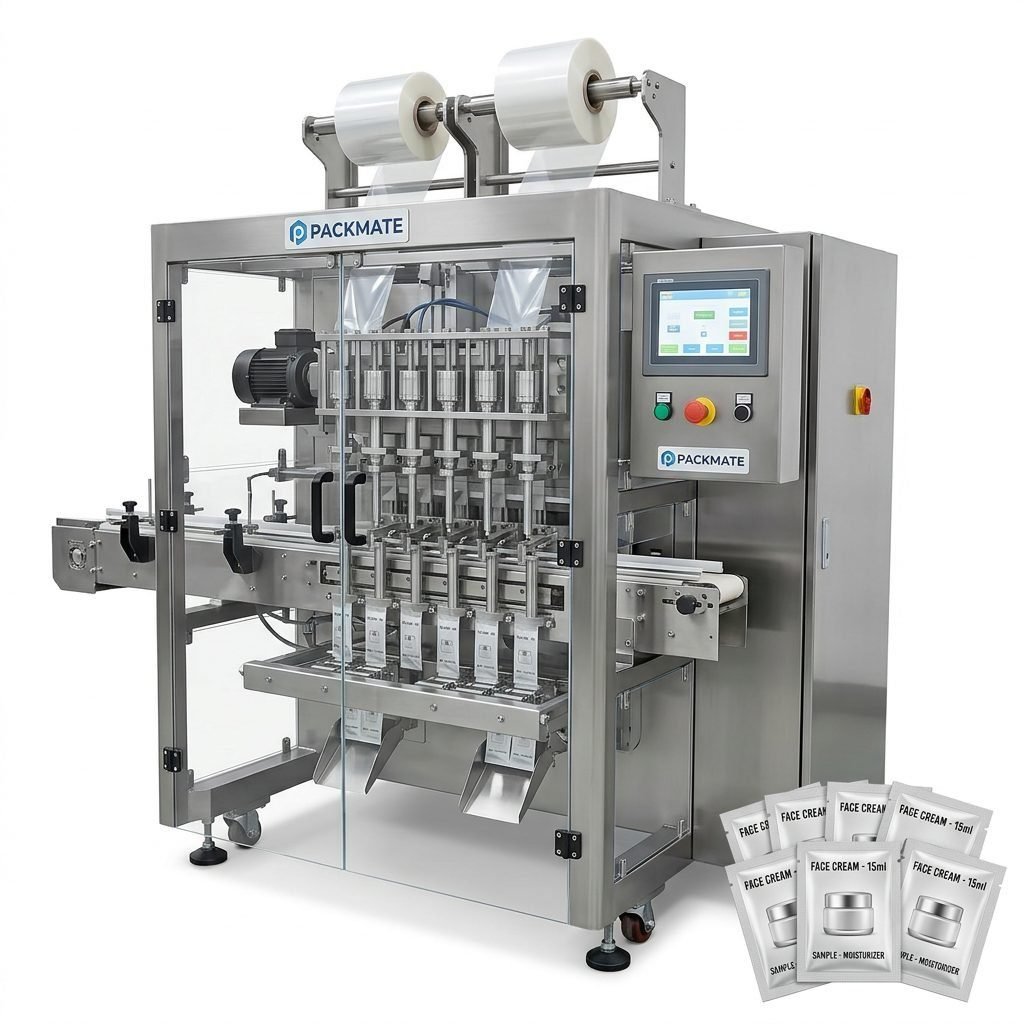
Understanding the German Packaging Machinery Landscape
The German packaging machinery sector is globally renowned for its innovation, quality, and efficiency. German manufacturers are often at the forefront of Industry 4.0, integrating smart automation, IoT connectivity, and sustainable design into their equipment. When evaluating suppliers, it’s crucial to recognize that German engineering typically emphasizes:
- Precision and Durability: Machines are built for high-speed, continuous operation with minimal downtime.
- Compliance with stringent EU safety and hygiene regulations (e.g., EHEDG, ATEX where applicable).
- Strong focus on after-sales service, technical training, and readily available spare parts within Europe.
- Capability to provide complete, integrated production line solutions, not just standalone units.
For buyers from other regions, partnering with a German supplier often means investing in a long-term asset backed by extensive engineering expertise. However, this also means the selection process must be thorough, considering both technical capabilities and the supplier’s ability to support your specific operational context.
Key Selection Criteria for German Suppliers
To make an informed decision, break down your evaluation into the following core areas. These criteria align with the expectations of German industrial buyers who prioritize total cost of ownership and operational excellence over initial price alone.
1. Technical Expertise and Machine Performance
Scrutinize the supplier’s engineering depth. Request detailed documentation on machine design, operational speeds (bags/minute), changeover times, and compatibility with your specific product format (powder, granule, liquid, paste). Ask for performance data from similar applications, preferably within the food, pharmaceutical, or chemical sectors prevalent in Germany.
2. Automation and Industry 4.0 Integration
German industry standards are high. Ensure the equipment supports modern communication protocols (OPC UA, Profinet) for integration into your Smart Factory infrastructure. Evaluate features like remote monitoring, predictive maintenance alerts, and data collection capabilities.
3. Compliance and Certification
Verify all relevant certifications. For food and pharma, this includes documentation proving compliance with EU Machinery Directive, FDA (if exporting to the US), and GMP standards. Hygiene design (e.g., easy-clean surfaces, stainless steel construction) is non-negotiable for many German buyers.
4. Local Support and Service Network
The availability of local German-speaking technicians, training programs, and a responsive spare parts depot within Europe is a critical advantage. Assess the supplier’s service structure: Do they have a subsidiary or a strong partner network in Germany or your region?
5. Scalability and Customization
Can the supplier scale the solution as your production grows? Do they offer customization for non-standard pouch sizes, unique dosing requirements, or integration with upstream/downstream equipment common in European production lines?
Financial and Logistical Considerations
Beyond the machine itself, practical aspects of procurement and operation must be planned.
| Consideration | Key Questions for the Supplier |
|---|---|
| Total Cost of Ownership (TCO) | What are the estimated energy consumption, maintenance costs, and expected lifespan? Is there a service contract? |
| Delivery and Installation | What is the lead time? Do they provide installation supervision and commissioning? Who handles customs clearance in the EU? |
| Warranty and Guarantees | What is the warranty period and what does it cover? Are performance guarantees (e.g., output speed, accuracy) provided in writing? |
| Payment Terms | Are terms typical for German industrial projects (e.g., progress payments)? Is financing support available? |
Establishing clear communication channels from the start is vital. Ensure you have a dedicated project manager and that all technical discussions and contracts are available in both German and English to prevent misunderstandings.
The Role of International Partners in the German Market
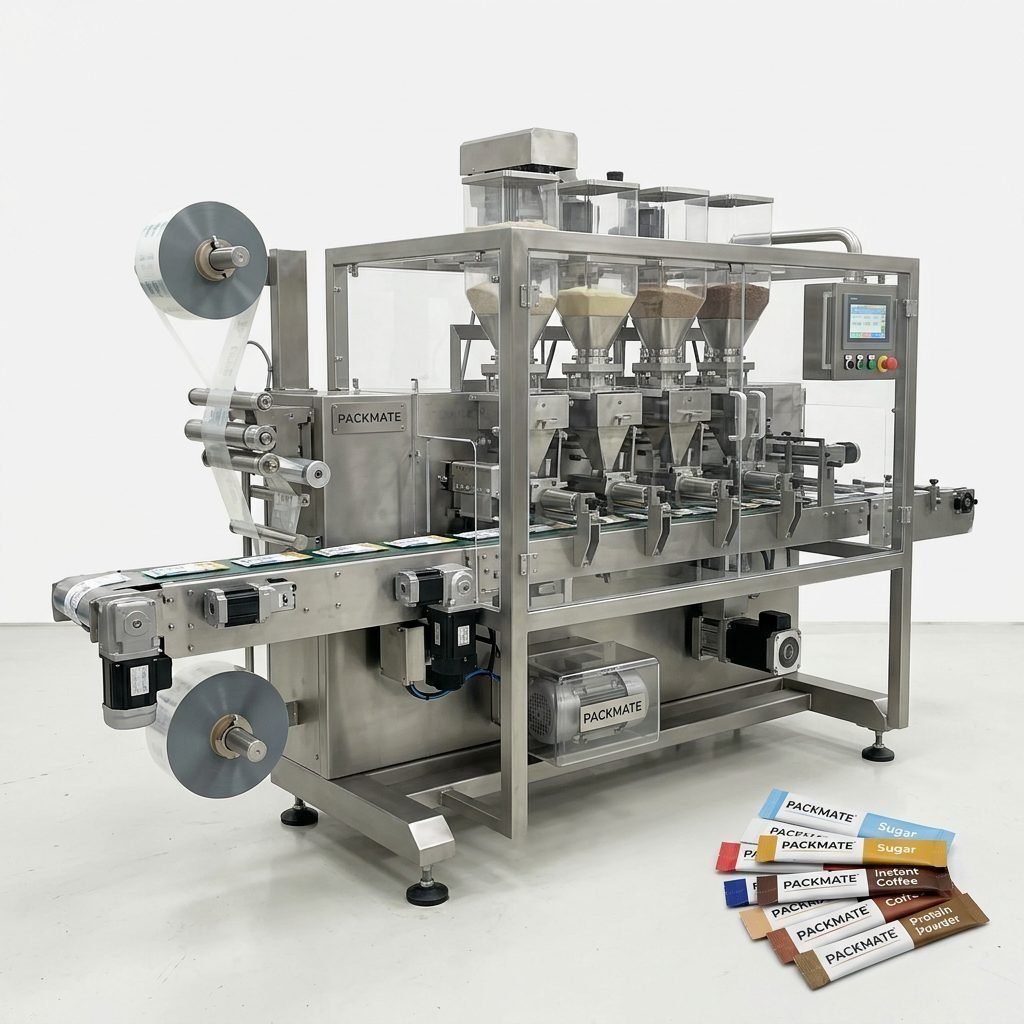
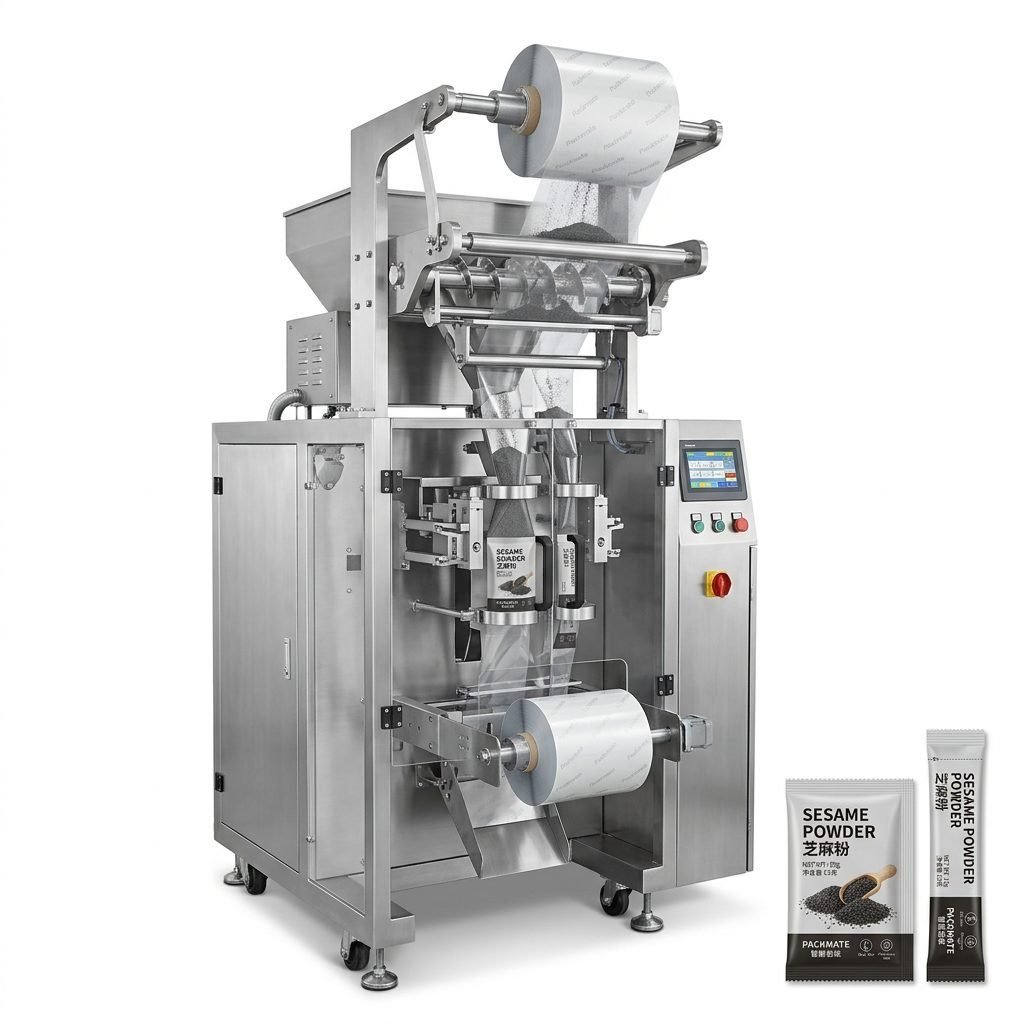
While domestic German manufacturers are highly capable, many companies also successfully partner with established international suppliers who have a strong track record in the German and European markets. Companies like Ludyway, with over 30 years of experience and significant exports to Europe, demonstrate that a deep understanding of European requirements is possible from outside Germany. For buyers, this expands the pool of potential suppliers who can offer a compelling combination of technical sophistication and cost efficiency.
When evaluating such international partners, apply the same rigorous German standards. Look for evidence of their commitment to the market: Do they have case studies or client references from German-speaking countries? Do they participate in major European trade fairs like Interpack? Is their documentation and software interface available in German? Suppliers like Packmate Machinery and PacklineOEM, which list Europe as a primary export market, often build their machines and support structures with these expectations in mind.
Specialized vs. Generalist Suppliers
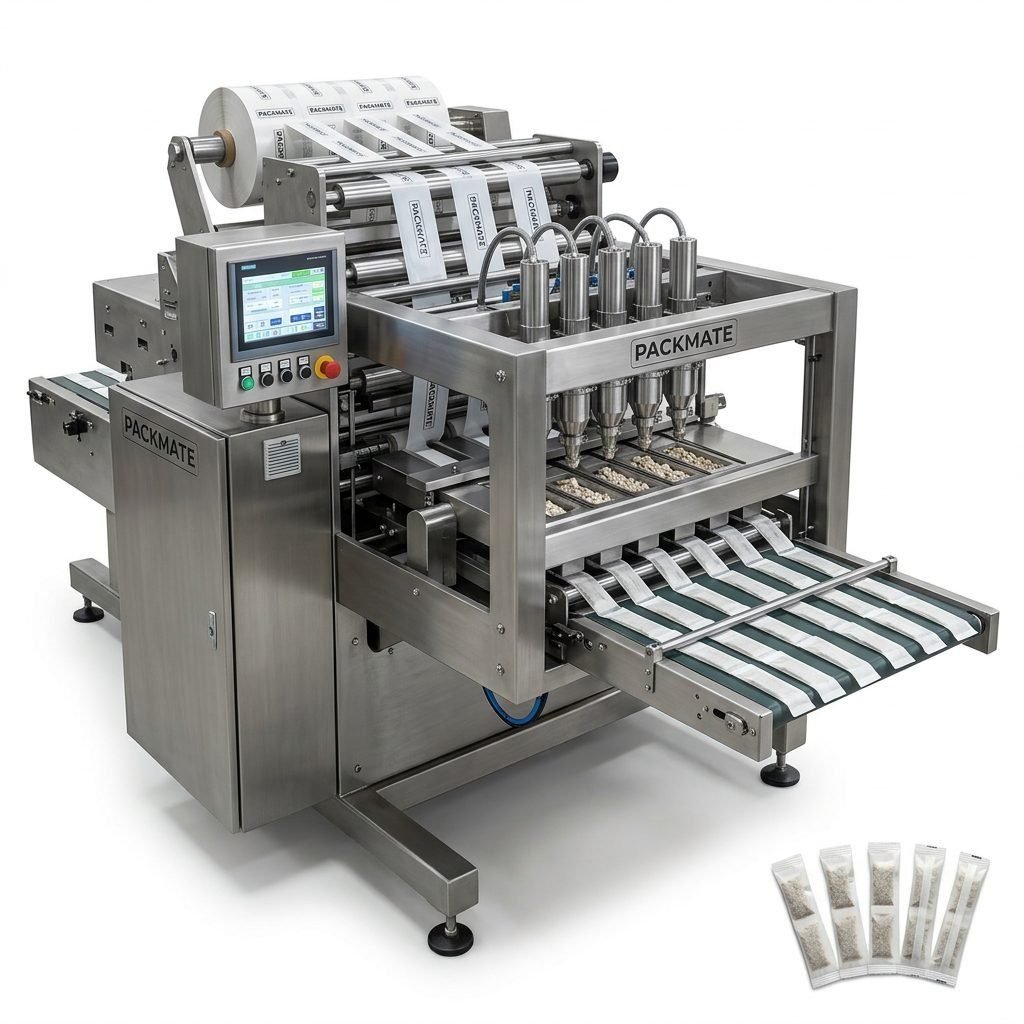
Your product type may dictate your choice. For standard food powders or granules, a generalist manufacturer with a broad range may suffice. For niche applications—such as nicotine pouches, which have specific dosing and sealing requirements—a specialized supplier like SnusMachinery can offer critical application-specific expertise. Similarly, if your project requires heavy customization or a complete turnkey line, a manufacturer with a strong OEM and integration focus, such as PackingMachineOEM, might be the most suitable partner.
Due Diligence and Final Steps
Before signing a contract, your due diligence should include:
- Factory Audit (Virtual or On-Site): Request a live video tour of the production and assembly facilities to assess manufacturing standards and quality control processes.
- Reference Checks: Speak directly to existing clients, particularly those in similar industries or regions. Ask about machine performance, reliability, and the quality of after-sales support.
- Sample Testing: Always conduct factory acceptance tests (FAT) using your own product materials. This is the best way to verify performance claims for speed, accuracy, and seal integrity.
- Contract Clarity: Ensure the contract explicitly details technical specifications, delivery scope, acceptance criteria, warranty terms, and responsibilities for installation and training.
Frequently Asked Questions (FAQs)
What are the main advantages of buying packaging machinery from Germany?
German machinery is synonymous with high precision, robust engineering, and advanced automation. Suppliers typically offer excellent after-sales support within Europe and ensure full compliance with strict EU regulations. The focus is on long-term reliability and integrating with Industry 4.0 smart factory systems.
How important is it for the supplier to have a local presence in Germany?
Extremely important for ongoing support. A local office, service technicians, or a strong authorized partner network ensures faster response times for maintenance, easier access to spare parts, and better communication. It significantly reduces potential downtime.
Are international manufacturers a viable alternative to German brands?
Yes, provided they have a proven export track record to Germany and Europe. Look for manufacturers with extensive experience, European client references, machines built to EU standards, and a dedicated support structure for the region. They can offer a competitive blend of technology and value.
What certifications should I insist on for food or pharmaceutical packaging machines?
For food: CE marking, compliance with EU Machinery Directive, and often EHEDG certification for hygiene design. For pharmaceuticals: GMP-compliant design and documentation, and possibly ATEX for explosive atmospheres if handling fine powders. FDA compliance may also be needed for certain exports.
What is typically included in a “turnkey” packaging line from a German supplier?
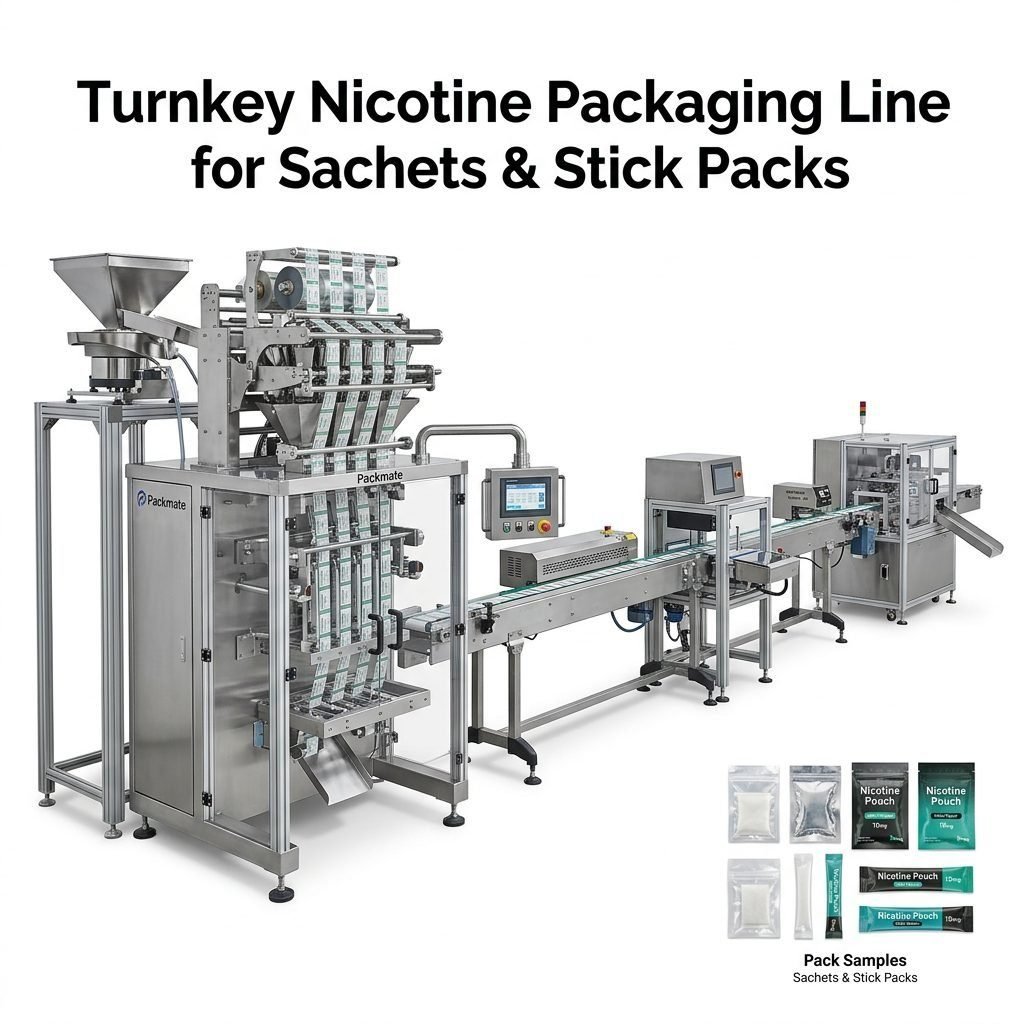
A true turnkey solution includes all machines from feeding, dosing, and filling to sealing, inspection, coding, and secondary packaging. It also encompasses design, installation, commissioning, operator training, and often ongoing maintenance support. The supplier acts as a single point of responsibility for the entire line’s performance.