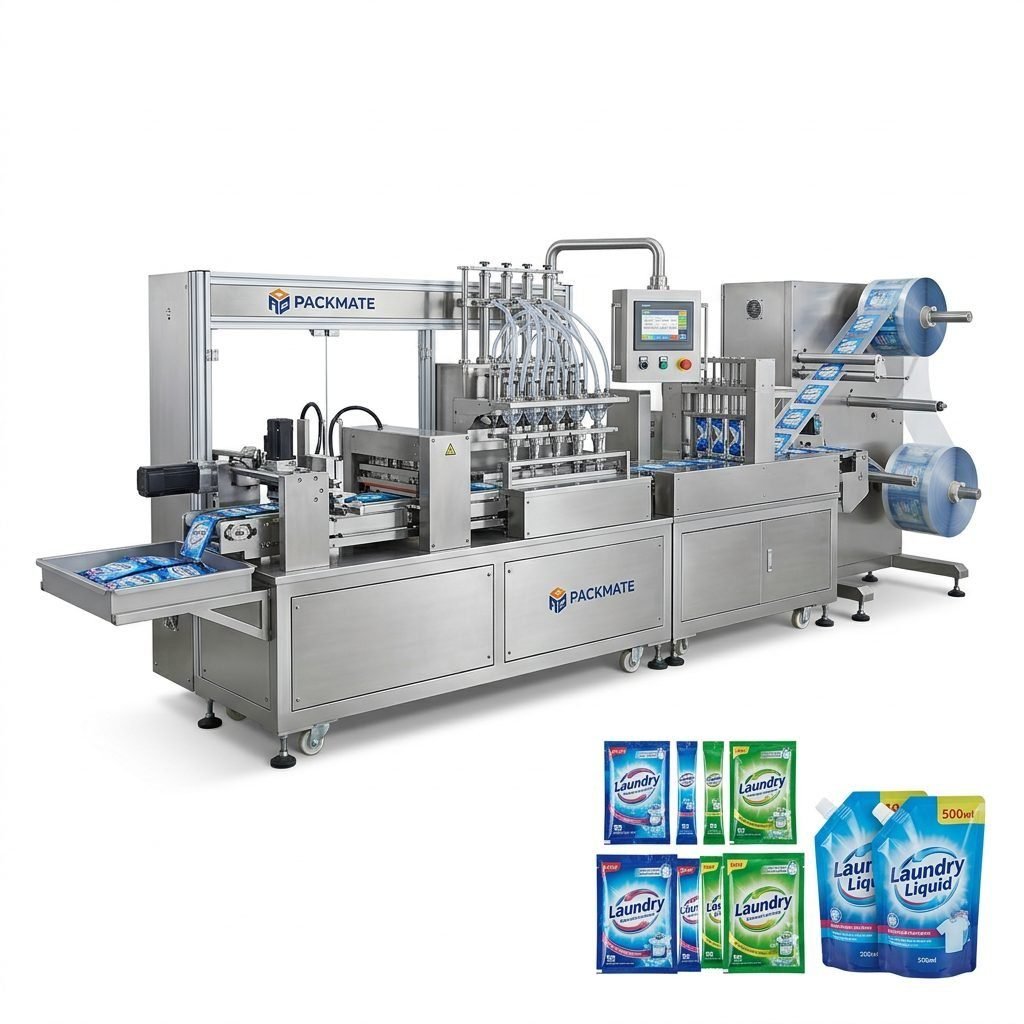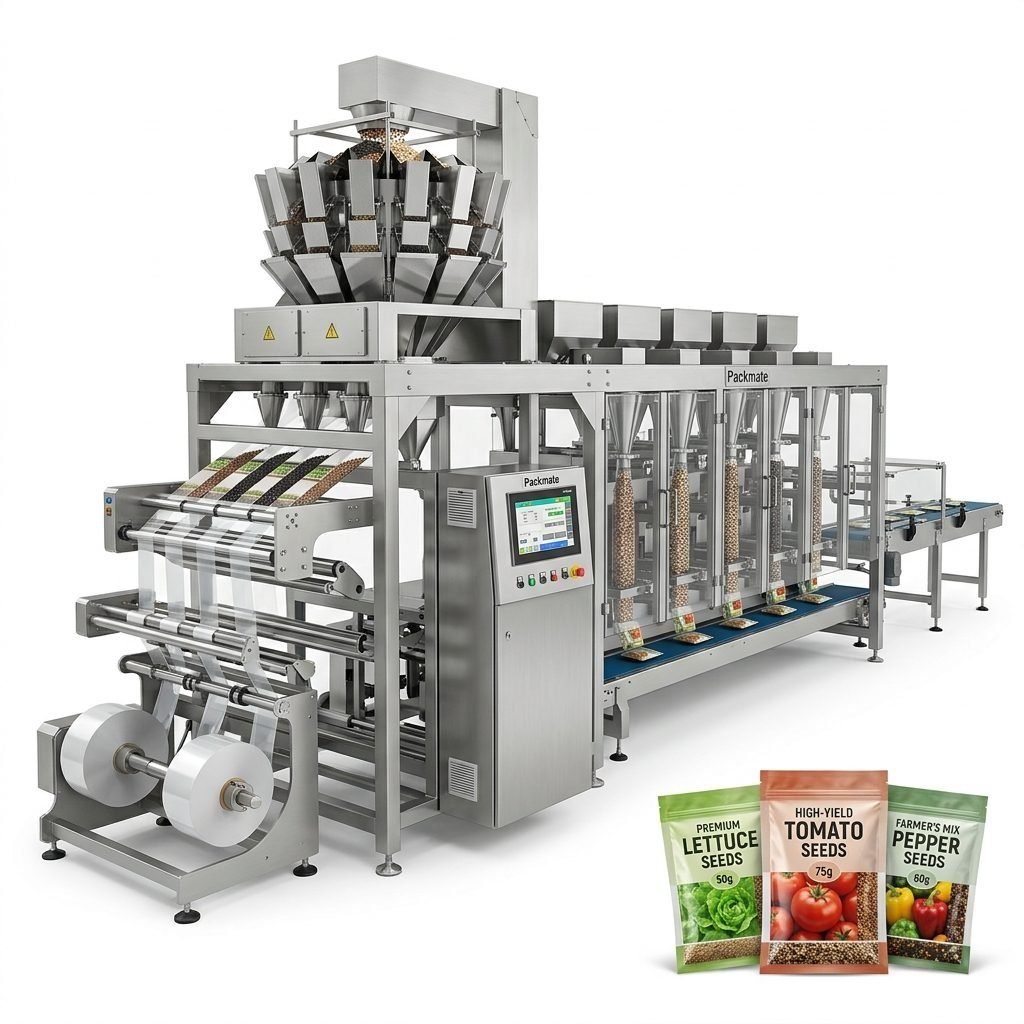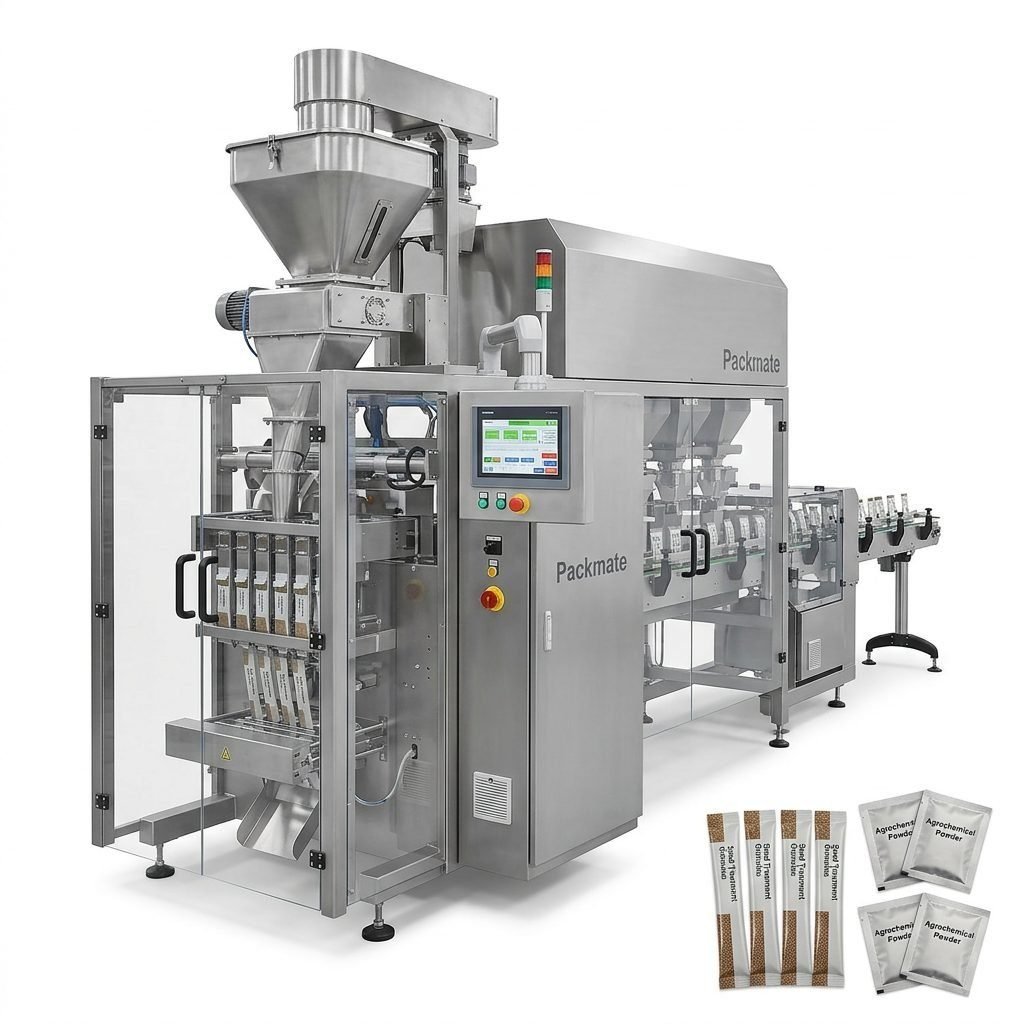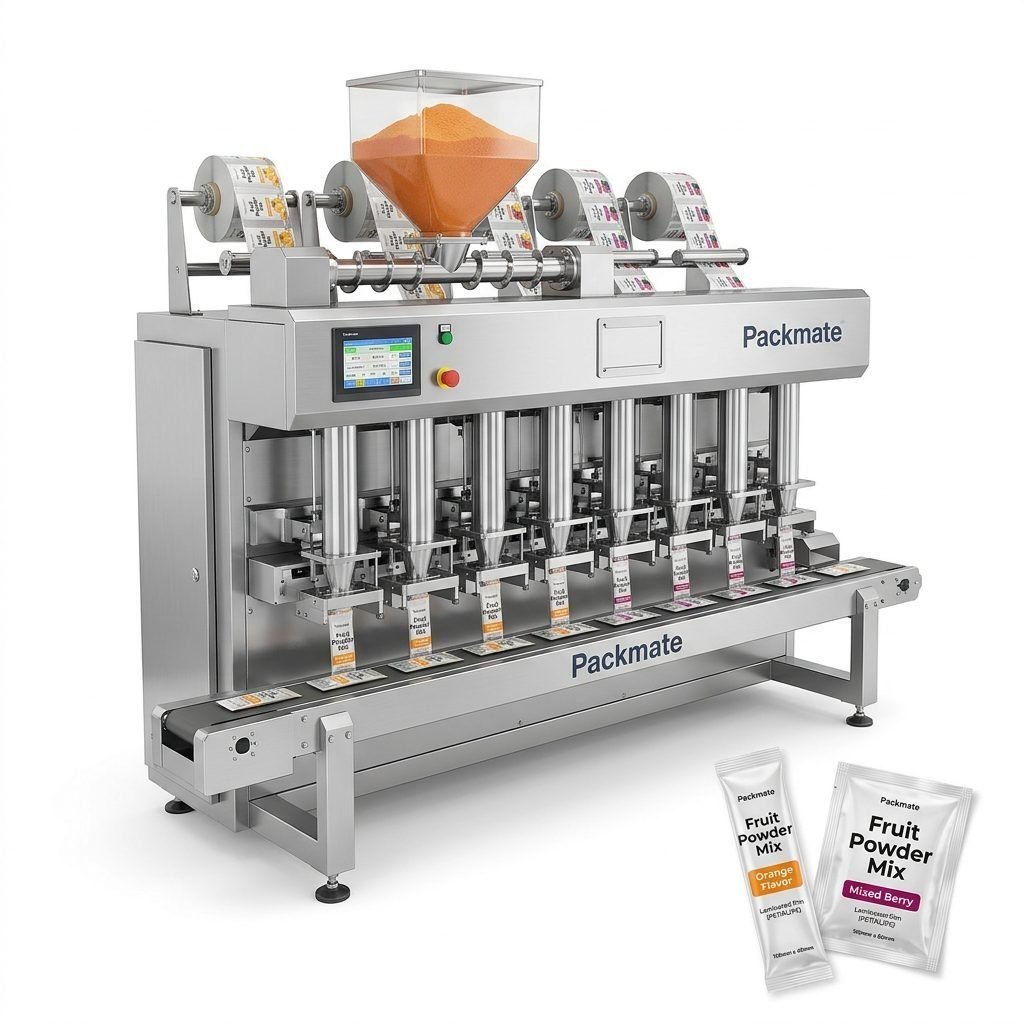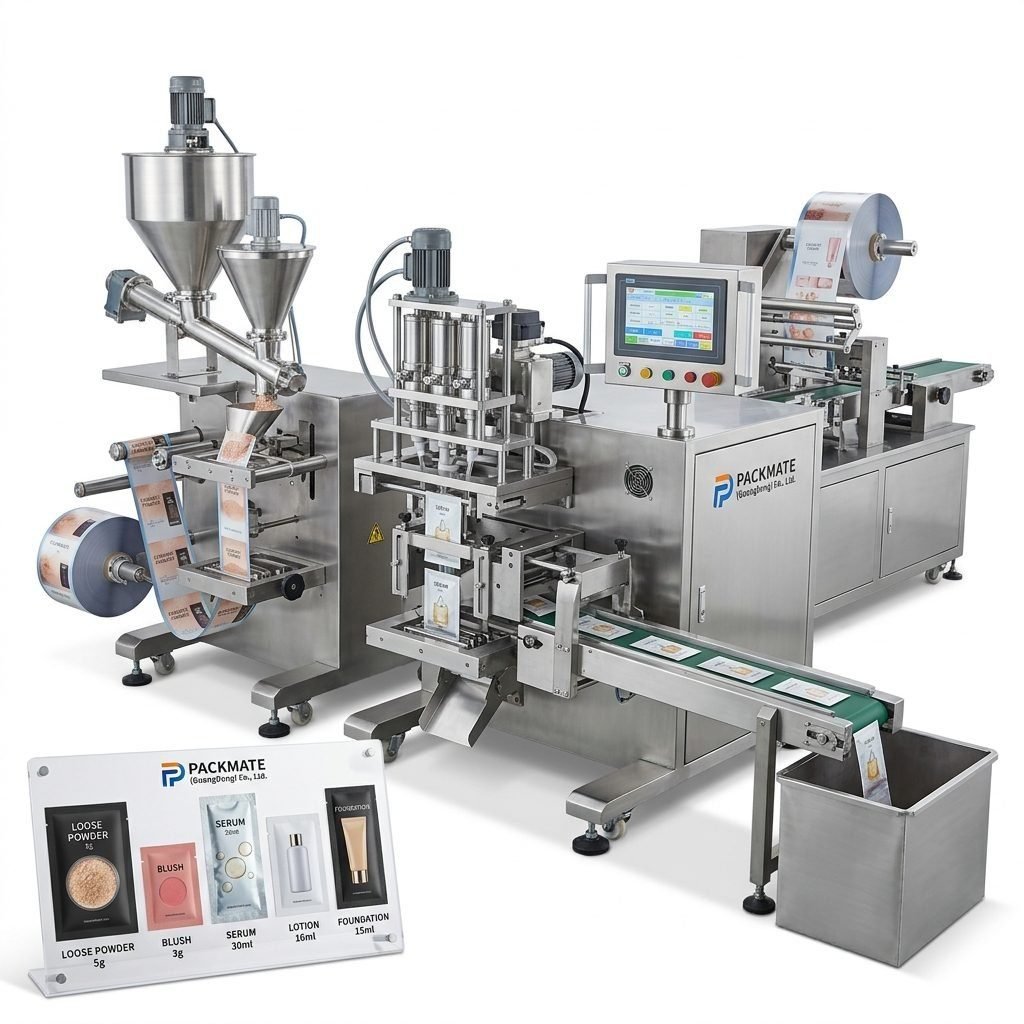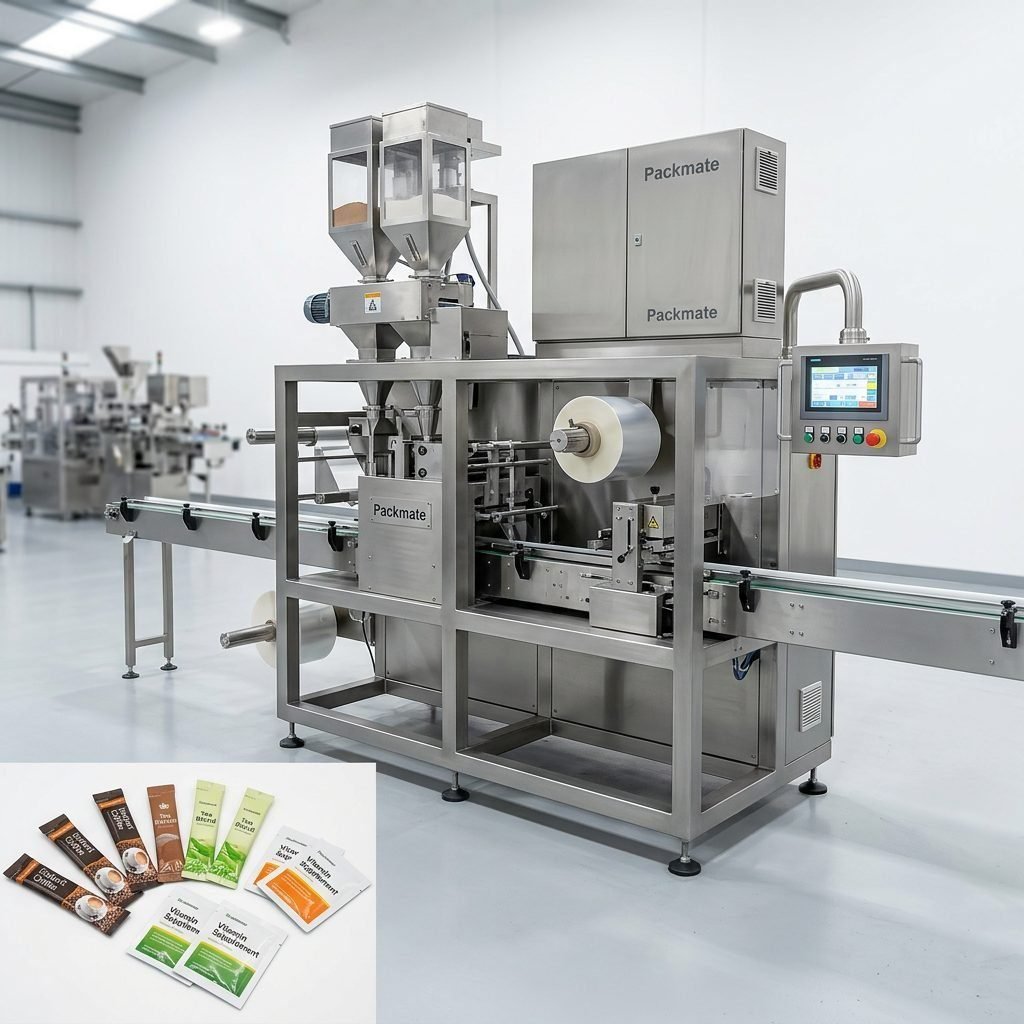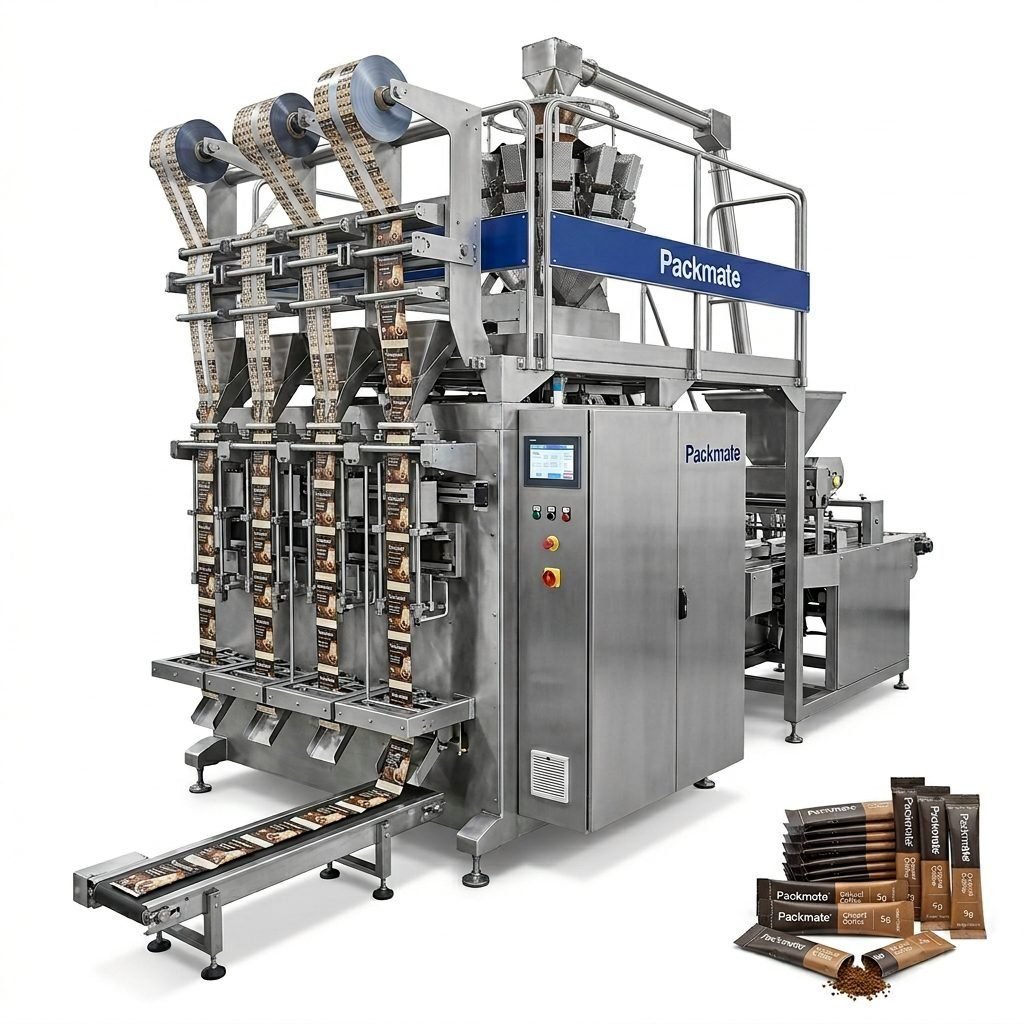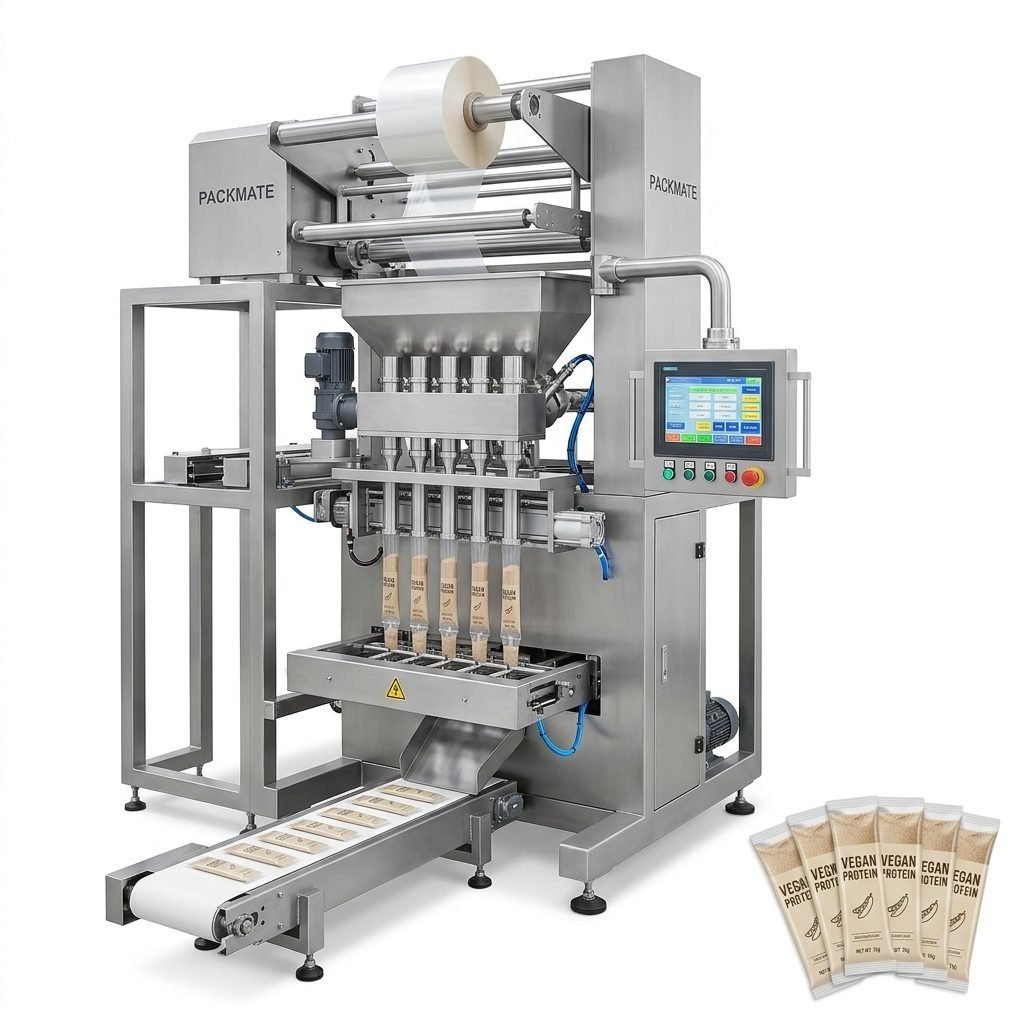
Investing in an automatic packaging system is a strategic decision for any manufacturing operation aiming to enhance productivity, improve product consistency, and reduce labor costs. With a wide range of machinery available—from single machines to complete turnkey lines—selecting the right solution requires careful consideration of your product, production goals, and operational environment.
Understanding Your Packaging Requirements
The first step in choosing the right system is a thorough analysis of your specific needs. This involves several key factors that will directly influence the type of equipment required.
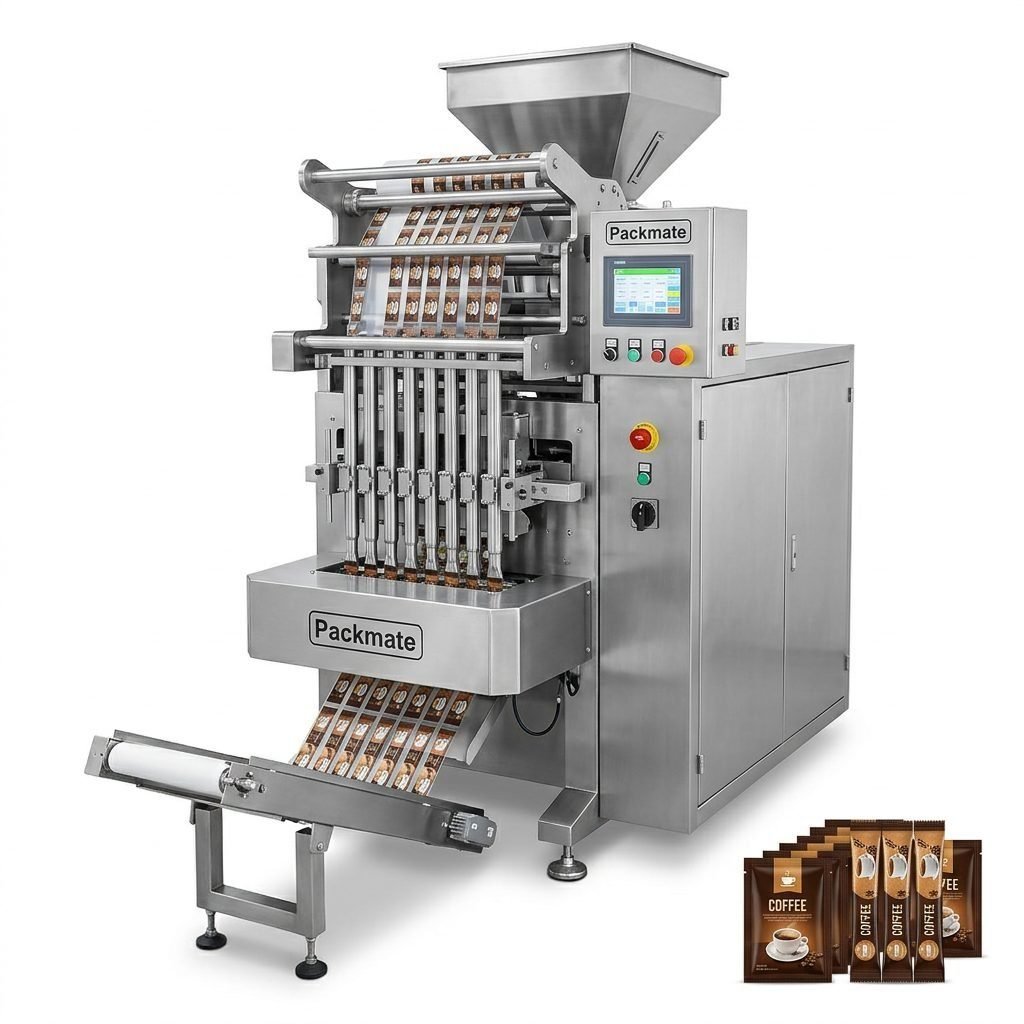
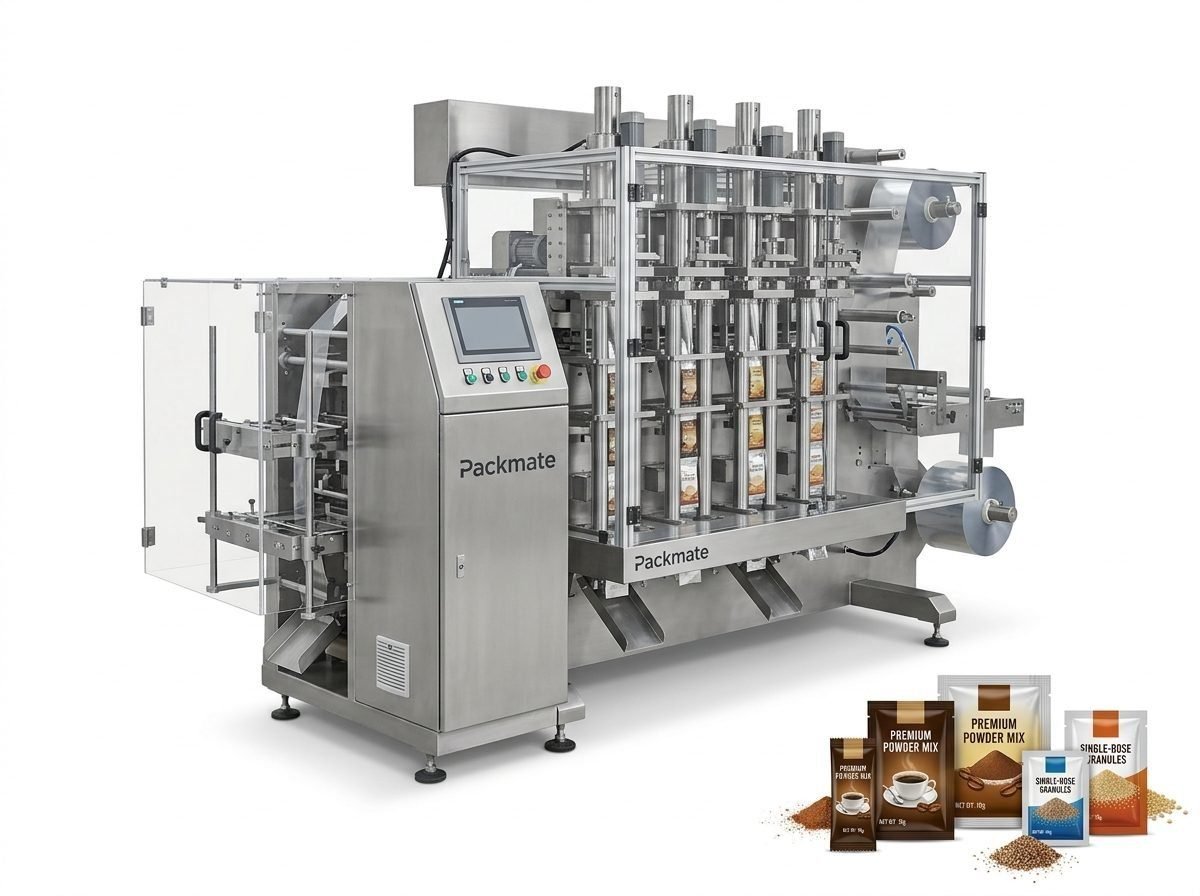
Product Characteristics: The physical form of your product—whether it’s a powder, granule, liquid, paste, or solid—dictates the core technology of the machine. For instance, a multi-lane stick pack machine is ideal for free-flowing powders like coffee or sugar, while a liquid filling system requires pumps and nozzles designed to handle viscosity and prevent dripping.
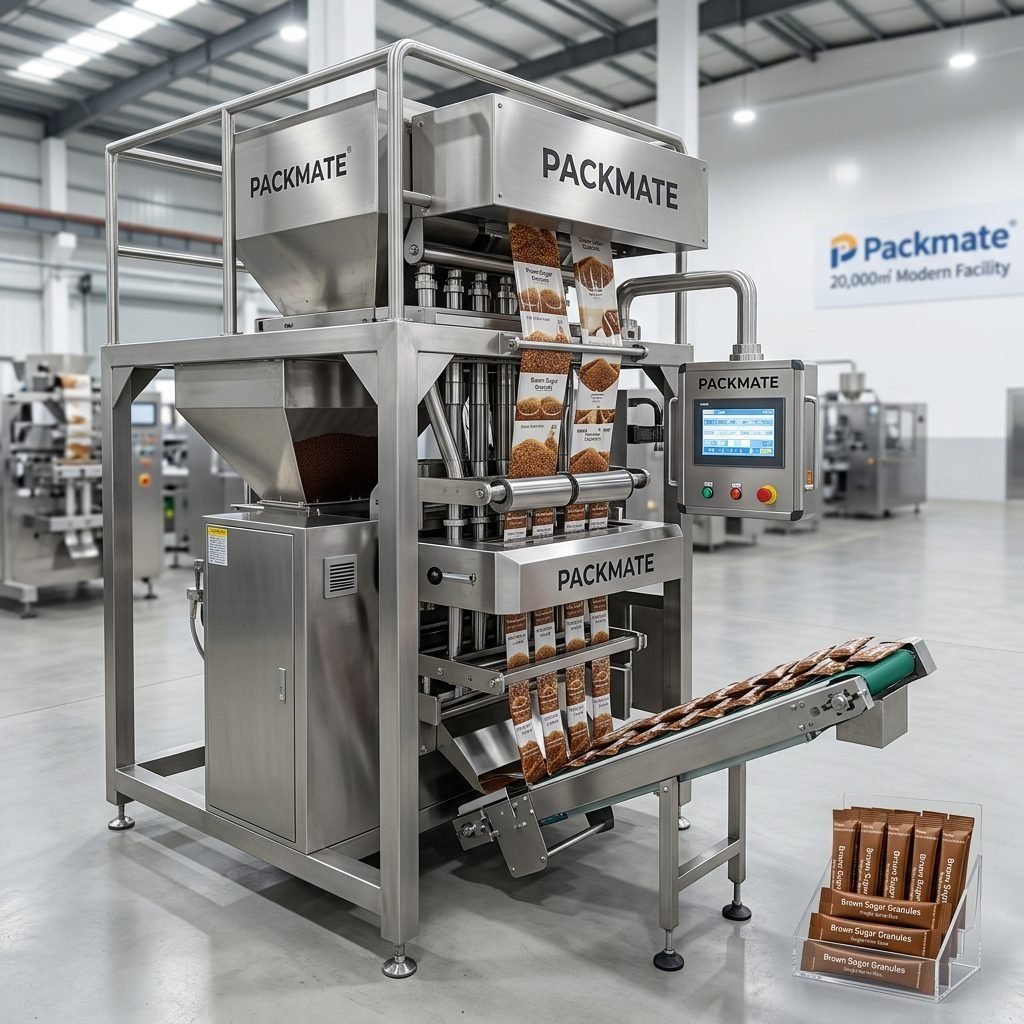
Production Speed and Volume: Assess your current output and future growth projections. High-volume operations, such as those in the food or pharmaceutical sectors, often benefit from multi-lane systems that can produce hundreds of sachets or stick packs per minute. A lower-volume producer might prioritize flexibility and quick changeover times over raw speed.
Packaging Materials and Formats: The type of film or laminate used, and the final bag shape (stand-up pouch, flat sachet, stick pack, etc.) must be compatible with the machine’s forming, sealing, and cutting mechanisms. Some advanced systems offer the flexibility to run different materials with minimal downtime.
Key Consideration: Don’t just buy for today’s needs. Consider a system with scalability. Can the machine handle a 20-30% increase in output? Can it be easily integrated with upstream (e.g., mixing) or downstream (e.g., cartoning) equipment in the future? Planning for growth from the start prevents costly replacements later.
Types of Automatic Packaging Systems
The market offers various levels of automation, from semi-automatic machines to fully integrated lines. Understanding the differences is crucial.
Vertical Form-Fill-Seal (VFFS) Machines: These are the workhorses of the industry, creating bags from a roll of film, filling them with product, and sealing them in a continuous vertical motion. They are highly versatile and suitable for a vast range of powders, granules, and liquids.
Pre-Made Pouch Machines: These systems use pre-formed pouches, which are then opened, filled, and sealed. They are often chosen for premium products, complex pouch shapes, or when using materials that are difficult to form on a VFFS machine.
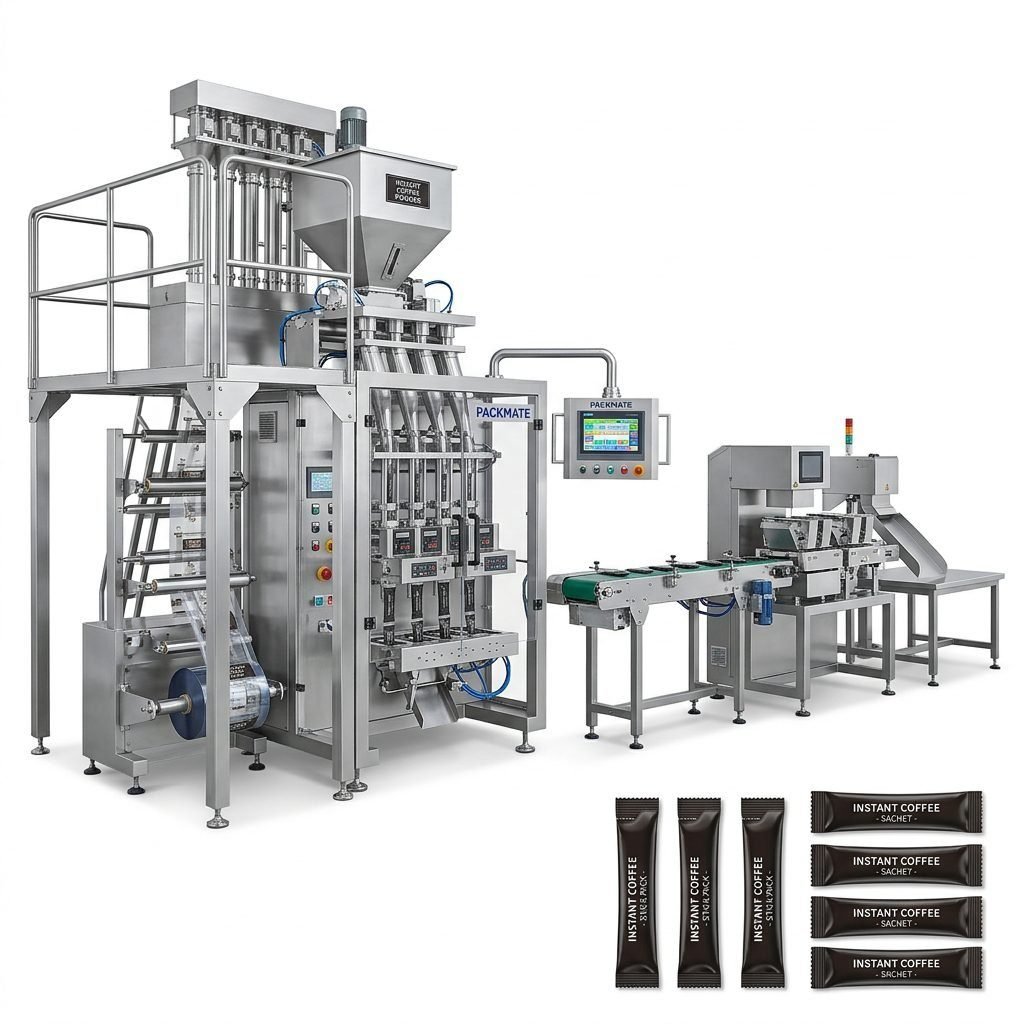
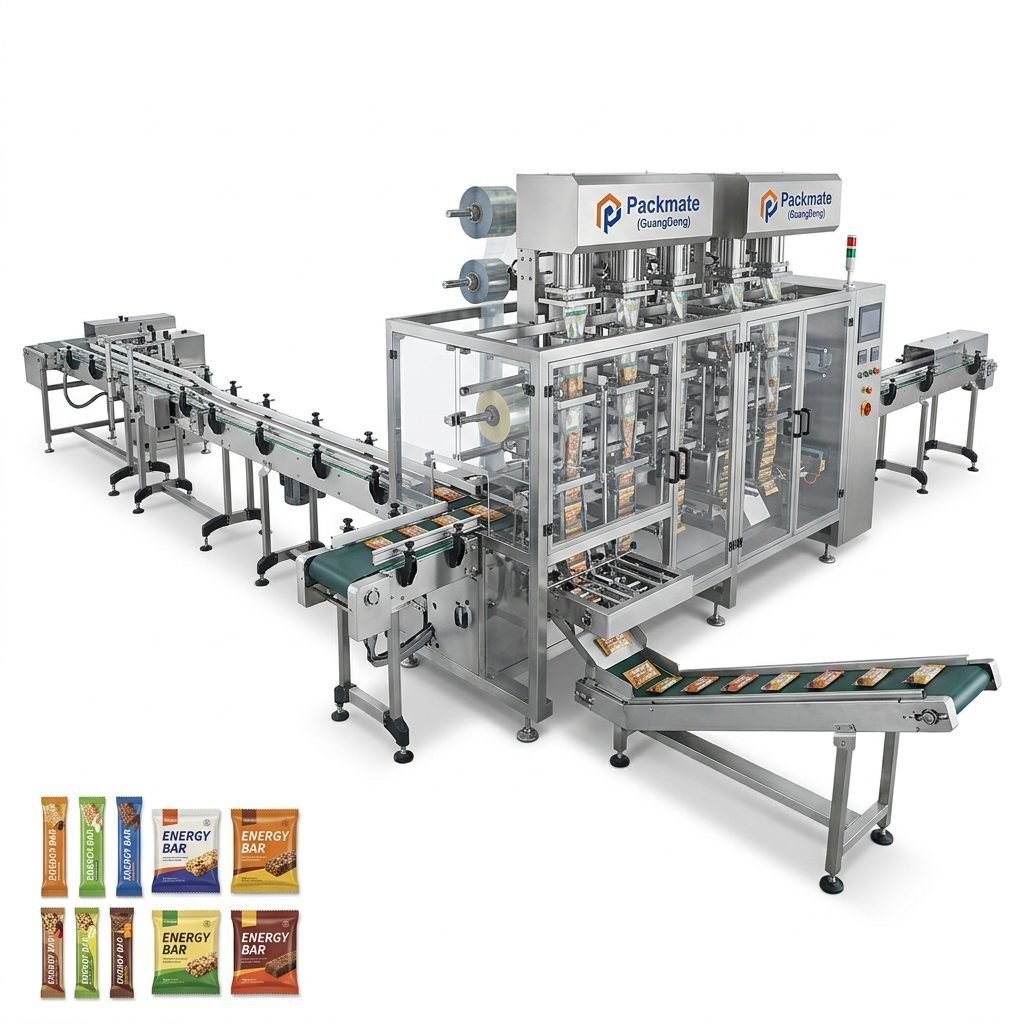
Turnkey Packaging Lines: For large-scale, high-efficiency production, a complete line is the answer. A turnkey solution integrates multiple machines—such as feeders, weigh fillers, VFFS units, checkweighers, metal detectors, and cartoners—into a seamless, synchronized system. Companies like PacklineOEM specialize in designing and building these integrated lines, which maximize output and minimize manual handling.
Evaluating Machine Features and Technology
Beyond the basic type, the specific features of a packaging machine determine its efficiency, reliability, and suitability for your product.
Accuracy and Precision: For costly ingredients or regulated products (e.g., pharmaceuticals, supplements), dosing accuracy is non-negotiable. Look for machines with advanced weighing systems like multi-head weighers or auger fillers with servo drives for precise volumetric filling.
Hygiene and Cleanability: In food, pharmaceutical, and nutraceutical packaging, hygiene is paramount. Machines should have sanitary designs with smooth surfaces, easy disassembly for cleaning (CIP/SIP capabilities), and be constructed from food-grade materials like stainless steel.
Automation and Control: Modern machines are equipped with PLC (Programmable Logic Controller) and HMI (Human-Machine Interface) touchscreens. These allow for recipe storage, quick changeovers, real-time monitoring of production data, and diagnostic alerts, significantly reducing operator error and downtime.
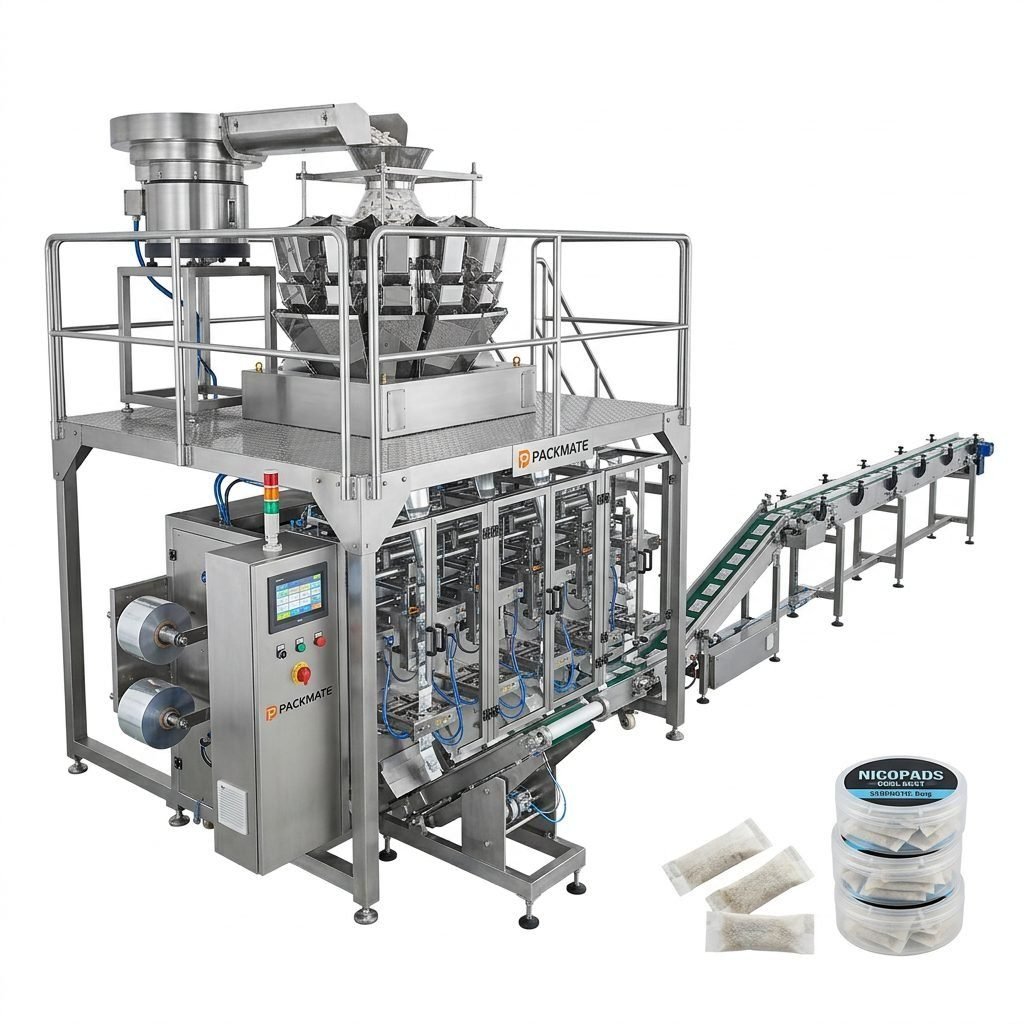
Flexibility and Changeover: If you run multiple products or packaging sizes, the time required to change formats is a critical metric. Machines with tool-less changeover parts and digital settings recall can switch from one product to another in minutes instead of hours.
The Importance of Supplier Selection and Support
Your relationship with the machine manufacturer is as important as the machine itself. A reliable partner provides long-term value.
Manufacturing Expertise and Experience: Choose a supplier with a proven track record in your specific industry. A company with over 30 years of experience, like Ludyway, has likely encountered and solved challenges similar to yours. They understand the nuances of packaging different product types, from food powders to pharmaceutical granules.
Technical Support and Spare Parts: Ensure the supplier offers comprehensive after-sales service, including installation, training, readily available spare parts, and remote troubleshooting. Downtime is expensive; a responsive support team is invaluable.
Customization Capability: Off-the-shelf machines don’t always fit unique requirements. If your product has unusual characteristics or you need a specific integration, a manufacturer with strong R&D and customization abilities is essential. Suppliers like PackingMachineOEM focus on providing non-standard and tailored solutions to meet specialized production needs.
Global Market Presence: For exporters, a manufacturer with a strong international footprint, serving markets like Europe and North America, is advantageous. They are more likely to build machines that comply with international safety and quality standards (e.g., CE, UL) and have experience with the logistical and support challenges of cross-border business.
Calculating ROI and Boosting Production Efficiency
The investment in automation must be justified by a clear return. The primary gains come from increased output, reduced waste, and lower labor costs.
Labor Savings: Automating manual tasks like filling, sealing, and cartoning can reduce direct labor requirements by 50-70% or more. This not only cuts costs but also minimizes human error and improves workplace safety.
Increased Output and OEE: Automatic systems run consistently at high speeds, significantly boosting Overall Equipment Effectiveness (OEE). They eliminate bottlenecks caused by manual pacing and can operate continuously with minimal breaks.
Reduced Material Waste: Precision filling systems minimize giveaway (overfilling) and spillage. Consistent, high-quality seals reduce the rate of rejected packages due to leaks or poor appearance, directly saving on packaging material costs.
| Efficiency Factor | Manual/Semi-Auto Process | Fully Automatic System |
|---|---|---|
| Output (Packs/Minute) | 20-50 | 80-400+ |
| Labor Required per Line | 3-5 operators | 1-2 operators (monitoring) |
| Filling Accuracy | ±2-3% variance | ±0.5-1% variance |
| Changeover Time | 1-2 hours | 15-30 minutes |
Improved Product Quality and Consistency: Automated systems deliver uniform package weight, fill, and seal integrity. This enhances brand reputation, reduces customer complaints, and is often a requirement for supplying major retailers or entering regulated markets.
Implementation and Integration Strategy
Successful deployment goes beyond simply purchasing a machine. A strategic approach ensures a smooth transition and maximizes the investment.
Site Audit and Line Design: Reputable suppliers will often conduct a site visit to assess your factory layout, utilities, and workflow. They can then design a line that fits your space and integrates smoothly with existing processes.
Operator Training: Comprehensive training for your maintenance and operations team is critical. Understanding how to operate, perform basic troubleshooting, and conduct routine maintenance prevents prolonged downtime and extends machine life.
Phased Implementation: For larger turnkey projects, consider a phased approach. Start by automating the core packaging process, then gradually add peripheral equipment like checkweighers, labelers, or case packers. This manages capital expenditure and allows your team to adapt progressively.
Frequently Asked Questions (FAQs)
1. What is the typical lead time for an automatic packaging system?
Lead times vary significantly based on complexity. A standard machine from stock might ship in 4-8 weeks, while a fully customized turnkey line can take 4-6 months or more for design, manufacturing, and testing. Always confirm timelines with your supplier during the quotation process.
2. How do I ensure the machine is compatible with my packaging material?
Provide samples of your film or laminate to the manufacturer for testing. They can run trials to confirm seal strength, film tracking, and forming capabilities on their equipment. This is a crucial step before finalizing any purchase.
3. What kind of maintenance do these systems require?
Regular preventative maintenance is key. This typically includes daily cleaning, lubrication of moving parts as per the manual, inspection of seals and wear parts, and calibration of weighing systems. Your supplier should provide a detailed maintenance schedule.
4. Can one machine handle multiple different products?
Many machines offer multi-product flexibility, but changeover complexity varies. Machines designed for quick changeovers with digital recipe storage and tool-less adjustments are best for high-mix, low-volume production. For dedicated, high-volume lines, a machine optimized for a single product is often more efficient.
5. What after-sales support should I expect?
You should expect installation supervision, comprehensive operator training, a detailed parts manual, access to technical support (often via phone/email/remote access), and a reliable supply of spare parts. Many reputable manufacturers, such as Packmate Machinery or SnusMachinery, offer annual service contracts for ongoing support.