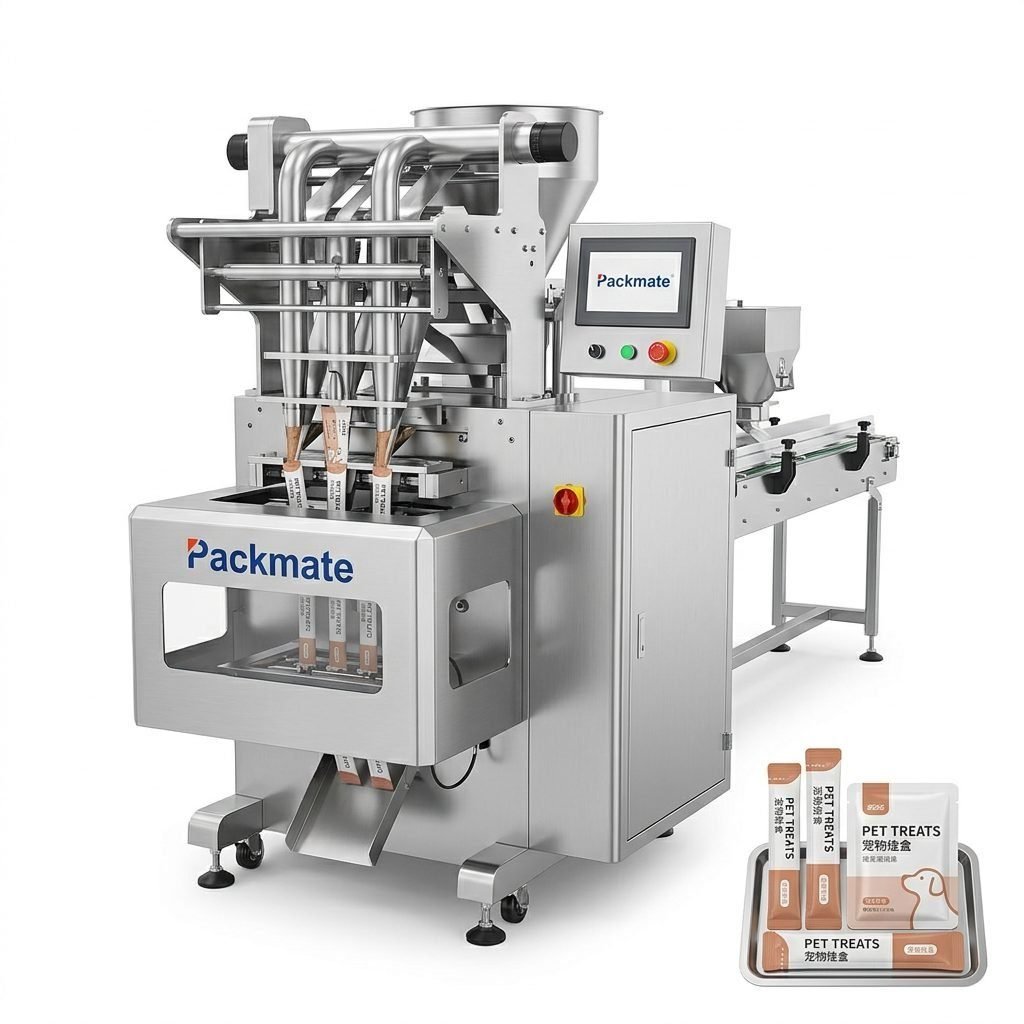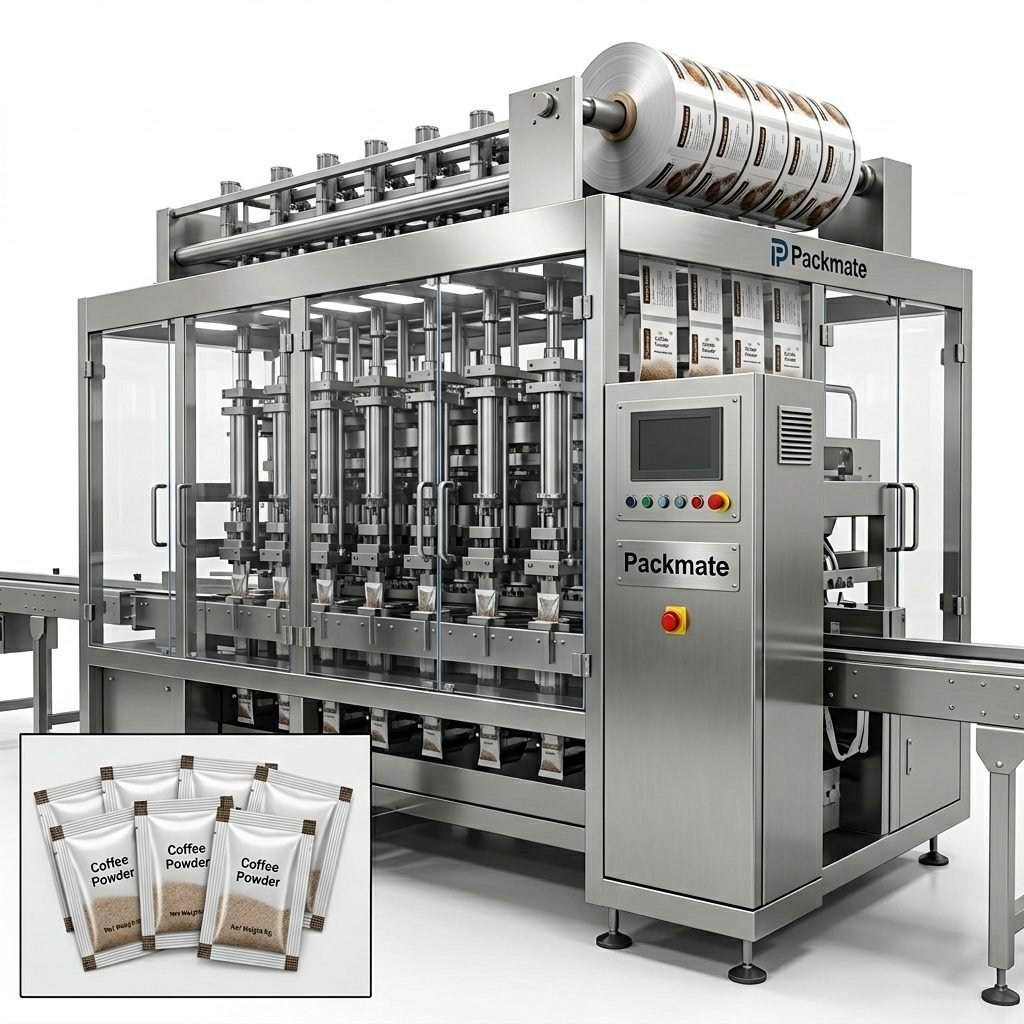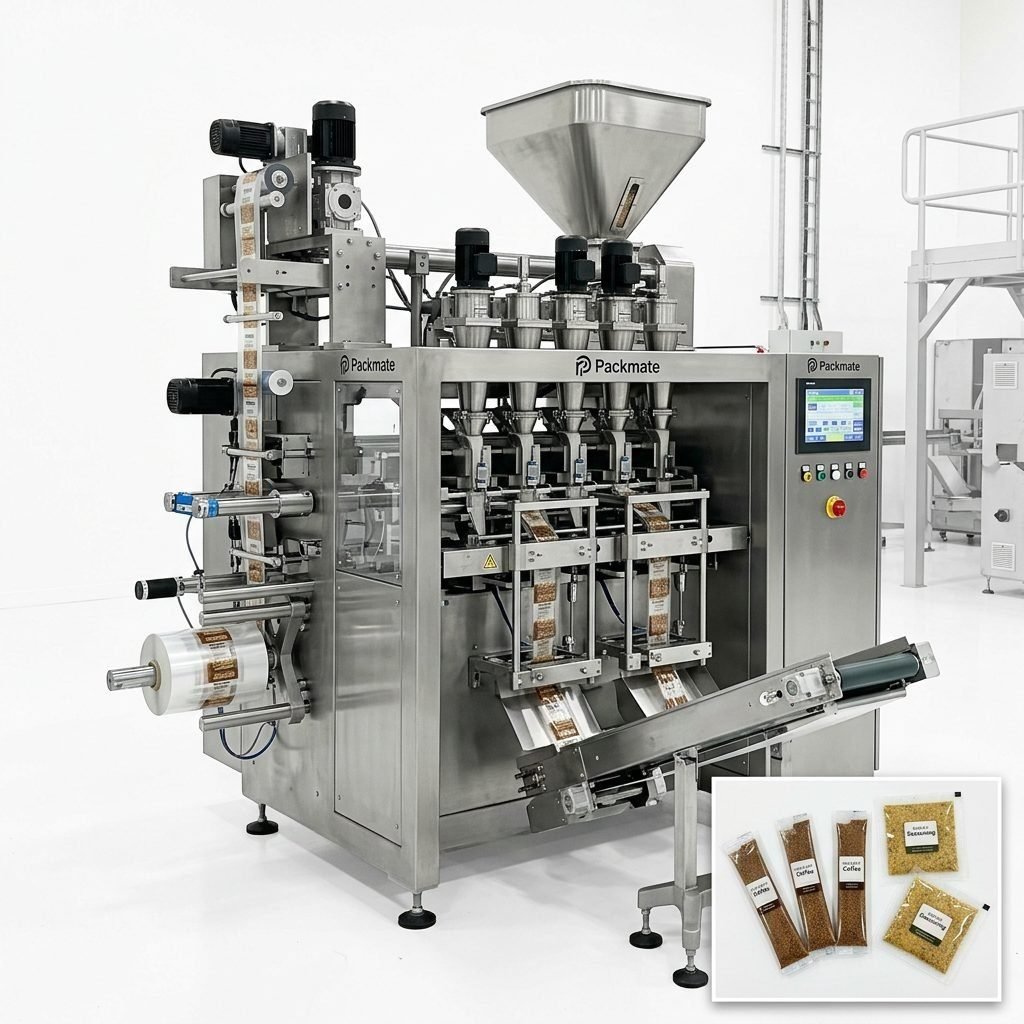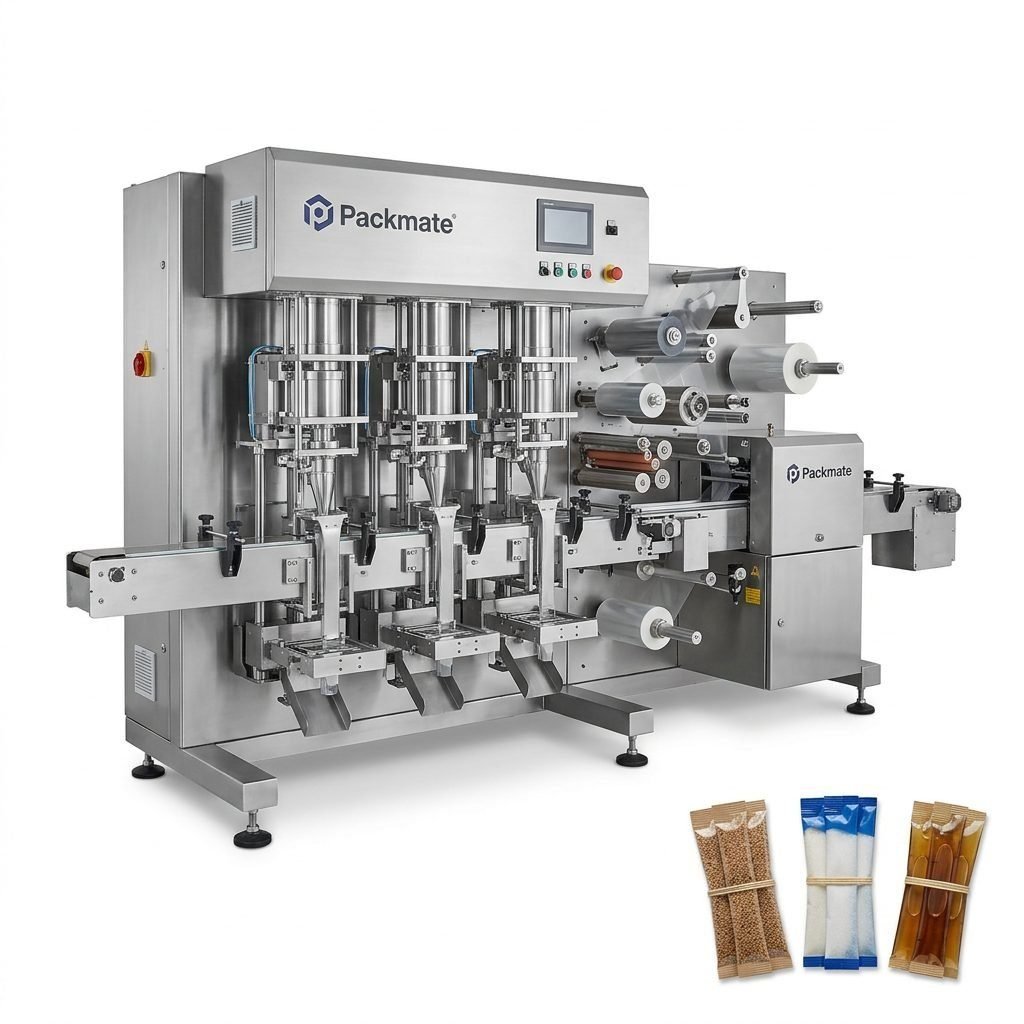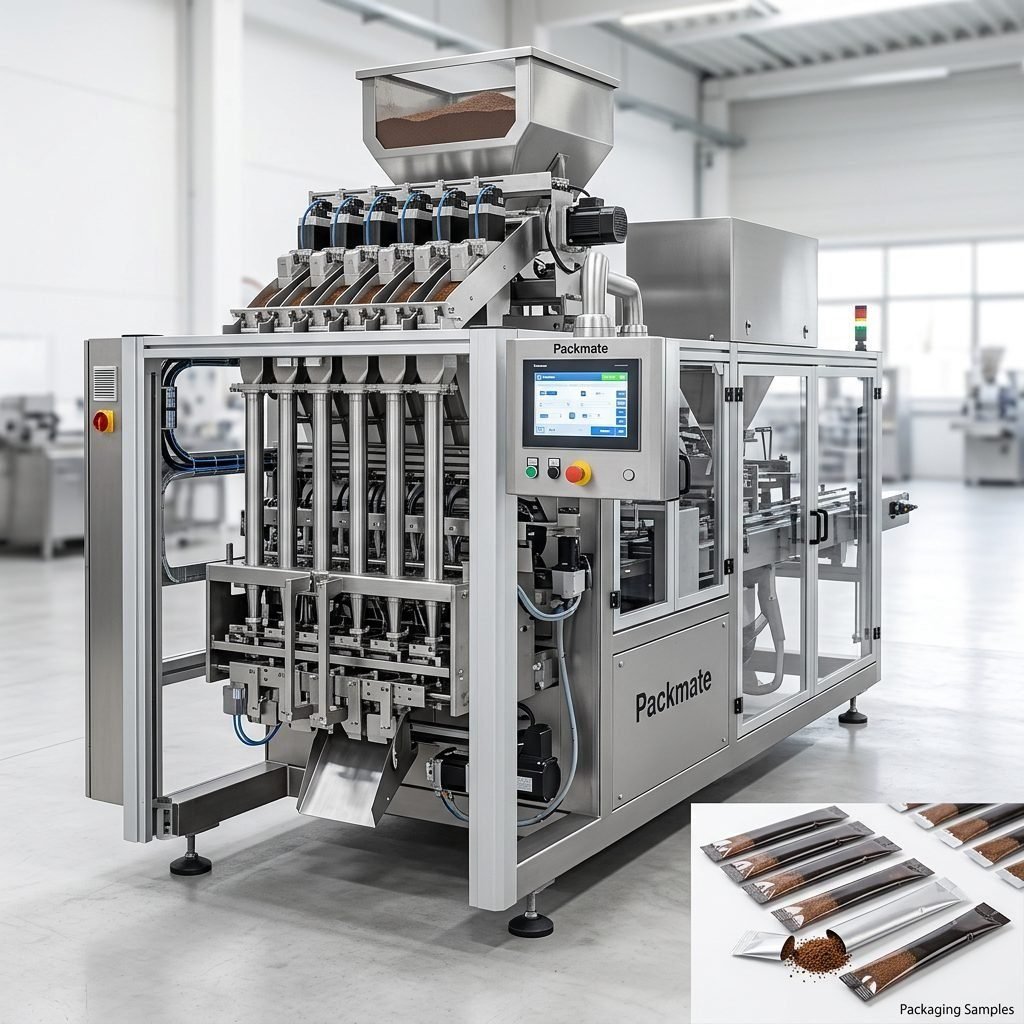
Choosing the right packaging equipment is crucial for cosmetic manufacturers aiming to enhance production efficiency, maintain product integrity, and meet consumer expectations for quality and presentation. The beauty industry demands precision, hygiene, and versatility, making the selection of automated packaging systems a strategic investment. This guide explores the best types of packaging equipment for cosmetic products, focusing on solutions that offer speed, adaptability, and reliability for sachets, stick packs, bottles, and tubes.
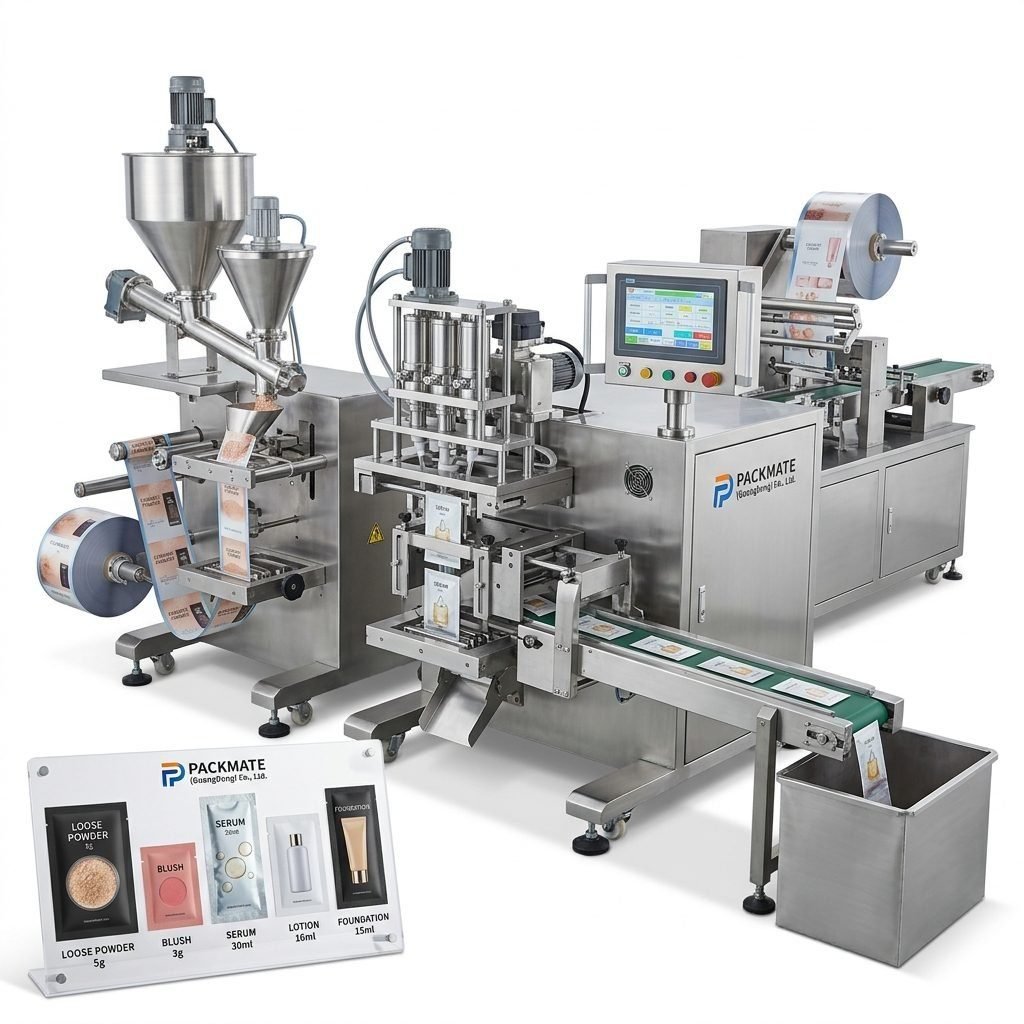
Essential Packaging Equipment Types for Cosmetics
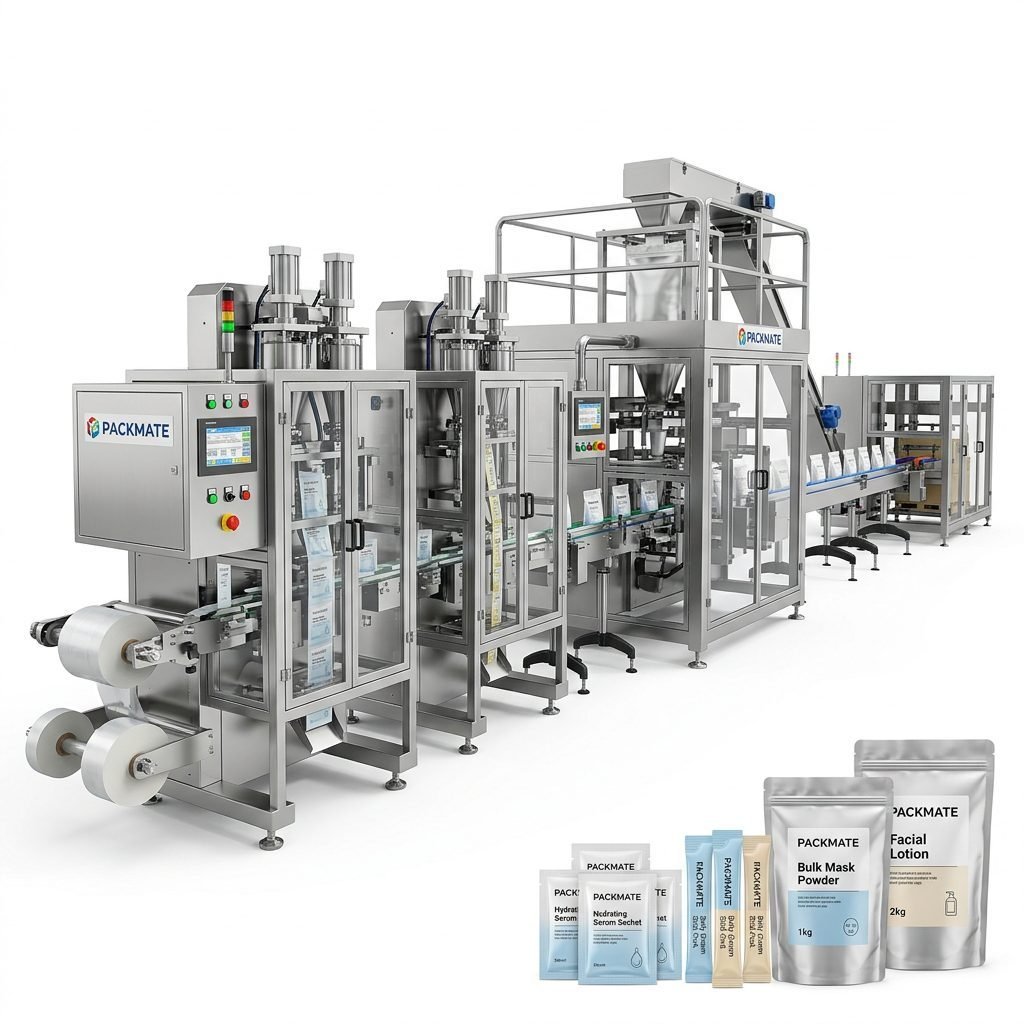
The cosmetic sector utilizes a variety of packaging formats, each requiring specialized machinery. The core equipment categories include sachet and stick pack machines, liquid filling systems, tube fillers and sealers, and complete turnkey lines.
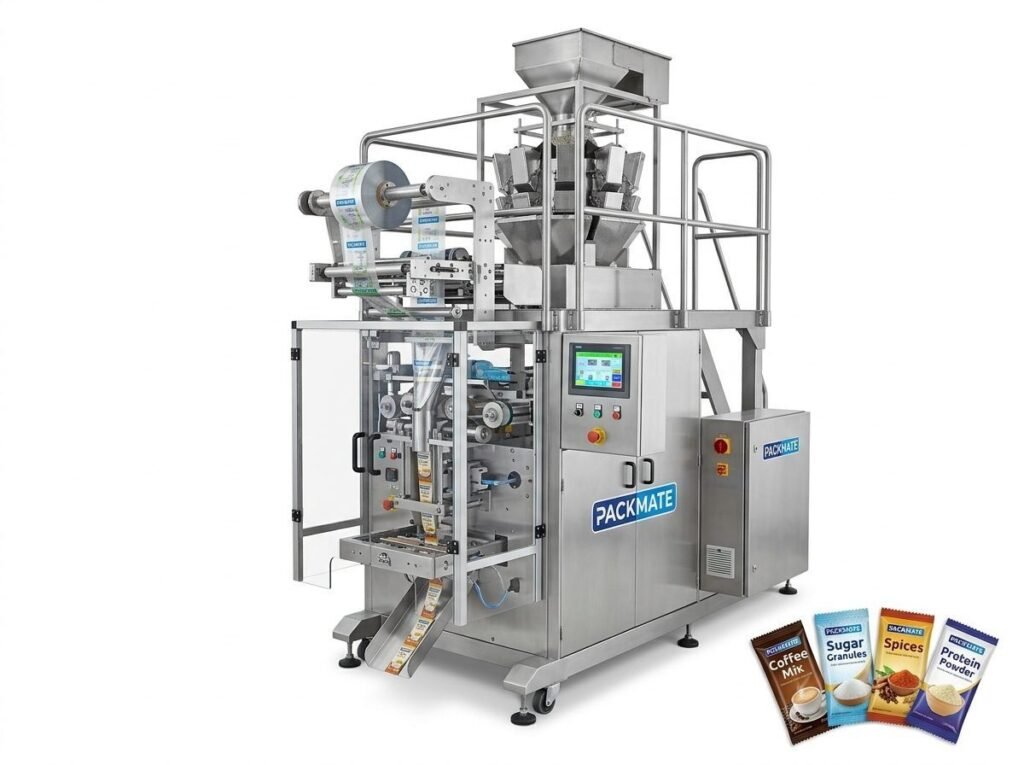
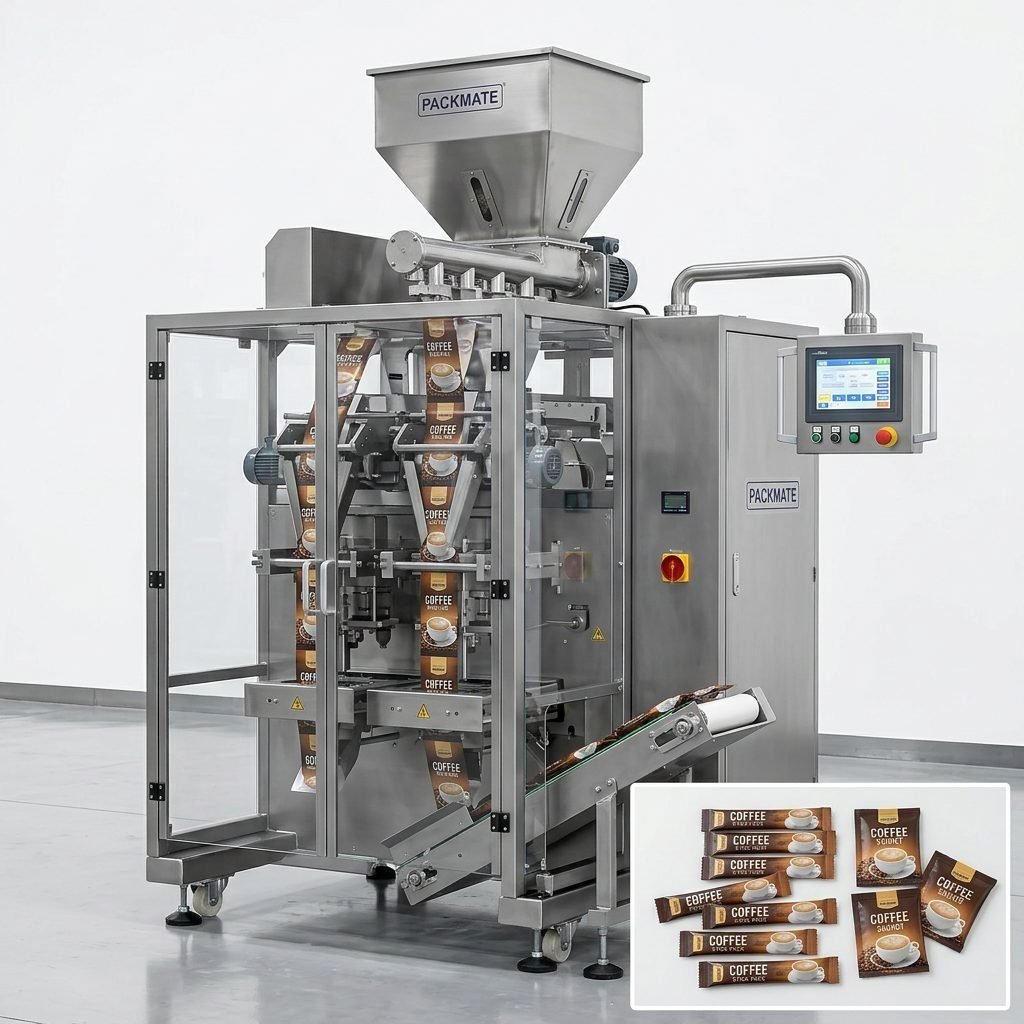
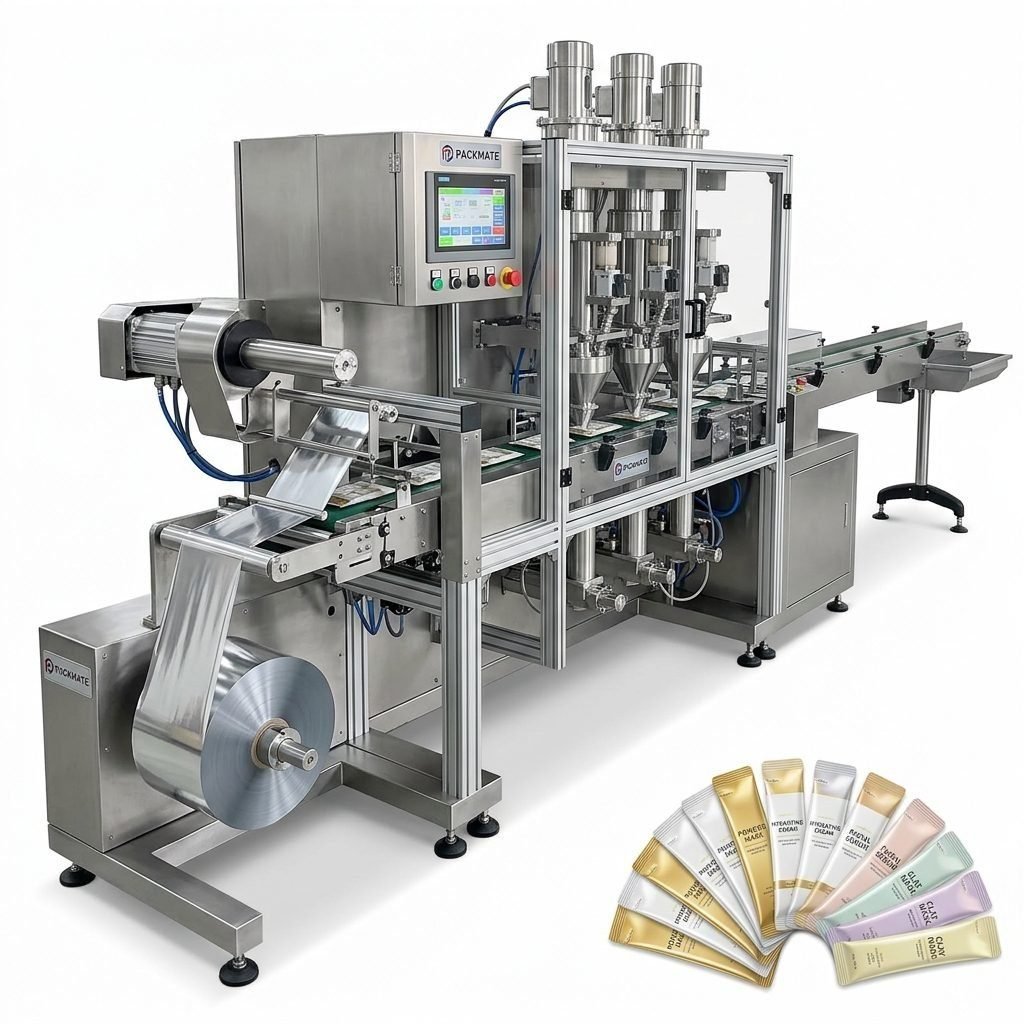
Sachet and Stick Pack Machines: Ideal for single-use samples, serums, powders, or creams. Multi-lane systems from manufacturers like Ludyway enable high-speed production of small pouches with precise dosing, crucial for high-value cosmetic actives.
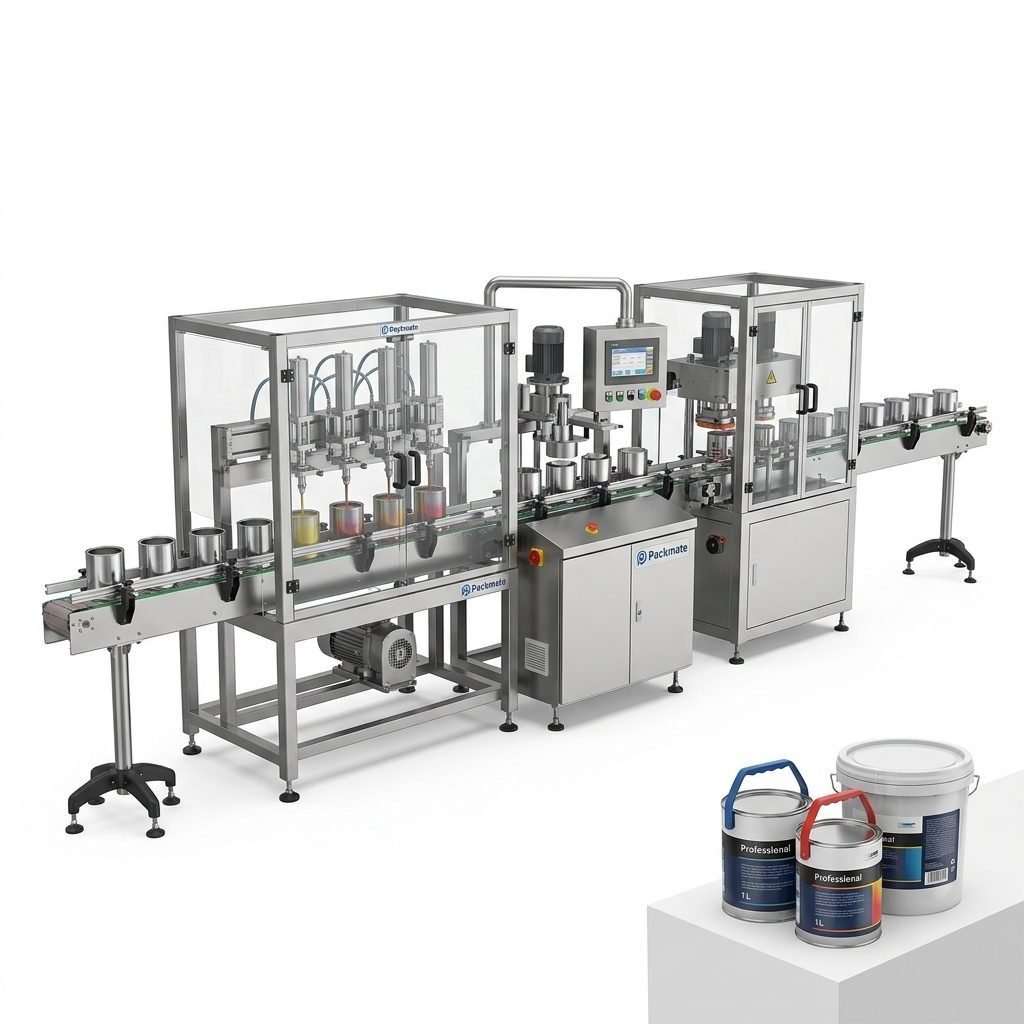
Liquid Filling and Sealing Lines: Used for shampoos, lotions, toners, and oils packaged in sachets or stick packs. These systems ensure accurate volume filling, hermetic sealing to prevent leakage, and often incorporate sterile environments for sensitive formulations.
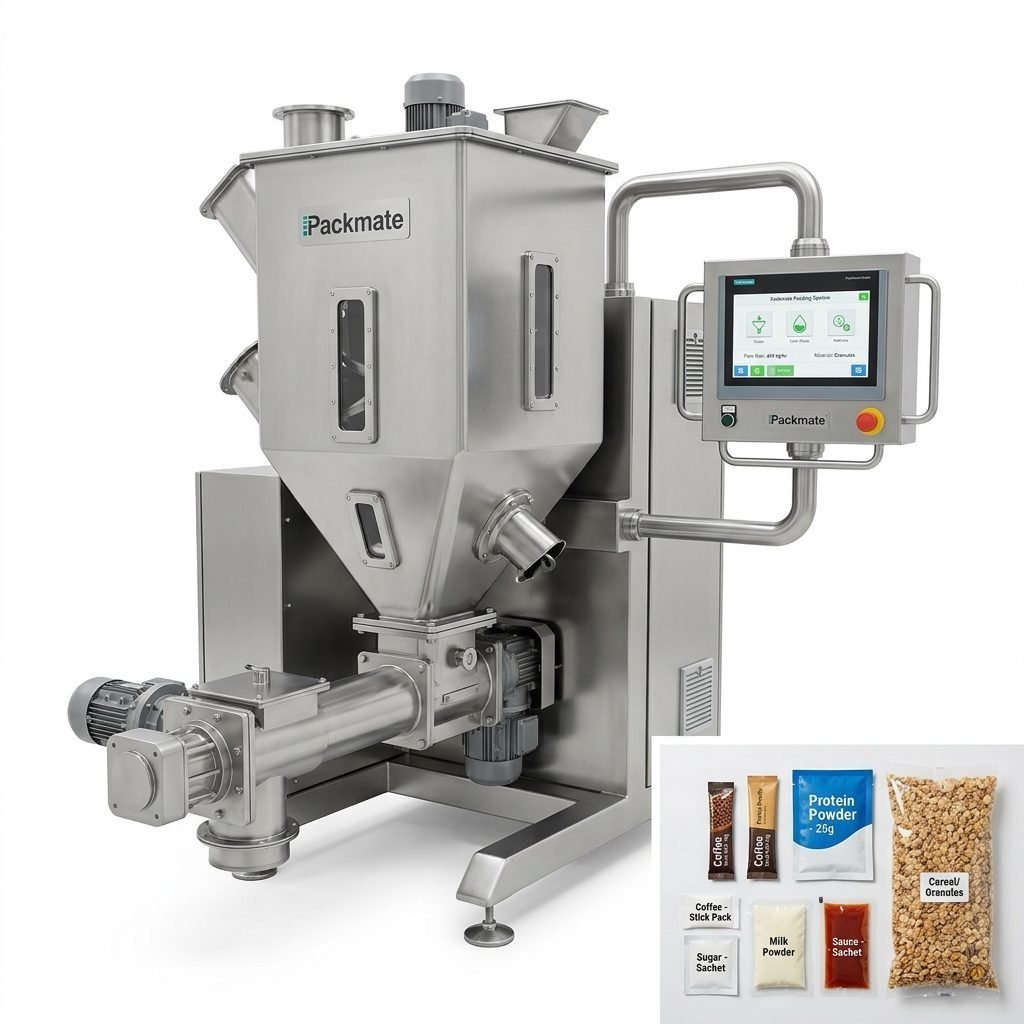
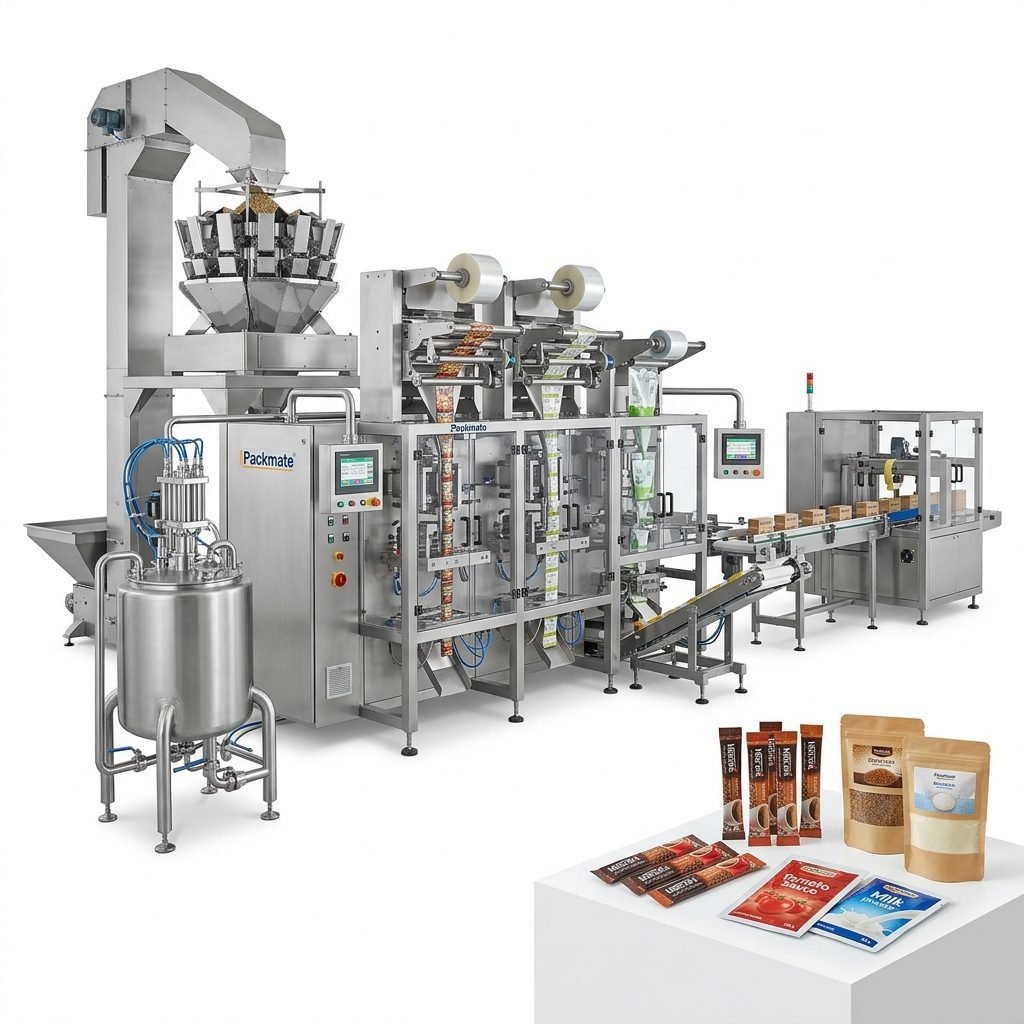
For larger volumes, automated lines for bottles and tubes become essential. These integrate filling, capping, labeling, and cartoning into a seamless process. Companies such as Packmate Machinery offer robust solutions that balance speed with gentle handling to protect product and packaging aesthetics.
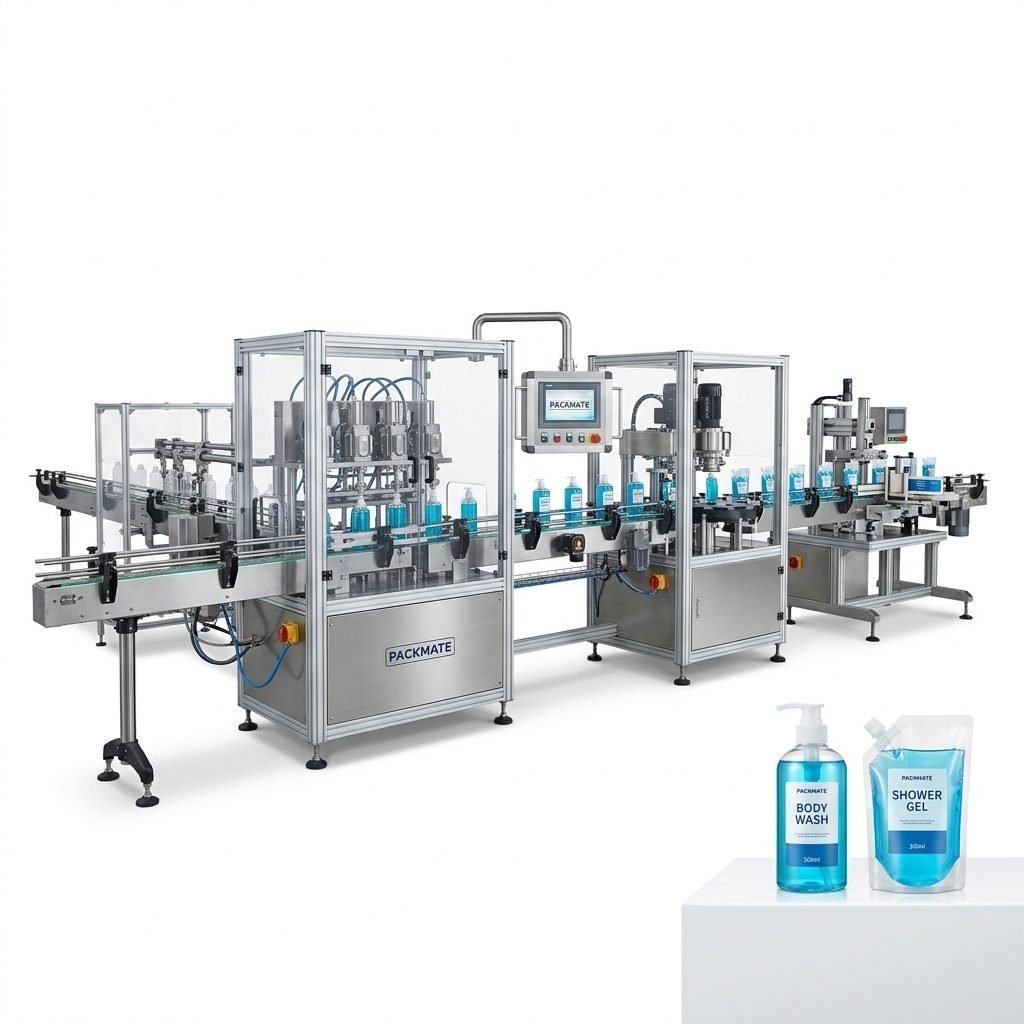
Key Features to Prioritize
When evaluating equipment, several features directly impact operational success in cosmetic packaging.
| Feature | Importance for Cosmetics |
|---|---|
| Precision Dosing | Ensures consistent fill weight/volume for costly ingredients and compliance with labeled amounts. |
| Gentle Product Handling | Preserves the structure of delicate creams, serums, or powders without separation or degradation. |
| Hygienic & Easy-Clean Design | Critical for preventing contamination, especially in skincare and products without preservatives. |
| Quick Changeover | Allows efficient shifts between different products, colors, or package sizes for short runs. |
| Material Compatibility | Must handle diverse films, laminates, and recyclable materials used in modern cosmetic pouches. |
Furthermore, scalability is vital. A modular system allows you to start with a core filler and later add automated cartoning, vision inspection, or palletizing units as demand grows. This approach future-proofs your investment.
Benefits of Automation in Cosmetic Packaging
Investing in automated packaging equipment delivers measurable advantages beyond just speed.
Enhanced Product Consistency & Quality
Automated systems eliminate human error in filling and sealing, ensuring every sachet, bottle, or tube meets exact specifications. This consistency builds brand trust and reduces customer complaints.
Significant Labor and Cost Savings
While the initial investment is higher, automation drastically reduces long-term labor costs, minimizes material waste from overfilling, and increases overall equipment effectiveness (OEE).
Improved Hygiene and Contamination Control
Closed systems and stainless-steel contact parts, common in machines from suppliers like PacklineOEM, are easier to sanitize and maintain, which is paramount for cosmetics.
Additionally, automation provides superior data tracking for production batches, aiding in traceability and quality assurance—a growing concern for regulators and consumers alike.
Selecting a Machinery Partner: What to Look For
Choosing the right manufacturer is as important as choosing the right machine. Key criteria include industry experience, customization capability, and after-sales support.
Look for a partner with a proven track record in your specific segment, whether it’s luxury skincare, color cosmetics, or personal care. Manufacturers with over 30 years of experience, such as those listed in this guide, typically offer more reliable and application-tested solutions. They understand the nuances of handling different viscosities, pigments, and active ingredients.
Customization is often non-negotiable. Your packaging format, material, and production floor layout are unique. A manufacturer skilled in non-standard solutions, like PackingMachineOEM, can adapt equipment to your exact needs rather than forcing you to adapt your process to a standard machine.
Finally, evaluate the support structure. Ensure the supplier offers comprehensive training, readily available spare parts, and responsive technical service. For global brands, a manufacturer with a strong export footprint, like SnusMachinery (which also serves cosmetic pouch sectors), ensures you can get support regardless of your facility’s location.
Frequently Asked Questions (FAQs)
What is the typical output speed for a cosmetic sachet packaging line?
Speeds vary greatly based on the machine lane count and product type. A standard single-lane machine may produce 60-120 pouches per minute, while high-speed multi-lane systems can exceed 600 pouches per minute. The required speed depends on your total production volume.
Can one machine handle both powder and liquid cosmetics?
Some modular filling systems are designed to be adaptable. However, significant product changeovers (e.g., from a fine powder to a viscous cream) often require different filling pumps, nozzles, and sometimes sealing parameters. Discuss your full product range with the supplier for the best configuration.
How important is a “clean design” for cosmetic packaging machinery?
Extremely important. A design with smooth surfaces, minimal crevices, and easy disassembly for cleaning reduces the risk of microbial or particulate contamination. This is critical for products like serums, masks, and preservative-free formulations.
What is the lead time for a custom packaging line?
Lead times depend on complexity. A standard machine may ship in 8-12 weeks, while a fully customized turnkey line with integration can take 4-8 months. Detailed project planning with your supplier is essential to establish a realistic timeline.
Are these machines suitable for small-batch or indie cosmetic brands?
Yes, but the investment must be justified by volume. Many manufacturers offer smaller, semi-automatic models ideal for pilot production or lower volumes. Alternatively, partnering with a contract packager who already owns this equipment can be a cost-effective entry point.