In today’s fast-paced manufacturing world, efficiency, consistency, and automation are key. Automatic packing machines have become indispensable assets for businesses across the globe, from food and beverage producers to pharmaceutical giants and health supplement manufacturers. These systems not only streamline production but also ensure product quality, reduce labor costs, and enhance overall operational scalability. This comprehensive guide explores the various types of automatic packing machines, their standout features, the significant benefits they offer, and crucial factors to consider when choosing the right one for your specific needs.
Understanding the Different Types of Automatic Packing Machines
The market offers a diverse range of automatic packaging solutions, each designed for specific product forms and production requirements. Understanding these types is the first step toward making an informed investment.
Vertical Form-Fill-Seal (VFFS) Machines
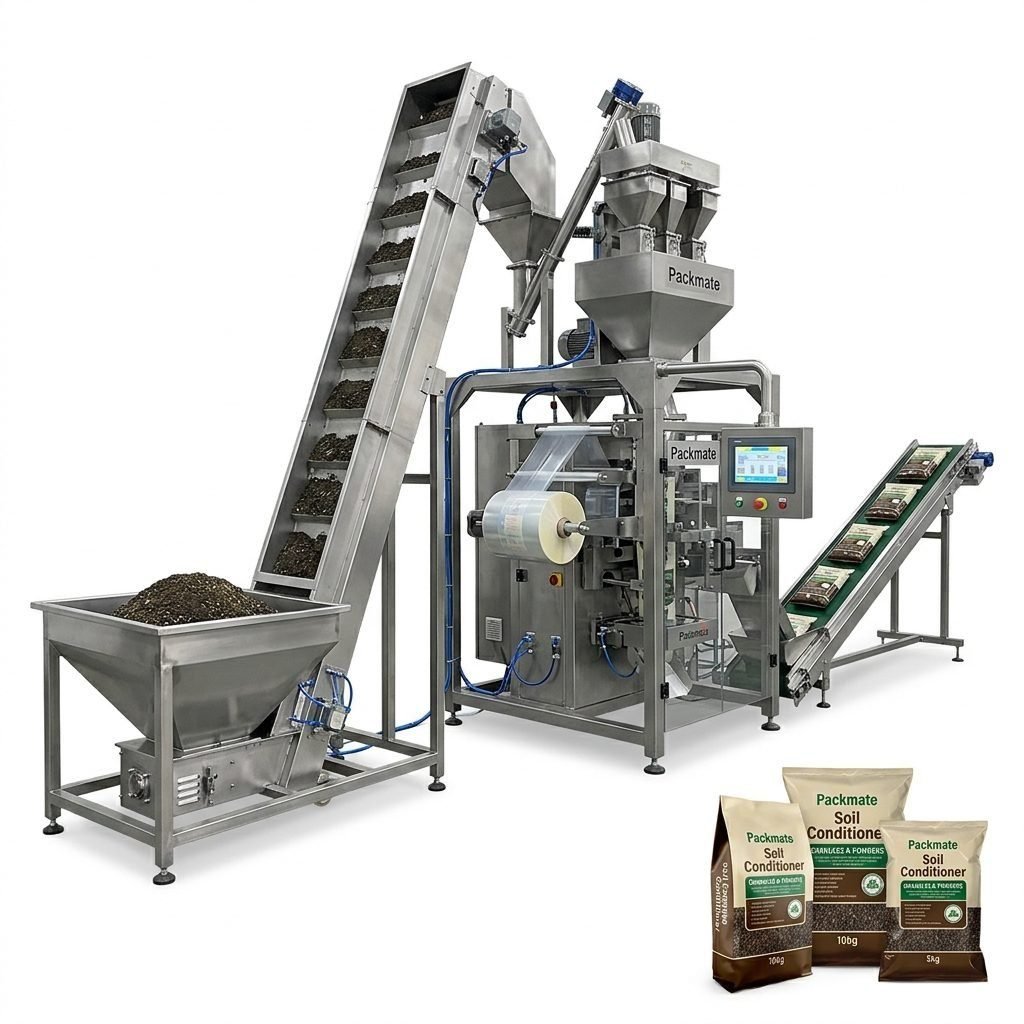
These are among the most common and versatile automatic packing machines. A VFFS machine forms a bag from a roll of film, fills it with the product, and then seals it—all in a continuous vertical motion. They are ideal for packaging granules, powders, liquids, and small solid items like snacks or hardware. Their flexibility in bag size and format makes them a staple in many industries.
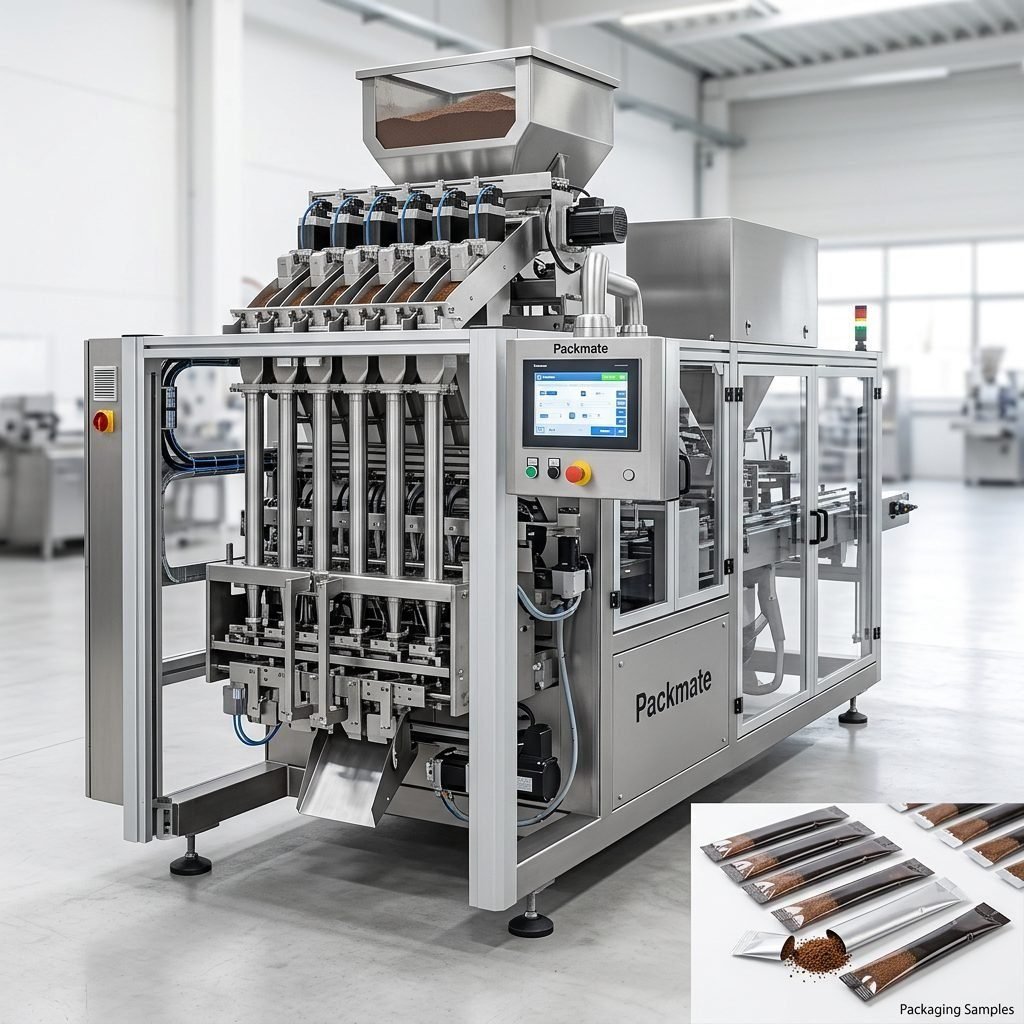
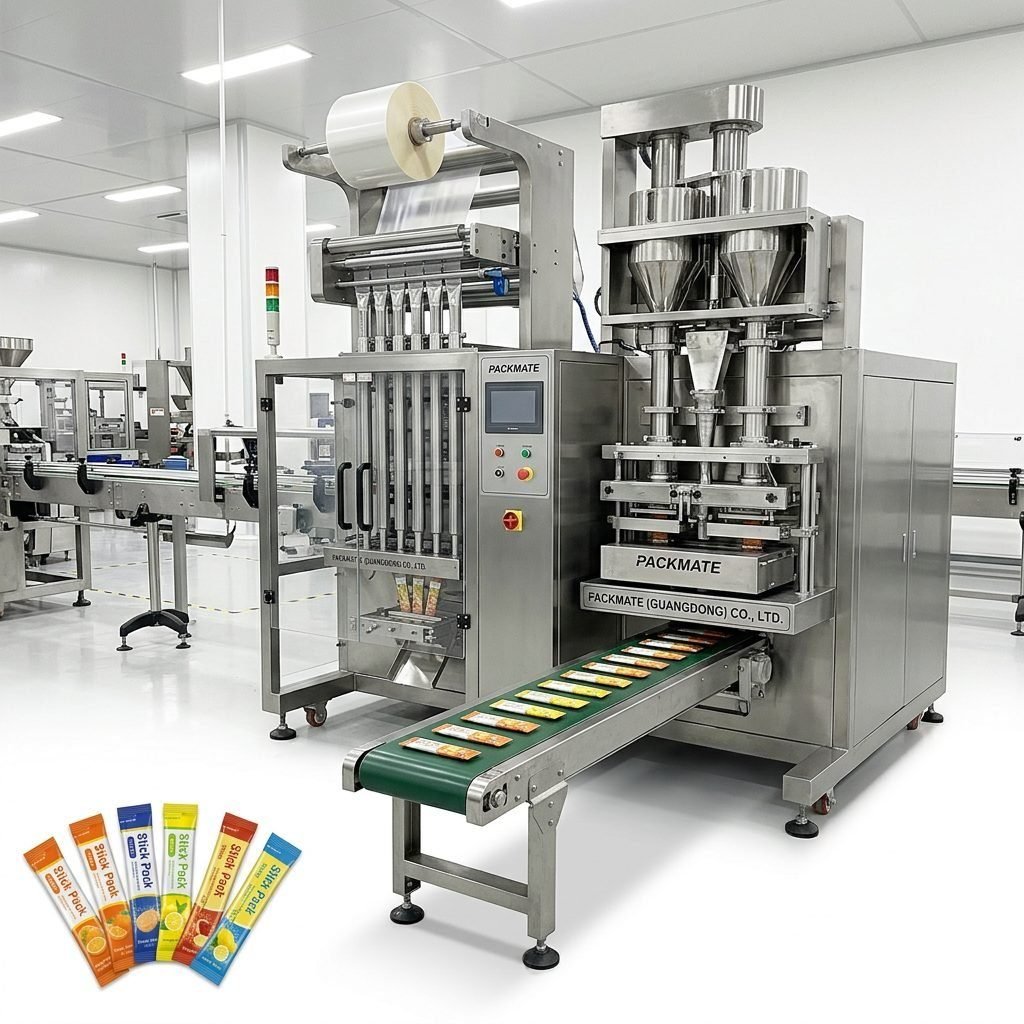
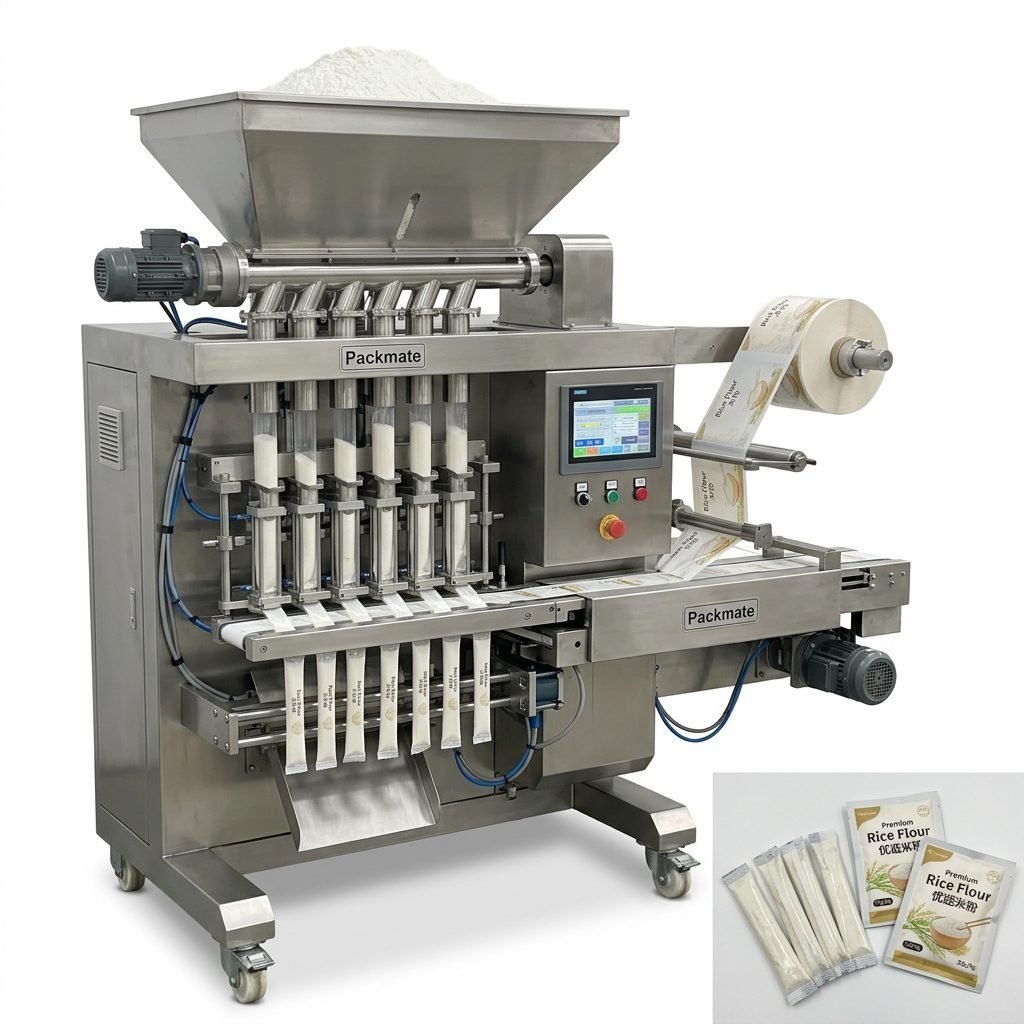
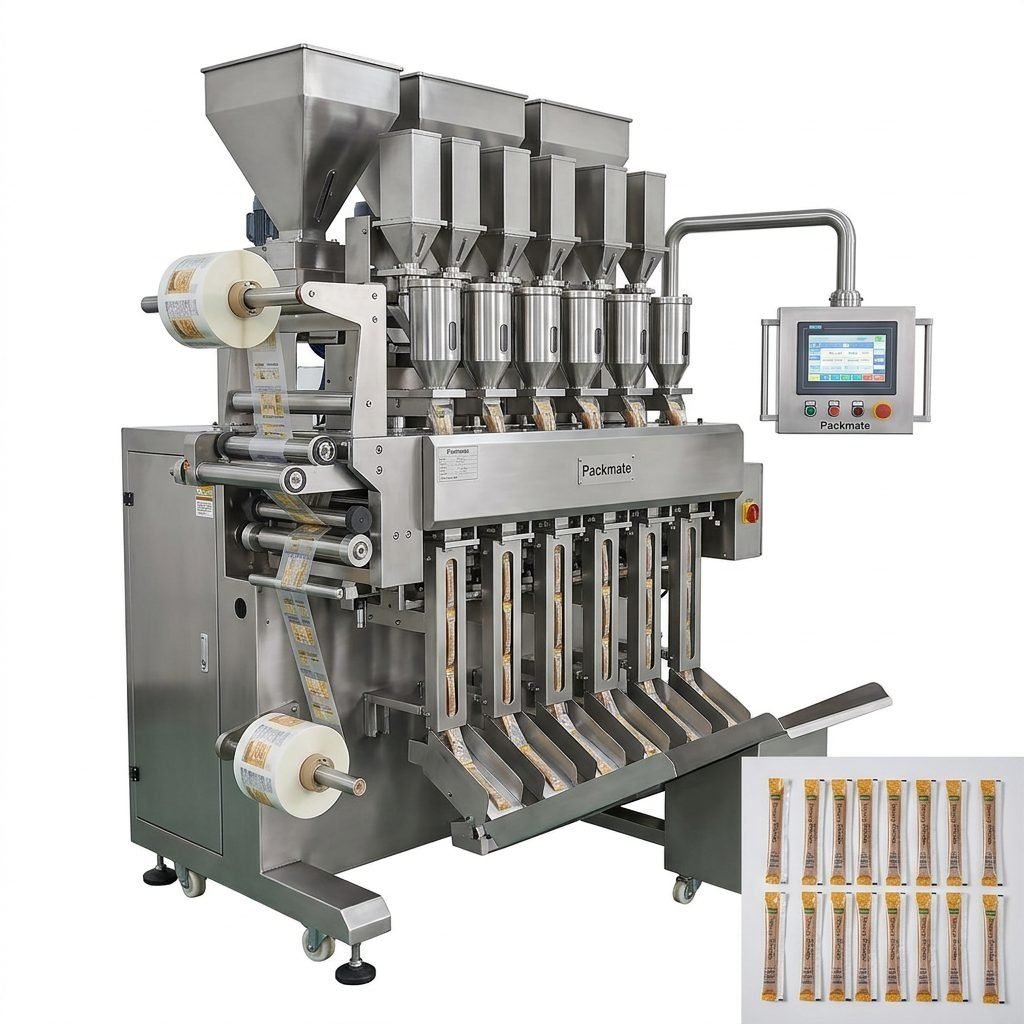
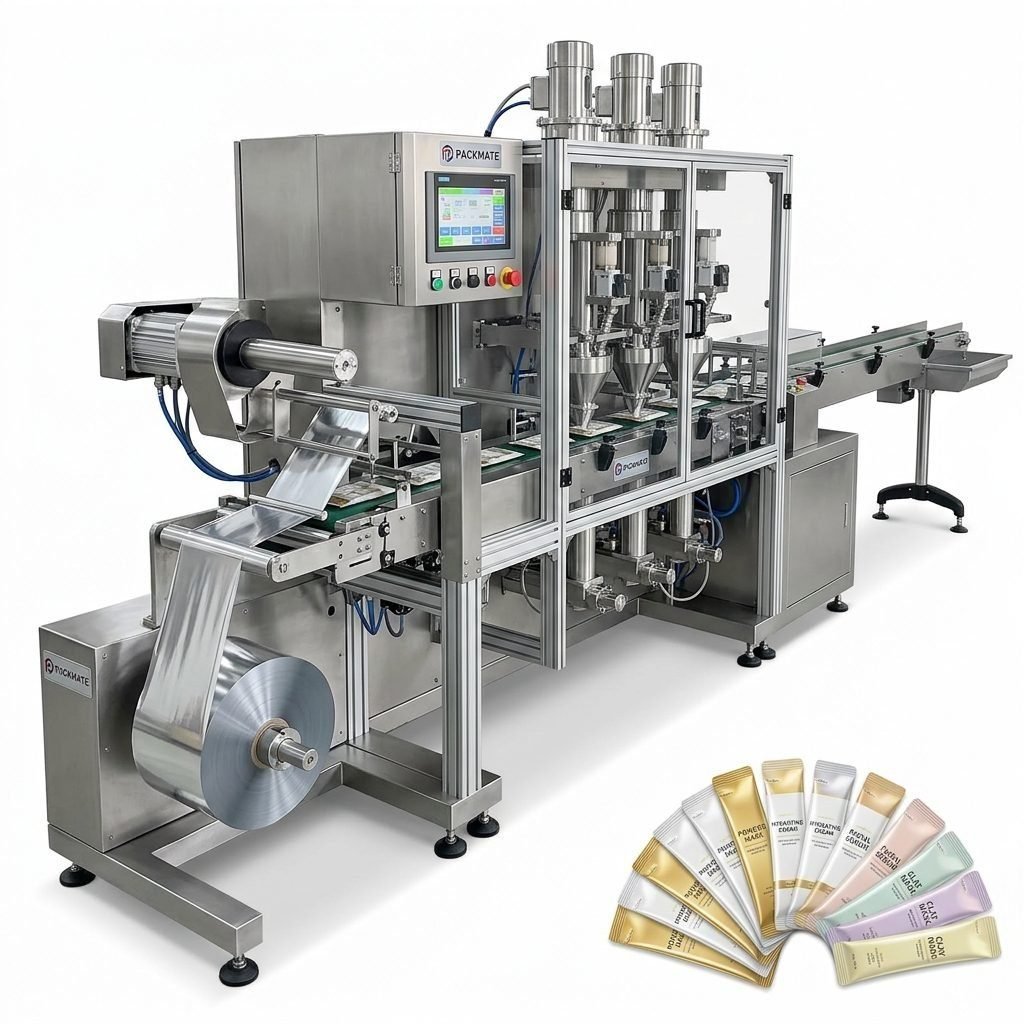
Multi-Lane Stick Pack & Sachet Machines
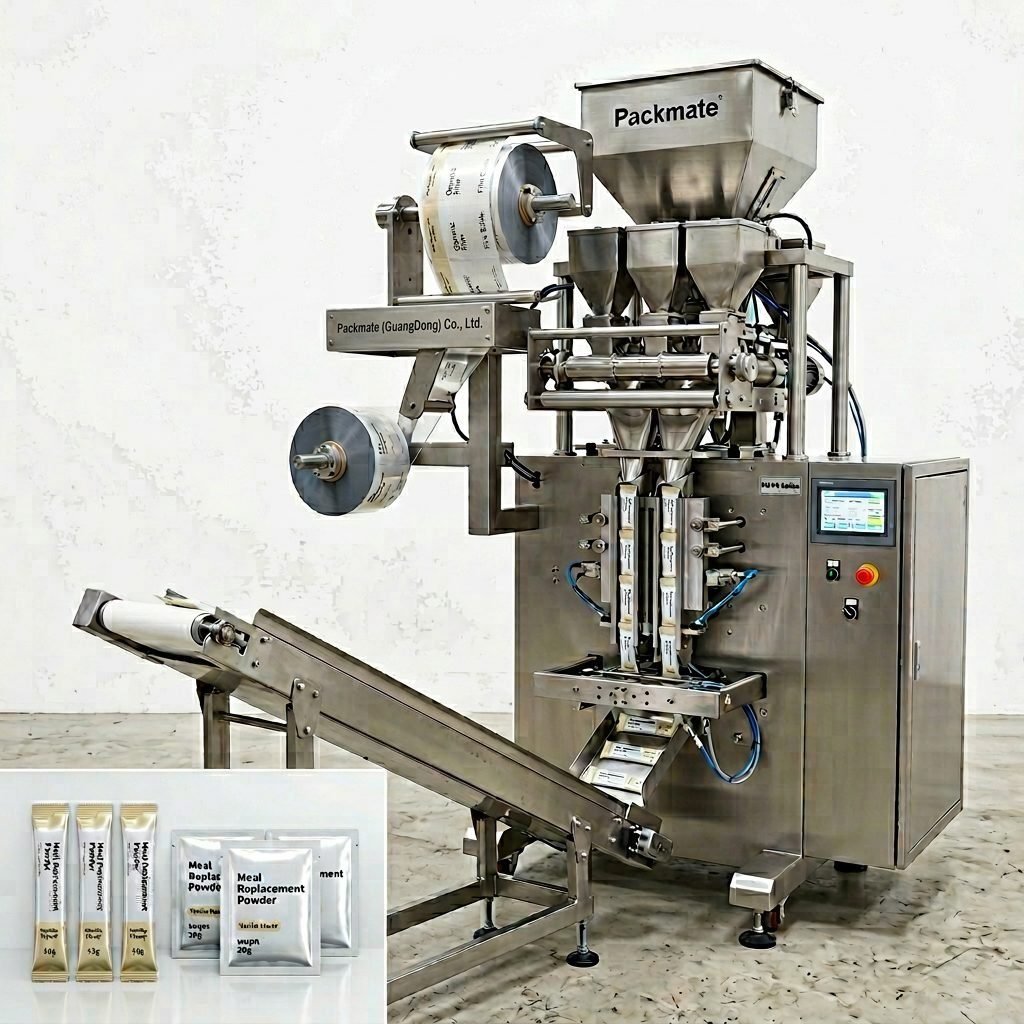
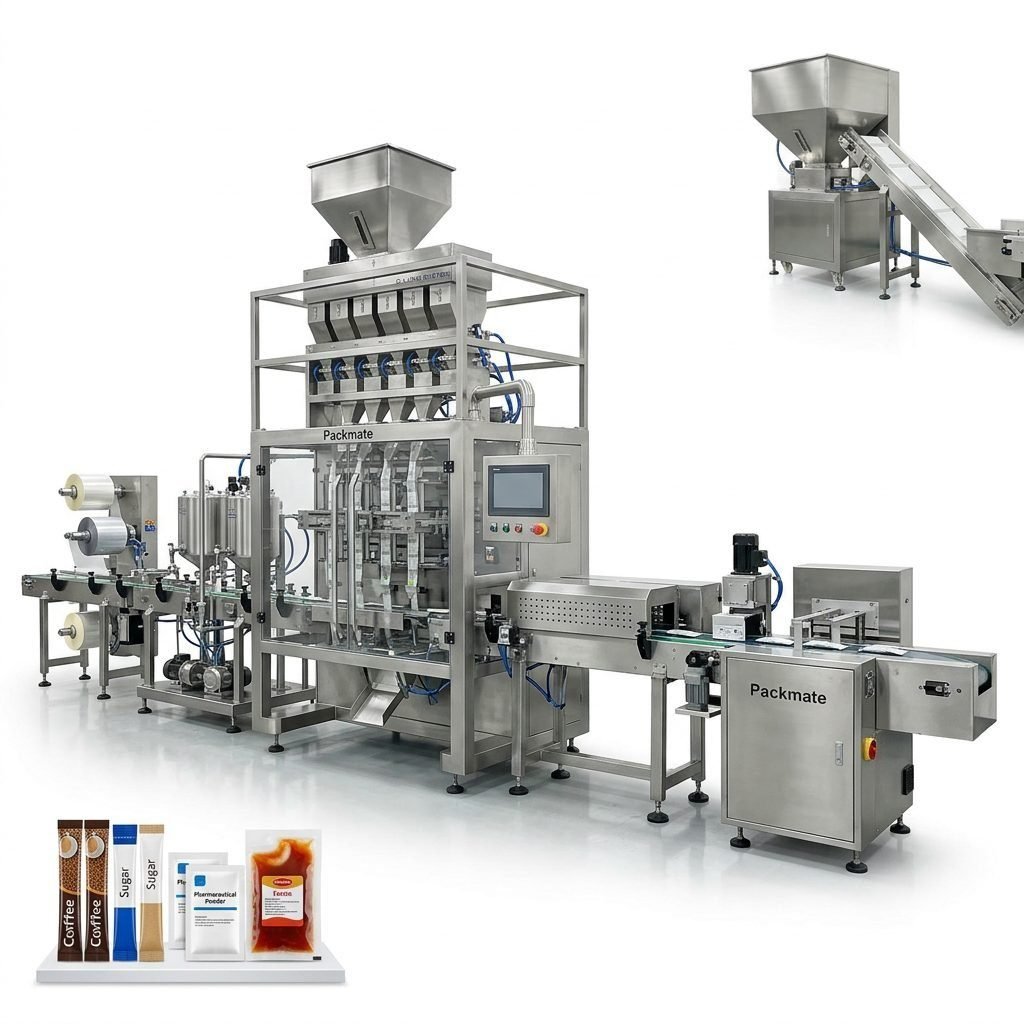
Designed for high-speed production of single-serve portions, these machines operate multiple lanes simultaneously. They are perfect for creating stick packs or small sachets for products like instant coffee, sugar, creamer, seasoning, pharmaceutical powders, and liquid condiments. The multi-lane design dramatically increases output, making them essential for large-volume consumer goods.
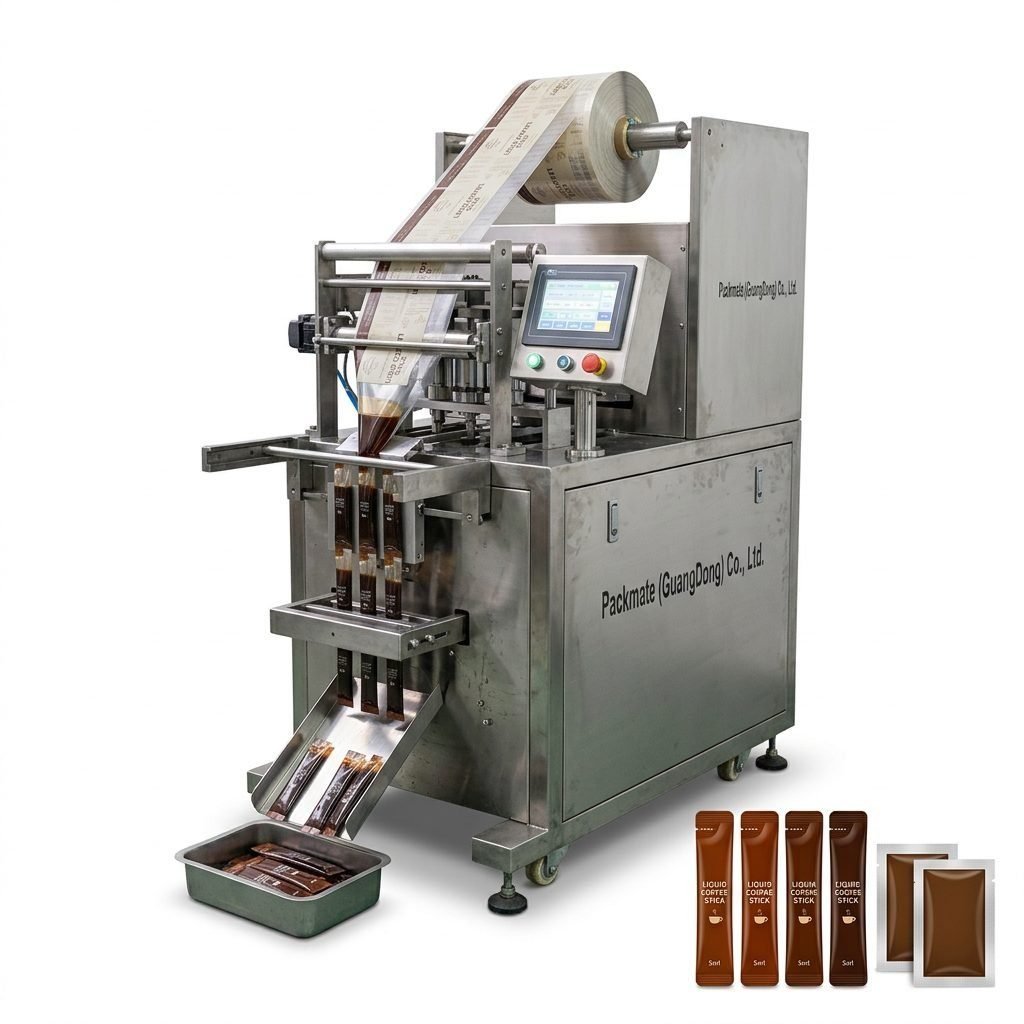
Liquid Filling and Sealing Machines
Specialized for handling fluids, pastes, and gels, these systems ensure precise volumetric or gravimetric filling with leak-proof seals. They are widely used for packaging sauces, shampoos, oils, dairy products, and sanitizers in pouches, sachets, or bottles. Advanced models incorporate features like vacuum or gas flushing to extend shelf life.
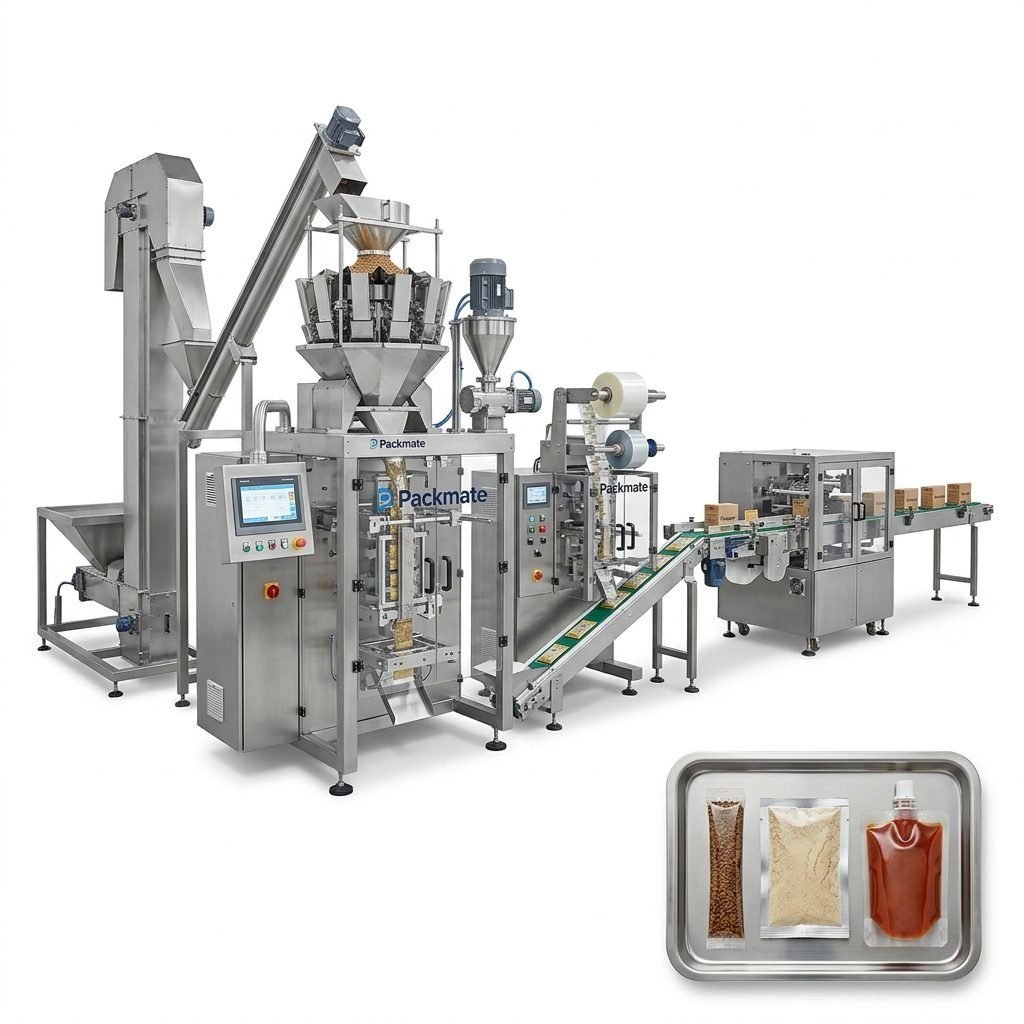
Turnkey Packaging Lines
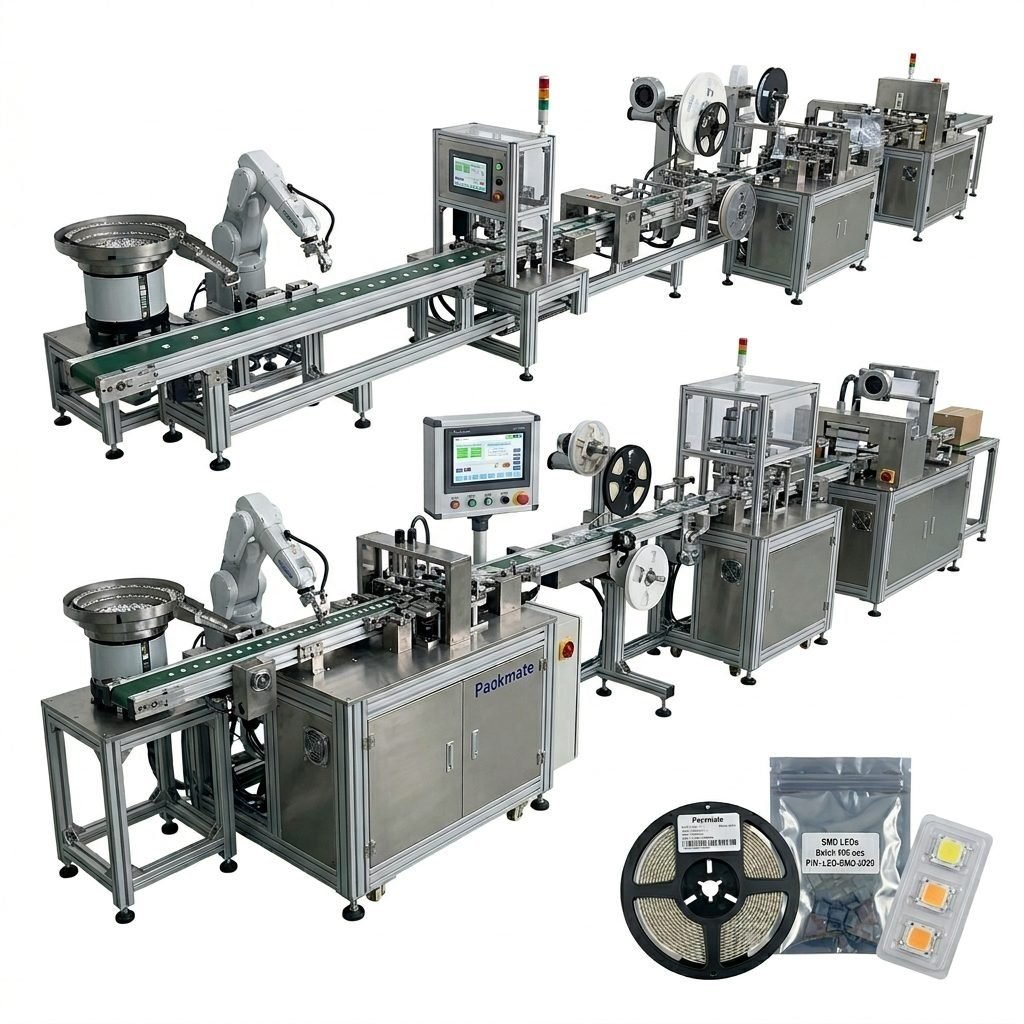
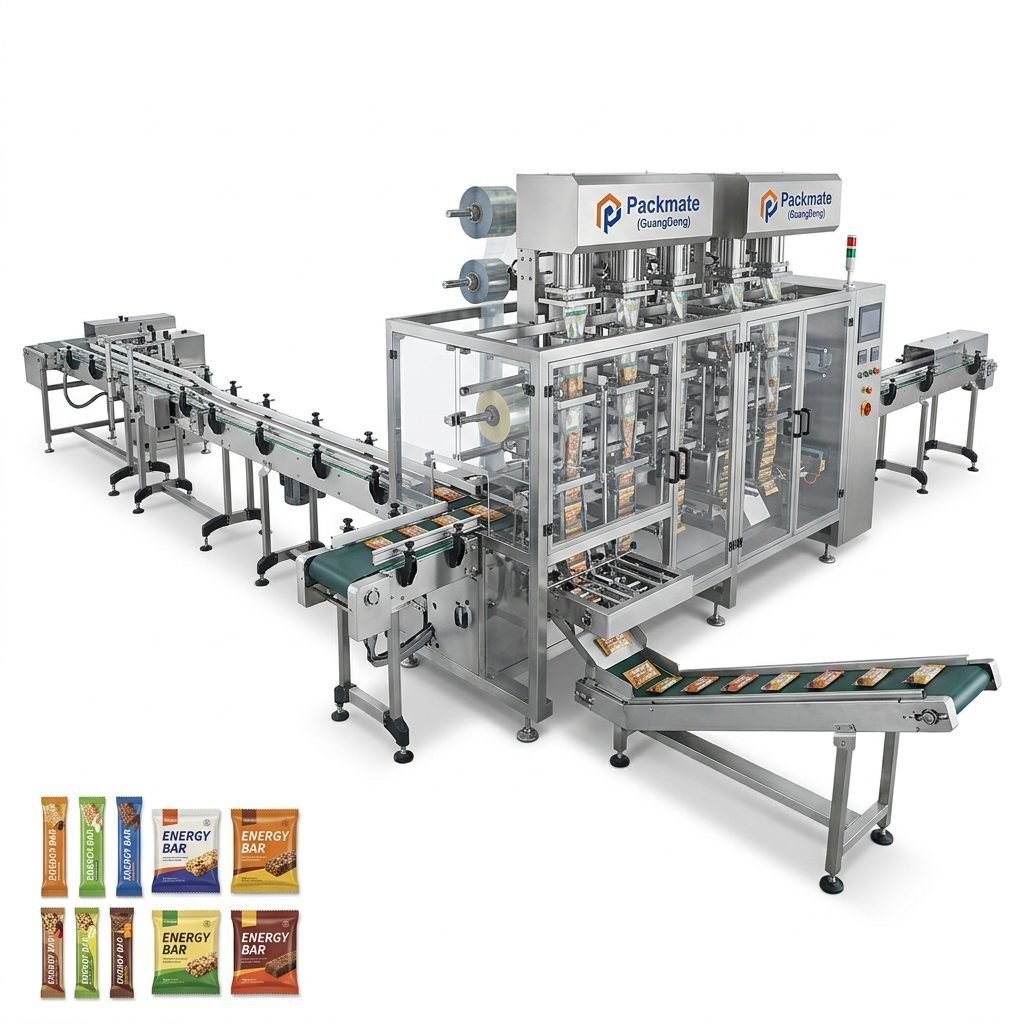
Beyond a single machine, a turnkey line represents a fully integrated system. It typically includes feeding, weighing, filling, sealing, conveying, inspection, coding, and secondary packaging units. Companies like Ludyway and PacklineOEM specialize in these complete solutions, which are ideal for new factory setups or major automation upgrades where seamless coordination between different stages is critical.
Key Features of Modern Automatic Packing Systems
Today’s automatic packing machines are packed with intelligent features that drive precision, efficiency, and reliability.
- PLC-Based Intelligent Control: Programmable Logic Controllers offer user-friendly touchscreen interfaces, recipe storage, and precise control over all machine parameters like speed, temperature, and fill weight.
- High-Speed Operation: Modern machines are engineered for maximum throughput. Multi-lane stick pack machines, for instance, can produce hundreds of pouches per minute per lane.
- Precision Dosing Systems: Utilizing auger fillers, piston pumps, or precision scales, these systems ensure accurate and consistent product dosage, which is vital for cost control and regulatory compliance, especially in the pharmaceutical and supplement sectors.
- Versatile Material Handling: They can handle a wide array of packaging films and laminates, including those with high-barrier properties for moisture or oxygen protection.
- Quick Changeover Capability: Modular designs allow for rapid switching between different bag sizes or product types, minimizing downtime and supporting flexible production schedules.
- Integrated Quality Checks: Features like metal detection, check-weighing, and vision inspection systems can be integrated to automatically reject non-conforming packages.
Tangible Benefits for Your Business
Investing in an automatic packing machine translates into multiple strategic advantages that impact the bottom line.
| Benefit | Impact |
|---|---|
| Dramatically Increased Output | Machines operate continuously at high speeds, far surpassing manual or semi-automatic methods, leading to higher production capacity. |
| Superior Consistency & Quality | Eliminates human error in filling and sealing, ensuring every package has the exact weight, appearance, and seal integrity. |
| Significant Labor Cost Reduction | One machine can do the work of multiple operators, allowing staff to be redeployed to higher-value tasks like quality control and supervision. |
| Enhanced Hygiene and Safety | Minimizes direct product contact, which is crucial for food, pharma, and sterile products. Also reduces workplace injuries associated with repetitive manual packaging. |
| Reduced Material Waste | Precision control leads to optimal use of packaging film and product, minimizing overfilling and trim waste. |
| Improved Scalability | Automation makes it easier to scale production up or down to meet market demand without a proportional increase in labor. |
How to Choose the Right Automatic Packing Machine
Selecting the optimal machine requires a careful analysis of your specific needs. Here is a structured approach to guide your decision.
1. Define Your Product and Packaging Requirements
This is the most critical step. Clearly outline:
– Product Form: Is it a free-flowing powder, granule, viscous liquid, paste, or solid?
– Packaging Format: Do you need stick packs, stand-up pouches, flat sachets, or bottles?
– Production Speed (Output): Calculate your required bags/pouches per minute or hour.
– Special Needs: Consider requirements for nitrogen flushing, sterile packaging, or handling abrasive/hygroscopic materials.
2. Evaluate Machine Capabilities and Technology
Match the machine’s specifications to your requirements. Key aspects include the type of filling system (auger, piston, volumetric), sealing method (thermal, ultrasonic), compatibility with your packaging material, and the level of automation (standalone vs. integrated line). For specialized needs, such as nicotine pouch packaging, working with a focused manufacturer like SnusMachinery can provide valuable application-specific expertise.
3. Consider Manufacturer Credibility and Support
The machine is a long-term investment. Prioritize manufacturers with a proven track record, strong technical support, and availability of spare parts. Companies with decades of experience, such as Packmate Machinery and PackingMachineOEM, often offer more reliable machines and comprehensive after-sales service, which is crucial for minimizing downtime.
4. Analyze Total Cost of Ownership (TCO)
Look beyond the initial purchase price. Factor in:
– Installation & Training: Costs for setup and operator/maintenance training.
– Operational Costs: Energy consumption, required compressed air, and routine maintenance parts.
– Longevity & Service: The machine’s build quality and the cost/availability of technical support over its entire lifespan.
5. Plan for Future Growth and Flexibility
Choose a machine that can adapt. Can it handle a range of bag sizes? Is it easy to integrate with upstream (feeding) or downstream (cartoning) equipment later? Opting for a modular machine or a supplier capable of providing customized solutions ensures your investment remains viable as your product line or production volumes evolve.
Frequently Asked Questions (FAQs)
What is the typical ROI period for an automatic packing machine?
The return on investment can vary widely but often falls between 12 to 36 months. It depends on the machine’s cost, the labor savings achieved, the increase in production output, and the reduction in material waste. High-speed machines in high-volume applications typically see faster ROI.
Can one machine package different types of products?
Yes, many machines are designed for versatility. However, switching between vastly different products (e.g., fine powder to granular snacks) may require a change of parts like the feeding funnel, auger, or film forming collar. Machines with quick-changeover features make this process much faster and more efficient.
How important is after-sales service and technical support?
Extremely important. Reliable technical support ensures minimal downtime during installation, troubleshooting, and routine maintenance. Access to genuine spare parts and available service engineers is critical for maintaining long-term production efficiency. Always inquire about the manufacturer’s service network, warranty terms, and training programs.
What’s the difference between a standard machine and a customized solution?
A standard machine is built to common specifications for widespread applications. A customized or non-standard machine is modified or designed from the ground up to meet unique requirements—such as an unusual pouch shape, a specific material handling challenge, or integration into a complex existing production line. Suppliers like PackingMachineOEM specialize in this area.
Are automatic packing machines difficult to operate and maintain?
Modern machines with PLC controls are designed for user-friendly operation. Basic functions can often be managed via intuitive touchscreen interfaces. Maintenance typically involves routine cleaning, lubrication, and part inspections as outlined in the manual. Proper initial training from the supplier is key to ensuring your team can operate and perform basic maintenance confidently.