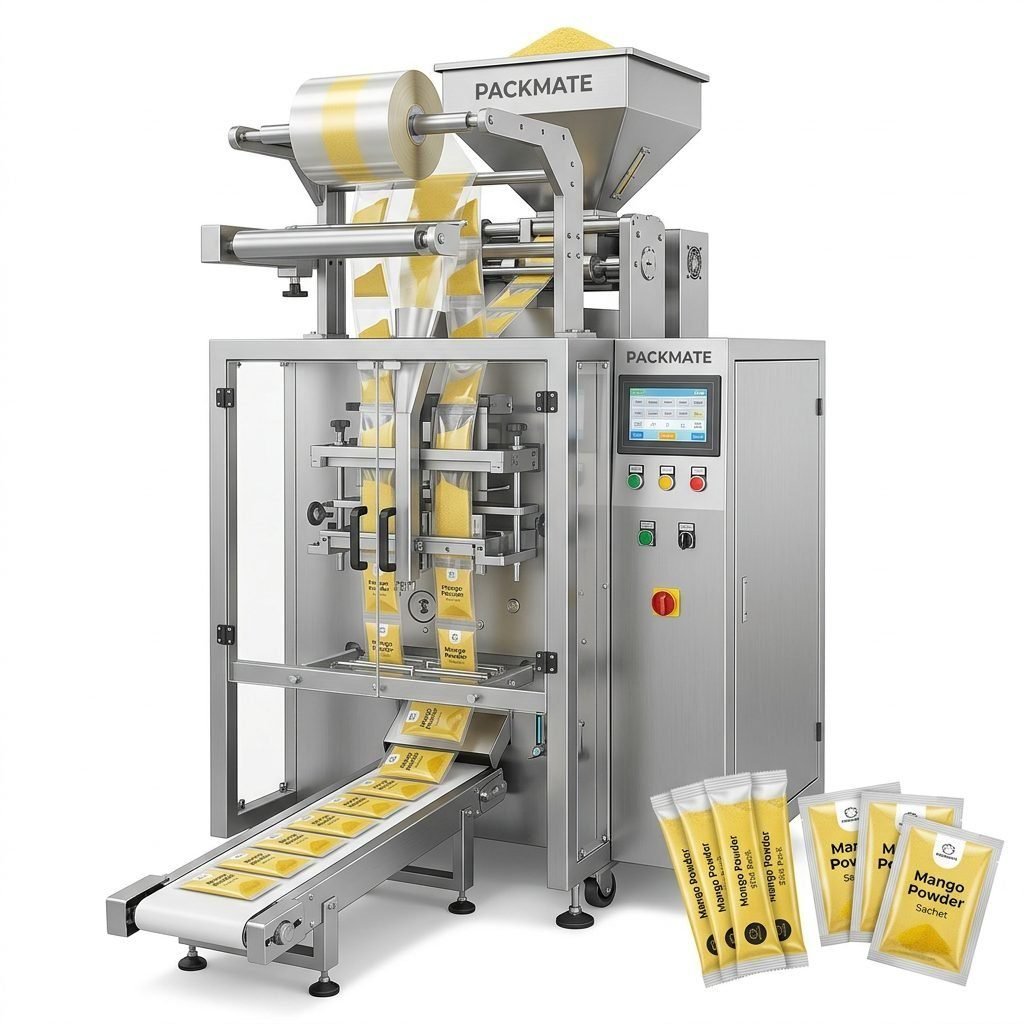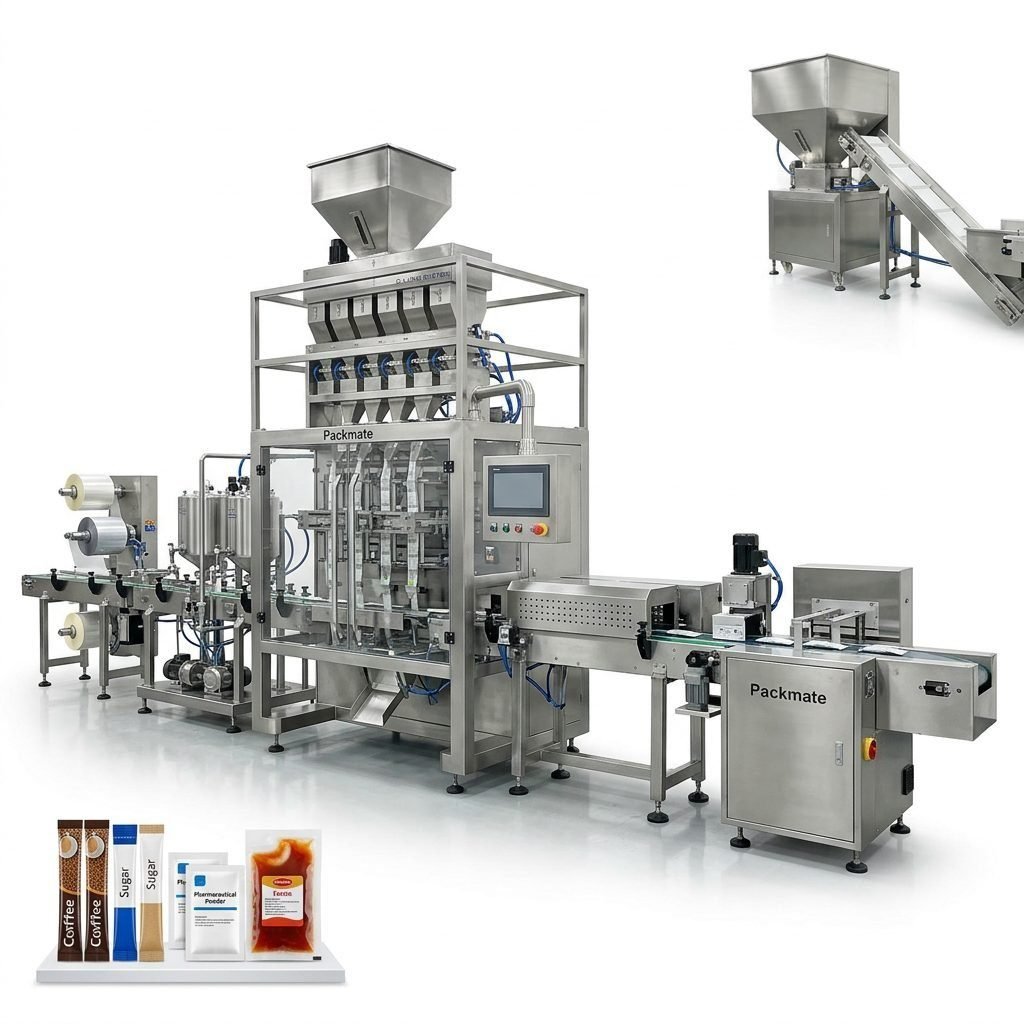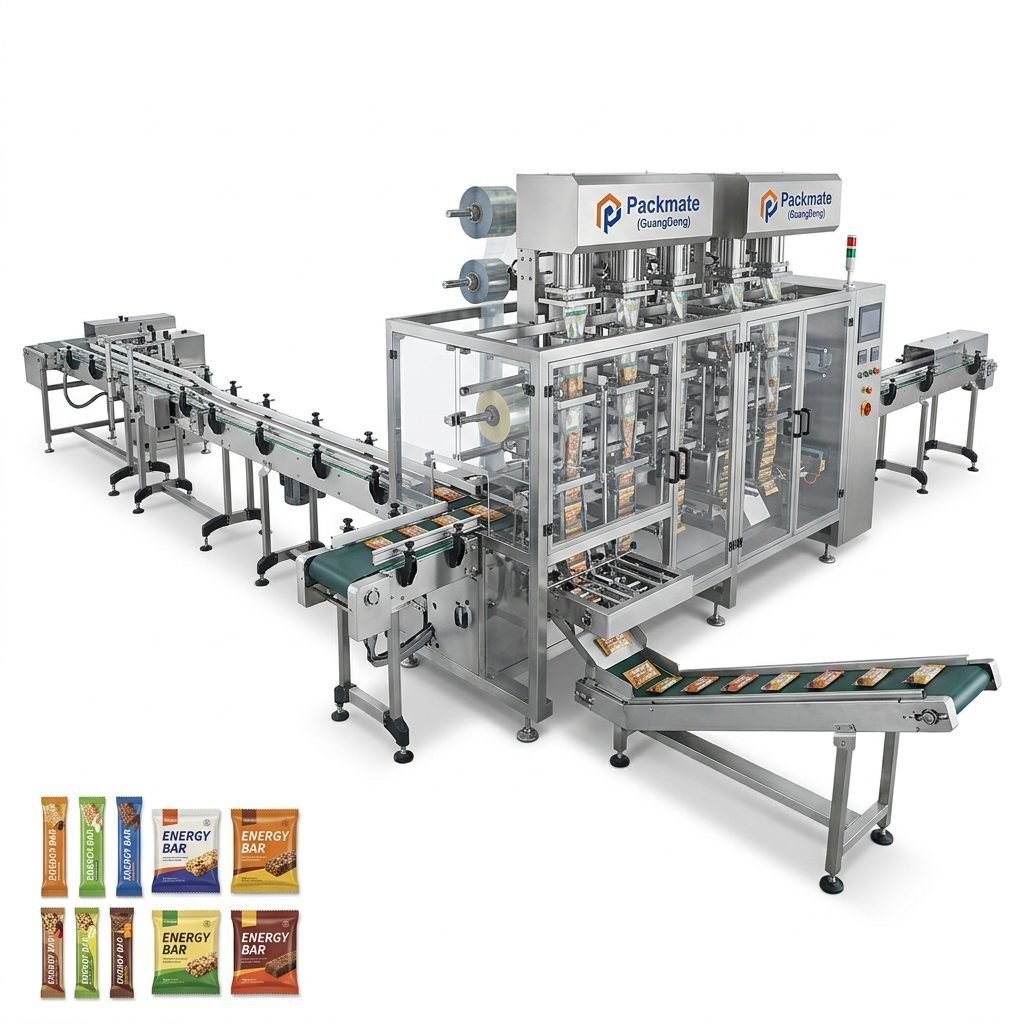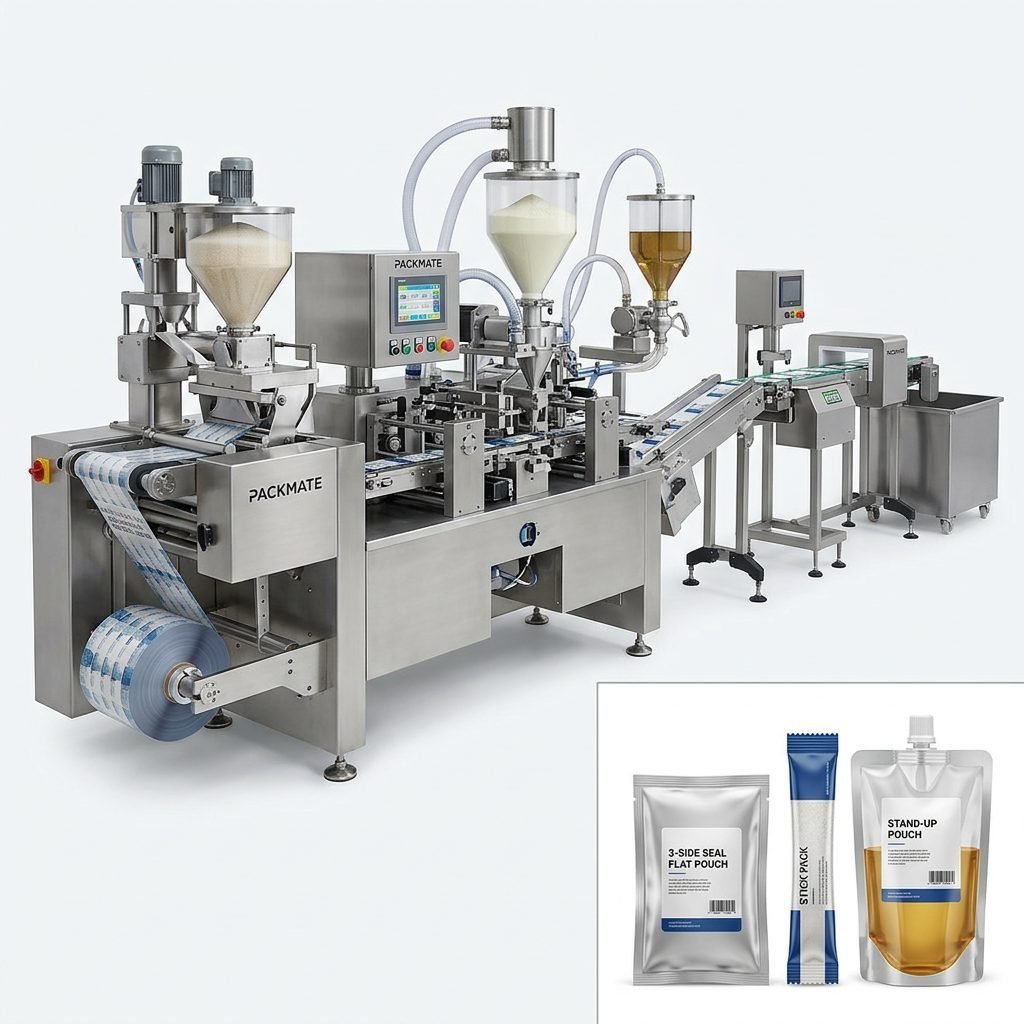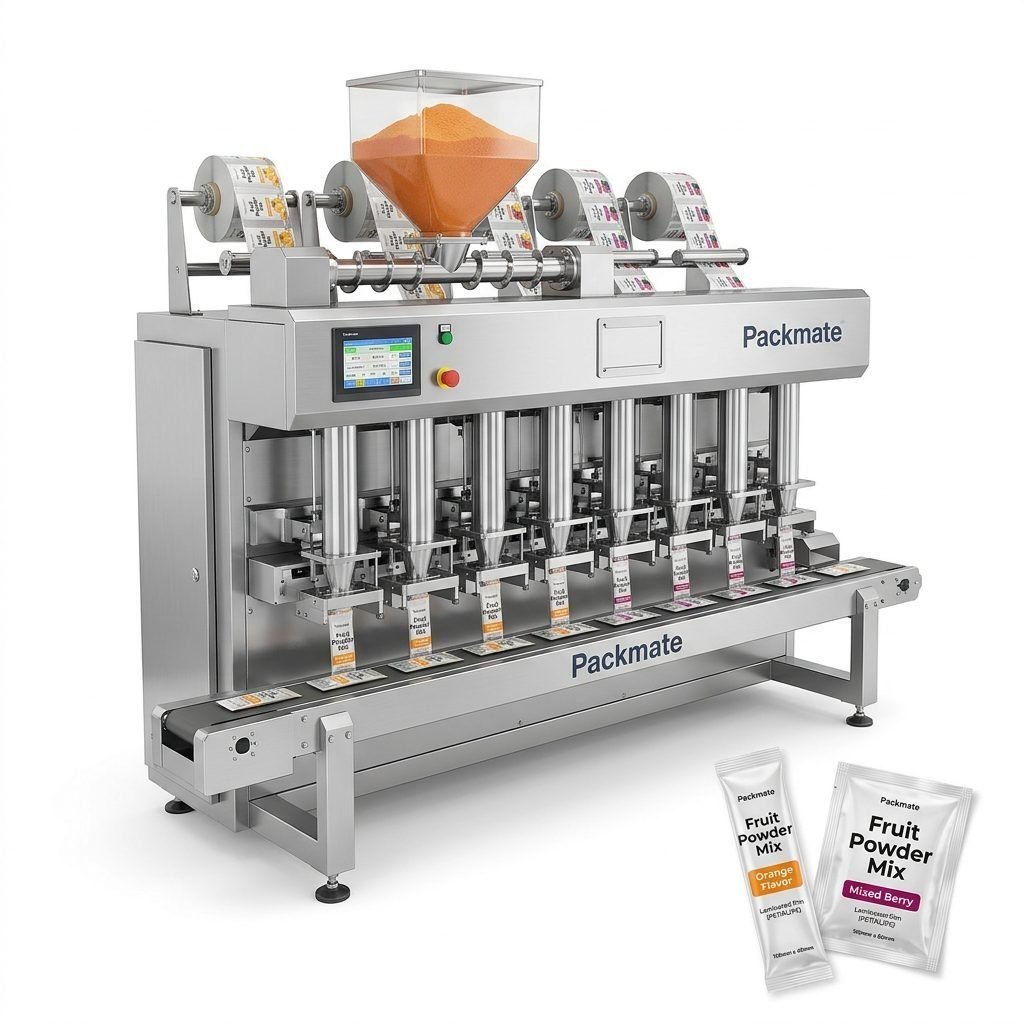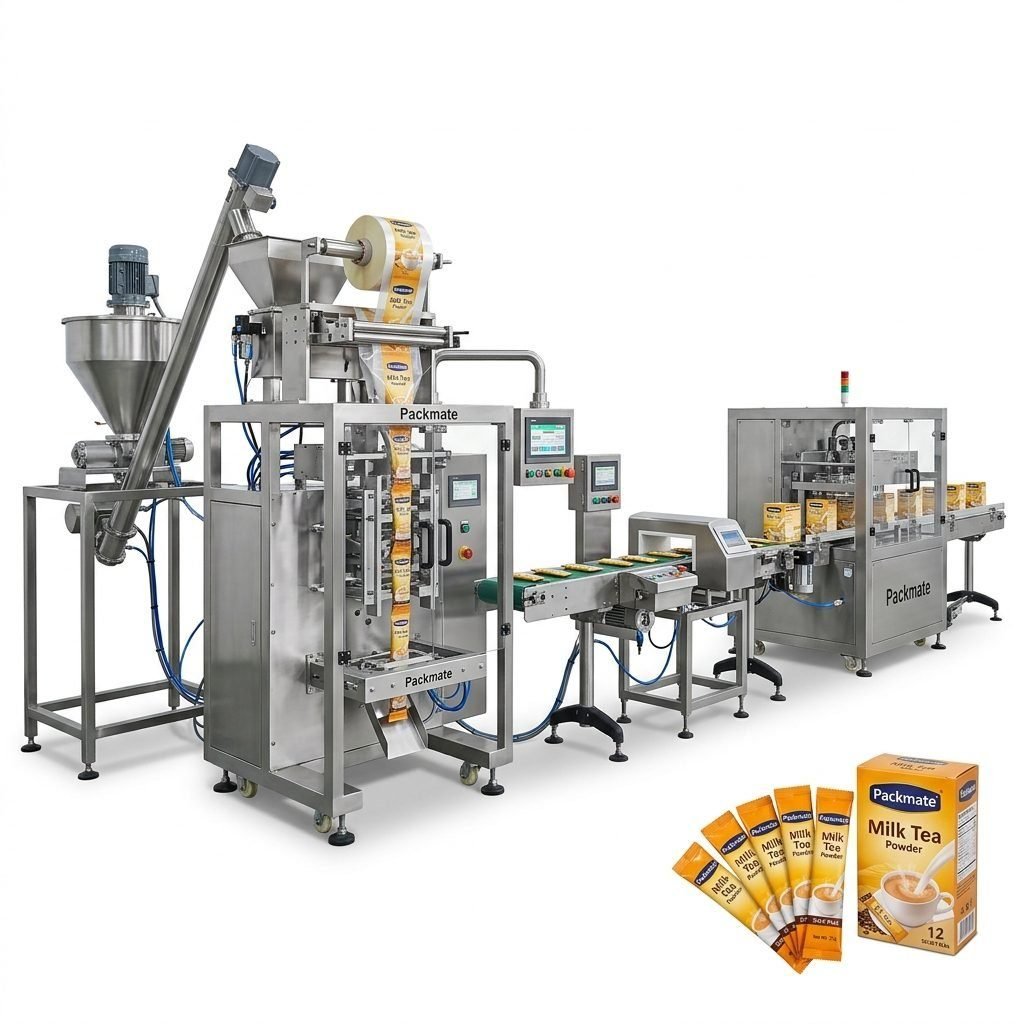
In today’s fast-paced manufacturing landscape, the demand for efficient, accurate, and high-speed packaging has never been greater. An automatic premade pouch filling machine stands as a cornerstone solution for industries dealing with powders, granules, liquids, and pastes. These systems automate the process of filling pre-formed, sealed-on-three-sides pouches, dramatically increasing output, ensuring portion control, and reducing labor costs. This guide explains how these machines work, their key features, and provides essential tips for making a smart purchase decision, with insights relevant to global markets from Europe and North America to the Middle East and Southeast Asia.
How an Automatic Premade Pouch Filling Machine Works
The operation of an automatic premade pouch filler is a synchronized sequence designed for continuous, high-volume production. Unlike form-fill-seal (FFS) machines that create the pouch from a roll of film, these systems use premade pouches that are already cut and sealed on three sides. This is often preferred for its superior pouch quality, material flexibility, and precise graphic registration.
The Core Operational Cycle:
1. Pouch Feeding & Separation: Premade pouches are loaded into a magazine or hopper. A mechanical or vacuum-assisted system reliably separates and picks a single pouch, transferring it to the filling station. Precision here is critical to avoid jams or misfeeds.
2. Pouch Opening: At the filling station, suction cups, mechanical fingers, or a combination of both gently but firmly open the unsealed top of the pouch. Some advanced systems use compressed air jets to assist in opening stubborn or lightweight pouches.
3. Precision Filling: This is the heart of the machine. The product is dosed into the open pouch. The method varies by product type:
- Granules & Powders: Auger fillers, volumetric cup fillers, or advanced net weigh scales ensure high accuracy.
- Liquids & Pastes: Piston pumps, peristaltic pumps, or gravity-fed nozzles provide controlled, drip-free filling.
4. Gas Flushing (Optional): For oxygen-sensitive products like coffee or certain pharmaceuticals, an optional nitrogen or other inert gas flushing station displaces air from the pouch before sealing to extend shelf life.
5. Top Sealing: The opened top of the pouch is now cleaned (if necessary) and sealed. This is typically done using heated jaws for thermal sealing or ultrasonic sealing for specific materials, creating a strong, hermetic, and tamper-evident closure.
6. Discharge & Counting: The finished, filled, and sealed pouch is discharged onto a conveyor belt or into a collection container. Integrated sensors often count the output for production tracking.
This cycle repeats at high speeds, with multi-lane machines processing several pouches simultaneously. For instance, a leading manufacturer like Ludyway offers systems that can achieve outputs from dozens to hundreds of pouches per minute, depending on the configuration and product.
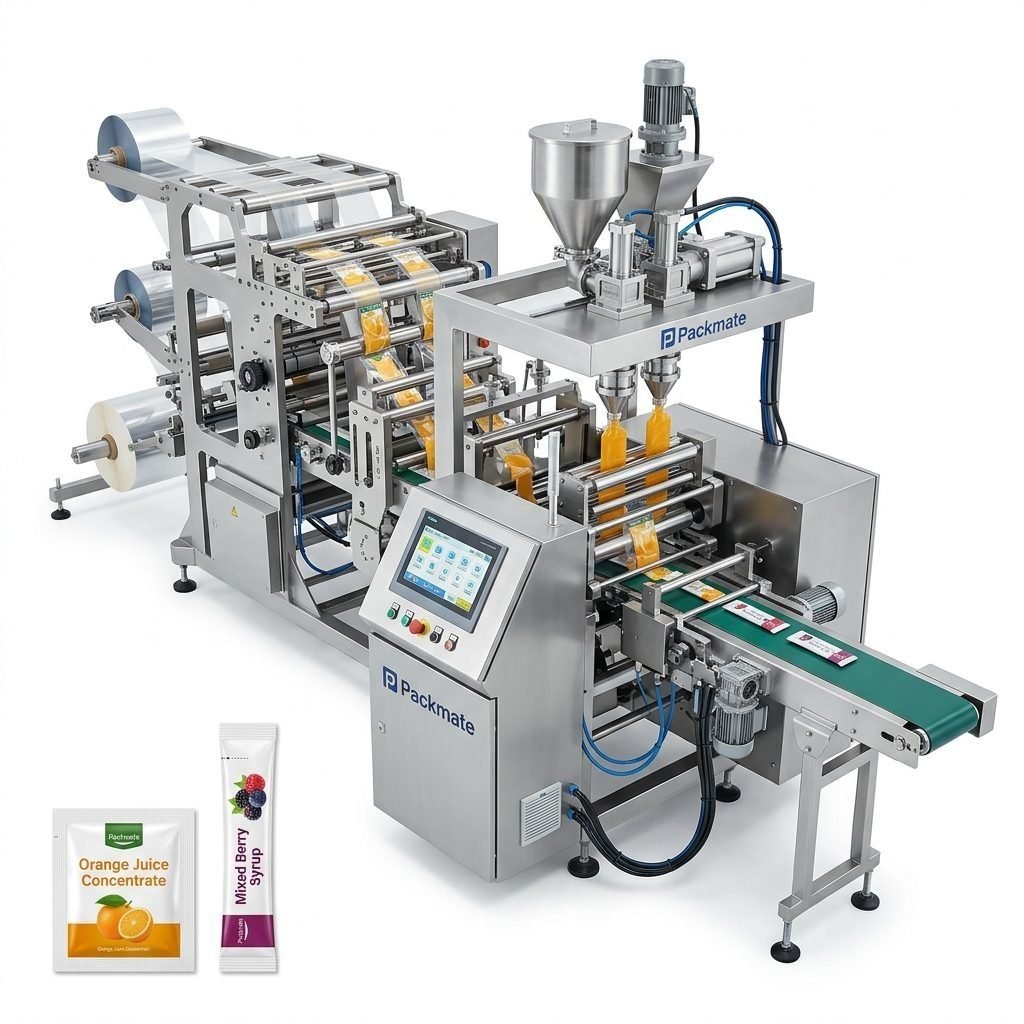
Key Features and Technological Advantages
Modern automatic pouch fillers are equipped with features that enhance reliability, flexibility, and ease of use. When evaluating machines, consider these critical aspects:
1. High-Speed Multi-Lane Design
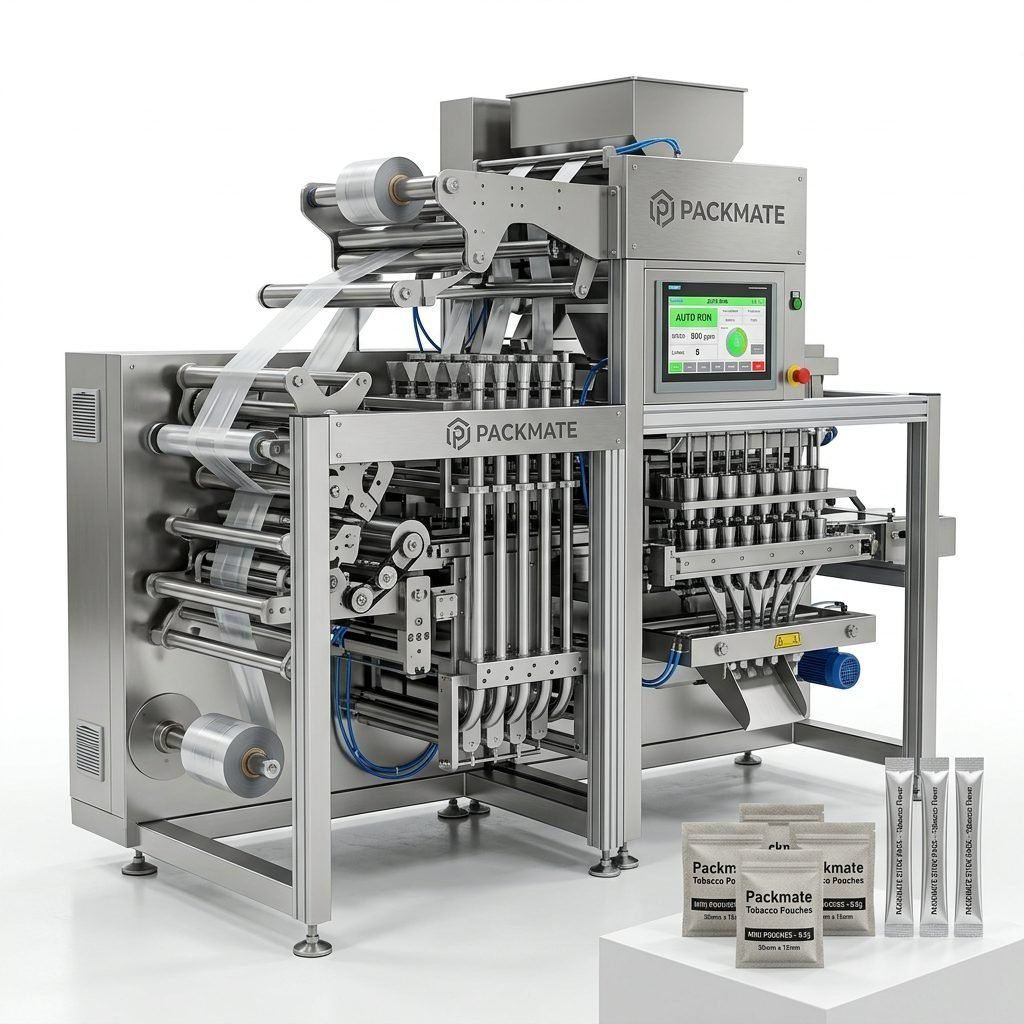
The most significant productivity booster is a multi-lane setup. Instead of filling one pouch at a time, machines with 2, 4, 8, or more lanes operate in parallel. This multiplies the output without exponentially increasing the machine’s footprint or complexity. Brands like Packmate Machinery engineer their multi-lane systems for synchronized, stable operation critical for large-scale food and pharmaceutical production.
2. Advanced Filling Technology
Accuracy is non-negotiable. Look for machines with servo-driven auger fillers for powders, which offer unparalleled precision and easy recipe changeovers. For granules, volumetric cups or weigh-cell systems are ideal. Liquid fillers should have ceramic piston pumps for hygiene and accuracy. The best systems from companies such as PacklineOEM integrate these technologies into their turnkey lines, ensuring consistent fill weight and compliance with regulatory standards.
3. PLC Control & HMI Interface
A programmable logic controller (PLC) and a color touch-screen human-machine interface (HMI) are standard on quality machines. They allow operators to set parameters (speed, fill volume, temperature), store recipes for different products, monitor production data, and diagnose faults. This simplifies operation and reduces training time.
4. Quick Changeover & Flexibility
Downtime is costly. Machines designed with tool-less changeover features for different pouch sizes and shapes are invaluable. This includes adjustable pouch magazines, interchangeable filling nozzles, and sealing jaws that can be swapped quickly. This flexibility is a hallmark of manufacturers focused on customization, like PackingMachineOEM.
5. Hygiene & Construction
For food, pharmaceutical, and nutraceutical applications, hygiene is paramount. Machines should feature stainless steel (304 or 316) contact parts, smooth surfaces with minimal crevices, and easy-clean designs. CIP (Clean-in-Place) capabilities are a major advantage for liquid filling lines.
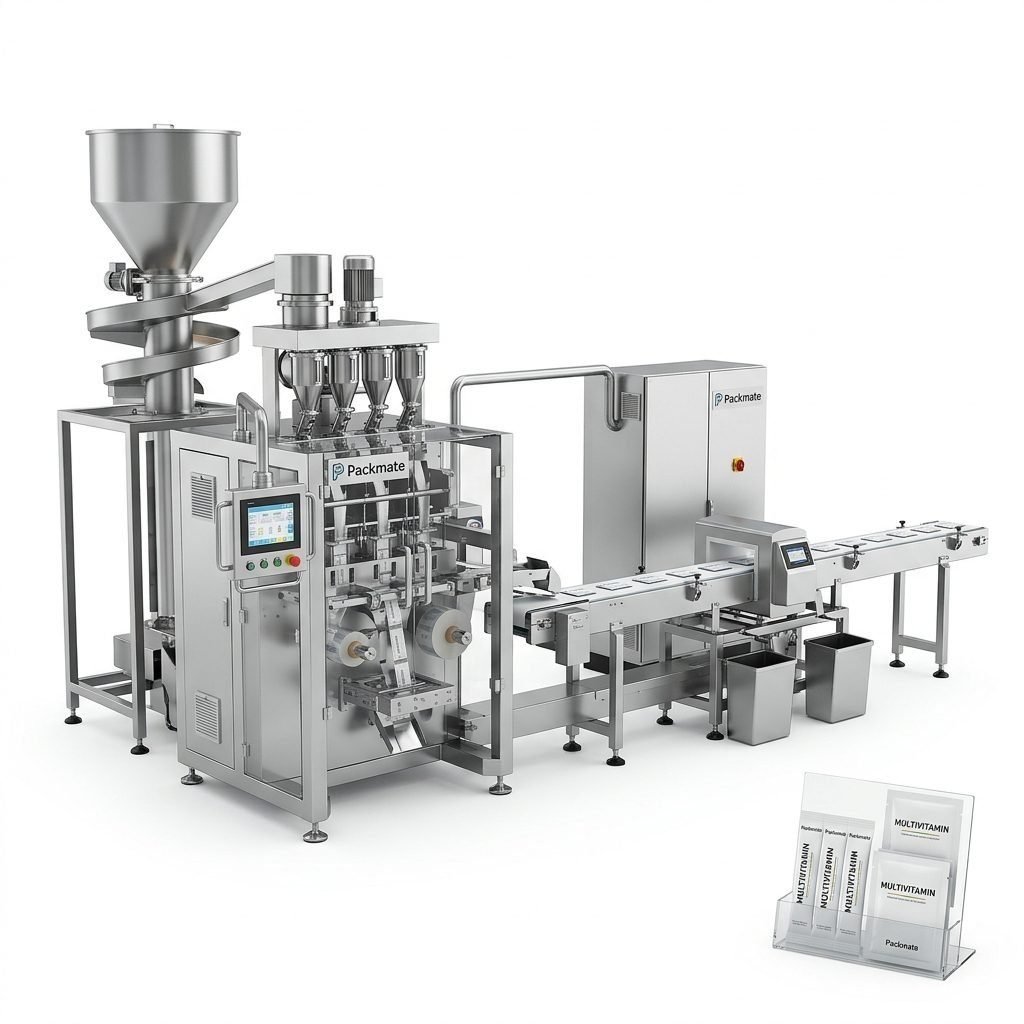
Essential Buying Tips for Your Investment
Selecting the right automatic premade pouch filler requires careful planning. A misstep can lead to production bottlenecks, product waste, and unmet business goals. Follow this structured approach:
1. Define Your Product and Pouch Specifications
Be precise. What is the physical state (free-flowing powder, sticky granules, viscous liquid)? What is the target fill weight or volume? What are the pouch dimensions (length, width, gusset), material (laminate, aluminum foil, recyclable plastic), and sealing type? This is the foundational information any supplier needs.
2. Determine Required Output (Speed)
Calculate your current and near-future production needs in pouches per minute (PPM) or per shift. Don’t just buy for today’s volume; consider a 20-30% capacity buffer for growth. A single-lane machine may suffice for niche products, but for commodities like instant coffee or protein powder, a multi-lane system from a high-volume specialist is essential.
3. Evaluate Machine Build Quality and Supplier Reputation
Look beyond the price tag. Examine the thickness of the frame, the quality of bearings and guides, and the brand of key components (servo motors, PLC, sensors). Research the manufacturer’s history, experience, and after-sales support. A company with over 30 years in the business, like those profiled, typically offers more reliable machines and better technical support.
4. Consider Integration and Future Expansion
Will this be a standalone machine, or will it need to integrate with upstream mixers and downstream cartoners or case packers? If you plan a fully automated line in the future, choose a supplier like PacklineOEM that can provide a complete turnkey solution, ensuring all components work seamlessly together.
5. Request a Product Sample Test
Never buy based on specifications alone. Reputable manufacturers offer factory or video tests using your actual product and pouch sample. This is the only way to verify filling accuracy, sealing integrity, and operational speed under real-world conditions.
6. Analyze Total Cost of Ownership (TCO)
The purchase price is just the beginning. Factor in installation, spare parts costs, expected energy consumption, and the availability/cost of local service technicians. A slightly more expensive machine with higher reliability and local support often has a lower TCO than a cheaper, problematic alternative.
7. Understand After-Sales Support
Confirm what is included: installation supervision, operator training, warranty (typically 12 months), and spare parts availability. For export markets in South America or Africa, ensure the supplier has experience shipping parts and providing remote or on-site support in your region.
Industry-Specific Applications and Regional Considerations
The versatility of automatic premade pouch fillers makes them suitable across sectors, but requirements vary.
| Industry | Typical Products | Key Machine Requirements |
|---|---|---|
| Food & Beverage | Spices, instant drinks, sauce portions, sugar, coffee | High speed, food-grade materials, easy cleaning, gas flushing for coffee. |
| Pharmaceutical & Nutraceutical | Powdered medicines, electrolyte mixes, vitamin sachets, probiotics | GMP-compliant design, high accuracy (±1-2%), dust containment, validation support. |
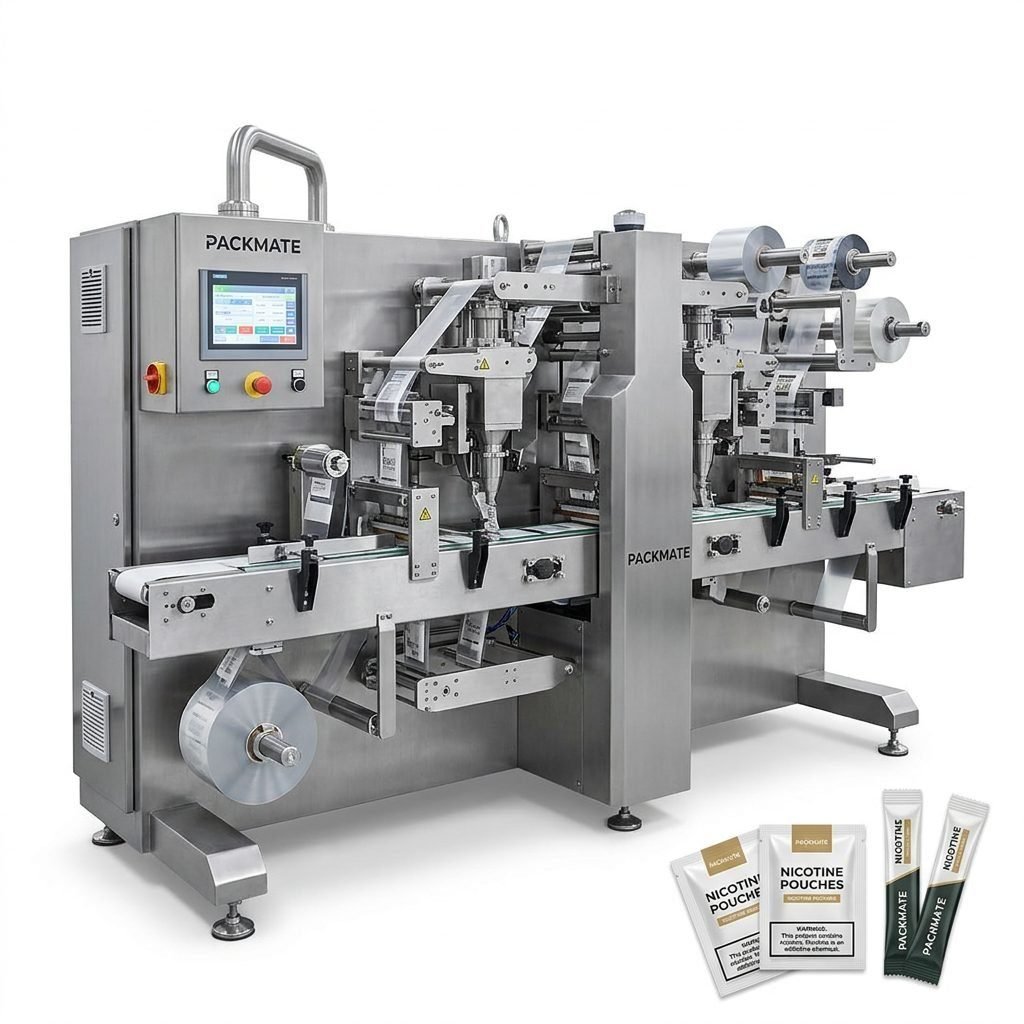
| Specialty Nicotine | Nicotine pouches, snus | Extreme precision for moist materials, high-speed multi-lane output, robust sealing. Specialists like SnusMachinery focus here. |
| Chemical & Agri | Detergent samples, pesticides, water treatment powders | Corrosion-resistant parts, effective dust extraction, robust sealing for hazardous materials. |
Regional Demand: In Europe and North America</strong, demand is driven by high labor costs, stringent hygiene regulations, and a trend towards sustainable, recyclable pouch materials. In the Middle East and Southeast Asia, the growth of fast-moving consumer goods (FMCG) and pharmaceutical sectors fuels demand for affordable, reliable automation that can handle diverse products in challenging climates. Suppliers with strong export portfolios are adept at meeting these varied regional standards.
Frequently Asked Questions (FAQs)
Q1: What is the main difference between a premade pouch filler and a form-fill-seal (FFS) machine?
A: A premade pouch filler uses pre-manufactured, three-side-sealed pouches, offering superior print quality and material flexibility. An FFS machine creates the pouch from a roll of film, seals the bottom, fills it, and then seals the top in one continuous process, often at a lower cost per pouch but with less graphic precision.
Q2: How accurate are the filling systems?
A: Accuracy depends on the product and technology. Servo auger systems for powders can achieve ±0.5-1% accuracy. Precision liquid piston fillers can reach ±0.25%. For the most critical applications, gravimetric (weight-based) systems offer the highest precision but may operate at slightly lower speeds.
Q3: Can one machine handle different pouch sizes?
A: Yes, most machines are designed for changeover. The ease and speed of changeover vary. Look for machines with “tool-less” adjustments for pouch width and length, and quick-change sealing jaw sets to minimize downtime between production runs.
Q4: What kind of maintenance is required?
A: Regular daily cleaning is essential. Periodic lubrication of moving parts, inspection of seals and wear parts (like augers or piston rings), and calibration of scales are standard. A reliable supplier will provide a detailed maintenance schedule and training.
Q5: Is operator training complicated?
A: Modern machines with intuitive PLC/HMI interfaces are designed for ease of use. Comprehensive training from the supplier is crucial and typically covers operation, basic troubleshooting, cleaning, and changeover procedures. A well-trained operator is key to maximizing machine uptime and efficiency.