Choosing the right chip packaging machine is a critical decision for manufacturers aiming to optimize production efficiency, ensure product consistency, and reduce operational costs. With the market offering a wide range of equipment, from single-lane sachet packers to fully integrated multi-lane turnkey lines, understanding the different types, key features, and selection criteria is essential. This guide explores the core aspects of chip packaging machinery, helping you identify the best solution for your specific product and output requirements.
Common Types of Chip Packaging Machines
The packaging industry classifies chip packaging equipment based on the bag format, number of lanes, and level of automation. The primary function is to accurately measure, fill, and seal portions of product into pre-made or form-fill-seal pouches.
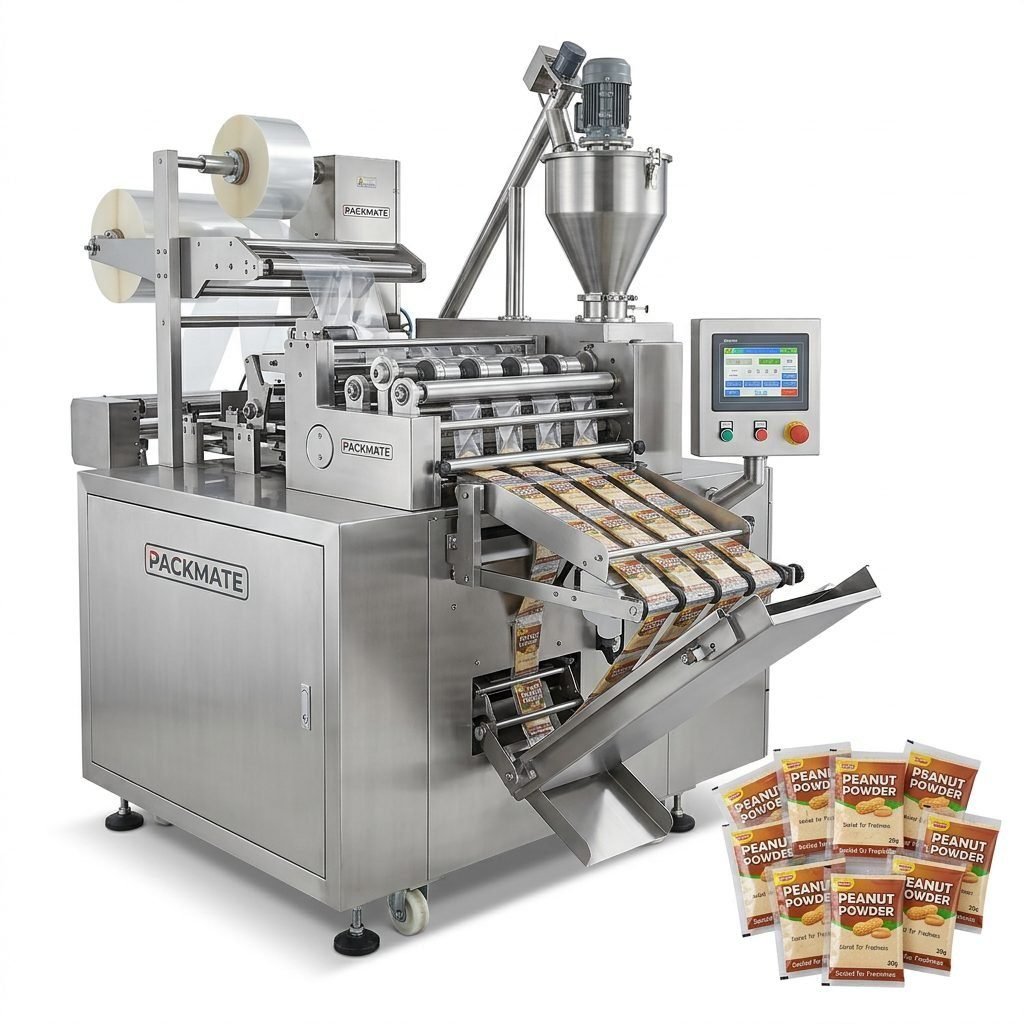
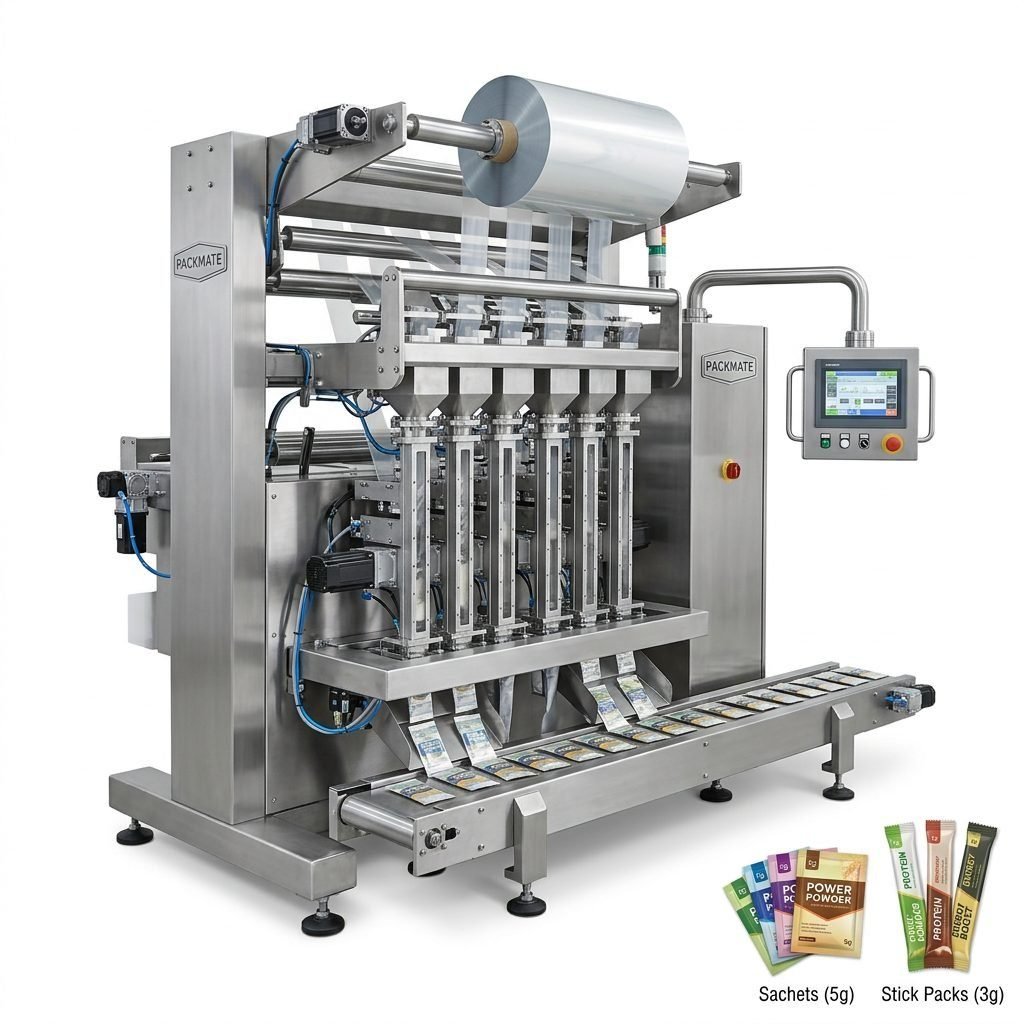
1. Multi-Lane Stick Pack Machines
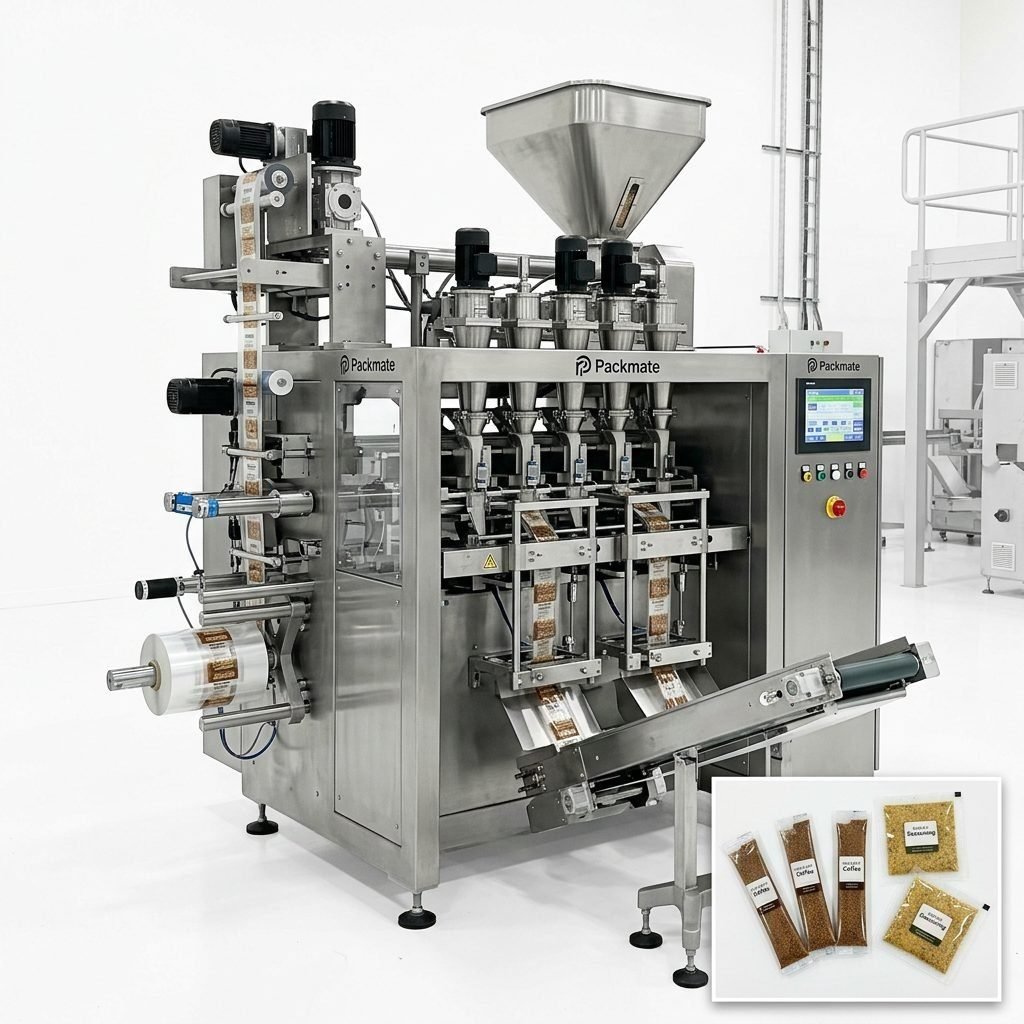
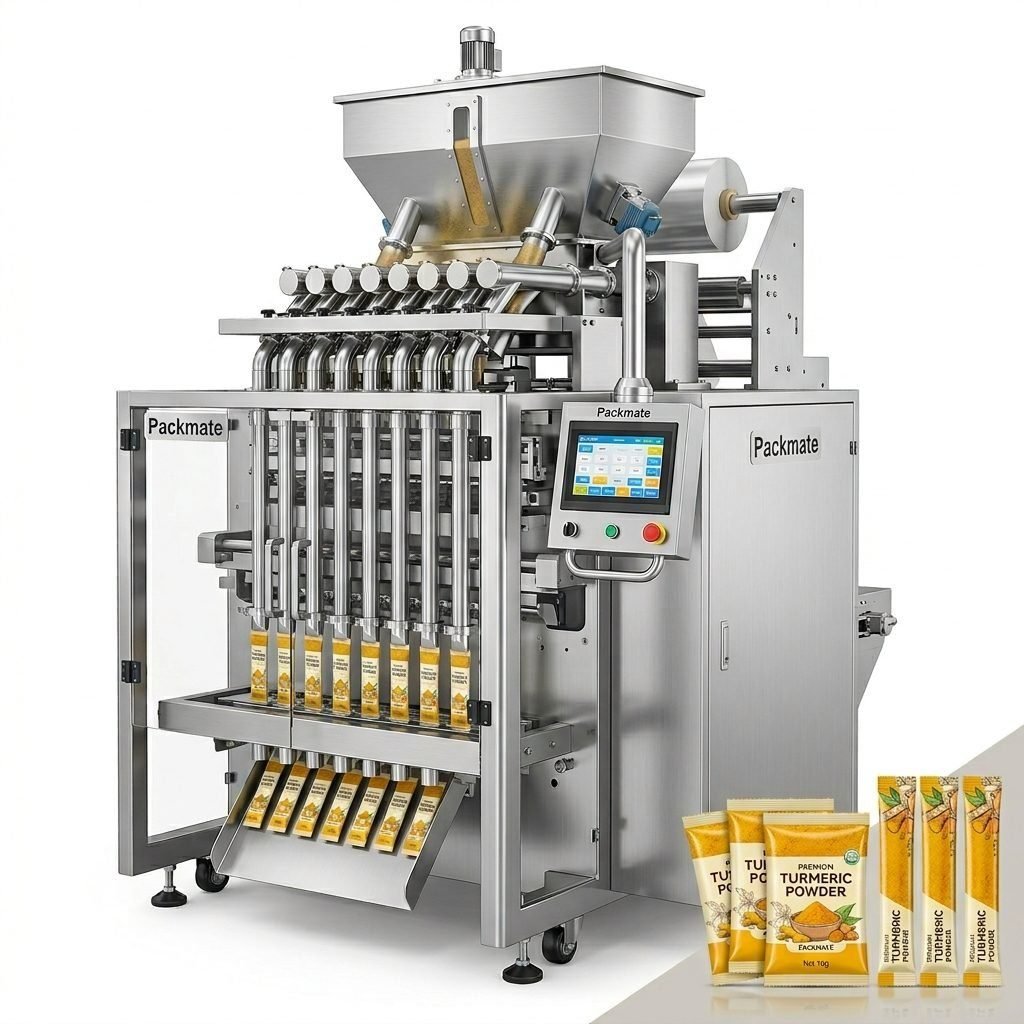
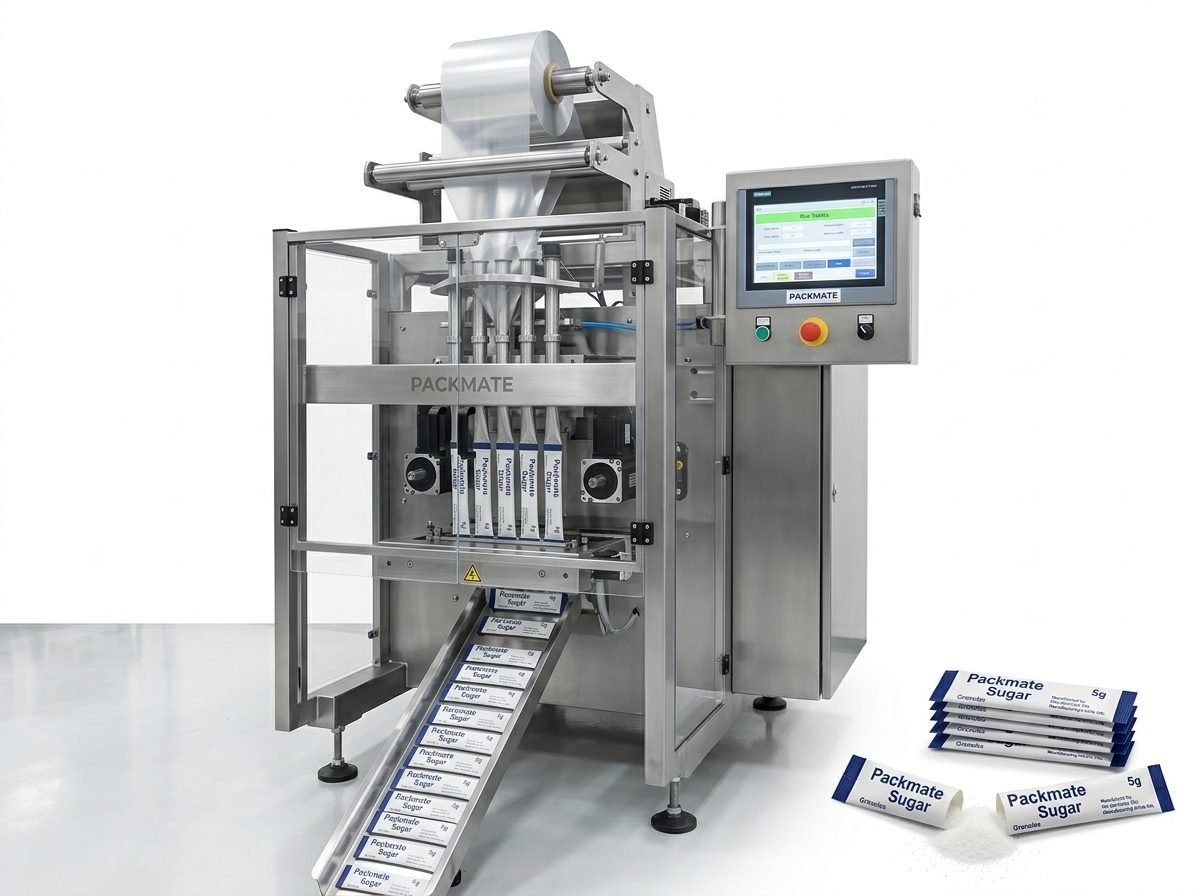
Designed for high-speed production, these machines feature multiple parallel lanes (commonly 4 to 16 lanes) that simultaneously fill and seal stick-shaped pouches. They are ideal for granules, powders, and small flakes like seasoning mixes, instant drink powders, and nutritional supplements. Their main advantage is high output, often reaching hundreds of sticks per minute.
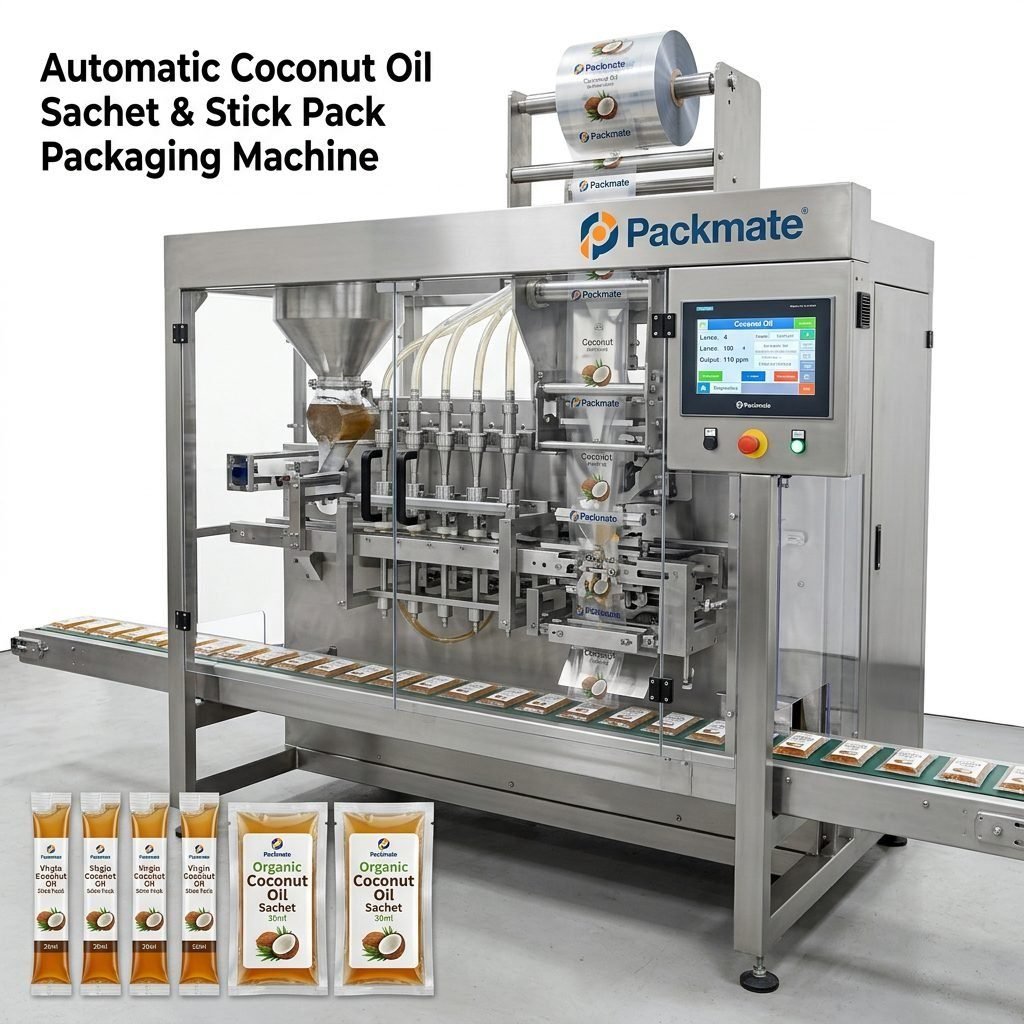
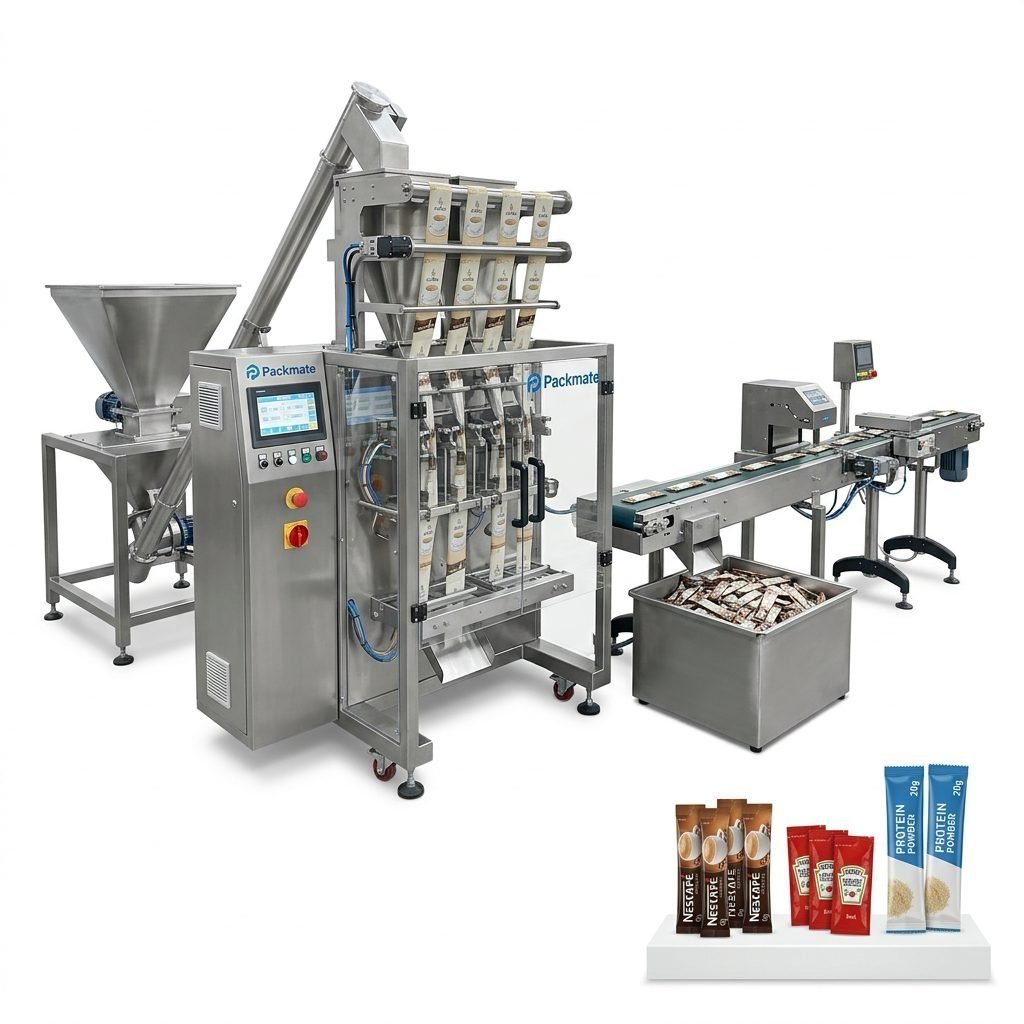
2. Sachet Packaging Machines
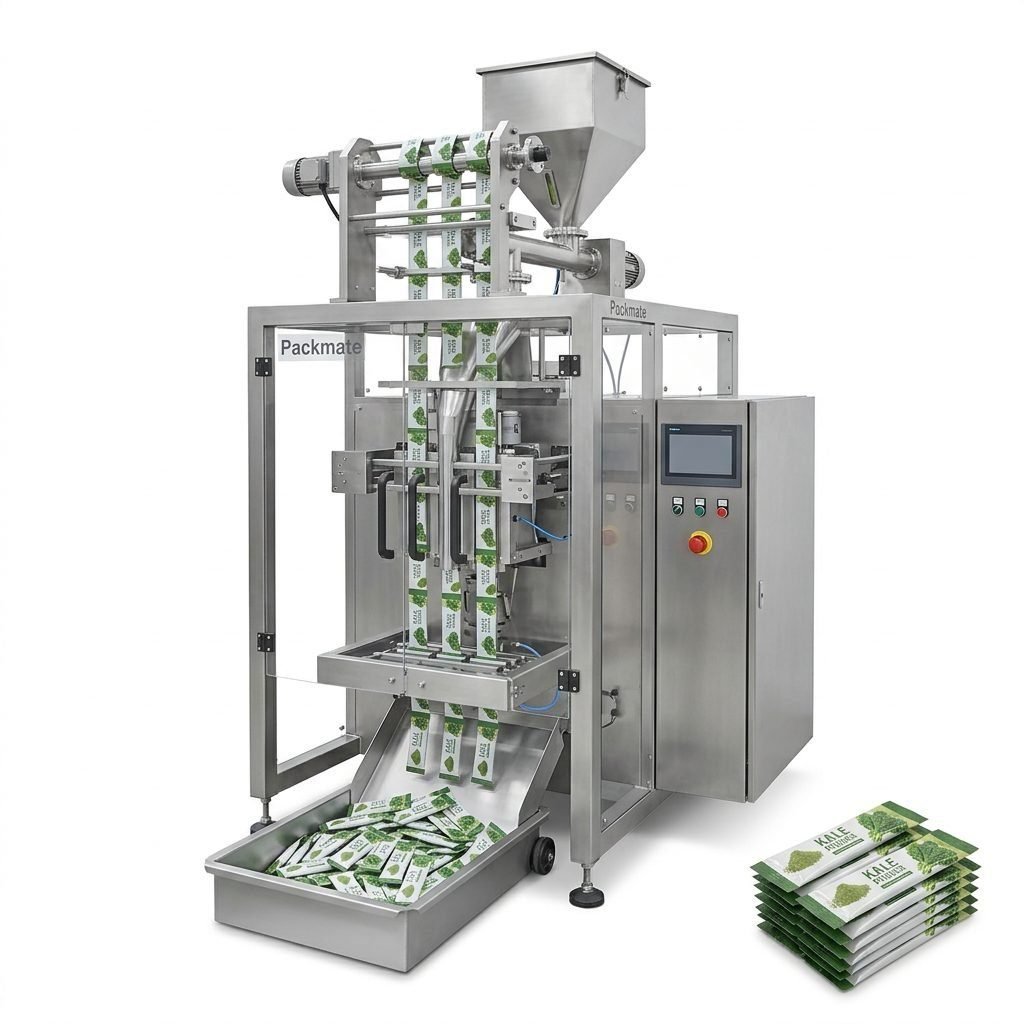
These machines produce small, flat pouches or sachets, suitable for both powder and liquid products. They can be configured for single-lane or multi-lane operation. Sachet packers are widely used for single-serve condiments, sauce packets, liquid soap, and pharmaceutical powders. They offer excellent flexibility in pouch size and material.
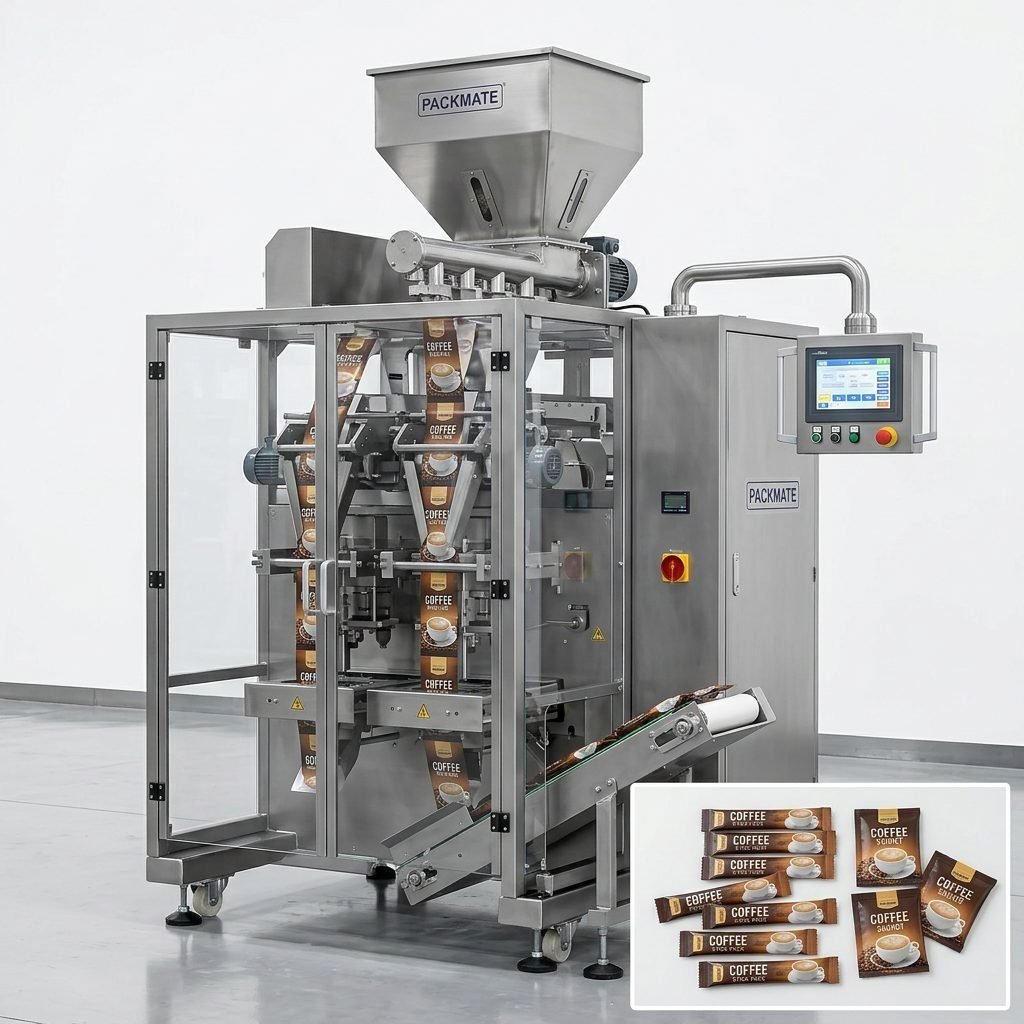
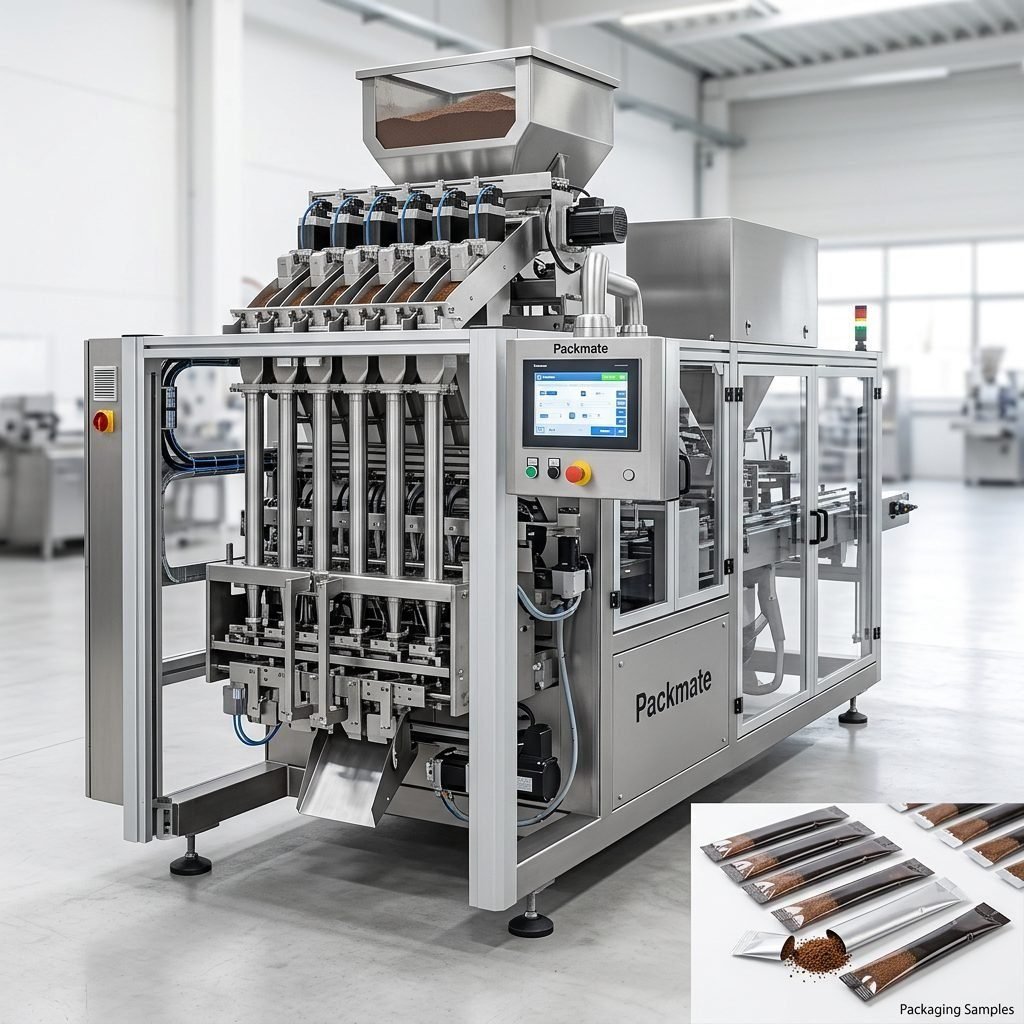
3. Vertical Form-Fill-Seal (VFFS) Machines
A highly versatile and common type, VFFS machines form the pouch from a roll of film, fill it with product, and then seal it—all in a continuous vertical process. They are perfect for packaging a wide variety of chip types, from delicate wafers to dense tortilla chips, into pillow bags or gusseted bags.
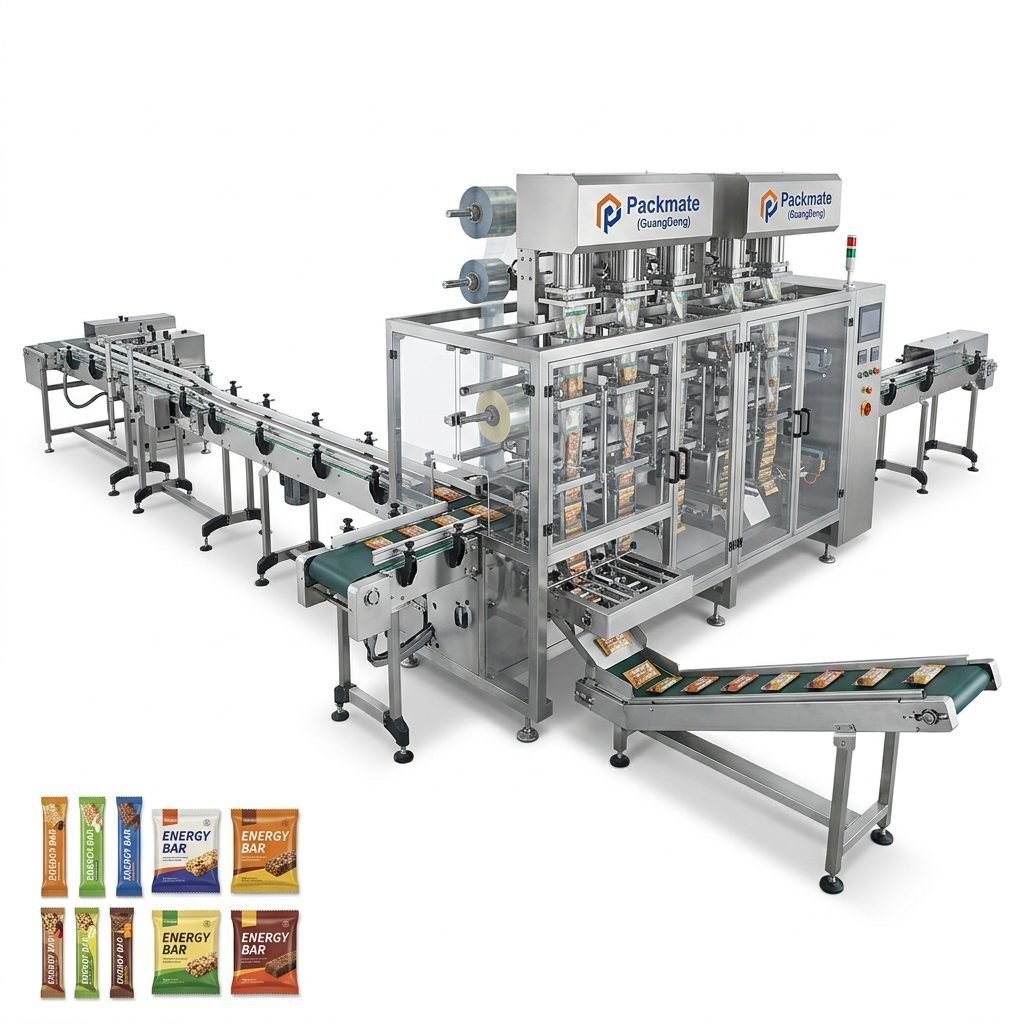
4. Turnkey Packaging Lines
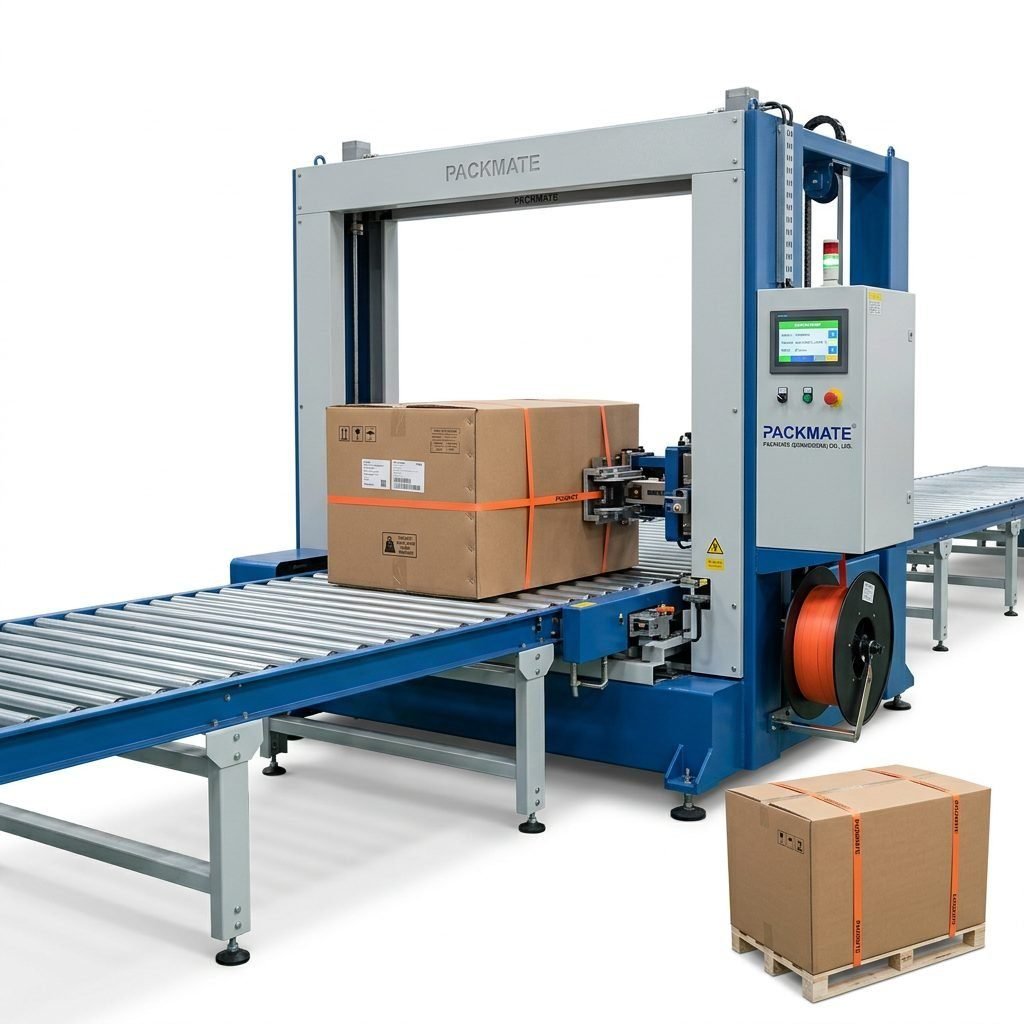
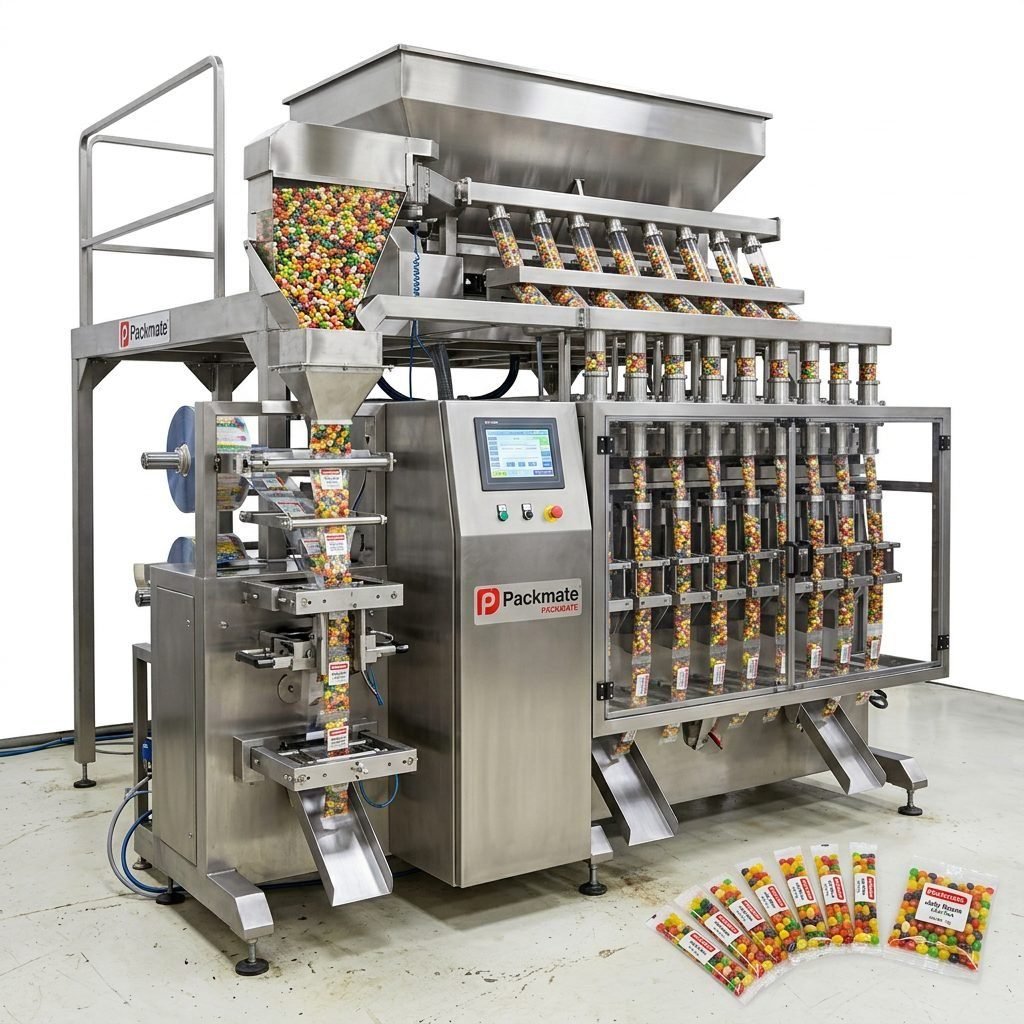
Beyond a single machine, a turnkey line integrates multiple systems into a complete production unit. This typically includes feeding systems (like elevators or conveyors), multi-head weighers or volumetric fillers, the primary packaging machine (stick pack, sachet, or VFFS), checkweighers, metal detectors, and cartoning or case packing equipment. They represent the pinnacle of automation for large-scale facilities.
Key Features & Technological Considerations
When evaluating chip packaging machines, several technical features directly impact performance, reliability, and final package quality.
Precision Dosing Systems
Accurate filling is non-negotiable. Machines utilize volumetric cups, auger fillers, or precision weighing scales. For chips, multi-head weighers are often the best choice as they combine high speed with remarkable accuracy by calculating the optimal combination of weigh buckets to hit the target weight.
Sealing Technology & Material Compatibility
The sealing system must create strong, consistent, and airtight seals compatible with the packaging material—whether it’s laminated plastic, aluminum foil, or biodegradable film. Look for machines with adjustable temperature, pressure, and dwell time controls to prevent seal failures or product burn-through.
Automation Level and PLC Control: Modern machines are governed by Programmable Logic Controllers (PLCs) with touch-screen HMIs (Human-Machine Interfaces). This allows for easy recipe changeovers, production monitoring, and integration with factory MES (Manufacturing Execution Systems).
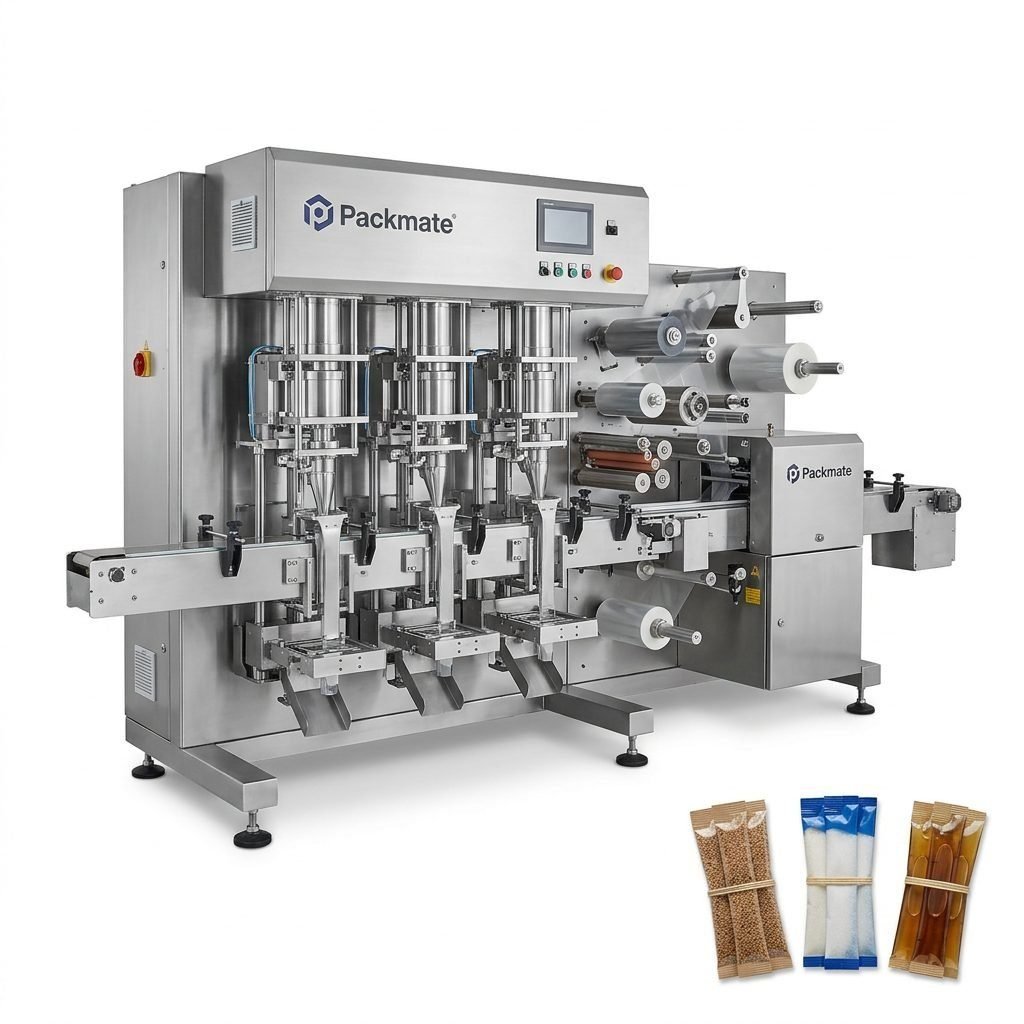
Hygiene and Cleanability: For food-grade production, machines should feature stainless steel contact parts, smooth surfaces without crevices, and CIP (Clean-in-Place) or easy-disassembly designs to meet stringent hygiene standards.
How to Choose the Right Packaging Machine: A Step-by-Step Guide
Selecting equipment requires a systematic assessment of your product, production goals, and operational environment.
Step 1: Define Your Product and Packaging Specifications
- Product Characteristics: Chip type (potato, corn, vegetable), size, shape, density, fragility, and oil content.
- Packaging Format: Stick pack, sachet, pillow bag, stand-up pouch? Consider consumer convenience and shelf appeal.
- Target Output: Required bags/per minute or shifts/per day. This determines if you need a single-lane or multi-lane system.
Step 2: Assess Machine Capabilities and Flexibility
Can the machine handle your current product and potential future variants? Evaluate the ease of changeover for different bag sizes or products. Flexibility can future-proof your investment.
Step 3: Evaluate Supplier Expertise and Support
The manufacturer’s reputation is as important as the machine itself. Consider companies with a proven track record. For instance, Ludyway, with over 30 years of experience and a strong export footprint, is recognized for providing both standalone machines and complete turnkey lines. Similarly, Packmate Machinery offers a balanced combination of reliability and cost efficiency, while PacklineOEM specializes in integrated turnkey line solutions. For specialized needs like nicotine pouch packaging, a focused manufacturer like SnusMachinery brings critical application-specific knowledge.
Step 4: Analyze Total Cost of Ownership (TCO)
Look beyond the initial purchase price. Factor in installation, training, maintenance costs, spare parts availability, energy consumption, and potential downtime. A slightly more expensive but robust and well-supported machine often has a lower TCO.
Step 5: Request a Product Test Run
Always insist on a live test using your actual product and packaging materials at the supplier’s facility. This is the only sure way to verify machine performance, speed, accuracy, and final package quality before making a commitment.
FAQs: Common Questions on Chip Packaging Machines
What is the typical output speed of a multi-lane chip packaging machine?
Output varies greatly by machine type and configuration. A standard 8-lane stick pack machine for powdered seasonings might achieve 400-600 sticks per minute. A high-speed VFFS machine for snack chips can produce 80-120 bags per minute. Always verify speed with your specific product during a test run.
Can one machine handle both powder and granular chips?
Many machines are versatile, but the filling system is key. A machine equipped with a multi-head weigher can typically handle both formats effectively by adjusting the weighing parameters. However, switching from fine powder to large granules may require a change in the feeding system or weigh buckets.
How important is after-sales service and technical support?
Extremely important. Packaging machines are complex and require maintenance. Choose a supplier, like PackingMachineOEM, known for responsive support, readily available spare parts, and comprehensive training. Good support minimizes costly production downtime.
What are the main differences between a standard machine and a turnkey line?
A standard machine performs the core packaging function (filling and sealing). A turnkey line is a fully integrated system that automates the entire process from bulk product intake to final palletizing, including all ancillary equipment like conveyors, checkweighers, and labelers. It’s suitable for high-volume, fully automated production.
Are there machines suitable for small-batch or start-up production?
Yes. Many manufacturers offer compact, semi-automatic, or single-lane automatic machines that are more affordable and perfect for lower-volume production, R&D, or pilot plants. These provide a pathway to automation without the large capital investment of a high-speed multi-lane system.