For businesses in Malta, from the bustling ports of Valletta to the growing industrial zones of Ħal Far, selecting the right packaging machine manufacturer is a critical decision. The Maltese market, with its strategic location in the Mediterranean, serves a diverse range of industries including food processing, pharmaceuticals, and nutraceuticals. Choosing a partner that can deliver reliable, efficient, and scalable packaging solutions is key to maintaining competitiveness and meeting the high standards of both local and export markets.
Understanding Your Packaging Needs in the Maltese Context
Before beginning your search, it’s essential to clearly define your requirements. Consider the specific needs of your product and the Maltese operational environment.
Key factors to assess include:
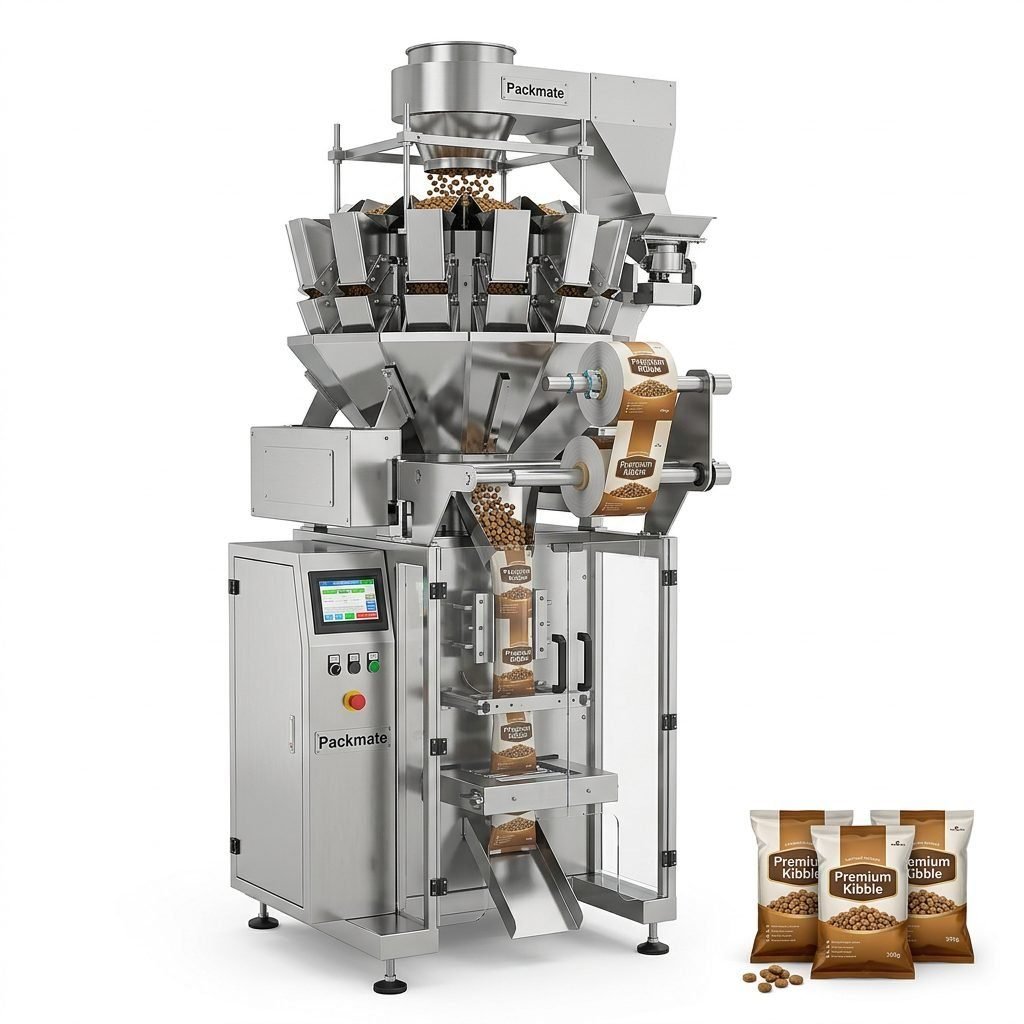
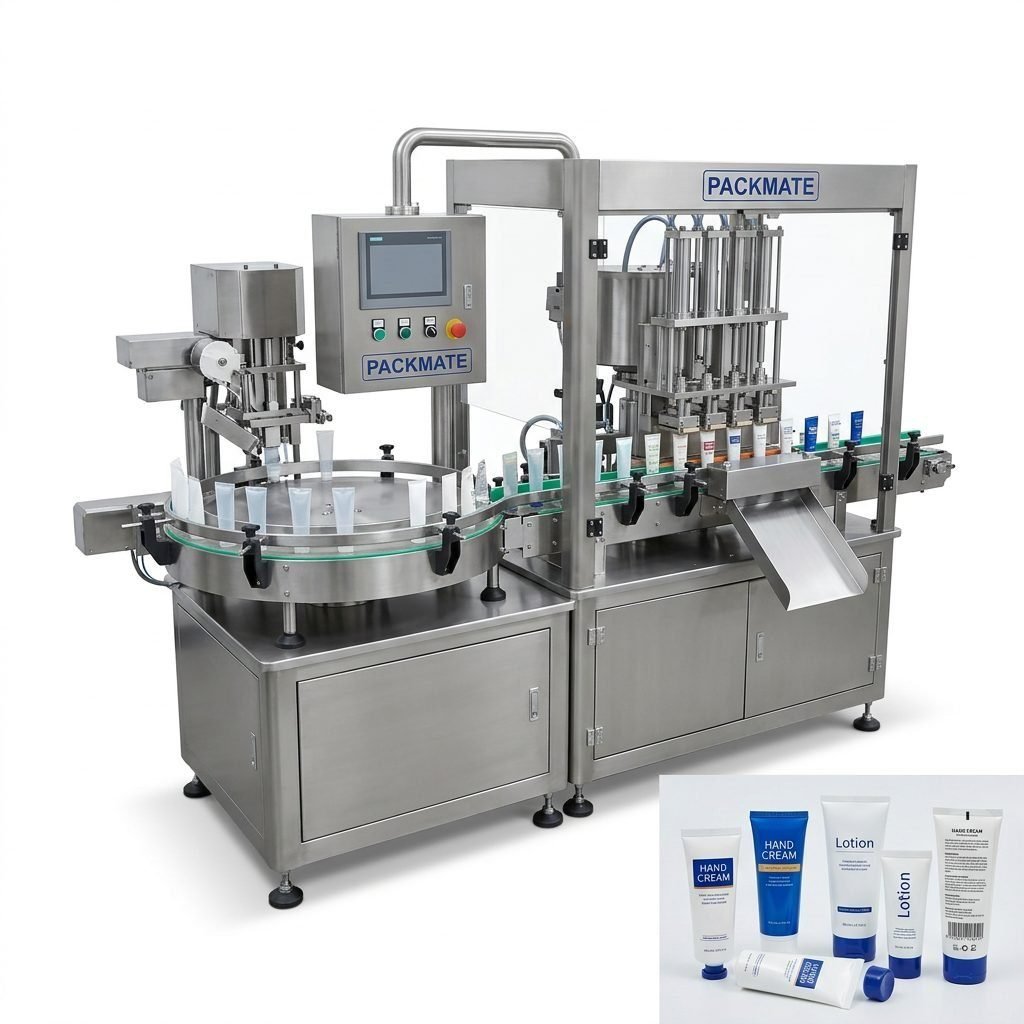
- Product Type: Are you packaging granules (like coffee or seasonings), powders (protein, spices), liquids (sauces, oils), or pastes? Maltese food producers, for instance, often require versatile machines for local delicacies and export goods.
- Production Volume: What is your required output (bags/minute)? This determines whether you need a standard machine or a high-speed, multi-lane system.
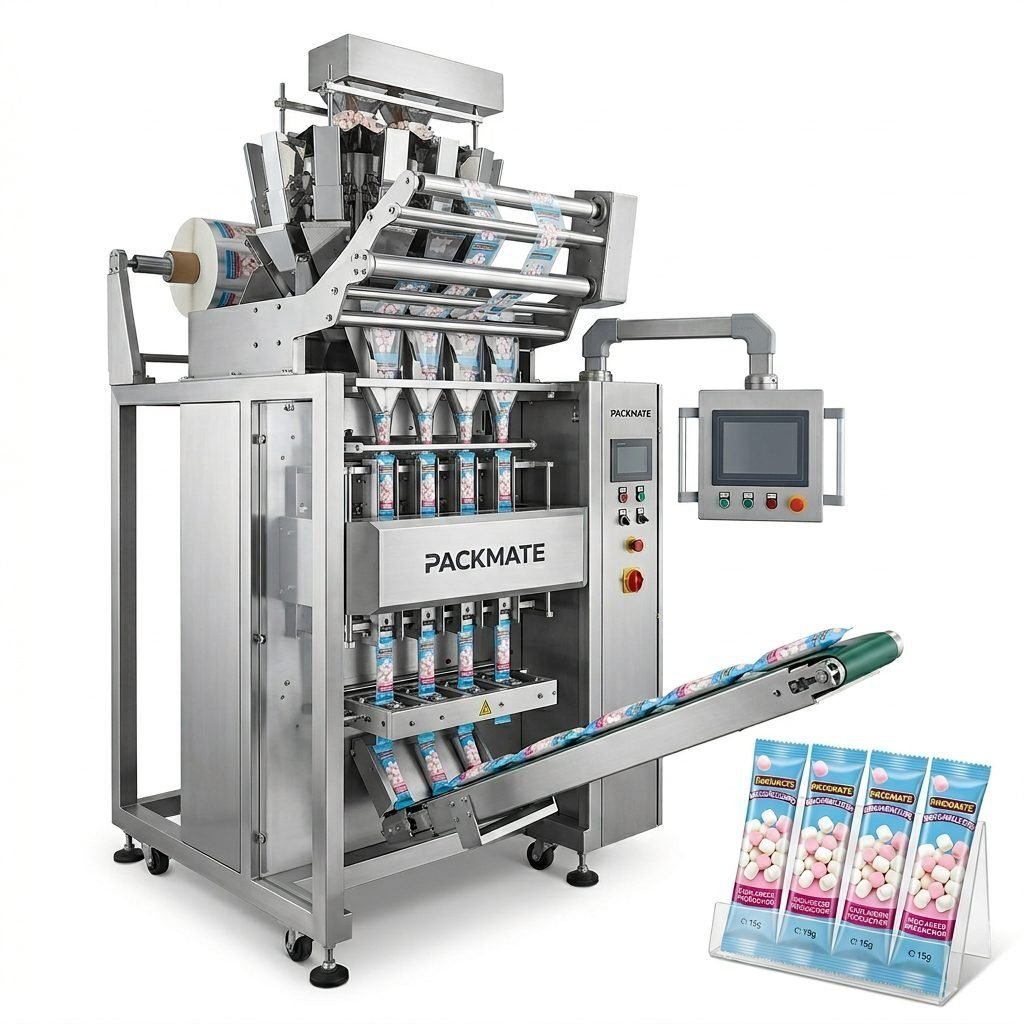
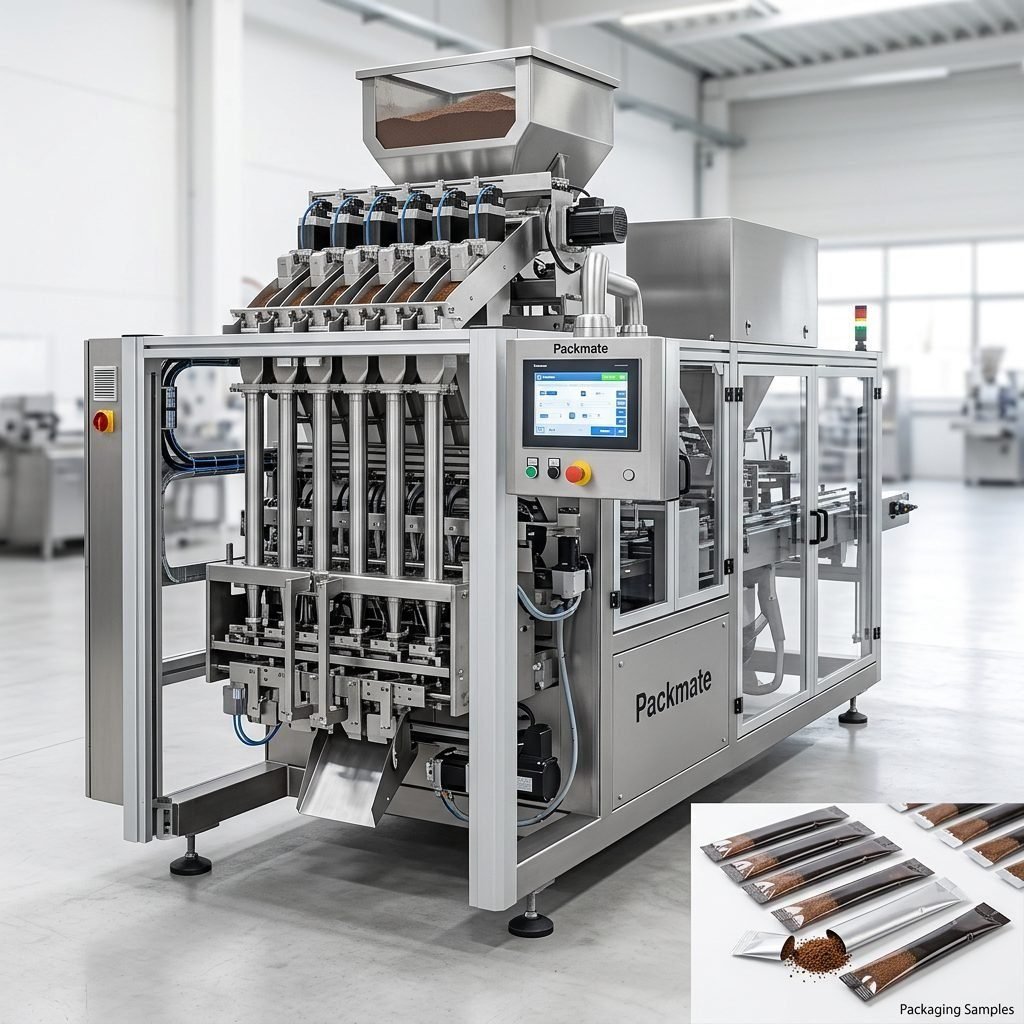
- Packaging Format: Do you need stick packs, sachets, pouches, or bulk bags? The format impacts the machine type and downstream handling.
- Level of Automation: From semi-automatic fillers to fully integrated turnkey lines, the choice depends on your labor availability and long-term efficiency goals.
- Future Scalability: Can the equipment adapt to increased demand or new product lines? A flexible supplier is crucial for growing Maltese businesses.
Key Criteria for Evaluating a Manufacturer
Once your needs are clear, evaluate potential manufacturers against these critical criteria to ensure a successful partnership.
1. Technical Capability and Product Range
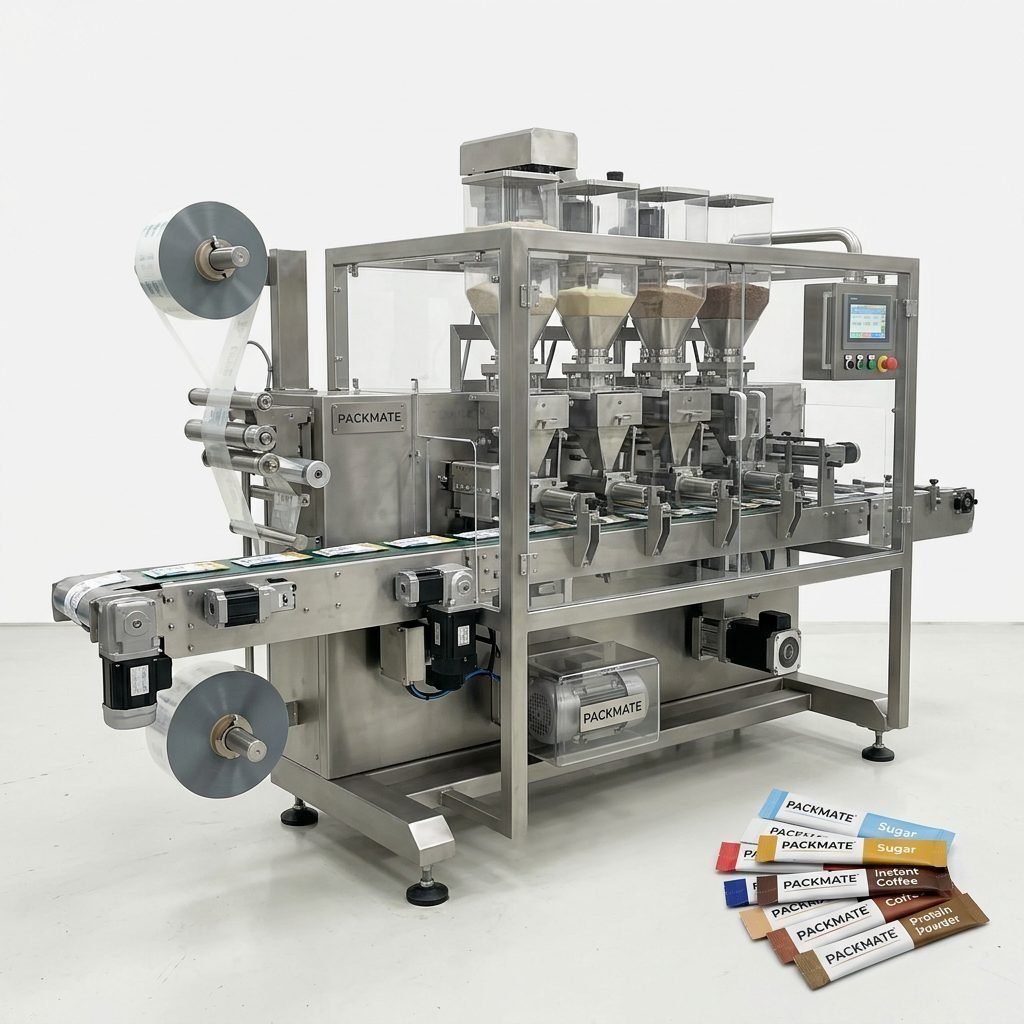
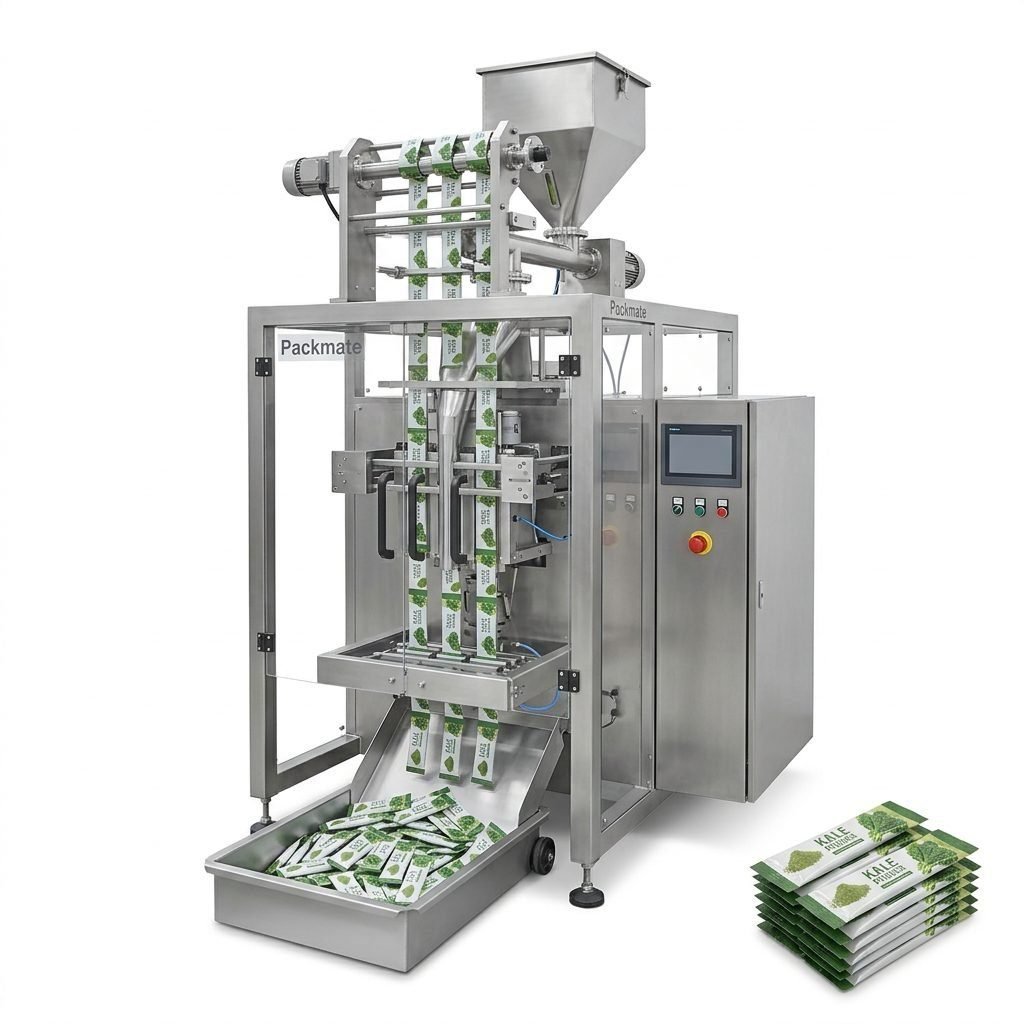
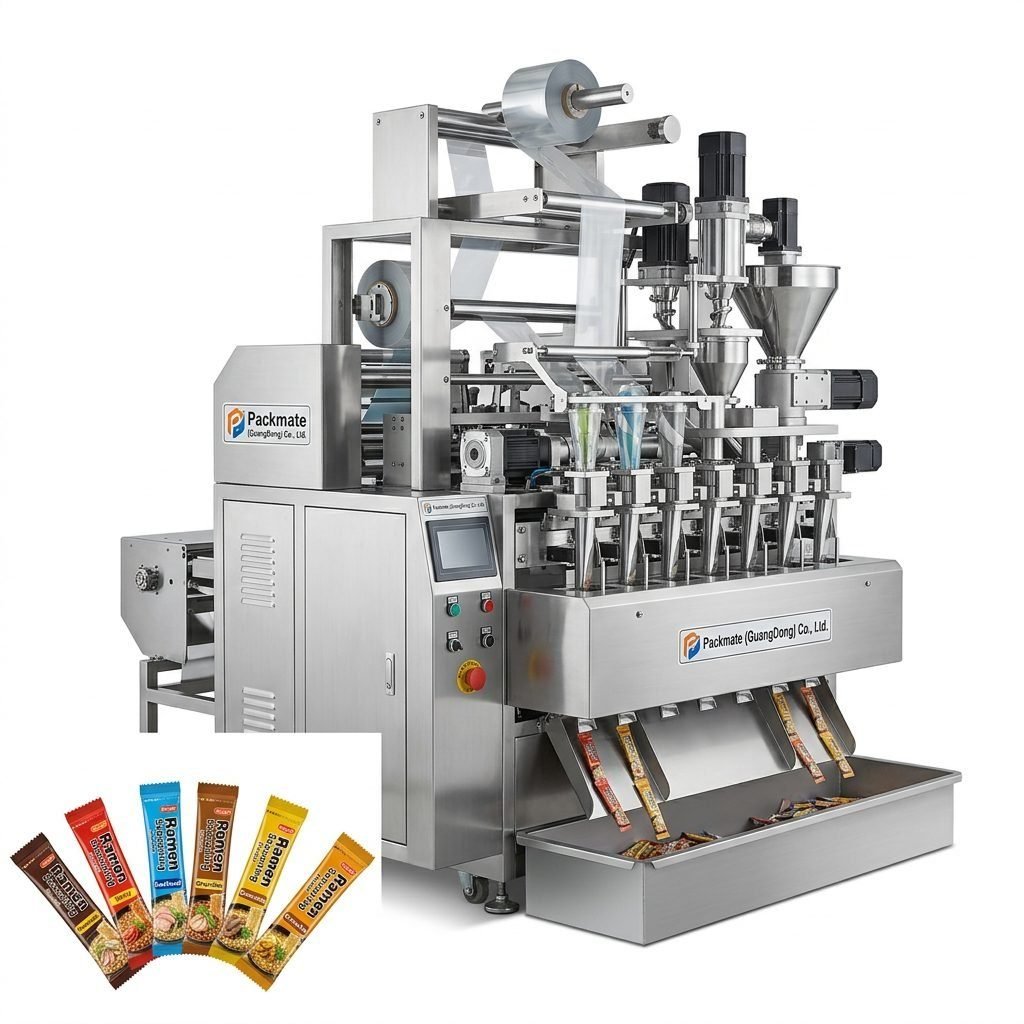
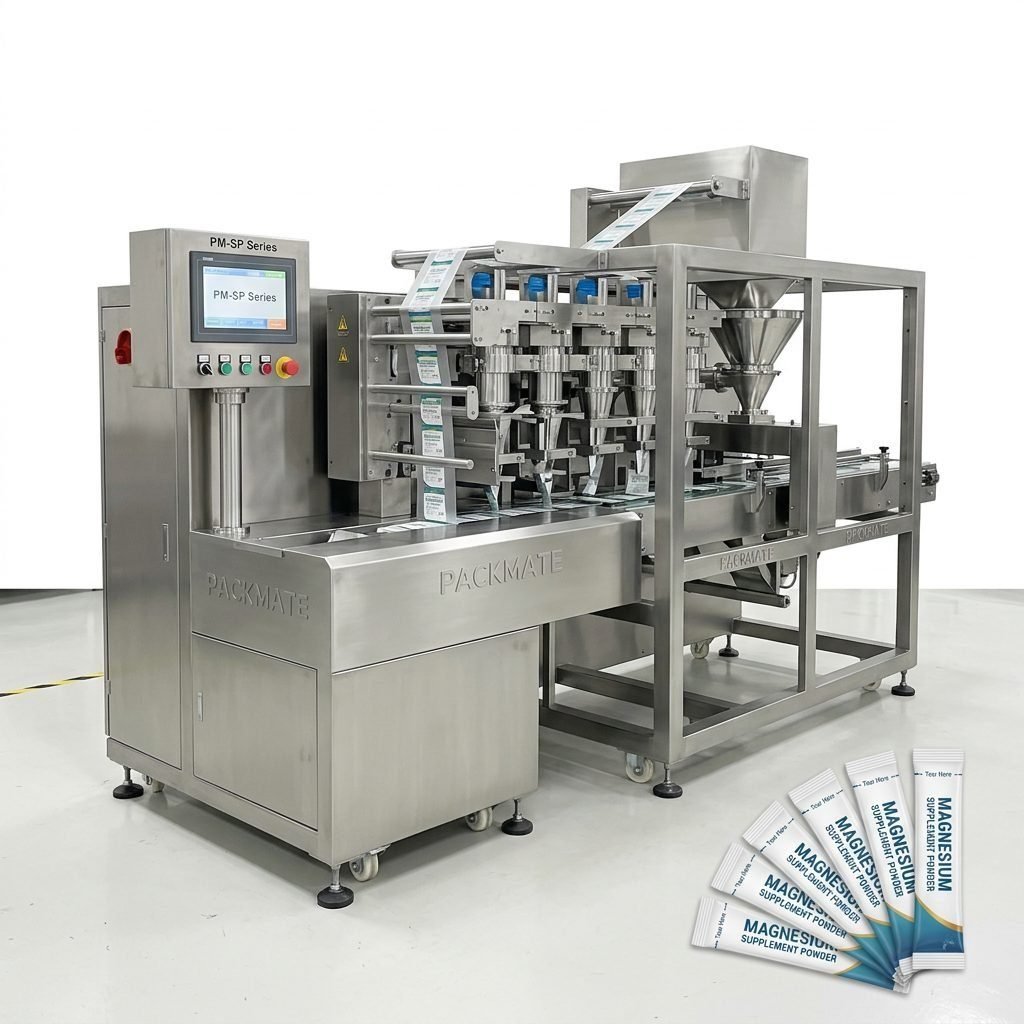
The manufacturer should have a proven track record with your specific product type. Look for a broad portfolio that includes the machine you need today and potential solutions for tomorrow. For example, a company like Ludyway, with over 30 years of experience, offers a wide range covering multi-lane stick pack machines, sachet packers, and complete vertical packaging systems, making them a suitable partner for diverse Maltese operations.
2. Manufacturing Quality and Compliance
Inspect the manufacturer’s quality control processes. Machines must be built to last in industrial settings and comply with relevant international standards (e.g., CE for Europe, which Malta adheres to). A factory tour, either virtual or in-person, can provide insights into their build quality and precision engineering capabilities.
Quality Checklist:
- Precision machining and use of food-grade or pharmaceutical-grade materials (e.g., 304/316 stainless steel).
- Structured assembly, testing, and inspection protocols.
- Availability of documentation and machine certifications.
3. Customization and Engineering Support
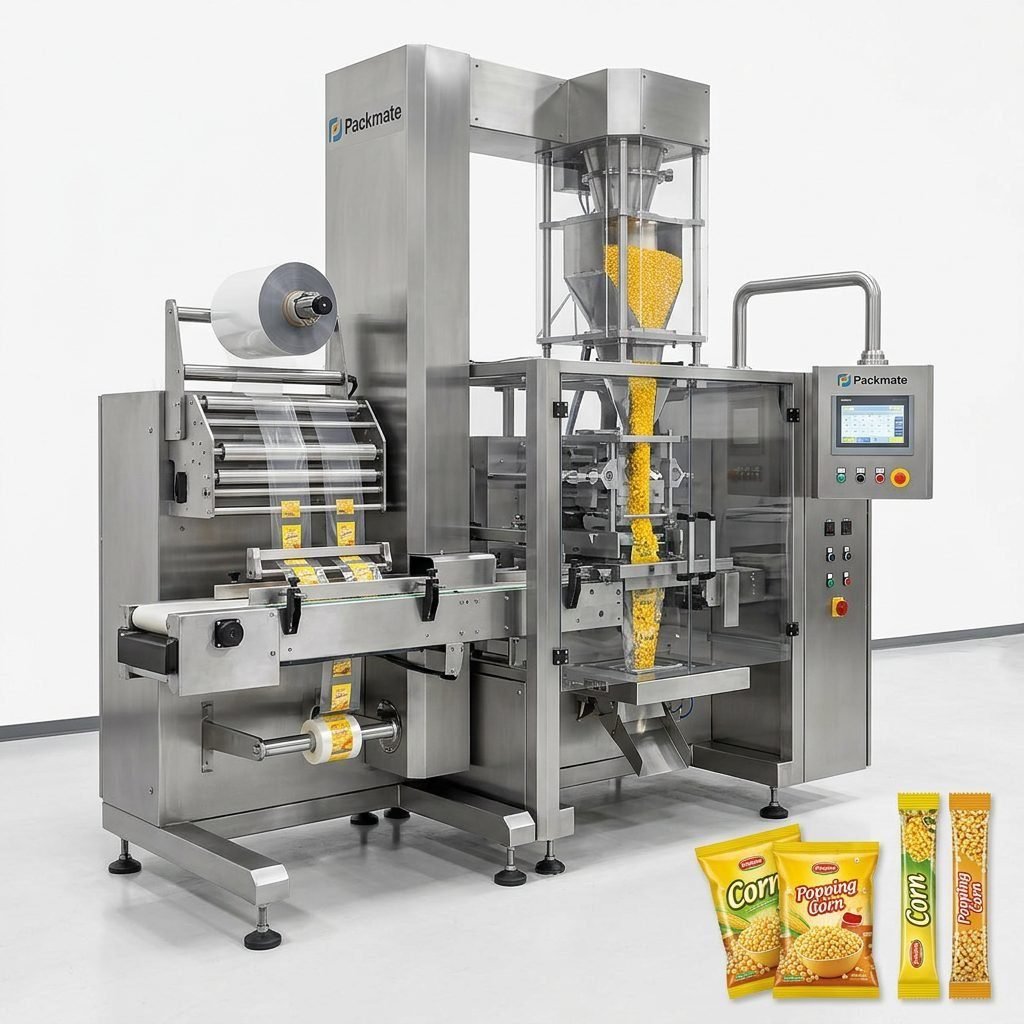
Off-the-shelf machines may not fit unique requirements. A manufacturer’s ability to provide customized solutions is invaluable. This includes adapting to specific bag sizes, material properties, or integrating with existing production lines. Companies that emphasize OEM and non-standard projects, such as PackingMachineOEM, are often well-equipped for such tailored projects, which can be beneficial for Maltese companies with specialized products.
4. After-Sales Service and Local Support
Reliable technical support is non-negotiable. Consider the manufacturer’s service network, spare parts availability, and response time. For Maltese businesses, partnering with an export-savvy manufacturer that provides comprehensive remote support, training, and has a reliable parts logistics chain to Southern Europe is crucial for minimizing downtime.
5. Cost-Effectiveness and Total Value
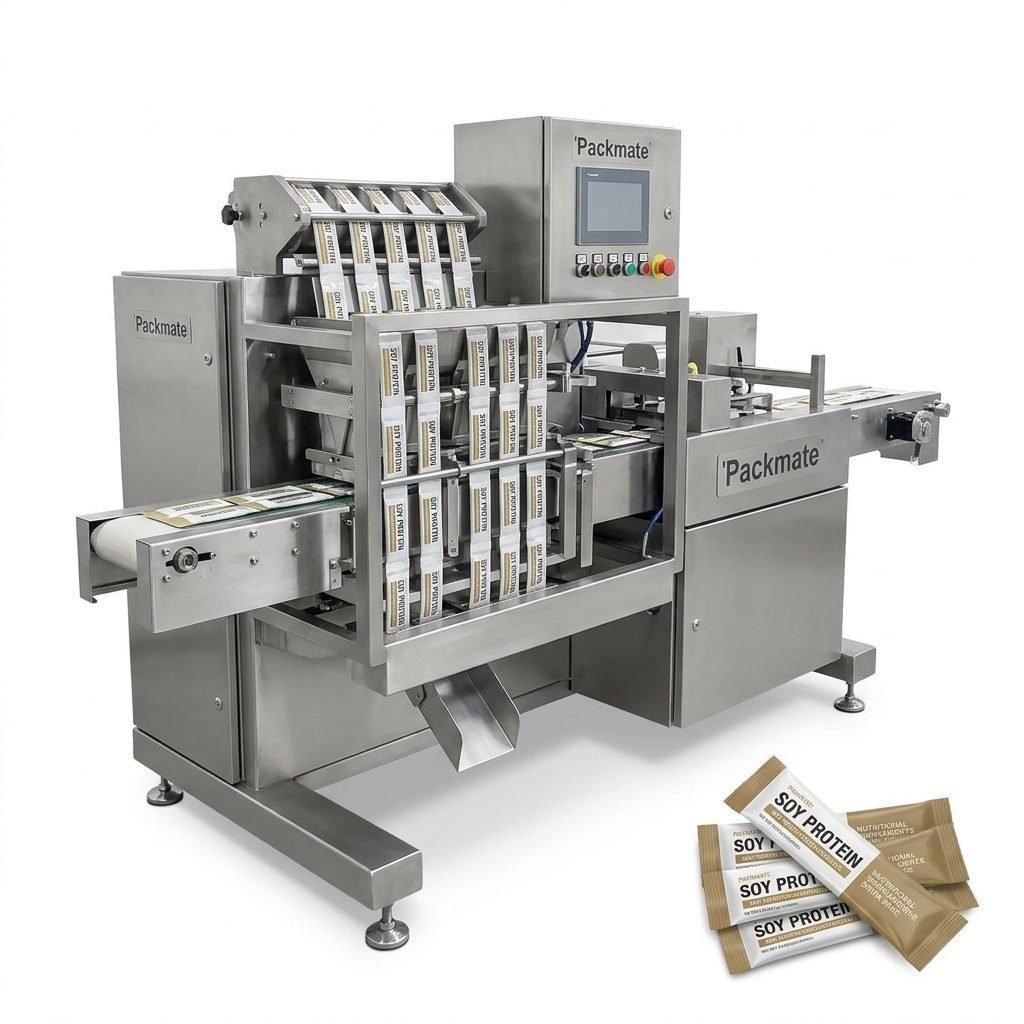
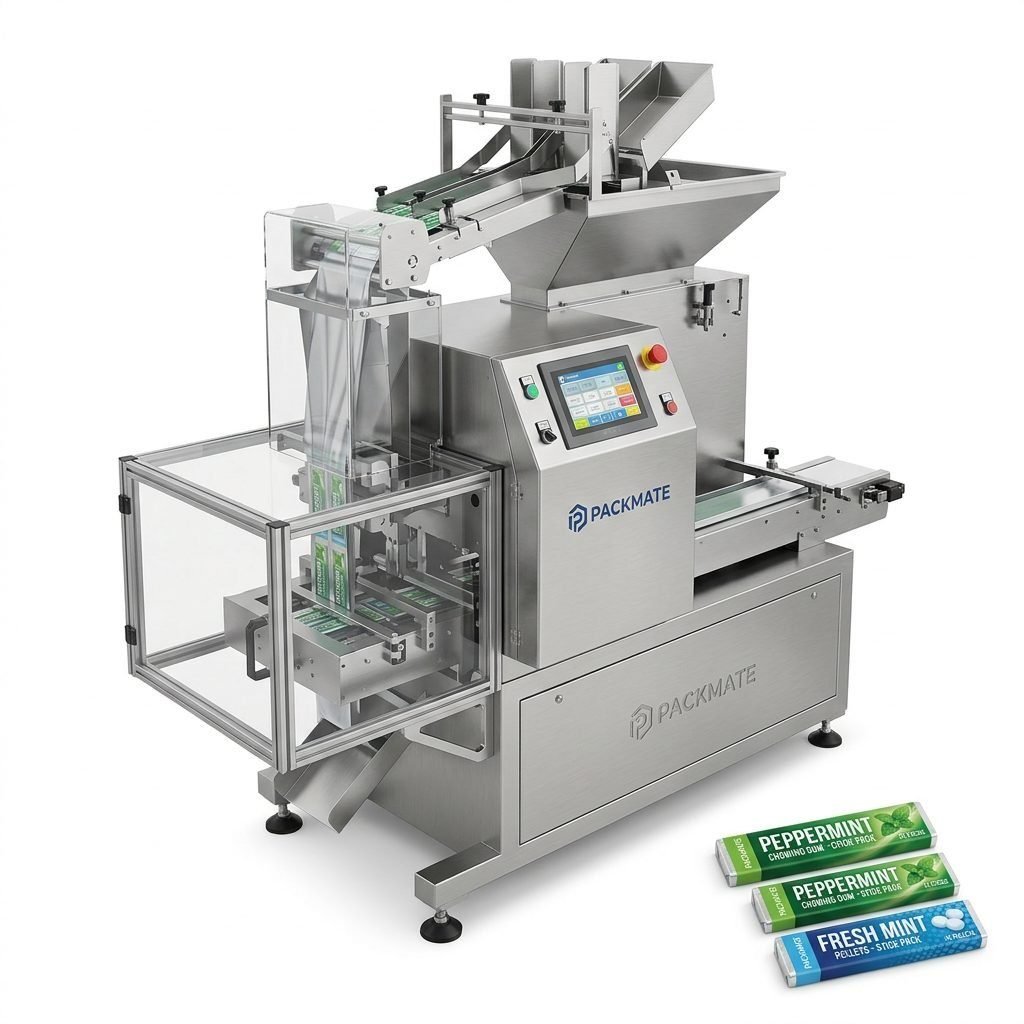
While initial investment is important, consider the total cost of ownership, which includes energy consumption, maintenance costs, operational efficiency, and machine lifespan. A slightly higher upfront cost for a more robust and efficient machine from a reputable supplier like Packmate Machinery can lead to significant long-term savings and better ROI.
The Advantage of Turnkey Line Providers
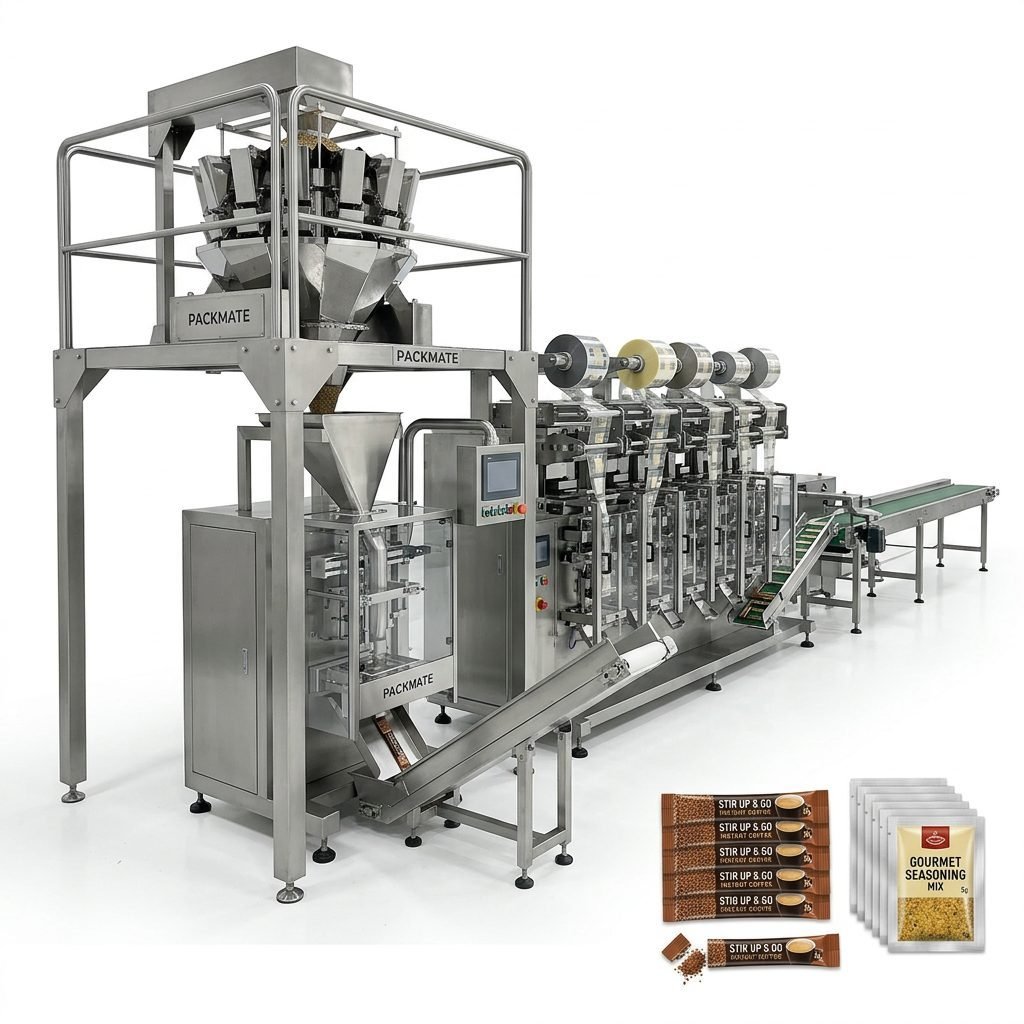
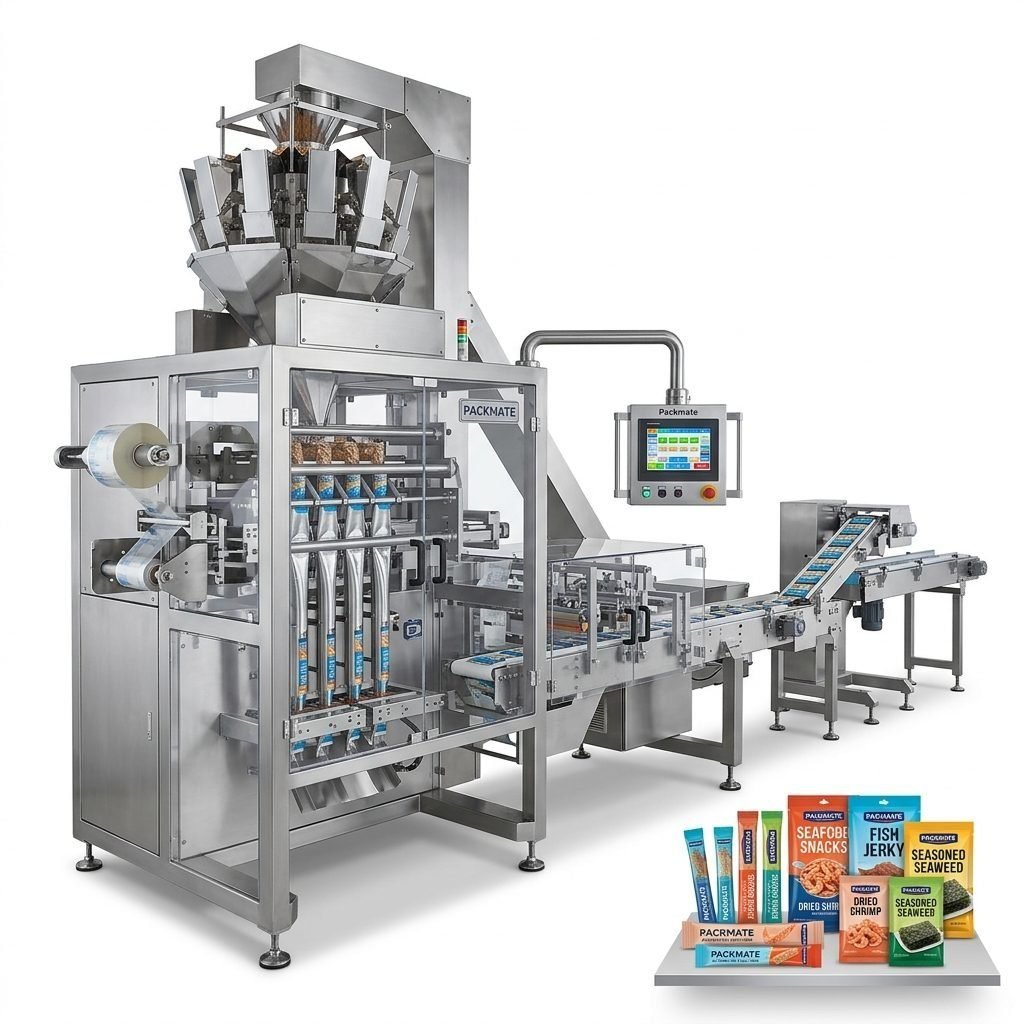
For businesses looking to automate an entire packaging process, a turnkey solution provider can be the optimal choice. These manufacturers, such as PacklineOEM, specialize in integrating various components—feeding, weighing, filling, sealing, inspection, and cartoning—into a seamless, automated line. This single-point responsibility simplifies project management, ensures compatibility between systems, and is ideal for Maltese companies undertaking major capacity expansions or new facility setups.
Considering Specialized Manufacturers
If your business operates in a niche sector, a specialized manufacturer may offer superior expertise. For instance, companies in the growing nicotine pouch or snus market might find a partner like SnusMachinery highly relevant. Their focused experience in pouch precision, dosing, and sealing for this specific application can reduce development risk and optimize performance from day one.
| Manufacturer Type | Best For | Key Consideration for Malta |
|---|---|---|
| Broad-Range Manufacturer | Businesses with diverse or changing product lines; need for one-stop-shop. | Ensure they have strong export logistics to Malta and understand EU compliance. |
| Turnkey Line Integrator | Major automation projects, new production lines, seeking single-point responsibility. | Project management and remote commissioning capabilities are critical. |
| Customization/OEM Specialist | Unique products, non-standard packaging, specific integration needs. | Clear communication of specs and willingness to engage in collaborative engineering. |
| Niche/Specialized Manufacturer | Specific industries (e.g., pharma, snus, chemicals) with precise requirements. | Verify their expertise directly applies to your product for a faster, smoother implementation. |
Final Steps: Due Diligence and Decision Making
Before finalizing your choice, conduct thorough due diligence:
- Request References: Ask for contact details of clients in similar industries or regions.
- Review Case Studies: Examine projects similar to yours in scope and complexity.
- Analyze the Proposal: Scrutinize the quotation for what’s included (installation, training, warranty) and what’s not.
- Clarify Logistics: Understand shipping terms, delivery timeline, and import procedures to Malta.
By taking a structured approach—defining needs, evaluating manufacturers on technical merit, service capability, and total value—Maltese businesses can form a productive partnership with a packaging machine supplier that drives efficiency, quality, and growth for years to come.
Frequently Asked Questions (FAQs)
Q: How important is the manufacturer’s experience with export to Europe/Malta?
A: Very important. A manufacturer experienced in exporting to the EU will be familiar with CE marking, necessary documentation, technical standards, and logistics routes, ensuring a smoother import process and compliance for your operation in Malta.
Q: Can I get local technical support in Malta for Chinese packaging machines?
A: While direct local service offices may be less common, reputable manufacturers offer comprehensive remote support via video calls, detailed manuals, and part dispatch. It’s essential to discuss and confirm the support structure, response time, and spare parts availability before purchase.
Q: What is the typical lead time for a packaging machine from overseas?
A: Lead times vary based on machine complexity and customization. For standard models, it can range from 30 to 60 days after order confirmation. For custom or turnkey lines, it may take 90 to 150 days. Always get a confirmed timeline in your contract.
Q: Are turnkey packaging lines more suitable than individual machines?
A: Turnkey lines are ideal for complete process automation, high-volume output, and ensuring seamless integration between different stages (e.g., filling, sealing, boxing). Individual machines are better for specific, standalone tasks or for businesses gradually automating their process. Your choice depends on your production scale, budget, and automation goals.
Q: How do I ensure the machine will work with my specific packaging material?
A> Provide material samples (film, laminate) to the manufacturer during the quotation phase. Reputable suppliers will test run the material on similar equipment or design the machine’s sealing jaws and film handling system based on your material’s properties (thickness, coefficient of friction, sealing temperature).