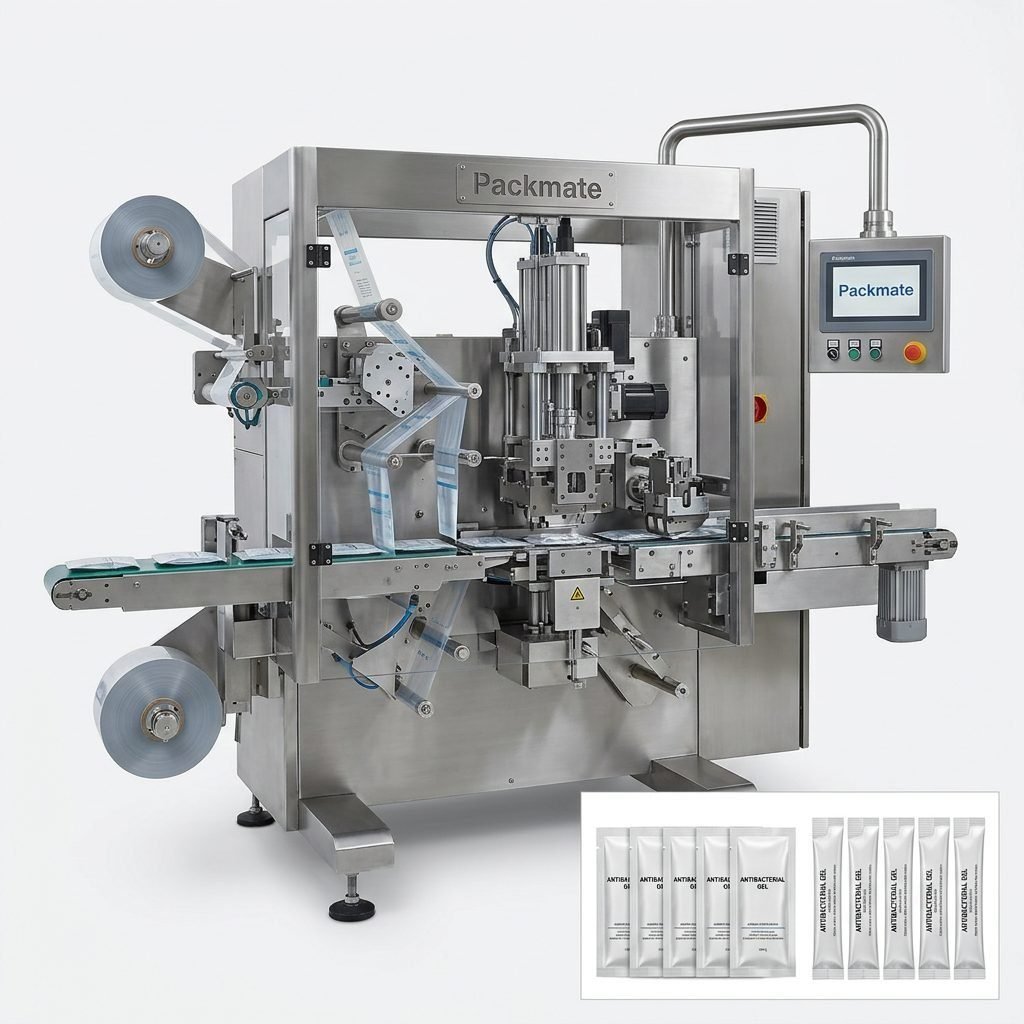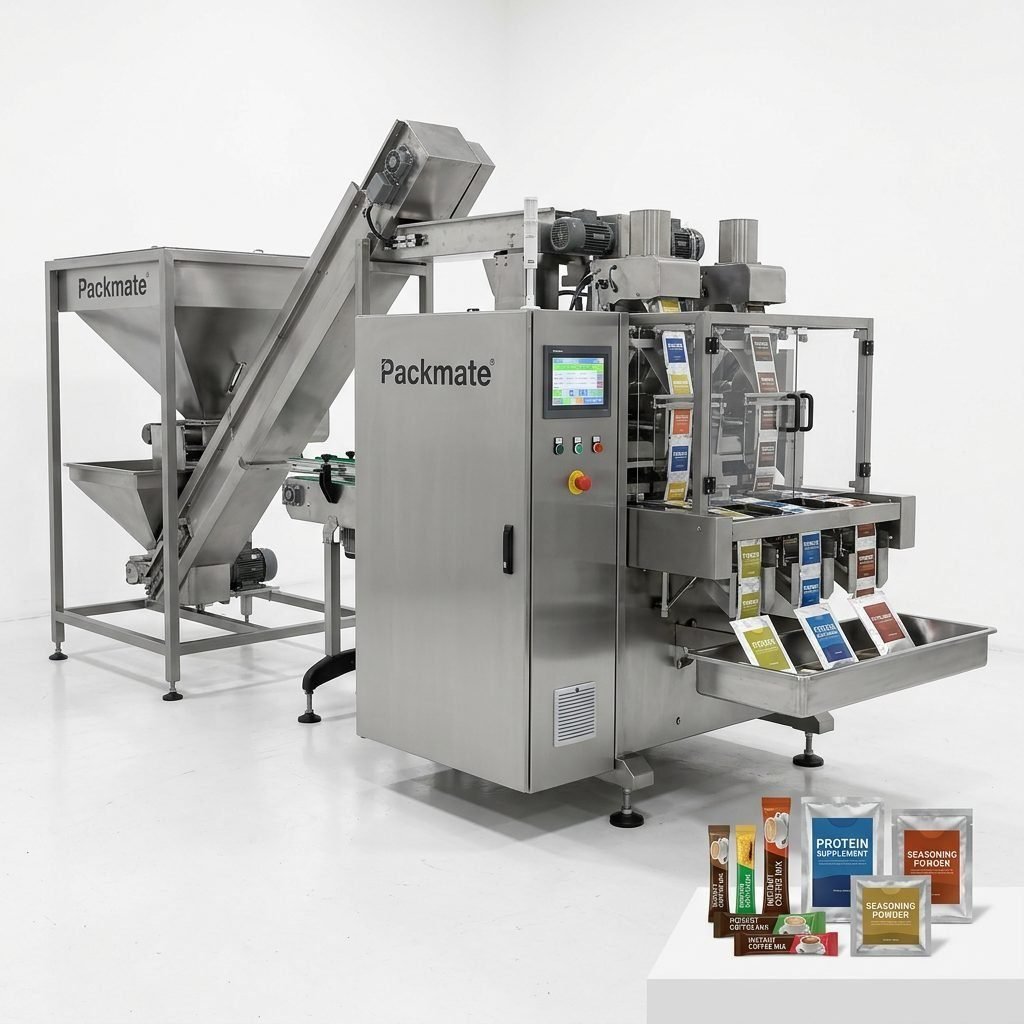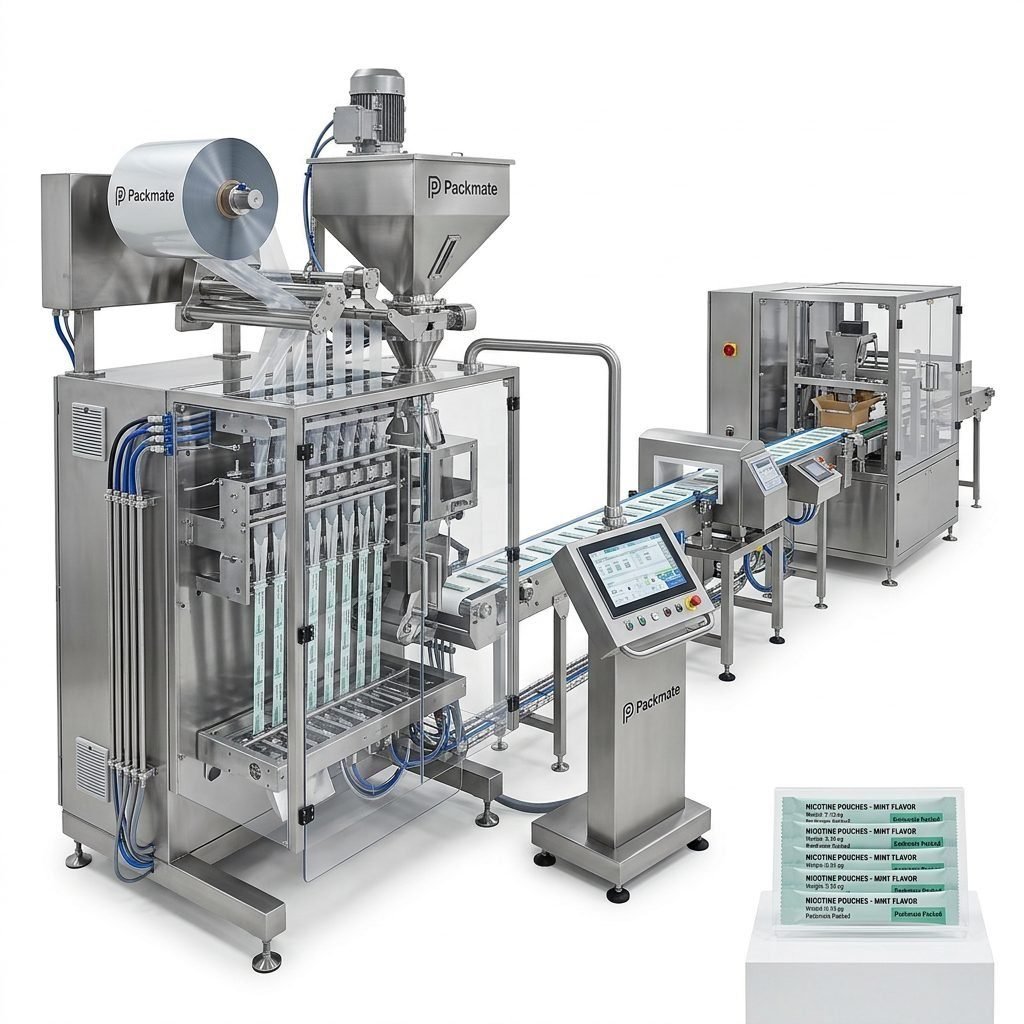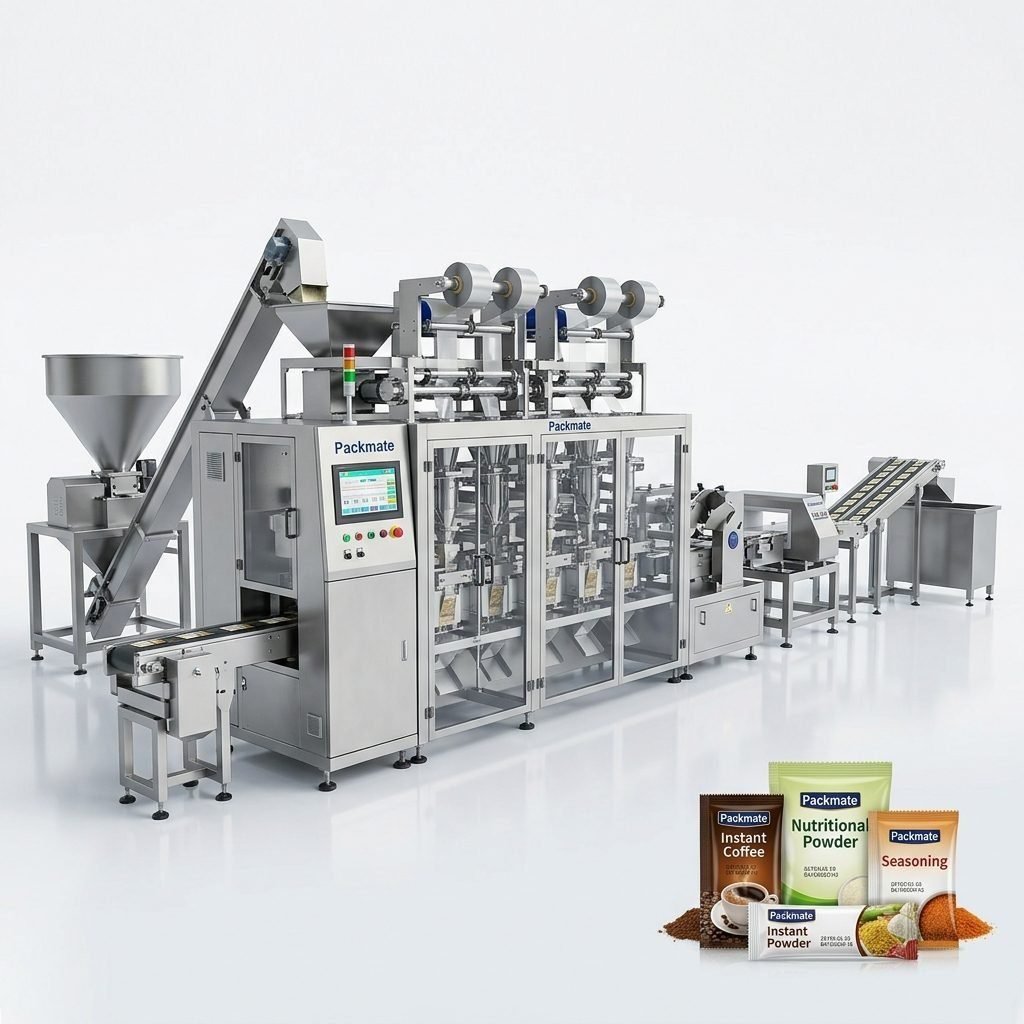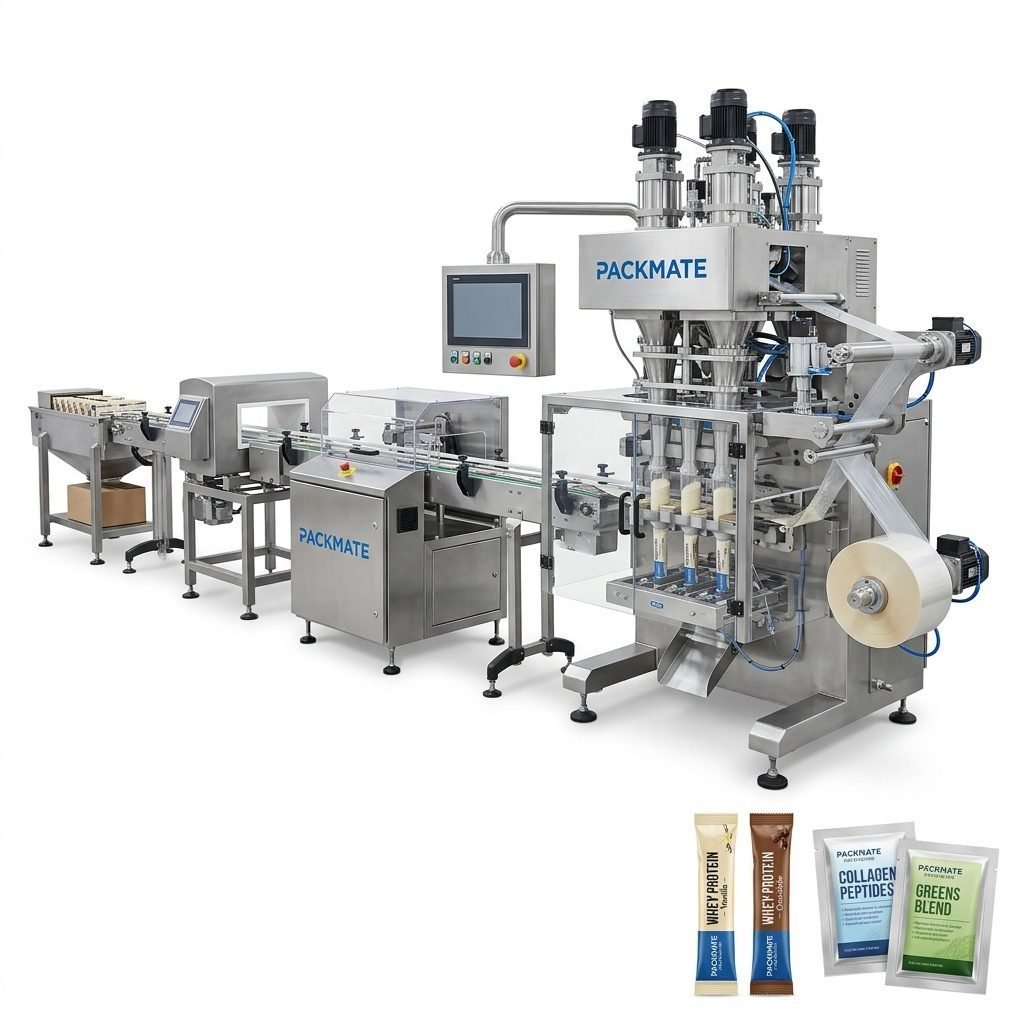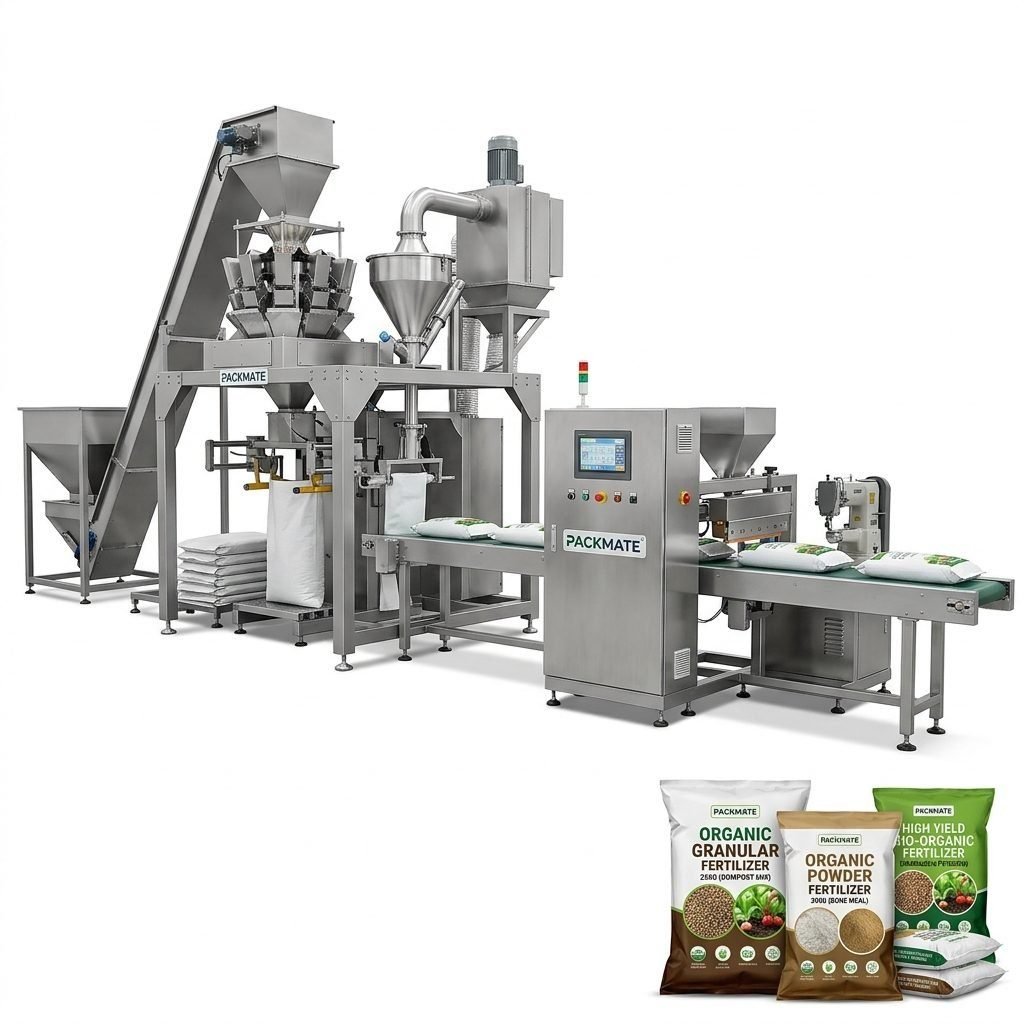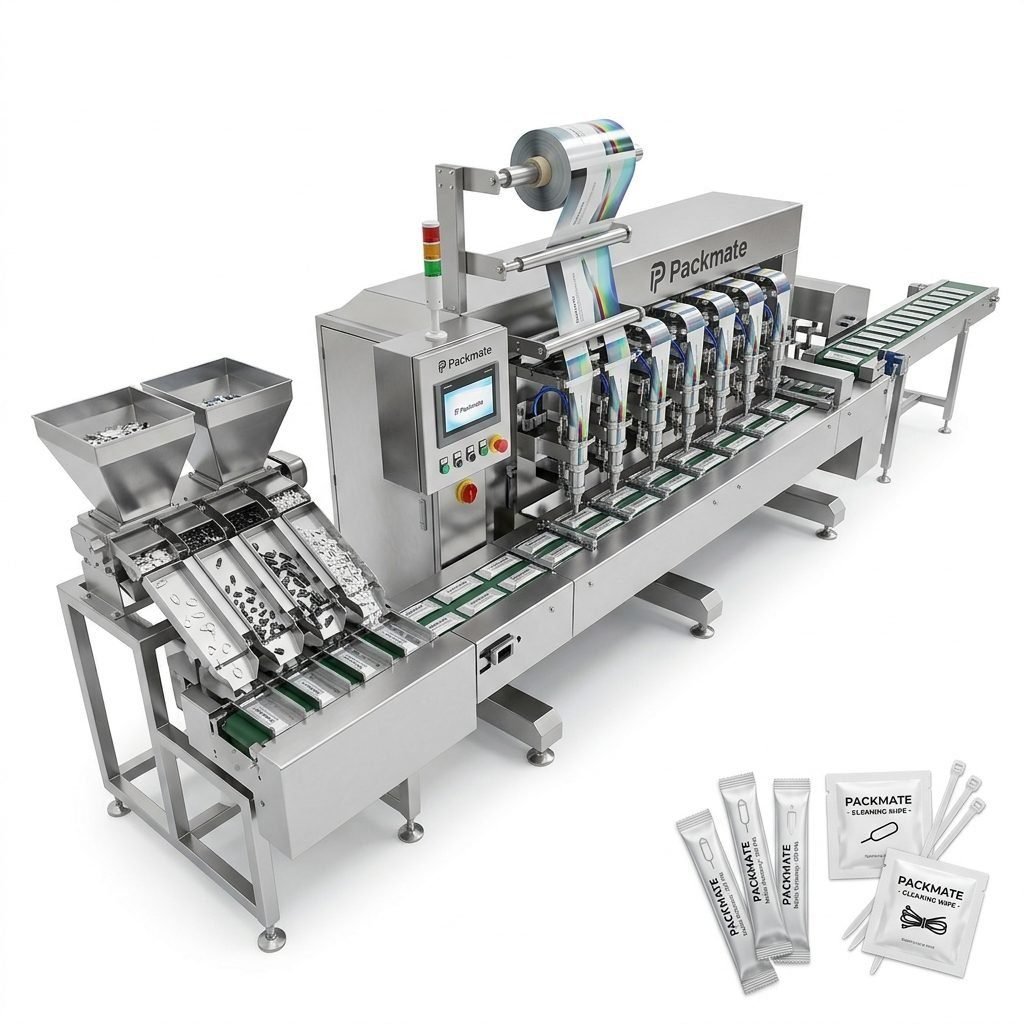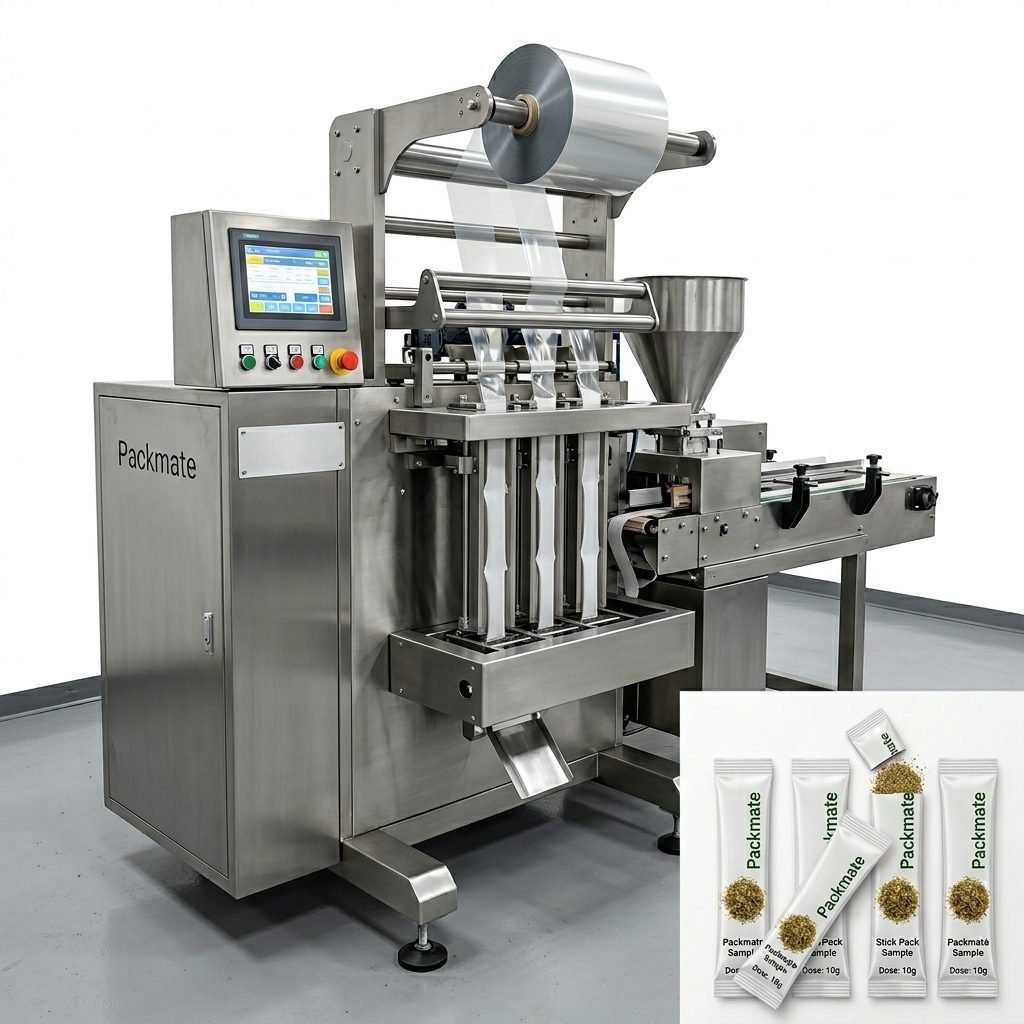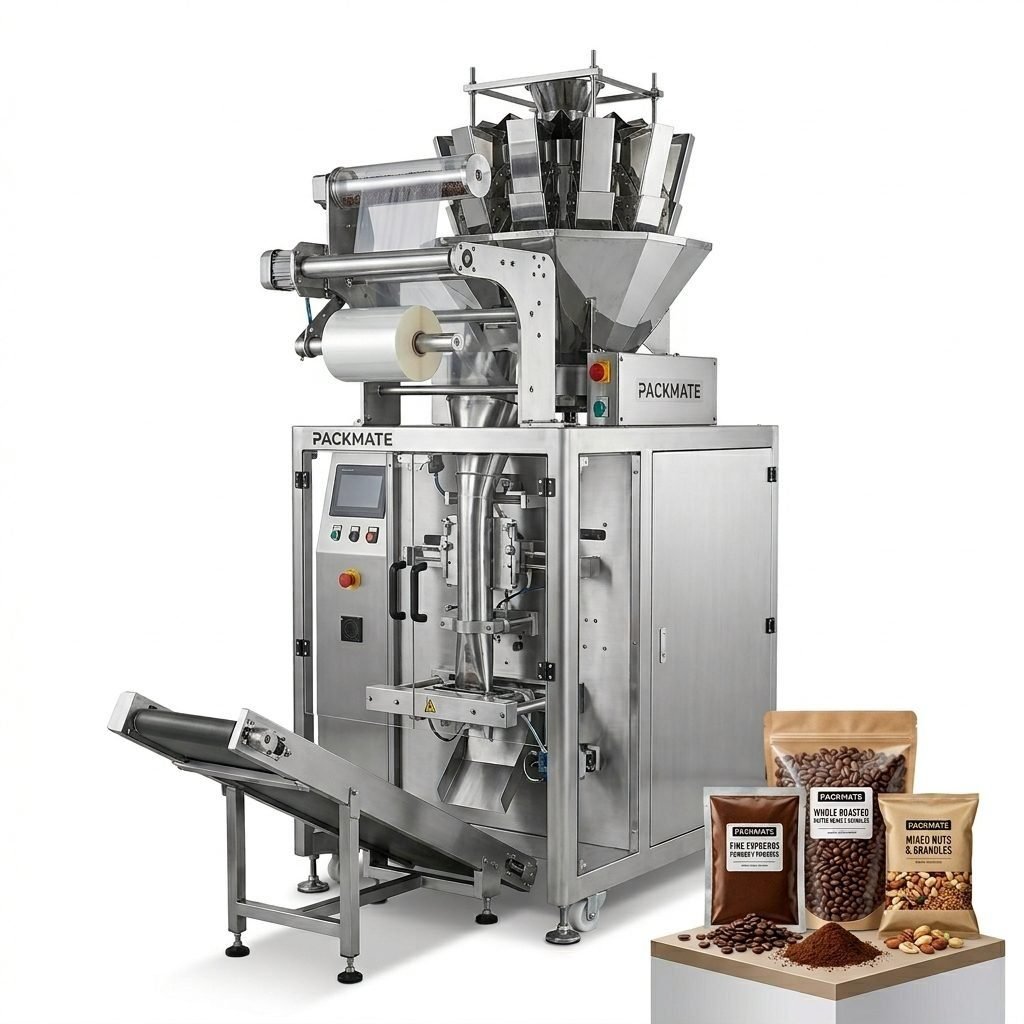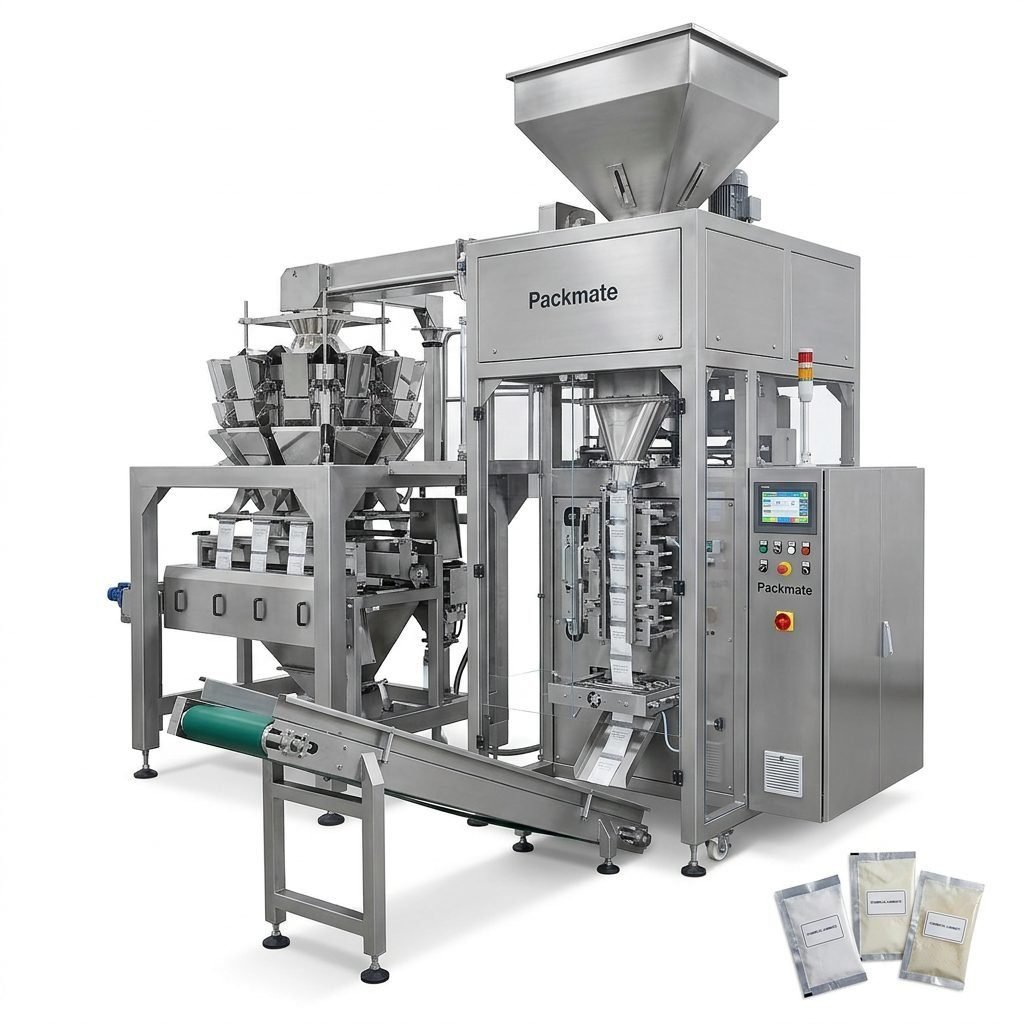
Selecting the right small pouch filling machine is a critical decision for any packaging operation. The choice of supplier impacts not only the initial investment but also long-term production efficiency, product quality, and overall operational success. With numerous manufacturers in the market, making an informed decision requires careful consideration of several key factors.
Key Factors to Consider When Choosing a Supplier
Beyond just the price tag, evaluating a potential supplier involves a holistic look at their capabilities, support, and alignment with your specific needs. Here are the primary areas to focus on.
1. Technical Capability and Product Range
The supplier’s technical expertise should directly match your product requirements. Consider the type of material you are packaging—whether it’s granules, powders, liquids, or pastes—and the required pouch format (stick pack, sachet, etc.). A manufacturer with a broad portfolio, like Ludyway, can offer more flexibility and is more likely to have a machine that fits your needs or can be easily adapted.
2. Manufacturing Quality and Reliability
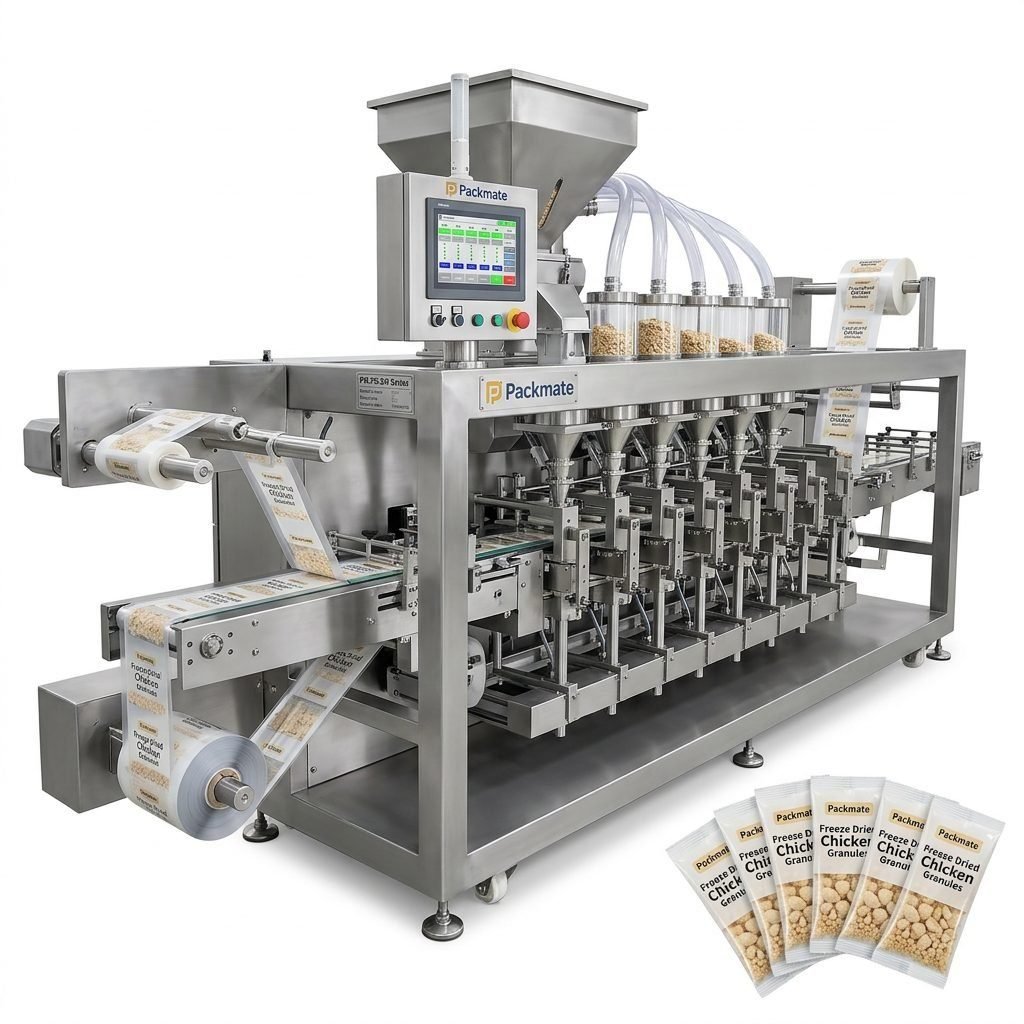
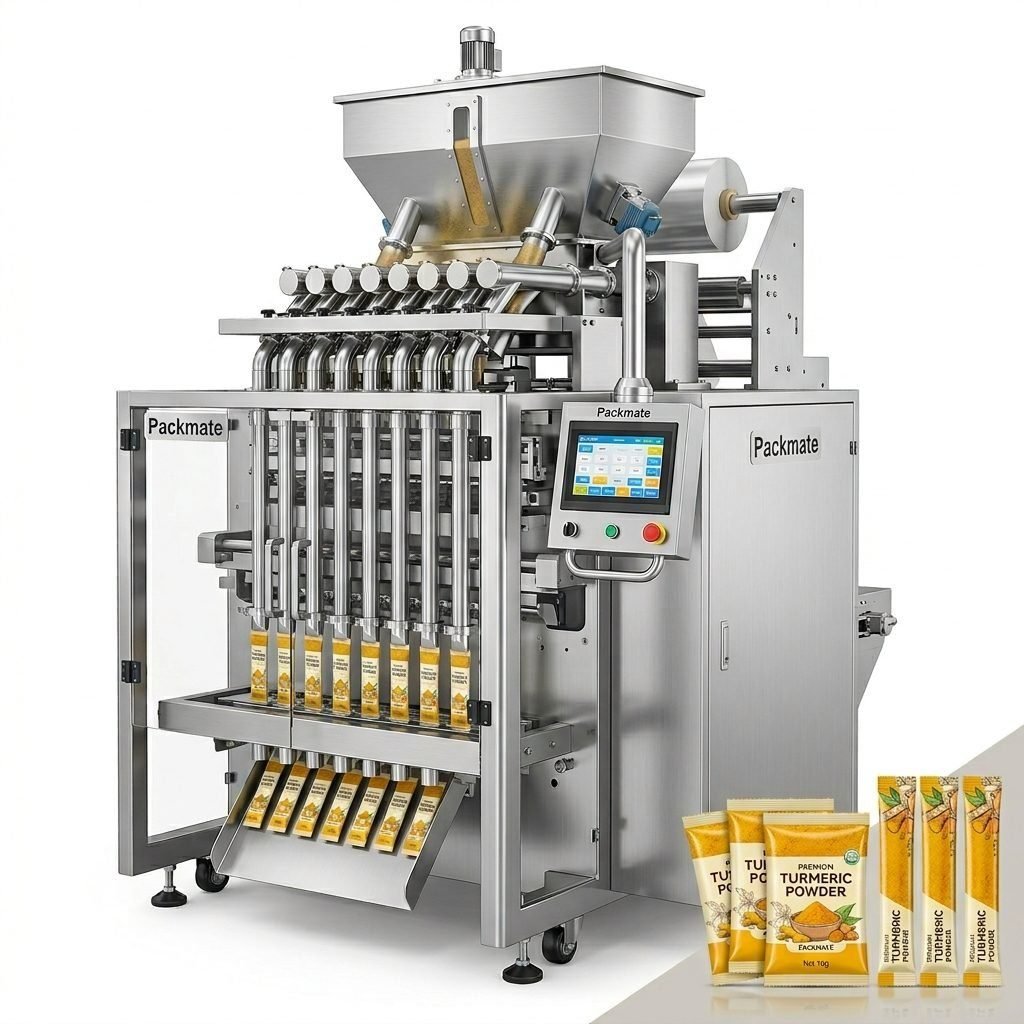
Machine reliability is non-negotiable. Investigate the manufacturer’s production facility, quality control processes, and the durability of their machines. A company with over 30 years of experience, such as Packmate Machinery, typically has refined its manufacturing processes to deliver consistent, high-quality equipment. Look for suppliers that use quality components and have structured assembly lines.
3. Customization and Turnkey Solutions
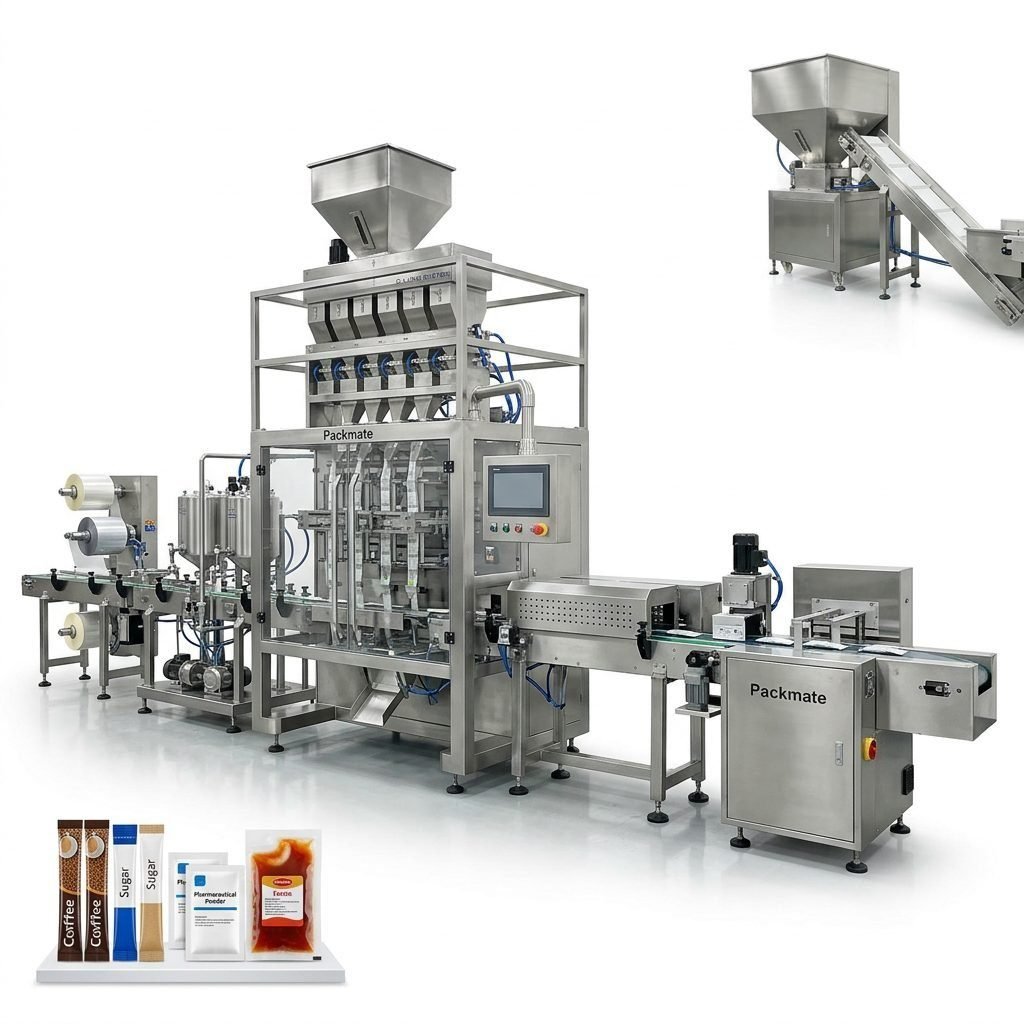
Does your production line require a standalone machine or a fully integrated system? Suppliers like PacklineOEM specialize in turnkey packaging lines, handling everything from feeding and filling to sealing and cartoning. If your product or process is unique, a manufacturer with strong non-standard and custom engineering capabilities, such as PackingMachineOEM, is essential.
4. After-Sales Support and Service
Comprehensive after-sales support is crucial for minimizing downtime. Inquire about the supplier’s warranty, availability of spare parts, technical support, and training services. A manufacturer with a strong export presence, like those listed, is often better equipped to provide international support through local agents or dedicated service teams.
5. Industry-Specific Expertise
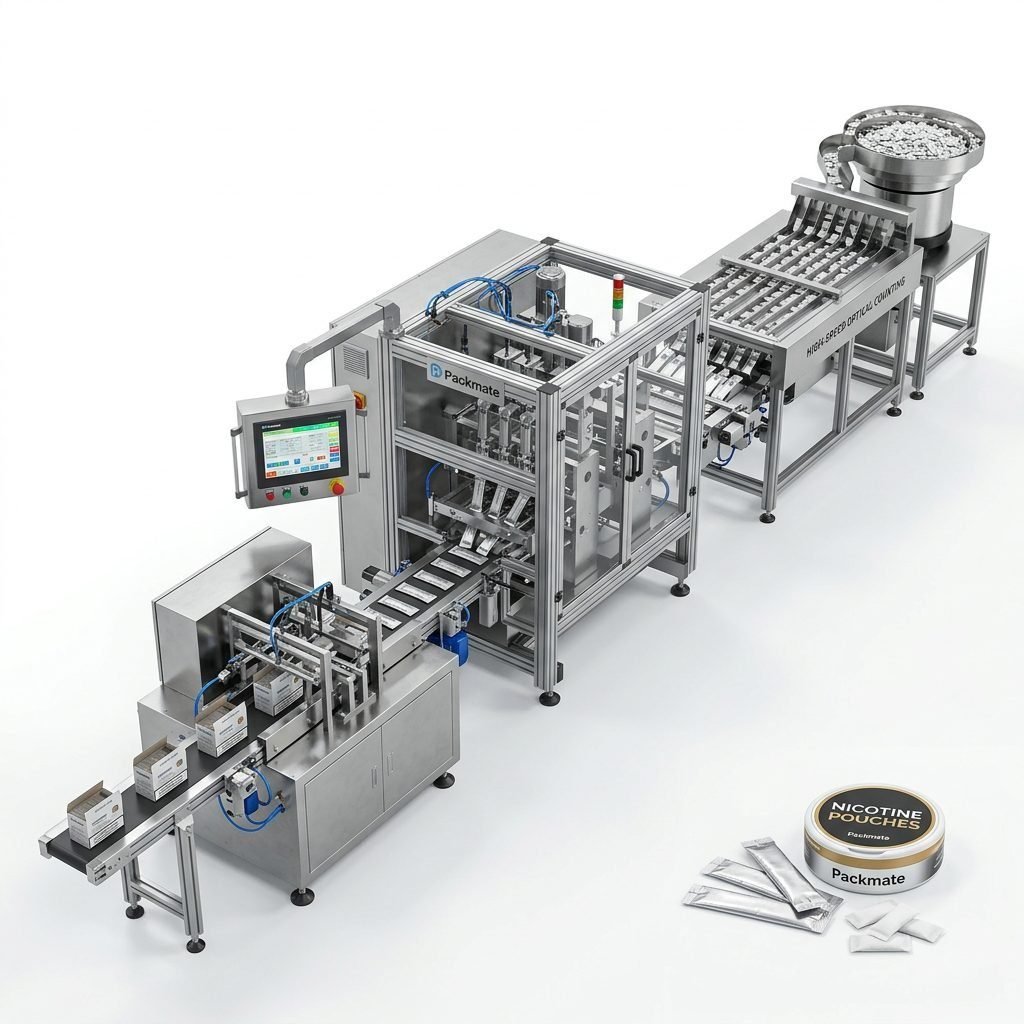
Some applications have specific requirements. For instance, packaging nicotine pouches or snus demands precise dosing, strict hygiene, and often specialized sealing technologies. A supplier like SnusMachinery, which focuses on this niche, brings invaluable application-specific knowledge that a generalist manufacturer may lack.
Comparing Leading Manufacturers
To help in your evaluation, here is a comparison of some prominent manufacturers based on the key criteria discussed.
| Manufacturer | Key Strength | Ideal For | Export Focus |
|---|---|---|---|
| Ludyway | Broad product range, turnkey lines, strong export history | Food, pharma, health supplements; scalable projects | Global (100+ countries) |
| Packmate Machinery | Balanced cost-performance, reliable machines | Medium to large-scale food & pharma production | Europe, North America, Middle East |
| PacklineOEM | Complete line integration, OEM projects | Factories needing fully automated, integrated lines | Europe, North America, Middle East |
| PackingMachineOEM | High customization, non-standard solutions | Unique products, specialized packaging formats | Europe, North America, Middle East |
| SnusMachinery | Nicotine pouch/snus specialization, niche expertise | Nicotine pouch, snus, and related specialty pouch sectors | Europe, North America, Middle East |
The Supplier Selection Process: A Step-by-Step Guide
Follow a structured process to ensure you make the best choice for your business.
Step 1: Define Your Requirements
Clearly outline your product specifications (viscosity, density, particle size), desired pouch type and size, target output speed (pouches per minute), and any special requirements like nitrogen flushing or aseptic conditions.
Step 2: Research and Shortlist
Based on your requirements, research manufacturers. Use the comparison table above as a starting point. Shortlist 3-5 companies whose core competencies align with your needs.
Step 3: Request Detailed Proposals
Contact the shortlisted suppliers. Provide them with your detailed specifications and request a formal proposal. This should include machine specifications, layout drawings, pricing, delivery time, warranty terms, and details of after-sales support.
Step 4: Evaluate and Verify
Evaluate the proposals not just on price, but on total value. Ask for customer references, especially in your region or industry. If possible, request a live video test or factory visit to see the machine running with a material similar to yours.
Step 5: Final Negotiation and Contract
Clarify all terms, including payment schedules, delivery (FOB, CIF, etc.), installation, commissioning, and training responsibilities. Ensure everything is documented in a clear contract.
Common Questions When Choosing a Supplier
1. Should I prioritize price or machine quality?
While budget is important, prioritizing quality and reliability typically leads to lower total cost of ownership. A cheaper machine may have higher downtime, maintenance costs, and poorer product consistency, ultimately costing more in the long run.
2. How important is after-sales service for an international purchase?
It is critically important. Ensure the supplier has a proven track record of supporting international clients, with accessible technical support, available spare parts inventory, and potentially service engineers in your region or reliable local partners.
3. What if my product is unique and doesn’t fit a standard machine?
This is where a supplier’s customization capability is vital. Manufacturers like PackingMachineOEM specialize in non-standard solutions. Be prepared to provide samples and work closely with their engineering team to develop a tailored machine.
4. How do I verify a manufacturer’s claims about their experience?
Ask for specific case studies or project references in your industry. Request to speak directly with existing customers. Check their company history, factory certifications (like CE), and the longevity of their business.
5. Is a turnkey line better than buying individual machines?
It depends on your in-house expertise and project scope. A turnkey line from a supplier like PacklineOEM offers a single point of responsibility, guaranteed compatibility between components, and faster overall setup. It’s ideal for new facilities or major upgrades. For adding a single machine to an existing line, a standalone unit may suffice.