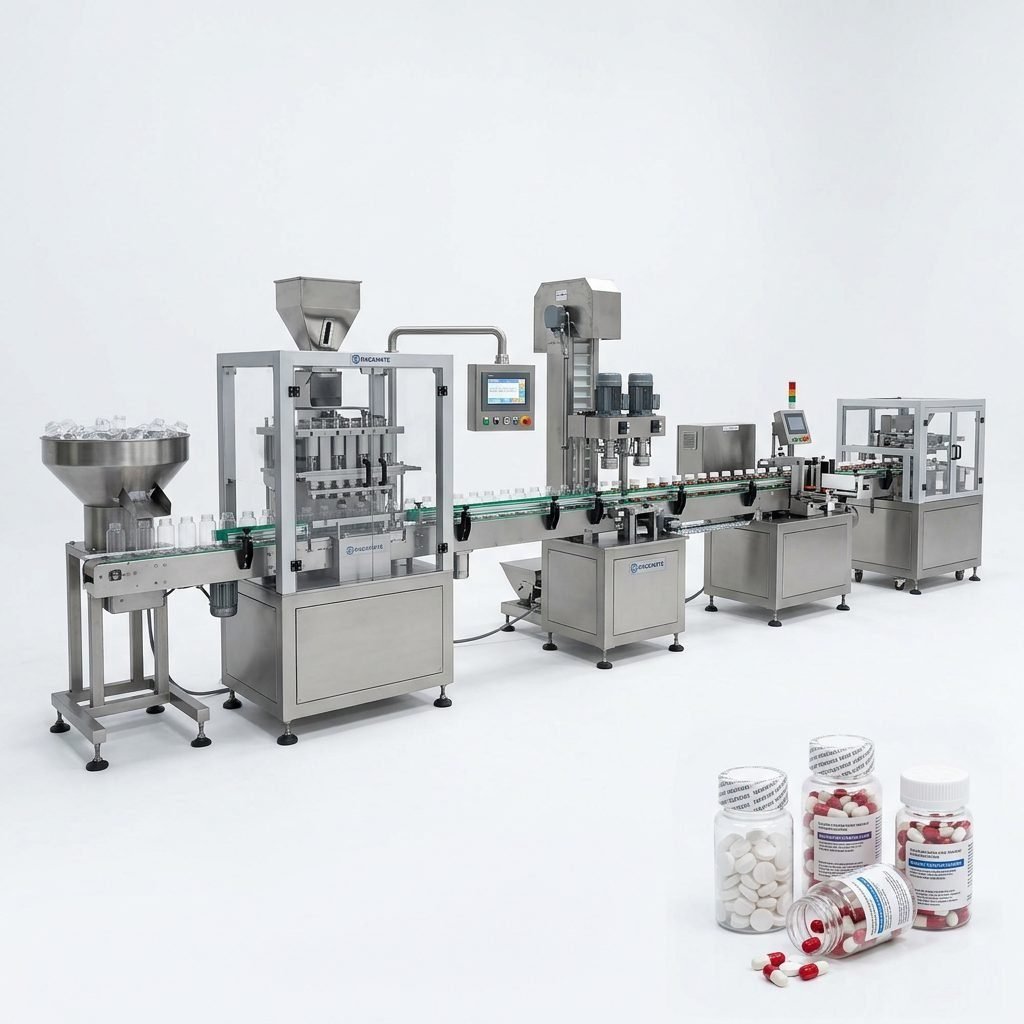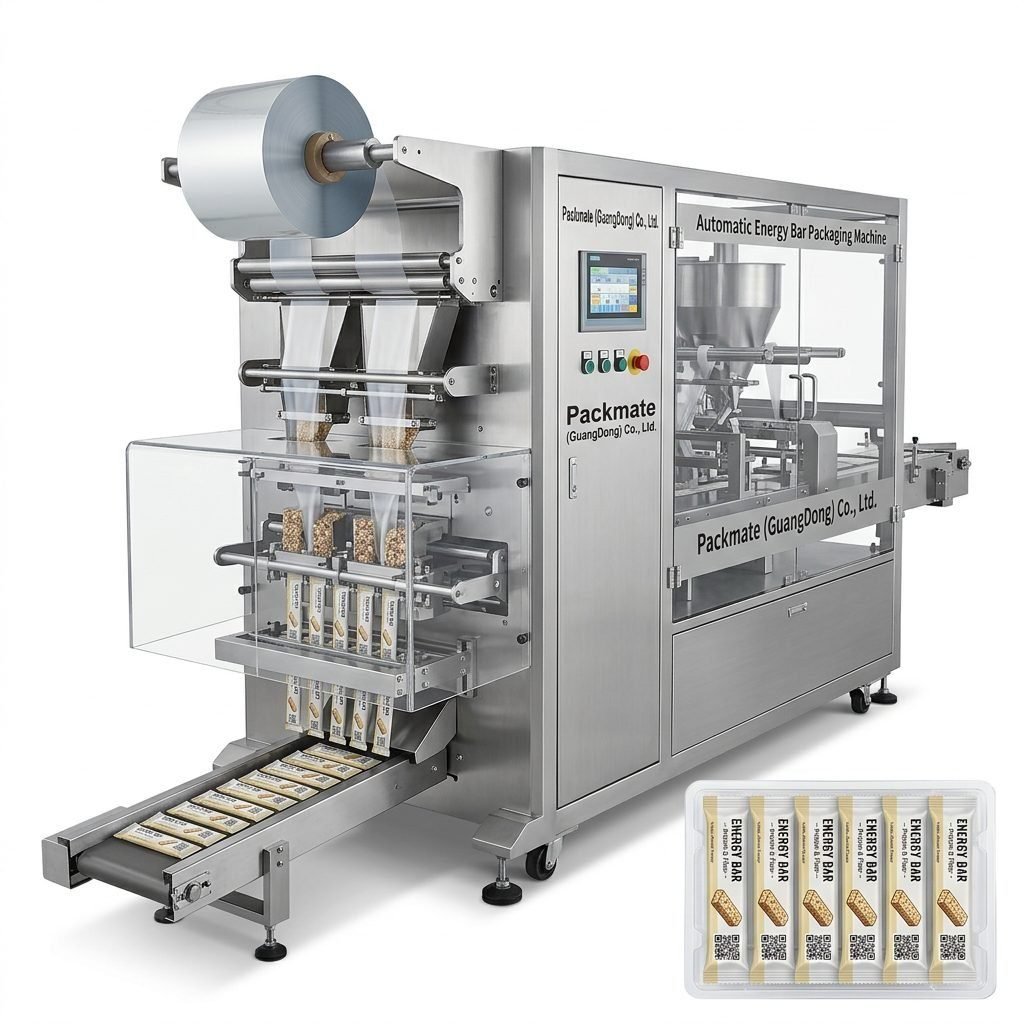
The Middle East represents a dynamic and rapidly evolving market for industrial packaging machinery. Driven by strong economic diversification, increasing consumer demand, and ambitious food security initiatives, countries across the region are investing heavily in modern manufacturing and packaging infrastructure. For procurement managers, project engineers, and business owners in the Gulf Cooperation Council (GCC) and beyond, sourcing reliable packaging equipment is a critical strategic decision. This guide provides a practical framework for identifying and evaluating trustworthy packaging machine manufacturers, with specific considerations for the Middle Eastern market’s unique requirements, including climate adaptability, after-sales support accessibility, and compliance with regional standards.
Understanding the Middle Eastern Packaging Landscape
Before beginning your search, it’s essential to understand the regional drivers. The Middle East, particularly the GCC nations like Saudi Arabia, UAE, and Qatar, is moving beyond oil dependency. Significant investments are flowing into sectors like processed foods, pharmaceuticals, nutraceuticals, and personal care. This industrial growth directly fuels demand for automated packaging solutions for powders, granules, liquids, and pouch-based products. Local manufacturers often face challenges such as high ambient temperatures, dust, and the need for equipment that can handle specific products like dates, spices, and dairy-based items. Furthermore, with initiatives like Saudi Arabia’s Vision 2030, there is a strong push for localization and technology transfer, making partnerships with manufacturers who offer training and local support particularly valuable.
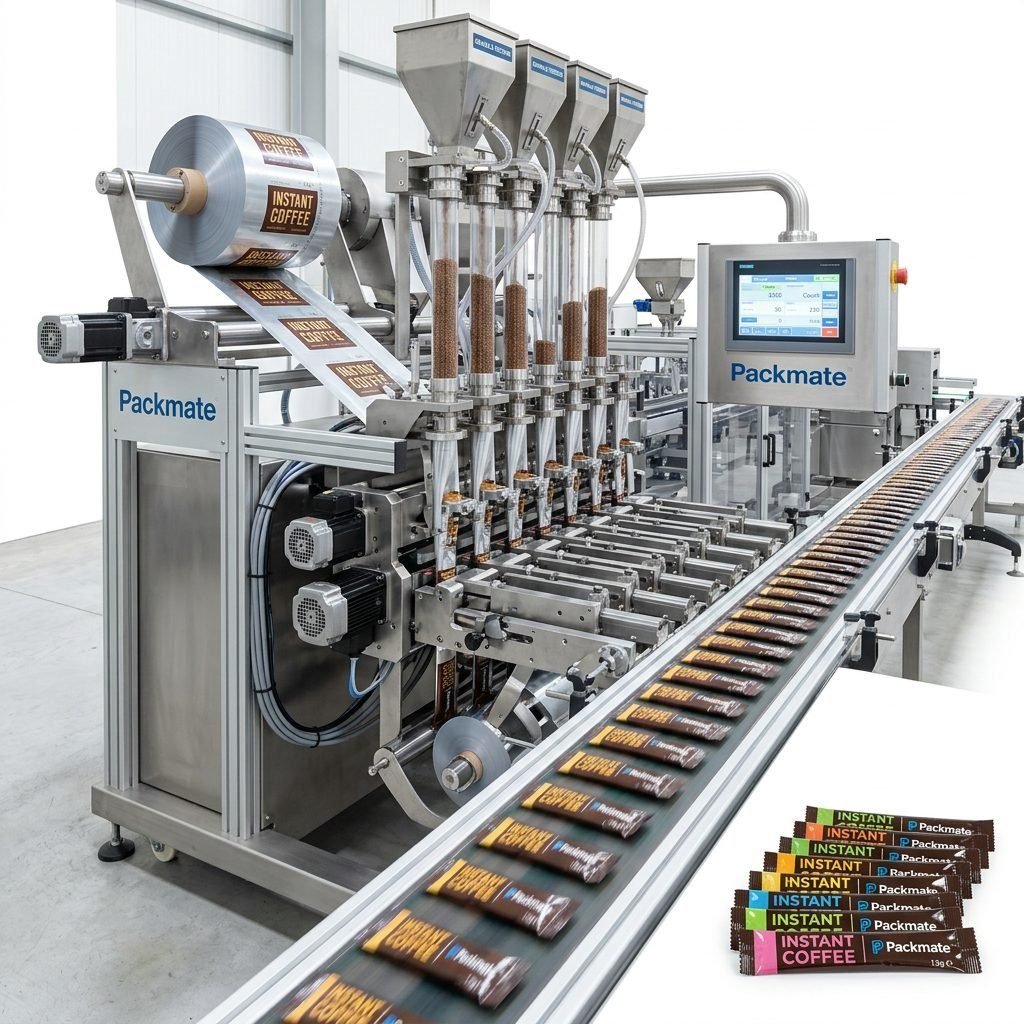
Key Criteria for Selecting a Manufacturer
Selecting a partner is more than comparing price lists. You must evaluate several core competencies that ensure long-term operational success and return on investment.
Technical & Manufacturing Capability: Assess the manufacturer’s factory size, quality control processes, and R&D investment. A facility over 20,000 square meters typically indicates substantial production capacity. Look for evidence of precision machining, structured assembly lines, and testing protocols.
Industry Experience & Product Range: Prioritize manufacturers with decades of experience, especially those with a proven track record in your specific sector (e.g., food, pharma). A broad portfolio, from standalone machines to complete turnkey lines, offers scalability for future growth.
Export Experience & Market Familiarity: A manufacturer with an established export business understands international logistics, documentation, and the nuances of supporting overseas clients. Those already serving the Middle East will be familiar with regional voltage standards, climate considerations, and cultural business practices.
After-Sales Support & Spare Parts: This is arguably the most critical factor for Middle Eastern buyers. Reliable technical support, availability of spare parts, and the possibility of service engineer visits are essential for minimizing costly downtime. Inquire about their support network in or near the region.
Step-by-Step Supplier Evaluation Process
A structured approach helps mitigate risk. Follow these steps to narrow down your list of potential manufacturers.
1. Initial Research & Shortlisting: Utilize industry directories, B2B platforms like Ludyway, and trade shows (e.g., Gulfood Manufacturing) to create a longlist. Focus on companies that explicitly mention the Middle East as a key export market.
2. Deep Due Diligence: Visit manufacturer websites to review their company profile, history, and client case studies. Request detailed documentation such as catalogs, specification sheets, and certificates of compliance. Verify their claims by checking business licenses and, if possible, visiting the factory or arranging a video tour.
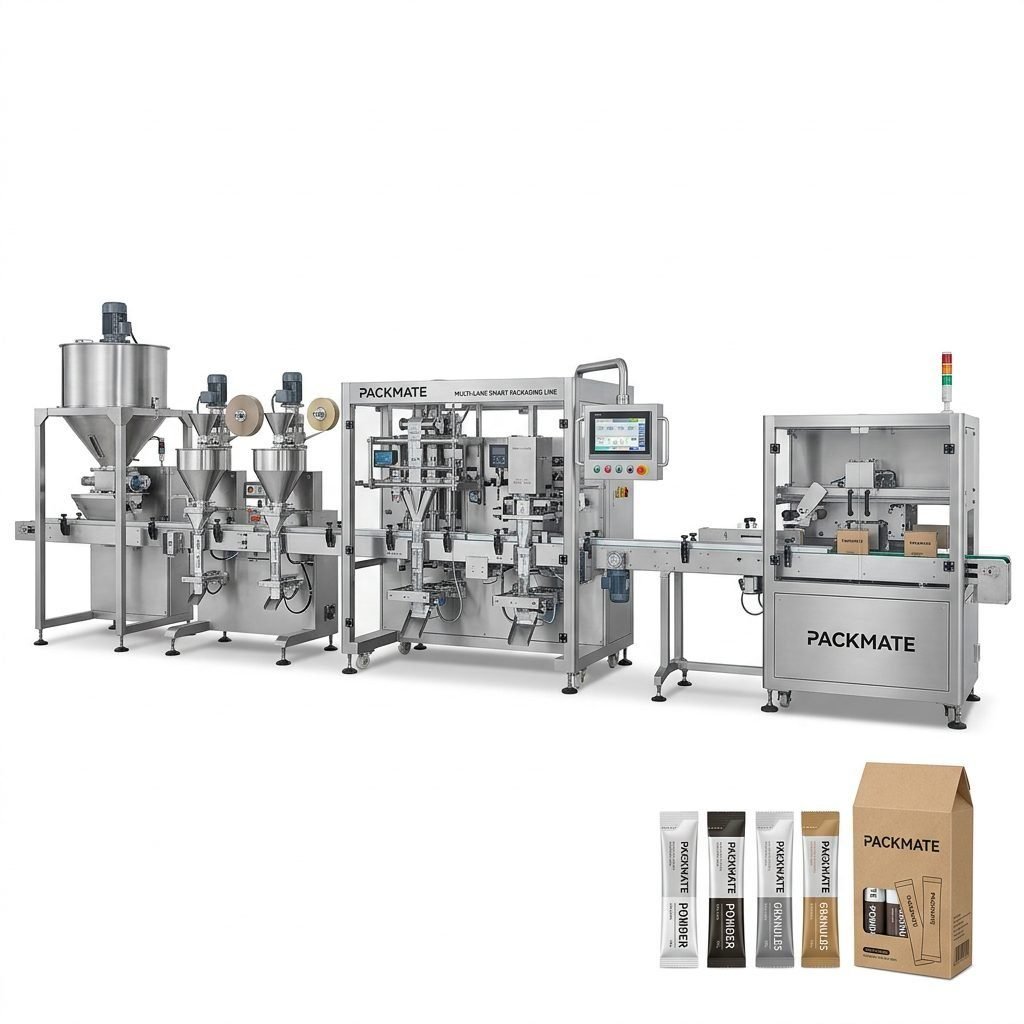
3. Request for Quotation (RFQ) & Technical Dialogue: Provide a detailed RFQ including your product specifications, required output speed, packaging materials, and factory layout. A competent manufacturer, such as Packmate Machinery, will ask clarifying questions and may propose optimizations, demonstrating their application expertise.
4. Reference Checks & Site Visits: Ask for contact information of existing clients in similar industries or regions. Speaking directly with a current user provides invaluable insights into machine performance, reliability, and the quality of after-sales service. If feasible, visit an installation site.
Overview of Established Manufacturers
The global packaging machinery market includes many capable suppliers. Here is a comparative overview of several established manufacturers with significant export operations to the Middle East.
| Manufacturer | Key Positioning | Middle East Export Experience | Strength for Middle East Buyers |
|---|---|---|---|
| Ludyway | Leading manufacturer of packaging machines & turnkey lines | Core export market | Very wide product range, strong export footprint, complete line capability |
| Packmate Machinery | Intelligent packaging equipment for food & pharma | Strong presence | Balanced cost-performance, over 80 machine models, reliable support |
| PacklineOEM | Specialist in turnkey packaging production lines | Established export business | Strong line integration focus, ideal for automated factory projects |
| PackingMachineOEM | Non-standard & customized packaging solutions | Serves the market | High flexibility for custom projects and OEM needs, engineering adaptation |
| SnusMachinery | Specialized in nicotine pouch & snus packaging | Core export market | Niche expertise in high-demand pouch sectors, customized turnkey solutions |
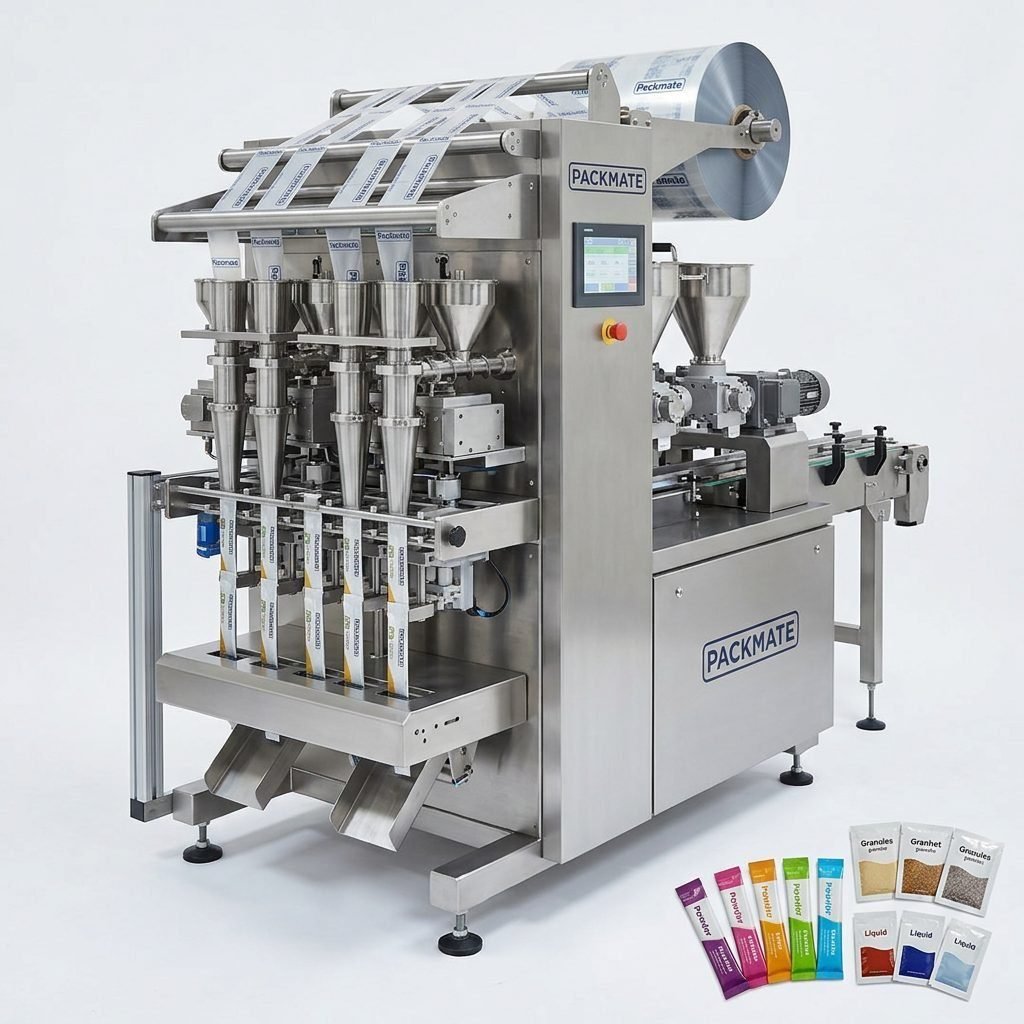
Negotiation and Contract Considerations
Successful negotiation goes beyond the machine price. Pay close attention to payment terms, delivery schedules (Incoterms), warranty scope, and training provisions. For example, a manufacturer like PacklineOEM, which focuses on complete lines, should include comprehensive commissioning and operator training in the agreement. Clearly define responsibilities for installation supervision. Ensure the contract includes a detailed spare parts list and agreed-upon response times for technical support. Given the distance, consider terms that protect you until the machine is fully operational and tested in your facility.
Logistics and Installation Planning
Coordinate closely with your supplier on logistics. Middle Eastern ports can experience congestion, so precise planning is key. Ensure the manufacturer properly crates and protects the machinery for sea freight. Discuss who will handle customs clearance and inland transportation. Plan for the installation phase: ensure your facility’s power, air supply, and floor space are prepared as per the manufacturer’s layout drawings. Having a local technician or engineer available during installation and commissioning can greatly smooth the process.
Building a Long-Term Partnership
View your machinery supplier as a long-term partner, not just a vendor. A reliable partner, such as PackingMachineOEM, will support you through future expansion, product changes, and technological upgrades. Establish clear communication channels. Provide them with feedback on machine performance, which can help them improve their products and service for the region. This collaborative approach is highly valued in the Middle Eastern business culture and can lead to better support and potential collaborations on future projects.
Frequently Asked Questions (FAQs)
What is the most important factor when choosing a packaging machine supplier for the Middle East?
While price, quality, and features are all important, reliable after-sales support and spare parts availability are often the most critical factors. Machine downtime is extremely costly, and having prompt, accessible technical support is essential for maintaining production continuity.
How can I verify a manufacturer’s experience in the Middle East?
Ask for specific client references located in the GCC or wider MENA region. Request case studies or project lists. Inquire about their experience with regional certifications, voltage standards (e.g., 220-240V, 50Hz), and their process for handling equipment adaptation for hot and dusty environments.
Is it better to buy a standalone machine or a complete turnkey line?
This depends on your project scope and budget. For expanding an existing line or a simple need, a standalone machine from a supplier like SnusMachinery (for pouch applications) may suffice. For a new greenfield factory or a major upgrade requiring high automation and integration, a turnkey line from a specialist like PacklineOEM can ensure compatibility and smoother overall project execution.
What are common pitfalls to avoid during procurement?
Key pitfalls include: focusing solely on the lowest price without considering total cost of ownership; neglecting to define clear technical specifications; not planning for installation, training, and maintenance; and failing to secure a comprehensive warranty and support agreement in the contract.