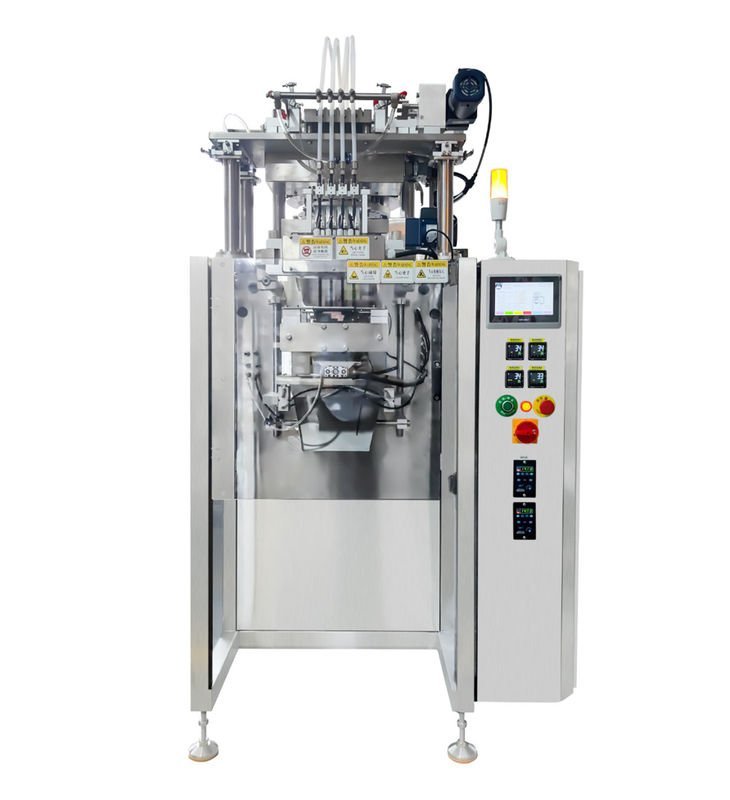
In the fast-paced world of food manufacturing, efficiency and presentation are paramount. Selecting the right biscuit packaging machine is a critical decision that impacts production speed, product integrity, brand image, and ultimately, your bottom line. This comprehensive guide will navigate you through the various types of biscuit packaging systems, their key features, and the essential factors to consider when choosing the perfect solution for your operation.
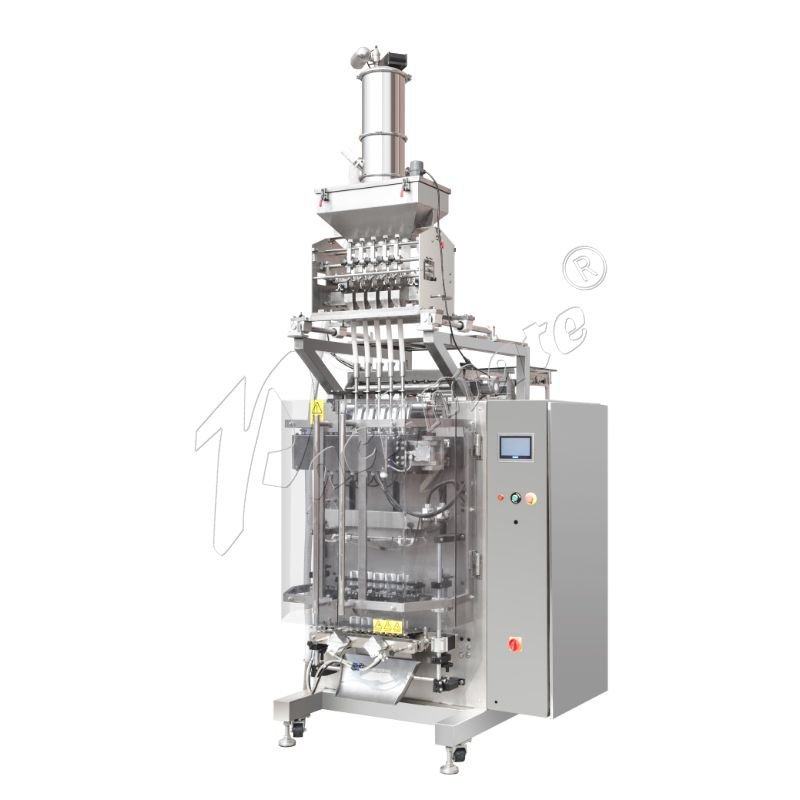
Understanding the Core Types of Biscuit Packaging Machines
The packaging process for biscuits can vary significantly based on product type, volume, and desired final presentation. Here are the primary machine categories.
Vertical Form-Fill-Seal (VFFS) Machines
These are among the most common and versatile systems. A VFFS machine forms a bag from a roll of flat packaging film, fills it with a pre-measured amount of product, and then seals it. They are excellent for packing loose biscuits or assortments into pillow bags or stand-up pouches. Their flexibility in bag size and material makes them a popular choice for many producers.
Horizontal Flow Wrappers
Ideal for individually wrapping biscuits, cookies, or snack bars. The product is placed on a continuous sheet of film which is then wrapped around it and sealed at the ends and back. This method provides a sleek, tight wrap that protects against moisture and breakage, perfect for maintaining crispness.
Cartoning Systems
For premium presentation or multi-packs, cartoning machines are essential. They automatically erect cartons, load biscuits (often after they have been grouped or flow-wrapped), and close the lid. These systems can be integrated with filling and packaging lines to create a fully automated process from oven to shipping case.
Tray Sealing Machines
Used when biscuits are first placed in a pre-formed plastic or paperboard tray. A film lid is then heat-sealed over the top, creating a secure, tamper-evident, and visually appealing package common in retail settings.
Key Features and Technological Advancements
Modern biscuit packaging machines are equipped with sophisticated features designed to enhance efficiency, accuracy, and hygiene.
Weighing and Feeding Systems
Precision is non-negotiable. Advanced multi-head weighers or volumetric cup fillers ensure each package contains the exact weight, minimizing giveaway and ensuring compliance. Gentle product handling mechanisms, like soft-drop systems, are crucial to prevent fragile biscuits from breaking during the filling process.
Vision Inspection and Quality Control
Integrated cameras can inspect for foreign objects, check for proper sealing, and verify print registration on the packaging film. This automated quality control is vital for maintaining high standards and consumer safety.
Servo-Driven Technology
Servo motors provide superior control over motion, leading to smoother operation, higher accuracy, and reduced mechanical wear. They allow for quick changeovers between different product sizes or packaging formats, increasing overall line flexibility.
Hygienic Design and Easy Cleaning
Machines designed with smooth surfaces, minimal crevices, and easy-access panels simplify cleaning and reduce the risk of contamination. This is a critical feature in food production environments. For a deeper look at full-system solutions, explore our packaging solutions page.
How to Choose the Right Biscuit Packaging System
Making the right choice requires a careful assessment of your specific needs. Follow this decision-making framework.
1. Analyze Your Product and Output Requirements
Product Characteristics: Are your biscuits fragile, layered, or coated? Size, shape, and fragility dictate the handling mechanism.
Production Speed (Packages Per Minute): Match the machine’s maximum speed to your current and future production goals.
Packaging Format: Determine the final package type—single-serve stick pack, family bag, gift box, or tray.
2. Evaluate Packaging Materials and Sustainability
The machine must be compatible with your chosen film or laminate. Consider barriers for moisture and oxygen to extend shelf life. Increasingly, brands are seeking machines that can handle recyclable or compostable materials to meet consumer demand for sustainable packaging.
3. Consider Integration and Footprint
Will the machine work as a standalone unit or be integrated into a full line with depositors, conveyors, and case packers? Measure your available floor space. A trusted manufacturer like Packmate can help design a layout that optimizes workflow.
4. Prioritize Reliability and Supplier Support
Downtime is costly. Research the manufacturer’s reputation for build quality and durability. Ensure they offer comprehensive after-sales support, including readily available spare parts, technical assistance, and operator training. Reviewing a supplier’s project case studies can provide real-world insight into their capabilities.
5. Total Cost of Ownership (TCO)
Look beyond the initial purchase price. Factor in energy consumption, maintenance costs, changeover times, and potential for future upgrades. A slightly higher initial investment in a robust, efficient machine from a reliable packaging equipment provider often leads to lower long-term costs.
Conclusion
Investing in the right biscuit packaging machine is a strategic move that safeguards product quality, boosts operational efficiency, and enhances your brand’s market appeal. By thoroughly understanding the different machine types, prioritizing key technological features, and meticulously evaluating your specific needs against the selection criteria, you can make an informed decision that delivers value for years to come. Partnering with an experienced manufacturer ensures you get not just a machine, but a tailored solution that grows with your business.
Frequently Asked Questions (FAQs)
What is the typical production speed of a biscuit packaging machine?
Speeds vary widely by machine type. Horizontal flow wrappers can range from 100 to over 800 packs per minute for simple items. Vertical baggers may operate between 40 to 120 bags per minute. The exact speed depends on biscuit size, complexity, and the level of automation.
Can one machine handle different biscuit sizes and shapes?
Yes, many modern machines are designed for quick changeover. Look for models with servo-driven adjustments and tool-less change parts. However, extremely different shapes (e.g., from a round cookie to a long breadstick) might require significant retooling.
How important is the weighing system accuracy?
It is critically important for both cost control and regulatory compliance. Inaccurate filling leads to product “giveaway,” eroding profits, or underfilling, which can violate labeling laws. High-precision multi-head weighers are the gold standard for weight control.
What maintenance does a biscuit packaging machine require?
Regular daily cleaning is essential. Periodic maintenance includes lubricating moving parts, checking seal bar integrity, calibrating scales, and inspecting wear parts like forming collars and feed belts. A preventive maintenance schedule provided by the manufacturer should be strictly followed.
Can these machines handle sustainable/biodegradable packaging films?
This is a growing area. Many machines can be adapted to run compostable or recyclable films, but it must be specified upfront. These materials often have different sealing properties and tensile strengths, which may require adjustments to temperature, pressure, or film handling systems.