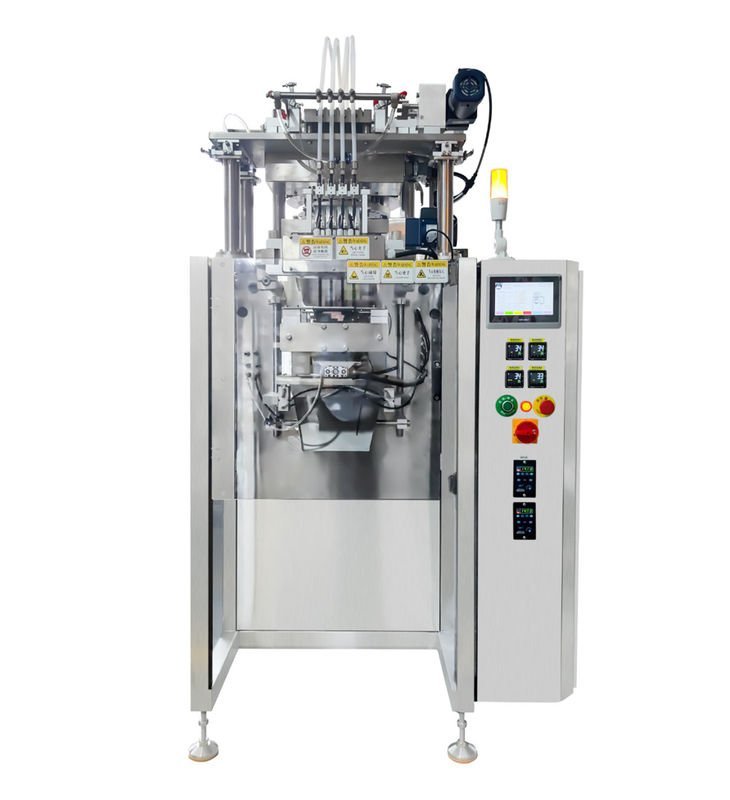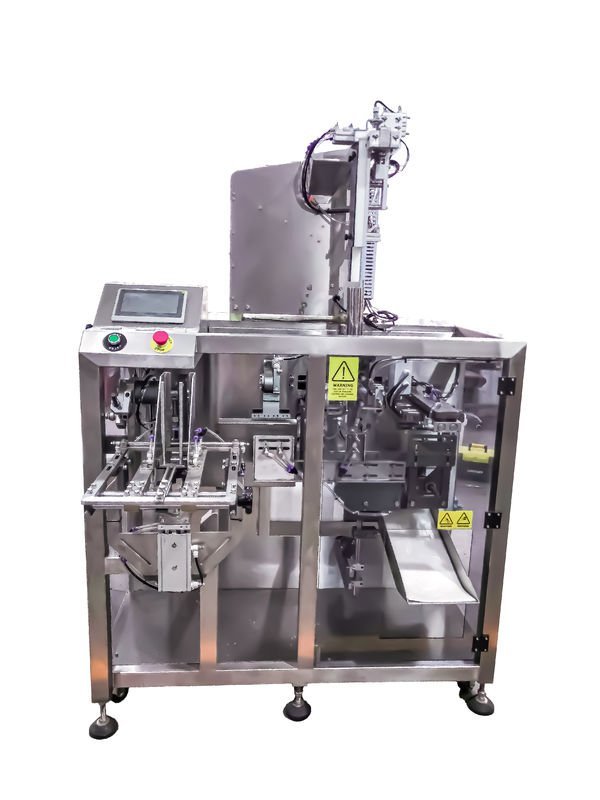
In the fast-paced worlds of food and pharmaceutical manufacturing, precision, hygiene, and efficiency are non-negotiable. Blister packaging has emerged as a premier solution, offering superior product protection, tamper evidence, and consumer convenience. For businesses aiming to scale production while maintaining the highest standards, investing in complete automated blister packaging machinery is not just an upgrade—it’s a strategic necessity. This article explores the critical role of automated blister packaging systems and how they deliver end-to-end solutions for these sensitive industries.
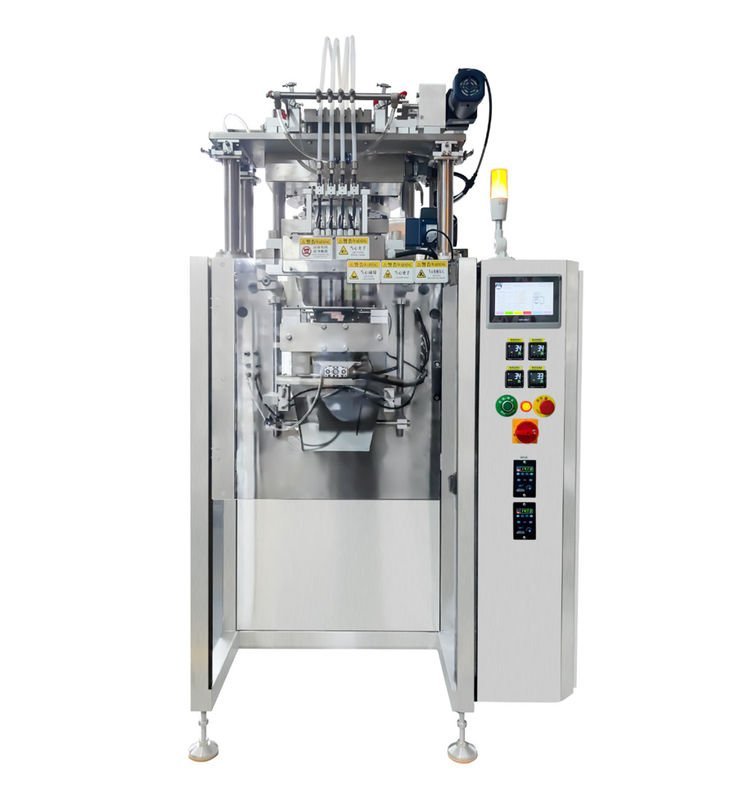
The Critical Role of Blister Packaging in Food and Pharma
Blister packaging involves sealing a product between a pre-formed plastic cavity (the blister) and a backing material, typically foil or card. This method is exceptionally versatile.
For pharmaceutical products like tablets and capsules, it provides excellent barrier properties against moisture, oxygen, and contamination. It allows for clear product visibility, easy unit-dose dispensing (crucial for patient compliance), and integrated anti-counterfeiting features.
In the food industry, blister packs are ideal for items like chewing gum, lozenges, confectionery, and single-serve portions. They preserve freshness, extend shelf life, and create a premium, shelf-ready presentation that enhances brand value.
Key Advantages of Automated Blister Packaging Lines
Transitioning from semi-automatic to fully automated blister packaging machinery unlocks a new level of operational excellence. Here are the core benefits:
- ▶ Unmatched Speed and Productivity: Automated lines can run continuously at high speeds, producing thousands of blisters per hour, dramatically increasing output.
- ▶ Superior Consistency and Accuracy: Automated systems ensure precise product counting, placement, and sealing in every single blister, eliminating human error.
- ▶ Enhanced Hygiene and Contamination Control: Closed, automated systems minimize human contact with the product, which is paramount for pharmaceutical packaging lines and sensitive food items.
- ▶ Significant Labor and Cost Savings: Automation reduces reliance on manual labor for loading, sealing, and inspection, leading to lower long-term operational costs.
- ▶ Advanced Quality Assurance: Integrated vision inspection systems, checkweighers, and leak detectors automatically reject faulty packs, ensuring 100% quality compliance.
Components of a Complete Automated Blister Packaging Solution
A turnkey automated blister line is a symphony of integrated machines, each performing a specific function. Key components include:
1. Product Feeding and Counting System
This is the starting point. Systems range from simple vibrating feeders to sophisticated robotic pick-and-place units that gently and accurately orient and feed tablets, capsules, or food items into the forming machine. Accuracy here is critical for dose integrity in pharma.
2. Blister Forming Machine
The heart of the line. This machine heats a roll of thermoplastic film (like PVC, Aclar, or PET) and uses molds to form it into precise cavities. Modern machines offer quick mold changeovers for flexibility in production runs.
3. Product Loading/Cavity Filling Station
Automated mechanisms transfer the counted products from the feeder into the waiting blister cavities. High-speed lines use multi-lane filling for maximum throughput.
4. Sealing Machine
A lidding material (usually aluminum foil with a heat-seal coating) is applied over the filled blister web. Heat and pressure create a hermetic seal. Some advanced sealing technologies ensure perfect seals even with complex blister shapes.
5. Punching and Cutting Unit
The continuous sealed web is die-cut into individual blister strips or cards. Precision cutting is essential for a clean, professional finish.
6. Inspection and Quality Control Systems
This critical stage often includes vision systems to check for missing products, misprints, or sealing defects, and checkweighers to verify pack weight. Non-conforming blisters are automatically ejected.
7. Secondary Packaging Integration
The finished blisters are then automatically collated, counted, and fed into cartoners, bundled, or prepared for shipment. This creates a seamless flow from primary to secondary packaging.
Choosing the Right Machinery Partner: The Packmate Advantage
Selecting a supplier for such a critical investment requires careful consideration of experience, reliability, and support. This is where a partner like Packmate (GuangDong) Co., Ltd. stands out. With over 22 years of deep expertise in automated packaging for regulated industries, Packmate understands the nuanced demands of food and pharmaceutical production.
Their approach goes beyond selling a machine; they deliver complete turnkey solutions. From initial consultation and factory layout planning to machine installation, comprehensive training, and ongoing after-sales support, they ensure your blister packaging line is optimized for your specific products and output goals. Their modern 20,000㎡ facility is equipped with advanced R&D and testing labs, allowing them to offer customized adaptations and rigorous pre-shipment testing.
Exploring their range of packaging machinery reveals a commitment to innovation and durability, designed to meet international standards and operate reliably in demanding 24/7 production environments.
Future Trends in Blister Packaging Automation
The future of blister packaging is intelligent and connected. Industry 4.0 integration is becoming standard, with machines featuring IoT sensors for predictive maintenance, real-time production data monitoring, and seamless integration with factory ERP systems. Sustainability is also a major driver, leading to increased use of recyclable mono-material films and energy-efficient machine designs. Furthermore, flexibility will be key, as machines must quickly adapt to smaller batch sizes and personalized packaging formats.
Implementing a complete automated blister packaging line is a transformative investment for any food or pharmaceutical manufacturer. It safeguards product integrity, ensures regulatory compliance, boosts efficiency, and reduces costs. By partnering with an experienced and reliable provider who offers genuine end-to-end solutions, businesses can secure a competitive advantage, build consumer trust, and position themselves for sustainable growth in an increasingly demanding global market.
Frequently Asked Questions (FAQs)
Q1: What types of products are best suited for blister packaging machinery?
Blister packaging is ideal for unit-dose or small-count items. In pharma: tablets, capsules, lozenges. In food: chewing gum, mints, candies, single-serve condiments, and baked goods. It’s perfect for products requiring high hygiene, protection, and premium presentation.
Q2: How does automation improve quality control in blister packaging?
Automated lines integrate vision inspection systems, checkweighers, and metal detectors that inspect every single blister in real-time for defects like missing products, sealing faults, or incorrect weight. Faulty packs are automatically rejected, ensuring near-perfect output quality and compliance with strict industry regulations.
Q3: Can one blister packaging machine handle different product sizes and shapes?
Yes, but it requires changeover. Modern machines are designed for flexibility with quick-change mold systems and adjustable settings. The changeover time and complexity depend on the machine’s design and the difference between the product formats. Discuss your specific needs with your supplier for the best configuration.
Q4: What is the importance of a “turnkey solution” from a supplier?
A turnkey solution means the supplier manages the entire project from design and manufacturing to installation, commissioning, and training. This single-point responsibility reduces your project risk, ensures all system components work together harmoniously, and gets your production line up and running efficiently, saving you time and internal resources.
Q5: How do I ensure the machinery complies with my local and industry regulations (e.g., FDA, GMP)?
Choose a manufacturer with a proven track record in your industry. Reputable suppliers like Packmate design machines with compliance in mind, using appropriate materials (e.g., stainless steel contact parts), easy-clean designs, and documentation support. Always verify the supplier’s certifications and discuss your specific regulatory requirements in detail during the planning phase.