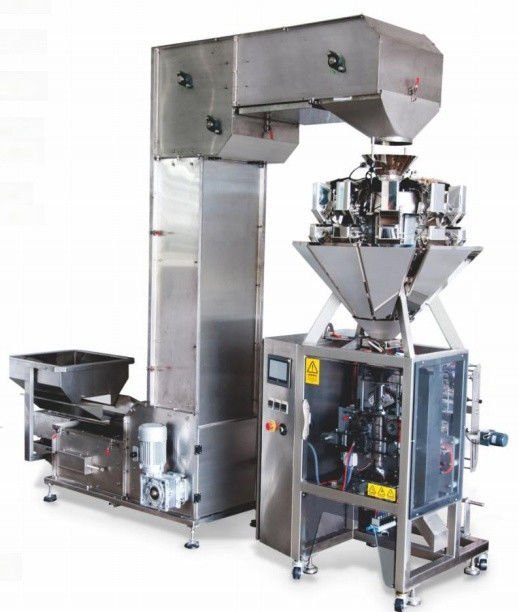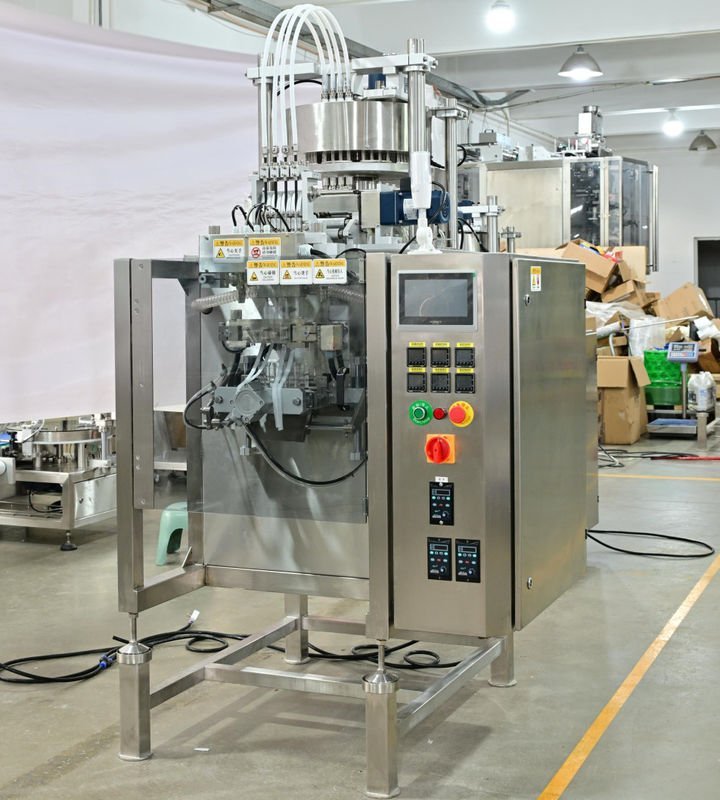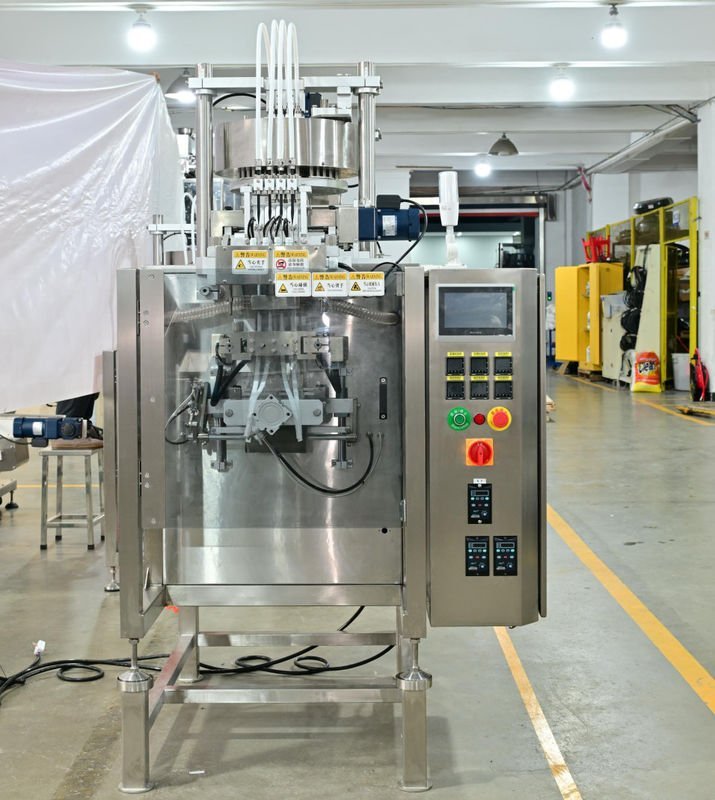
The pharmaceutical industry operates under a unique set of imperatives: uncompromising precision, stringent hygiene, and absolute product integrity. In this high-stakes environment, packaging is far more than a final step; it is a critical component of the product’s safety, efficacy, and shelf life. The shift from manual to automated packaging solutions represents a fundamental evolution, enabling manufacturers to meet rigorous regulatory standards while achieving new levels of efficiency and scalability. Automated packaging machinery, specifically designed for pharmaceutical applications, addresses these core needs by providing reliable, consistent, and contaminant-free packaging processes.

The Critical Role of Automation in Pharma Packaging
Manual packaging processes are inherently vulnerable to human error and contamination, risks that are unacceptable in pharmaceutical manufacturing. Automated machinery eliminates these variables. Every sachet, stick pack, or liquid vial is filled, sealed, and handled with robotic consistency, ensuring each unit meets the exact specifications required for patient safety. This consistency is paramount for compliance with global regulations like Good Manufacturing Practices (GMP) and guidelines from the FDA and EMA. Beyond quality assurance, automation delivers substantial operational benefits, including dramatic increases in production speed, significant reductions in material waste, and lower long-term labor costs, providing a compelling return on investment.
Why Precision is Non-Negotiable
For pharmaceuticals, an incorrect dose is not a minor defect—it’s a critical failure. Automated filling systems are engineered for micro-gram accuracy, whether dispensing potent powdered APIs (Active Pharmaceutical Ingredients), delicate granules, or viscous liquids. This precision safeguards patient health and protects manufacturers from costly recalls and reputational damage.
Specialized Solutions for Diverse Pharma Formats
The diversity of pharmaceutical products demands an equally diverse range of packaging formats. Modern automated lines are highly adaptable, configured to handle the specific requirements of each product type.
Automated Sachet Packaging Machines
Sachets are ideal for unit-dose powders, granules, or liquids, such as oral rehydration salts, effervescent tablets, or single-use antiseptic washes. Automated sachet machines form, fill, and seal packages from a roll of laminated film—material often chosen for its excellent barrier properties against moisture, light, and oxygen. These high-speed lines can produce thousands of hygienic, tamper-evident sachets per hour, each with precise fill weights and crisp, professional printing for branding and dosage instructions. For a closer look at our capabilities in this area, explore our range of Sachet & Stick Pack Machines.
High-Speed Stick Pack Packaging Lines
Stick packs have become a preferred format for powdered supplements, drink mixes, and instant medications due to their sleek design and convenience. Automated stick pack machines create these long, slender packs with exceptional efficiency. Multi-lane configurations allow for simultaneous production of several stick packs, dramatically boosting output. The machinery ensures a complete evacuation of product, minimizing waste, and provides a strong seal integrity crucial for hygroscopic materials. This technology is central to many modern Filling & Packaging Lines for dry products.
Advanced Liquid Filling and Sealing Systems
Liquid pharmaceuticals—including syrups, suspensions, eye drops, and injectables—present unique challenges like foaming, dripping, and sterility maintenance. Automated liquid filling machines utilize precise technologies such as peristaltic pumps, time-pressure fillers, or piston fillers to handle a wide range of viscosities without cross-contamination. Integrated with capping, induction sealing, or lidding systems, these solutions create a hermetically sealed, leak-proof package. The entire process can be designed for cleanroom compatibility, a necessity for sterile products. Discover integrated solutions in our Products portfolio.
Key Features of Pharma-Grade Packaging Machinery
- GMP-Compliant Design: Constructed with 316L or 304 stainless steel, smooth surfaces, and easy-clean architecture to prevent contamination.
- Changeover Flexibility: Quick and tool-less changeovers between different product formats and pack sizes to minimize downtime.
- Integrated Quality Checks: In-line systems for check-weighing, metal detection, and vision inspection to reject non-conforming packs automatically.
- Data Integrity: SCADA and IIoT connectivity for real-time monitoring, production data logging, and traceability for complete batch records.
Implementing a Successful Automated Packaging Line
Selecting the right machinery is just the beginning. A successful implementation hinges on a holistic, turnkey approach that considers the entire production ecosystem.
First, a thorough analysis of the product characteristics—flowability, hygroscopicity, abrasiveness—is essential for specifying the correct feeding and filling technology. Second, the packaging material must be compatible with the machine’s forming and sealing mechanisms while providing the necessary barrier protection. Third, the machine must integrate seamlessly with upstream processes (like blending or granulation) and downstream systems (like cartoning and case packing). This is where partnering with an experienced provider like Packmate makes a difference. With over two decades of experience, we offer more than just equipment; we deliver complete Solution packages, including factory acceptance testing, on-site installation, comprehensive operator training, and ongoing technical support to ensure your line achieves optimal performance from day one.
Future-Proofing with Smart Technology
The future of pharmaceutical packaging lies in Industry 4.0. The next generation of machines features advanced connectivity for predictive maintenance, where sensors alert technicians to potential issues before they cause downtime. Machine learning algorithms can optimize filling parameters in real-time for even greater accuracy and efficiency, ensuring that investments made today continue to deliver value well into the future.
Frequently Asked Questions (FAQ)
1. What level of accuracy can I expect from pharmaceutical filling machines?
Modern precision filling systems for pharmaceuticals typically achieve accuracy within ±0.5% to ±1% of the target fill weight, with some auger filler models capable of even tighter tolerances for highly valuable APIs. The exact accuracy depends on the product characteristics and the chosen filling technology (e.g., auger, piston, volumetric cup).
2. Are these machines suitable for cleanroom environments?
Yes. Pharmaceutical packaging machinery can be specifically designed for cleanroom integration. This includes using cleanroom-grade stainless steel, fully enclosed designs with smooth, crevice-free surfaces, IP-rated electrical components, and options for integrated CIP (Clean-in-Place) or SIP (Sterilize-in-Place) systems to maintain the required hygiene standards.
3. How long does it take to changeover between different product formats?
Changeover time varies by machine complexity. However, modern machines prioritize quick changeover. Many models feature tool-less adjustments and recipe storage, allowing operators to switch between different sachet or stick pack sizes in as little as 15-30 minutes, dramatically improving production flexibility and reducing downtime.
4. Can one machine handle both powder and liquid pharmaceuticals?
Generally, no. Powder/granule fillers and liquid fillers are fundamentally different technologies. While a single production line framework might be used, the core filling head would need to be swapped out. Some manufacturers offer modular platforms where different filling modules can be integrated, but they remain distinct units designed for specific product states.
5. What kind of after-sales support is crucial for pharmaceutical operations?
Given the critical nature of pharmaceutical production, comprehensive support is vital. This should include detailed documentation (IQ/OQ/PQ protocols), thorough on-site training for operators and maintenance staff, readily available spare parts, and responsive remote and on-call technical support. A reliable partner will help you maximize uptime and ensure continuous GMP compliance.