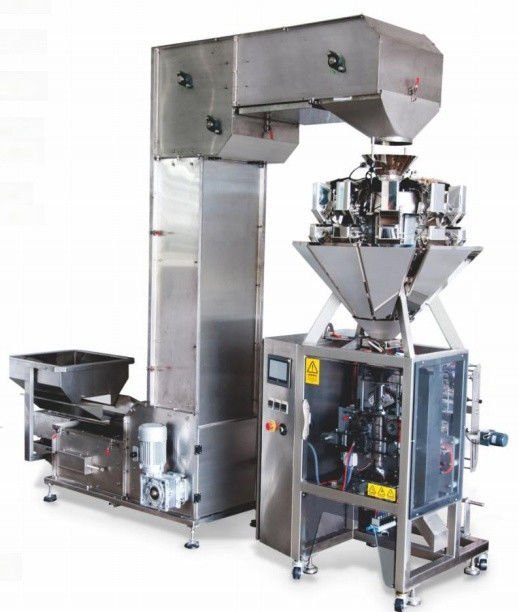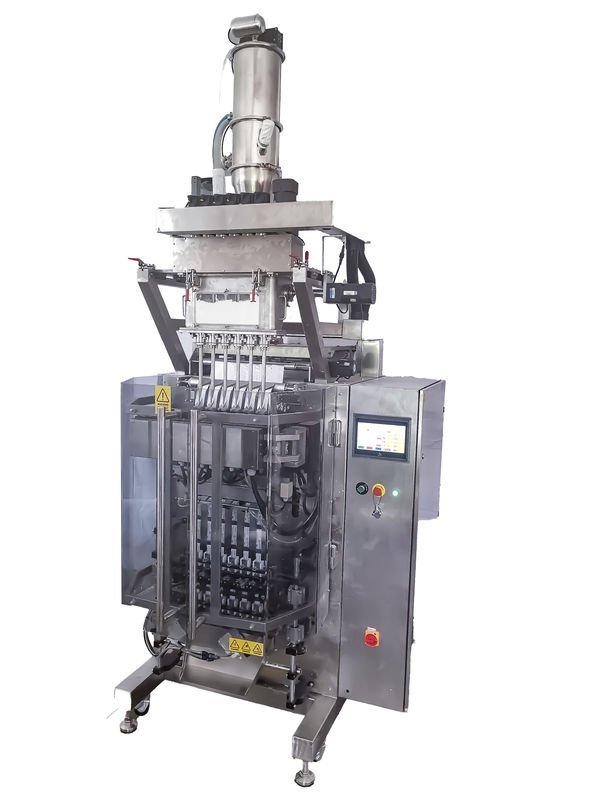
The global cannabis industry is undergoing a profound transformation, moving from a niche, often informal market to a sophisticated, regulated, and highly competitive commercial landscape. As legalization spreads across various regions, the demand for professional, compliant, and efficient production has skyrocketed. At the heart of this industrial maturation lies a critical yet sometimes overlooked component: packaging machinery. The right packaging equipment is no longer a luxury but a fundamental necessity for cannabis businesses aiming to ensure product integrity, meet stringent regulatory standards, and achieve operational scalability. This article delves into the current trends, automation solutions, and essential considerations for navigating the cannabis marijuana packaging machine market.
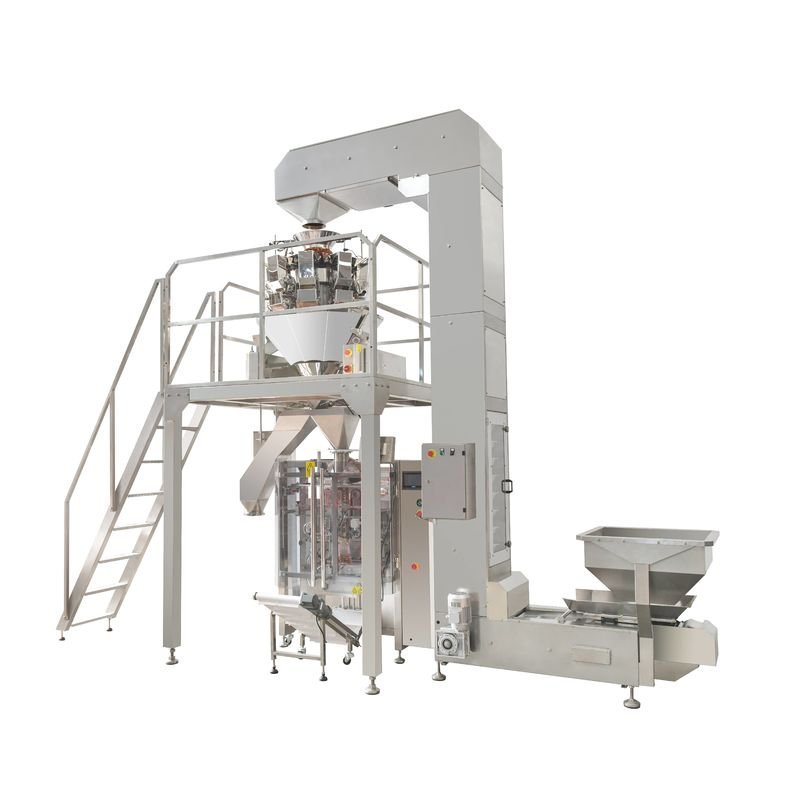
Current Market Trends Shaping the Industry
The packaging needs of the cannabis sector are uniquely complex, driven by a combination of legal requirements, consumer expectations, and logistical challenges. Several key trends are defining the market’s direction.
1. Regulatory Compliance as the Primary Driver
Unlike most consumer goods, cannabis packaging is governed by a dense web of regulations that vary by country, state, and even municipality. These rules typically mandate:
Child-Resistance (CR): A non-negotiable requirement in most legal markets. Packaging must be significantly difficult for children under five to open within a reasonable time, yet not prohibitively challenging for adults or seniors.
Tamper-Evidence: Packaging must show clear, irreversible signs if the product has been opened or altered, ensuring consumer safety and product authenticity.
Opaque Packaging: Many jurisdictions require packaging that prevents the product from being visible from the outside, often to reduce appeal to minors.
Accurate Labeling: Strict rules govern the mandatory information on labels, including THC/CBD content, batch numbers, cultivation date, and government warnings. This demands high-precision labeling and coding integration with packaging lines.
Consequently, machinery must be adaptable to handle specialized compliant materials like specific plastics and laminates that meet these standards without compromising on speed or reliability.
2. The Rise of Sustainability and Brand Differentiation
As the market matures, consumers are becoming more discerning. There is growing pressure to move away from single-use plastics towards eco-friendly, biodegradable, or recyclable materials. This shift requires packaging machines that can reliably run films and pouches made from materials like PLA (polylactic acid) or compostable laminates, which may have different sealing and handling characteristics than traditional plastics.
Simultaneously, packaging is a primary touchpoint for brand identity. Companies are investing in custom-shaped pouches, high-quality printing, and unique unboxing experiences. This trend fuels demand for versatile machinery capable of handling diverse bag styles—from standard flat-bottom pouches and stand-up zipper bags to more intricate custom designs—all while maintaining high graphic registration accuracy.
3. Demand for Precision and Product Integrity
Cannabis products, especially dried flower, pre-rolls, and concentrates, are high-value commodities. Precise weight control is critical not only for consumer trust but also for regulatory compliance, as selling underweight product can lead to severe penalties. Advanced multi-head weighers and auger filler systems with ±0.1-gram accuracy are becoming the industry standard. Furthermore, packaging must protect delicate trichomes from damage and preserve terpenes by offering excellent barrier properties against moisture and oxygen, which influences the choice of packaging film and the sealing technology used by the machine.
Automation Solutions: From Semi-Auto to Integrated Lines
The level of automation a business requires depends heavily on its scale, product mix, and growth trajectory. The market offers a spectrum of solutions.
Semi-Automatic Machines: The Entry Point
Ideal for startups, small craft producers, or businesses with low-to-medium volume output. These machines, such as semi-auto vertical form-fill-seal (VFFS) machines or tabletop pouch sealers, require an operator to manually feed product or initiate each cycle. They offer a lower capital investment and flexibility for short runs or frequent product changeovers. They are a practical first step for companies validating their market fit.
Fully Automatic Standalone Machines: The Workhorse
For established companies scaling up production, fully automatic machines are essential. A prime example is the automatic stick pack machine, perfectly suited for single-dose powdered cannabis beverages or dissolvable strips. These machines autonomously form, fill, and seal packets at high speeds (often hundreds per minute) with minimal operator intervention, dramatically increasing output and consistency while reducing labor costs.
Turnkey Integrated Packaging Lines: Industrial Scale
For large-scale producers and multi-state operators (MSOs), the ultimate solution is a fully integrated, turnkey packaging line. This system seamlessly combines multiple processes:
- Automated Product Feeding: Conveyors or robots transfer product from processing.
- High-Speed Weighing & Filling: Using multi-head weighers or precision liquid fillers.
- Bag Forming & Sealing: VFFS machines create bags from roll stock film.
- Labeling & Coding: Automated print-and-apply or inkjet systems mark each package.
- Checkweighing & Metal Detection: For quality assurance and safety compliance.
- Cartoning & Case Packing: Automatically collate and box finished products.
Such lines offer unparalleled efficiency, traceability, and scalability, representing a significant investment that pays off through massive volume output and minimized per-unit cost.
Buyer’s Guide: Key Considerations for Your Investment
Selecting the right packaging machinery is a strategic decision. Here are the critical factors to evaluate.
1. Define Your Product and Output Requirements
Be specific about what you are packaging (flower, pre-rolls, concentrates, edibles, beverages), the package type (pouch, bottle, can, stick pack, tube), and your target speed (packages per minute/hour). Consider not just today’s needs but projected growth for the next 3-5 years. Can the machine be upgraded or integrated later?
2. Prioritize Compliance and Validation
Ensure the machine manufacturer understands the regulatory landscape for your target markets. The equipment should be designed to handle compliant materials seamlessly. For pharmaceutical-grade cannabis products (like those in certain medical markets), machinery may need to meet higher standards, such as being constructed with easy-to-clean, sanitary designs (e.g., stainless steel surfaces, rounded corners).
3. Evaluate Technology and Precision
Scrutinize the core technologies: the type of weigher/filler (auger, volumetric, net weight), the sealing system (heat, ultrasonic), and the control system (PLC with user-friendly HMI). Demand live demonstrations or video evidence of the machine running with your specific product and packaging material to verify speed, accuracy (ask for weight deviation reports), and seal integrity.
4. Assess Supplier Expertise and Support
The manufacturer’s experience is paramount. Look for a supplier with a proven track record in packaging machinery, preferably one with specific knowledge of handling sensitive, regulated products. A company like Packmate Machinery, with decades of experience in food and pharmaceutical packaging, brings valuable cross-industry expertise in hygiene, precision, and reliability to the cannabis space. Evaluate their after-sales support: availability of spare parts, technical training, and service response time. A reliable partner is as important as the machine itself.
5. Analyze Total Cost of Ownership (TCO)
Look beyond the initial purchase price. Consider operational costs (energy consumption, required labor), maintenance costs (predictive maintenance plans, part longevity), and the cost of changeover downtime. A slightly more expensive machine with higher reliability, faster changeovers, and better energy efficiency will often have a lower TCO and provide a better return on investment.
Conclusion: Packaging as a Strategic Asset
In the competitive and regulated world of legal cannabis, packaging is far more than a container—it’s a critical component of compliance, brand equity, and operational efficiency. Investing in the right packaging machinery is an investment in the business’s future, enabling scalability, ensuring consistent quality, and mitigating regulatory risk. By understanding market trends, carefully evaluating automation solutions, and following a disciplined buyer’s guide, cannabis businesses can select equipment that not only meets today’s challenges but also powers tomorrow’s growth.
Frequently Asked Questions (FAQs)
1. What is the most important feature to look for in a cannabis packaging machine?
Regulatory Compliance Capability is paramount. The machine must be able to reliably run child-resistant, tamper-evident, and often opaque packaging materials that are mandated by law in your specific market. Its design should facilitate accurate labeling and coding integration to meet strict informational requirements.
2. Can one machine handle different cannabis product types (e.g., flower and edibles)?
While some versatile weighing and filling systems can be adapted with different tooling (like switching from an auger for powder to a cup filler for gummies), it often requires significant changeover time and parts. For vastly different product forms (e.g., loose flower vs. liquid tinctures), dedicated machines or separate modules within an integrated line are usually more efficient and hygienic.
3. How do I ensure the packaged product stays fresh?
Product integrity depends on a combination of the right barrier packaging material (e.g., films with high moisture and oxygen barrier properties) and the machine’s ability to create a consistent, hermetic seal. Look for machines with precise temperature control on sealing jaws and, for certain products, the option for gas flushing (nitrogen flushing) to displace oxygen inside the package before sealing.
4. What kind of maintenance do these machines require?
Regular preventive maintenance is crucial. This typically includes daily cleaning to prevent resin or product buildup, lubrication of moving parts as per the manufacturer’s schedule, and periodic inspection/wear part replacement (e.g., sealing jaws, cutting blades, filter screens). Choosing a supplier that offers clear maintenance manuals, training, and readily available spare parts is essential for uptime.
5. Is it worth investing in a fully automated line for a new cannabis business?
For most new businesses, starting with a semi-automatic or a robust standalone automatic machine is more prudent. It allows for market validation and process refinement without a massive capital outlay. The investment in a full turnkey line is justified when production volumes are consistently high, product lines are stabilized, and the cost savings from reduced labor and increased efficiency clearly outweigh the initial investment. Planning for future integration from the start, however, is a wise strategy.