In the fast-paced world of product manufacturing, efficiency and presentation are paramount. For countless items, from food seasonings to pharmaceuticals, the final step before reaching the consumer is packaging. Among the various packaging formats, the chub pack stands out for its unique, sausage-like shape, offering excellent product protection and a distinctive shelf presence. A chub packaging machine is the specialized equipment designed to create these packages reliably and at high speeds. This comprehensive guide delves into the world of chub packaging, exploring the different machine types, their working principles, key applications, and crucial factors to consider when choosing the right system for your production needs.
Understanding Chub Packaging Machines
Chub packaging, also known as tube or sausage packaging, involves forming a sealed, cylindrical pouch from a roll of flexible film. The product is filled into this tube, which is then twisted and clipped or sealed at both ends, creating a compact, durable package. Chub packaging machines automate this entire process, from film unwinding and forming to filling, sealing, and cutting. They are particularly valued for handling viscous, semi-solid, or granular products like ground meat, cheese, dough, seasonings, and pharmaceutical ointments. The primary advantage of this method is its ability to remove air from the package, extending shelf life and maintaining product freshness, a critical factor in food safety and quality.
Key Characteristics:
✅ Package Shape: Creates cylindrical, pillow-like packages.
✅ Film Type: Typically uses multi-layer laminated films for strength and barrier properties.
✅ Closure Method: Employs metal clips (U-clips or double-clips) or heat seals at the ends.
✅ Product Compatibility: Ideal for products that can be pumped or extruded.
Main Types of Chub Packaging Systems
The market offers several types of chub packaging machines, each suited to different production scales, product types, and automation levels. Understanding these variations is the first step in selecting the optimal equipment.
1. Manual & Semi-Automatic Chub Packers
These machines represent the entry point into chub packaging. In a semi-automatic system, an operator typically loads the product into a hopper or filling nozzle, and the machine handles the film forming, clipping, and cutting. They are cost-effective, require less floor space, and are perfect for small to medium-scale producers, specialty food artisans, or businesses with lower output requirements. They offer flexibility for short runs or products with frequent recipe changes.
2. Fully Automatic Vertical Form-Fill-Seal (VFFS) Chub Machines
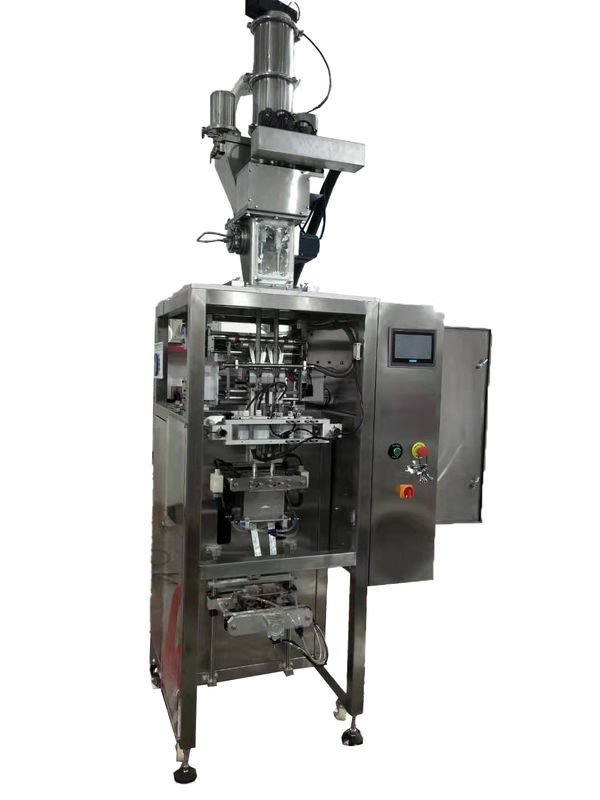
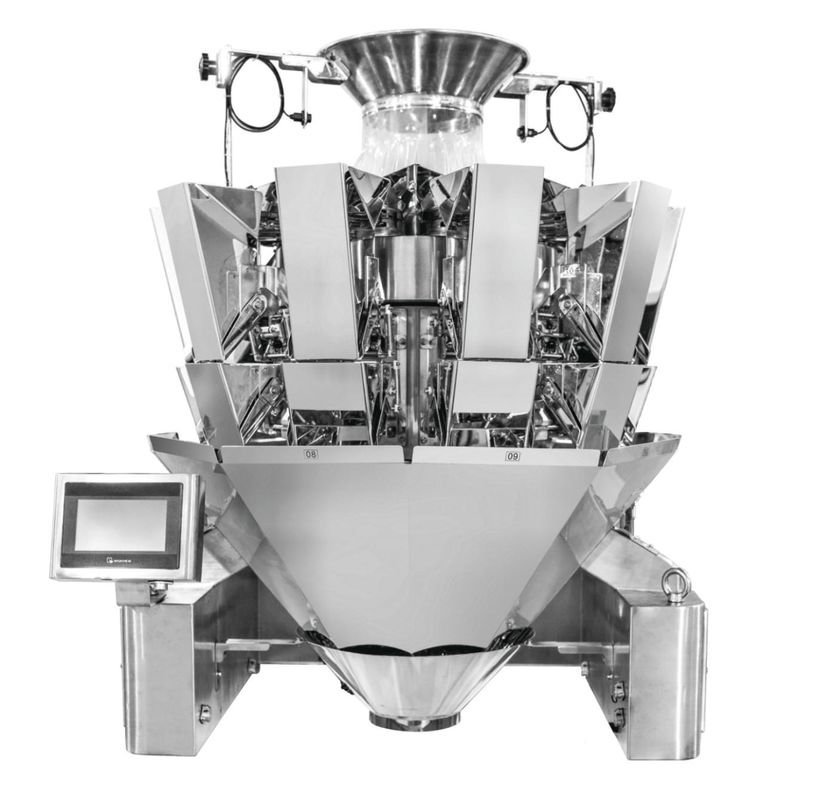
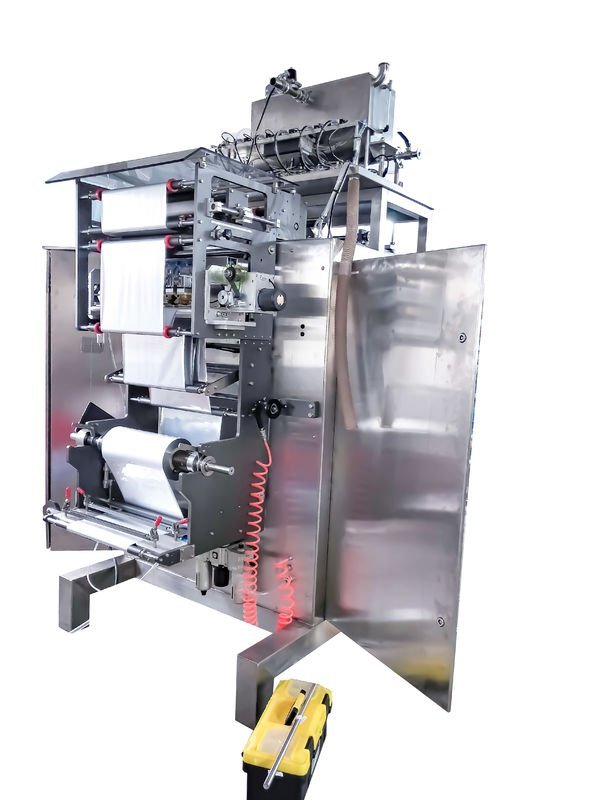
This is the most common and efficient type for medium to high-volume production. A fully automatic VFFS chub machine integrates the entire process. It pulls film from a roll, forms it into a vertical tube, fills the product via a precision auger or pump system, and then seals and cuts the packages in a continuous motion. These systems offer high speed, consistency, and reduced labor costs. Many advanced models can be integrated with weighing systems for unparalleled accuracy.
3. Dual-Lane & Multi-Lane Systems
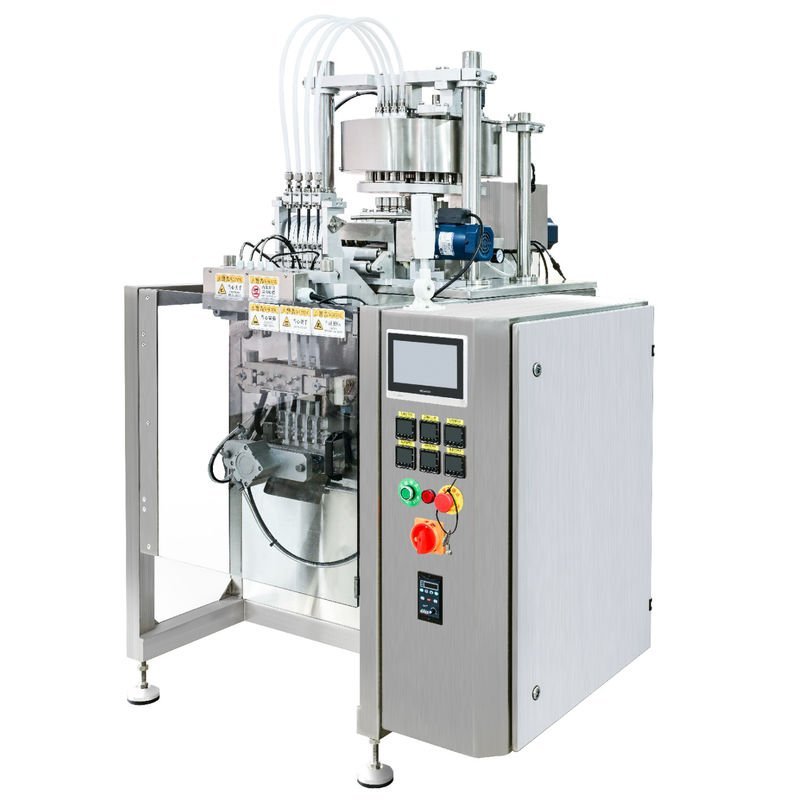
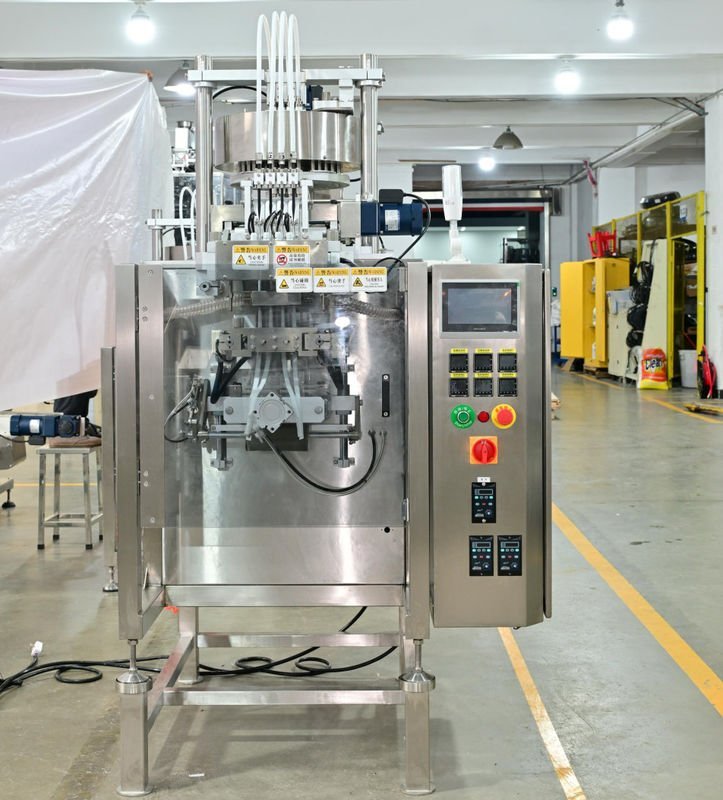
For maximizing output, dual or multi-lane chub packaging machines produce two or more packages simultaneously from a single film web. This design dramatically increases production capacity without proportionally increasing the machine’s footprint or complexity. They are the go-to solution for large-scale food processing plants, such as those producing bulk quantities of sausage, cookie dough, or refried beans.
4. Specialized Systems (e.g., for Snus or Pharmaceuticals)
Certain industries require tailored solutions. For instance, packaging moist snuff (snus) or nicotine pouches demands precise portioning and ultra-hygienic conditions. Specialized snus packaging machines are designed to handle these specific products with accuracy and speed. Similarly, pharmaceutical applications might require machines built with GMP (Good Manufacturing Practice) standards in mind, using materials compatible with stringent hygiene protocols.
Core Working Principle: How the Machine Operates
The operation of a standard automatic chub packaging machine follows a precise, cyclical sequence. While specific mechanisms may vary by manufacturer, the fundamental steps remain consistent.
Step-by-Step Process:
1. Film Feeding & Forming: A roll of flat, flexible packaging film is mounted. The film is drawn over forming shoulders and shaped into a continuous vertical tube around a filling cylinder.
2. Longitudinal Sealing: The overlapping edges of the film are sealed together along the length of the tube using a heat sealer, creating a strong back seam.
3. Bottom Closure: The bottom of the tube is sealed, either with a heat seal or a metal clip, creating the first closed end of the future package.
4. Product Filling: The product is accurately metered—often via a servo-driven auger, piston pump, or vacuum filler—into the formed tube from above.
5. Top Closure & Cutting: After the desired fill length is achieved, the machine creates the top seal or applies a clip above the product. A cutting mechanism then separates the finished chub pack from the continuing tube, which immediately has its new bottom sealed for the next cycle.
Wide-Ranging Applications Across Industries
The versatility of chub packaging makes it a favorite across diverse sectors. Its ability to handle various consistencies and provide an airtight seal addresses many packaging challenges.
Food & Beverage Industry
This is the largest application area. Chub packs are ideal for:
• Processed Meats: Sausage, ground beef, chorizo.
• Dairy Products: Cheese spreads, shredded cheese, dough (e.g., cookie, bread).
• Condiments & Pastes: Tomato paste, mustard, hummus, guacamole.
• Bakery & Confectionery: Icing, fillings, marzipan.
• Dry Goods: Powdered drink mixes, spices (when combined with a gas flush for freshness).
Pharmaceutical & Cosmetic Industry
For products requiring precise dosing and contamination-free packaging:
• Ointments & Creams: Medicated creams, burn gels.
• Salves & Pastes: Dental impression materials, antiseptic gels.
• Single-Dose Applications: Unit-dose packaging for clinical or sample use.
Chemical & Industrial Products
Chub packs offer safe, leak-resistant containment for:
• Adhesives and sealants (e.g., caulk, epoxy).
• Lubricants and greases.
• Industrial compounds and putties.
How to Choose the Right Chub Packaging System
Selecting the ideal chub packaging machine is a strategic investment. A careful evaluation of your specific needs will ensure you get a system that boosts productivity and ROI.
Critical Selection Criteria
1. Product Characteristics
Analyze your product’s viscosity, particulate size, temperature, and sensitivity (to air, light, moisture). This determines the suitable filling system (auger vs. pump), film barrier requirements, and whether features like vacuum or gas flushing are needed.
2. Production Requirements
Define your target output (packs per minute/hour). Match this with the machine’s speed capability. Consider future growth—choosing a slightly more capable machine or a modular system from a provider like Packmate Machinery can accommodate expansion. Evaluate the level of automation needed to meet your labor and consistency goals.
3. Machine Features & Flexibility
Look for user-friendly PLC controls with recipe storage. Quick-change parts for different package sizes reduce downtime. Ensure the machine can handle your required film type and clip/seal style. Robust construction with easy-clean design (e.g., stainless steel contact parts) is vital for hygiene and durability.
4. Supplier Support & Reputation
Partner with an established manufacturer with a proven track record. Review their case studies and client testimonials. Ensure they offer comprehensive after-sales support, including installation, training, readily available spare parts, and reliable technical service. A company’s history, like Packmate’s 30+ years of experience, often correlates with reliability and expertise.
5. Budget & Total Cost of Ownership (TCO)
Look beyond the initial purchase price. Factor in operational costs (film, clips, energy), maintenance expenses, and potential downtime costs. A slightly higher investment in a more reliable and efficient machine often leads to lower TCO and higher long-term profitability.
Integration with Broader Packaging Lines
A chub pack machine rarely operates in isolation. For a complete, turnkey solution, it can be integrated upstream and downstream with other equipment. Upstream, it can be fed by mixers, grinders, or cooking vats. Downstream, finished packs can be conveyed to checkweighers, metal detectors, date coders, cartoners, or case packers. Discussing your full line vision with your supplier is crucial. Companies offering complete filling and packaging lines can ensure seamless integration and optimal workflow.
Frequently Asked Questions (FAQs)
Q1: What is the main difference between a chub pack and a standard pouch?
A: The primary difference is the shape and closure method. A chub pack is a cylindrical tube sealed at both ends with clips or twists, often designed to be air-tight. A standard pouch is typically flat and sealed on all four edges, like a pillow pack or a stand-up pouch.
Q2: Can chub packaging machines handle liquids?
A: Yes, but with limitations. They are excellent for viscous liquids, pastes, and semi-solids. Very thin, free-flowing liquids are better suited for dedicated liquid filling systems, as they may leak before the top seal is applied on a standard chub machine.
Q3: How do I determine the right packaging film for my product?
A: Film selection depends on your product’s needs: barrier properties (oxygen, moisture), strength, clarity, and printability. Consult with your film supplier and packaging machine manufacturer. They can recommend multi-layer laminates (e.g., PET/PE, NY/PE) that provide the necessary protection and run reliably on your specific machine.
Q4: What maintenance does a chub packaging machine require?
A: Regular maintenance is key to longevity. Daily cleaning of product contact parts is essential. Weekly lubrication of moving parts (as per manual), inspection of seals and cutting blades, and checking for wear on forming parts should be standard procedure. Always follow the manufacturer’s maintenance schedule.
Q5: Is it difficult to changeover the machine for a different package size?
A: Modern machines are designed for easier changeover. Look for features like digital size adjustment on the control panel, quick-release forming tubes, and tool-less change parts. With proper training and organization, changeover times can be minimized to reduce downtime between production runs.