The demand for precision, hygiene, and efficiency in the food and pharmaceutical sectors has never been higher. In this landscape, distribution packaging equipment transcends its traditional role, becoming a critical component of supply chain integrity and product safety. Automated solutions, integrated lines, and sophisticated systems are no longer luxuries but necessities for manufacturers aiming to meet stringent regulatory standards and consumer expectations for quality. This evolution in packaging technology ensures that products from a sachet of instant coffee to a life-saving pharmaceutical dose are delivered with unwavering consistency and protection.
The Imperative for Automation in Food & Pharma Packaging
Manual packaging processes are fraught with risks—inconsistency, contamination, and high labor costs. For industries where product integrity is paramount, automation provides the definitive answer. Automated distribution packaging equipment minimizes human intervention, drastically reducing the potential for errors and microbial contamination. In pharmaceuticals, this aligns with Good Manufacturing Practices (GMP) and ensures precise dosing. In food, it guarantees accurate fill weights and preserves freshness by creating secure, sealed packages at high speeds. The shift towards automation is not merely about speed; it’s a fundamental commitment to quality, traceability, and operational excellence.
Core Benefits of Automated Packaging Systems:
Enhanced Hygiene & Safety: Closed systems prevent external contaminants, crucial for sterile pharmaceutical environments and hygienic food production.
Unmatched Consistency: Every package is identical in weight, seal, and appearance, building brand trust and ensuring compliance.
Significant Cost Reduction: Lowers long-term operational costs through reduced labor, minimized product giveaway, and less material waste.
Scalable Production: Systems can be designed to scale output up or down efficiently, offering flexibility for market demands.
Comprehensive Data Tracking: Integrated sensors and software provide real-time production data for quality control and optimization.
Exploring Automated Packaging Lines and Systems
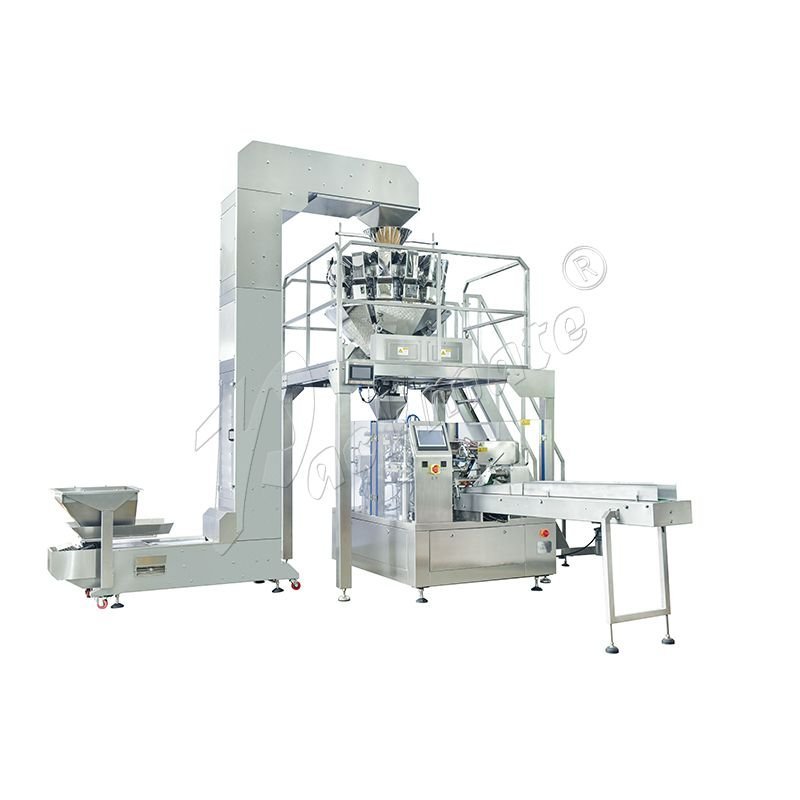
A modern packaging line is a symphony of synchronized machinery. It begins with forming the package itself—whether a pouch, sachet, or stick pack—from a roll of film. This is followed by precise filling, which can involve volumetric cups, auger fillers for powders, or liquid pumps. The next critical stage is sealing, creating a hermetic barrier. Finally, the packaged products are collated, cartoned, and palletized for distribution. Companies like Packmate Machinery specialize in providing these complete, turnkey solutions, integrating each component into a seamless, high-performance line tailored to specific product needs, from snack foods to pharmaceutical granules.
Key Equipment in a Distribution Packaging Line
1. Form-Fill-Seal (FFS) Machines
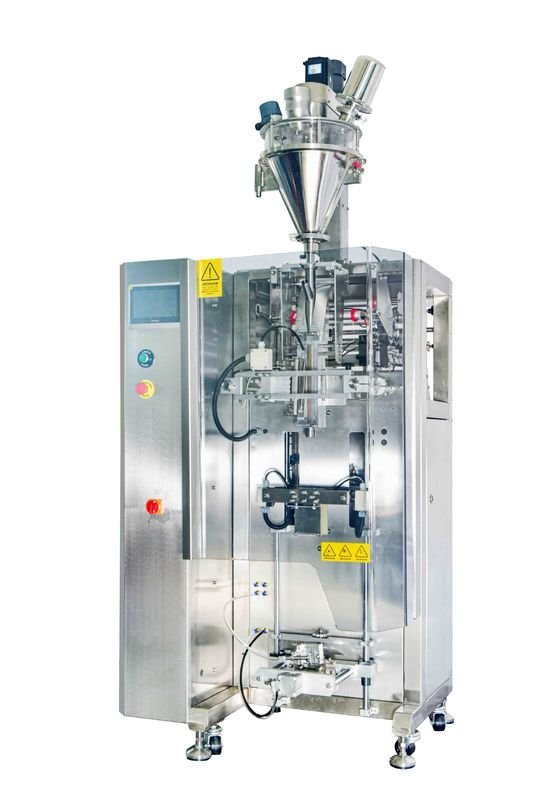
The workhorse of flexible packaging. Vertical (VFFS) and Horizontal (HFFS) machines form bags from a single roll of film, fill them with product, and seal them in one continuous operation. They are ideal for a vast range of products, including powders, granules, and liquids. For specialized applications like single-serve portions, sachet and stick pack machines offer compact, consumer-friendly packaging formats.
2. Cartoning and Case Packing Systems
After primary packaging, products need secondary protection. Automated cartoners erect, load, and seal cartons at high speeds. Robotic case packers then place these cartons into shipping cases with precision, optimizing space and ensuring safe transit. This stage is vital for creating efficient distribution-ready units.
3. Weighing and Checkweighing Systems
Accuracy is non-negotiable. Multi-head weighers and dynamic checkweighers ensure every package meets its declared weight, preventing underfilling (which can lead to regulatory fines) and overfilling (which erodes profit). These systems are a cornerstone of weighing and packaging systems for both food and pharmaceutical items.
4. Labeling and Traceability Integration
Modern lines integrate printing and labeling systems that apply batch codes, expiry dates, and barcodes directly onto the package. This enables full traceability from production to point-of-sale, a critical requirement for pharmaceutical serialization and food safety recalls.
Tailoring Solutions for Industry-Specific Challenges
The “one-size-fits-all” approach fails in specialized sectors. Food and pharma packaging, while sharing core principles, have distinct requirements that demand tailored engineering.
Pharmaceutical Packaging: Precision & Compliance
Pharma packaging demands an uncompromising focus on sterility, accuracy, and documentation. Equipment must be constructed with easy-clean, sanitary designs, often using stainless steel. Features like nitrogen flushing to displace oxygen and tamper-evident seals are standard. Systems must support serialization for track-and-trace mandates under regulations like the U.S. DSCSA. The entire process is validated to ensure consistent, reproducible results that comply with global pharmacopeia standards.
Food Packaging: Speed, Freshness & Appeal
Food packaging prioritizes high-speed throughput, extended shelf life, and visual appeal on the retail shelf. Machinery must handle diverse products—from oily snacks to hygroscopic powders—without clogging. Advanced sealing technologies ensure strong, airtight seals that lock in freshness. The flexibility to run various materials, including recyclable and compostable films, is increasingly important. For complex lines involving multiple products or formats, integrated filling and packaging lines provide the necessary versatility and efficiency.
The Role of a Trusted Equipment Partner
Investing in automated packaging is a significant decision. Partnering with an experienced manufacturer like Packmate (GuangDong) Co., Ltd. makes the journey smoother. With over 30 years of experience, such a partner provides more than just machines; they deliver complete solutions. This includes in-depth consultation to understand your product and output goals, custom engineering of the line, comprehensive installation and training, and reliable after-sales support. Their expertise in developing over 50 machine models ensures they can configure the optimal system, whether you need a standalone machine or a fully integrated, high-speed production line. Viewing their project case studies can offer valuable insights into practical applications.
Future Trends: Smart and Sustainable Packaging
The future of distribution packaging is intelligent and eco-conscious. Industry 4.0 integration is leading to “smart factories” where packaging equipment communicates with enterprise systems, enabling predictive maintenance, real-time optimization, and unparalleled production visibility. Simultaneously, sustainability is driving innovation in equipment designed to handle mono-material and bio-based films, reduce energy consumption, and minimize material waste through more precise filling and cutting technologies. The next generation of equipment will not only pack products but also generate data to drive circular economy principles.
Frequently Asked Questions (FAQs)
1. What is the typical ROI for an automated packaging line?
Return on Investment (ROI) varies based on scale and product, but most operations see a payback period of 1 to 3 years. Savings come from reduced labor costs, lower product waste, increased output, and decreased downtime. A detailed feasibility study from your equipment supplier can provide a more accurate projection.
2. How do I choose between a vertical (VFFS) and horizontal (HFFS) form-fill-seal machine?
The choice depends on your product and package style. VFFS machines are typically used for free-flowing products (granules, powders, liquids) where the bag is formed around a filling tube. HFFS machines are ideal for more delicate or solid items (cookies, bars) where the product is placed into a pre-formed pouch. Consulting with an application engineer is crucial.
3. Can one packaging line handle multiple different products or package sizes?
Yes, with the right design. Many modern lines are built for quick changeover. Features like tool-less adjustments, digital recipe storage, and interchangeable parts allow a single line to run different products or switch between, for example, 10-gram and 50-gram pouches with minimal downtime, maximizing flexibility.
4. What are the critical hygiene considerations for pharmaceutical packaging equipment?
Equipment must have a sanitary design: smooth, crevice-free surfaces (preferably stainless steel), easy disassembly for cleaning, and compatibility with Clean-in-Place (CIP) or Sterilize-in-Place (SIP) protocols. It should also operate in controlled environments (cleanrooms) to maintain product sterility.
5. How important is after-sales service and parts availability?
Extremely important. Packaging lines are long-term investments. A supplier with a robust global service network, readily available spare parts, and responsive technical support is essential to minimize production downtime and ensure the longevity and productivity of your equipment over its entire lifecycle.