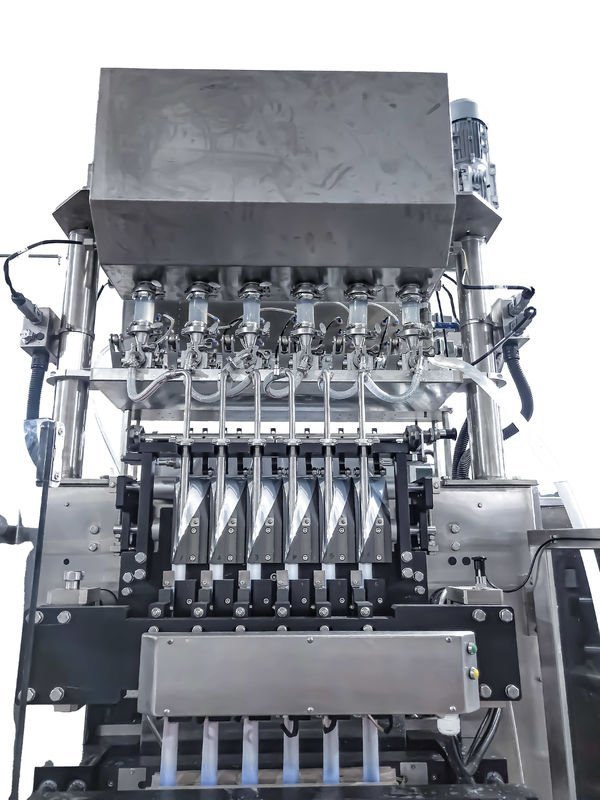
The world of packaging machinery is in a constant state of evolution, driven by technological innovation, shifting consumer demands, and global economic trends. Staying abreast of the latest news and developments is crucial for manufacturers, brand owners, and supply chain professionals aiming to maintain a competitive edge. From the rise of smart factories to the push for sustainable solutions, the industry is navigating a transformative period that promises greater efficiency, flexibility, and intelligence in packaging operations.

Dominant Trends Shaping the Packaging Machinery Landscape
Several key trends are currently defining the direction of the packaging machinery sector. Understanding these movements is essential for making informed investment and operational decisions.
1. The Rise of Smart Packaging and Industry 4.0 Integration
The integration of Internet of Things (IoT) sensors, data analytics, and cloud computing is turning packaging lines into intelligent systems. Modern machinery now offers real-time monitoring of performance metrics like speed, downtime, and maintenance needs. This connectivity allows for predictive maintenance, where machines can alert operators to potential failures before they occur, drastically reducing unplanned stoppages. For companies looking to upgrade, exploring comprehensive Filling & Packaging Lines that are designed with connectivity in mind is a strategic first step.
🔍 Key Insight:
Smart machinery is no longer a luxury but a necessity for achieving the operational transparency and agility required in modern manufacturing. The data collected empowers managers to optimize throughput and resource allocation continuously.
2. Sustainability: A Core Driver of Innovation
Environmental concerns are pushing the industry toward circular economy principles. This translates into a growing demand for machinery capable of handling recycled materials, mono-material films, and compostable substrates. Equipment is being redesigned for easier cleaning to reduce material changeover waste and to process bio-based materials effectively. Innovations in Weighing & Packaging Systems are also contributing by ensuring precise dosing, which minimizes product giveaway and material usage.
3. Flexibility and Modularity for Market Agility
The demand for product variety and shorter runs requires machinery that can adapt quickly. Modular packaging machines allow for easy reconfiguration to handle different package sizes, shapes, and formats. This is particularly evident in the growth of Sachet & Stick Pack Machines, which are ideal for single-serve portions, samples, and personalized products. The ability to switch between tasks with minimal downtime is a significant competitive advantage.
Industry Updates: Regulatory and Market Forces at Play
Beyond technological trends, broader industry updates are influencing machinery design and procurement strategies.
Enhanced Safety and Hygiene Standards
In the wake of global health awareness, especially in food and pharmaceutical sectors, machinery hygiene has become paramount. Updates include the increased use of stainless steel, clean-in-place (CIP) systems, and designs that prevent contamination. These features are integral to meeting stringent global safety certifications, which companies like Packmate prioritize in their manufacturing processes.
The Growth of E-commerce and Its Packaging Demands
The e-commerce boom has created a need for durable, right-sized packaging that protects products during transit while minimizing void space and material cost. Machinery that produces robust, Bag & Pouch formats suitable for direct shipping is experiencing high demand. This sector requires equipment that balances speed with the ability to create secure, tamper-evident seals.
💡 Future Outlook: Automation and Robotics
The next frontier involves greater collaboration between humans and robots. Collaborative robots (cobots) are being deployed for tasks like palletizing, loading raw materials, and final packaging. This trend addresses labor shortages and enhances workplace safety by taking over repetitive or strenuous tasks. The integration of advanced vision systems for quality inspection is also becoming standard, ensuring every package meets brand and regulatory standards before it leaves the line.
The Role of Specialized Machinery in Niche Markets
Certain sectors have unique requirements that drive specialized innovation. For instance, the nicotine pouch market demands ultra-precise filling and sealing for moisture-sensitive products, leading to the development of dedicated Snus & Nicotine Packaging Machines. Similarly, the pharmaceutical industry requires machinery that complies with Good Manufacturing Practice (GMP) and can handle sterile environments.
Staying updated on these specialized solutions is vital for businesses operating in regulated or fast-growing niche markets. Partnering with an experienced manufacturer who understands these specific challenges can streamline the path to a successful packaging operation.
Frequently Asked Questions (FAQs)
1. How do I choose the right packaging machine for my product?
The selection depends on your product form (granule, powder, liquid), required output speed, packaging material, and budget. It’s best to consult with a manufacturer who can analyze your needs and may offer a tailored solution, often starting with a product test in their facility.
2. What are the main benefits of upgrading to a modern, automated packaging line?
Key benefits include significantly increased production speed and consistency, reduced labor costs and human error, improved hygiene and safety, better data for process optimization, and enhanced flexibility to run different package formats.
3. How important is after-sales service and technical support?
Extremely important. Reliable technical support, readily available spare parts, and comprehensive operator training are critical for minimizing downtime and ensuring the long-term productivity of your investment. Always inquire about the supplier’s service network and support terms.
4. Can new machinery handle sustainable or biodegradable packaging materials?
Many modern machines are being adapted for this purpose. However, it’s essential to discuss your specific sustainable material (e.g., compostable films, paper) with the machine supplier beforehand, as material properties like tensile strength and sealability can require machine adjustments.
5. What is the typical lead time for a new packaging machine?
Lead times vary widely based on machine complexity, customization level, and manufacturer backlog. For standard models, it might range from a few weeks to several months. For fully customized turnkey lines, planning for a lead time of several months is common. Clear communication with your supplier about timelines is crucial.