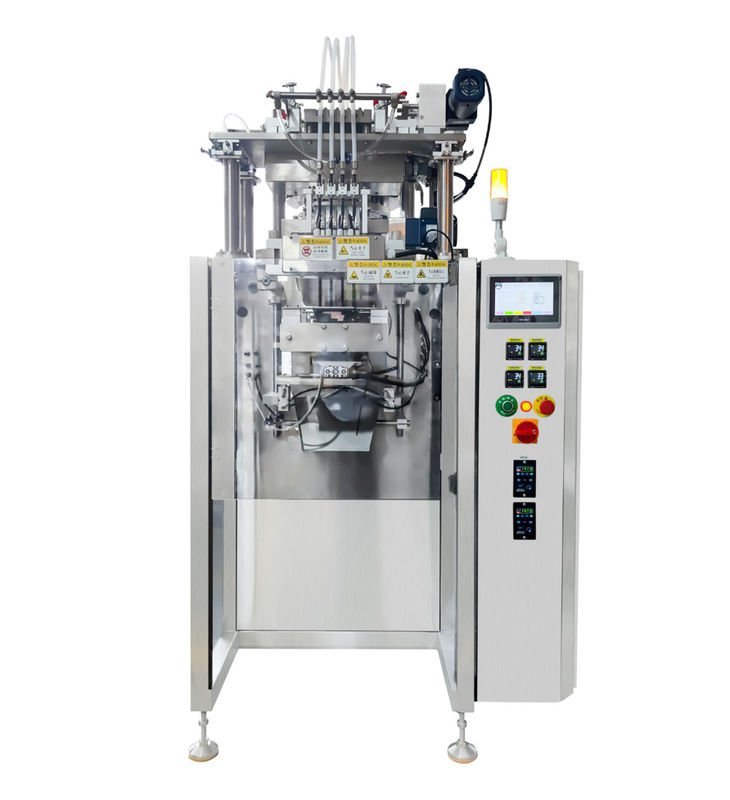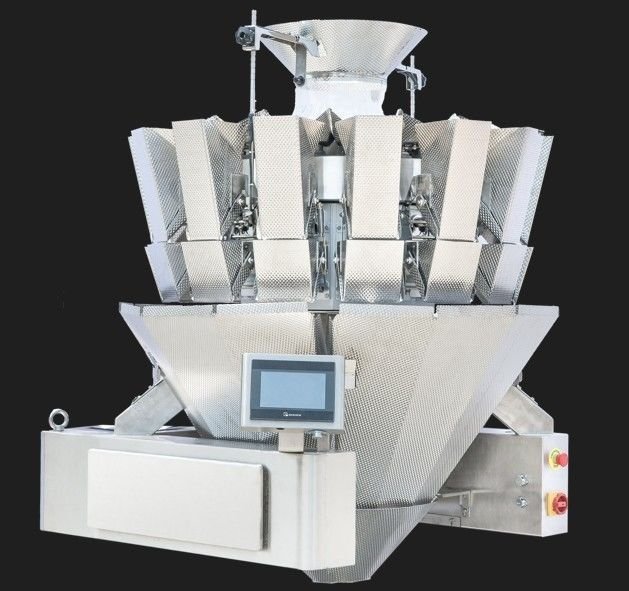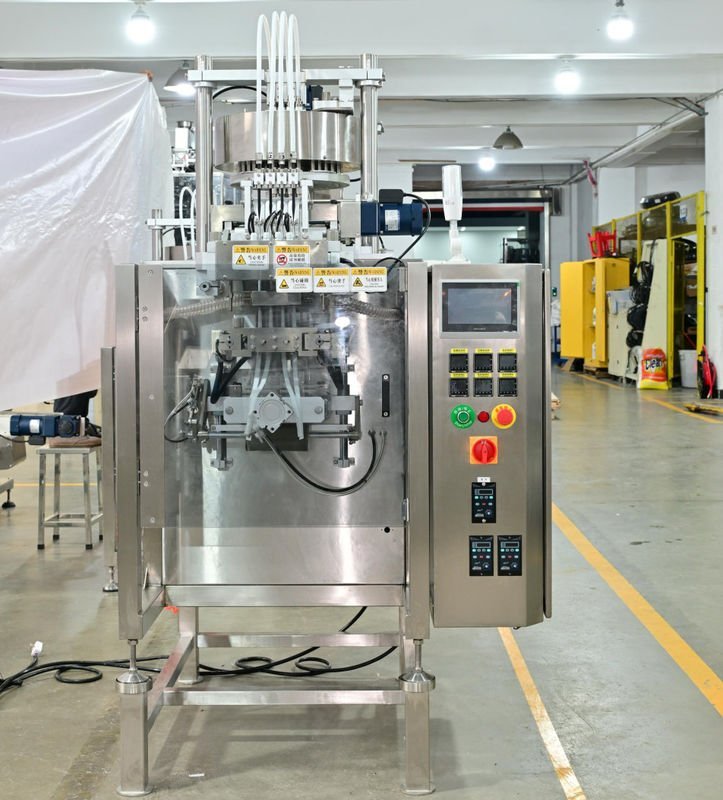
In the competitive and highly regulated sectors of food and pharmaceuticals, packaging is far more than just a final step in production. It is a critical component that ensures product integrity, safety, shelf life, and consumer appeal. For businesses operating in these industries, the choice of packaging machinery is a strategic decision that directly impacts efficiency, compliance, and profitability. Automated solutions for sachets, stick packs, and bag lines represent the pinnacle of modern packaging technology, offering unparalleled speed, precision, and hygiene.
The Imperative for Automation in Food and Pharma Packaging
The transition from manual or semi-automated processes to fully automated packaging lines is no longer a luxury but a necessity. Consumer demand for convenience, coupled with stringent global safety standards, requires packaging that is consistent, tamper-evident, and produced in contaminant-controlled environments. Automated machinery minimizes human intervention, drastically reducing the risk of product contamination—a non-negotiable priority in pharmaceutical and food safety. Furthermore, automation delivers the high-volume output necessary to meet market demands while maintaining meticulous accuracy in dosing and sealing, which is essential for portion control and regulatory compliance.
Key Driver: In sectors where a single packaging error can lead to costly recalls or compromised patient safety, the reliability and precision of automated systems are invaluable investments.
Exploring Core Packaging Formats: Sachets, Stick Packs, and Bags
Each packaging format serves distinct market needs and consumer preferences. Understanding their unique advantages is key to selecting the right machinery.
Sachet Packaging Machines
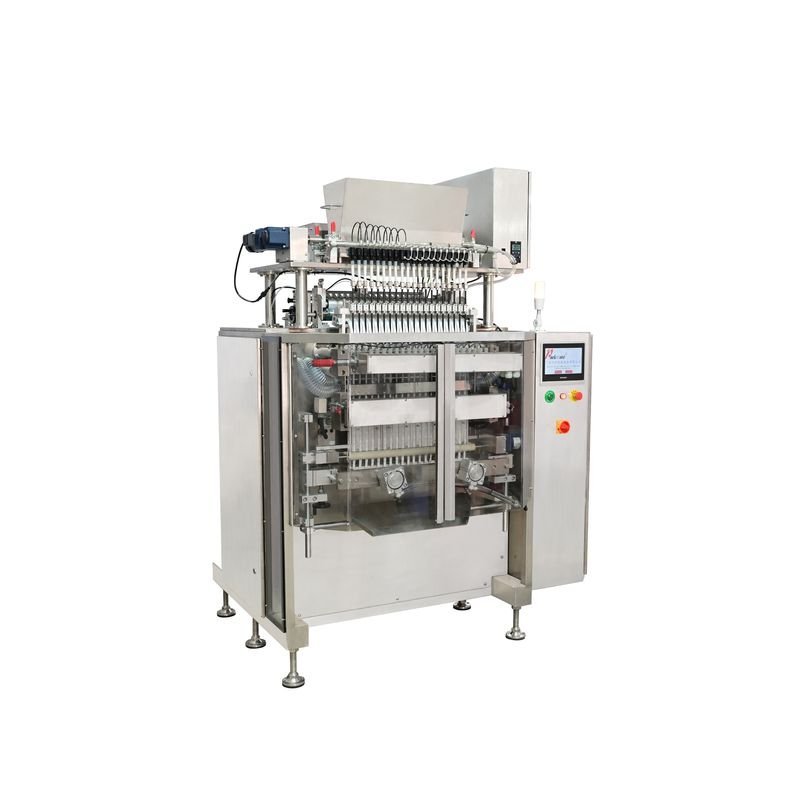
Sachets are incredibly versatile, used for single-serve portions of sauces, condiments, shampoo, pharmaceuticals, and more. Modern sachet packaging machines are designed for high-speed production, often forming, filling, and sealing from roll stock film in a continuous motion. Advanced models feature multi-lane configurations, allowing for simultaneous packaging of several sachets, exponentially increasing output. For the pharmaceutical industry, these machines can be integrated into cleanroom environments and equipped with features for handling sensitive powders or liquids with nitrogen flushing to extend shelf life.
Stick Pack Packaging Machines
Stick packs have revolutionized the delivery of powdered products like instant coffee, protein supplements, electrolytes, and pharmaceutical granules. Their slender, upright shape is not only space-efficient but also user-friendly for tearing and pouring. Automated stick pack lines excel at handling fine powders with high precision, ensuring each stick contains the exact measured dose. This format is particularly popular for on-the-go consumers, making it a strategic choice for brands targeting active lifestyles.
Bag and Pouch Packaging Lines
For larger quantities, stand-up pouches, flat bags, and vacuum bags are the formats of choice. These are common for snacks, grains, frozen foods, and medical device kits. Automated bag packaging machinery ranges from vertical form-fill-seal (VFFS) machines to pre-made pouch fillers. Sophisticated lines integrate weighing systems, bag makers, fillers, sealers, and coders into a seamless workflow. Features like zipper application, degassing valves for coffee, or child-resistant closures for pharmaceuticals can be incorporated, adding significant value to the final product.
📈 Operational Benefits at a Glance:
- Enhanced Productivity: Multi-lane and rotary designs achieve outputs of hundreds of packs per minute.
- Superior Accuracy: Servo-driven auger or pump fillers guarantee dosing precision within ±1%.
- Material Efficiency: Precise film control reduces waste, lowering material costs.
- Flexibility: Quick changeover systems allow production of different pack sizes and materials with minimal downtime.
- Data Integration: IoT-enabled machines provide real-time production data for OEE monitoring and predictive maintenance.
Building a Complete Turnkey Packaging Solution
Investing in a single machine is often just the beginning. The greatest operational gains come from integrating individual units into a cohesive, end-to-end packaging line. A turnkey solution encompasses everything from the upstream handling of raw product to the downstream case packing.
This includes auxiliary equipment such as automated weighing systems, elevators, mixers, and checkweighers, all synchronized for optimal flow. For pharmaceutical applications, this may also include integrated vision inspection systems to check for fill level, label presence, or seal integrity. Partnering with a manufacturer capable of delivering and supporting the entire line ensures compatibility between components, simplifies training, and provides a single point of accountability for service and parts.
Partnering with an Experienced Manufacturer: The Packmate Advantage
Selecting the right equipment partner is as crucial as selecting the machinery itself. With over two decades of specialization, Packmate (GuangDong) Co., Ltd. has built its reputation on deep industry knowledge and engineering excellence. Operating from a modern 20,000㎡ facility in the heart of China’s manufacturing hub, the company embodies the precision and innovation required for today’s global market.
Their journey, from a focused workshop to a comprehensive solutions provider, mirrors the evolution of the industry’s needs. This experience translates into machines that are not only robust and reliable but also designed with the operator in mind. From initial consultation and factory layout planning to installation, training, and ongoing technical support, a partner like Packmate transforms a capital equipment purchase into a long-term strategic asset for growth.
Frequently Asked Questions (FAQ)
1. What are the key factors to consider when choosing between a sachet and a stick pack machine?
The primary factors are your product format (powder, granule, liquid), target fill volume, and consumer usage. Stick packs are ideal for free-flowing powders designed for direct pouring or mixing. Sachets offer more shape versatility and are better suited for viscous liquids, creams, or smaller volumes of powder. Production speed requirements and the available floor space for the machine footprint also play a critical role in the decision.
2. How can automated packaging lines help my business comply with FDA or EU regulations?
Modern automated lines are constructed with hygiene-first designs using stainless steel and smooth surfaces that are easy to clean and disinfect. They can be equipped with HEPA-filtered air showers, enclosed stainless steel frames, and CIP (Clean-in-Place) systems. Most importantly, automation provides a documented, consistent process with traceability features (like lot coding), which is a fundamental requirement for regulatory audits in both food and pharmaceutical sectors.
3. What is the typical ROI period for investing in a full automated packaging line?
The return on investment depends on several variables: current labor costs, production volume, scrap/waste rates, and the cost of downtime. Typically, businesses see an ROI within 12 to 24 months through dramatic increases in output, reduction in labor costs, lower material waste, and decreased losses from errors or contamination. A detailed feasibility study from your machinery supplier can model this based on your specific operational data.
4. Can one machine handle different types of packaging materials?
Yes, high-quality machines are built for flexibility. They can typically handle a range of laminated films (e.g., PET/AL/PE, PET/PE), paper composites, and biodegradable materials. However, switching between materially different films (e.g., from a high-barrier laminate to a breathable paper) may require adjustments to sealing temperature, pressure, and timing. Machines with servo-driven, digitally controlled sealing jaws and easy-change film reel systems minimize this changeover time.
5. What kind of after-sales support should I expect from a reliable manufacturer?
Comprehensive support is essential. Expect a package that includes detailed installation supervision and operator training, either at their facility or yours. A reliable manufacturer will provide clear documentation, readily available spare parts, and access to remote technical support via phone or video. Look for partners who offer service contracts and have a network of technicians, ensuring prompt on-site assistance if needed to minimize production interruptions.