In the dynamic world of manufacturing and product distribution, the final presentation and protection of goods are paramount. A film packaging machine is the cornerstone of this process, automating the sealing of products within flexible plastic films to ensure freshness, safety, and shelf appeal. This guide delves into the core aspects of these machines, exploring their various types, wide-ranging applications, and providing a structured framework for selecting the ideal solution for your business needs.

Understanding Film Packaging Machinery
At its essence, a film packaging machine is an automated system designed to wrap products in a protective layer of plastic film. This process typically involves feeding the product, forming a pouch or sleeve from a roll of film, sealing it with heat or pressure, and then cutting it to create individual packages. The primary goals are to extend product shelf life, prevent contamination, provide tamper evidence, and create a uniform, professional appearance that enhances brand perception on retail shelves.
Key Advantages of Automation
Transitioning from manual to automated film packaging offers transformative benefits:
Increased Productivity: Machines operate at consistent, high speeds, significantly outpacing manual wrapping and reducing labor costs.
Enhanced Consistency & Quality: Every package is identical, with precise seal integrity and a neat finish, eliminating human error.
Material Efficiency: Advanced systems minimize film waste by optimizing cut lengths and seal patterns, contributing to cost savings and sustainability.
Improved Hygiene: For sectors like food and pharmaceuticals, automated, enclosed processes reduce direct human contact, maintaining higher hygiene standards.
Primary Types of Film Packaging Machines
The market offers a diverse range of machines, each suited to specific product forms, volumes, and packaging styles. Understanding these categories is the first step in making an informed choice.
1. Vertical Form-Fill-Seal (VFFS) Machines
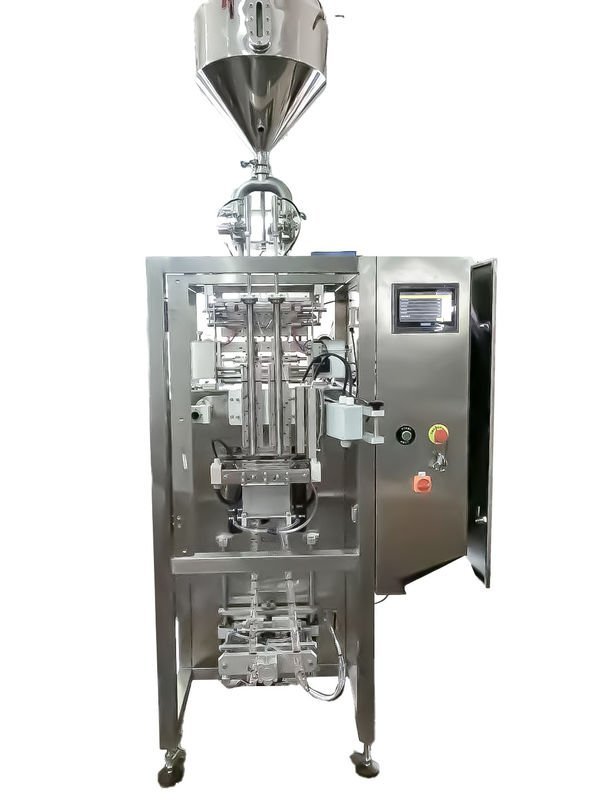
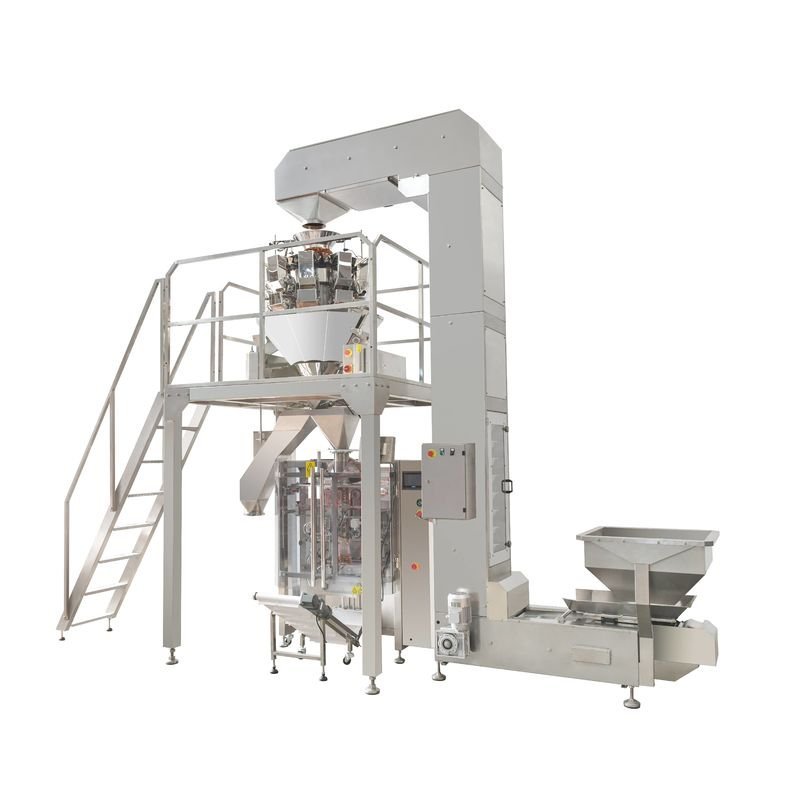
These are among the most common and versatile machines. A VFFS machine forms a tube from a flat roll of film vertically. The product is dropped into this tube, after which the machine makes the horizontal seal (creating the bottom of one bag and the top of the next) and a vertical back seal. They are ideal for free-flowing products like snacks, granules, powders, and liquids. For granular items, they are often paired with sophisticated weighing and packaging systems to ensure accurate fills.
2. Horizontal Form-Fill-Seal (HFFS) Machines
In an HFFS machine, the film is formed horizontally. It is particularly well-suited for wrapping solid, individual items or arranging multiple items into a tray (like biscuits or chocolate bars) before applying the top film. This method is excellent for creating eye-catching display packs and providing robust protection for non-free-flowing products.
3. Flow Wrappers
Also known as fin-seal wrappers, these machines encase products in a loose, pillow-style pouch. The product is fed into the machine, and the film wraps around it, with the seal running along the top and bottom (the “fin”). This is a high-speed solution perfect for individually wrapping items like candy bars, bakery products, or magazines. Their speed and efficiency make them a staple in high-volume production lines.
4. Shrink Wrapping Machines
This process involves placing a product or a bundle of products into a loose bag or sleeve of film. The package then passes through a heat tunnel (shrink tunnel), causing the film to contract tightly around the contours of the product. It’s widely used for multi-packs, bundling, and providing tamper-evident security for CDs, software, and other boxed goods. Shrink wrapping offers excellent stability and a sleek, tight finish.
Specialized Solutions for Niche Markets
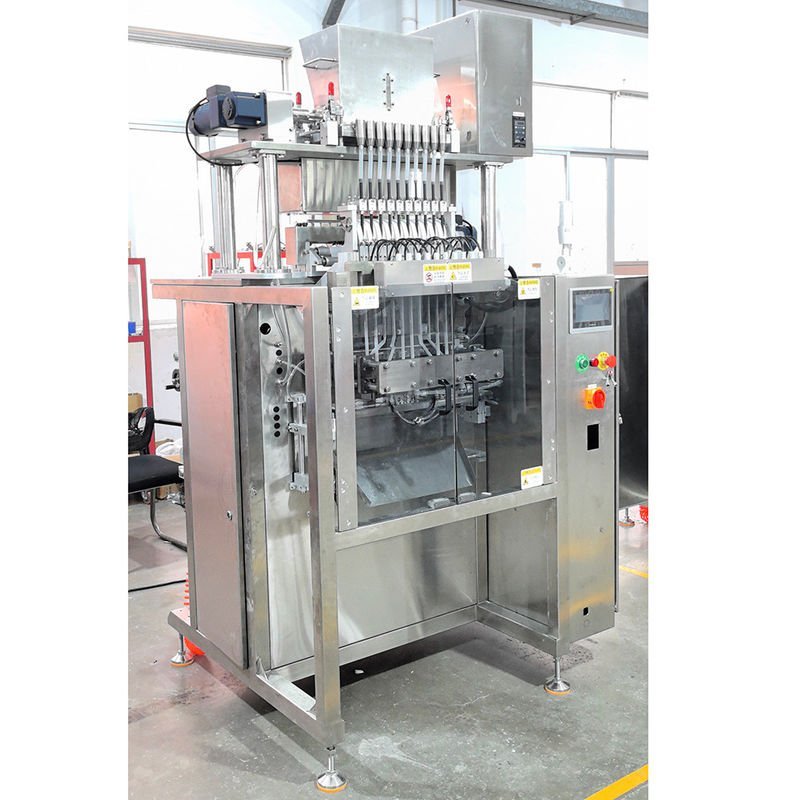
Beyond these core types, specialized machines cater to specific industry needs. For instance, the demand for single-serve convenience has driven innovation in sachet and stick pack machines, which are essentially miniaturized, high-precision form-fill-seal systems for powders, liquids, and gels. Similarly, industries like smokeless tobacco require dedicated snus and nicotine packaging machines that handle unique pouch materials and portioning requirements with extreme accuracy.
Core Applications Across Industries
The application of film packaging machines is virtually universal in modern manufacturing. Here’s a look at how they serve key sectors:
Food & Beverage
This is the largest application sector. Machines package everything from snacks, pasta, and coffee to frozen vegetables and cheese slices. The focus is on preserving freshness, preventing oxidation, and providing clear, attractive labeling. Modified Atmosphere Packaging (MAP), often integrated with these machines, replaces air inside the package with a gas mix to further extend shelf life.
Pharmaceutical & Healthcare
Here, precision and hygiene are non-negotiable. Machines package tablets, capsules, medical devices, and sterile products. Features like clean-design construction, easy sterilization, and validation support are critical. The packaging must ensure product integrity and often include tamper-evident features.
Consumer Goods
From hardware items and stationery to toys and textiles, film packaging provides cost-effective protection from dust, moisture, and damage during shipping and storage. It also allows for clear product visibility and hanging displays.
Industrial & Agricultural
Chemicals, fertilizers, seeds, and hardware components are often packaged in durable films. These machines need to handle heavier, sometimes abrasive materials and create strong, reliable seals for safety during transport.
How to Choose the Right Film Packaging Solution
Selecting the correct machine is a strategic investment. A misstep can lead to production bottlenecks, excessive waste, or compromised product quality. Follow this decision-making framework:
Step 1: Analyze Your Product
Product Characteristics: Is it free-flowing (powder, granules), solid, liquid, or fragile? This directly determines the machine type (e.g., VFFS for granules, HFFS for bars).
Packaging Specifications: Define the required bag/pouch size, shape, film material (e.g., PET, PE, laminates), and any special features like zippers, spouts, or tear notches.
Step 2: Evaluate Production Requirements
Output Speed (Packages Per Minute): Match the machine’s capacity to your current and projected future volumes. Don’t overpay for unused speed, but allow for growth.
Line Integration: Will the machine work standalone, or does it need to integrate with existing filling and packaging lines, conveyors, checkweighers, or labelers? Compatibility is key.
Step 3: Consider Operational & Commercial Factors
Footprint & Utilities: Ensure you have the floor space and necessary power/compressed air connections.
Ease of Use & Changeover: Look for user-friendly PLC controls and quick-change parts for different package sizes to minimize downtime.
Supplier Reliability & Support: This is crucial. Choose a manufacturer with a proven track record, like Packmate Machinery, which offers extensive experience and global support. Review their case studies to see real-world applications.
Total Cost of Ownership (TCO): Look beyond the purchase price. Factor in maintenance costs, energy consumption, film waste rates, and the availability of spare parts.
Step 4: Future-Proofing Your Investment
Consider modularity and scalability. Can the machine be upgraded later? Does the supplier offer ongoing training and technical support? Investing in a flexible system from a partner committed to innovation protects your investment in the long run.
Frequently Asked Questions (FAQs)
1. What is the main difference between VFFS and HFFS machines?
The core difference is the orientation of package formation. Vertical Form-Fill-Seal (VFFS) machines create bags vertically and are best for free-flowing products like chips or coffee that can be poured. Horizontal Form-Fill-Seal (HFFS) machines form packages horizontally and are ideal for solid, stacked, or trayed items like candy bars or frozen meals.
2. How do I determine the right packaging speed for my business?
Calculate your current average daily output and peak demands. Choose a machine that can comfortably handle your peak requirements with about 15-20% extra capacity for future growth. Avoid selecting a machine that must run at 100% capacity continuously, as this increases wear and reduces flexibility.
3. What type of film material should I use?
The film depends on your product’s needs. Common types include Polyethylene (PE) for good sealability and flexibility, Polypropylene (PP) for clarity and stiffness, and metallized or laminated films for superior barrier properties against moisture and oxygen (critical for food and pharmaceuticals). Your machine supplier can recommend compatible materials.
4. How important is after-sales service when buying a packaging machine?
Extremely important. Even the most reliable machines require maintenance, spare parts, and occasional troubleshooting. A supplier with a strong global service network, readily available parts, and responsive technical support (like the team behind Packmate Machinery) minimizes costly downtime and ensures your production line remains operational.
5. Can one machine handle multiple different package sizes?
Yes, most modern machines are designed for quick changeover. The ease and speed of this process vary by model. Look for machines with digital size adjustment, quick-release seal jaws, and pre-set recipes in the control panel to switch between products in minutes rather than hours, maximizing your line’s flexibility.