In the fast-paced world of food manufacturing, efficiency, hygiene, and presentation are paramount. For producers of sauces, condiments, dressings, and similar liquid or viscous products, the final step—packaging—is where these factors converge. A reliable sauce packaging machine is not just a piece of equipment; it’s the cornerstone of a profitable production line, ensuring product integrity, minimizing waste, and delivering a consistent, market-ready package. This guide delves into the world of sauce packaging machinery, exploring the various types, their working processes, and providing a clear framework for selecting the best solution for your specific needs.
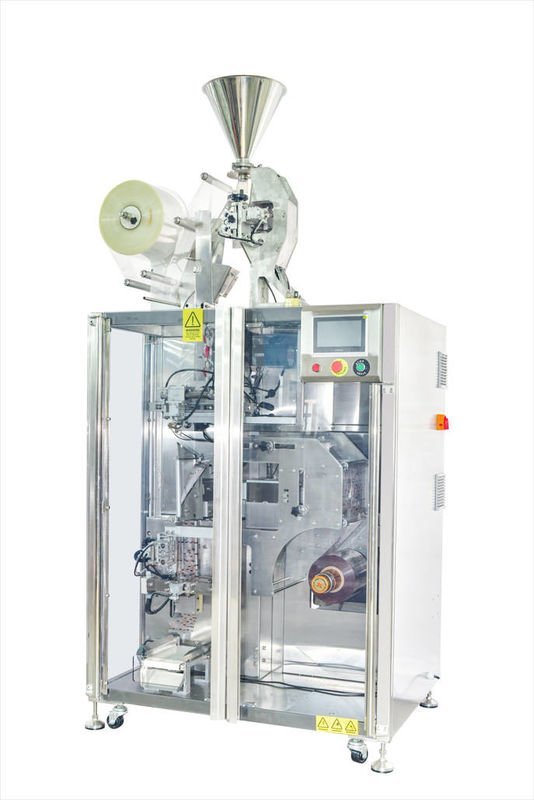
Understanding the Core Types of Sauce Packaging Machines
The choice of packaging machine is heavily influenced by the desired final package format. Each format serves different market segments and consumer preferences.
1. Pouch & Sachet Packaging Machines
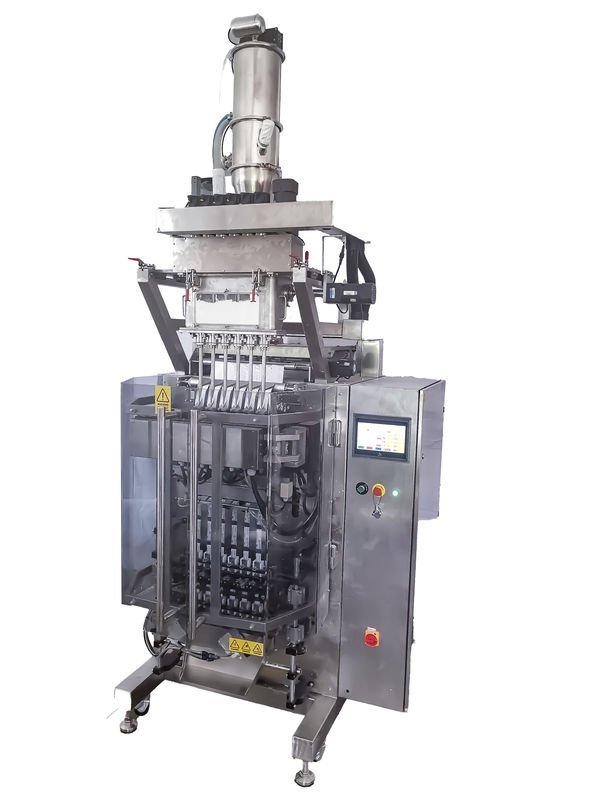
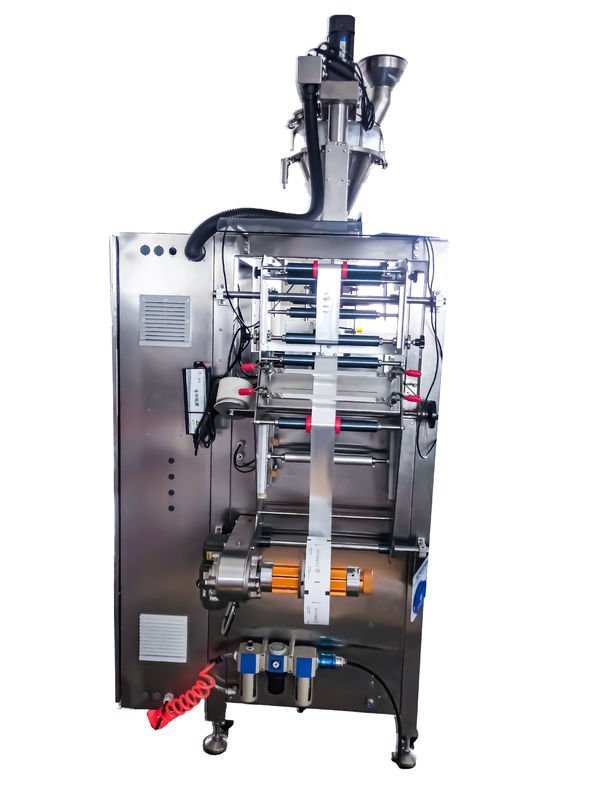
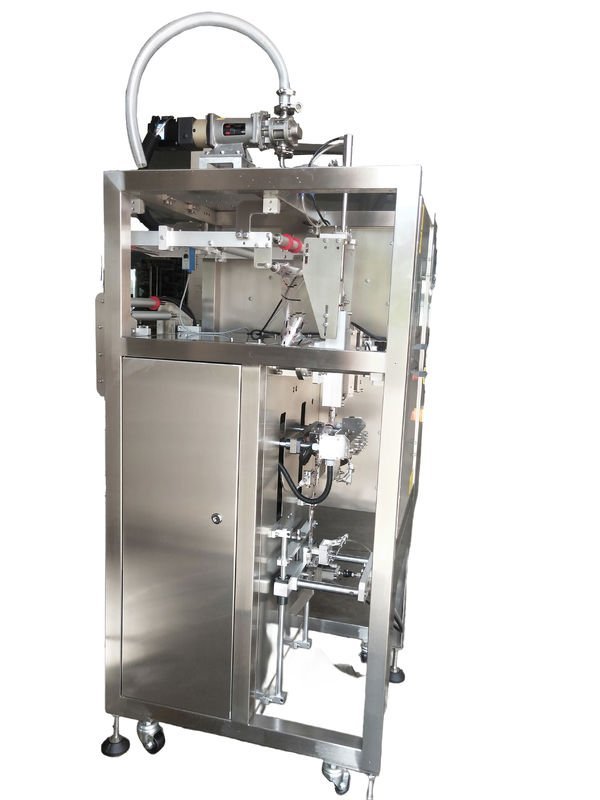
These machines are ideal for single-serve portions, samples, or retail-sized packets of sauce. They create the package from a roll of film, forming, filling, and sealing it in one continuous process. This method is highly efficient for high-volume production of items like ketchup, soy sauce, or salad dressing packets. Machines range from single-lane units for lower output to sophisticated multi-lane sachet and stick pack machines that dramatically increase production speed.
2. Bottle & Jar Filling Machines
This is the most common format for retail consumer sauces. Filling machines for bottles and jars can handle a wide range of viscosities, from thin vinegar to thick mayonnaise or chunky salsa. Technologies include:
- Gravity Fillers: Simple and effective for free-flowing liquids.
- Piston Fillers: Highly accurate for viscous, semi-solid, or particulate-laden products. They use a cylinder and piston to draw and dispense a precise volume.
- Pump Fillers: Versatile systems that use rotary pumps, lobe pumps, or peristaltic pumps to move product from a bulk tank to the container.
These are often part of a complete filling and packaging line that includes capping, labeling, and case packing.
3. Bag-in-Box (Dispenser) Packaging Systems
Primarily used for foodservice and industrial-sized portions (e.g., for restaurants, cafeterias, or as a refill for condiment pumps). The system fills a sterile, flexible plastic bag which is then placed inside a corrugated cardboard box. A tap is fitted for easy dispensing. This format maximizes shelf life by minimizing headspace air and is very space-efficient for storage and shipping.
4. Stick Pack Machines
A subset of pouch packaging, stick packs are long, narrow, and stand upright. They are becoming increasingly popular for premium sauces, dressings, and liquid flavor enhancers due to their sleek, modern appearance and ease of use (often just tear and squeeze). They require specialized stick pack machinery designed for their unique form factor.
The Working Process: From Film to Finished Package
While the specifics vary by machine type, the fundamental process for automated sauce packaging (particularly for pouches and stick packs) follows a consistent sequence:
Step 1: Film Unwinding & Forming
A roll of packaging film (often a multi-layer laminate for barrier properties) is fed into the machine. The film passes through a forming collar, which shapes it into a tube.
Step 2: Vertical Sealing
The longitudinal seal is created, turning the flat film into a continuous tube.
Step 3: Product Filling
The sauce is pumped or dosed into the formed tube at a precise, pre-set volume. For piston fillers integrated into pouch machines, this step is exceptionally accurate, crucial for cost control and regulatory compliance.
Step 4: Horizontal Sealing & Cutting
Heated jaws close to create the top seal of the current pouch and the bottom seal of the next one simultaneously. A cutting mechanism then separates the individual packages.
Step 5: Discharge & Collection
The finished pouches or stick packs are discharged, often counted and grouped, ready for cartoning or bulk packing. For bottle lines, this process involves conveying the filled and sealed containers to auxiliary packaging equipment like labelers and case packers.
How to Choose the Best Sauce Packaging Solution
Selecting the right machine is a strategic investment. Here are the key factors to consider:
1. Product Characteristics
The nature of your sauce dictates the technology. Consider its viscosity (thin, thick, paste-like), particulate content (chunks of herbs, spices, vegetables), acidity, and required filling temperature. A chunky salsa needs a piston filler with special valves, while a clear oil can use a simpler gravity system.
2. Desired Package Format & Material
Define your market: single-serve sachets for fast food, retail bottles, or foodservice bag-in-box? The format determines the machine category. Also, consider the packaging material (film type, bottle shape) and ensure the machine is compatible.
3. Production Speed & Output Requirements
Calculate your current and projected future output in packages per minute (PPM) or per hour. A small business may start with a single-lane machine, while a large contract manufacturer will need a high-speed, multi-lane bag packaging machine. Always plan for some growth capacity.
4. Level of Automation
Options range from semi-automatic machines (requiring an operator to place bottles) to fully automatic lines integrated with upstream and downstream equipment. Higher automation reduces labor costs and increases consistency but requires a larger initial investment.
5. Hygiene, Cleanability, and Compliance
Food-grade construction (stainless steel contact parts) is non-negotiable. Machines should be designed for easy disassembly and cleaning (CIP – Clean-in-Place capabilities are a premium feature). Ensure the machine and its processes can help you meet relevant food safety standards (FDA, EU regulations, etc.).
6. Manufacturer Reputation and Support
This is perhaps the most critical long-term factor. Choose a manufacturer with a proven track record in food packaging, like Packmate Machinery, which brings over two decades of experience. Evaluate their after-sales service, availability of spare parts, technical support, and training. A reliable partner ensures your machine remains an asset, not a liability.
Frequently Asked Questions (FAQ)
Q1: What is the typical accuracy of a sauce piston filler?
Modern servo-driven piston fillers offer excellent accuracy, typically within ±0.5% to ±1.0% of the target fill volume, depending on the product’s viscosity and consistency.
Q2: Can one machine handle different sauce viscosities?
Some machines, particularly piston fillers with interchangeable cylinders and seals, are quite versatile. However, switching between extremely different products (e.g., water-thin vs. thick paste) may require significant changeover time and part adjustments. It’s best to discuss your specific product range with the machine supplier.
Q3: How do I ensure the packaging is airtight and leak-proof?
Leak-proof seals depend on three factors: correct sealing parameters (temperature, pressure, dwell time), high-quality packaging film with compatible sealing layers, and a well-maintained machine with clean, undamaged sealing jaws. Proper validation during setup is crucial.
Q4: What maintenance does a sauce packaging machine require?
Daily cleaning is essential. Regular maintenance includes lubricating moving parts, checking seals and gaskets for wear, calibrating the filling system, and inspecting electrical components. Following the manufacturer’s preventive maintenance schedule is key to longevity.
Q5: Where can I see examples of these machines in operation?
Reputable manufacturers often provide video case studies or have demonstration facilities. Attending industry trade shows is also an excellent way to see a wide range of equipment in action and speak directly with engineers.