The seafood industry thrives on freshness, quality, and efficiency. From the moment fish is caught to the point it reaches the consumer’s table, packaging plays a pivotal role in preserving flavor, texture, and safety. Selecting the right fish packaging machine is not just an operational decision; it’s a strategic investment in your product’s marketability and your business’s bottom line. This guide will navigate you through the critical factors for choosing the best automatic solution, whether you’re processing fresh fillets, frozen blocks, or a wide array of seafood products.
Understanding Your Seafood Packaging Needs
Before diving into machine specifications, a thorough assessment of your specific requirements is essential. The optimal machine for a processor specializing in fresh salmon portions will differ vastly from one needed for IQF (Individually Quick Frozen) shrimp or canned tuna.
Key Considerations:
Product Type: Is it fresh, frozen, smoked, or cooked? Delicate fresh fillets require gentle handling, while frozen products need robust systems that can operate in low-temperature environments.
Packaging Format: Do you need vacuum skin packaging (VSP) for premium presentation, modified atmosphere packaging (MAP) to extend shelf life, simple flow-wrapping, or rigid tray sealing?
Production Volume & Speed: What are your hourly, daily, or seasonal output targets? This determines whether you need a semi-automatic unit or a fully integrated high-speed packaging line.
Budget & ROI: Consider the total cost of ownership, including purchase price, maintenance, operational costs, and the expected return through reduced waste, labor savings, and improved product quality.
Core Technologies in Fish Packaging
Modern fish packaging machines leverage advanced technologies to meet diverse needs. Understanding these will help you specify the right equipment.
Vacuum Packaging Machines
By removing air from the package, vacuum packaging significantly slows down spoilage caused by aerobic bacteria and oxidation. It’s ideal for fresh and frozen fish, creating a tight, protective barrier. Look for machines with precise vacuum control to prevent crushing delicate products.
Modified Atmosphere Packaging (MAP) Machines
MAP replaces the air inside the package with a protective gas mix (usually CO2, N2, and O2). This technology is excellent for extending the shelf life of fresh fish products in retail displays, maintaining color and freshness far longer than traditional packaging.
Automatic Weighing & Filling Systems
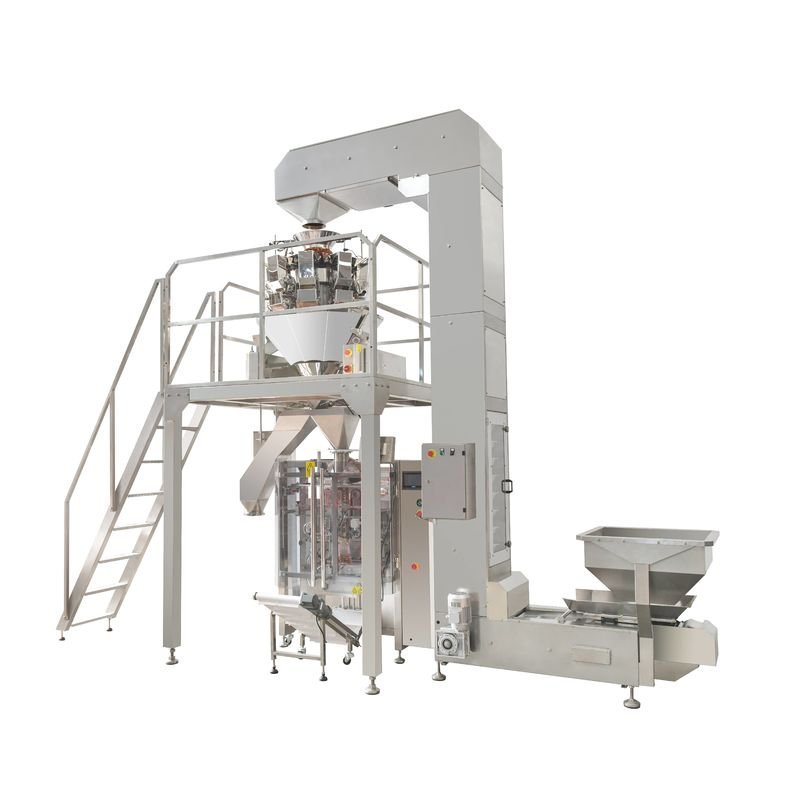
Accuracy is paramount, especially for value-based sales. Integrated weighing systems ensure each package contains the exact weight of product, minimizing giveaway and ensuring regulatory compliance. These systems often combine multi-head weighers with fast, precise filling mechanisms.
Vertical and Horizontal Flow Wrappers
For individually wrapped frozen fish sticks, fillets, or portions, flow wrappers are the go-to solution. They form the film around the product and create secure seals. Horizontal flow wrappers are common for frozen blocks, while vertical machines might be used for smaller items.
Choosing the Best Machine for Fresh Fish Processing
Fresh fish is highly perishable. The packaging process must be swift, hygienic, and gentle to preserve quality.
Priority Features:
- Hygienic Design: Machines should have smooth, easy-to-clean surfaces, preferably with stainless steel construction in product contact zones to prevent bacterial growth.
- Gentle Product Handling: Look for soft-touch conveyors, gentle pushers, and precision placement to avoid bruising or damaging delicate fillets.
- Speed & Efficiency: To lock in freshness, the time between processing and packaging must be minimized. High-speed tray sealers or bagging machines are crucial for large volumes.
- Gas Flush Precision (for MAP): For fresh retail packs, a machine that accurately controls the gas mixture and flush time is essential to achieve the promised shelf-life extension.
Choosing the Best Machine for Frozen Seafood Processing
Frozen processing focuses on durability, speed, and the ability to operate in cold environments.
Priority Features:
- Cold-Room Compatibility: Motors, drives, and electrical components must be rated to perform reliably in sub-zero temperatures without condensation issues.
- Robust Construction: Equipment must withstand the rigors of handling hard-frozen products and potential ice buildup.
- High-Speed Capability: Frozen lines often run at very high speeds to maximize throughput. Reliable, low-maintenance mechanics are key.
- Effective Seal Integrity: Seals must be strong and consistent, even when sealing through potential frost or ice crystals on the packaging film.
The Packmate Advantage in Seafood Packaging
With over two decades of engineering expertise, Packmate Machinery understands the unique challenges of food packaging. Our solutions are built on a foundation of:
Reliability: Machines designed for 24/7 operation in demanding environments, ensuring your production line never falters.
Flexibility: Modular designs that allow you to adapt to different product sizes, packaging types, and future expansion needs.
Hygiene-First Design: Prioritizing easy cleaning and maintenance to meet the highest food safety standards, crucial for both fresh and frozen sectors.
From compact sachet machines for portion-controlled sauces to complete turnkey lines for bulk frozen seafood, our focus is on providing a solution that enhances your productivity and protects your product.
Integration and Future-Proofing Your Investment
An automatic packaging machine rarely works in isolation. It’s part of a larger system.
Upstream Integration: Ensure the machine can seamlessly receive product from your graders, slicers, or freezers. Consistent product presentation is vital for automated feeding.
Downstream Integration: The packaged product must be efficiently handled for cartoning, case packing, and palletizing. Consider the footprint and output compatibility.
Smart Features & Industry 4.0: Modern machines offer connectivity for data collection (OEE, output counts, downtime reasons), remote monitoring, and predictive maintenance alerts. These features help optimize operations and plan maintenance, reducing unexpected stoppages.
Conclusion: Sealing in Quality and Profit
Choosing the best fish packaging machine is a multifaceted decision that balances technical specifications with operational and business goals. By meticulously defining your needs for product type, volume, and packaging format, and prioritizing features like hygiene, speed, and reliability, you can select an automatic solution that not only packages your seafood but actively contributes to its quality, shelf life, and market appeal. The right machine is a partner in growth, ensuring that every product that leaves your facility is perfectly protected.
Frequently Asked Questions (FAQ)
1. What is the main difference between vacuum packaging and MAP for fresh fish?
Vacuum packaging removes air to create a tight shrink around the product, excellent for preventing freezer burn and compact storage. MAP replaces air with a specific gas mixture to actively slow spoilage and preserve the fresh color and appearance of the fish in retail displays, typically offering a longer shelf life than vacuum packing for fresh products.
2. Can one machine handle both fresh and frozen fish packaging?
Some versatile machines can be configured for both, but critical adjustments are needed. For frozen processing, the machine must be built with cold-grade components and often requires different sealing parameters. It’s more common to have dedicated lines or significantly reconfigure settings when switching between fresh and frozen due to the differing temperature and product handling requirements.
3. How important is the weighing accuracy in a fish packaging line?
Extremely important. Overfilling (giveaway) directly cuts into your profits, while underfilling can lead to regulatory non-compliance, customer complaints, and fines. High-precision multi-head weighers are considered essential for any operation packing fish by weight for sale, ensuring cost control and legal compliance.
4. What maintenance is required for an automatic fish packaging machine?
Daily cleaning and sanitization are paramount for food safety. Regular maintenance includes lubricating moving parts (with food-grade lubricants), checking and replacing sealing elements (jaws, bands), inspecting and cleaning sensors, and ensuring cutting blades are sharp. A proactive maintenance schedule based on the manufacturer’s recommendations is crucial to prevent downtime.
5. Where can I see examples of successful fish packaging installations?
Reputable manufacturers often showcase their applications. You can explore real-world case studies and applications on their websites or request references. Attending industry trade shows is also an excellent way to see machines in action and discuss specific needs with engineers.