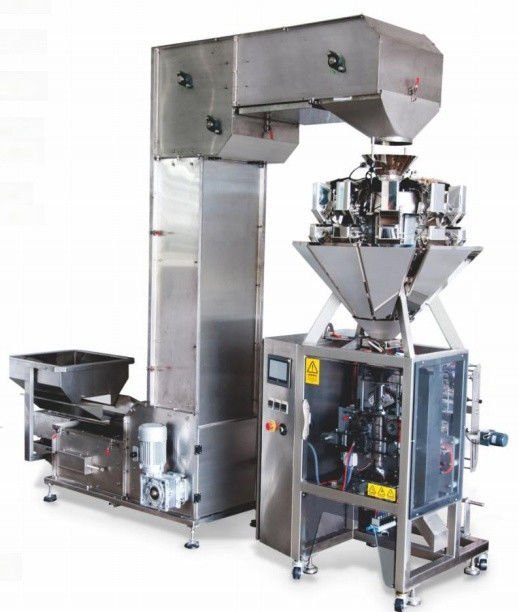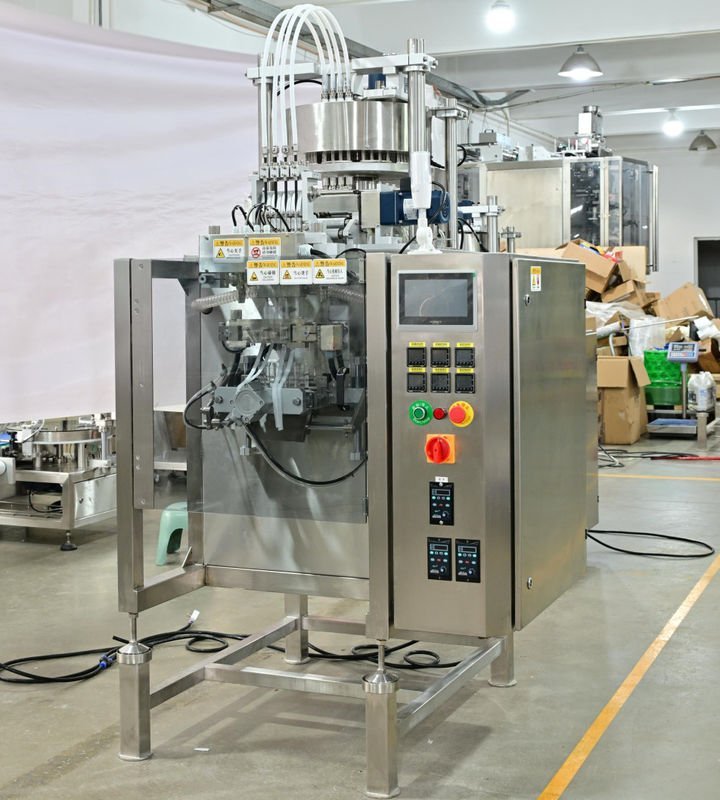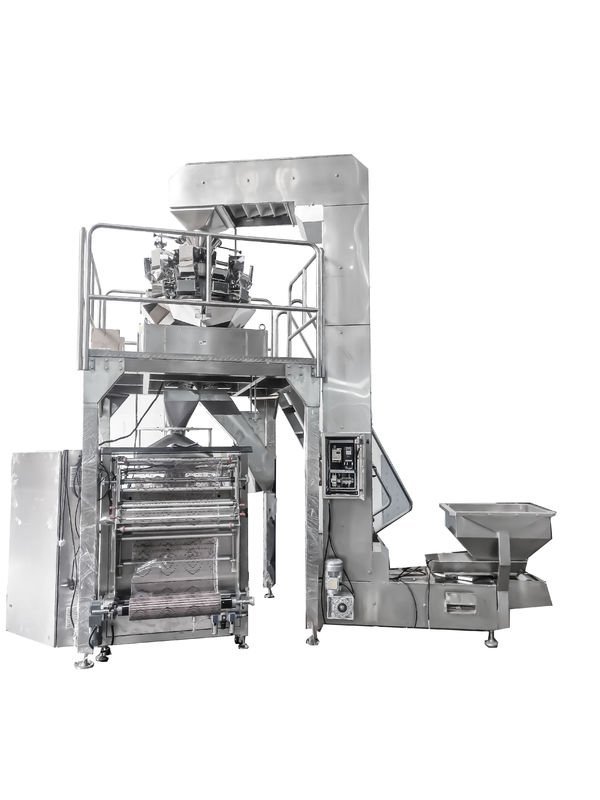
In the fast-paced worlds of food and pharmaceutical manufacturing, efficiency, hygiene, and precision are non-negotiable. The demand for flexible, automated packaging solutions has never been higher, driven by consumer needs, stringent regulatory standards, and the relentless pursuit of operational excellence. Flexible packaging machines stand at the heart of this transformation, offering adaptable, high-speed, and reliable systems that cater to a vast array of product forms—from powders and granules to liquids and pastes.
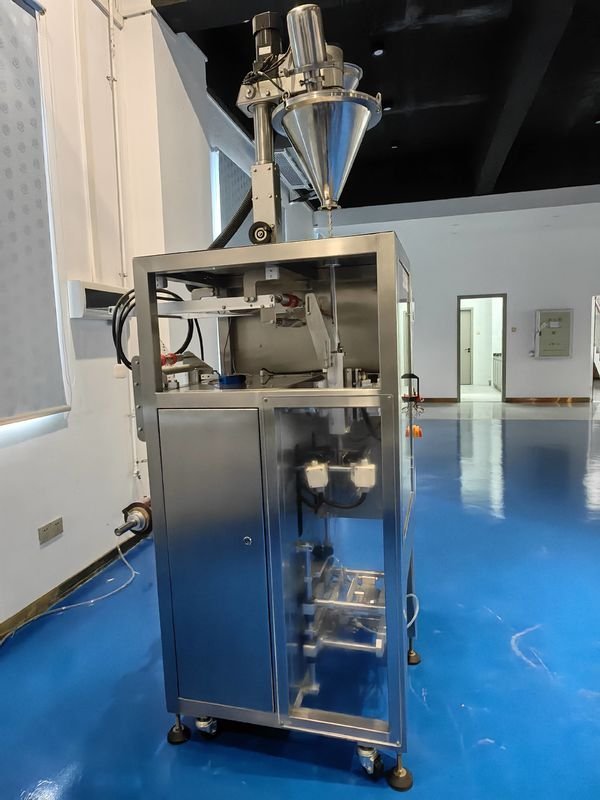
The Critical Role of Automation in Modern Production
Automation is no longer a luxury but a cornerstone of competitive manufacturing. In sectors where product integrity is paramount, such as pharmaceuticals, and where speed-to-market is critical, like food production, automated packaging lines reduce human error, enhance consistency, and significantly boost output. These systems ensure that every sachet, stick pack, or pouch meets exact weight, fill, and seal specifications, batch after batch.
Key Advantage: Automated packaging solutions seamlessly integrate into existing production lines, creating a continuous flow from product formulation to final packaging. This integration minimizes downtime and maximizes overall equipment effectiveness (OEE).
Tailored Solutions for the Food Industry
The food industry presents unique challenges: diverse product consistencies, the need for extended shelf life, and appealing package presentation. Flexible packaging machines for food are engineered to handle everything from seasoning granules and instant coffee powder to viscous sauces and edible oils. Advanced weighing and packaging systems guarantee precise portion control, which is crucial for cost management and consumer satisfaction.
Modern machines often feature quick-changeover capabilities, allowing producers to switch between different package sizes or formats with minimal downtime. This flexibility is vital for manufacturers producing multiple product lines or limited-edition runs. Furthermore, the use of high-barrier films in conjunction with these machines helps preserve freshness and flavor, directly impacting product quality.
Precision and Compliance in Pharmaceutical Packaging
Pharmaceutical packaging operates under a microscope of regulation. Every process must be validated, traceable, and compliant with Good Manufacturing Practices (GMP). Flexible packaging machines for pharmaceuticals are designed with these rigorous standards in mind. They are constructed using materials suitable for cleanroom environments and feature designs that prevent cross-contamination.
Precision dosing is critical, whether for over-the-counter powder supplements or life-saving medicinal granules. Machines offer unparalleled accuracy in filling, often coupled with integrated check-weighing and vision inspection systems to reject any non-conforming packs. This level of control ensures patient safety and protects brand integrity. For specialized products like oral tobacco substitutes, dedicated snus and nicotine packaging machines provide the specific functionality required for this niche market.
Core Technologies Driving Flexibility
Servo-Driven Mechanics: Replacing traditional mechanical drives, servo motors provide precise control over every movement, from film feeding and cutting to filling and sealing. This results in smoother operation, higher accuracy, and quieter performance.
Modular Design: Leading manufacturers build machines on a modular platform. This allows clients to start with a base model and add modules—like extra filling heads, gas flushing for modified atmosphere packaging, or printing verification systems—as needs evolve.
Smart HMI (Human-Machine Interface): Intuitive touchscreen panels allow operators to manage recipes, monitor production data, and diagnose issues quickly. Real-time data collection facilitates predictive maintenance and production analytics.
Choosing the Right Partner for Your Packaging Automation
Investing in a flexible packaging line is a significant decision. The right equipment partner provides more than just a machine; they deliver a comprehensive solution. Key factors to consider include the supplier’s industry experience, their ability to provide after-sales support and spare parts, and their willingness to offer customizations.
A partner with deep application knowledge can advise on the optimal machine type—be it a high-speed sachet and stick pack machine for single-serve products or a robust bag and pouch packaging machine for larger retail sizes. They should also offer thorough factory acceptance testing (FAT) and installation support to ensure a smooth ramp-up to full production.
The Packmate Advantage: A Legacy of Innovation
With over three decades of specialization, Packmate Machinery embodies the evolution of flexible packaging automation. From its beginnings in a small workshop to its current status as a professional manufacturer with a 20,000㎡ facility, the company’s journey is built on solving real-world packaging challenges. This extensive experience translates into reliable, field-proven machines that perform in demanding production environments.
Packmate’s portfolio of over 50 machine models demonstrates a commitment to covering diverse needs. Whether a client requires a standalone machine or a complete filling and packaging line, their focus on quality and innovation ensures that each solution enhances productivity and product protection.
📈 Future Trends: Where Flexible Packaging is Headed
Sustainability Integration: Future machines will be increasingly compatible with recyclable and compostable mono-material films, aiding brands in their sustainability goals without sacrificing performance.
Enhanced Connectivity (Industry 4.0): Packaging machines will become more deeply integrated into the Industrial Internet of Things (IIoT), providing deeper insights for supply chain optimization and enabling remote monitoring and support.
Hyper-Personalization: The ability to efficiently run very small, customized batches will grow, supported by digital printing technologies and agile machines that reduce changeover times to minutes.
The adoption of flexible packaging machine solutions is a strategic move for any food or pharmaceutical producer aiming for growth, compliance, and market responsiveness. By automating this critical stage of production, companies secure not only operational efficiency but also the consistent quality that builds consumer trust. As technology advances, these machines will continue to become smarter, more sustainable, and even more integral to the manufacturing landscape.
Frequently Asked Questions (FAQs)
1. What types of products can be packaged with flexible packaging machines?
These machines are highly versatile and can handle a wide range of dry, moist, and liquid products. Common applications include: granules (coffee, sugar, spices), powders (milk powder, protein supplements, pharmaceuticals), liquids (sauces, oils, shampoos), and pastes (toothpaste, ointments). The specific machine model and filling system are selected based on the product’s characteristics.
2. How important is machine flexibility for a multi-product facility?
It is crucial. Flexibility, often achieved through servo technology and modular design, allows for quick changeovers between different package sizes, shapes, and materials. This minimizes downtime when switching production lines, making it economically viable to produce smaller batches and a wider product portfolio, which is essential for responding to market trends.
3. What should I look for in terms of hygiene and safety features, especially for food or pharmaceuticals?
Key features include: construction with stainless steel and other easy-clean, corrosion-resistant materials; designs with minimal crevices where product can accumulate; compatibility with CIP (Clean-in-Place) or SIP (Sterilize-in-Place) systems; and guarding that meets international safety standards (e.g., CE, UL). For pharmaceuticals, GMP-compliant design with documentation is mandatory.
4. Can these machines handle sustainable or novel packaging materials?
Modern flexible packaging machines are increasingly designed to run a broader range of materials. While traditional multi-layer laminates are common, many machines can be adjusted to handle newer, more sustainable options like mono-material plastics (e.g., PP, PE) that are easier to recycle. It is vital to discuss your specific film material with the machine supplier during the selection process to ensure compatibility with the forming, sealing, and cutting mechanisms.
5. What kind of support can I expect after purchasing a packaging line?
A reputable supplier should offer comprehensive after-sales support. This typically includes: detailed installation and commissioning (either on-site or remote), thorough operator and maintenance training, a readily available inventory of spare parts, access to technical documentation, and ongoing technical support via phone, email, or remote access. Many also offer service contracts for preventive maintenance to ensure long-term machine reliability and uptime.