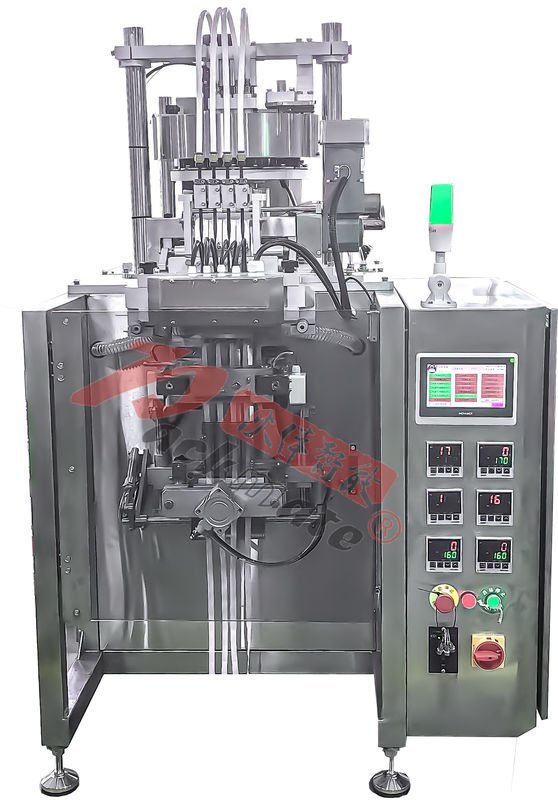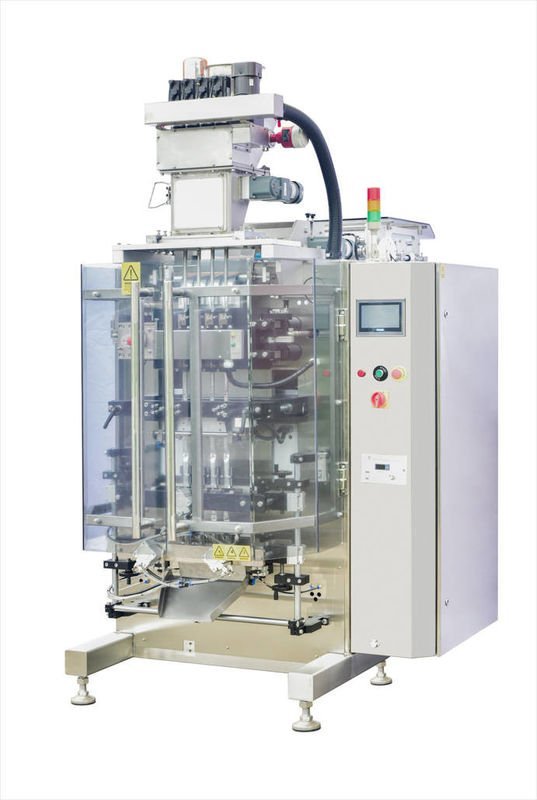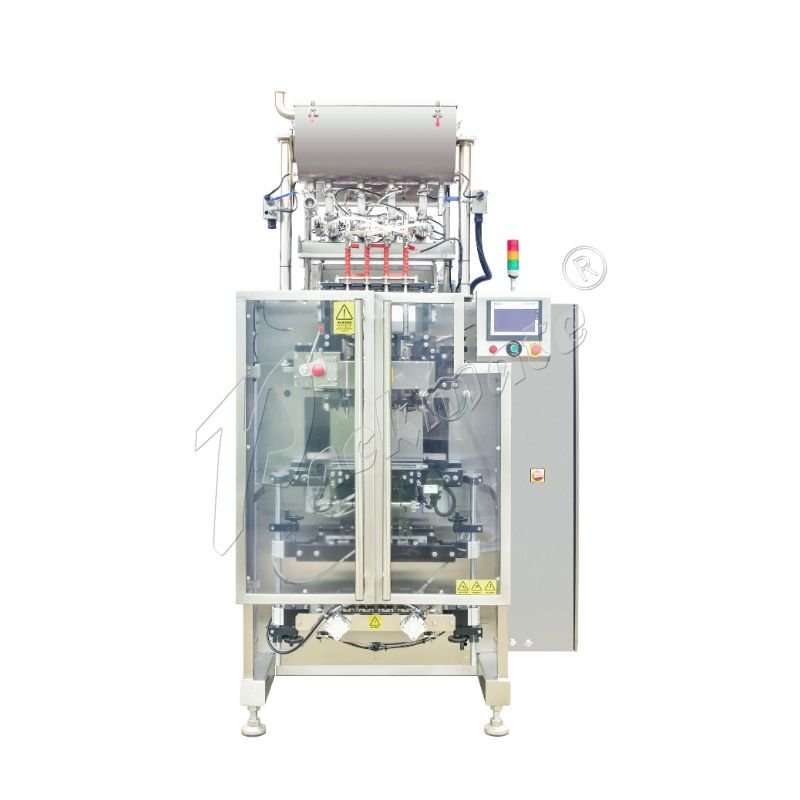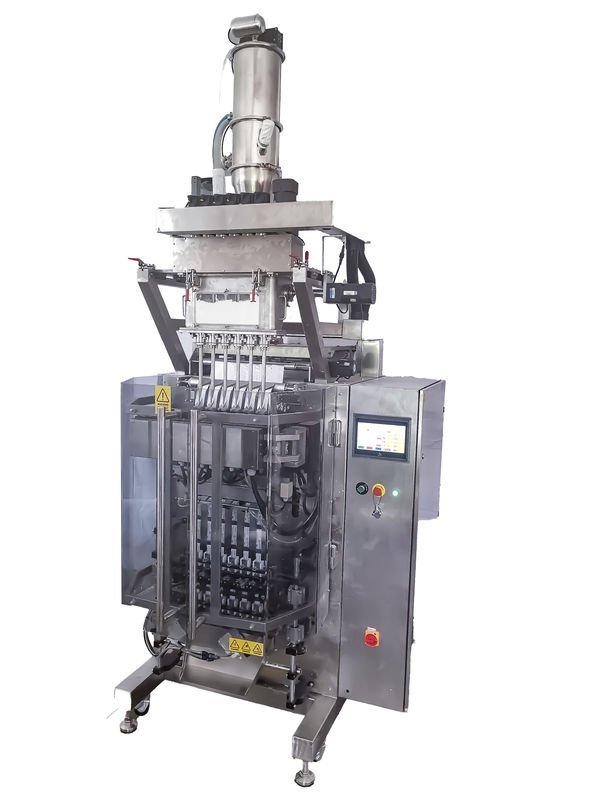
In the dynamic world of logistics and product distribution, ensuring items arrive safely at their destination is paramount. Foam-in-place (FIP) packaging has emerged as a superior method for protective cushioning, and the machine that creates it is the cornerstone of this process. Choosing the right Foam in Place Packaging Machine is not just a purchase; it’s an investment in operational efficiency, cost savings, and customer satisfaction. This guide will navigate you through the critical factors to consider when selecting efficient protective packaging equipment that aligns with your business needs.

Understanding Foam-in-Place Packaging Technology
Foam-in-place packaging involves the on-demand creation of polyurethane foam cushions. The machine precisely mixes two liquid chemical components—isocyanate and polyol resin. When these components combine, they react and expand rapidly into a semi-rigid foam that molds itself perfectly around the product placed inside a bag or directly within a shipping container.
Key Advantage: This custom-fit approach eliminates empty space, immobilizes the product, and provides exceptional shock absorption, far surpassing the protection offered by loose fill peanuts or pre-molded foam inserts.
Core Components of an FIP Machine
A typical FIP system consists of several key parts:
- Chemical Tanks/Drums: Store the two liquid components.
- Proportioning System: The heart of the machine, ensuring a precise 1:1 ratio of the chemicals.
- Mixing Head/Nozzle: Where the components are combined and dispensed.
- Control System: Often a programmable logic controller (PLC) or touchscreen interface for managing shot size, timing, and diagnostics.
- Dispensing Hose/Gun: For directing the foam into the packaging bag.
How to Choose the Right Machine: A Step-by-Step Guide
Selecting the optimal FIP machine requires a careful analysis of your specific operational parameters. Here’s what to evaluate:
1. Assess Your Production Volume and Throughput
Your daily or weekly packaging volume is the primary driver. Machines range from manual, low-volume units to fully automated, high-speed systems integrated into conveyor lines.
- Low to Medium Volume: Ideal for businesses like e-commerce fulfillment centers or repair departments packaging varied items. A manual or semi-automatic machine offers flexibility.
- High Volume: For manufacturing or large-scale distribution, an automatic machine with consistent cycle times is crucial for maintaining throughput. Consider systems that can be part of a larger weighing and packaging system.
2. Analyze Your Product Profile
The size, weight, fragility, and variety of products you ship dictate machine requirements.
Considerations: Do you package heavy industrial parts or delicate electronics? Larger, heavier items require foam with higher density and expansion ratio, which influences the machine’s chemical delivery and pressure capabilities. A diverse product mix benefits from a machine with easily adjustable shot size and foam density settings.
3. Evaluate Foam Output and Efficiency Metrics
Look beyond the initial price tag to long-term operational costs.
- Shot Size Accuracy & Consistency: Precise control minimizes chemical waste, ensuring each cushion uses exactly the required amount of material.
- Dispense Rate & Cycle Time: How quickly can the machine produce a finished cushion? Faster cycle times boost productivity.
- Material Yield: The amount of foam produced per unit of chemical. A higher yield machine reduces your cost per package.
- Chemical Compatibility: Ensure the machine is designed for the specific foam chemistry you plan to use (e.g., standard, high-resiliency, eco-friendly formulas).
4. Prioritize Ease of Use and Maintenance
Operator-friendly machines reduce training time and errors. Look for intuitive touchscreen controls, clear diagnostics, and simple cleaning procedures. Easy access to key components like the mixing head simplifies maintenance and minimizes downtime. Reliable manufacturers, such as Packmate, often provide comprehensive training and support.
5. Consider Safety and Environmental Features
Safety is non-negotiable. Machines should have features like drip trays, ventilation recommendations, and safety interlocks. Environmentally, many modern FIP systems use eco-friendly blowing agents and produce foam that is recyclable in certain waste streams. Efficient machines that minimize chemical waste also contribute to a greener operation.
6. Plan for Integration and Future Growth
Will the machine stand alone or integrate with baggers, scales, or conveyors? Check compatibility. Furthermore, choose a machine and supplier with the scalability to support your future growth. Can the system be upgraded? Does the supplier offer a range of filling and packaging lines for broader automation?
Beyond the Machine: The Role of a Reliable Supplier
The machine’s quality is only half the equation. The supplier’s expertise and support are critical for long-term success. A partner like Packmate Machinery, with over two decades of experience in packaging automation, brings invaluable benefits:
- Application Engineering: Helping you select the perfect machine and foam formula for your specific products.
- Training & On-site Support: Ensuring your team can operate and maintain the equipment effectively.
- Reliable Service & Parts Network: Minimizing downtime with prompt technical support and genuine spare parts.
- Proven Track Record: Look for a portfolio of successful case studies across various industries.
Conclusion: Making an Informed Investment
Choosing an efficient foam-in-place packaging machine is a strategic decision that impacts your bottom line, operational smoothness, and end-customer experience. By thoroughly evaluating your volume, product mix, efficiency needs, and the credibility of the supplier, you can invest in a system that delivers optimal protection, reduces material and labor costs, and scales with your business. The right FIP machine transforms packaging from a cost center into a value-adding, reliable pillar of your supply chain.
Frequently Asked Questions (FAQs)
1. How much floor space does a typical FIP machine require?
Space requirements vary significantly. A compact, manual benchtop unit may need only a few square feet, while a fully automated system with conveyors and baggers can require a dedicated packaging station. Always consult with the supplier for specific machine dimensions and recommended workspace layout.
2. What is the typical payback period for a foam-in-place packaging machine?
The payback period can range from 6 to 24 months, depending on your current packaging material costs, labor savings, damage reduction rate, and shipping cost improvements due to lighter, more efficient packaging. A detailed ROI analysis with your supplier is recommended.
3. Is the foam messy or difficult for operators to handle?
Modern FIP systems are designed for clean operation. The foam is dispensed into a plastic bag (a “bag-in-bag” system) or directly into a box liner, containing the reaction. With proper training, the process is clean and operator-friendly, far less messy than handling loose fill materials.
4. Can foam-in-place packaging be used for food or pharmaceutical products?
Standard polyurethane FIP foam is not designed for direct food or pharmaceutical contact. However, the technology is highly versatile. For sensitive industries, it’s crucial to work with a specialist supplier who can advise on appropriate barrier bags or alternative packaging solutions that meet stringent safety standards.
5. How do I dispose of or recycle used foam cushions?
While the foam itself is not biodegradable, it is inert and non-toxic once cured. Some foam types can be recycled in specific plastic recycling streams. The best practice is to check with local waste management authorities for recycling options or explore take-back programs sometimes offered by chemical suppliers. Reducing waste through precise machine dispensing is the most effective environmental strategy.