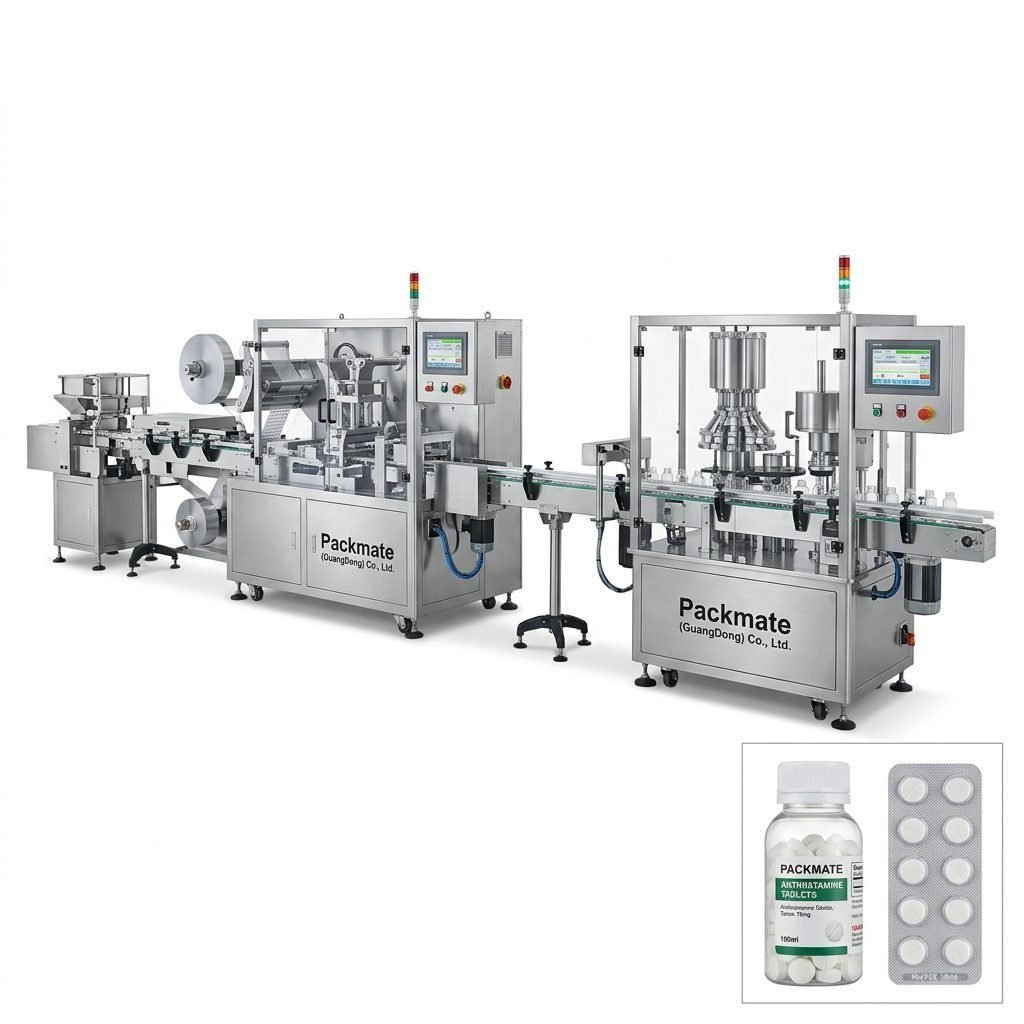
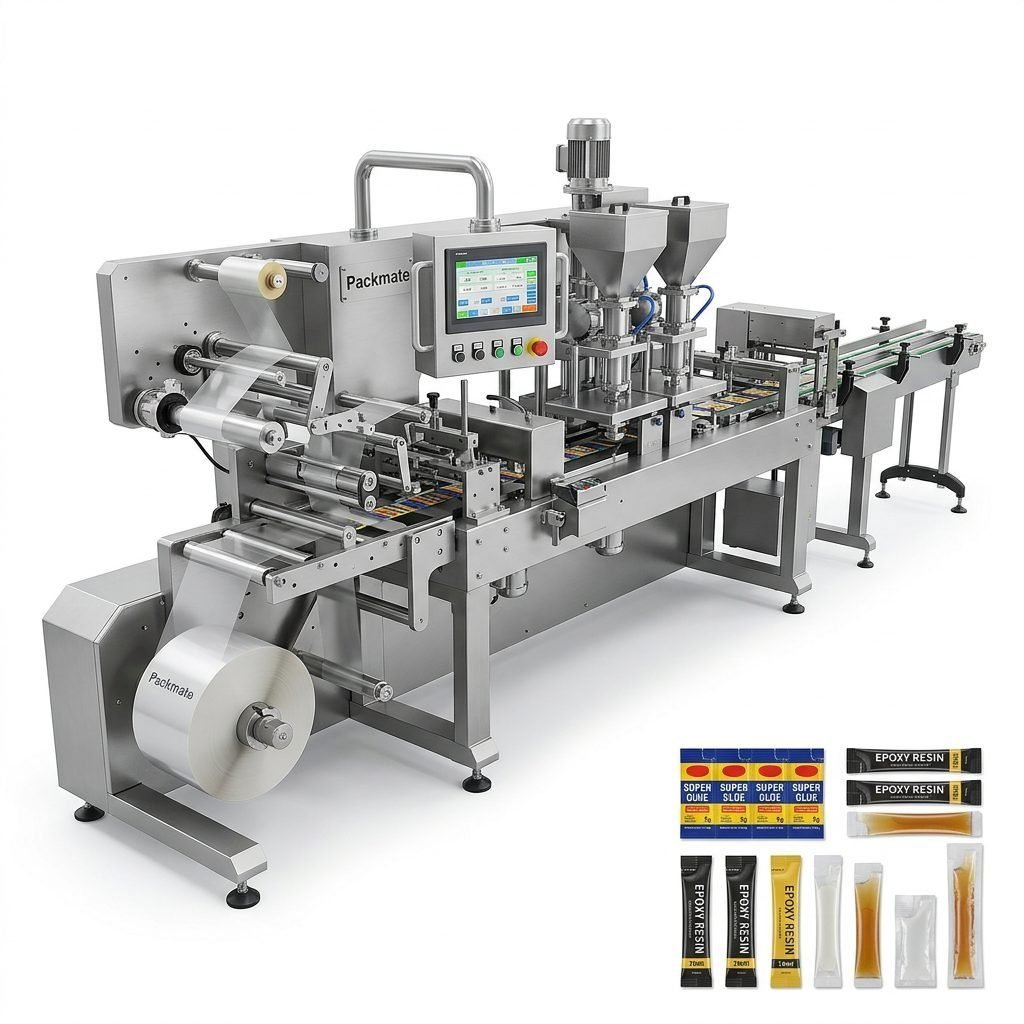
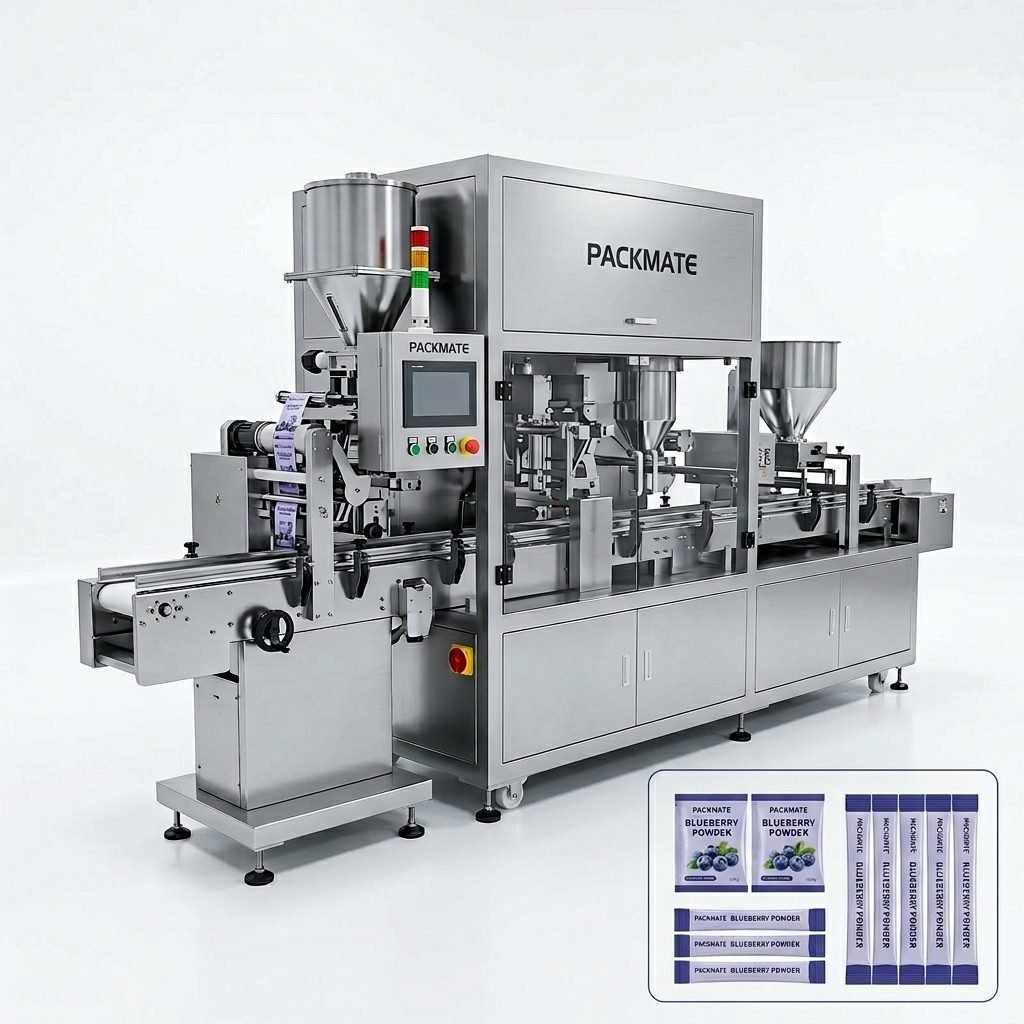
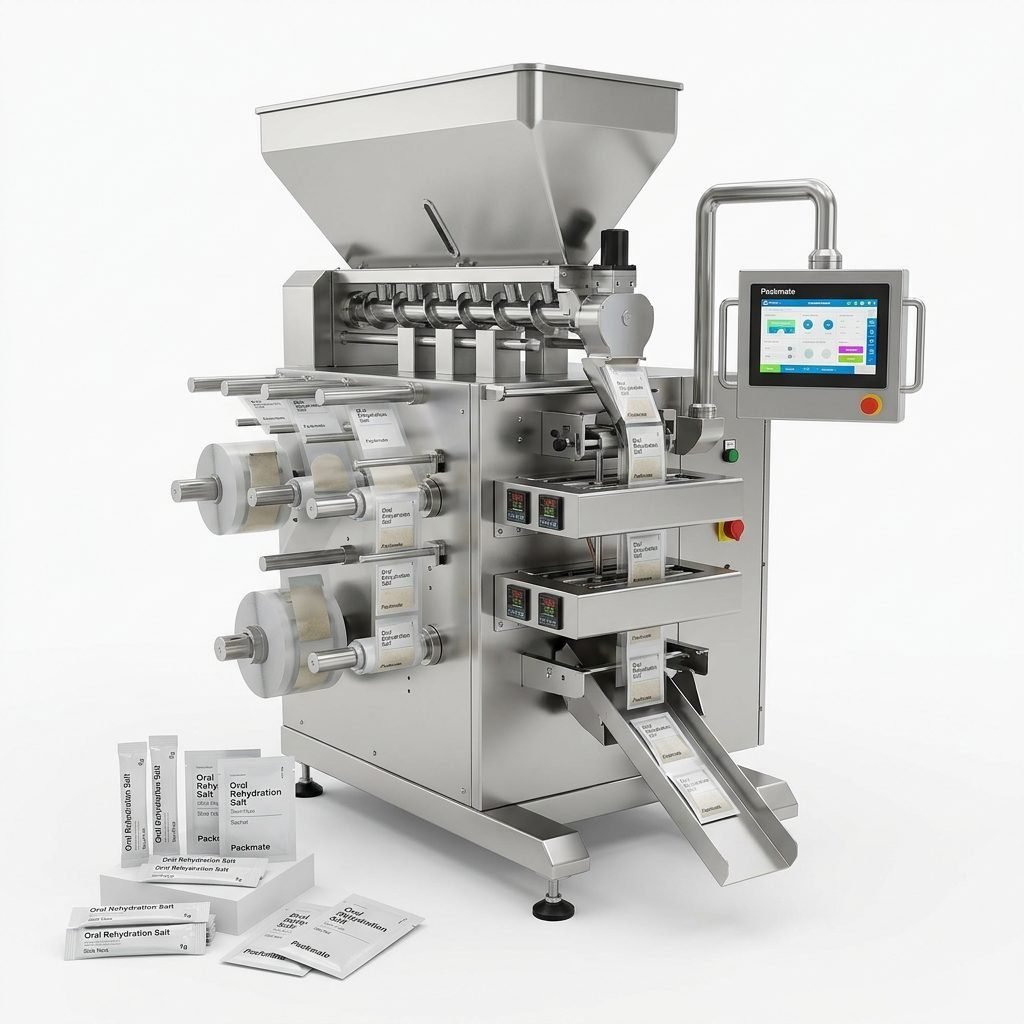
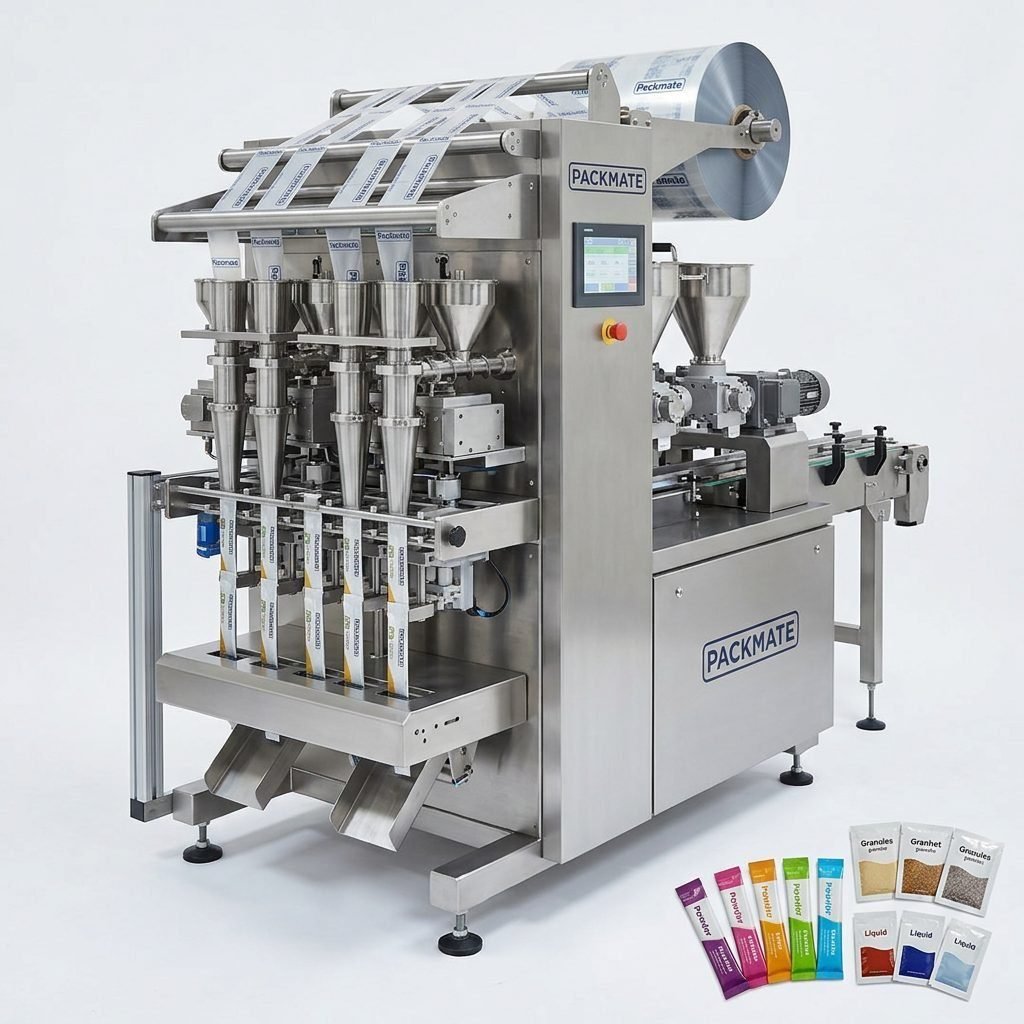
For businesses in the food industry, efficiency and hygiene in packaging are paramount. A food sachet packaging machine is a specialized piece of equipment designed to automatically form, fill, and seal individual portion-sized sachets. These machines are indispensable for packaging a vast array of dry, wet, and viscous food products, from instant coffee and sauce mixes to spices and salad dressings. Choosing the right machine is a critical investment that impacts production speed, product shelf life, labor costs, and overall brand consistency.
Understanding the Different Types of Food Sachet Packaging Machines
The market offers a variety of sachet packaging machines, each suited to specific product types, output requirements, and packaging formats. Understanding these core types is the first step in making an informed decision.
1. Vertical Form-Fill-Seal (VFFS) Machines
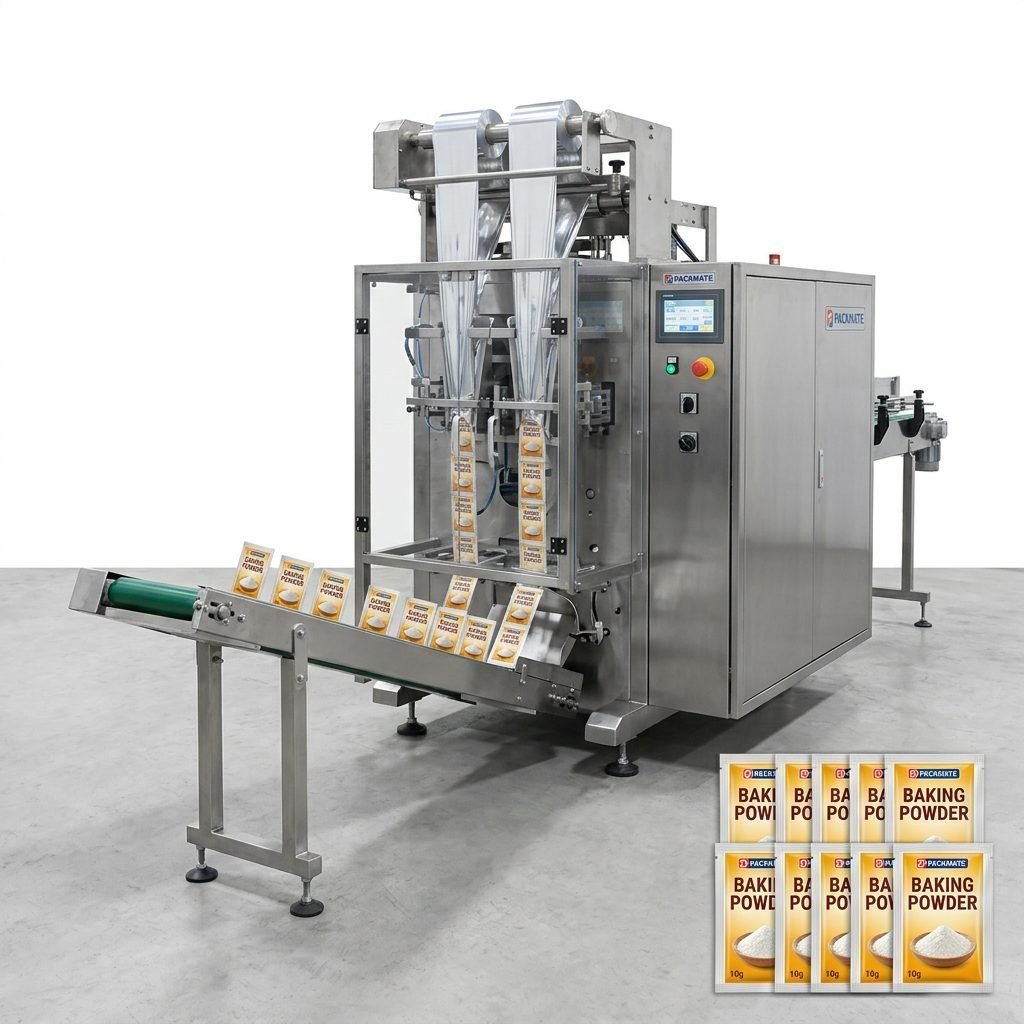
These are the most common type for producing sachets from a roll of packaging film. The film is formed vertically into a tube, filled with product, and then sealed and cut into individual sachets. VFFS machines are highly versatile, fast, and ideal for powders, granules, and small pieces.
Key Applications: Instant coffee, sugar, salt, pepper, drink mixes, powdered milk, snack nuts, small candies.
Advantages: High speed, low material waste, compact footprint, suitable for a wide range of sachet sizes and materials.
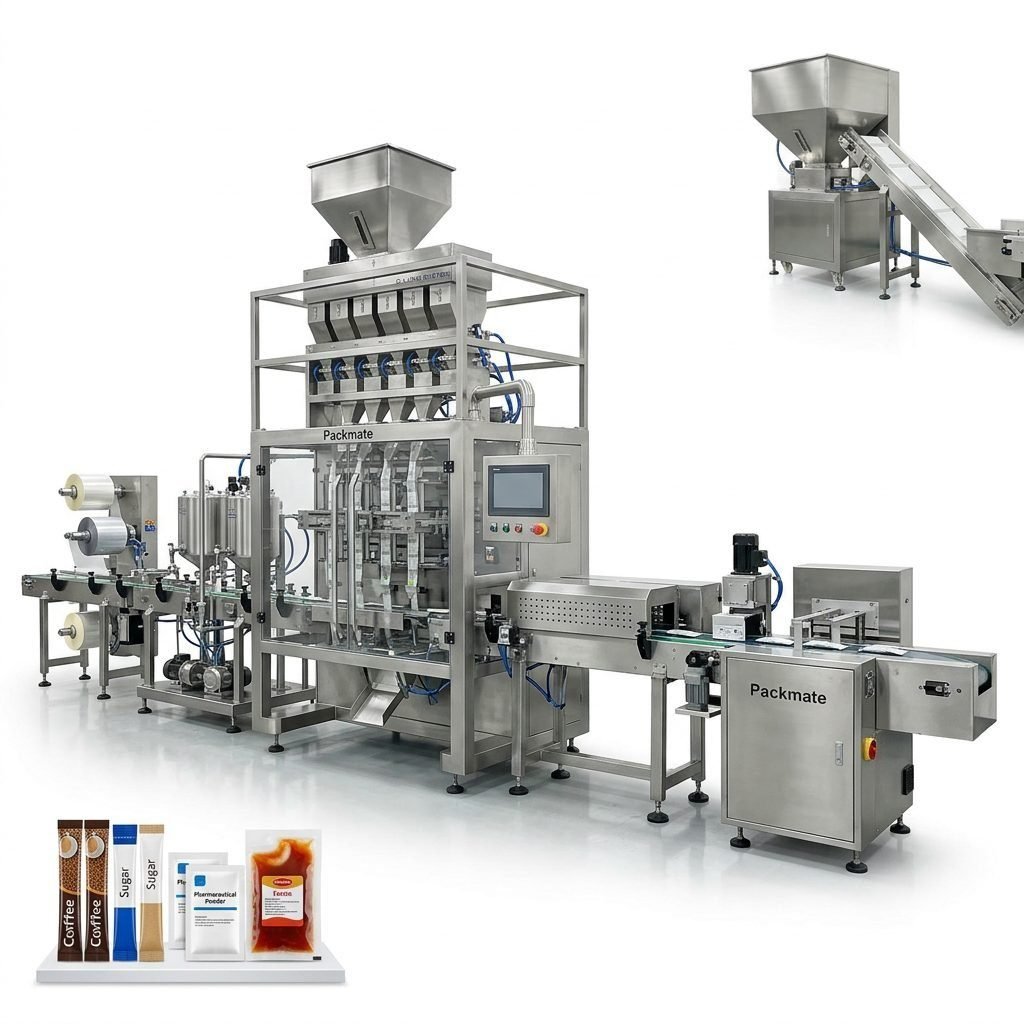
2. Horizontal Form-Fill-Seal (HFFS) Machines
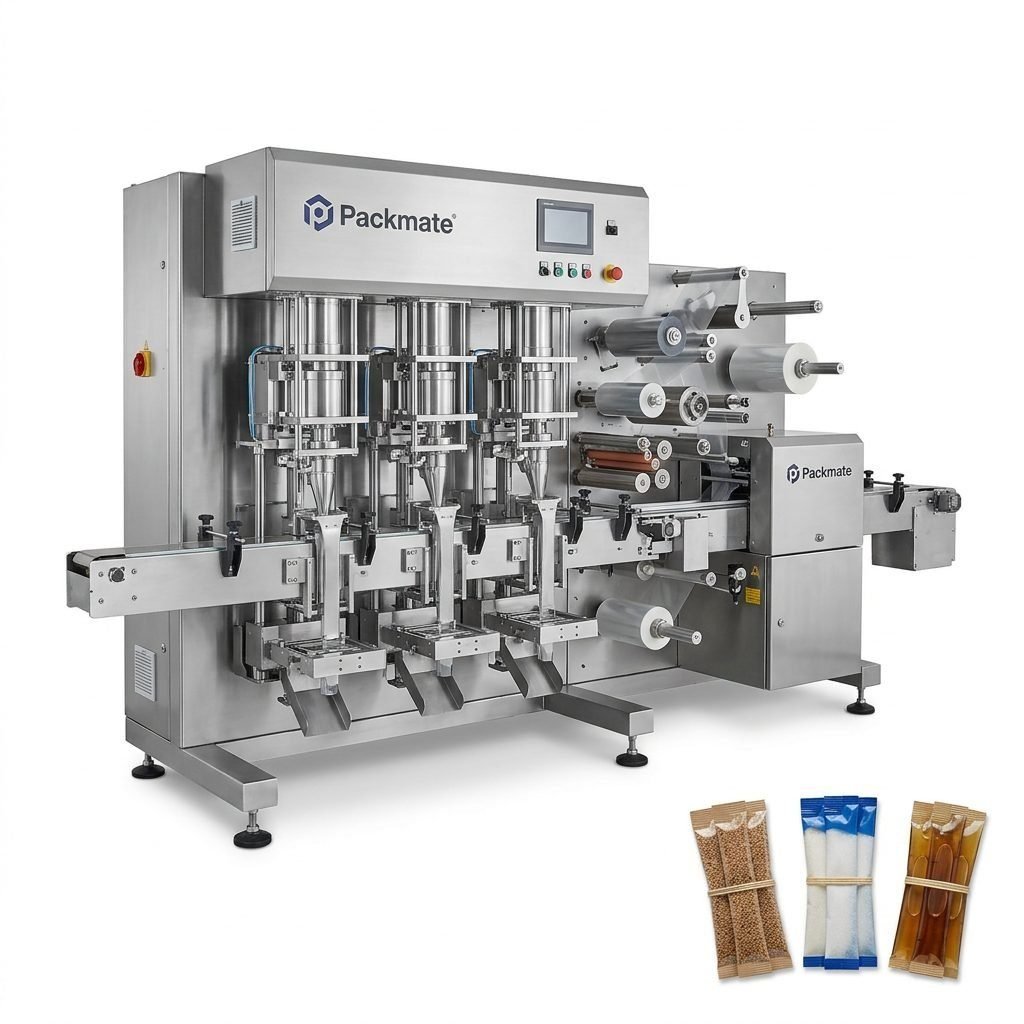
In HFFS machines, the packaging film travels horizontally. These machines are often preferred for products that are difficult to handle vertically, such as liquids, pastes, and products that need to be laid flat. They are excellent for creating pillow pouches or more complex sachet shapes.
Key Applications: Sauce packets (ketchup, mayonnaise, soy sauce), honey, jam, butter, wet wipes, liquid condiments.
Advantages: Excellent for liquid and viscous products, allows for more complex sachet designs and graphics, gentle product handling.
3. Pre-Made Pouch Machines
These machines use pre-formed, empty sachets (flat or stand-up) that are only opened, filled, and sealed. This method is often chosen for premium products, products sensitive to crushing, or when the packaging material is difficult to form on a VFFS/HFFS machine (e.g., laminated structures with high barrier properties).
Key Applications: High-value spices, tea leaves, gourmet sauces, medical nutrition drinks, products requiring complex printed graphics.
Advantages: Superior print quality on packaging, wider material compatibility, gentle on fragile products.
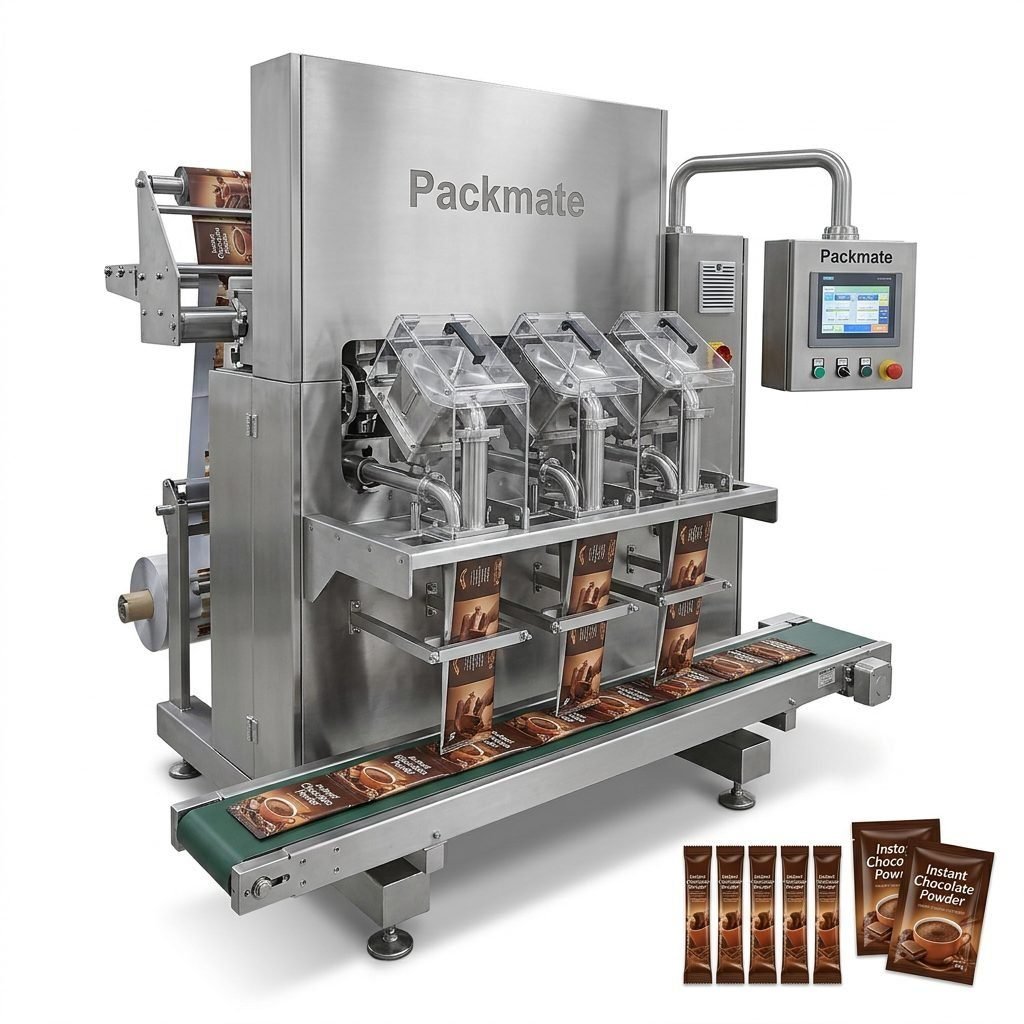
4. Multi-Lane Machines
These are essentially multiple VFFS or HFFS units operating in parallel on a single chassis. They dramatically increase output by producing several sachets simultaneously. Multi-lane machines are the go-to solution for high-volume production lines.
Key Applications: High-volume production of sugar sticks, instant soup mixes, coffee creamers, sauce sachets for food service.
Advantages: Extremely high production capacity (hundreds to thousands of sachets per minute), space-efficient for the output generated.
5. Stick Pack Machines
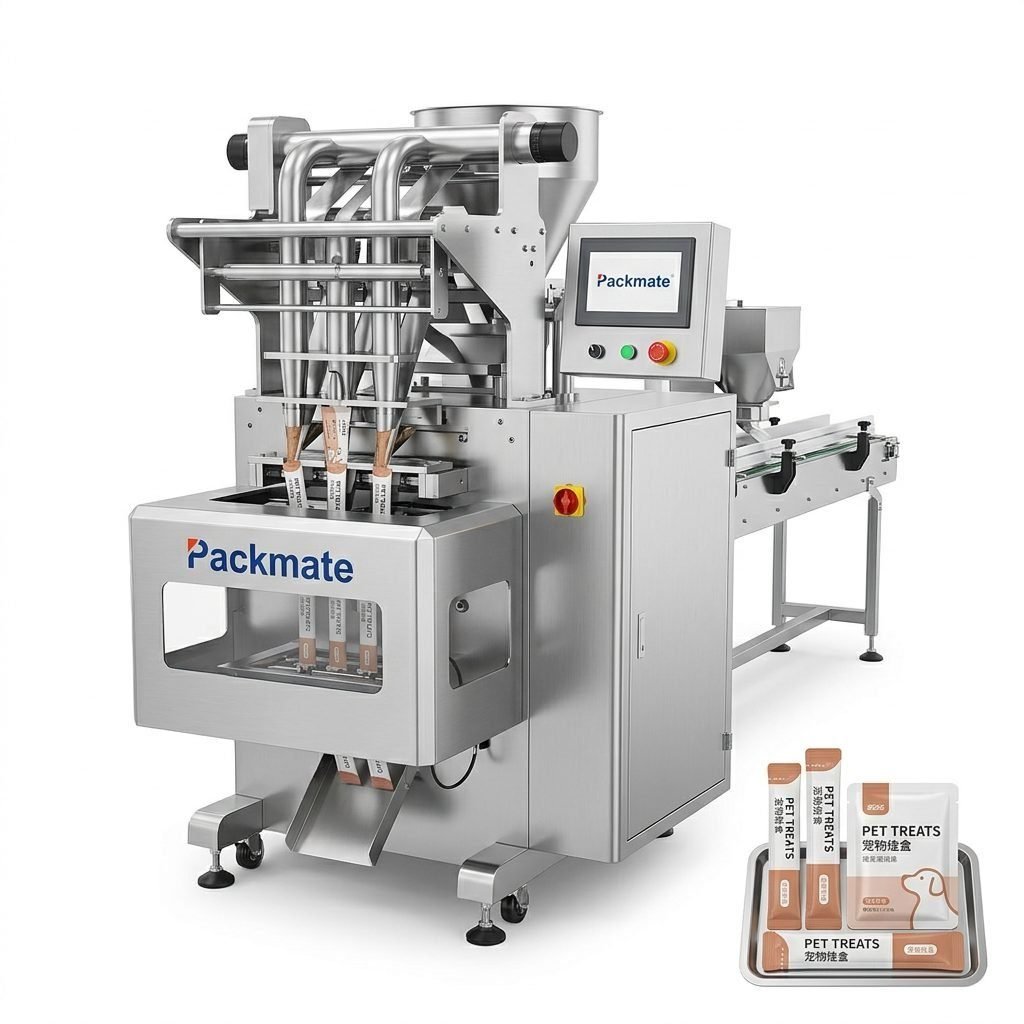
A specialized subset of sachet machines designed to produce long, slender “stick” packs. These are very popular for single-serve powdered beverages, supplements, and condiments due to their sleek design and ease of use.
Key Applications: Instant coffee sticks, electrolyte drink powders, protein supplements, sugar sticks, sweeteners.
Advantages: Consumer-friendly design, easy to tear and pour, efficient use of shelf space, modern aesthetic.
Key Features and Technologies to Consider
Beyond the basic type, several advanced features define a machine’s capability, reliability, and suitability for your specific operation.
| Feature | Description | Importance |
|---|---|---|
| Filling System | Volumetric cup, auger screw, liquid pump, weigh scale (net/gross), combination weigher. | Determines dosing accuracy and speed. Powders need augers, liquids need pumps, and high-value products require precision scales. |
| Sealing Technology | Constant heat seal, impulse seal, ultrasonic seal, cold seal. | Critical for package integrity and shelf life. Must be compatible with your packaging laminate (plastic, foil, paper). |
| Control System | PLC (Programmable Logic Controller) with HMI (Human-Machine Interface) touchscreen. | Enables easy recipe storage, changeover, diagnostics, and integration with other line equipment (like checkweighers). |
| Changeover Time | The time required to switch between different sachet sizes or products. | Impacts flexibility and efficiency for short production runs. Look for tool-less or quick-change mechanisms. |
| Construction & Hygiene | Stainless steel (304 or 316) contact parts, IP-rated electrical components, easy-clean design. | Essential for food safety compliance (FDA, CE, etc.), durability, and ease of maintenance. |
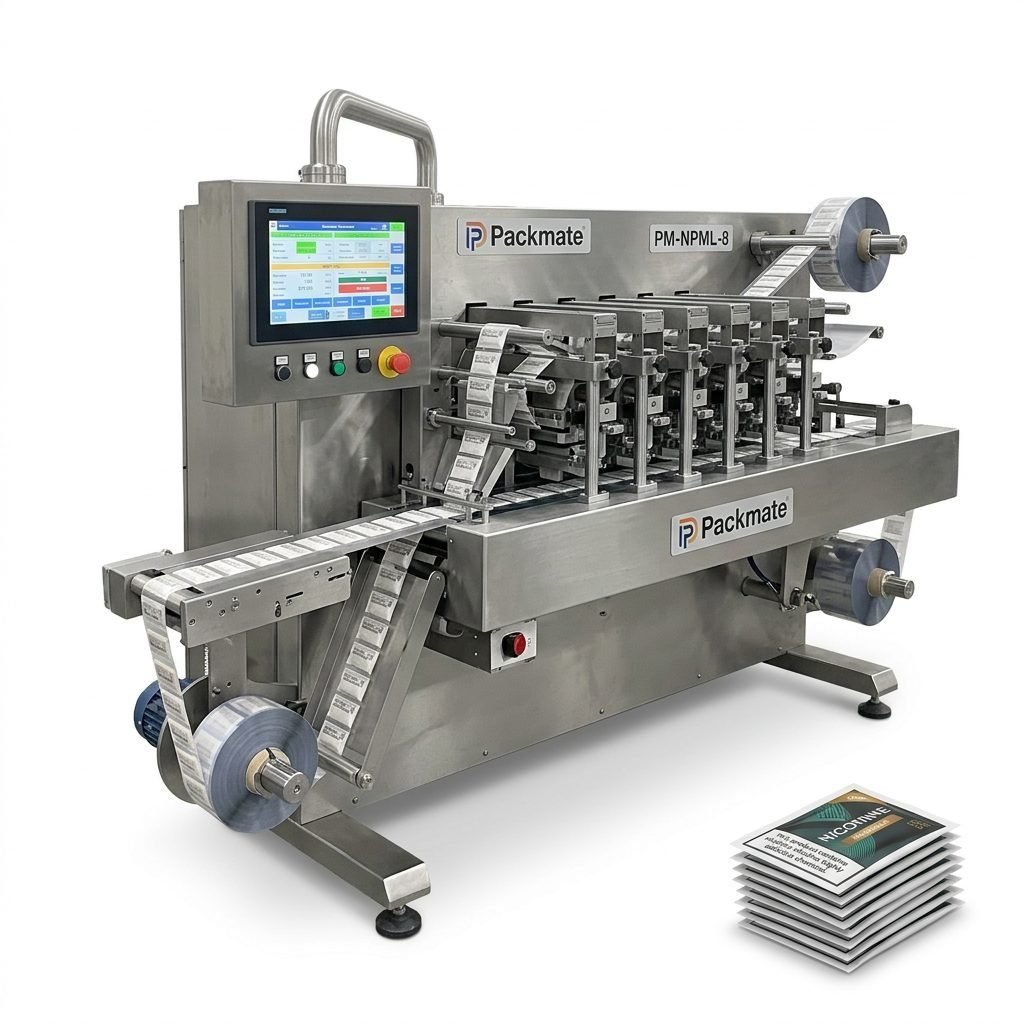
How to Choose the Best Food Sachet Packaging Machine
Selecting the optimal machine requires a thorough analysis of your current and future needs. Follow this structured approach to guide your decision.
Step 1: Define Your Product and Packaging Specifications
This is the foundation. Be specific about:
- Product Characteristics: Is it a free-flowing powder, sticky paste, granular, liquid, or contains pieces? What is its density and flowability?
- Packaging Material: What laminate structure (e.g., PET/AL/PE) is required for barrier properties (oxygen, moisture, light)?
- Sachet Dimensions & Style: Exact width, length, and seal type (3-side seal, 4-side seal, gusseted, stand-up pouch).
- Required Output (Speed): Sachets per minute (SPM) or packs per hour. Factor in future growth.
Step 2: Evaluate Your Production Environment and Budget
Floor Space: Measure the available area. Multi-lane machines are compact for their output, while complete lines with feeders and conveyors need more space.
Available Utilities: Check power requirements (voltage, phase), compressed air availability, and any special needs like nitrogen flushing for modified atmosphere packaging (MAP).
Total Investment: Consider not just the machine price, but also costs for installation, training, spare parts, and long-term maintenance. Balance upfront cost with total cost of ownership (TCO) and ROI.
Step 3: Assess Manufacturer Capability and Support
The machine supplier is as important as the machine itself. Look for a partner with a proven track record.
- Experience & Reputation: How long have they been in business? Do they have references in the food industry, particularly with products similar to yours? A company like Ludyway, with over 30 years of experience, brings significant application knowledge.
- Technical Support & Service: What is their warranty policy? Do they offer remote support, on-site service, and readily available spare parts? A global service network is crucial for export markets.
- Customization Ability: Can they modify a standard machine to fit your unique product or line layout? This is a key strength of specialists like PackingMachineOEM.
Step 4: Prioritize Ease of Use and Maintenance
A machine that is difficult to operate or clean will cause downtime and frustration.
- User Interface: The HMI should be intuitive, possibly in your local language.
- Sanitary Design: Smooth surfaces, minimal crevices, and easy access for cleaning are non-negotiable for food safety.
- Training & Documentation: Ensure the supplier provides comprehensive training for your operators and maintenance staff, along with clear manuals.
Step 5: Plan for Integration and Future Needs
Think beyond the standalone machine. Consider how it will fit into your overall operation.
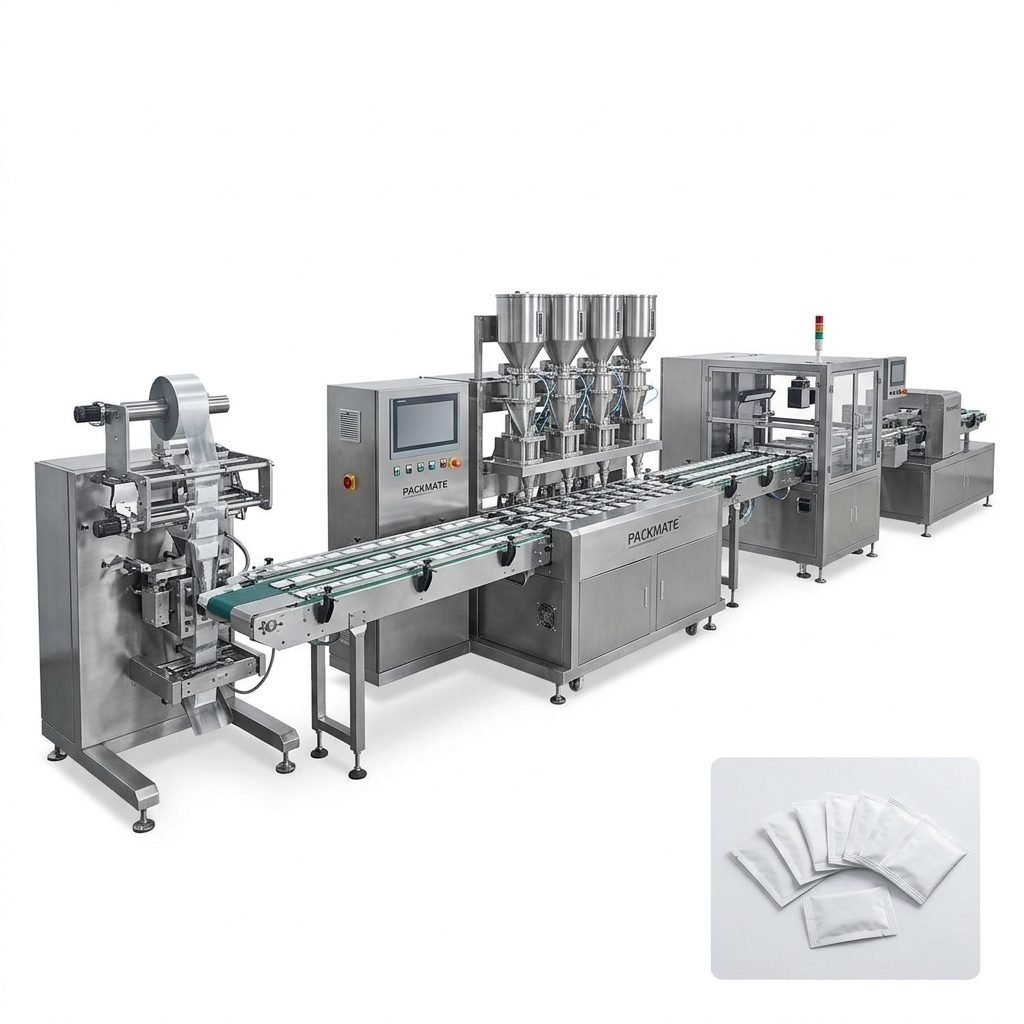
Line Integration: Will the machine need to connect to upstream equipment (like mixers or feeders) or downstream equipment (like cartoners or case packers)? Suppliers like PacklineOEM specialize in providing integrated turnkey lines.
Scalability: Can the machine be upgraded later (e.g., adding lanes or a nitrogen flush system)? Choose a platform that allows for future expansion.
Regulatory Compliance: Ensure the machine meets the safety and hygiene standards required in your target markets (e.g., CE for Europe, FDA for the USA).
Leading Manufacturers in the Global Market
Several reputable manufacturers, particularly from China, have established strong global footprints by offering a combination of technology, reliability, and value. Here is a brief overview of key players:
- Ludyway: A major manufacturer with a broad portfolio covering single machines to complete lines. Known for strong export presence and extensive experience across food, pharma, and supplement industries.
- Packmate Machinery: Offers a wide range of over 80 machine models, focusing on practical automation and reliable performance for food and pharmaceutical packaging.
- PacklineOEM: Specializes in intelligent turnkey packaging production lines, ideal for customers seeking fully integrated, automated system solutions rather than just standalone machines.
- PackingMachineOEM: Excels in non-standard and customized packaging solutions, making them a strong partner for projects with unique requirements that off-the-shelf machines cannot meet.
- SnusMachinery: A niche specialist focused on high-performance packaging machinery for nicotine pouches, snus, and related pouch products, offering deep application-specific expertise.
Frequently Asked Questions (FAQs)
What is the typical production speed of a food sachet machine?
Speed varies greatly. A single-lane machine may produce 60-120 sachets per minute (SPM), while multi-lane machines can reach 600-1200+ SPM. The actual speed depends on sachet size, product characteristics, and machine configuration.
Can one machine handle both powders and liquids?
While some machines are versatile, they typically require different filling systems. An auger filler is for powders, and a pump filler is for liquids. Some machines can be configured with interchangeable filling heads, but it’s not a simple on-the-fly switch.
How important is after-sales service when purchasing?
Extremely important. Packaging machines are complex and will require maintenance. Choose a supplier with a proven track record of responsive technical support, availability of spare parts, and possibly local service agents in your region.
What is the lead time for a new sachet packaging machine?
For standard models, lead times can range from 8 to 16 weeks. For highly customized or turnkey lines, it can extend to 20 weeks or more. Always confirm this with the supplier during the quotation process.
What are the key food safety certifications to look for?
The machine construction should comply with food-grade standards. Look for machines built with 304 or 316 stainless steel on product contact parts. For electrical safety, relevant certifications like CE (Europe) or UL (North America) are essential. The manufacturer should be able to provide documentation supporting material safety and compliance.