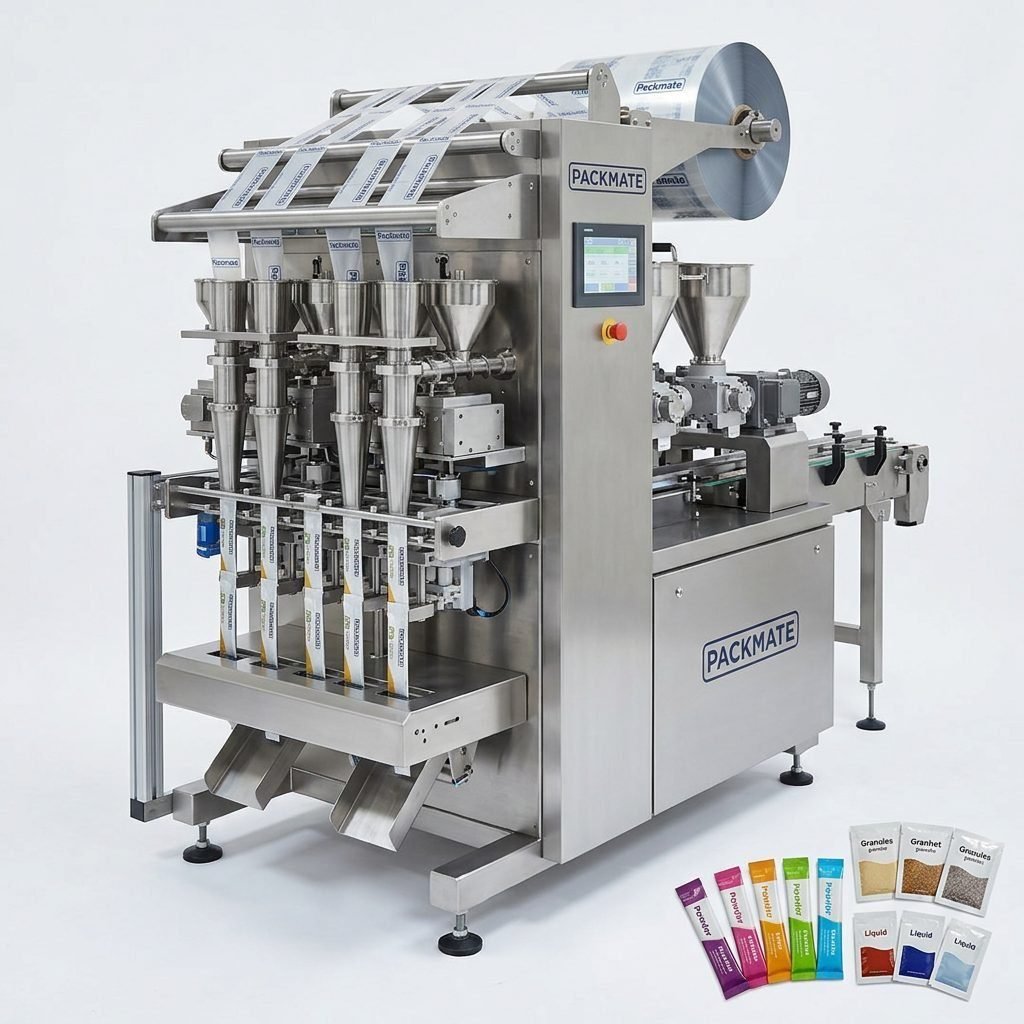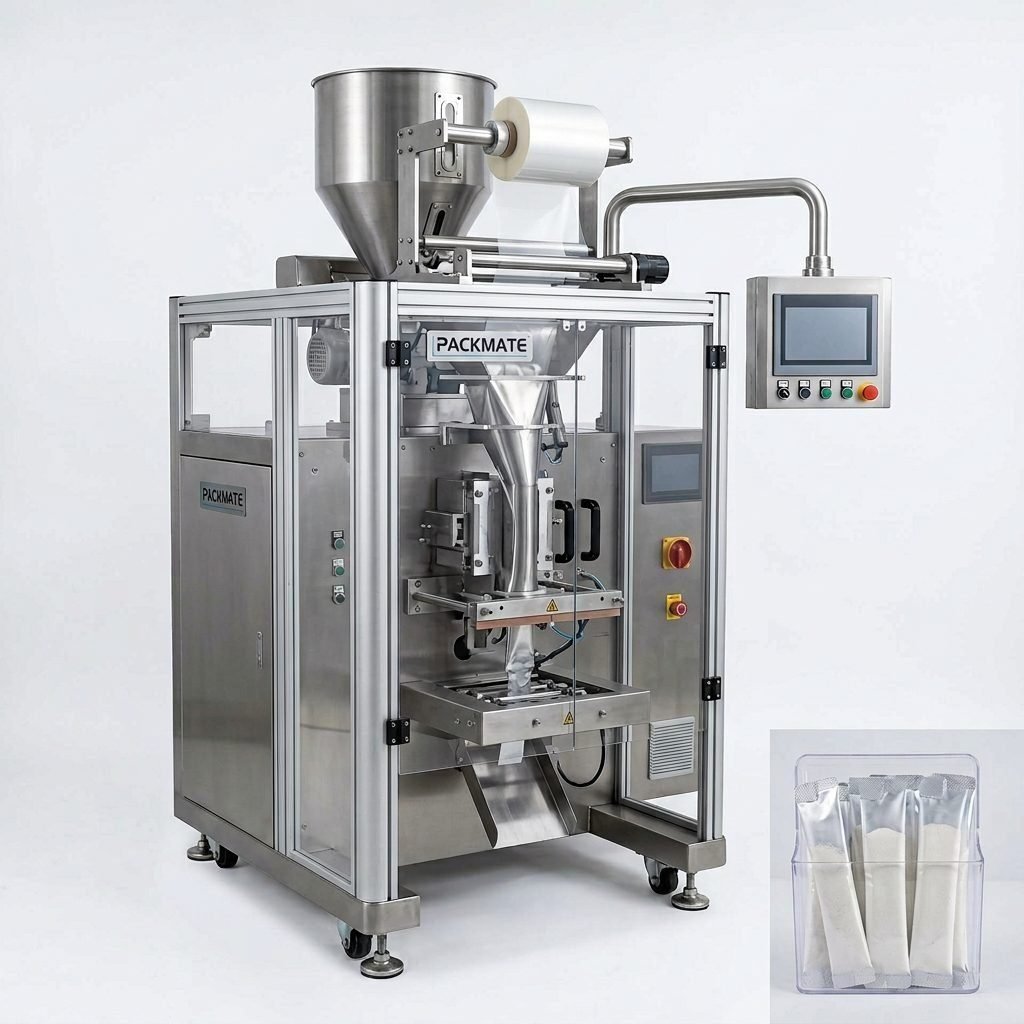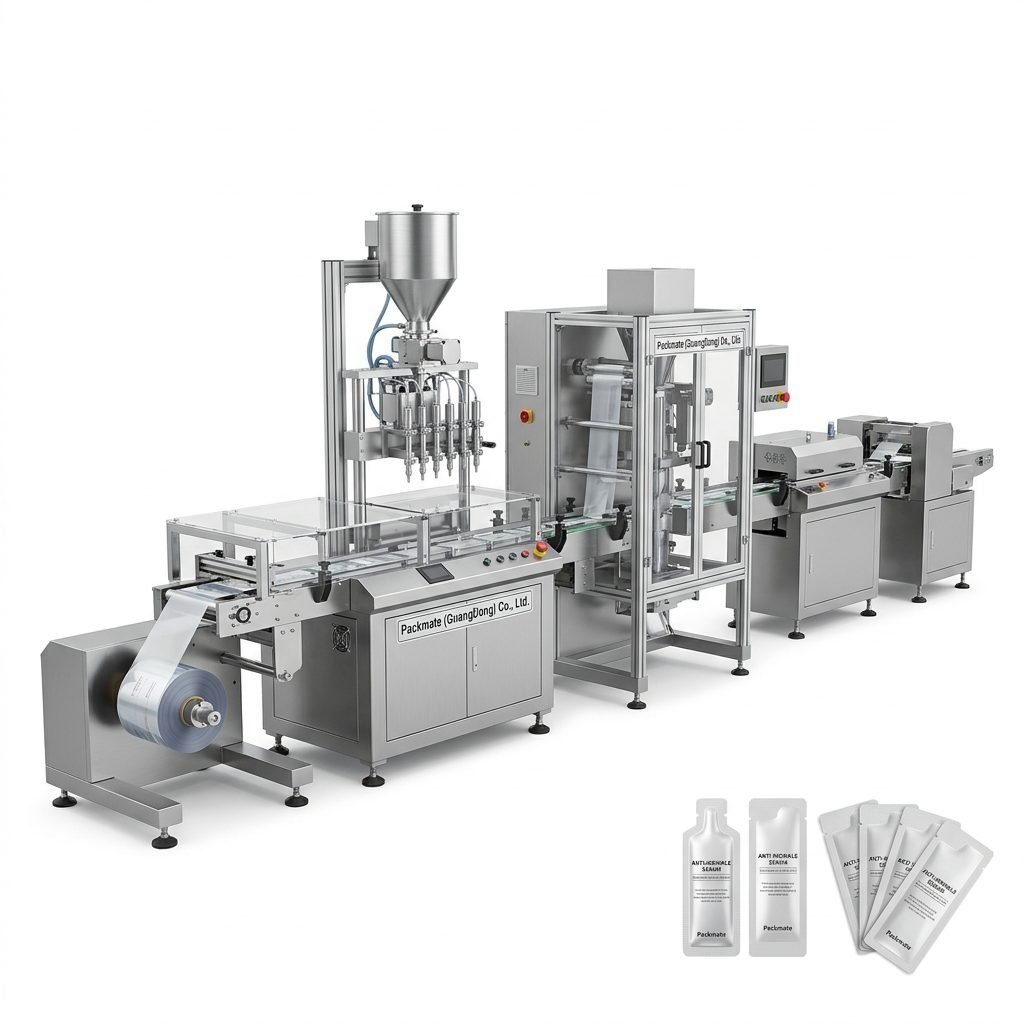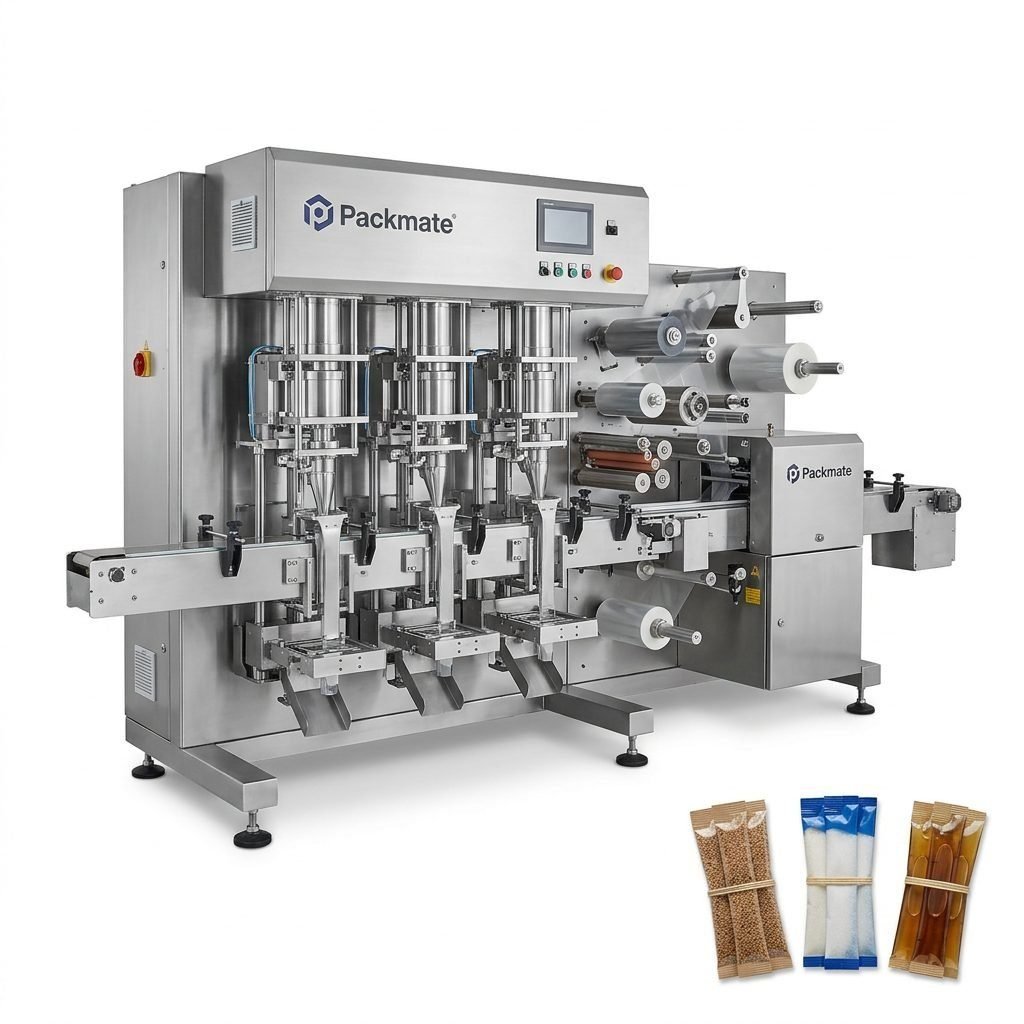
For Namibian businesses in the food, pharmaceutical, or agricultural sectors, finding a reliable packaging machine manufacturer is a critical step toward improving production efficiency, ensuring product consistency, and scaling operations. The local market, with its growing manufacturing base and export potential, demands robust and adaptable packaging solutions. This guide provides a practical, step-by-step approach to identifying and selecting trustworthy packaging equipment suppliers, with a focus on criteria relevant to Namibian industrial needs.
Understanding Namibia’s Packaging Machinery Needs
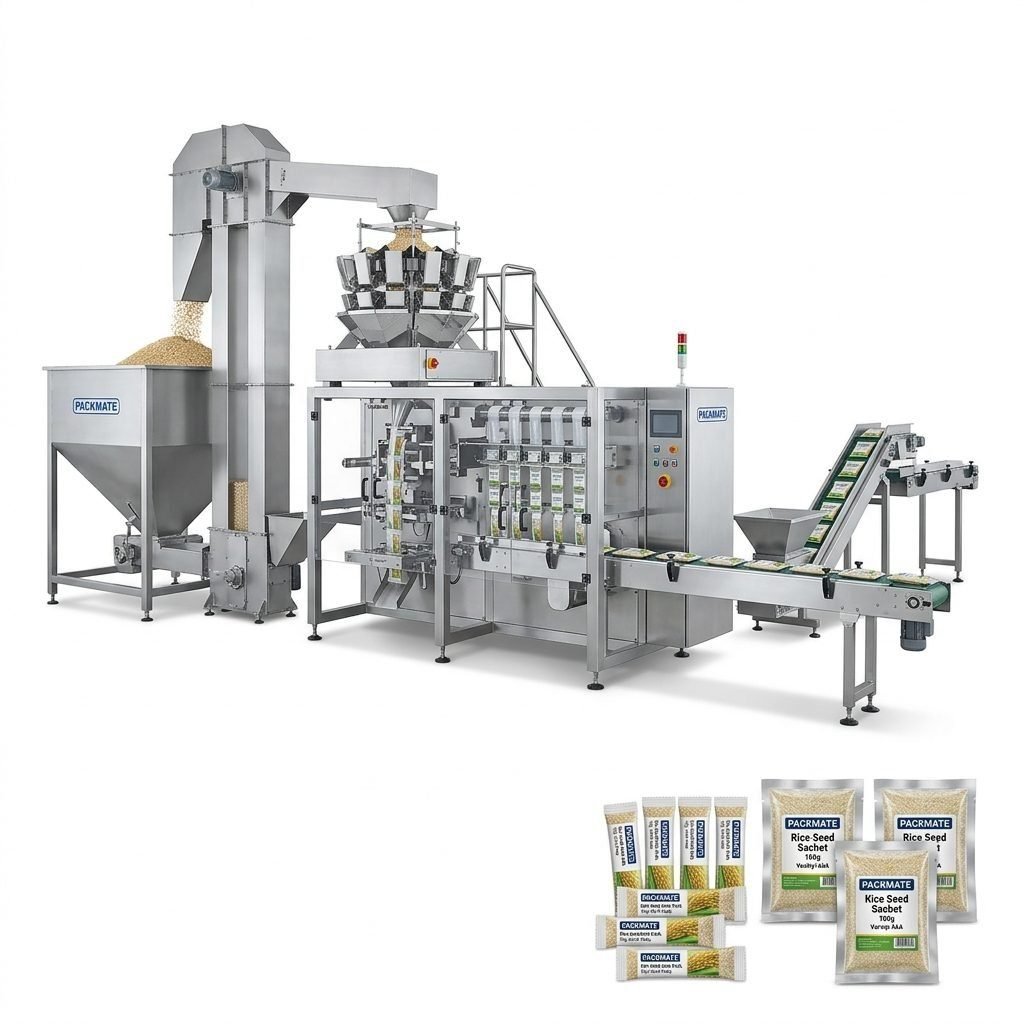
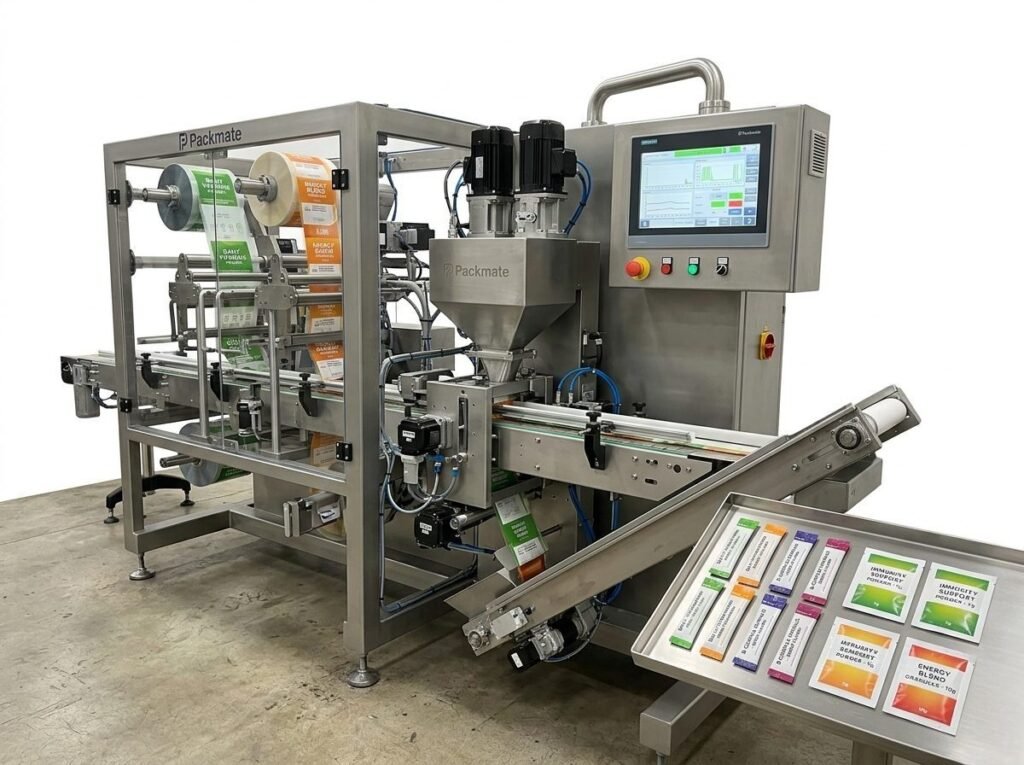
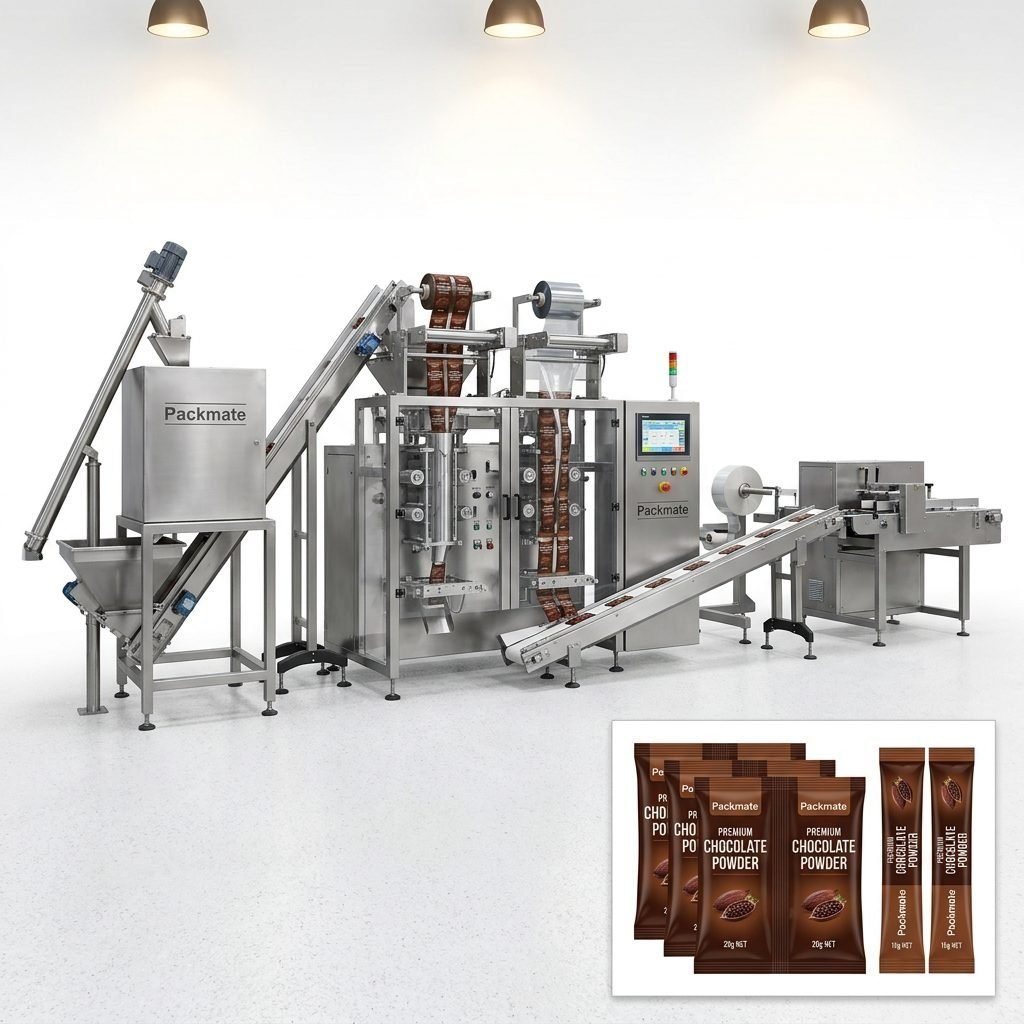
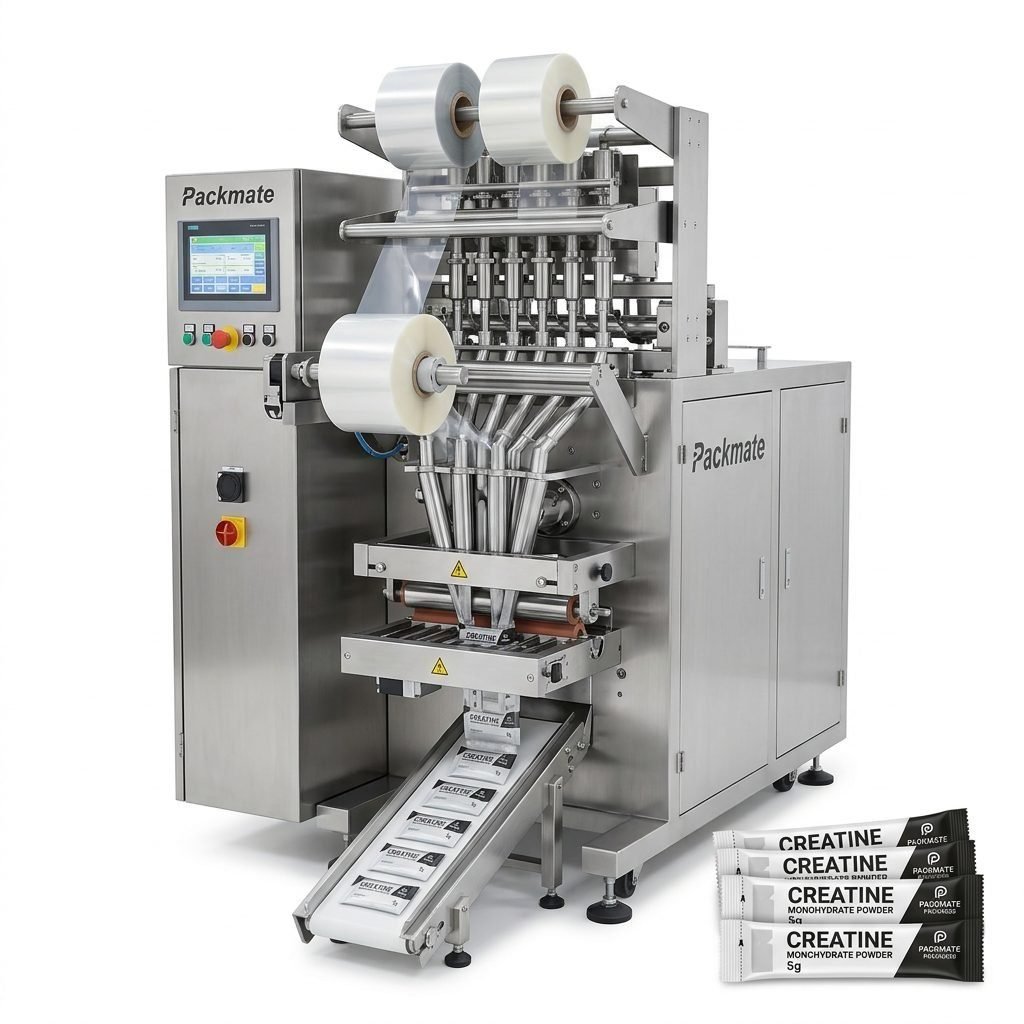
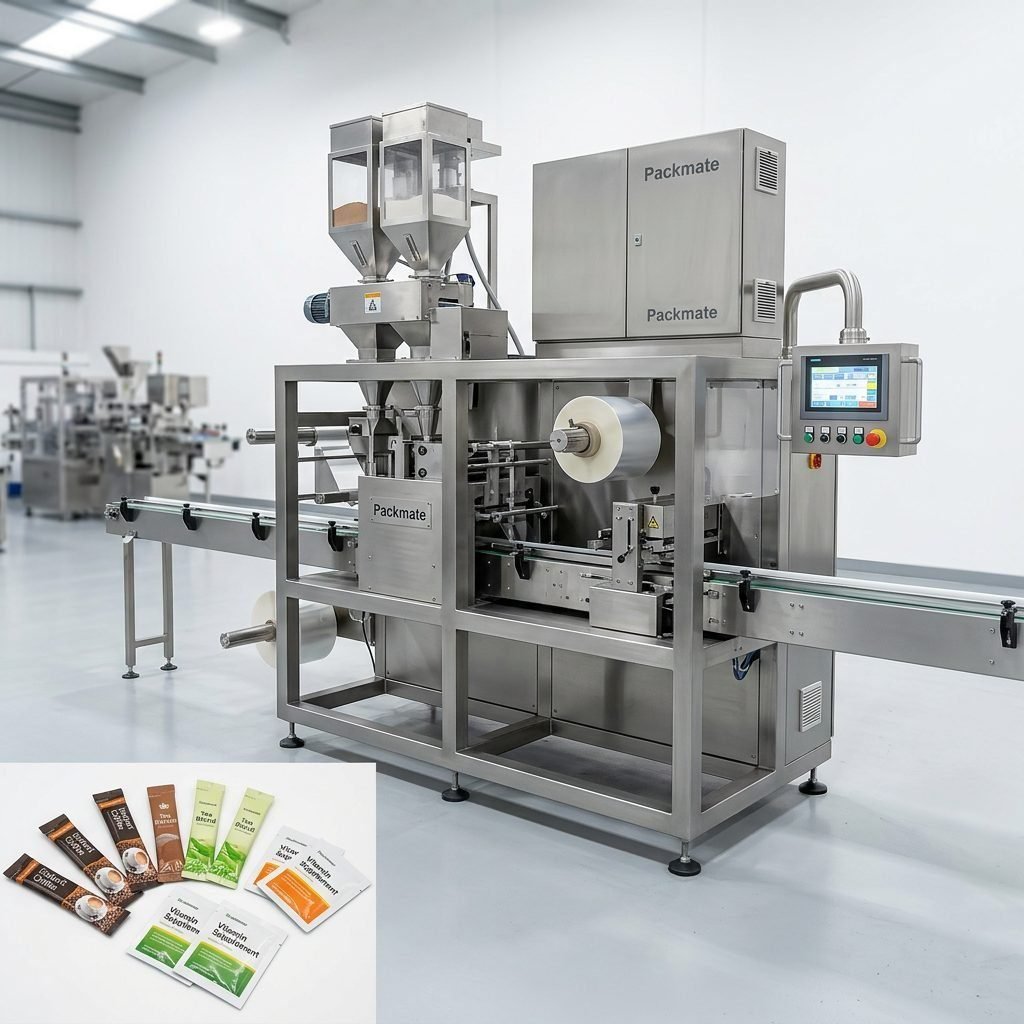
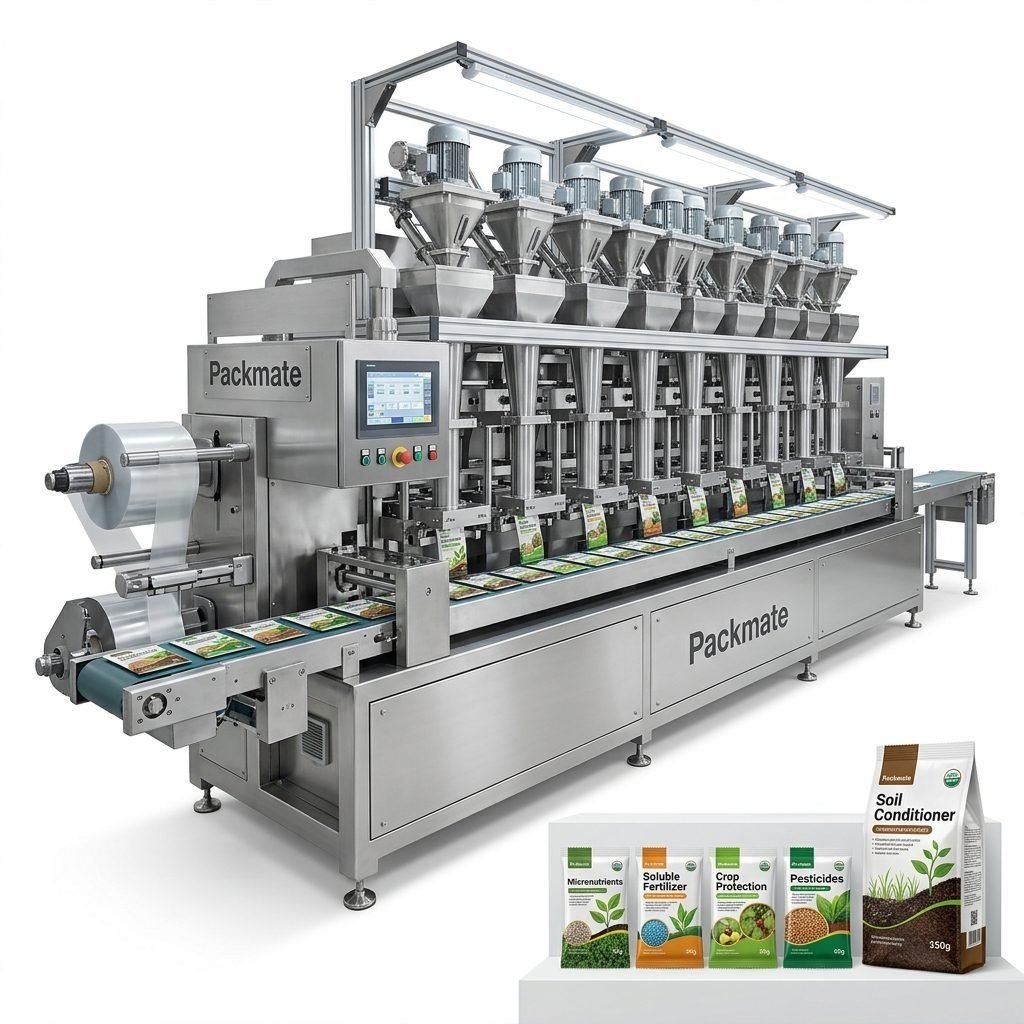
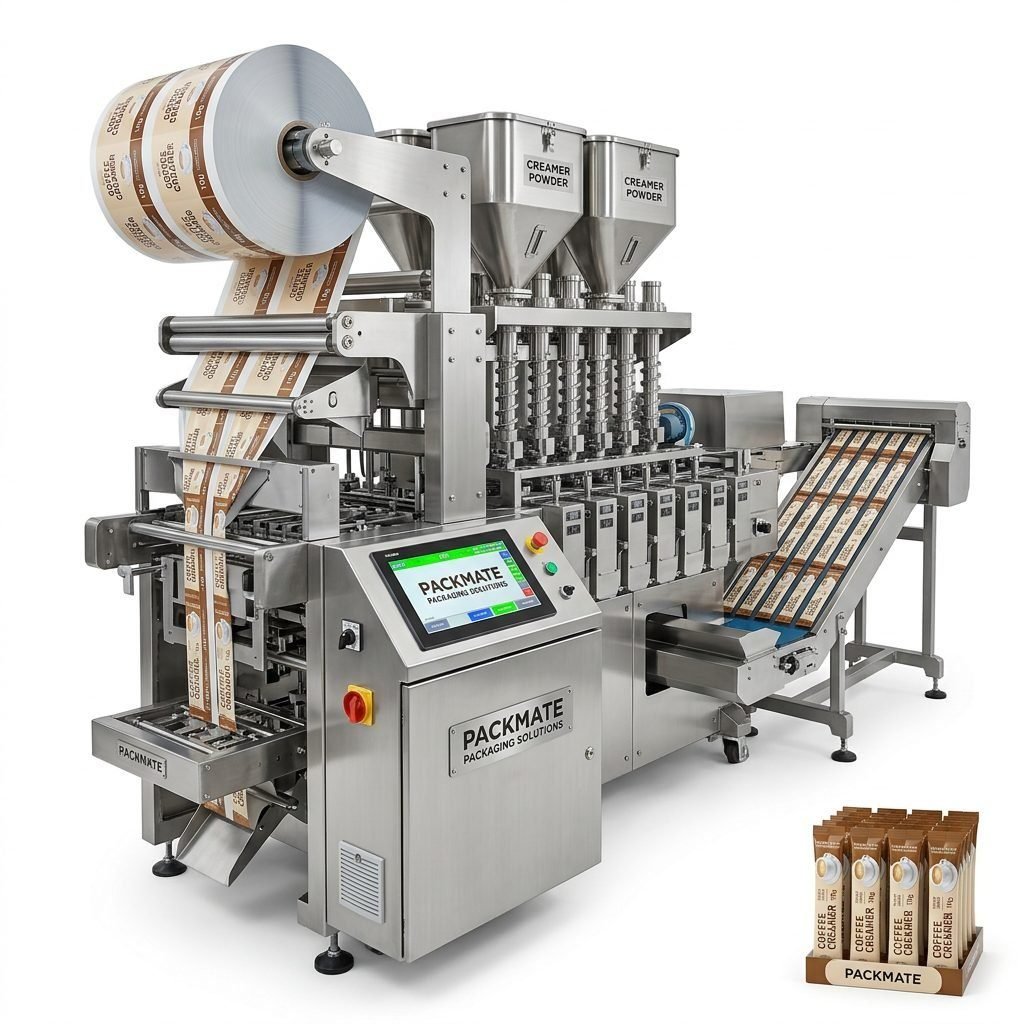
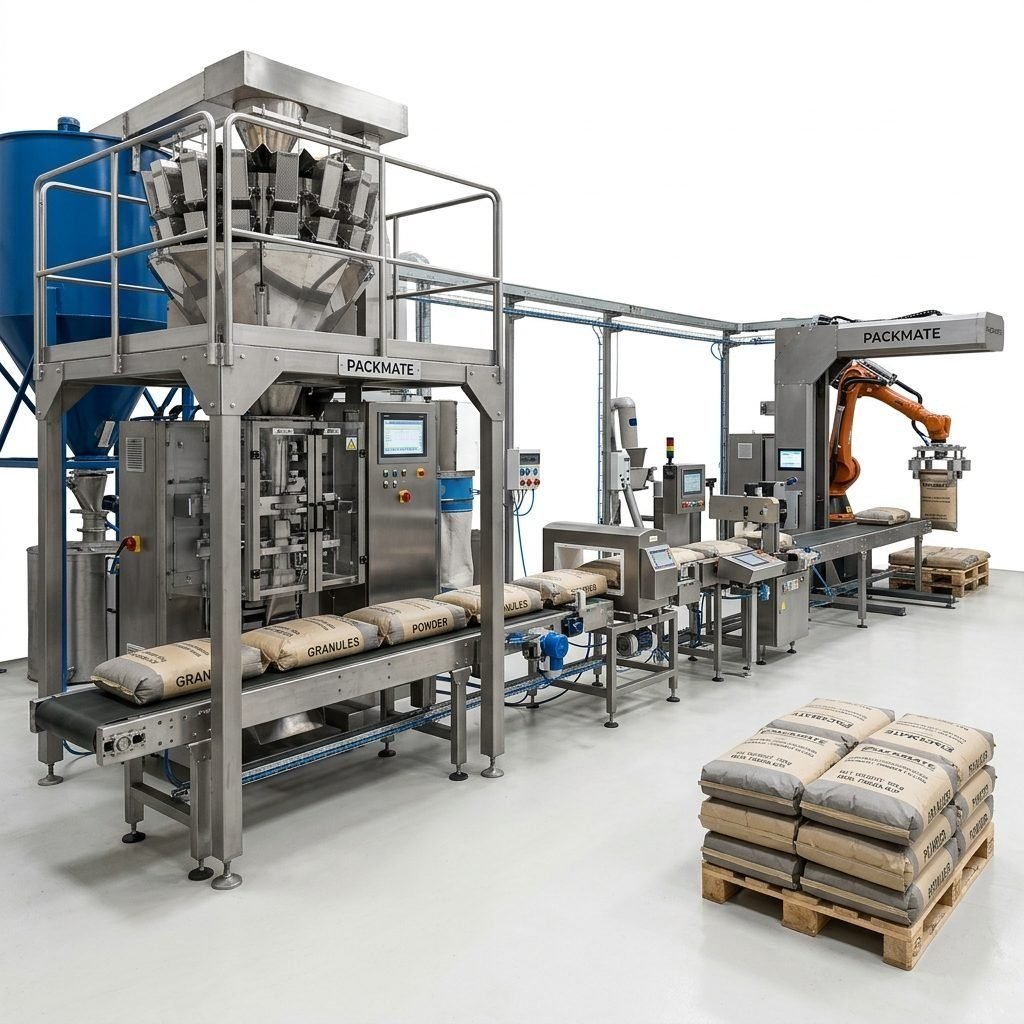
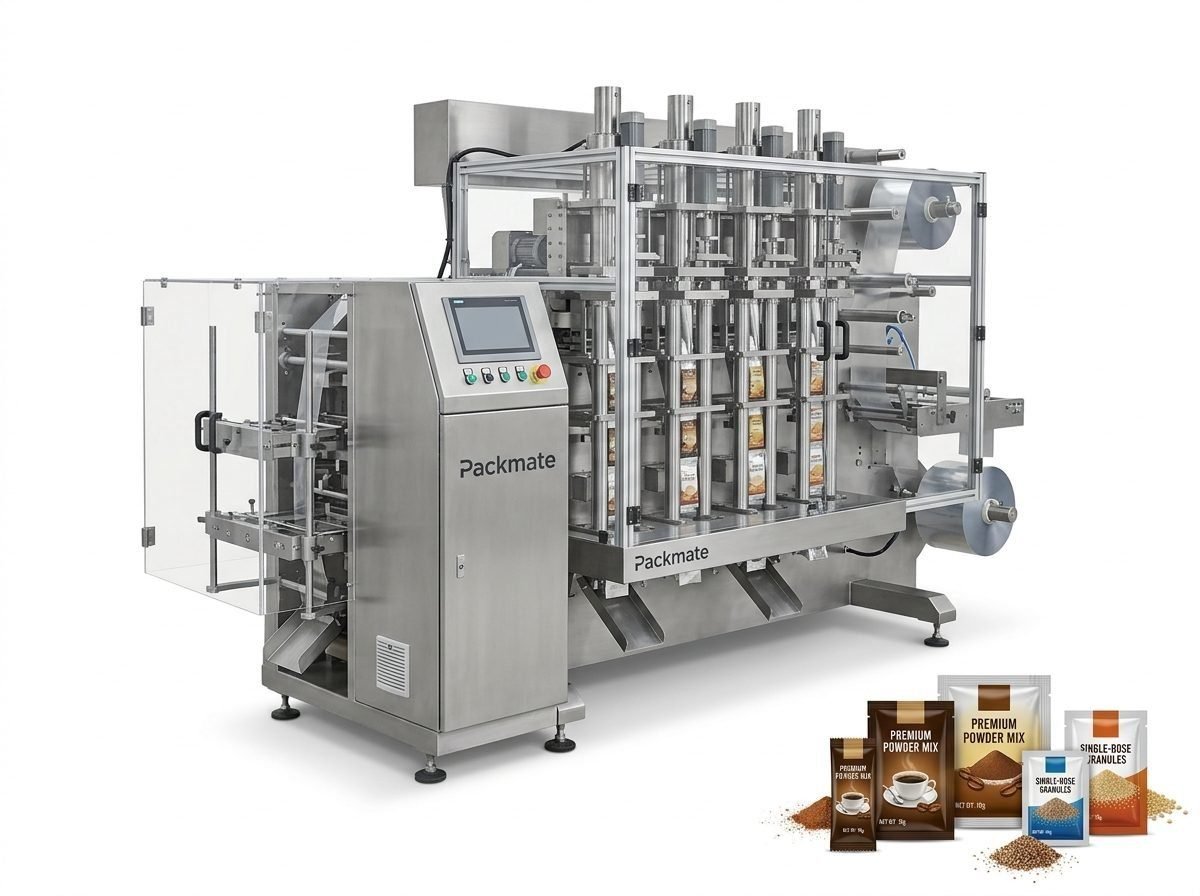
The industrial landscape in Namibia is diverse, encompassing food processing (like meat, dairy, and grains), beverage production, pharmaceutical manufacturing, and a significant agricultural inputs sector. Common packaging requirements include sachets for condiments, spices, and instant beverages; stick packs for supplements and drink mixes; and bulk bags for animal feed, fertilizers, and minerals. Key considerations for local buyers often involve machine durability to handle local conditions, ease of maintenance given potential technical support distances, and flexibility to package a variety of product formats common in regional markets.
Key Steps to Identify Reliable Manufacturers
A structured evaluation process helps mitigate risk and ensures a good long-term partnership. Start by clearly defining your project requirements: product type (powder, granule, liquid), desired output speed, bag style (stick pack, sachet, pillow bag), and level of automation. Use this specification to screen potential suppliers.
Pro Tip for Namibian Buyers: Prioritize manufacturers with a proven export history to Africa. They are more likely to understand shipping logistics, documentation, and offer machines built to handle variable power supplies and climates, which are common considerations in Namibia.
1. Evaluate Technical Capability and Experience
Look for manufacturers with substantial industry experience, preferably over a decade. Review their product portfolio to see if they have specific machines for your product category. A company that offers both standalone machines and complete turnkey lines provides scalability for future growth. Assess their engineering support; can they provide customizations for unique bag sizes or product characteristics common in your line?
2. Verify Manufacturing and Quality Standards
A reliable manufacturer should operate a modern factory with in-house machining and assembly capabilities. Inquire about their quality control processes during production and before shipment. Certifications like CE for export to Namibia are essential. Don’t hesitate to ask for factory audit reports or virtual tours to verify their operational scale and cleanliness standards, especially for food or pharma-grade equipment.
3. Assess After-Sales Support and Spare Parts
This is arguably the most critical factor for Namibian importers. Reliable technical support can prevent prolonged downtime. Key questions include: What is the warranty period? Do they provide installation supervision or commissioning support? How quickly can they ship spare parts? Do they have service engineers who can travel to Namibia or provide effective remote support? A supplier with a strong export-oriented service network is a significant advantage.
4. Analyze Cost and Value, Not Just Price
While budget is important, the lowest price can lead to higher long-term costs from breakdowns and poor support. Obtain detailed quotations that break down machine costs, spare parts kits, shipping, and insurance. Consider the total cost of ownership, including expected energy consumption, maintenance needs, and potential upgrade costs. A slightly higher initial investment in a more robust and well-supported machine from an experienced turnkey line provider often yields better ROI.
Profiles of Established Packaging Machine Manufacturers
The following table summarizes key manufacturers known for their export business, which can be relevant for Namibian importers seeking reliable partners.
| Company | Core Strength | Experience | Relevance for Namibia |
|---|---|---|---|
| Ludyway | Broad portfolio for food/pharma; strong export footprint | 30+ years | Suitable for diverse local industries seeking scalable solutions. |
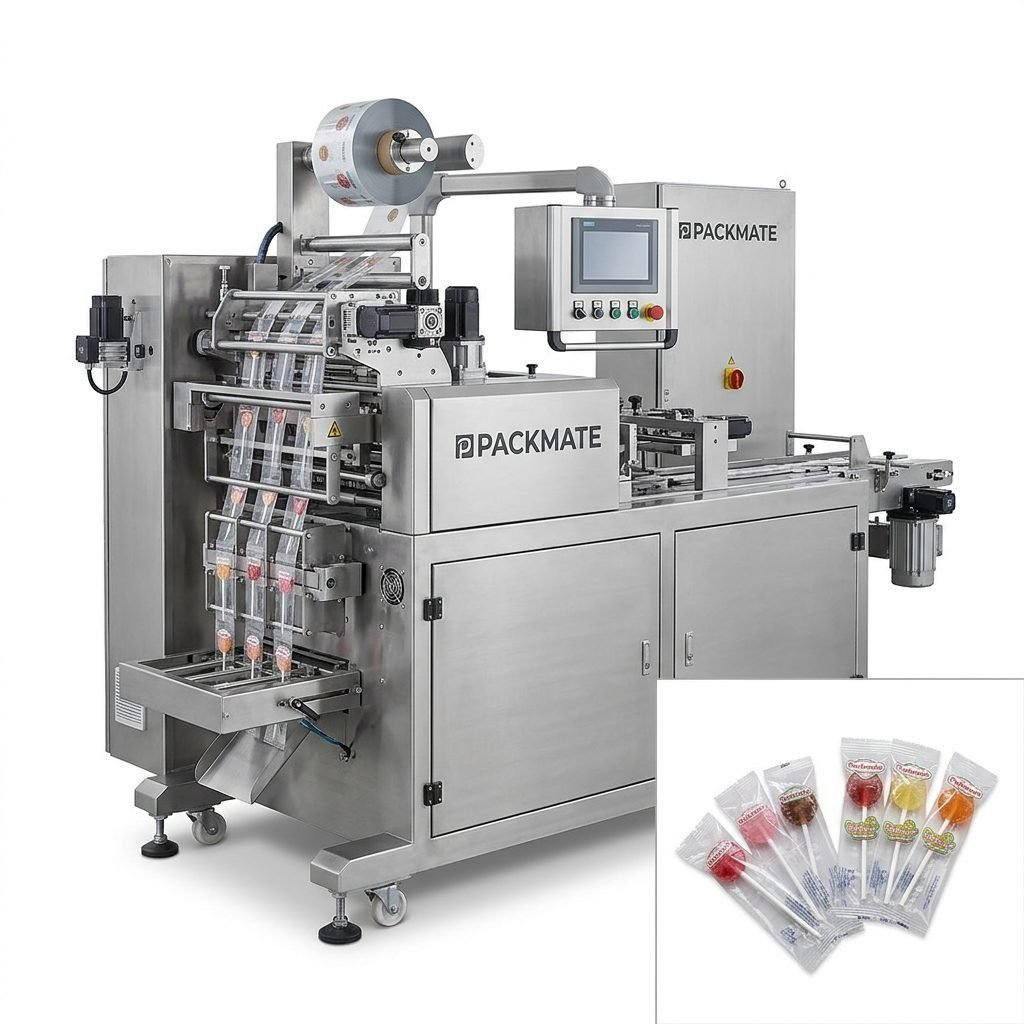
| Packmate Machinery | Practical automation & reliable performance | 30+ years | Good fit for medium-sized operations valuing cost efficiency and support. |
| PacklineOEM | Turnkey packaging line integration | 30+ years | Ideal for large-scale projects requiring complete automated lines. |
| PackingMachineOEM | Non-standard & customized machine solutions | 30+ years | Best for unique product formats requiring specialized engineering. |
| SnusMachinery | Specialized in nicotine pouch & snus packaging | 30+ years | Niche supplier for ventures in smokeless tobacco or precise pouch filling. |
Due Diligence and Final Selection
Before making a decision, conduct thorough due diligence. Request and contact customer references, especially those in similar industries or regions. Ask about machine performance, reliability, and the supplier’s responsiveness to service requests. If possible, visit the manufacturer’s facility or arrange a live video test using a sample of your product. This step is crucial to see the machine in action and verify its output quality.
Negotiating the Contract
Ensure the purchase contract clearly details technical specifications, delivery terms (FOB/ CIF Walvis Bay), payment schedule, warranty terms, and scope of after-sales services. Clarify responsibilities for import customs clearance in Namibia. It is advisable to work with a supplier experienced in OEM and export documentation to ensure a smooth process.
Common Questions (FAQs) for Namibian Importers
What are the typical lead times for packaging machines?
Lead times vary based on machine complexity and customization. For standard models, expect 60-90 days after order confirmation. For fully customized or turnkey lines, it can take 90-150 days. Factor in additional time for sea freight shipping to Walvis Bay.
How do I handle customs and import duties in Namibia?
Machinery imports may be subject to duties, VAT, and other levies. It is highly recommended to engage a licensed Namibian clearing agent. Your supplier should provide a complete set of shipping documents (Commercial Invoice, Packing List, Bill of Lading, Certificate of Origin, and CE/Technical Specifications).
What is the best way to ensure machine compatibility with local power supplies?
Namibia uses 220-240V/50Hz power. Specify this requirement clearly during the ordering process. Reputable manufacturers will configure the machine’s electrical system (motors, heaters, controls) accordingly and provide the necessary certifications.
Can I get training for my operators?
Yes. Reliable suppliers typically include basic operational and maintenance training, which can be provided at their factory during commissioning, or via on-site training when their engineer installs the machine in Namibia. Some also offer detailed manuals and video guides.
What if I need a machine for a unique local product?
This is where manufacturers specializing in customization and non-standard solutions excel. Provide detailed product samples and specifications. They can often adapt existing machine designs or engineer new solutions to handle unique formats, viscosities, or materials specific to your market.