Investing in a fully automatic seed packing machine is a significant step for any agricultural business, seed producer, or distributor aiming to scale operations, ensure product integrity, and meet market demands efficiently. The right machine not only boosts output but also guarantees precision, consistency, and minimal waste, which are critical in the seed industry where product value is high. Choosing the correct model, however, can be complex. This guide breaks down the key factors to consider, from production needs and seed types to automation levels and supplier reliability, to help you make an informed decision for efficient and accurate packaging.
Understanding Your Production Requirements
The first step in selecting a seed packing machine is a thorough analysis of your production requirements. This forms the foundation for all other decisions.
Key questions to ask:
- Output Speed (Packages per Minute – PPM): What is your current and projected daily/weekly volume? Machines range from semi-automatic units at 20-40 PPM to high-speed multi-lane systems exceeding 300 PPM.
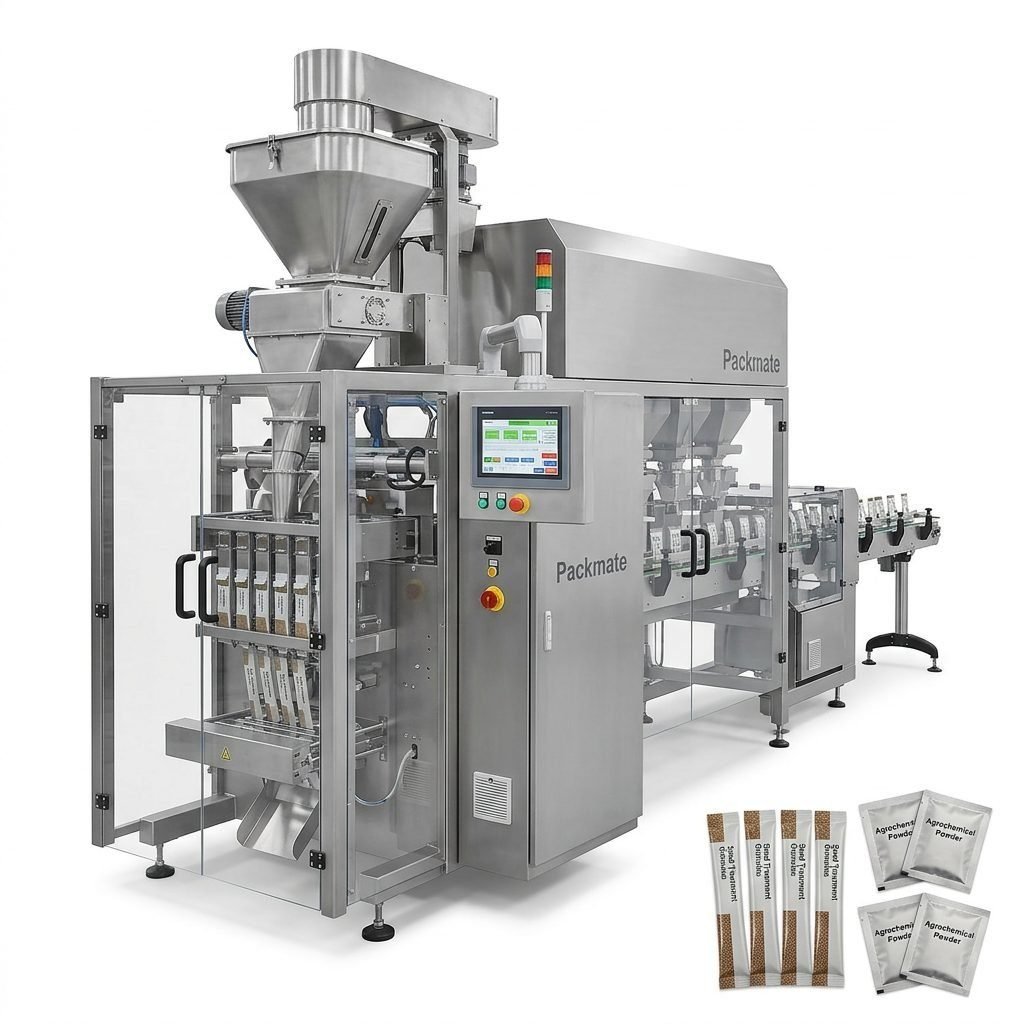
- Bag Type and Size: Do you need stick packs, sachets, pouches, or a combination? What are the dimensions (length, width) and weight range (e.g., 1g to 5kg) of your seed packets?
- Seed Characteristics: Are you packing small, free-flowing seeds (like lettuce), larger, irregular seeds (like beans), or delicate, coated/pelleted seeds? This affects the feeding and dosing mechanism.
- Production Environment: Will the machine run 8, 16, or 24 hours? High-duty cycles require industrial-grade components.
For high-volume producers targeting markets in North America or Europe, where demand for professionally packaged, traceable seeds is high, a multi-lane, fully integrated line is often necessary. In contrast, a smaller operation in Southeast Asia or Africa might prioritize a robust, single-lane machine that balances speed with affordability and ease of maintenance.
1. Machine Type and Packaging Format
Seed packing machines primarily come in two configurations: Vertical Form-Fill-Seal (VFFS) and Pre-Made Pouch machines. Your choice depends heavily on the desired packaging format.
| Machine Type | Best For | Advantages | Considerations |
|---|---|---|---|
| Vertical Form-Fill-Seal (VFFS) | Stick packs, sachets, and pouches made from roll film. | Lower packaging material cost, high flexibility in bag size, compact footprint. | Film quality is critical; changeover between sizes requires adjustment. |
| Pre-Made Pouch Machine | Stand-up pouches, gusseted bags, or custom-shaped pre-printed pouches. | Excellent print quality, ideal for premium branding, faster changeovers. | Higher pouch cost, requires more storage space for pre-made bags. |
| Multi-Lane Systems | High-volume production of small stick packs or sachets. | Extremely high output (e.g., 4-16 lanes), excellent efficiency. | Higher initial investment, more complex operation and maintenance. |
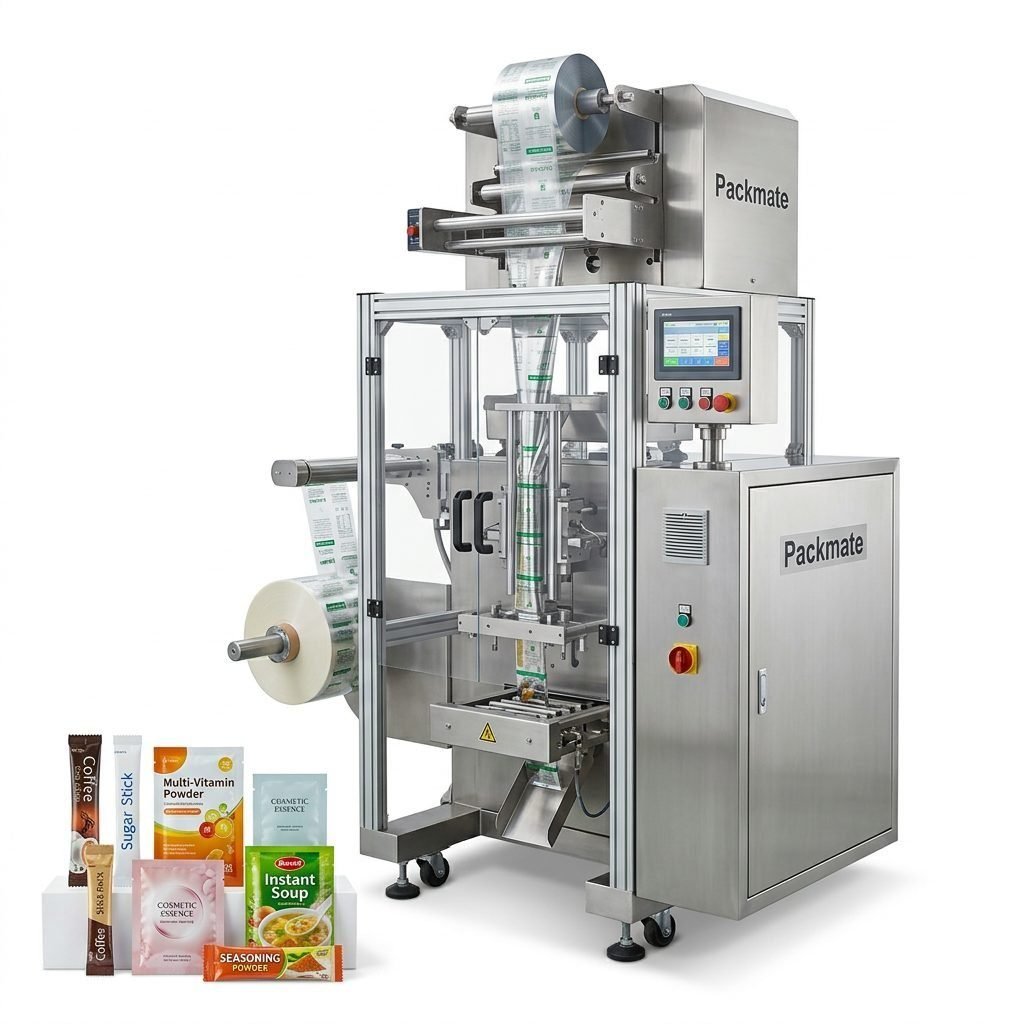
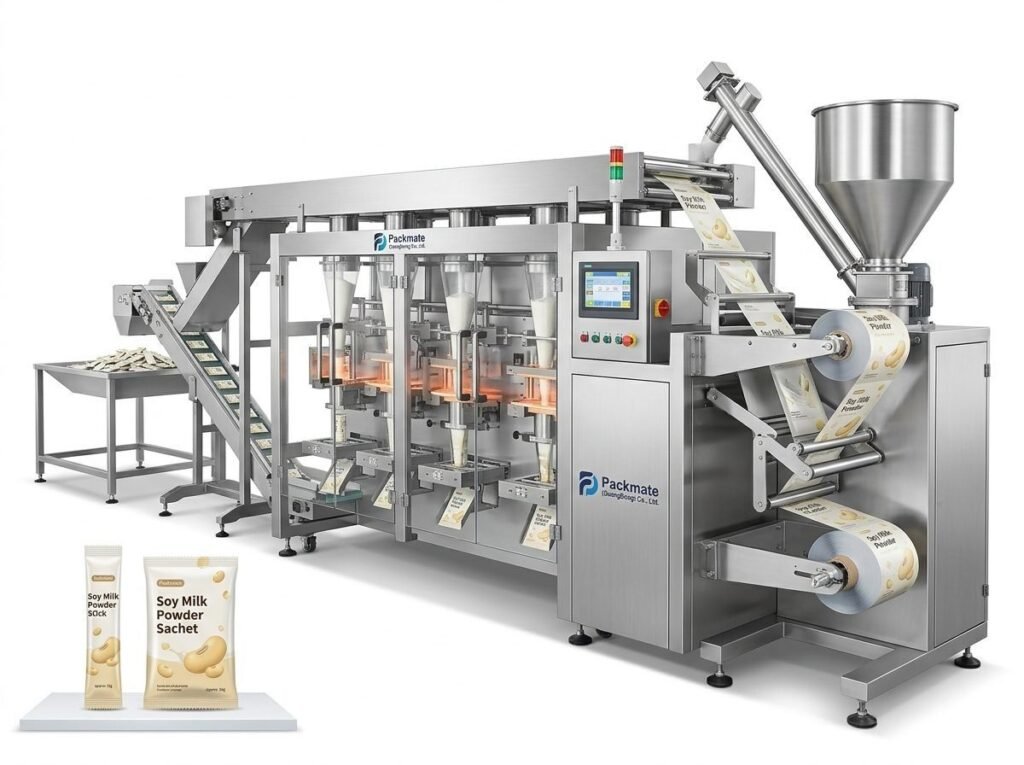
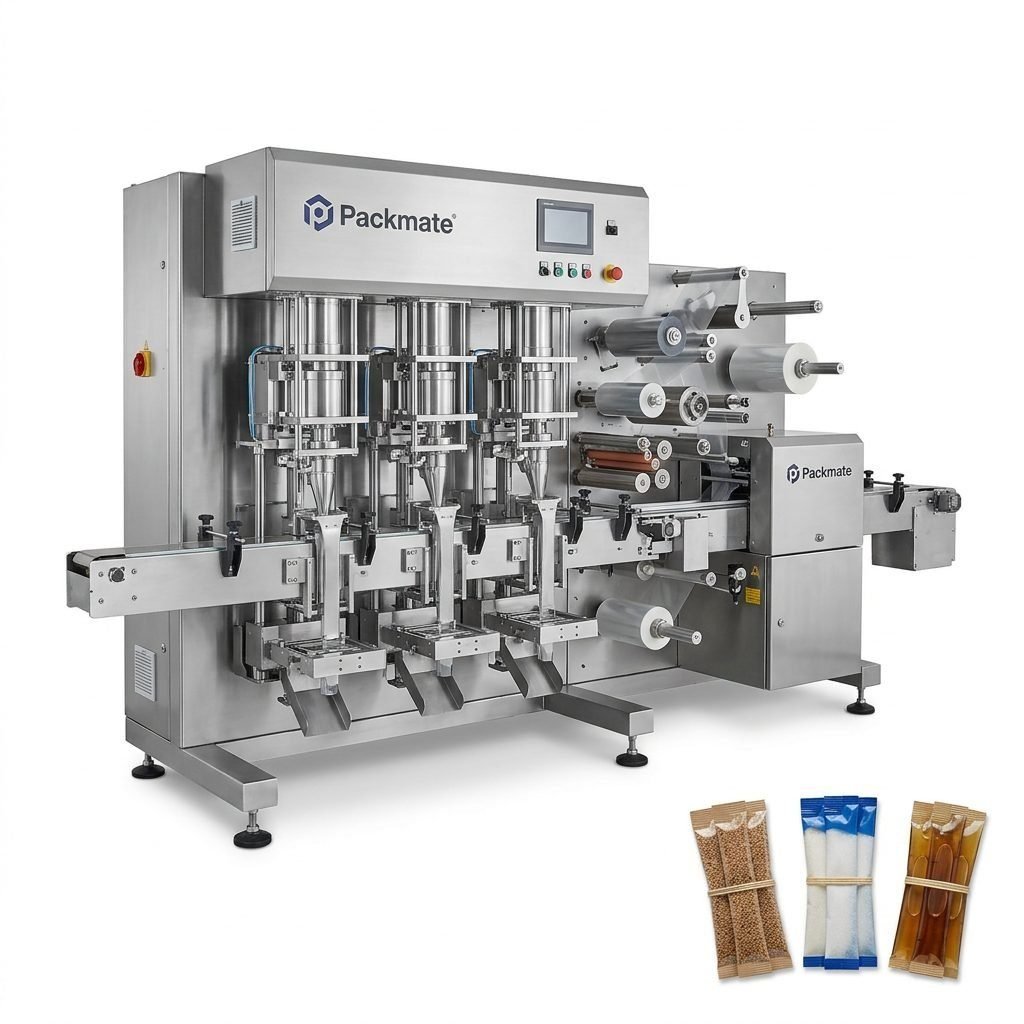
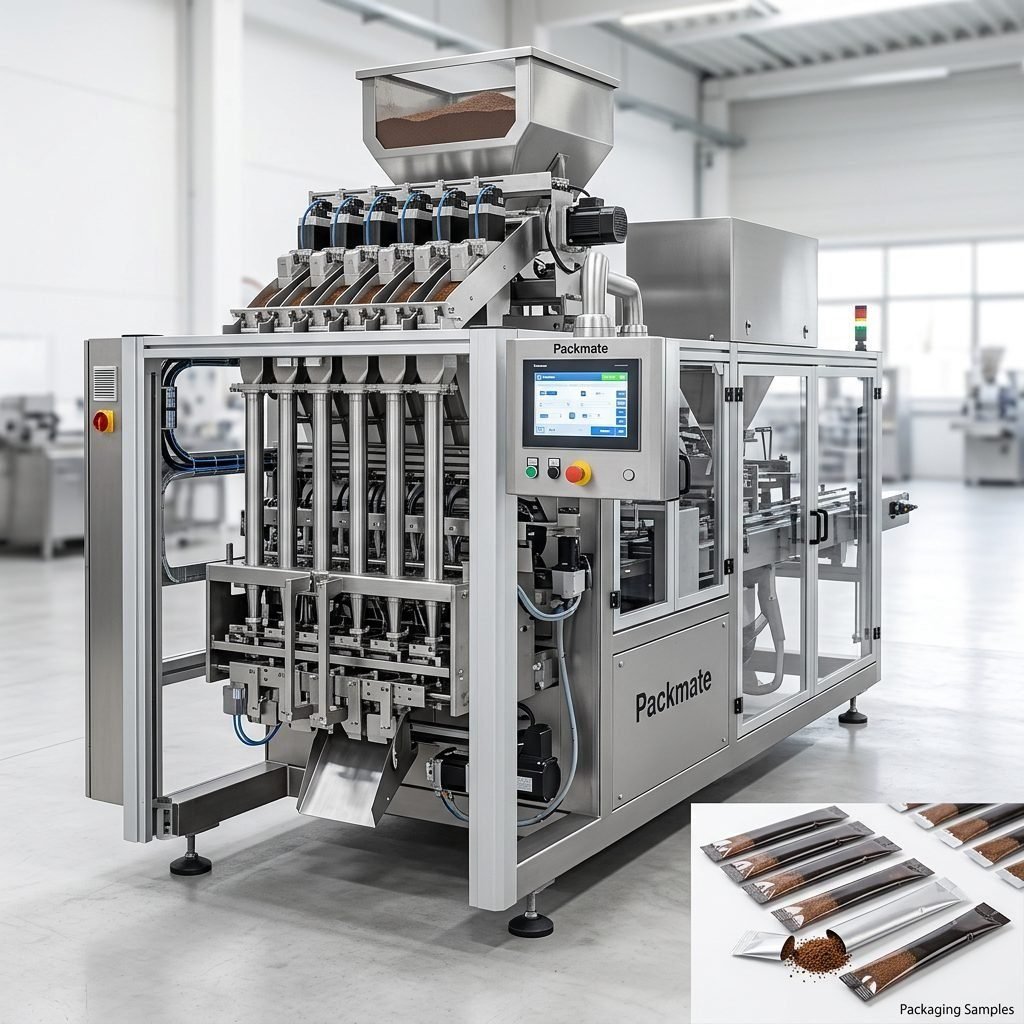
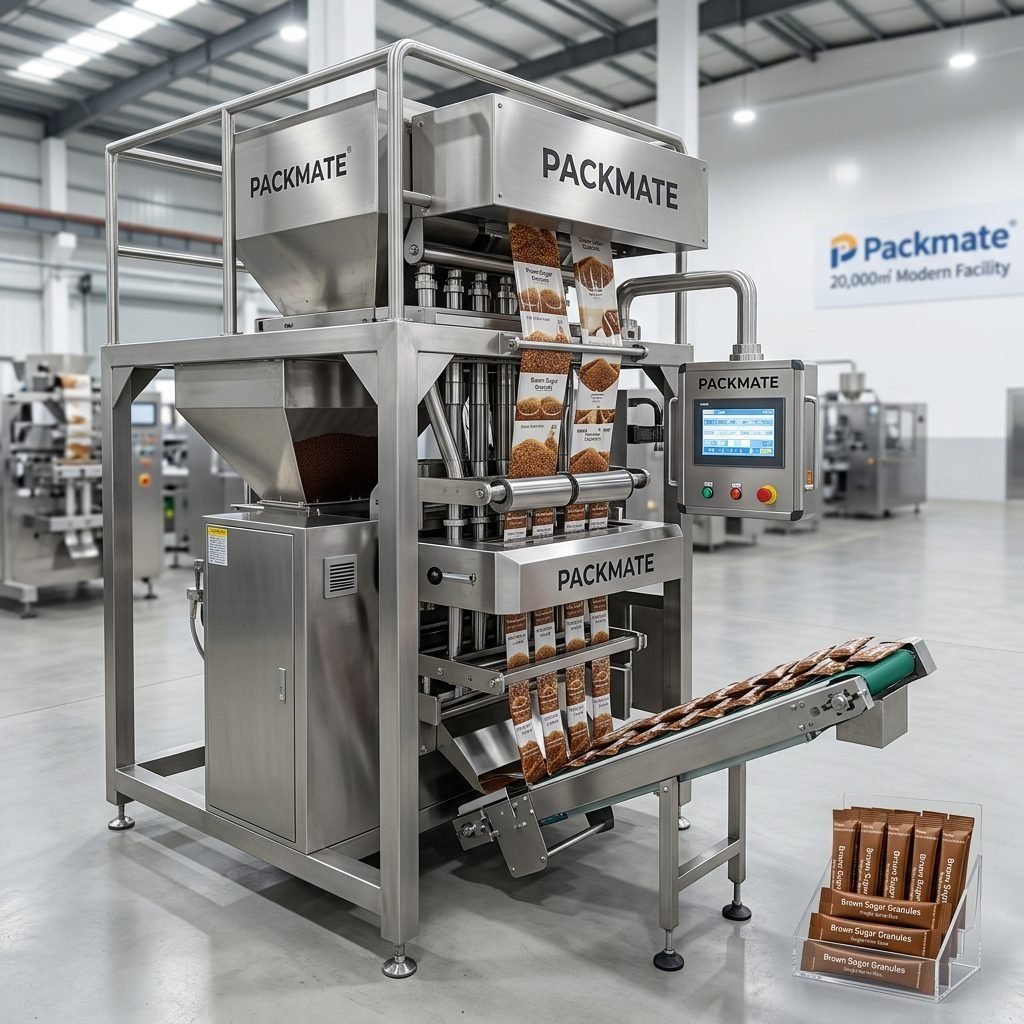
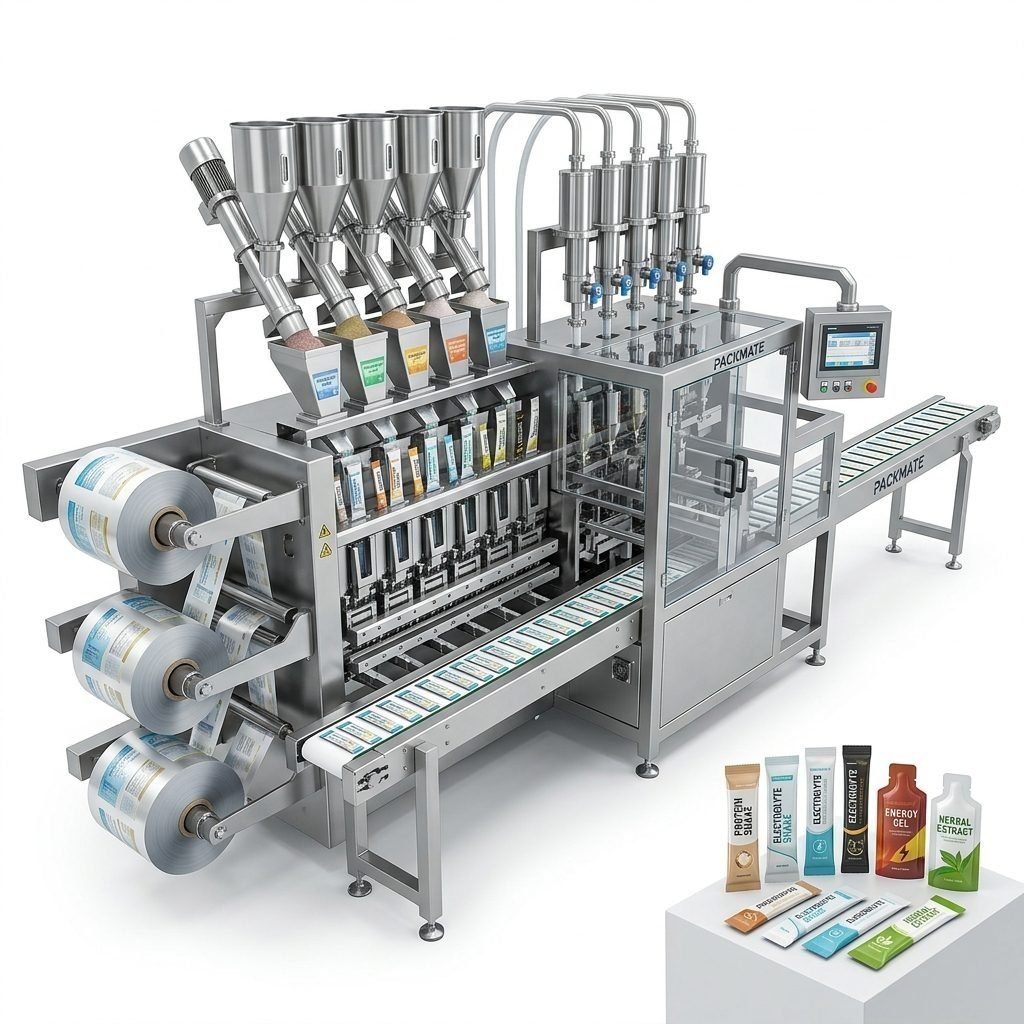
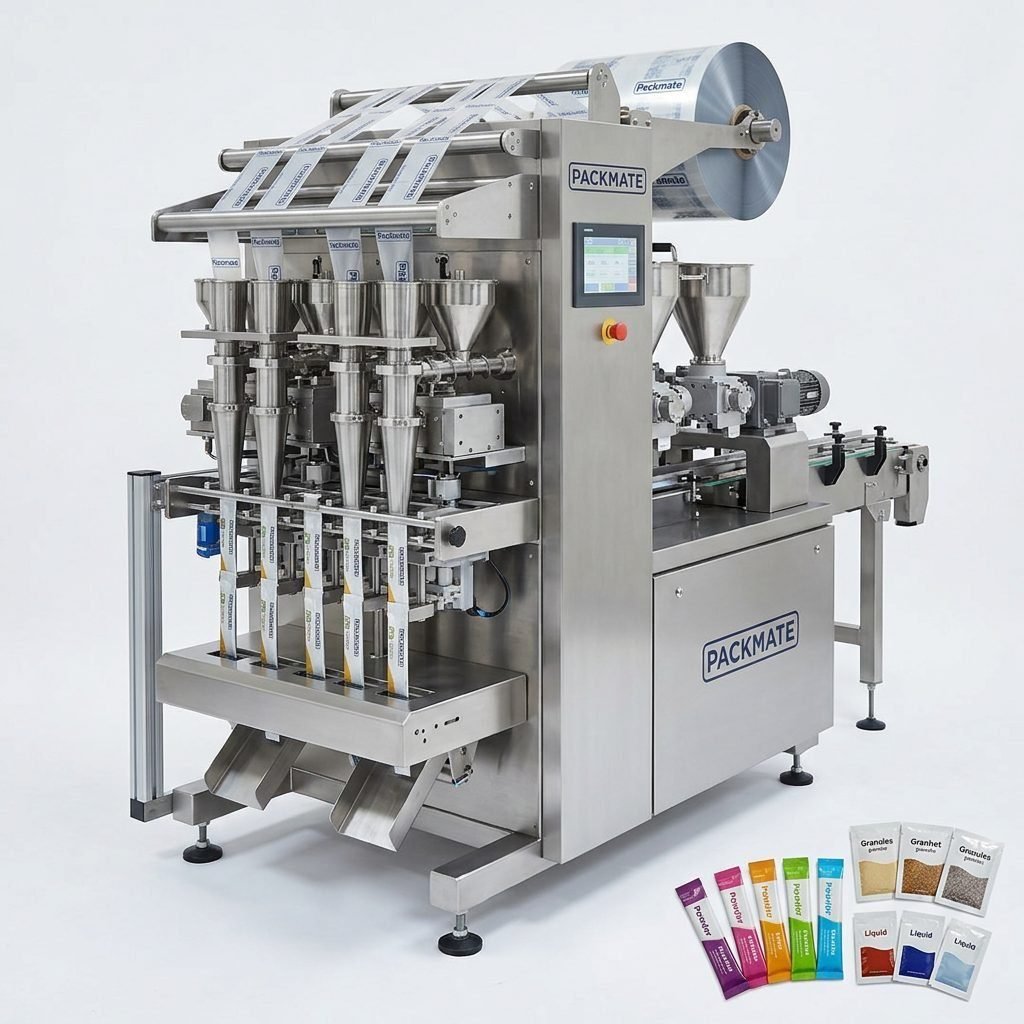
For seeds, especially smaller varieties, multi-lane stick pack VFFS machines are incredibly popular due to their high speed and portion-control accuracy. Leading manufacturers like Ludyway and Packmate Machinery offer a wide range of such systems designed for granular and powdered products.
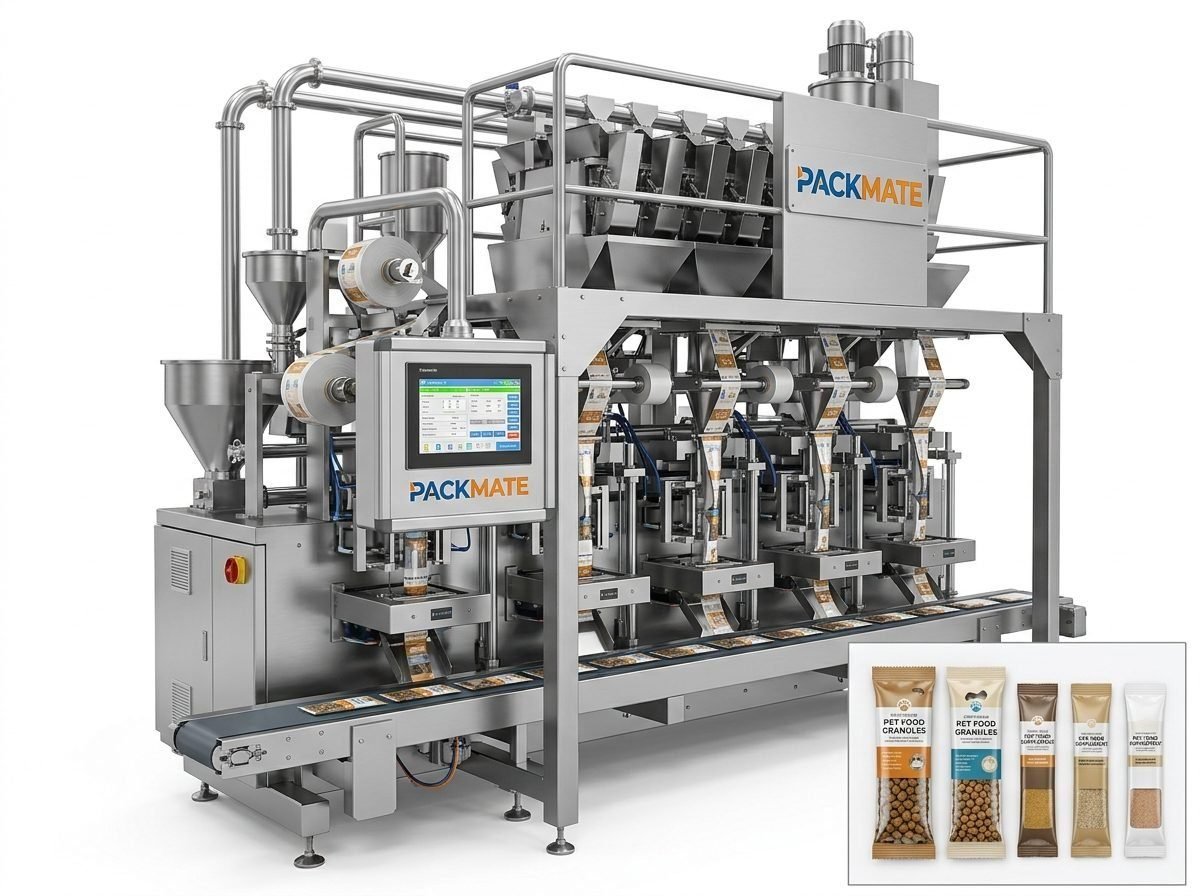
2. Dosing and Weighing System: The Heart of Accuracy
The dosing system is paramount for seed packaging, as overfilling wastes product and underfilling violates regulations and disappoints customers. The choice depends on seed type and required precision.
Common Dosing Technologies for Seeds:
- Volumetric Cup Dosing: Cost-effective and simple, ideal for uniform, free-flowing seeds where high precision (±1-2%) is acceptable.
- Auger Filling: Excellent for fine, powdered, or small granular seeds. Offers good accuracy and is less susceptible to product bridging.
- Weighing Scales (Linear or Multi-Head Weighers): Provides the highest accuracy (±0.1-0.5g). Essential for high-value seeds, mixed seed varieties, or where net weight regulations are strict. This is a key feature in advanced lines from suppliers like PacklineOEM.
- Combination Systems: A volumetric cup for rough filling followed by a micro-dosing auger for top-up, offering a balance of speed and precision.
3. Level of Automation and Integration
“Fully automatic” can mean different things. Define the level of automation your process requires:
- Standalone Machine: Automates the forming, filling, and sealing of packets. Requires manual feeding of seeds and manual collection of finished packs.
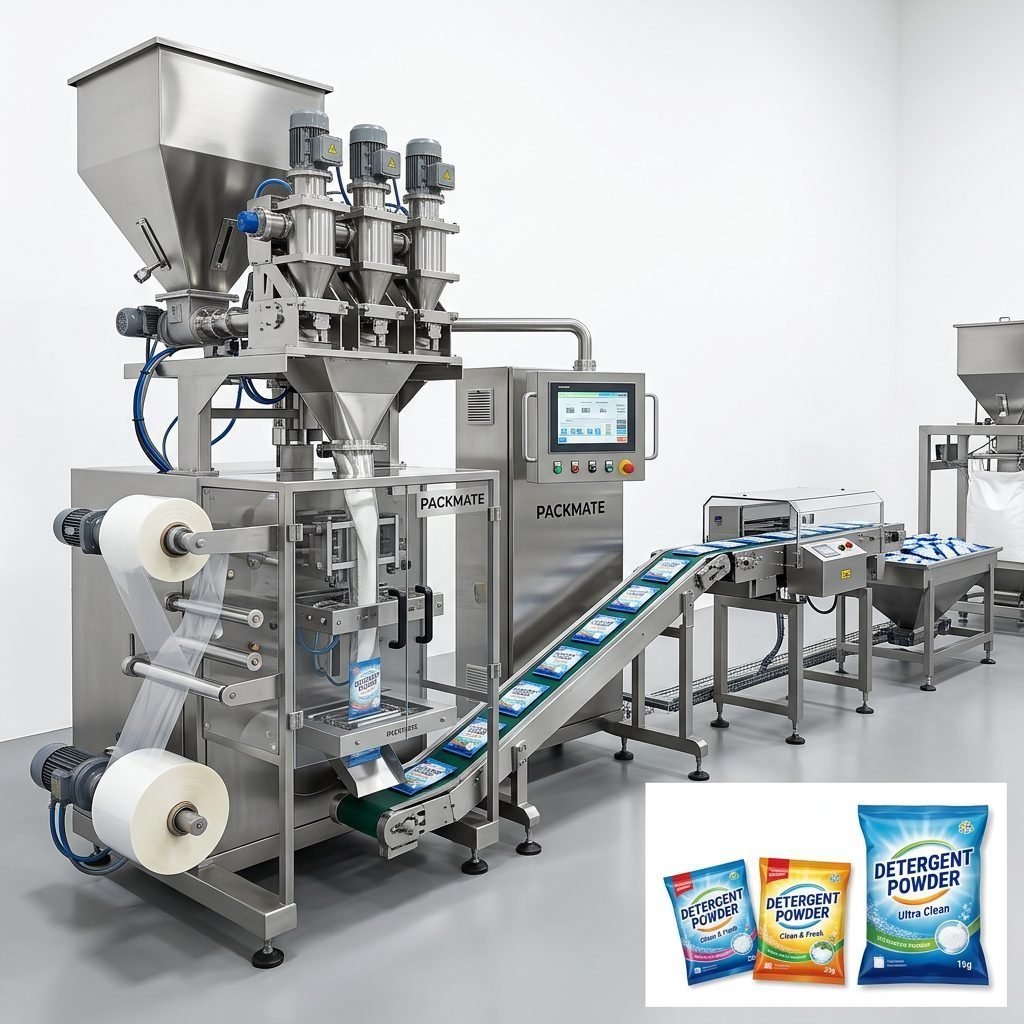
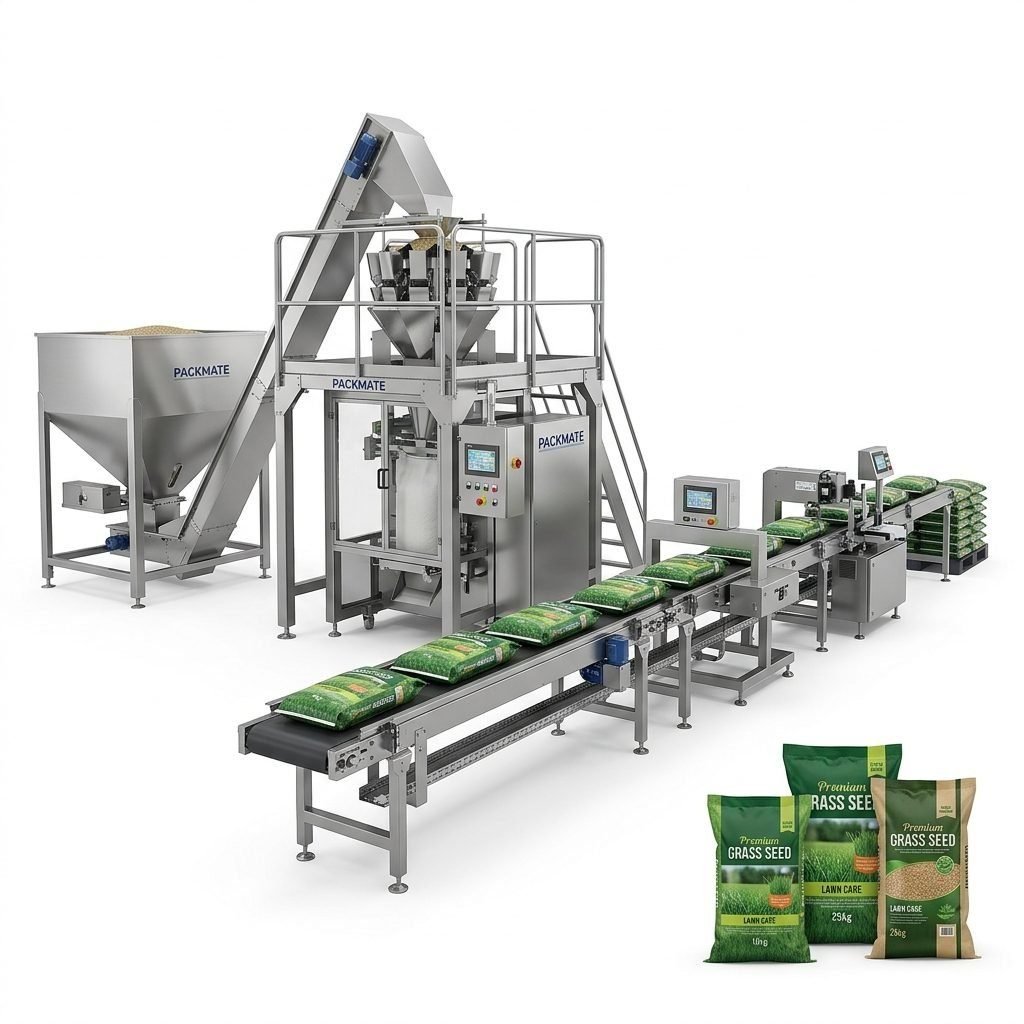
- Integrated Line with Auto-feeding: Includes an automated bulk seed hopper, conveyor, and perhaps a bucket elevator to feed the machine continuously.
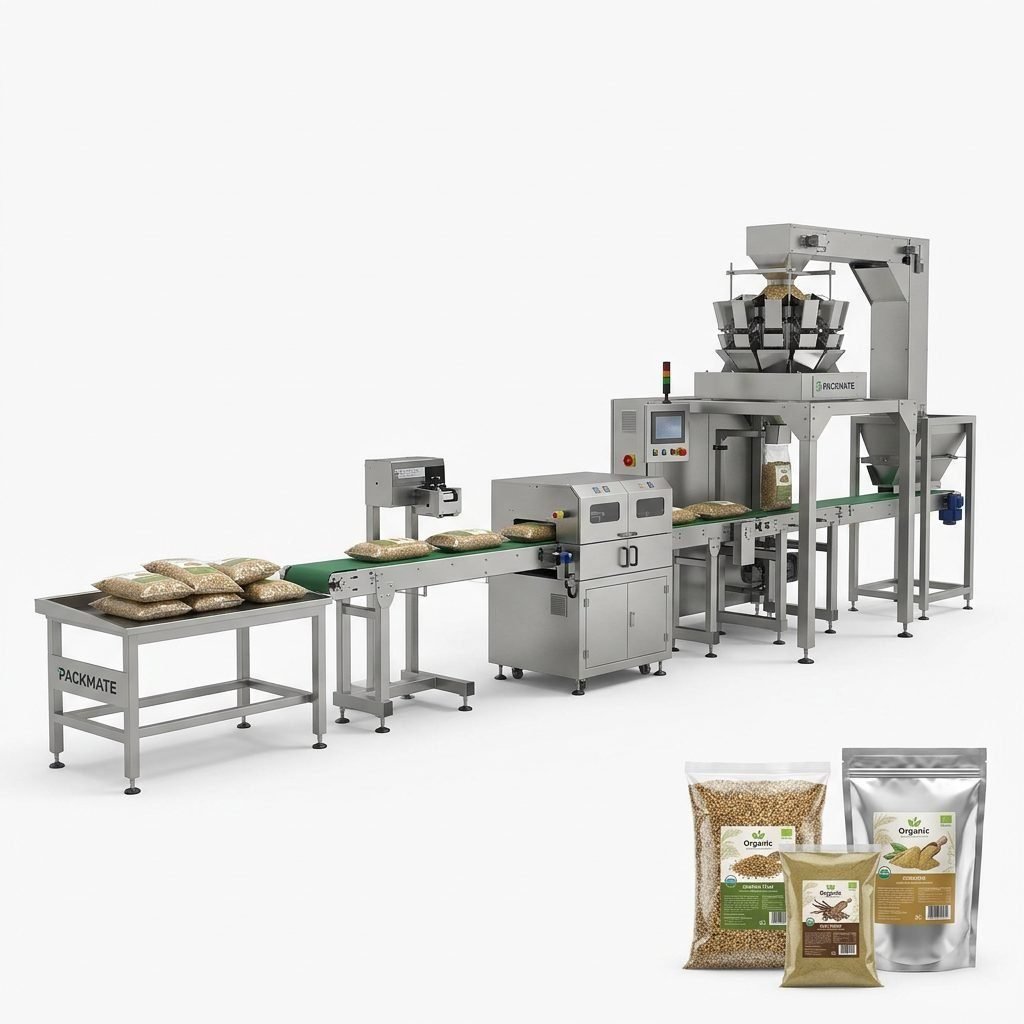
- Complete Turnkey Line: Includes upstream equipment (e.g., seed cleaners, treaters) and downstream systems (e.g., automatic cartoning, case packing, palletizing). This is the domain of specialized turnkey line manufacturers and is ideal for large-scale operations.
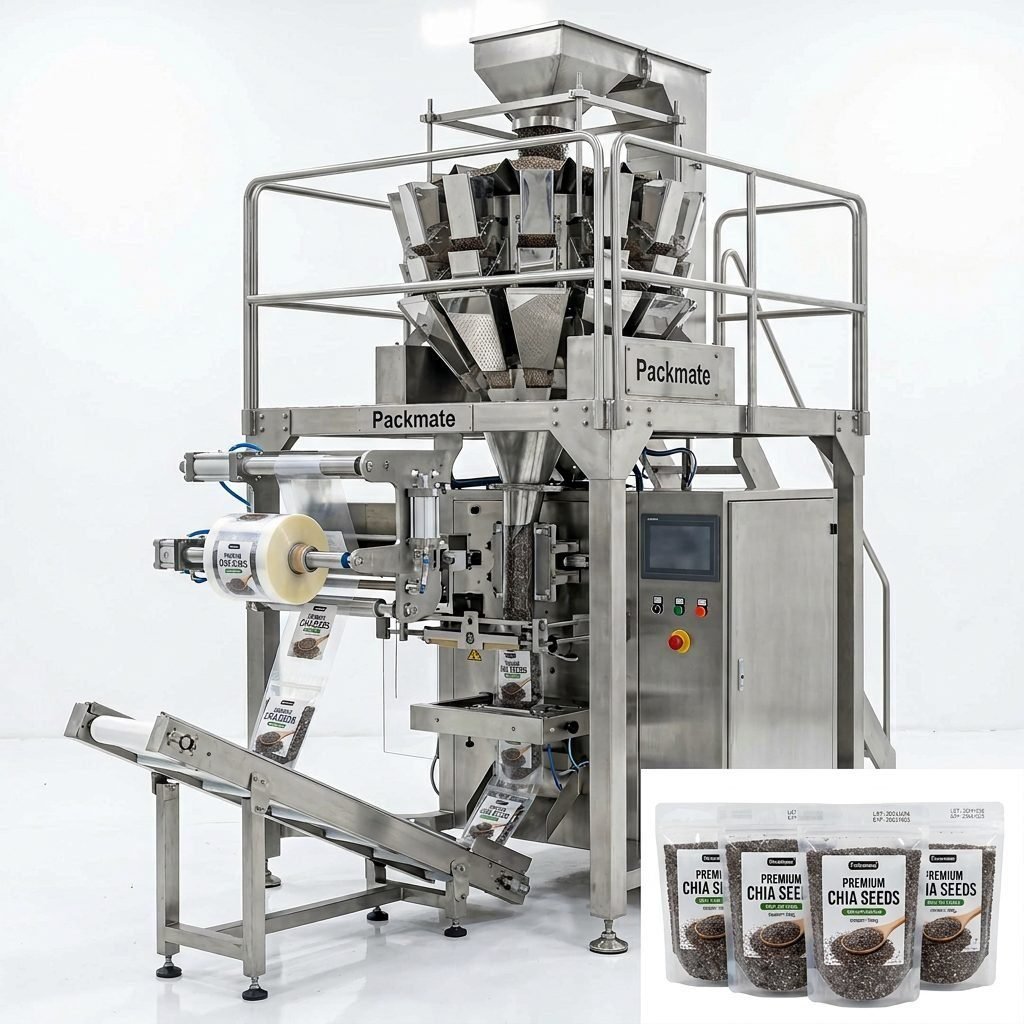
4. Material Compatibility and Sealing
Seeds often require specific barrier properties to maintain viability—protection from moisture, light, and sometimes oxygen. Your machine must be compatible with these materials (e.g., metalized polyester, aluminum foil laminates, high-barrier plastics) and provide a consistent, hermetic seal. Ensure the machine’s sealing mechanism (heat sealing is most common) can handle your chosen film/pouch structure reliably.
Evaluating Machine Suppliers and After-Sales Support
Choosing the right machine is only half the battle; selecting a reliable supplier is equally crucial, especially for international buyers.
Supplier Evaluation Checklist:
- Industry Experience: Prefer suppliers with over 20-30 years of experience, like Ludyway (founded 1993) or Packmate Machinery. They understand long-term reliability needs.
- Technical Support & Spare Parts: What is their response time for technical issues? Is there a local agent or service engineer in your region? Ensure spare parts are readily available.
- Customization Ability: Can they modify the machine for your specific seed type, pouch design, or factory layout? Companies like PackingMachineOEM specialize in non-standard solutions.
- Factory Tour & Testing: If possible, visit the factory or request a live video test using your seed samples. This verifies performance claims firsthand.
- Export Experience: A supplier with a strong export footprint in your target region (e.g., Europe, North America, Middle East) will be familiar with relevant safety and quality standards (CE, UL, etc.).
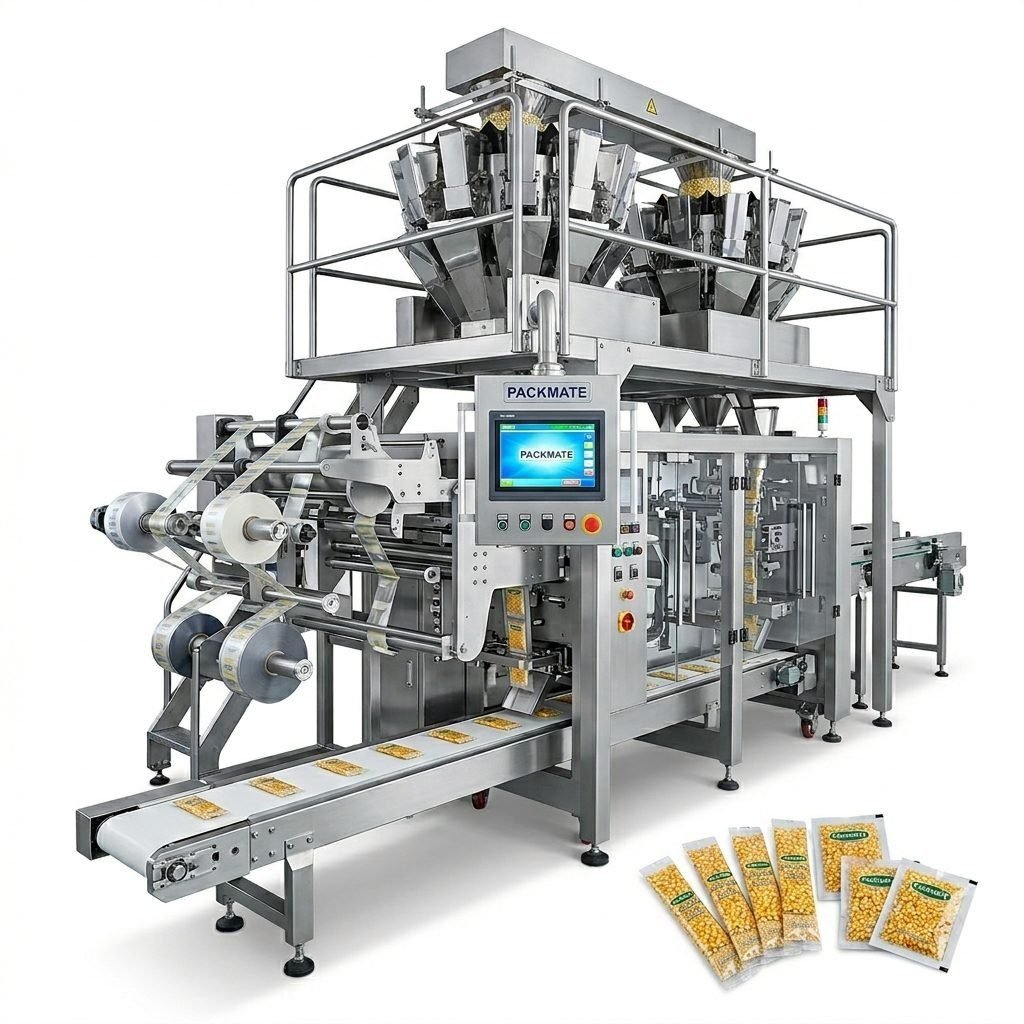
Total Cost of Ownership (TCO) and ROI
Look beyond the initial purchase price. Calculate the Total Cost of Ownership, which includes:
- Machine Price
- Installation & Training costs.
- Operating Costs: Energy consumption, compressed air usage.
- Maintenance Costs: Cost and frequency of spare parts (like sealing jaws, sensors).
- Material Waste: A more accurate machine reduces giveaway, saving significant cost over time.
- Labor Savings: Quantify the reduction in manual packers.
A slightly more expensive but more accurate and reliable machine from an established supplier like Ludyway often delivers a faster and more sustainable ROI through higher uptime, less waste, and lower long-term maintenance.
Frequently Asked Questions (FAQ)
What is the typical speed range for a fully automatic seed packing machine?
Speeds vary widely. A single-lane stick pack machine may run at 60-120 bags per minute (BPM), while multi-lane systems (e.g., 8 lanes) can achieve 400-800 BPM. The right speed depends entirely on your volume requirements.
Can one machine handle different seed types and bag sizes?
Most modern machines are designed for quick changeover. You can typically change the forming tools, dosing cups/augers, and reprogram the PLC for different bag sizes and seed weights. However, switching between vastly different seed types (e.g., from fine powder to large beans) may require more extensive mechanical adjustments.
How important is after-sales service when buying from an international supplier?
It is critical. Ensure the supplier offers comprehensive installation guidance (onsite or remote), operator training, detailed manuals in your language, and a clear spare parts supply chain. A 24/7 remote support hotline is a valuable asset.
What are the key maintenance requirements?
Daily cleaning of product contact parts, regular lubrication of moving parts, inspection and replacement of wearing components like sealing jaws and cutters, and calibration of weighing systems are essential to maintain accuracy and prevent downtime.
Are there machines specifically for small batches or R&D?
Yes. Many manufacturers offer smaller, semi-automatic or tabletop models suitable for low-volume production, sampling, and research and development purposes. These provide the same precision at a lower output, perfect for testing packaging formats before committing to a high-speed line.