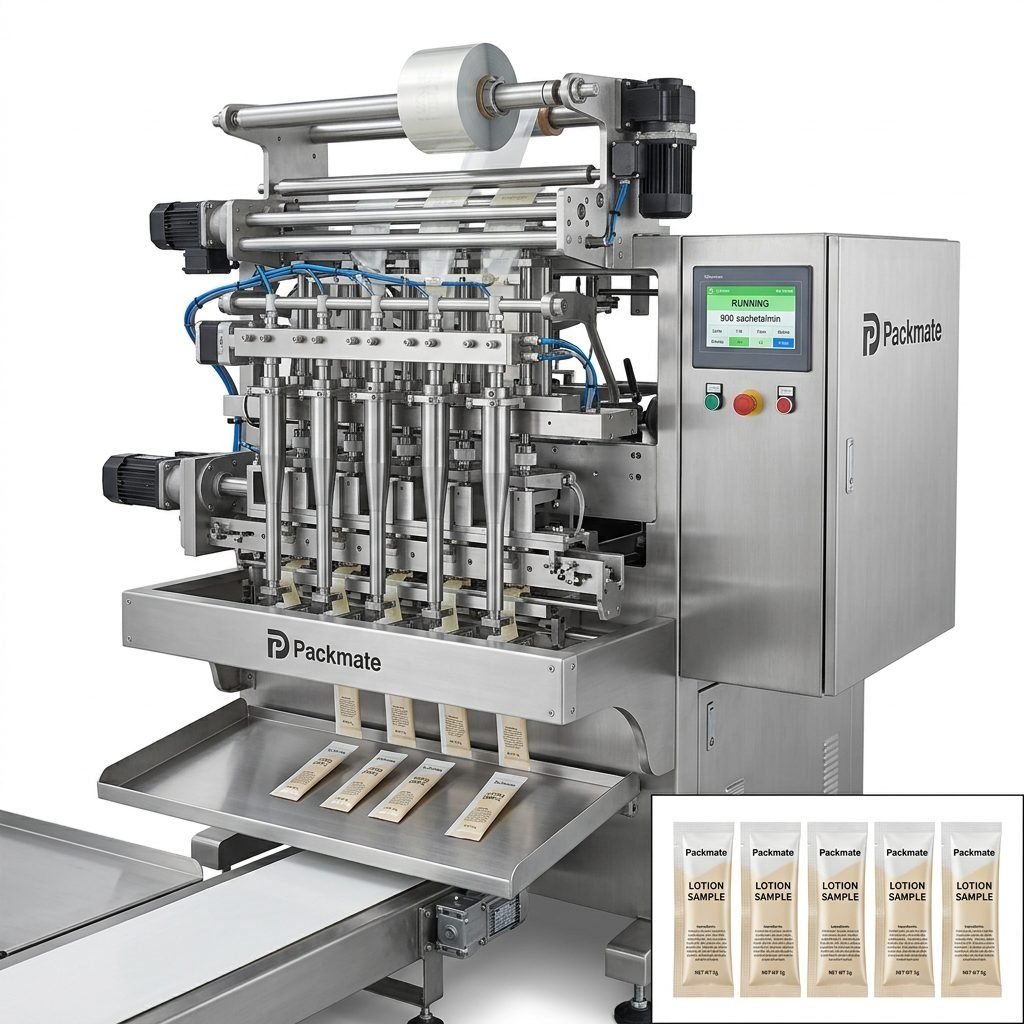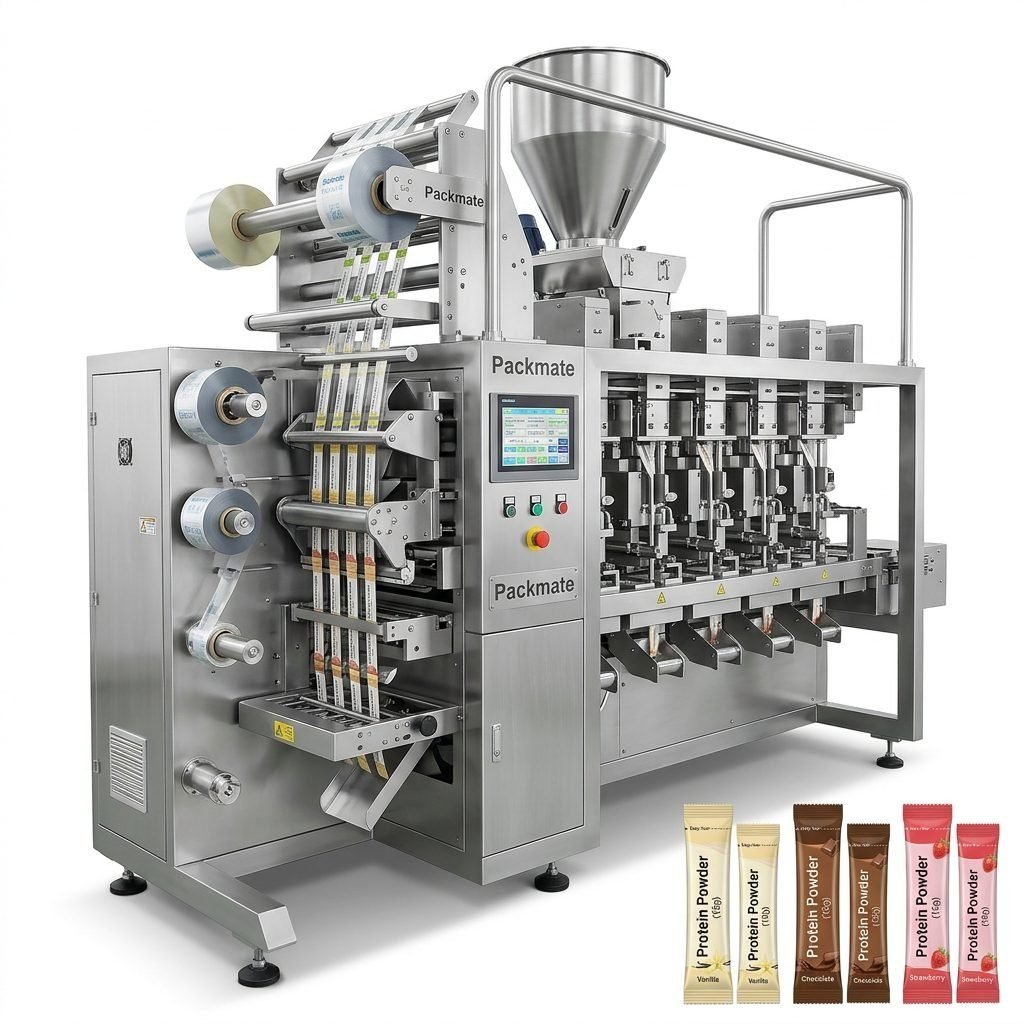
In the competitive agricultural and horticultural sectors, precision and efficiency in packaging are not just operational goals—they are critical business differentiators. For seed producers and distributors, ensuring each packet contains the exact weight and count of seeds is paramount to customer satisfaction, regulatory compliance, and brand reputation. This is where high-efficiency multihead weigher packaging machines have revolutionized the process, offering a powerful solution for accurate filling and fast packing of seeds and similar granular products.
The Critical Role of Precision in Seed Packaging
Seeds are a high-value, low-tolerance product. Overfilling leads to significant material waste and reduced profitability, while underfilling can result in failed germination rates, disappointed customers, and potential legal issues regarding stated quantities. Traditional volumetric or auger filling methods often struggle with the inherent variability in seed size, shape, and density, especially when dealing with mixes or irregularly shaped varieties.
A multihead weigher system directly addresses this challenge by shifting from volume-based to weight-based filling. This technology guarantees that every single packet meets the precise target weight, regardless of minor physical variations in the product. For businesses targeting markets in North America and Europe, where consumer expectations and regulatory standards for product quantity are exceptionally high, this level of accuracy is non-negotiable.
Key Advantages of Multihead Weigher Technology for Seeds
- Unmatched Accuracy: Achieves weighing precision typically within ±0.1 to 0.5 grams, ensuring every bag meets the declared net weight.
- High-Speed Operation: Modern multihead weighers can achieve speeds of 60-120+ weighments per minute, dramatically increasing output compared to manual or semi-automatic methods.
- Reduced Product Giveaway: Minimizes overfilling, directly saving on raw material costs, which is crucial for high-value hybrid or organic seeds.
- Versatility: Easily handles a wide range of seed types—from tiny flower seeds to larger vegetable or grain seeds—with quick changeover between products.
- Hygiene and Cleanliness: Enclosed systems minimize dust and contamination, protecting product integrity.
How a Multihead Weigher Packaging Line Works
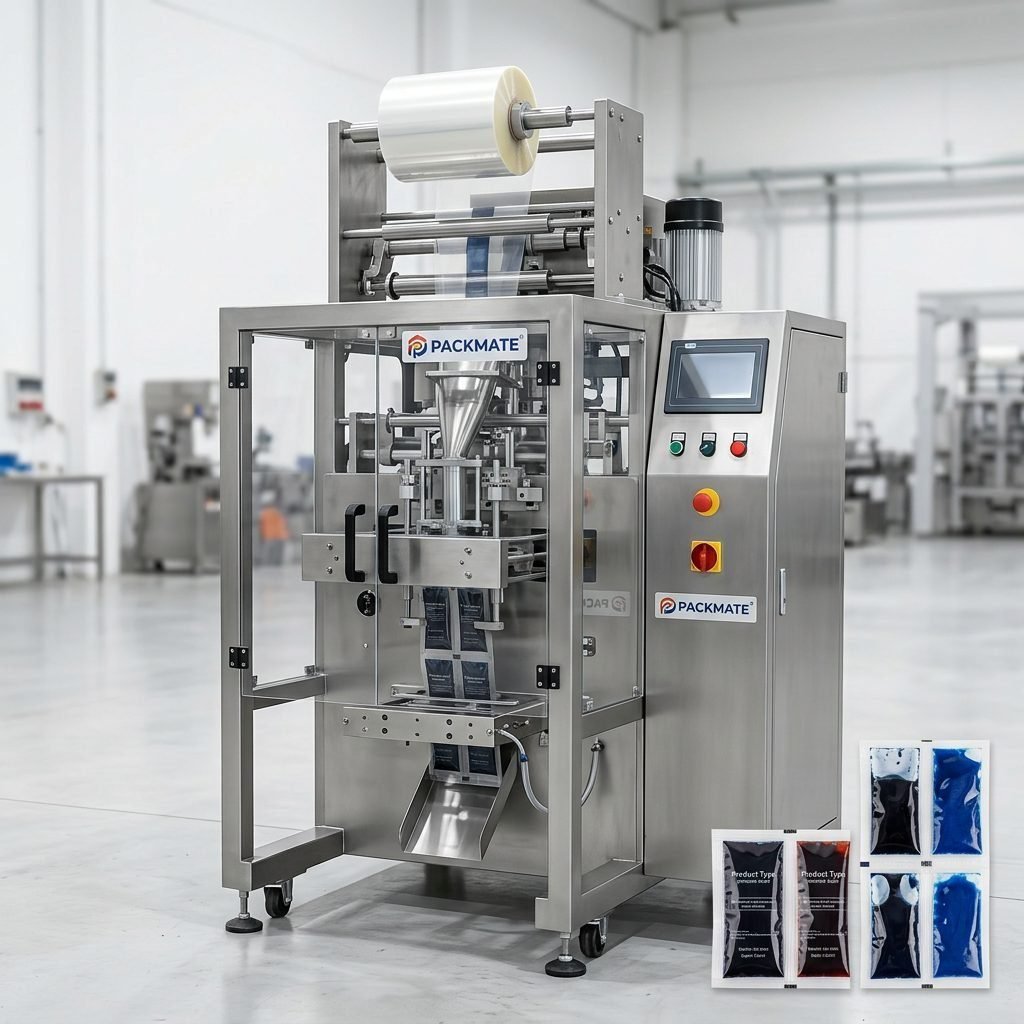
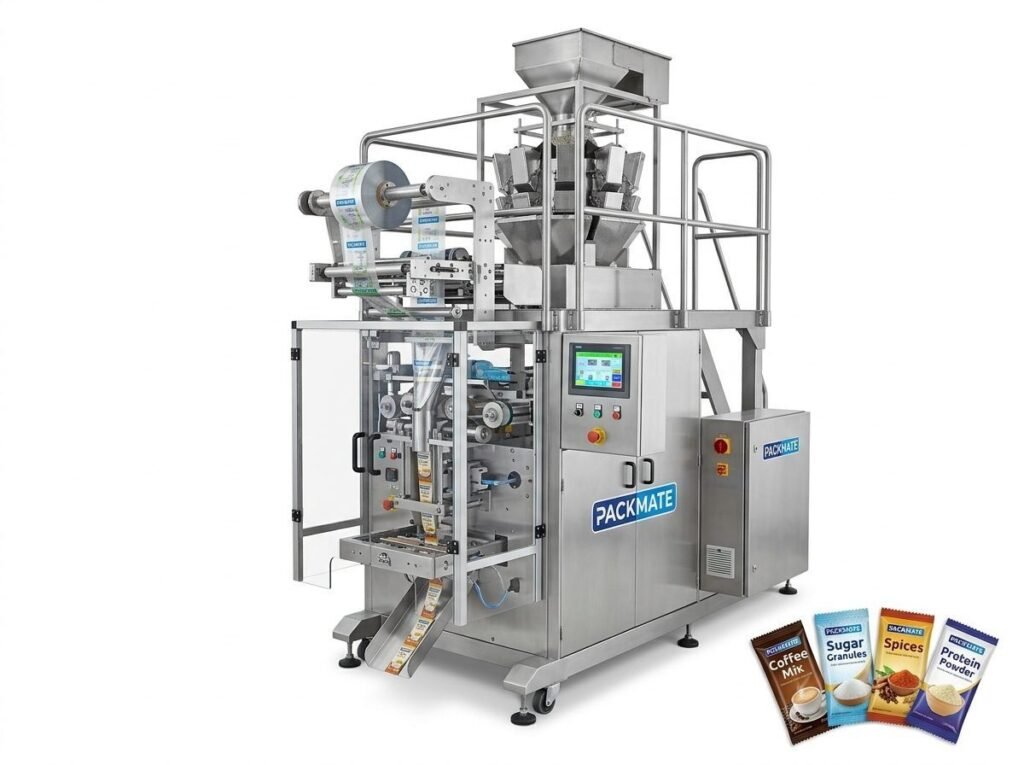
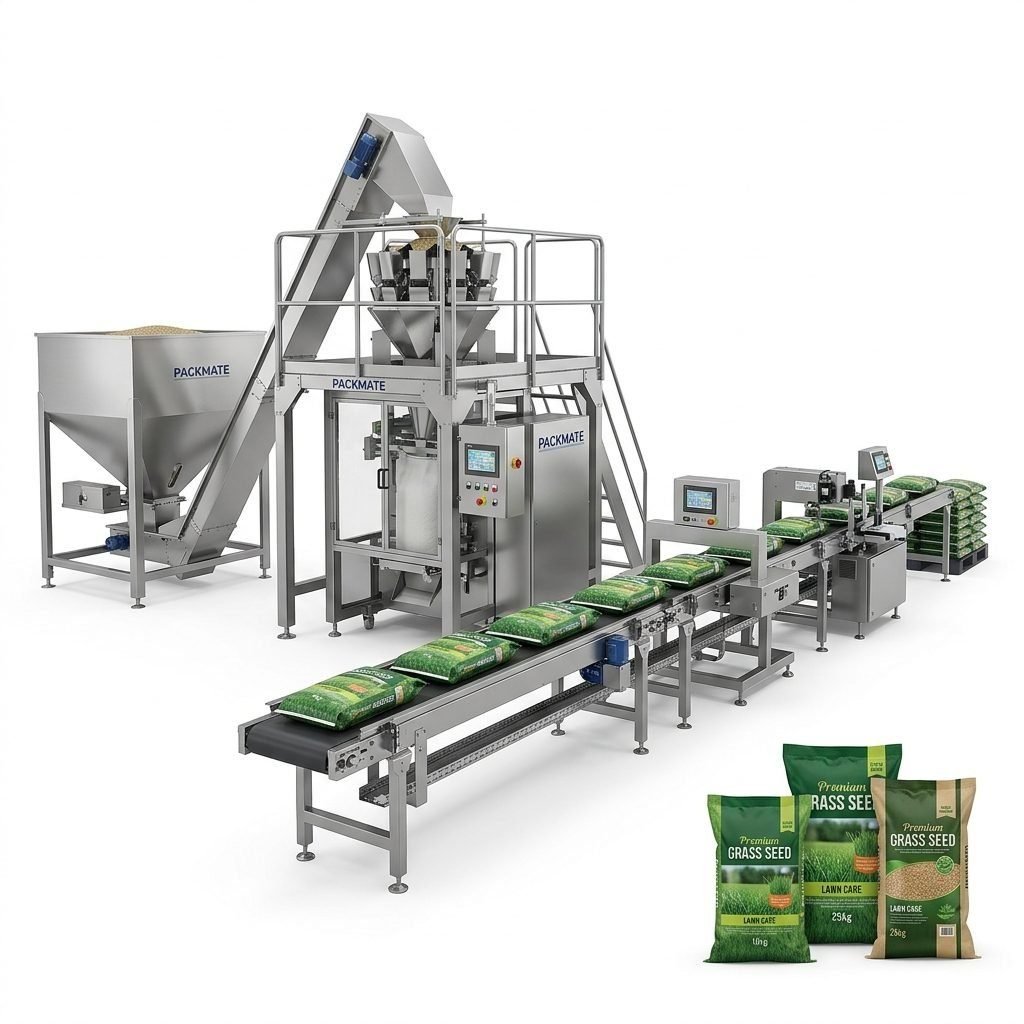
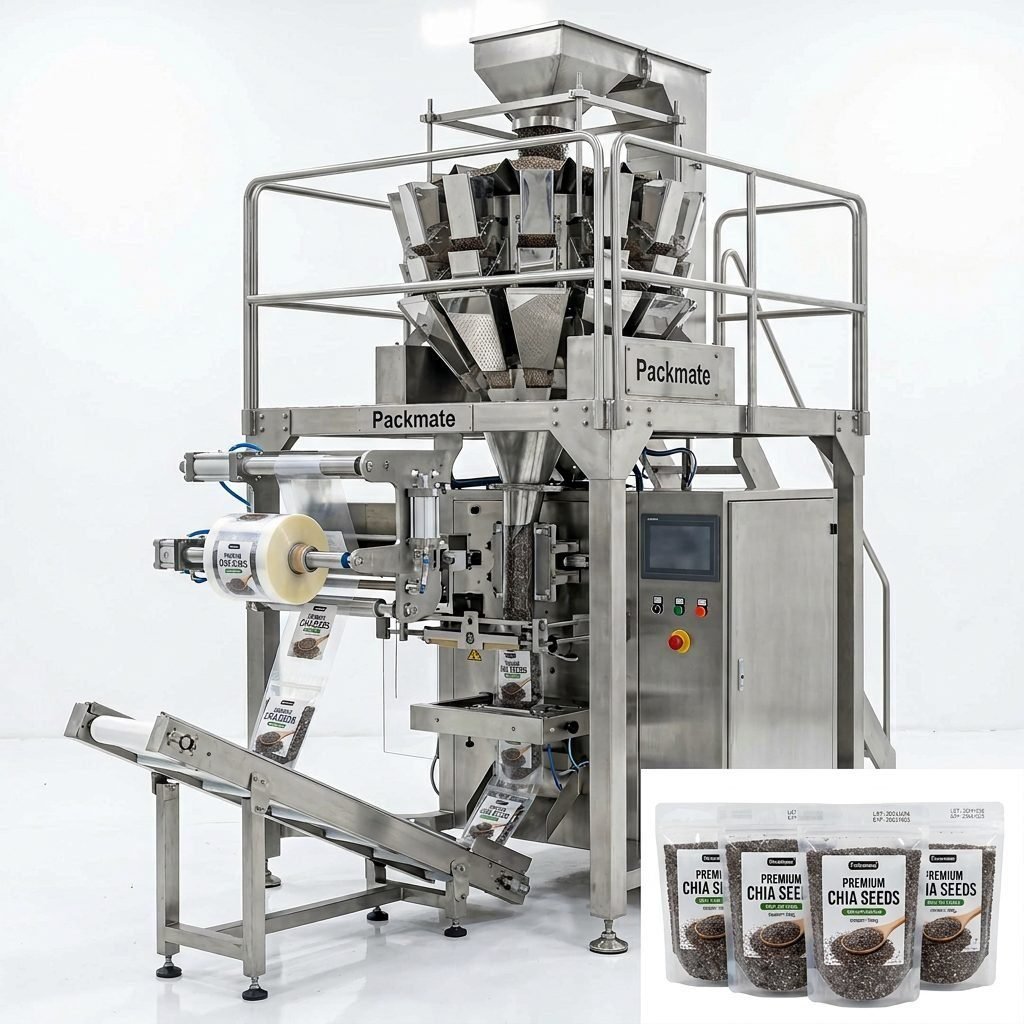
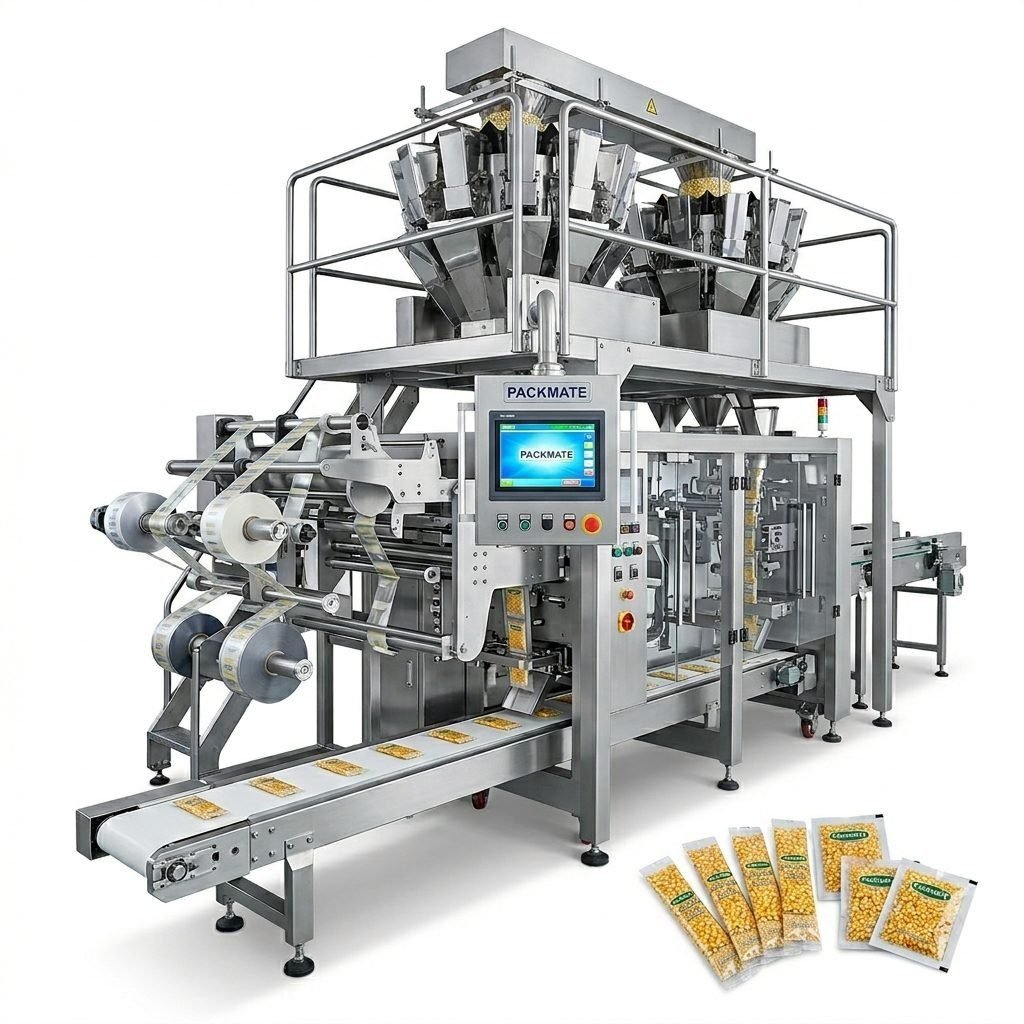
The process is a marvel of synchronized automation. Seeds are fed from a bulk hopper into a distribution system that supplies multiple individual weighing buckets (or “heads”), typically ranging from 10 to 24 heads. A computer-controlled system then rapidly calculates the optimal combination of bucket weights that together achieve the exact target weight. This combined portion is discharged into a funnel and directly into the waiting packaging film, which is simultaneously formed, filled, and sealed by a vertical form-fill-seal (VFFS) machine.
Integrating into a Complete Turnkey Solution
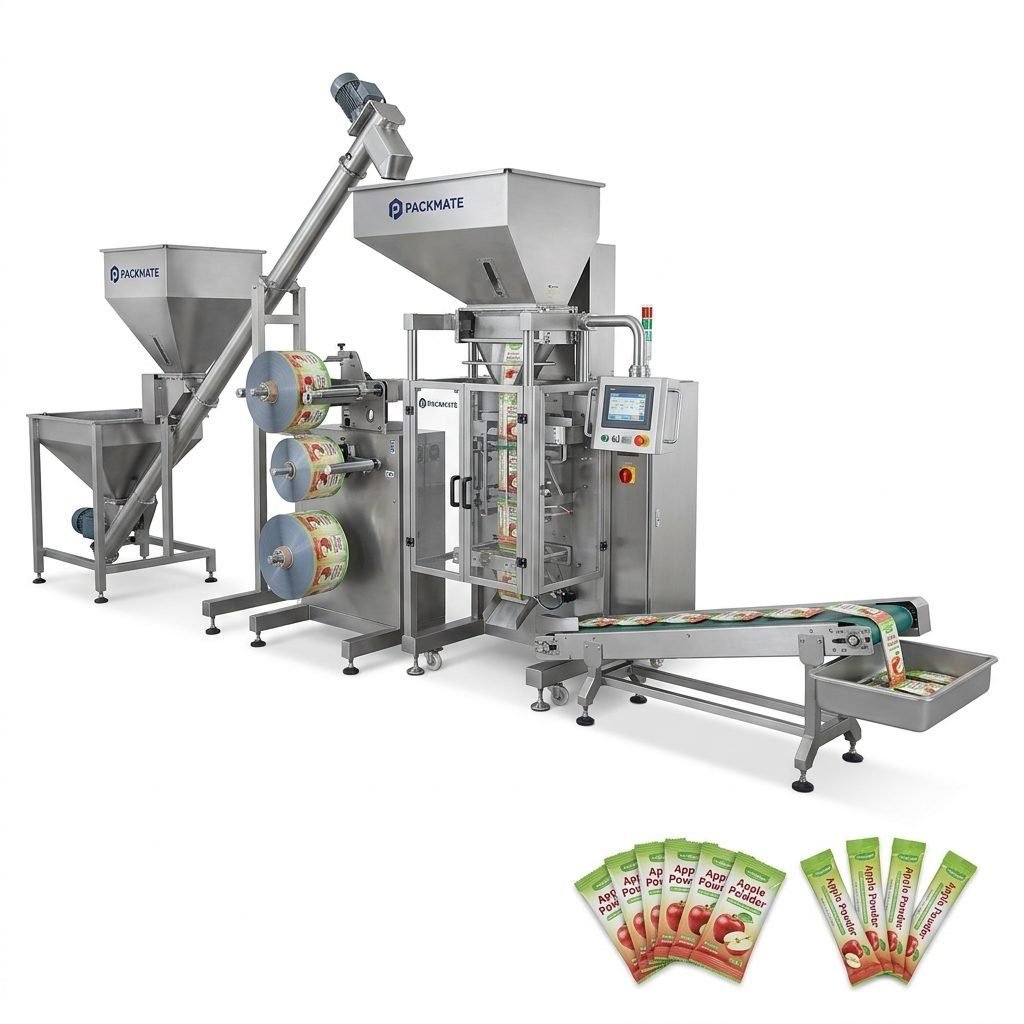
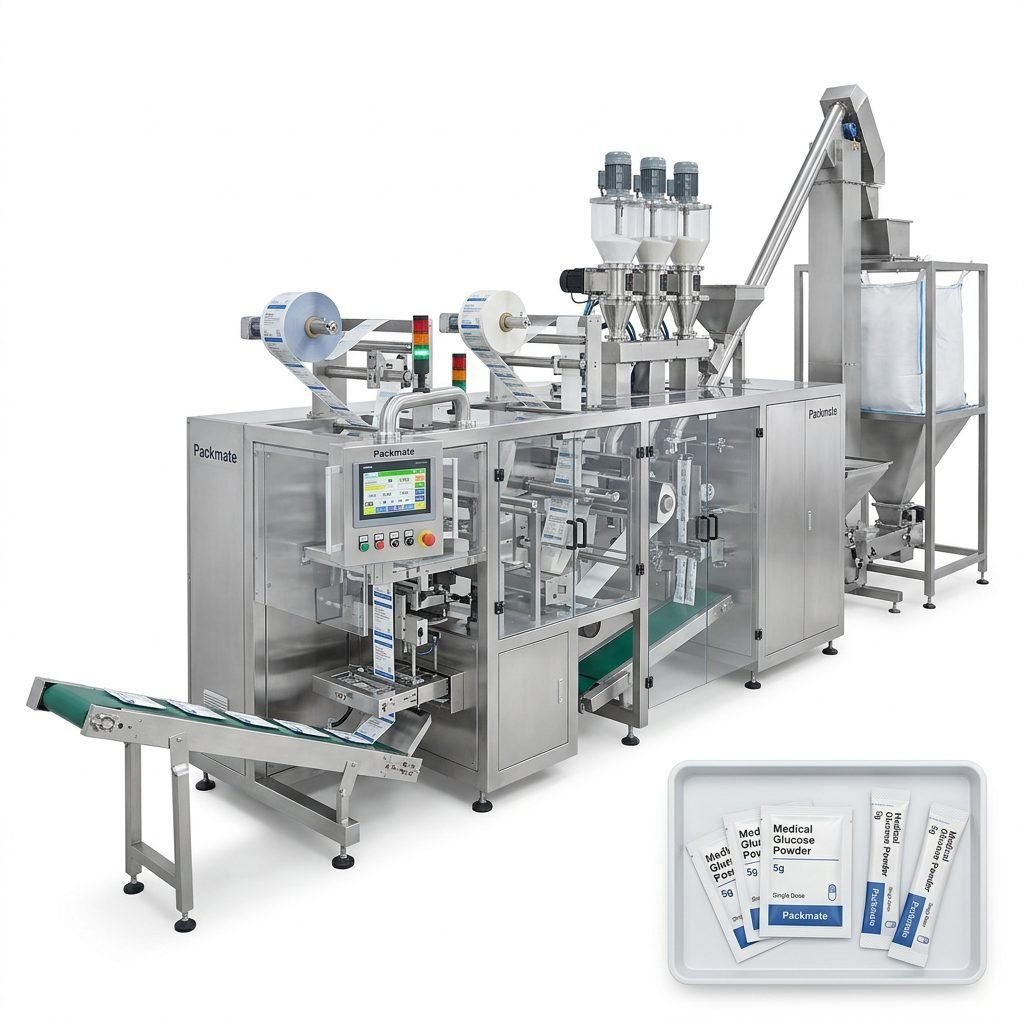
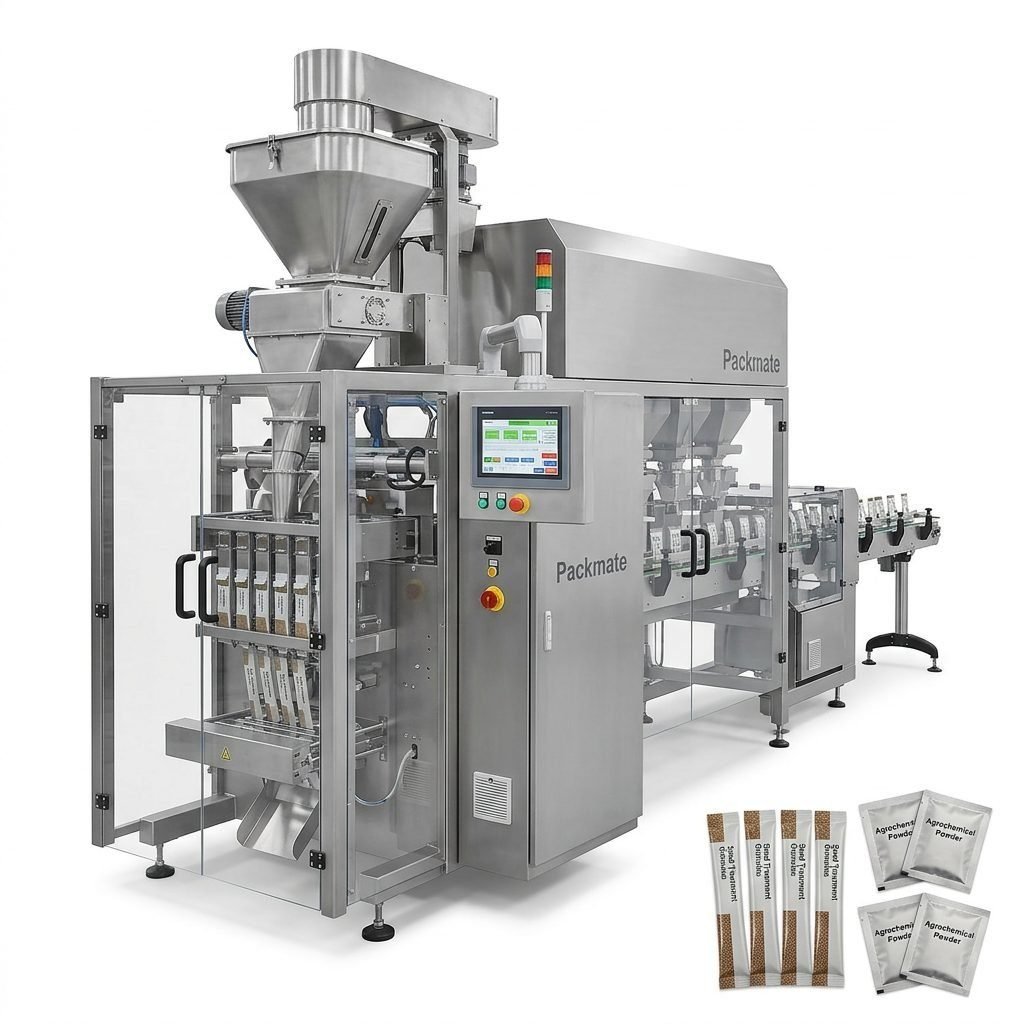
For maximum efficiency, a multihead weigher is rarely a standalone unit. It is the core of an integrated packaging line. Leading manufacturers like Ludyway and PacklineOEM specialize in providing these complete turnkey packaging lines. A typical seed packaging line might include:
| Component | Function |
|---|---|
| Elevator/Feeder | Gently lifts seeds from a bulk container to the multihead weigher hopper. |
| Multihead Weigher | The precision weighing brain of the operation. |
| VFFS Machine | Forms bags from roll film, receives the weighed portion, and creates the final sealed pouch. |
| Checkweigher | Provides 100% weight verification post-packaging for quality assurance. |
| Date Coder/Labeler | Applies batch codes, expiry dates, or labels to the finished packets. |
| Conveyor System | Transports finished packets to collection or secondary packaging. |
This integrated approach, offered by companies such as Packmate Machinery, transforms a manual, labor-intensive process into a seamless, high-speed automated operation. It reduces human error, lowers labor costs, and ensures consistent, professional-looking packaging.
Meeting Diverse Global Market Needs
The demand for automated seed packaging spans the globe. In the Middle East and Africa, where agriculture is a cornerstone of the economy, there is a growing need for reliable packaging of staple crop seeds. In Southeast Asia</strong, the focus might be on high-speed packaging for rice, vegetable, and hybrid seeds for a vast and growing market. Export-oriented manufacturers require machines that are not only fast and accurate but also robust and easy to maintain, capable of operating in varied climatic conditions. Suppliers with strong international footprints, like PackingMachineOEM, are adept at customizing solutions to meet these regional and application-specific challenges.
Beyond Basic Packaging: Value-Added Features
Modern multihead weigher systems offer features that go beyond simple weighing and bagging:
Data Tracking and Reporting: Integrated software can track production counts, weight statistics, and machine efficiency, providing valuable data for production planning and quality control.
Quick Changeover: Designed for producers who package multiple seed varieties. Tool-less adjustments and recipe memory functions allow for rapid switching between products, minimizing downtime.
Gentle Product Handling: Specialized bucket designs and vibration controls ensure fragile seeds are not damaged during the weighing and transfer process.
Choosing the Right Machine Partner
Selecting a multihead weigher packaging machine is a significant investment. Partnering with an experienced manufacturer is crucial. Look for providers with:
- Proven Experience: A long history, like the 30+ years offered by many leading Chinese manufacturers, indicates deep industry knowledge and reliable technology.
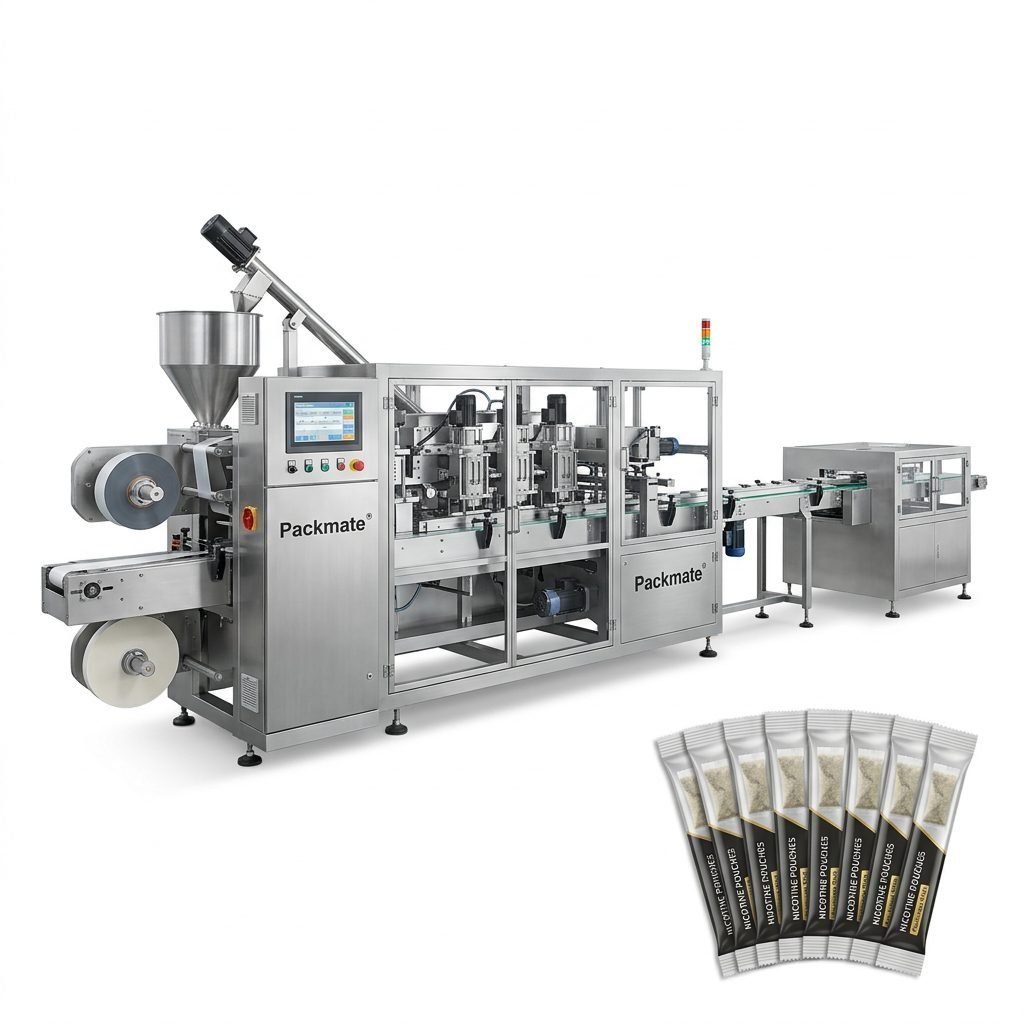
- Customization Ability: The ability to tailor the system to your specific seed type, bag size, and production rate, a strength of companies like SnusMachinery in their niche.
- After-Sales Support: Comprehensive technical support, training, and readily available spare parts are essential for maintaining uptime.
- Global Service Network: For exporters, having access to service in your region minimizes potential operational disruptions.
Conclusion: Investing in Precision and Speed
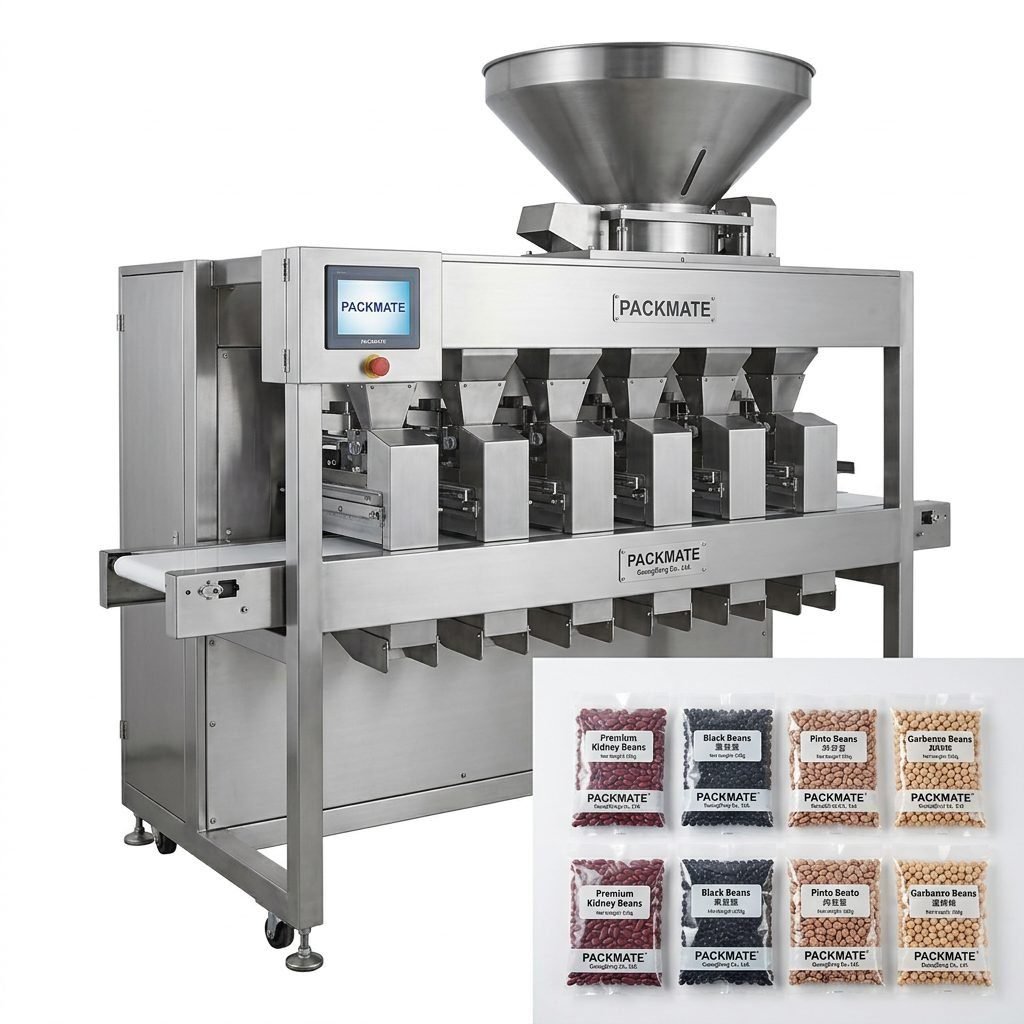
For seed companies aiming to scale their operations, improve product consistency, and enhance brand trust, a high-efficiency multihead weigher packaging machine is a transformative investment. It seamlessly combines scientific accuracy with industrial speed, addressing the core challenges of modern seed packaging. By automating this critical stage, businesses can achieve higher output, significantly reduce waste, ensure regulatory compliance, and present a consistently professional product to the market—whether they are serving local farmers or a global agricultural community.
Frequently Asked Questions (FAQs)
Q1: What types of seeds can a multihead weigher handle?
A: These machines are highly versatile and can handle a wide variety, from very fine seeds like tobacco or petunia to larger seeds like beans, corn, and peas. The system can be adjusted for different sizes and flow characteristics.
Q2: How fast can a multihead weigher pack seeds?
A: Speed depends on the number of weighing heads and the target weight. Standard systems can typically achieve 60-120 weighments per minute. Higher-head configurations (e.g., 24-head) can reach even higher speeds for smaller weight portions.
Q3: Is the machine difficult to clean and maintain for different seed varieties?
A: Reputable manufacturers design machines for easy cleaning and maintenance. Features like quick-release parts, stainless steel construction, and CIP (Clean-in-Place) options are common to prevent cross-contamination and ensure hygiene.
Q4: Can it handle seed mixes or blends accurately?
A: Yes, multihead weighers are excellent for blends. As long as the different seed types in the mix have relatively similar physical characteristics (size, shape), the weight-based system will accurately portion the total mix. For very dissimilar blends, specialized feeding systems may be recommended.
Q5: What is the typical payback period for such an investment?
A: The payback period varies based on production volume, labor costs saved, and material waste reduction. For medium to high-volume producers, many see a return on investment within 12-24 months due to increased output, labor savings, and reduced product giveaway.