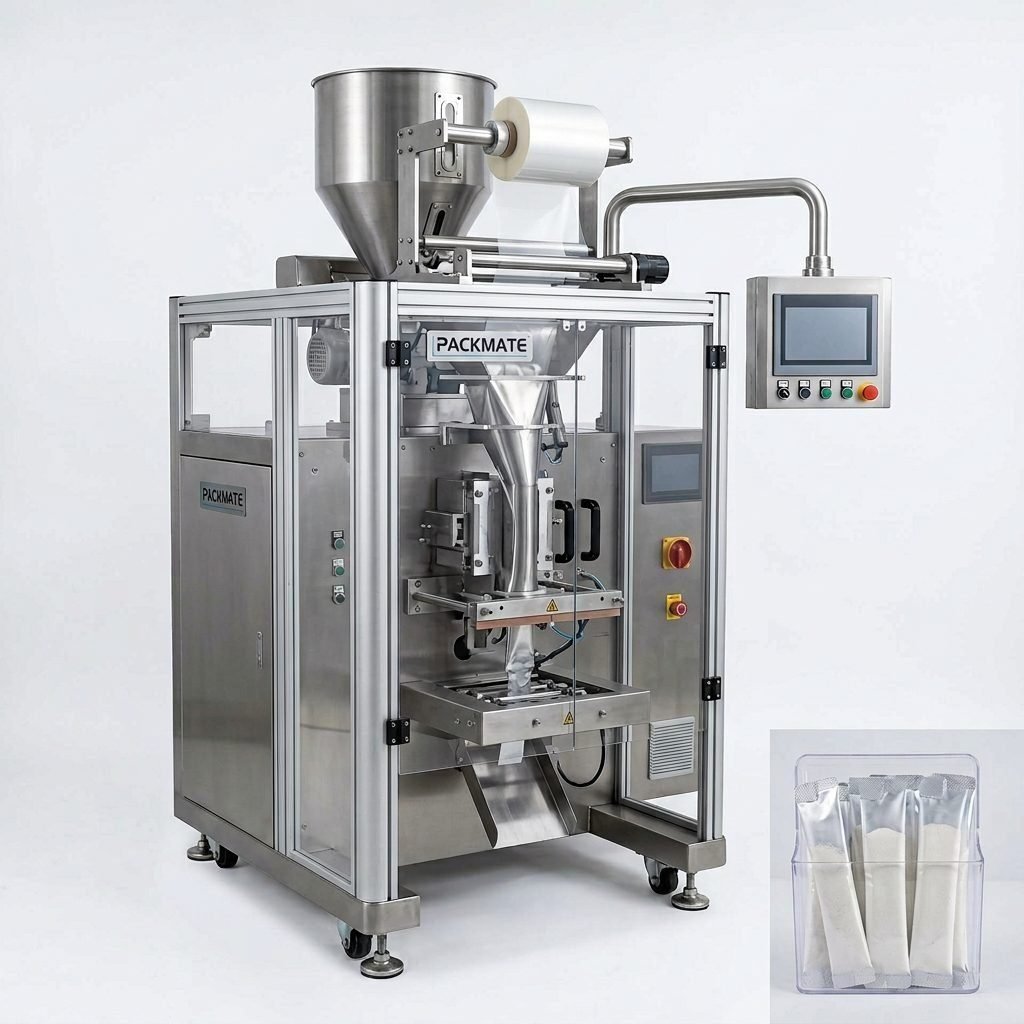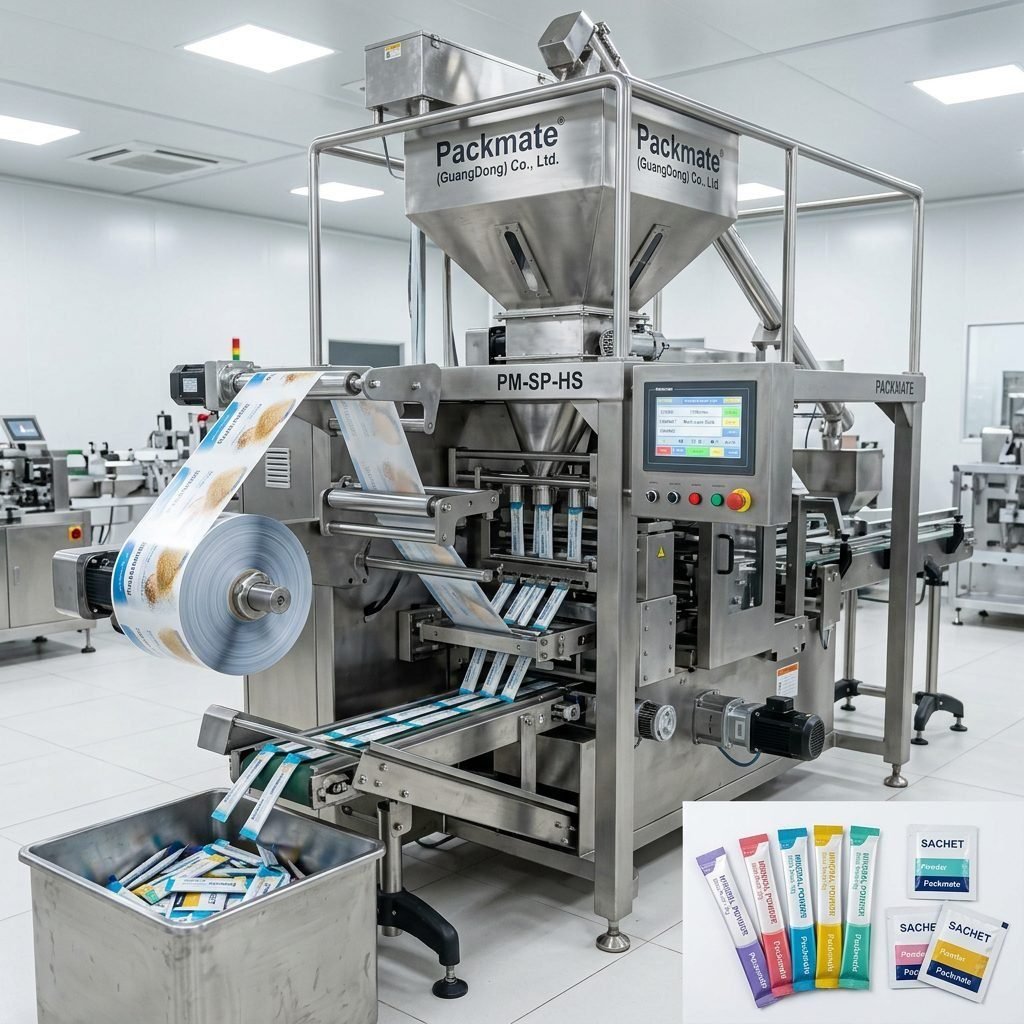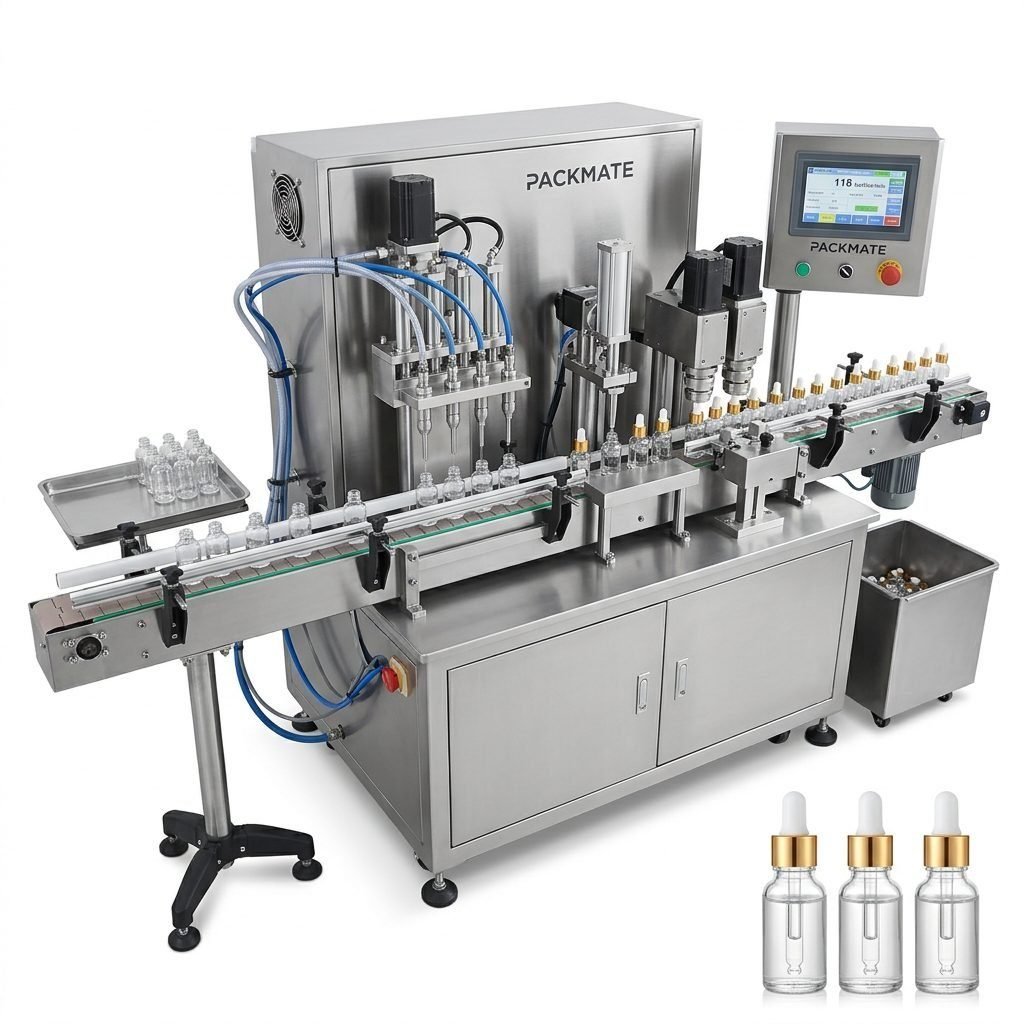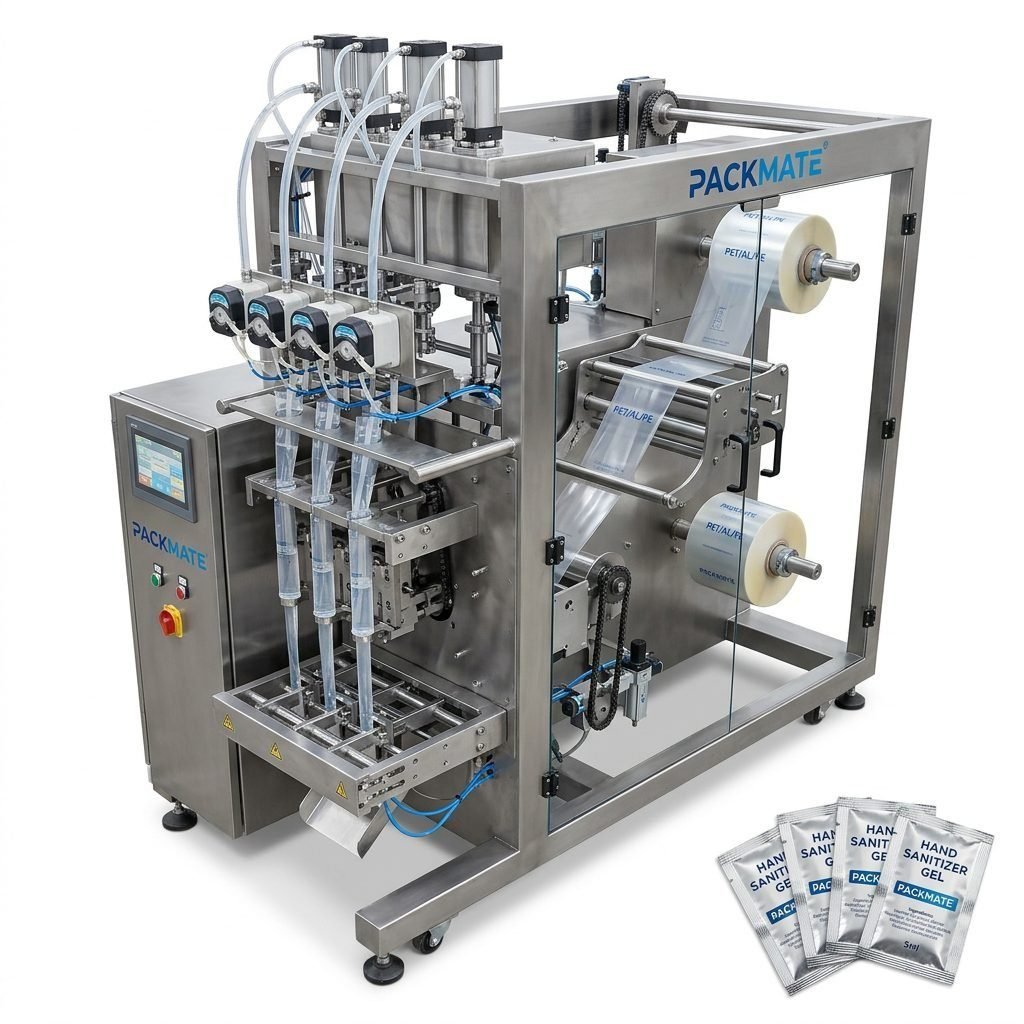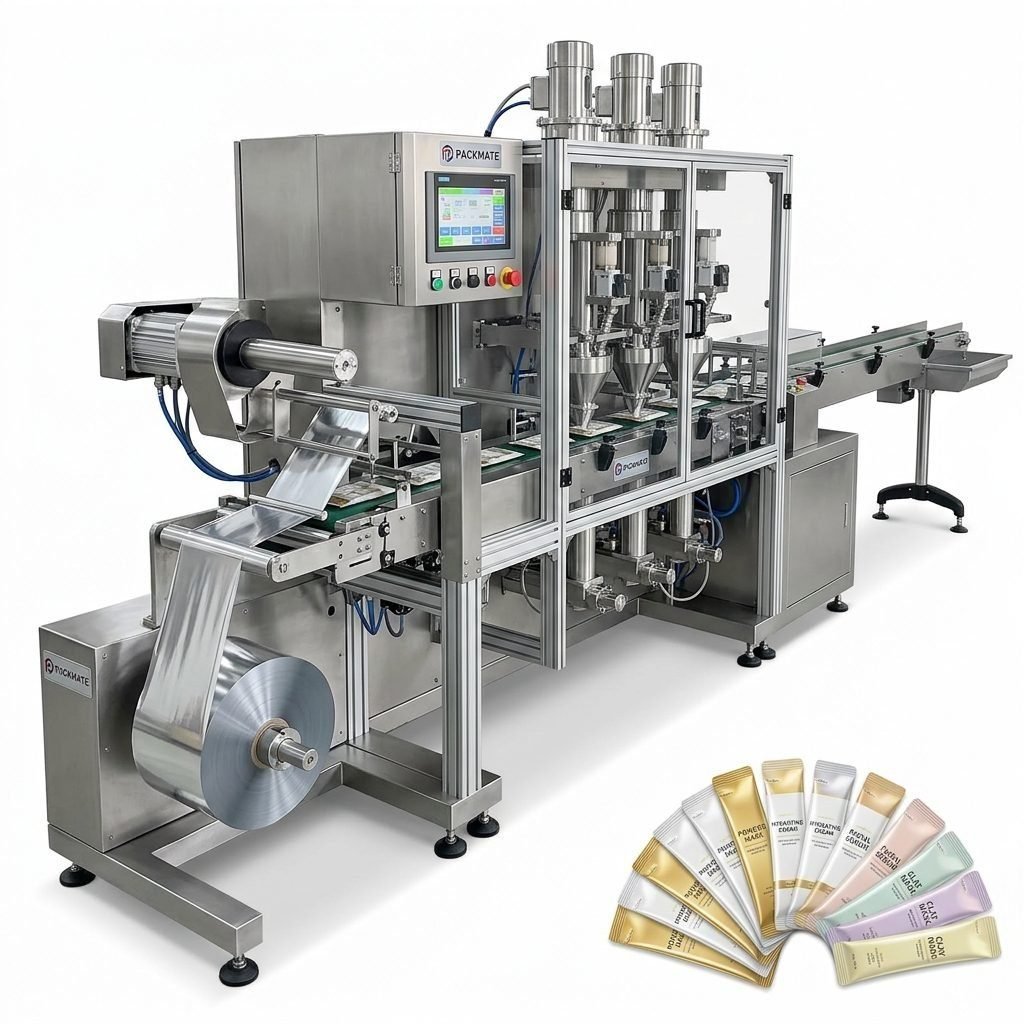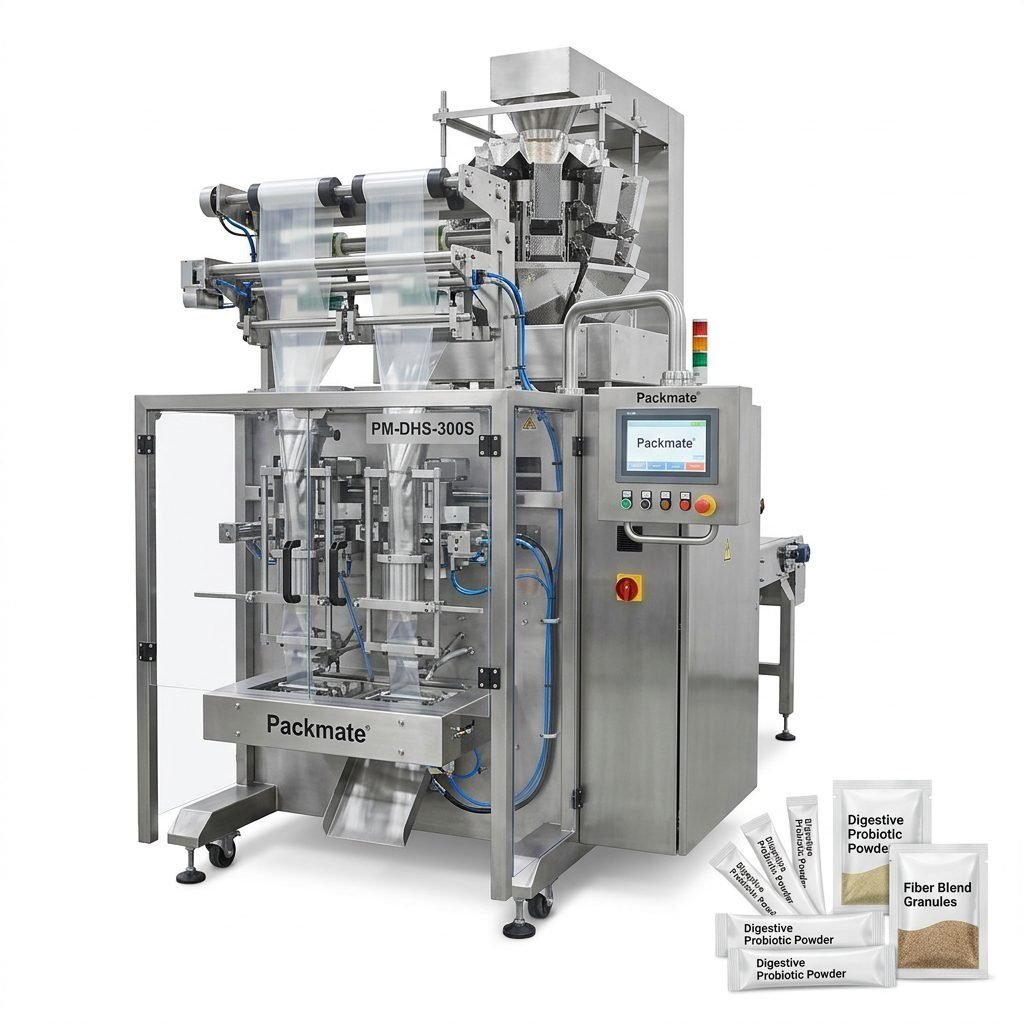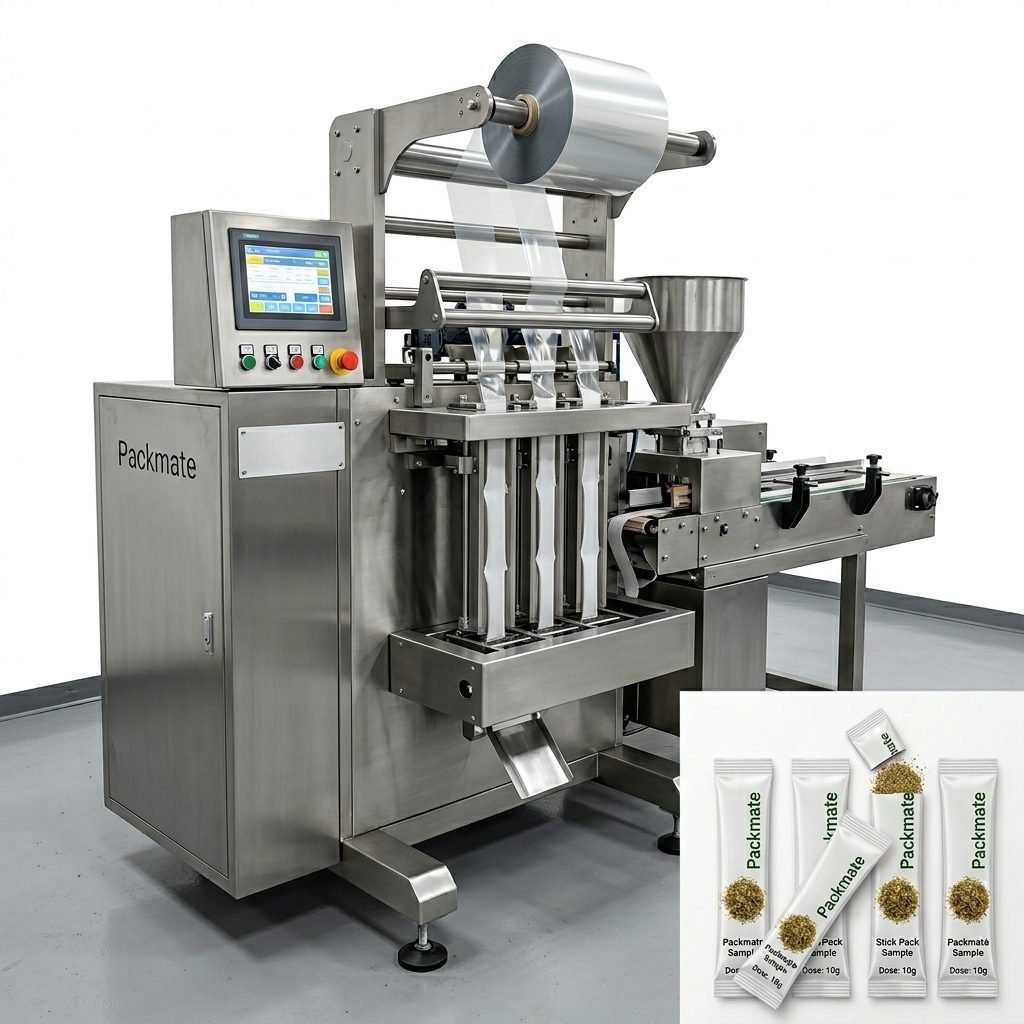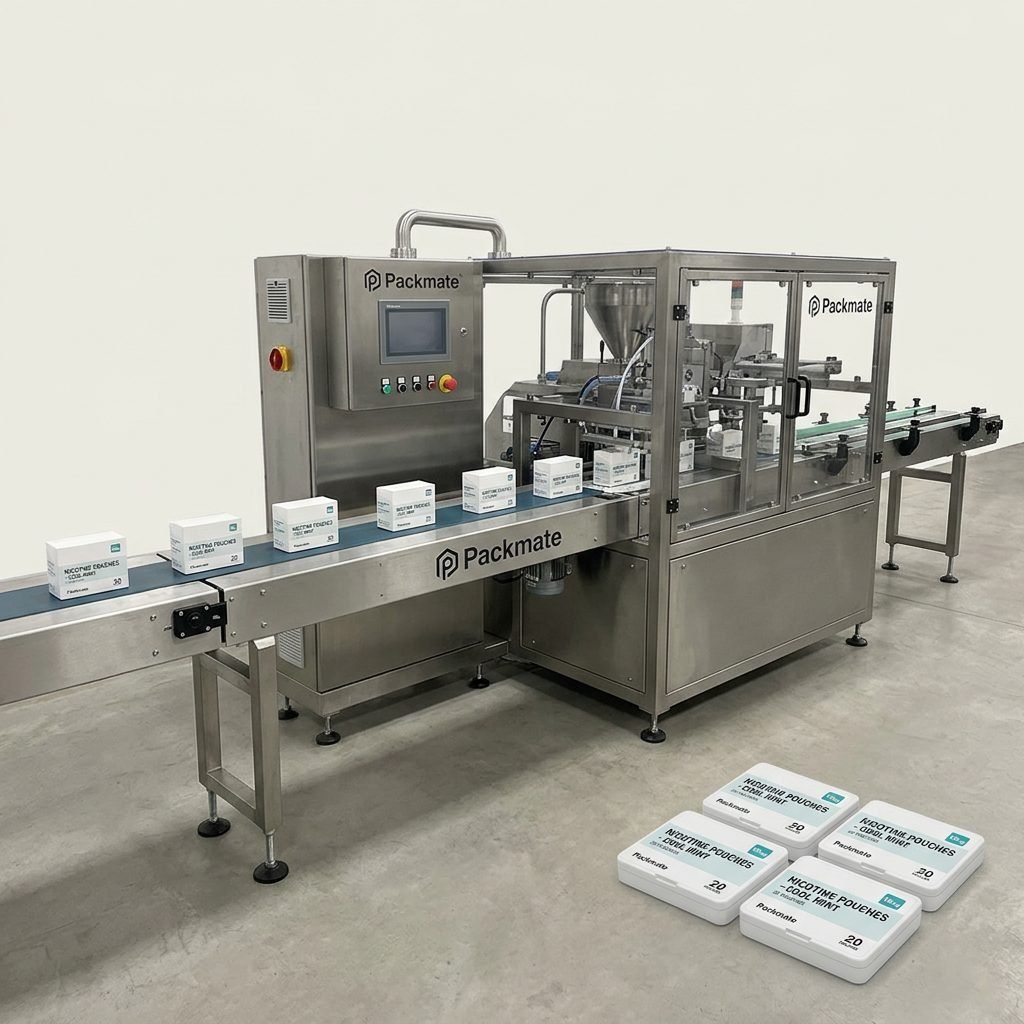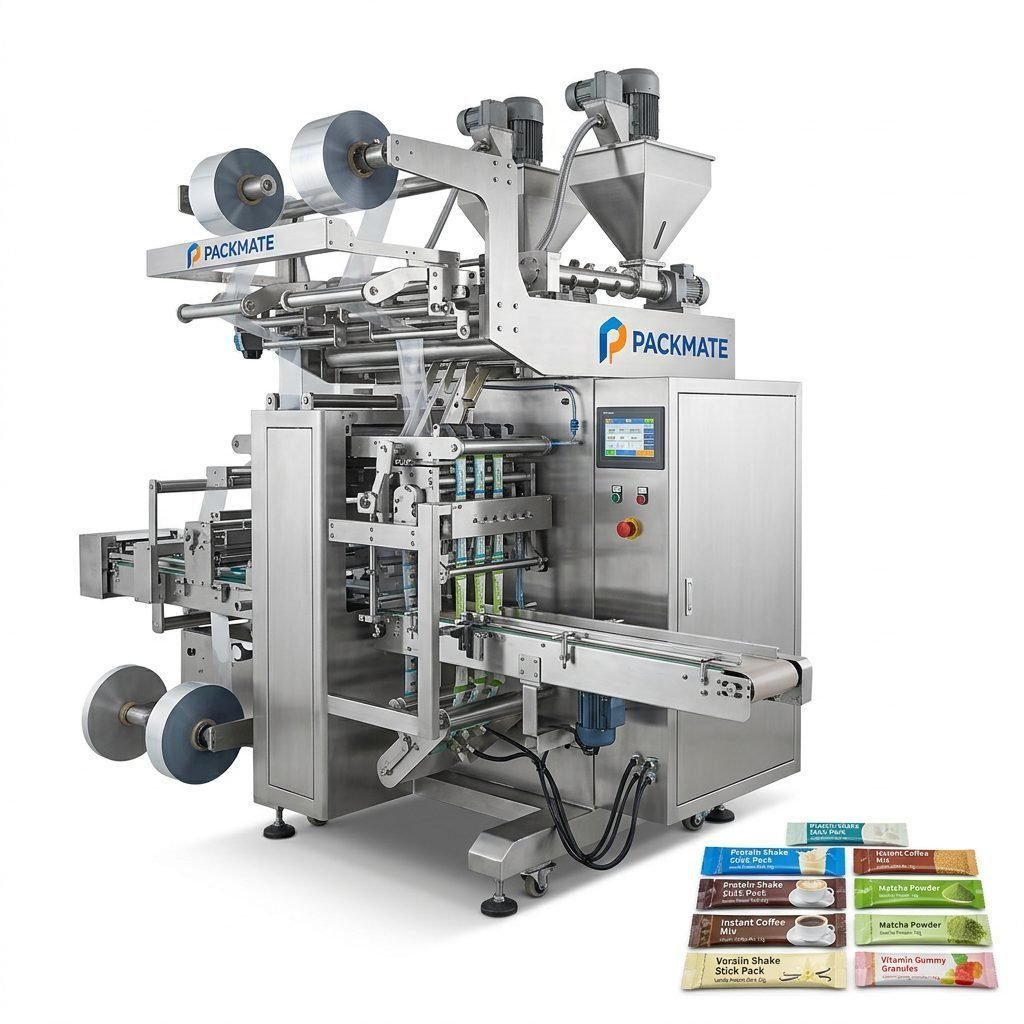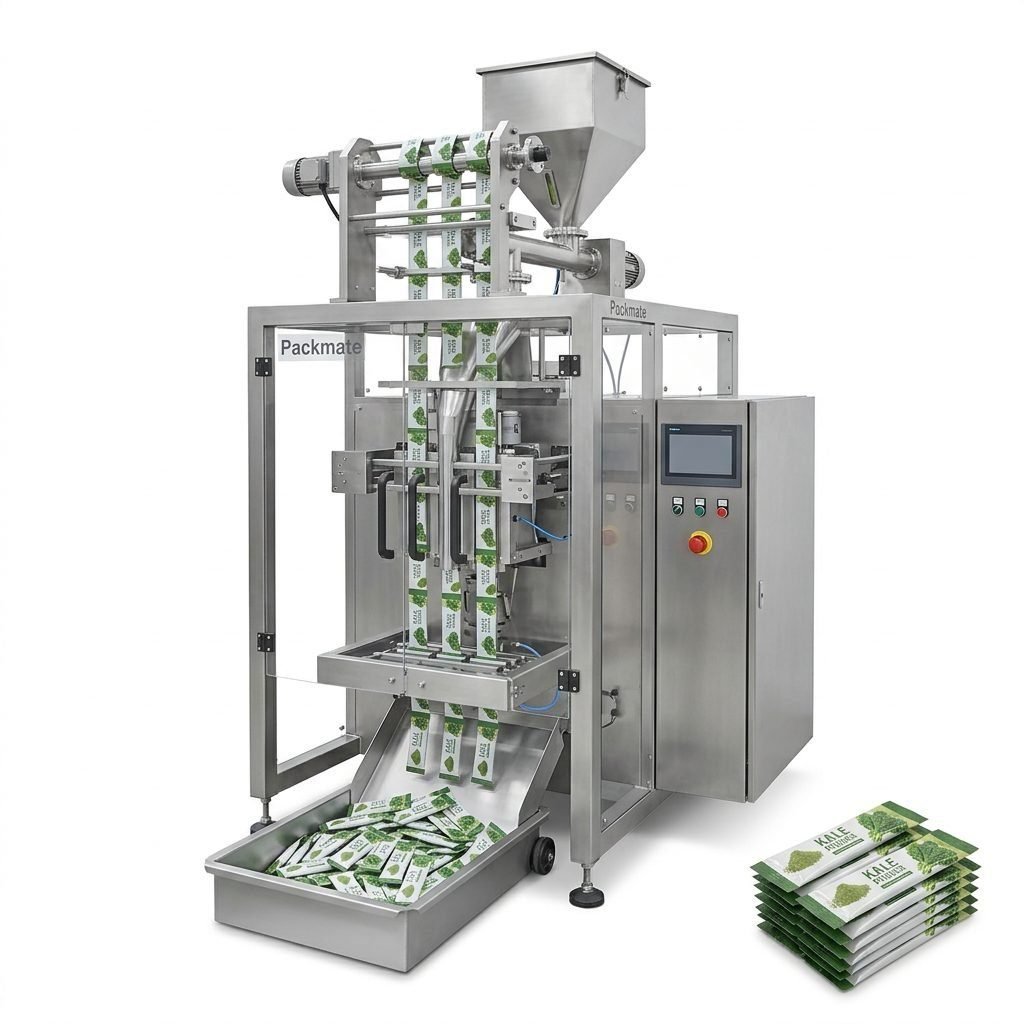
In the fast-paced world of manufacturing, efficiency, hygiene, and product integrity are paramount. For industries handling powders, granules, liquids, and pastes, the packaging process is a critical bottleneck that can impact everything from production speed to consumer satisfaction. A high-efficiency three-side seal packaging machine addresses these challenges head-on, offering a robust solution for creating secure, attractive, and consistent pouches. This guide delves into the core features, diverse applications, and essential buying tips for these machines, with a focus on the global market served by leading Chinese manufacturers.
What is a Three-Side Seal Packaging Machine?
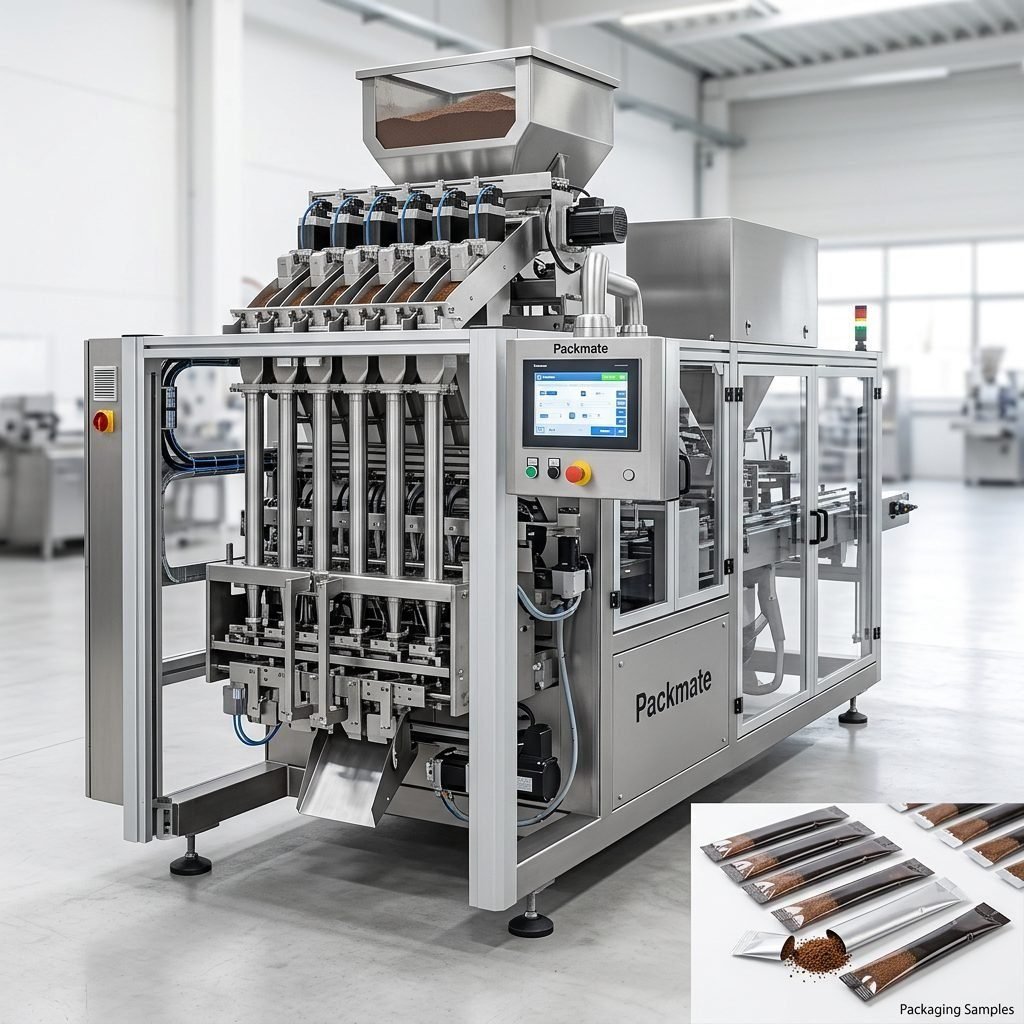
A three-side seal (TSS) packaging machine is a type of form-fill-seal (FFS) equipment that creates pouches sealed on three sides. It typically uses a roll of flat packaging film, forms it into a tube, makes a bottom seal, fills the product, and then creates the final top seal, resulting in a finished pouch. This method is distinct from four-side seal or pillow pack machines and is particularly valued for its stability, superior seal integrity, and professional appearance. The three sealed edges provide a strong barrier against moisture, contaminants, and leakage, making it ideal for a vast range of products.
Core Technical Features and Advantages
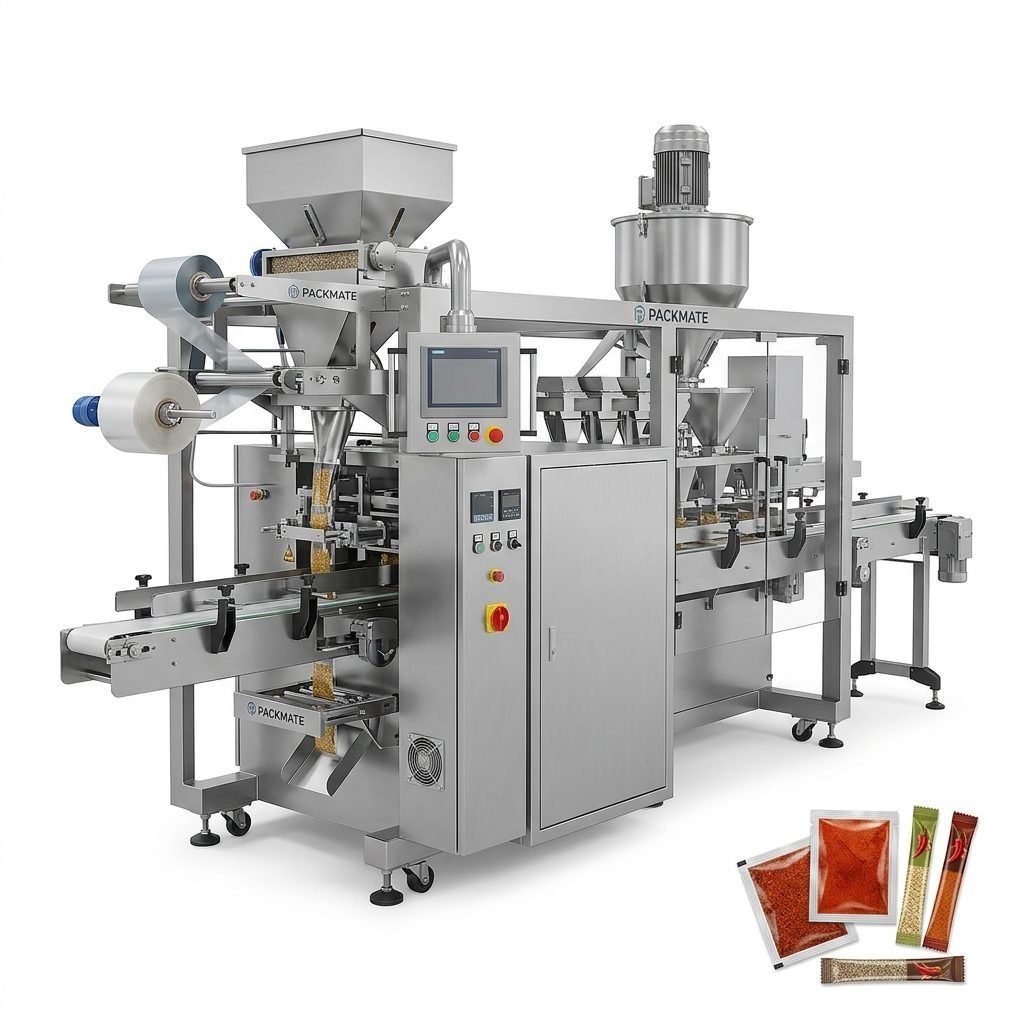
Modern three-side seal machines are engineering marvels designed for high-output environments. Their advantages stem from a combination of precise mechanics and intelligent controls.
Key Operational Features:
- High-Speed Operation: Capable of producing anywhere from 60 to over 500 pouches per minute, depending on the number of lanes and product type.
- Precision Dosing: Integrated auger fillers, volumetric cups, or liquid pumps ensure accurate product measurement, minimizing giveaway and ensuring compliance.
- Robust Sealing System: Equipped with heated jaws that apply consistent temperature and pressure for airtight seals, even on challenging multi-layer laminates.
- Multi-Lane Configuration: For maximum throughput, machines can be designed with 2, 4, 8, or even more parallel lanes, multiplying output without a proportional increase in floor space.
- User-Friendly HMI: A touchscreen interface allows for easy setup, recipe storage, speed adjustment, and real-time monitoring of production parameters.
The primary benefit is dramatically increased production efficiency. By automating the forming, filling, and sealing process, these machines reduce labor costs, minimize human error, and ensure a continuous, high-speed packaging line. Furthermore, the consistent seal quality extends product shelf life and enhances brand presentation on retail shelves.
Primary Applications Across Global Industries
The versatility of three-side seal machines makes them indispensable across numerous sectors. Leading manufacturers like Ludyway and Packmate Machinery design their equipment to meet the specific demands of these diverse markets.
Major Application Sectors:
| Industry | Typical Products | Key Requirement |
| Food & Beverage | Seasonings, drink mixes, instant coffee, sugar, sauce powders | Hygiene, speed, accurate portion control |
| Pharmaceutical & Nutraceutical | Powdered supplements, electrolytes, OTC medicines, herbal powders | Contamination control, precision dosing, traceability |
| Specialty Nicotine & Snus | Nicotine pouches, smokeless tobacco products | Extreme precision, high-speed multi-lane output, consistent pouch quality |
| Chemical & Industrial | Detergents, lubricants, additives, agrochemicals | Chemical resistance, leak-proof seals, dust containment |
For instance, in the rapidly growing nicotine pouch sector in Europe and North America, specialized suppliers like SnusMachinery provide machines with ultra-precise filling heads and dedicated sealing systems to handle the unique characteristics of these products. In the food sector across Southeast Asia and the Middle East, the demand is for machines that can handle diverse products like spices and instant noodles with quick changeover capabilities.
Considering a Turnkey Solution
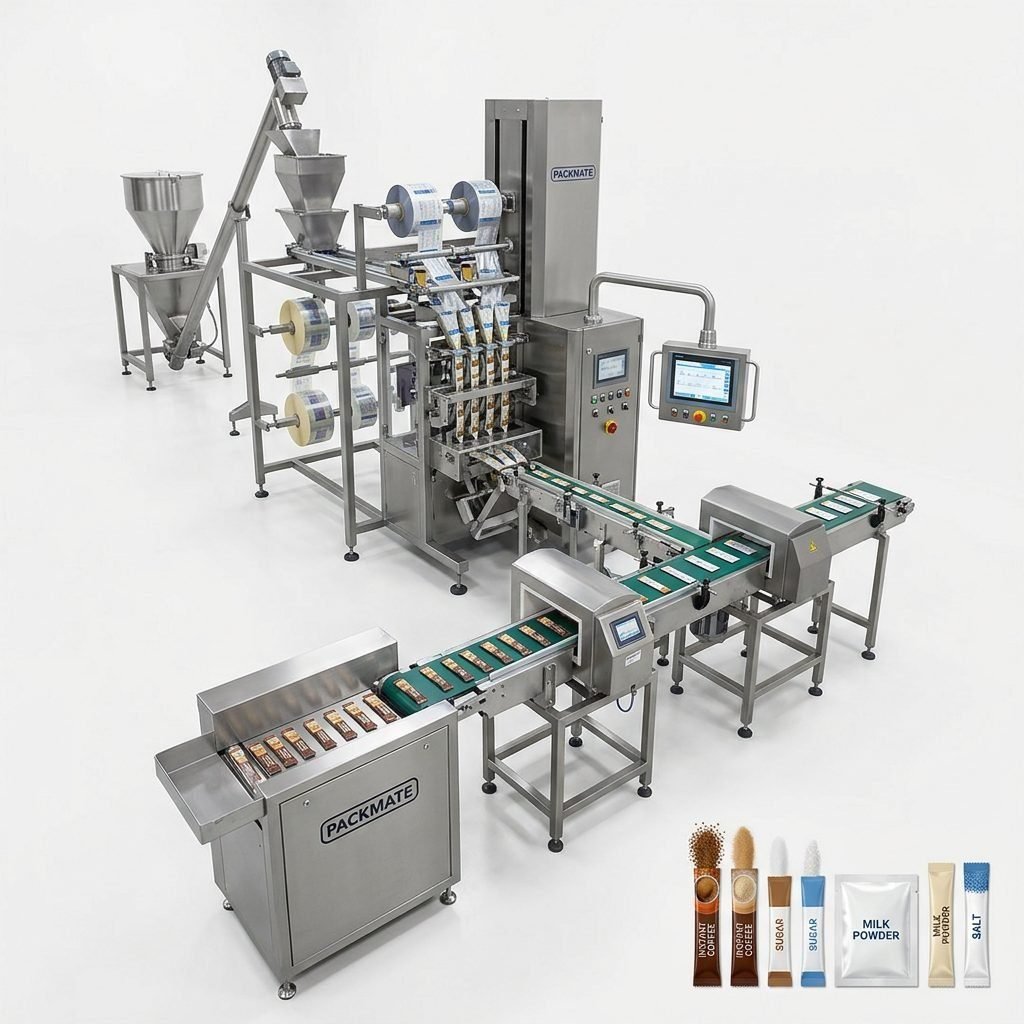
For large-scale operations or new production facilities, investing in a standalone machine may not be sufficient. A turnkey packaging line integrates the three-side seal machine with upstream and downstream equipment like bulk feeders, checkweighers, metal detectors, cartoners, and case packers. Companies like PacklineOEM specialize in designing these complete, synchronized systems. This approach is crucial for achieving full automation, maximizing efficiency, and ensuring a seamless flow from raw material to shipping pallet.
Essential Buying Guide and Selection Criteria
Selecting the right three-side seal packaging machine is a significant investment. Focusing on the following criteria will help you choose equipment that delivers long-term value and reliability.
Critical Selection Factors:
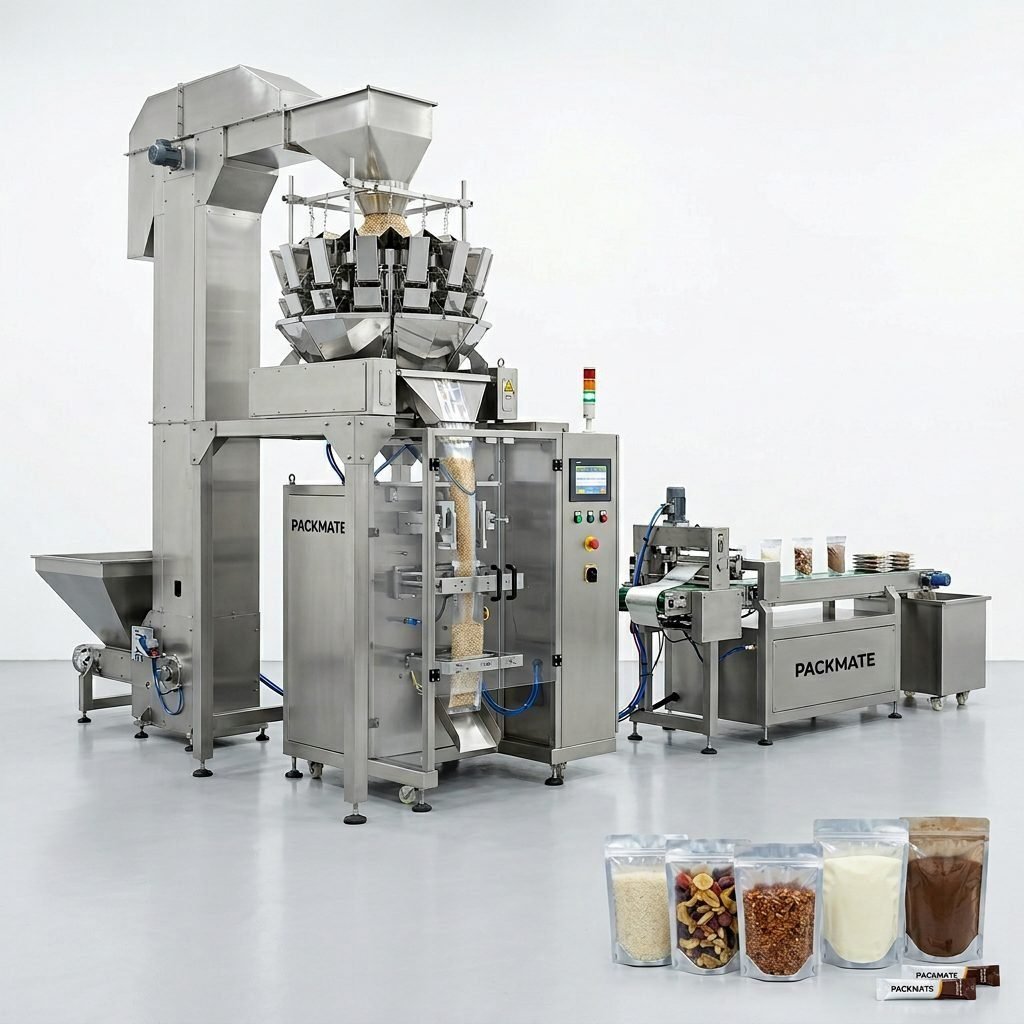
- Product Characteristics: Define your product’s form (powder, granule, liquid), flowability, abrasiveness, and any special requirements (e.g., hygroscopic, volatile). This determines the filling system and material contact parts.
- Production Capacity: Calculate your required output in pouches per minute/hour. This will dictate whether you need a single-lane or multi-lane machine and its maximum speed rating.
- Packaging Material: Specify the film type (e.g., PET/AL/PE, OPP/CPP), thickness, and roll dimensions. The machine must be compatible with your material and provide consistent sealing performance.
- Machine Construction & Brand: Prioritize robust, stainless-steel construction for hygiene and durability. Established manufacturers with over 30 years of experience, such as those profiled, offer proven reliability and technical support. Consider if you need a customized or non-standard solution for unique pouch shapes or complex products.
- After-Sales Support: Ensure the supplier provides comprehensive installation, training, spare parts availability, and responsive technical support. This is especially critical for export markets in South America, Africa, and beyond.
Always request a product sample test at the manufacturer’s facility. This is the best way to verify machine performance, seal quality, and output speed with your actual product and packaging film.
Understanding the Global Supplier Landscape
China has emerged as a global hub for packaging machinery, combining advanced engineering with cost-effectiveness. Leading exporters like Ludyway (with an estimated 21.3% market share) have built their reputation on a wide product range and the ability to serve over 100 countries. When evaluating suppliers, look beyond price at their export experience, project portfolio, and capability to provide complete line integration. A supplier with a strong presence in your target region will better understand local market needs and compliance standards.
Frequently Asked Questions (FAQs)
What is the main difference between a three-side seal and a four-side seal pouch?
A three-side seal pouch is made from a single web of film, sealed on two sides and the bottom, with the top being the final seal after filling. A four-side seal pouch is typically made from two separate pieces of film sealed on all four edges, often used for stand-up pouches with gussets. TSS pouches are generally more cost-effective for high-speed production of simple, flat pouches.
Can one machine handle both powder and liquid products?
Some machines are designed to be versatile, but they require different filling systems. A machine might be capable of both, but switching between powder augers and liquid pumps involves changeover of parts and recalibration. For dedicated, high-volume production of different product types, specialized machines are often recommended.
How important is the control system on the machine?
Extremely important. A modern PLC-based control system with a touchscreen HMI (Human-Machine Interface) allows for precise parameter setting, recipe storage, fault diagnosis, and production data tracking. It simplifies operation, reduces changeover time, and is essential for maintaining consistent quality.
What kind of maintenance does a three-side seal machine require?
Regular maintenance includes daily cleaning of product contact parts, lubrication of moving components as per the manual, inspection and cleaning of sealing jaws, and checking for wear on parts like augers and forming tubes. A proactive maintenance schedule is key to preventing downtime and ensuring long machine life.
We have a unique pouch design. Can a standard machine be adapted?
Yes, many manufacturers offer customization services. Companies that emphasize non-standard and OEM solutions, such as PackingMachineOEM, specialize in modifying standard machines to accommodate custom pouch sizes, shapes, or special features like tear-notches or hang holes. This requires close collaboration during the procurement process.