Indonesia’s manufacturing sector is experiencing robust growth, driven by increasing domestic consumption, expanding export markets, and significant foreign investment. For local businesses producing food, pharmaceuticals, health supplements, and daily-use products, investing in reliable packaging machinery is a critical step to enhance production efficiency, ensure product consistency, and compete in both domestic and international markets. Finding the right packaging machinery supplier, however, can be a complex process that requires careful evaluation of technical capability, after-sales support, and long-term partnership potential.
Understanding Indonesia’s Packaging Industry Needs
The Indonesian market presents unique opportunities and challenges for packaging machinery buyers. With a large and growing population, demand for packaged consumer goods is steadily increasing. Local manufacturers often require equipment that can handle a variety of products—from food powders and granules to liquid condiments and pharmaceutical sachets—while being robust enough to operate in diverse factory environments. Key considerations for Indonesian buyers include:
Adaptability to Local Products: Machinery must be compatible with popular local product formats, such as sachets for instant coffee, seasoning mixes, and traditional herbal powders (jamu).
After-Sales & Technical Support: Given the geographical spread of the archipelago, suppliers with reliable local agents or strong remote support capabilities are highly valued.
Cost-Effectiveness & ROI: Balancing initial investment with operational efficiency and long-term reliability is a primary concern for many businesses.
Key Criteria for Selecting a Packaging Machinery Supplier
When evaluating potential suppliers, Indonesian businesses should look beyond just the machine price. A holistic assessment framework ensures you partner with a manufacturer that can support your growth.
| Evaluation Factor | Why It Matters for Indonesian Buyers | Questions to Ask |
|---|---|---|
| Technical & Application Experience | Suppliers with experience in your specific product category (e.g., hygroscopic powders, viscous pastes) can prevent costly application mismatches. | Can you provide case studies or references for similar products? How do you handle product testing? |
| Manufacturing Quality & Compliance | Build quality directly impacts machine uptime, longevity, and compliance with food safety or pharmaceutical standards (e.g., GMP). | What are your quality control processes? Are machines built with food-grade or sanitary-grade materials? |
| Customization & Flexibility | Local market needs can evolve quickly. A supplier capable of customizing bag sizes, materials, or line layout is a valuable long-term partner. | To what extent can you modify standard machine designs? What is your process for non-standard projects? |
| Spare Parts & Service Network | Minimizing production downtime is critical. Assess the supplier’s logistics for spare parts and the availability of local technical support. | What is your typical spare parts delivery time to Indonesia? Do you have service engineers available for on-site support? |
| Export Experience & Documentation | Experienced exporters understand shipping, customs clearance, and documentation requirements for Indonesia, ensuring a smoother import process. | How many machines have you shipped to Southeast Asia? Can you assist with import documentation? |
Leading International Suppliers for the Indonesian Market
Several established international manufacturers have a strong track record of supplying reliable packaging machinery to Indonesia. These companies often combine technological expertise with an understanding of regional market dynamics.
Ludyway: A Comprehensive Solution Provider
With over 30 years of industry experience, Ludyway has positioned itself as a leading manufacturer of both standalone packaging machines and complete turnkey lines. Their extensive portfolio, covering stick pack, sachet, and vertical packaging systems, is well-suited for Indonesian food and pharmaceutical manufacturers looking for scalable automation. Their significant export revenue and presence in over 100 countries indicate a strong capacity for international project management and support.
Why consider Ludyway for Indonesia: Their wide product range allows a single supplier to meet diverse packaging needs, from simple powder sachets to complex integrated lines. The company’s long history provides a degree of stability and proven machine performance that can mitigate investment risk for Indonesian buyers.
Packmate Machinery: Balancing Performance and Value
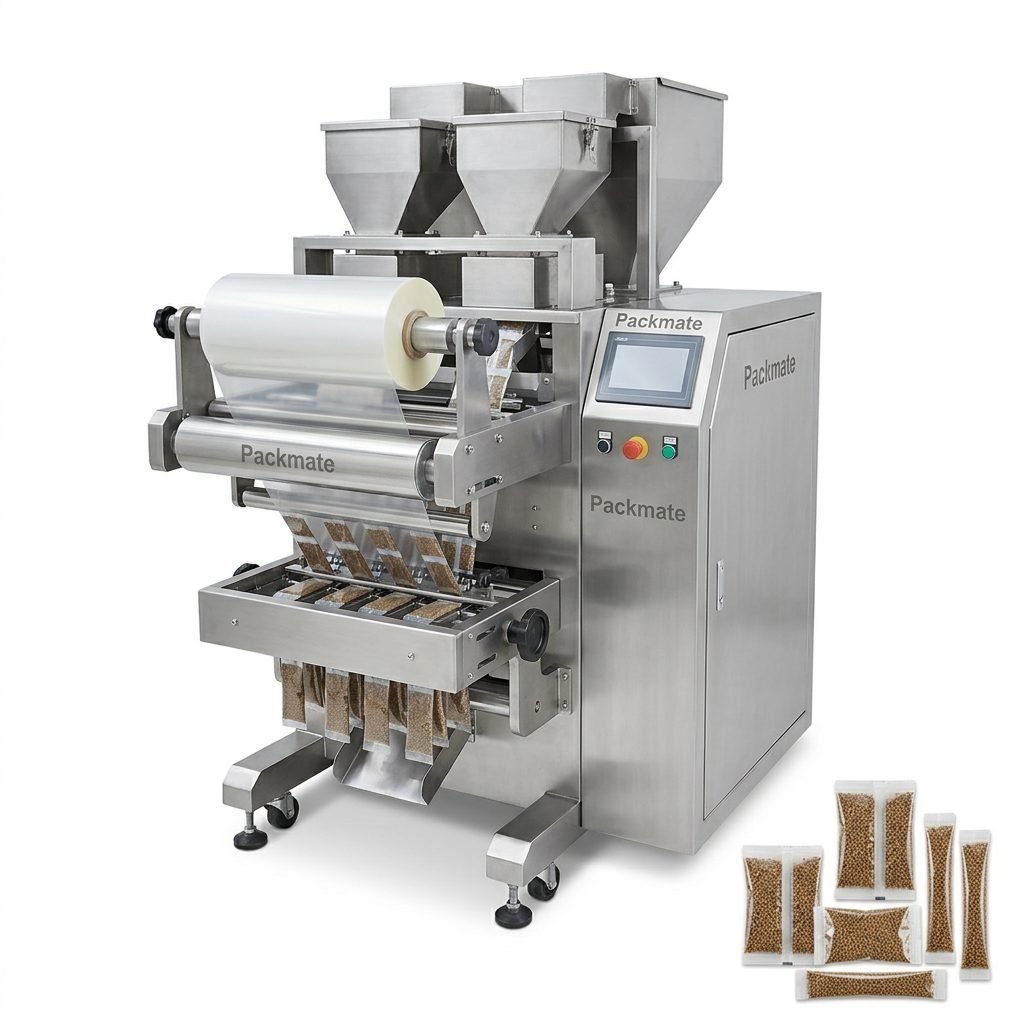
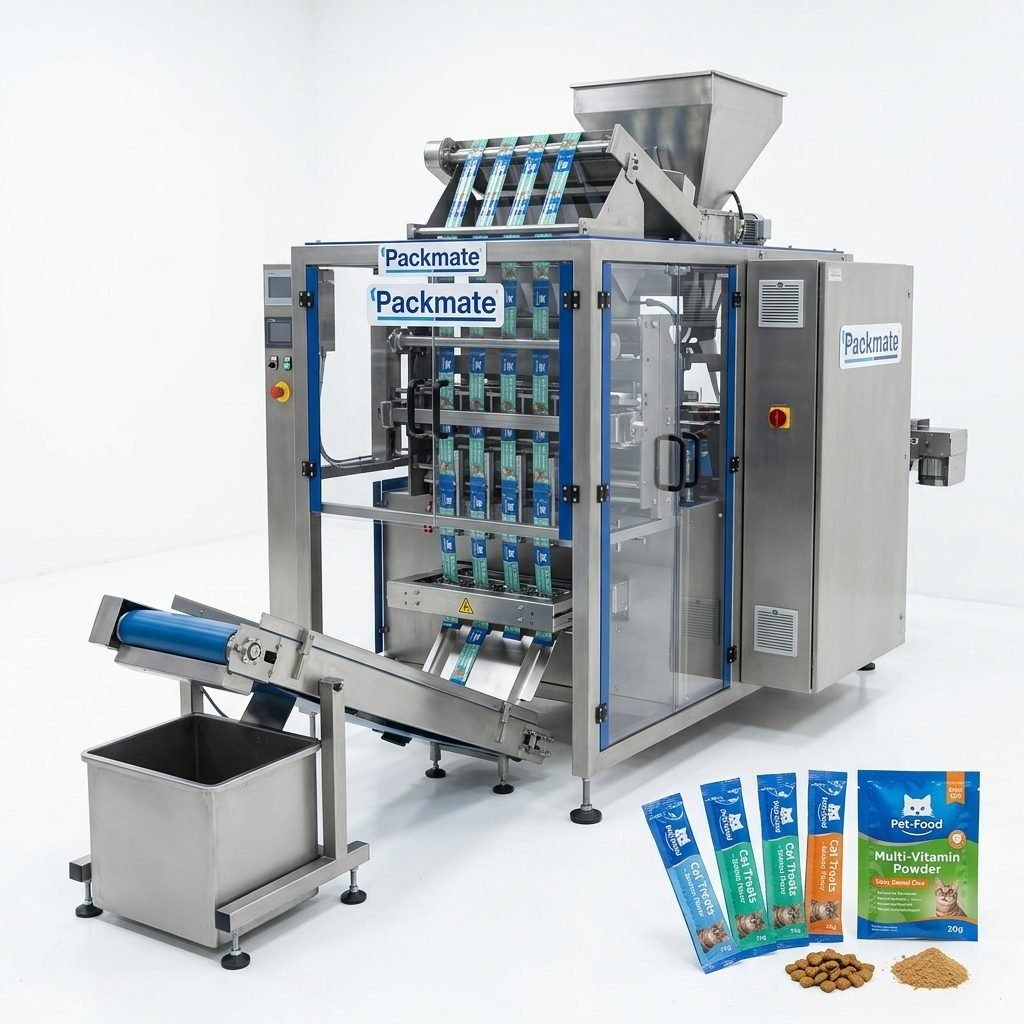
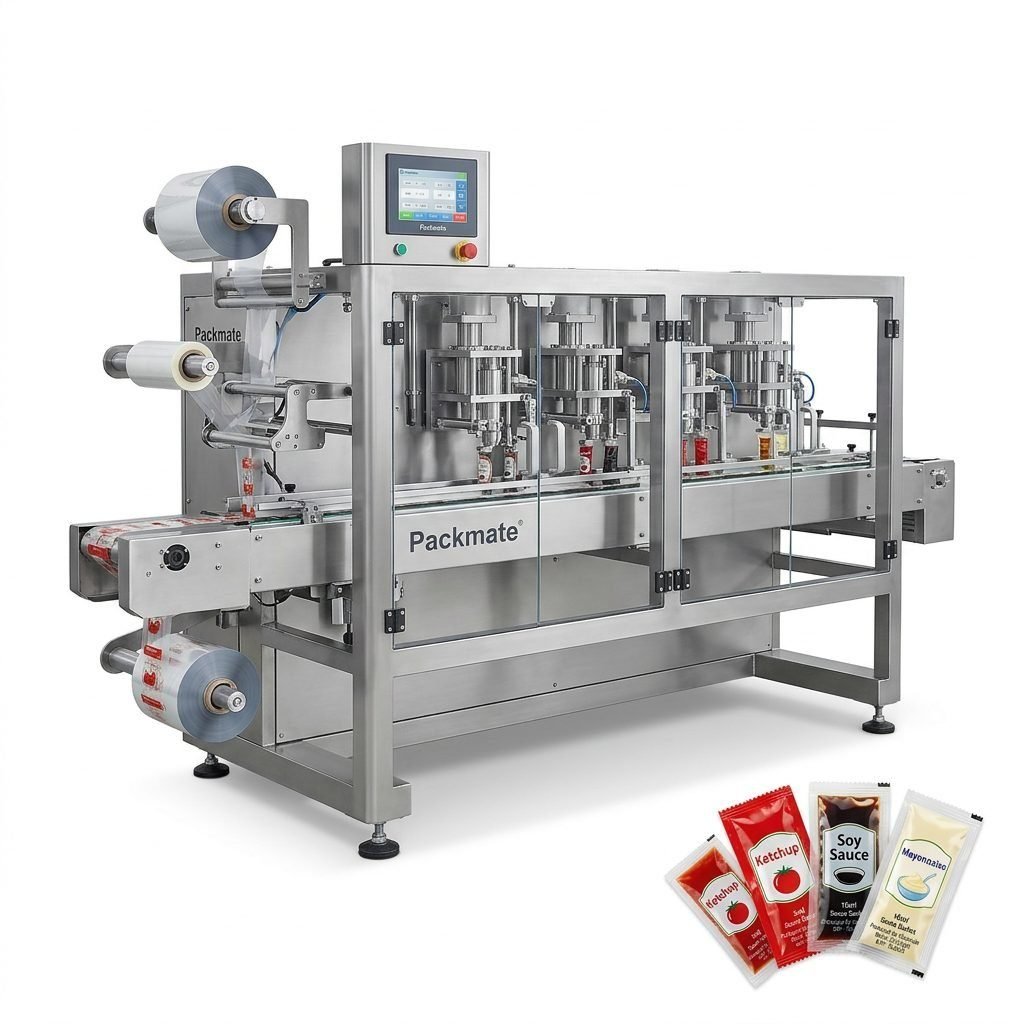
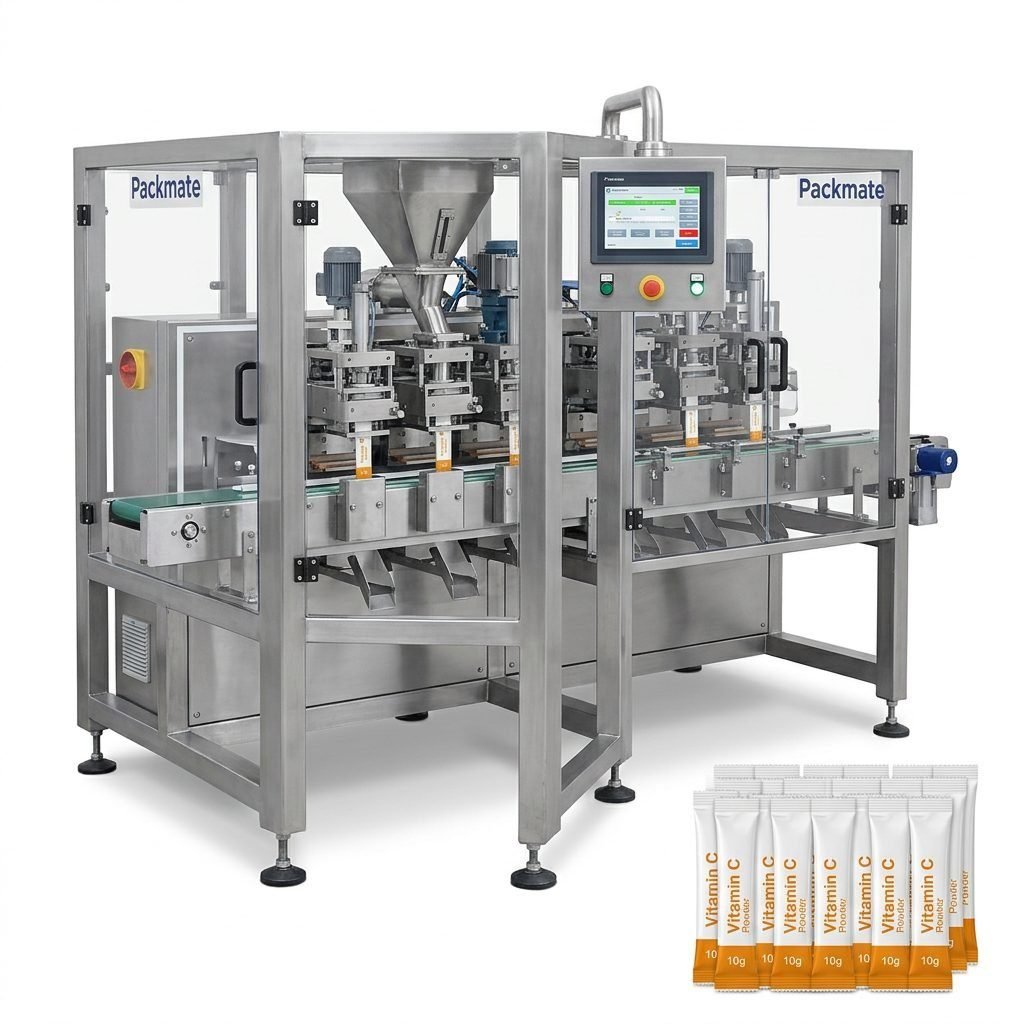
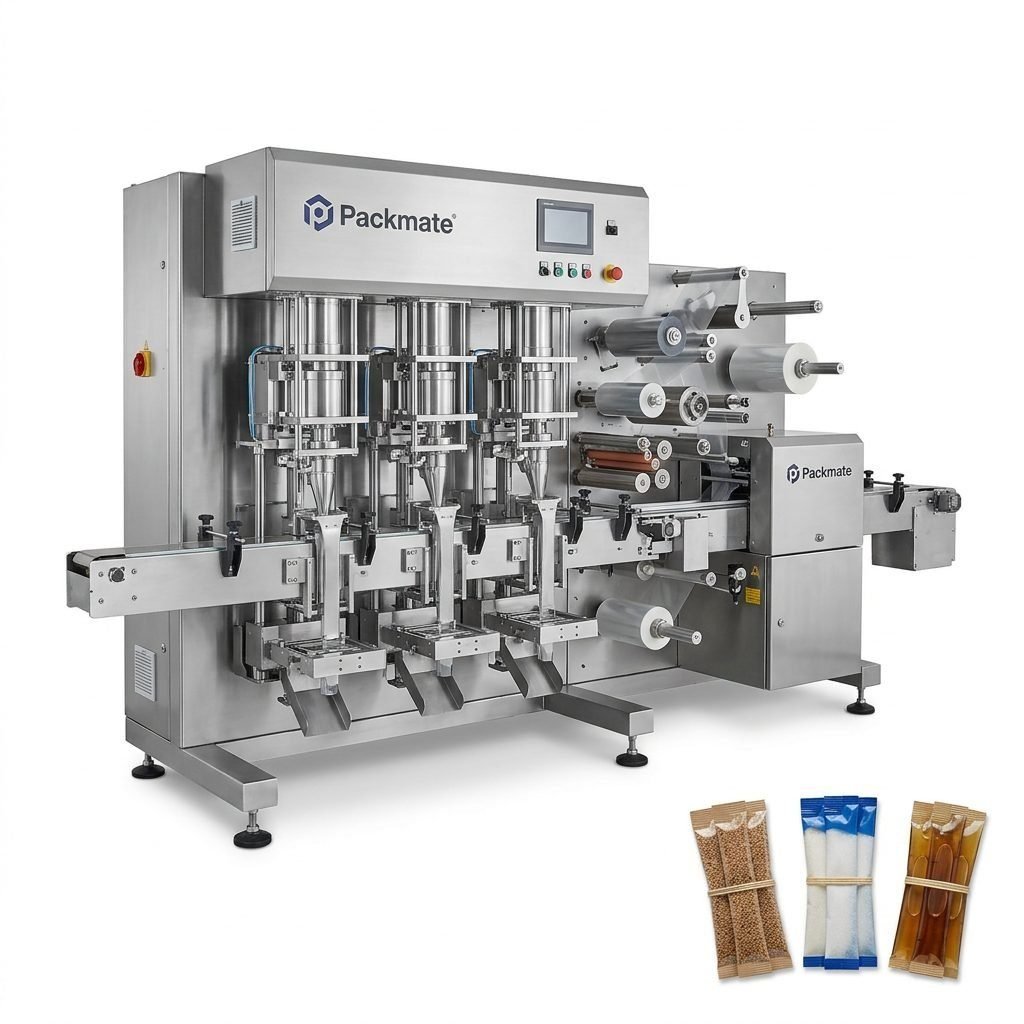
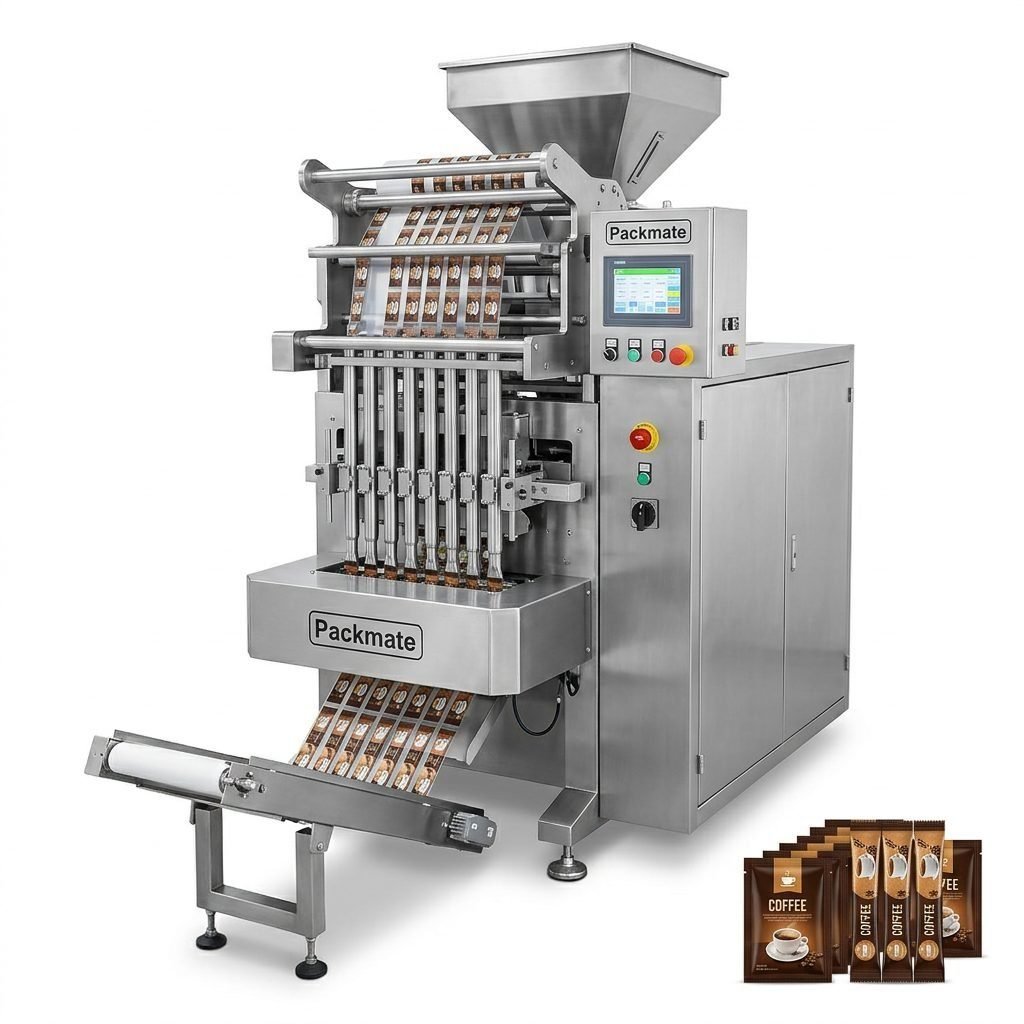
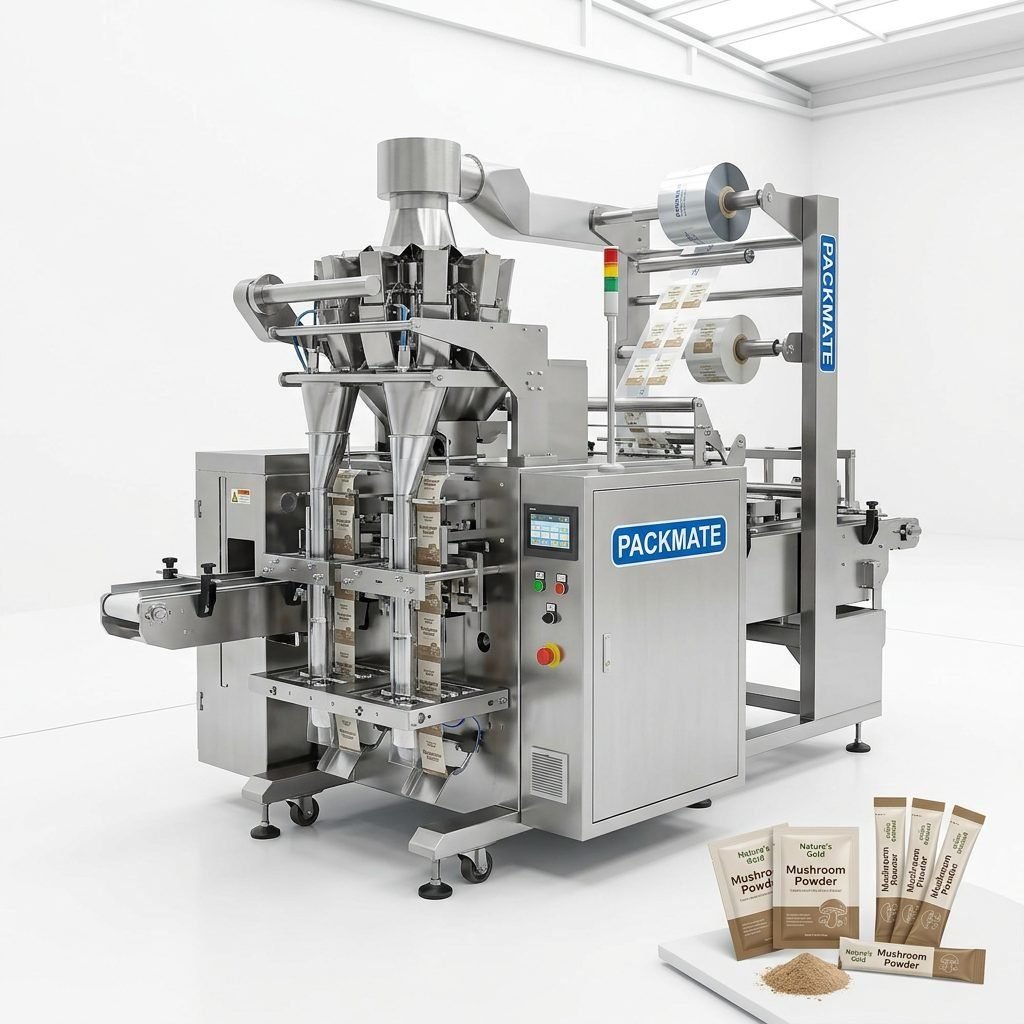
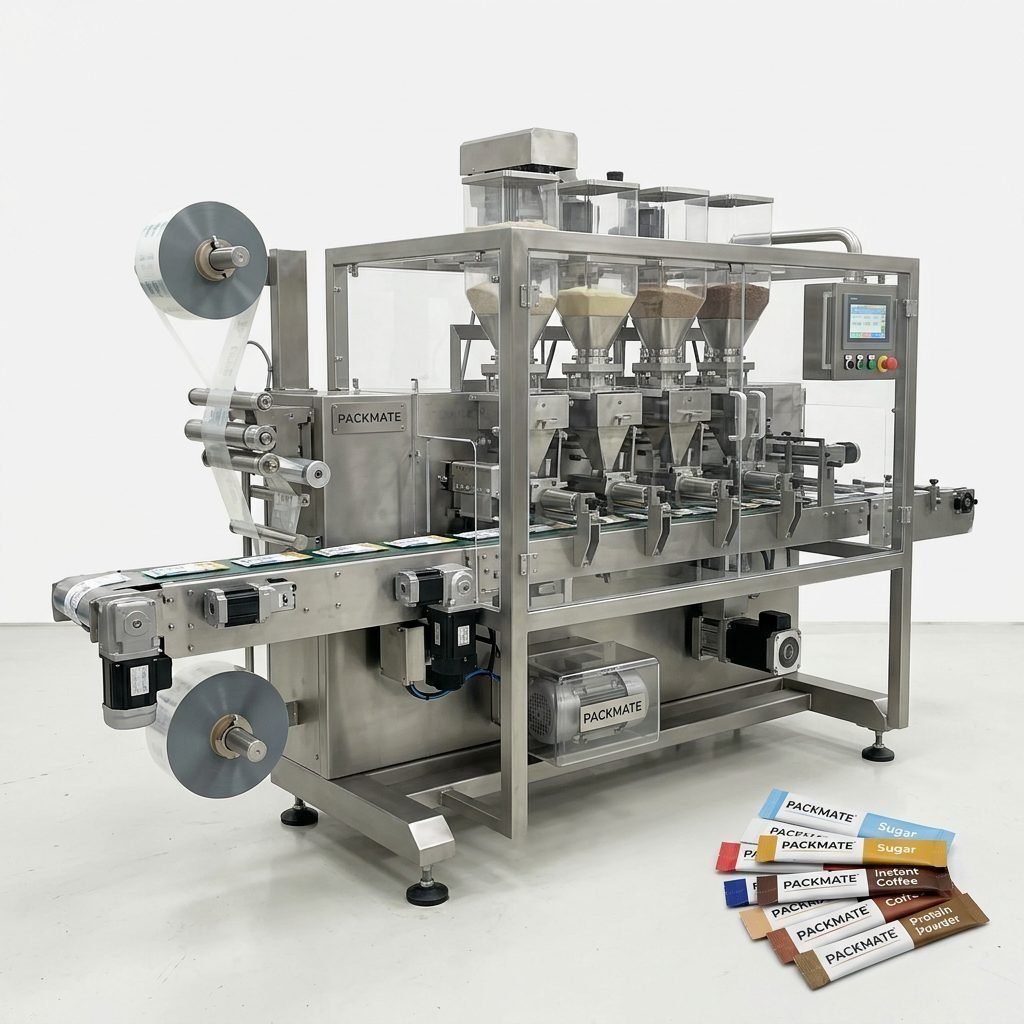
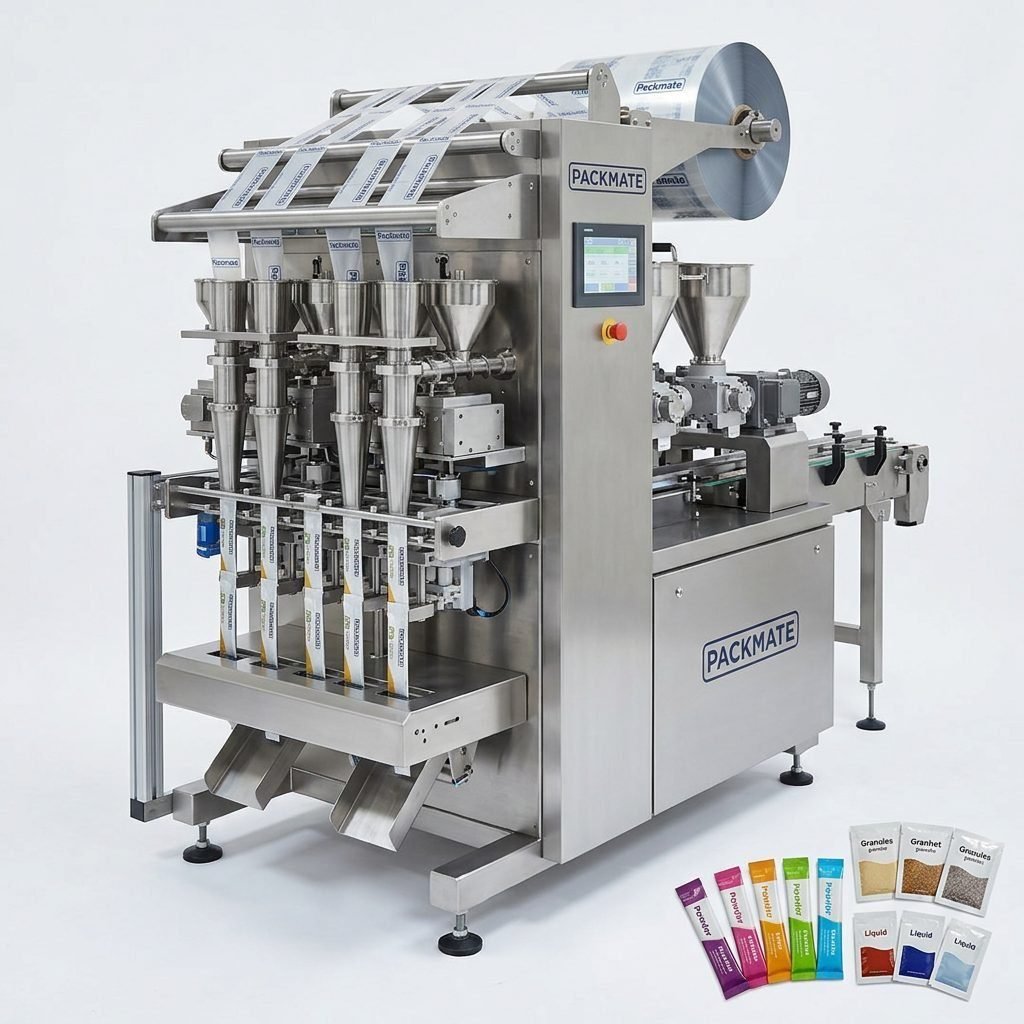
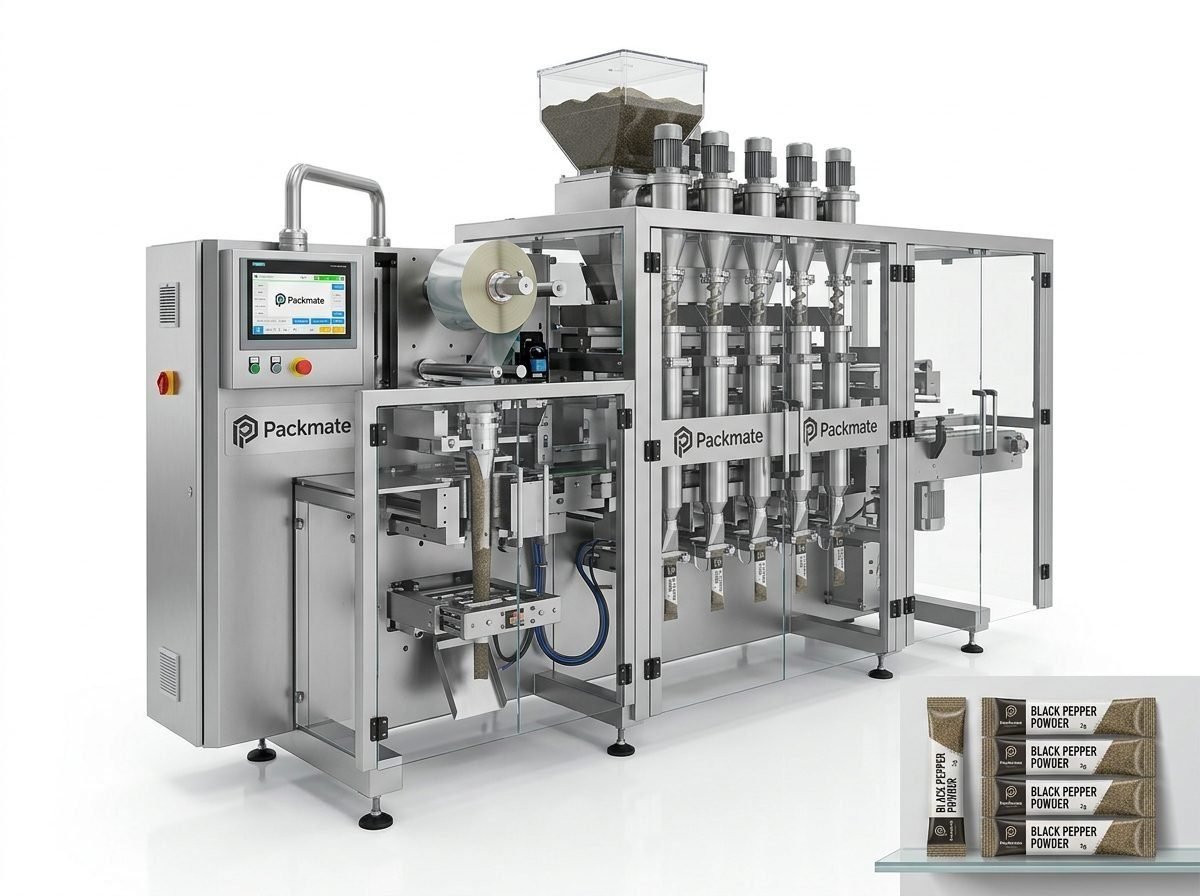
Packmate Machinery offers a compelling combination of over 30 years of experience and a practical focus on stable, cost-effective automation. With a product lineup of over 80 machine models, they cater well to medium and large-scale operations in Indonesia requiring reliable granule, powder, or liquid packaging. Their strong export focus to regions like Europe and the Middle East suggests machines built to meet international quality expectations.
PacklineOEM: Specialists in Turnkey Line Integration
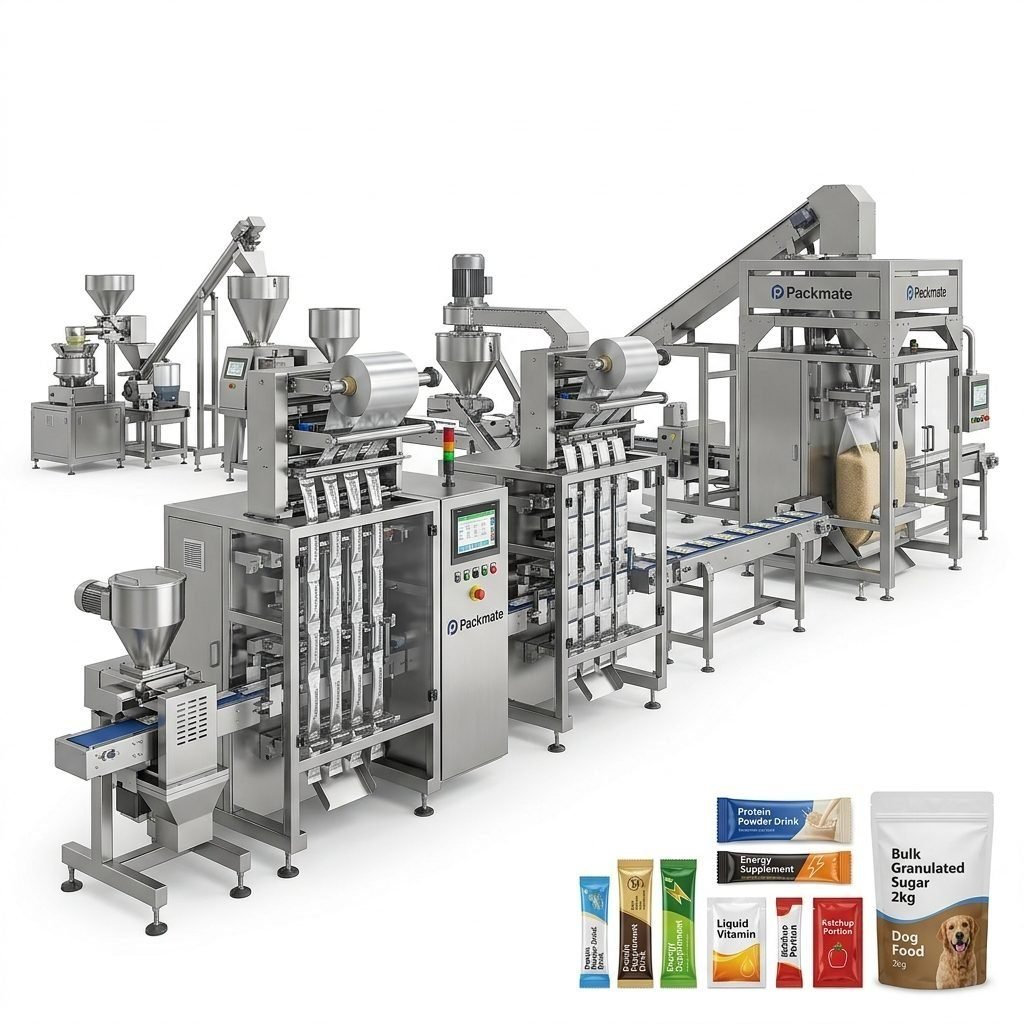
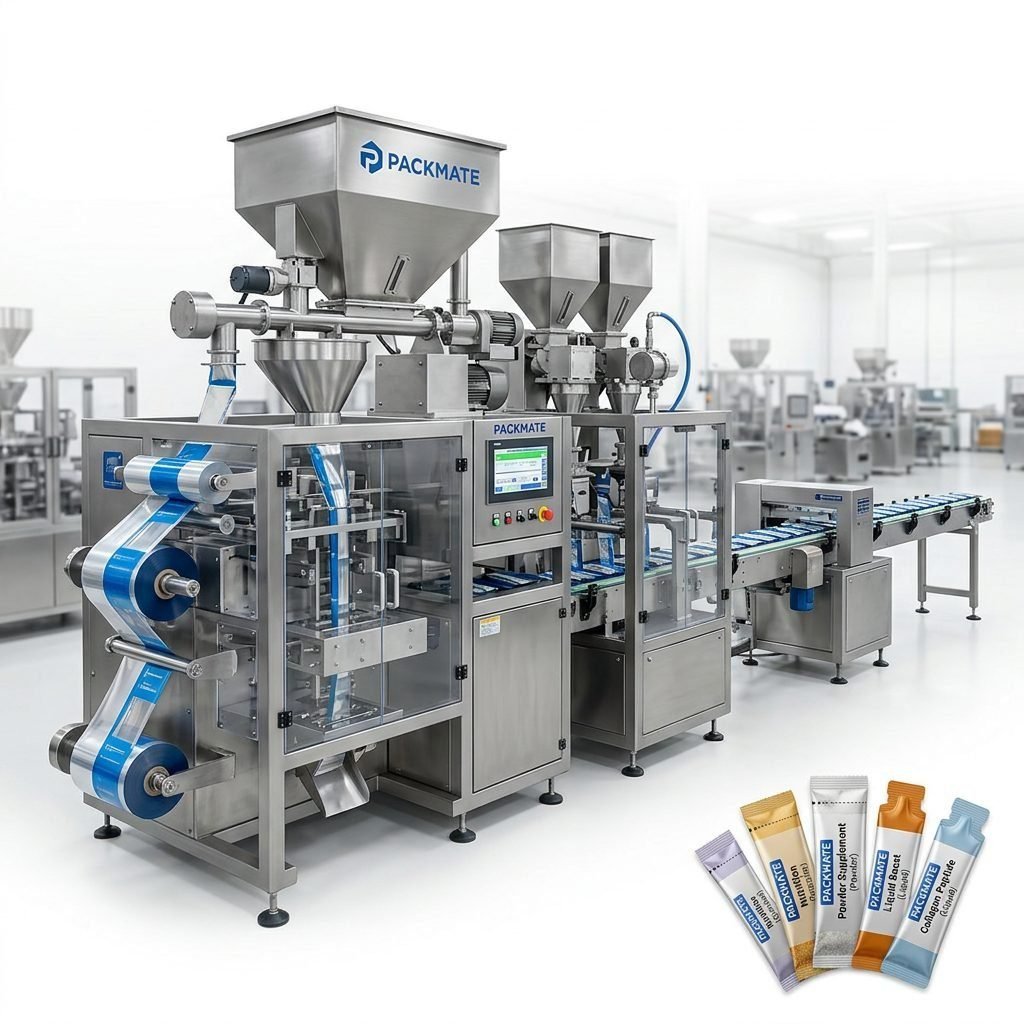
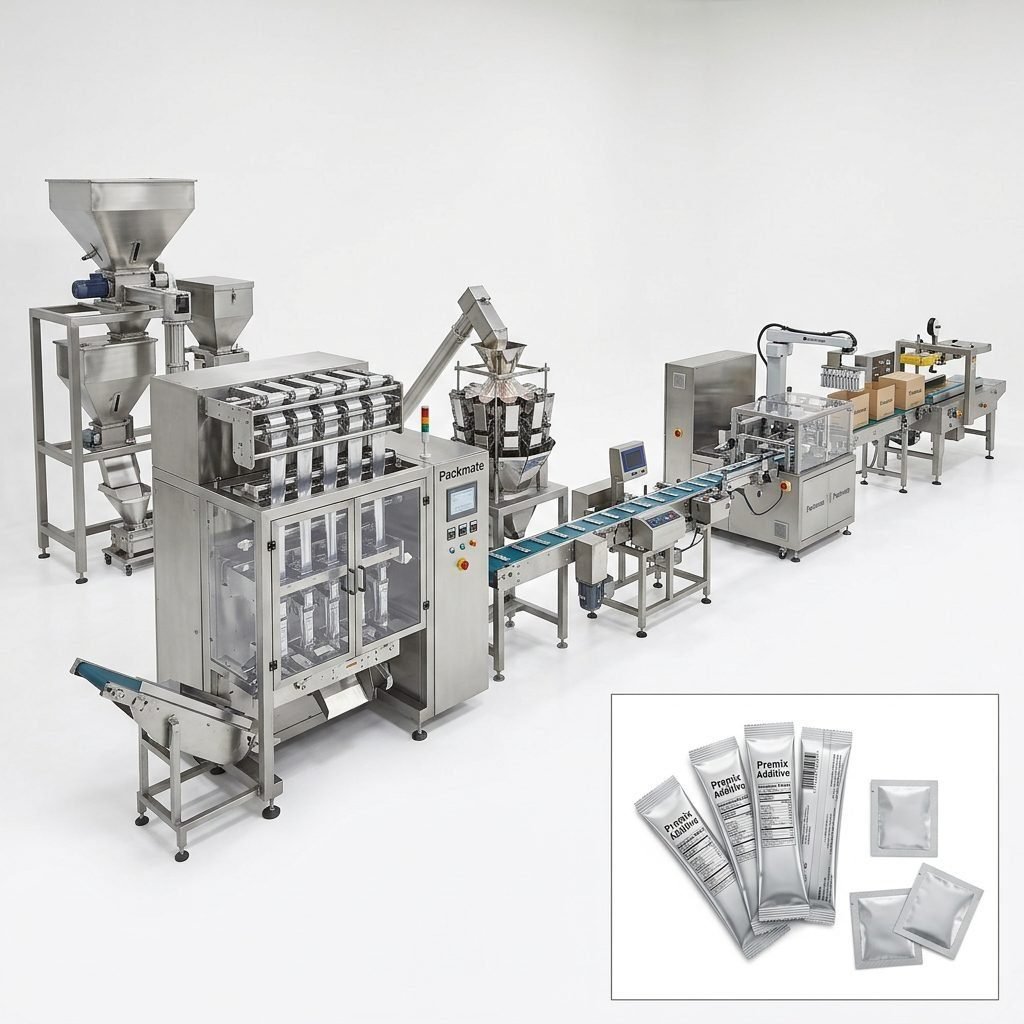
For Indonesian businesses planning a major capacity expansion or new factory setup, PacklineOEM specializes in the design and delivery of complete packaging production lines. Their expertise lies in integrating feeding, weighing, filling, sealing, and conveying systems into a cohesive automated unit. This is particularly valuable for manufacturers aiming to minimize labor, maximize throughput, and ensure consistent packaging quality from start to finish.
PackingMachineOEM: Focus on Customization
When standard machine configurations are insufficient, PackingMachineOEM provides a strong option. Their core strength is developing non-standard and customized packaging solutions. For Indonesian companies with unique product characteristics, unconventional bag formats, or specific layout constraints, this engineering flexibility can be decisive. Their capability supports both OEM projects and tailored machine adaptations.
SnusMachinery: Niche Expertise for Specialty Pouches
The market for nicotine pouches and similar products is growing globally. SnusMachinery brings specialized expertise in high-speed, multi-lane pouch packaging for this specific sector. For Indonesian entrepreneurs or companies looking to enter this niche, partnering with a supplier that has dedicated application knowledge can accelerate time-to-market and ensure the packaging line meets the precise dosing and sealing requirements of such products.
Practical Steps for Indonesian Importers
1. Define Your Requirements Clearly: Document your product specifications, desired output speed, bag/pouch dimensions, and factory floor plan before contacting suppliers.
2. Request Product-Specific Testing: Reputable suppliers often offer to run trials with your actual product sample to verify machine performance before purchase.
3. Verify After-Sales Structure: Clarify warranty terms, spare parts pricing, and the exact process for getting remote or on-site technical assistance.
4. Consider Total Cost of Ownership (TCO): Factor in energy consumption, expected maintenance costs, and potential future upgradeability, not just the initial machine price.
Frequently Asked Questions (FAQs)
What is the typical lead time for importing packaging machinery to Indonesia?
Lead times vary significantly based on machine complexity and customization. For standard models from experienced Chinese exporters, production can take 30-60 days, followed by 2-4 weeks for sea freight shipping and customs clearance in Indonesia. Always confirm detailed timelines with the supplier, including fabrication, testing, and shipping.
How can I ensure the machine meets Indonesian electrical and safety standards?
Reputable international suppliers are accustomed to configuring machines for different markets. Specify that you require a machine set up for Indonesia’s standard voltage (220V/50Hz) and request relevant electrical compliance certificates. It is also advisable to involve a local electrical engineer during installation.
Is it better to buy a standalone machine or a complete turnkey line?
The choice depends on your production scale and automation goals. A standalone machine is suitable for specific, high-volume tasks or for adding capacity to an existing line. A turnkey packaging line is a larger investment but offers higher automation, better consistency, and lower long-term labor costs, ideal for new factory setups or major upgrades.
What are the common challenges when installing new packaging machinery in Indonesia?
Common challenges include ensuring stable power supply, managing humidity levels that might affect powder flow, training local operators on proper machine use and maintenance, and navigating the customs import process. Working with a supplier that provides comprehensive installation guidance and startup support is crucial to overcome these hurdles.
How important is it to have local agent support for the machinery?
Having a competent local agent or service partner is highly valuable. They can provide faster response for spare parts, on-site troubleshooting, and routine maintenance. If the supplier does not have a direct local office, inquire about their network of technical partners in Indonesia or their process for dispatching engineers from abroad.