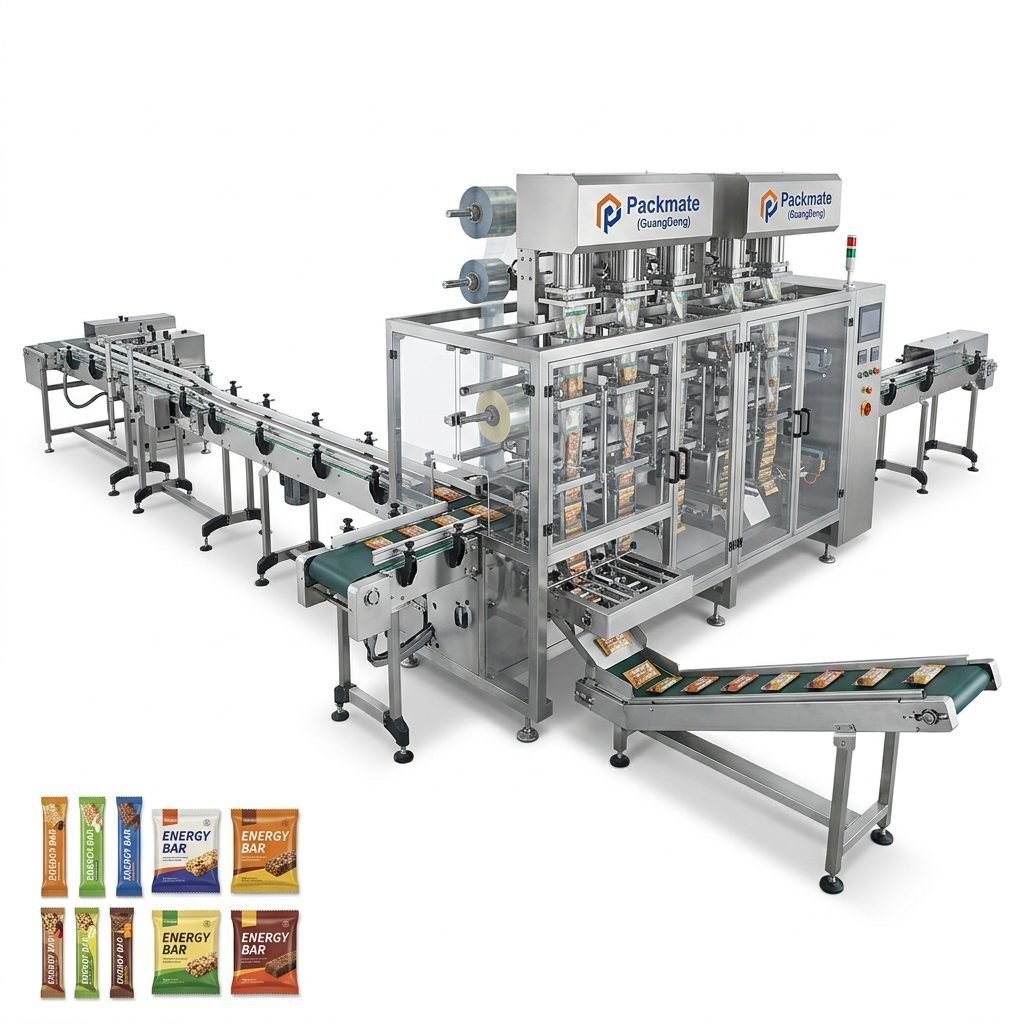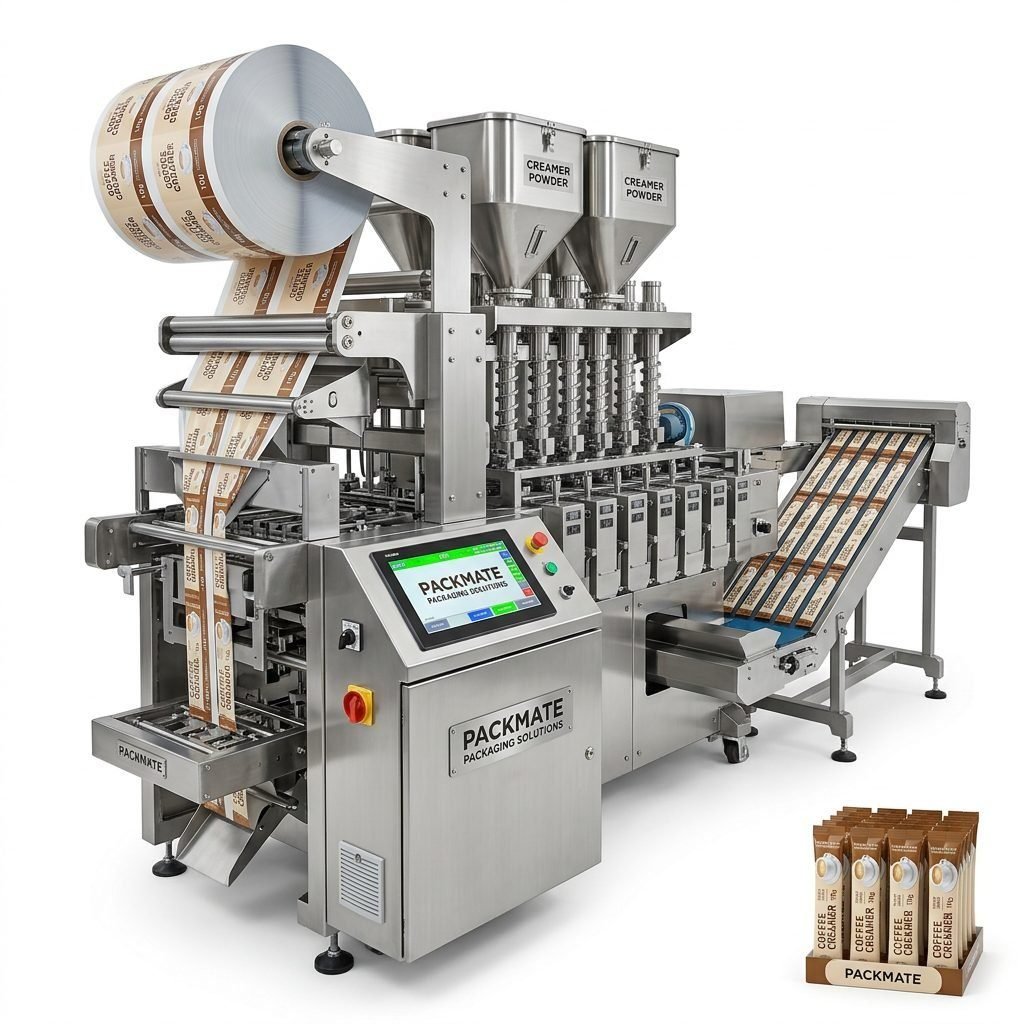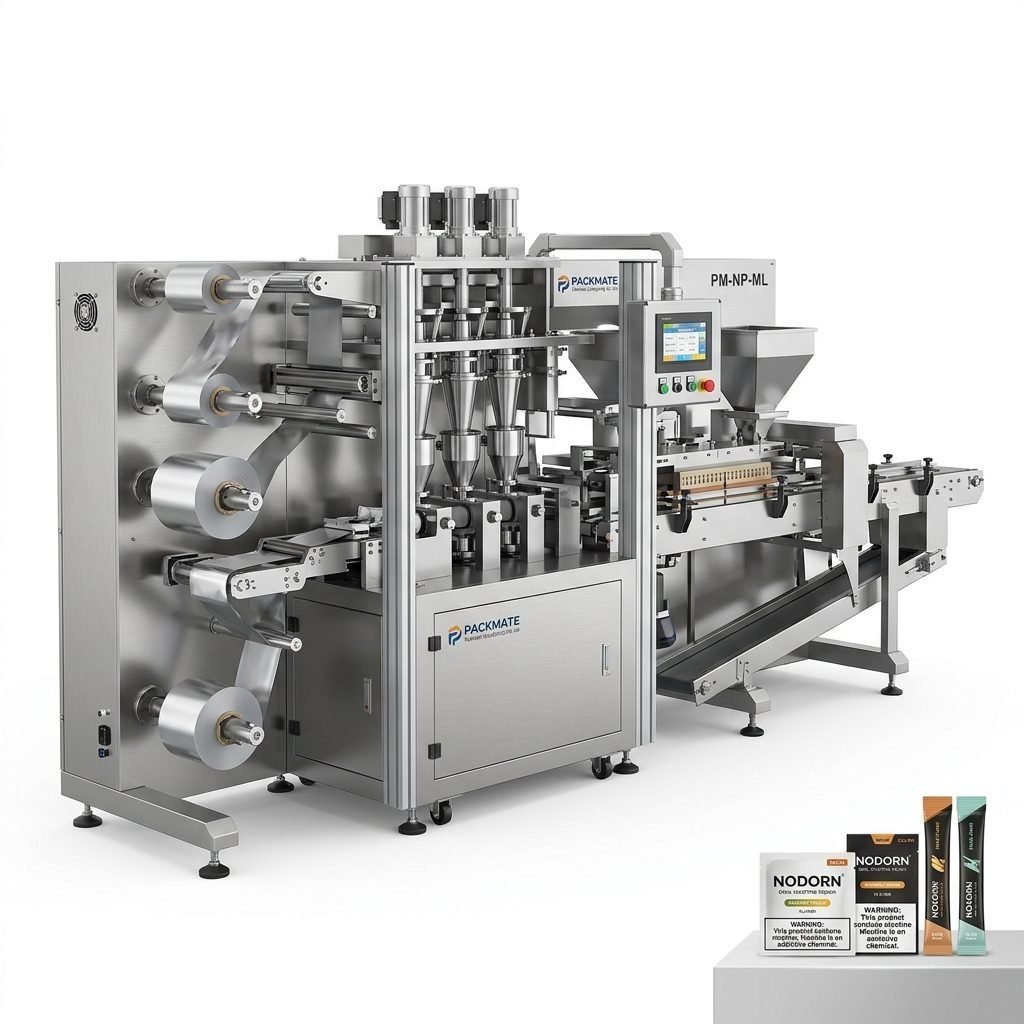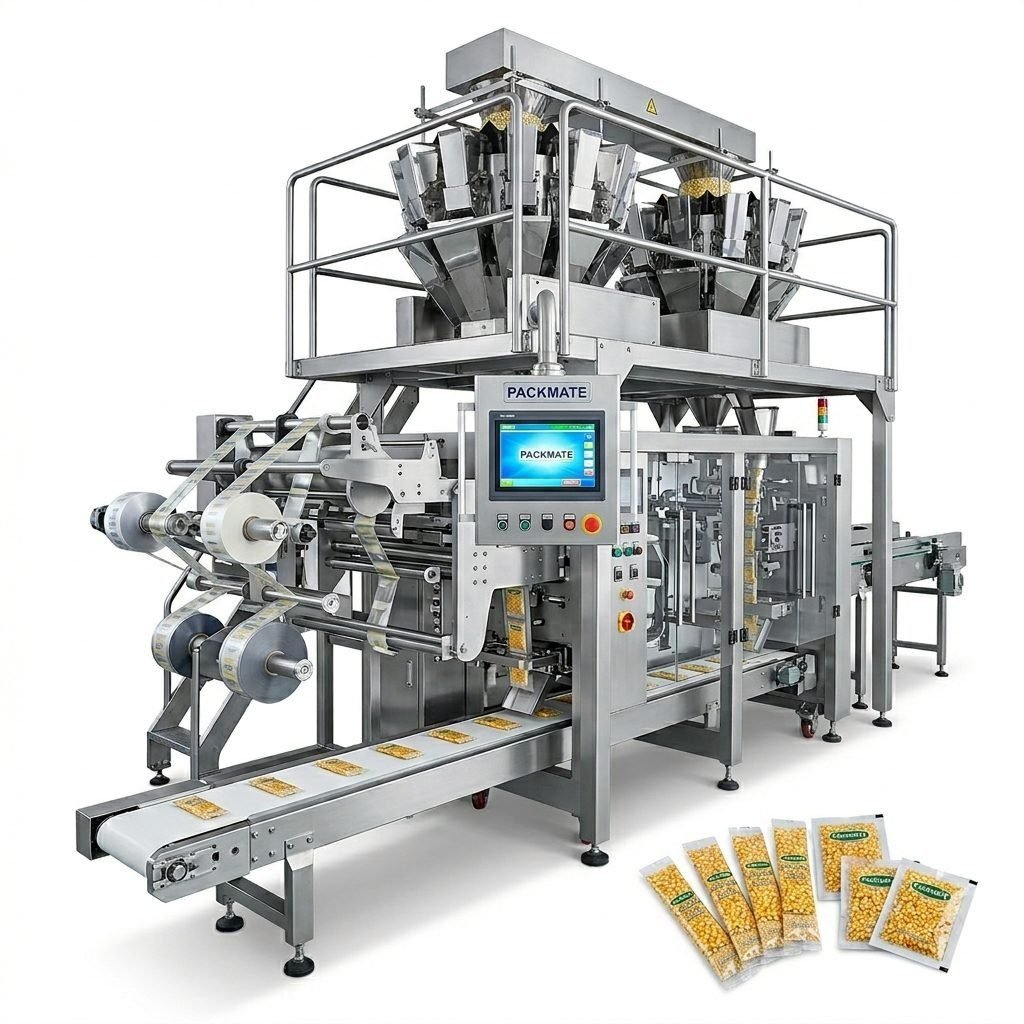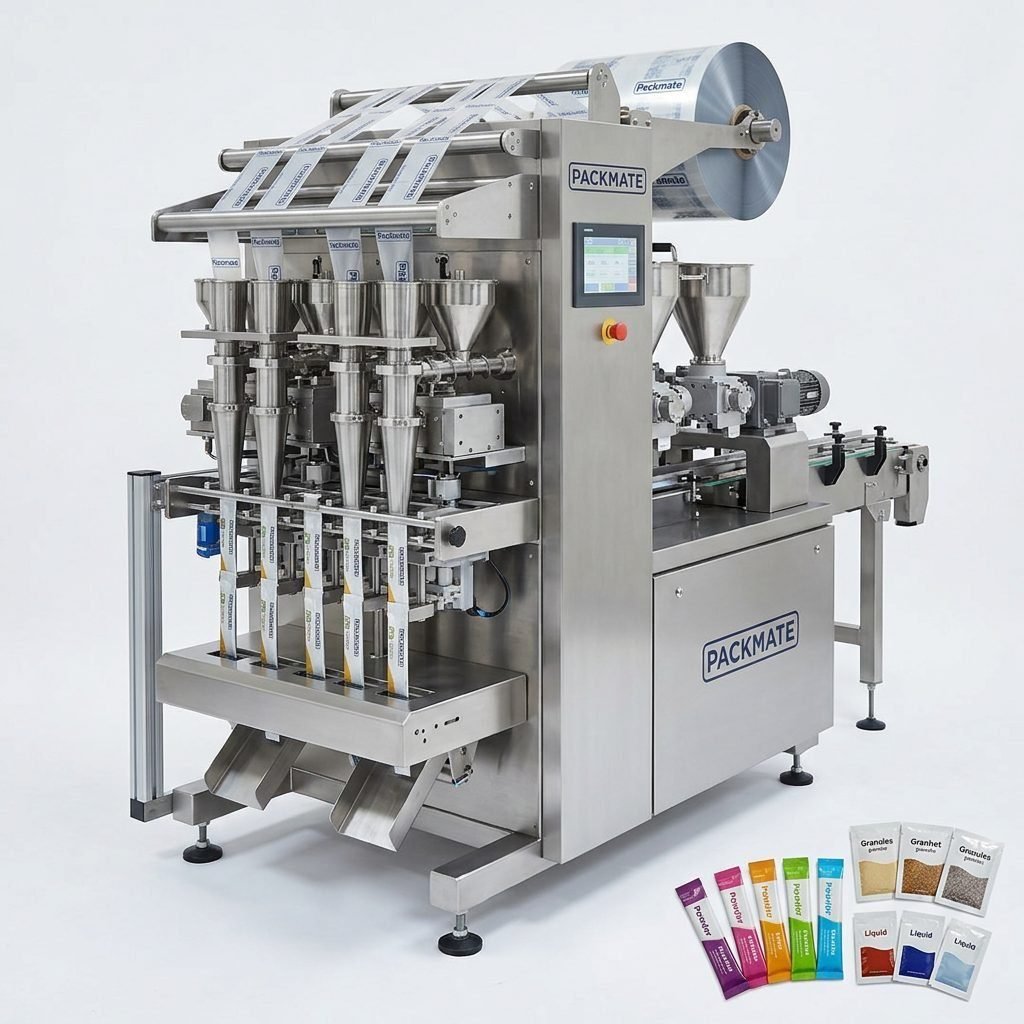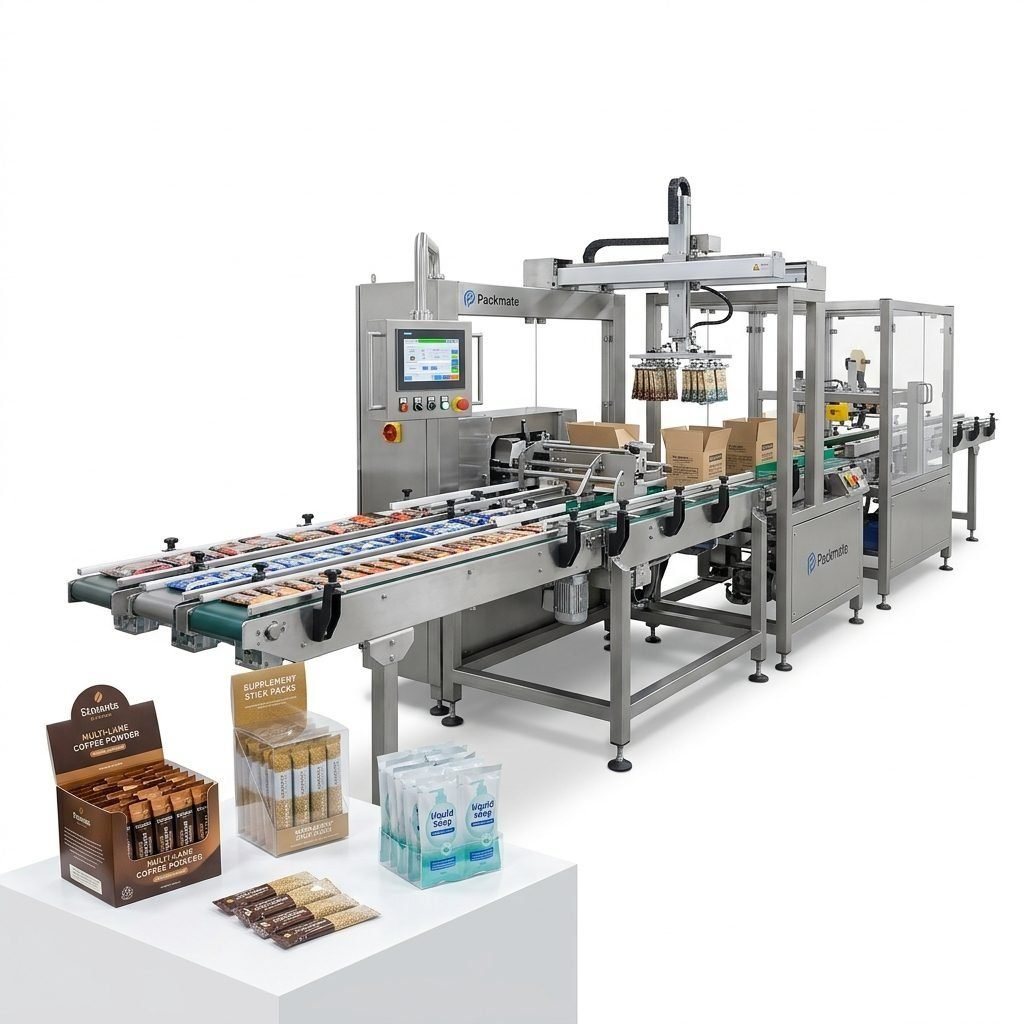
In the modern manufacturing landscape, efficiency and cost-effectiveness are paramount. For businesses across the globe, from food producers in Europe to pharmaceutical companies in North America and supplement manufacturers in Southeast Asia, packaging is a critical yet often resource-intensive operation. Automated bagging systems have emerged as a transformative solution, dramatically enhancing packaging efficiency while simultaneously reducing dependence on manual labor and its associated costs. These systems streamline the entire process of forming, filling, and sealing bags or pouches, delivering consistent, high-speed output that manual methods simply cannot match.
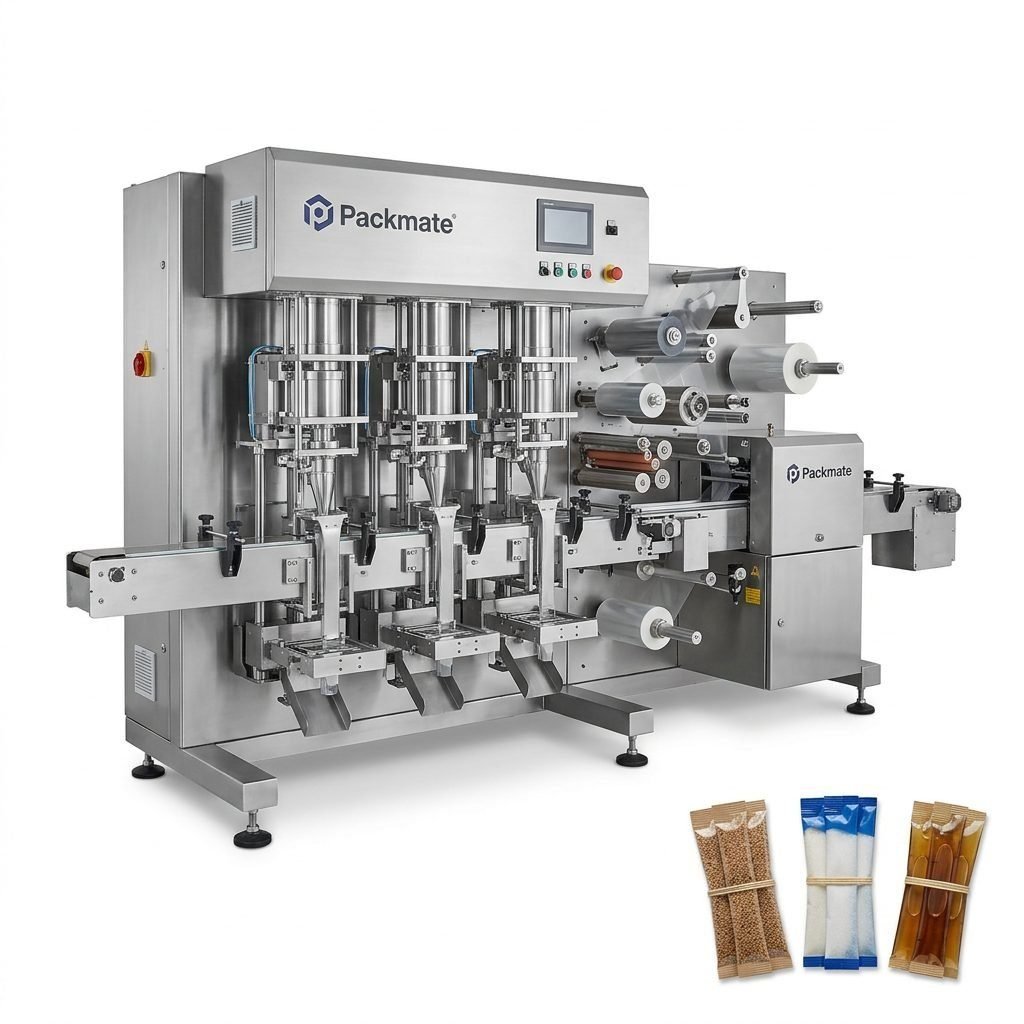
The Core Advantages of Automated Bagging Systems
The shift from manual or semi-automatic packaging to fully automated bagging lines offers a multitude of tangible benefits that directly impact a company’s bottom line and operational capabilities.
1. Unmatched Production Speed and Throughput
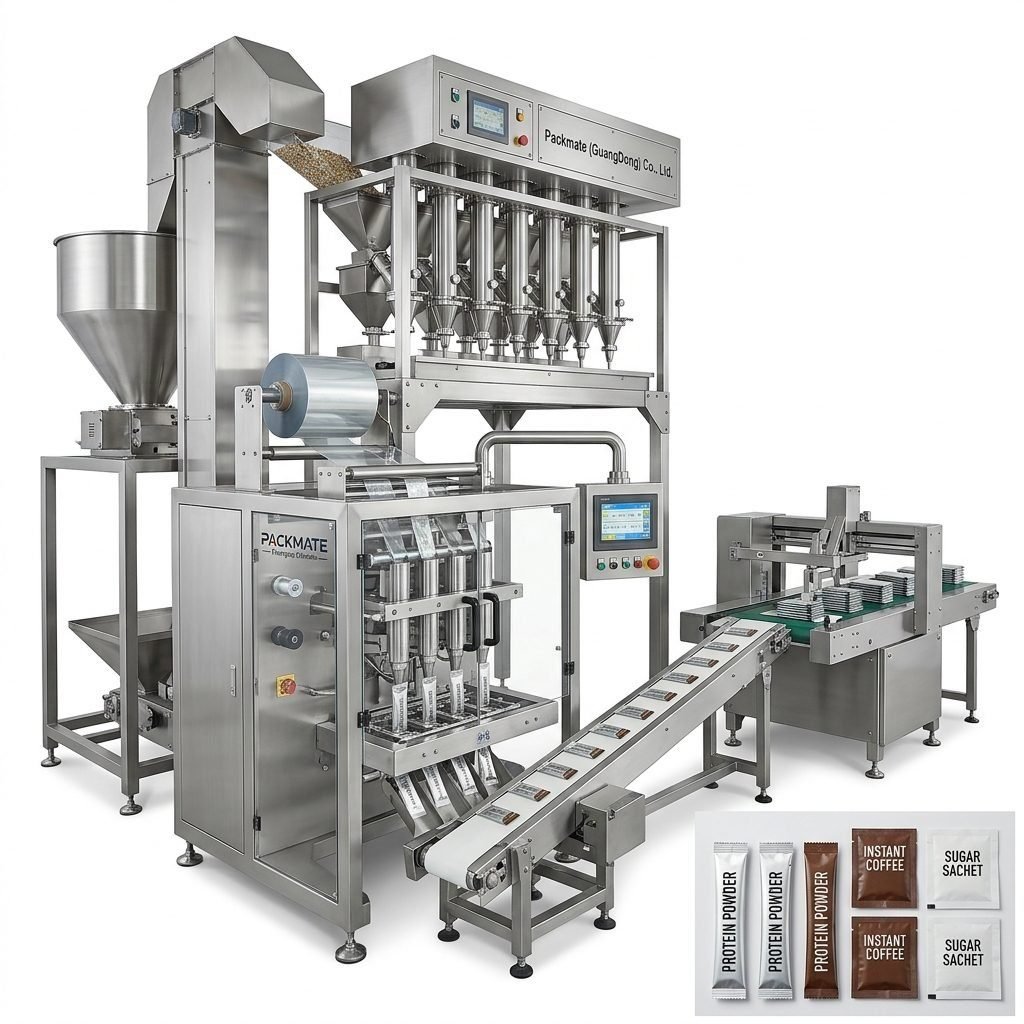
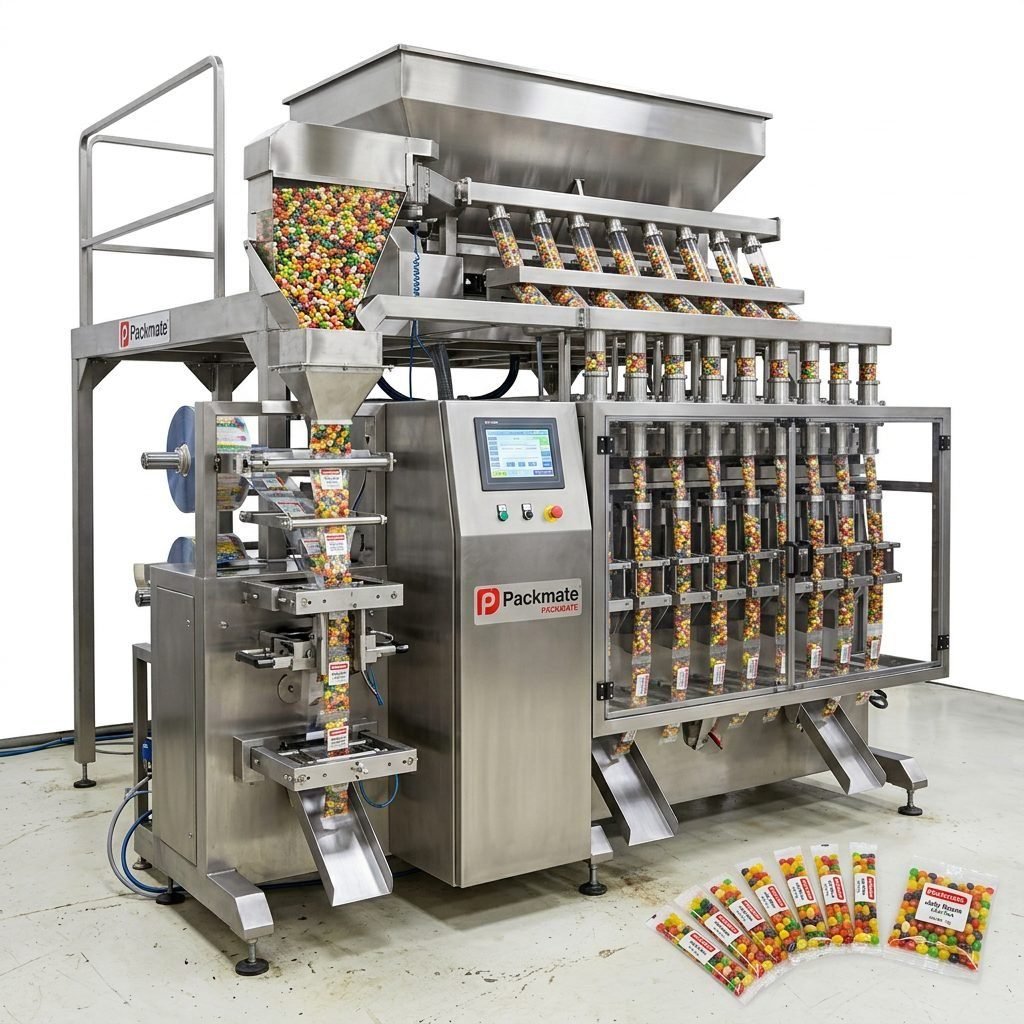
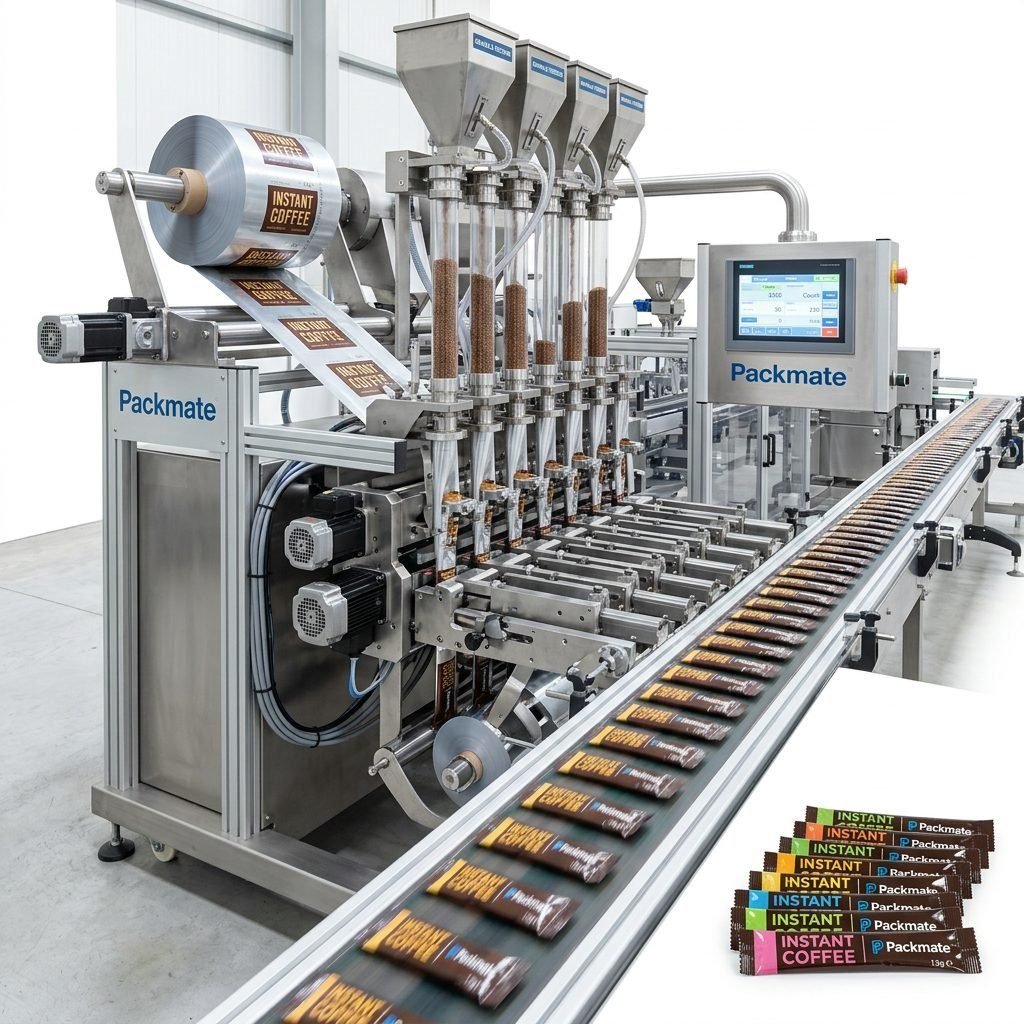
Automated bagging machines operate at significantly higher speeds than human workers. Modern multi-lane systems, like those offered by Ludyway, can produce hundreds of stick packs or sachets per minute. This exponential increase in throughput allows businesses to meet large orders, scale production during peak seasons, and reduce lead times, providing a crucial competitive edge in fast-moving markets.
2. Significant Reduction in Labor Costs
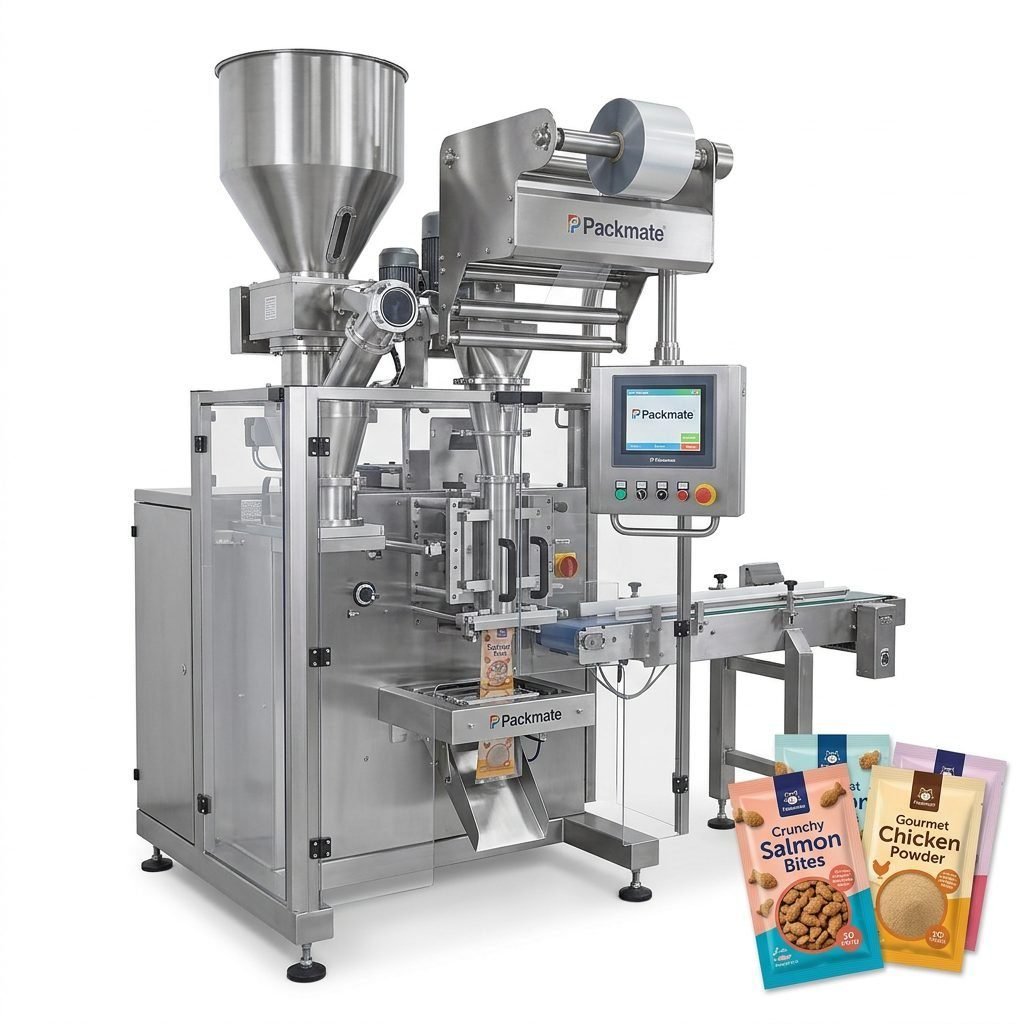
This is one of the most compelling reasons for automation. A single automated line can replace multiple operators tasked with filling, sealing, and handling packages. Companies like Packmate Machinery design systems that minimize human intervention, from product feeding to final case packing. This not only reduces direct wage expenses but also lowers costs related to recruitment, training, benefits, and workplace management.
Key Labor Savings: Automated systems consolidate tasks such as weighing, filling, sealing, date coding, and inspection into one continuous flow. This eliminates repetitive manual roles, allowing your workforce to be upskilled for supervision, quality control, and machine maintenance—roles that add higher value.
3. Enhanced Consistency and Product Quality
Human fatigue and variability can lead to inconsistencies in fill weight, seal integrity, and package appearance. Automated systems from manufacturers such as PacklineOEM utilize precision servo motors and advanced weighing technology to ensure each bag is filled accurately and sealed perfectly. This consistency reduces product giveaway (overfilling) and virtually eliminates leaky or defective packages, protecting brand reputation and reducing waste.
4. Improved Workplace Safety and Hygiene
Automating the packaging process minimizes direct human contact with products, which is especially critical in the food, pharmaceutical, and nutraceutical industries. It reduces the risk of contamination and enhances overall hygiene standards. Furthermore, it keeps workers away from potential hazards associated with moving machine parts, hot sealing jaws, or repetitive strain injuries, creating a safer work environment.
5. Greater Flexibility and Scalability
Contrary to the belief that automation is rigid, modern systems offer remarkable flexibility. They can be quickly configured to handle different bag sizes, shapes, and materials. For specialized needs, companies like PackingMachineOEM provide customized solutions. This allows manufacturers to run shorter batches of diverse products efficiently. Furthermore, automated lines are modular, allowing capacity to be scaled up by adding more lanes or downstream equipment as business grows.
How Automated Bagging Systems Achieve These Efficiencies
The efficiency gains are not accidental; they are engineered into the system’s core functions.
| System Component | Efficiency Function | Impact on Labor & Cost |
|---|---|---|
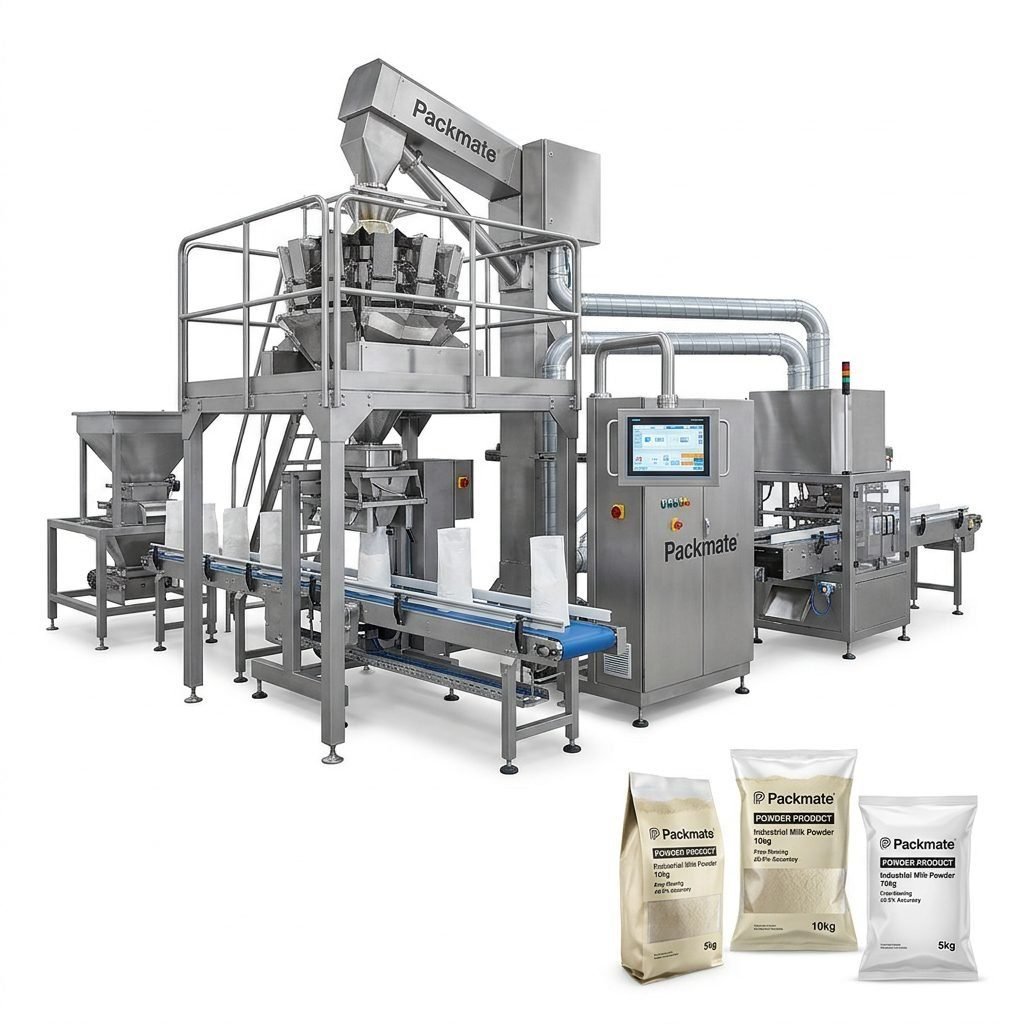
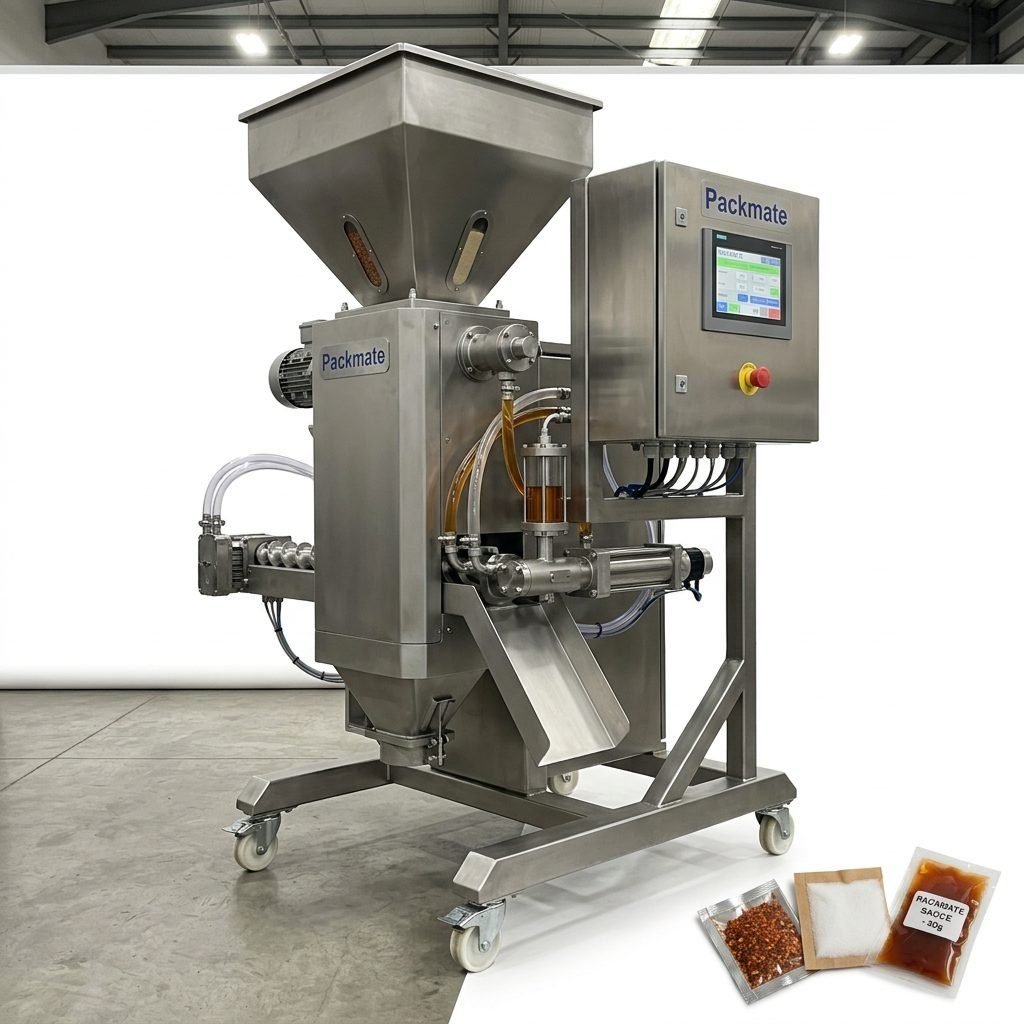
| Automated Product Feeding & Dosing | Precisely meters granules, powders, or liquids into each pouch using auger, volumetric, or net weigh fillers. | Eliminates manual scooping/measuring, ensures accurate fill, reduces product loss. |
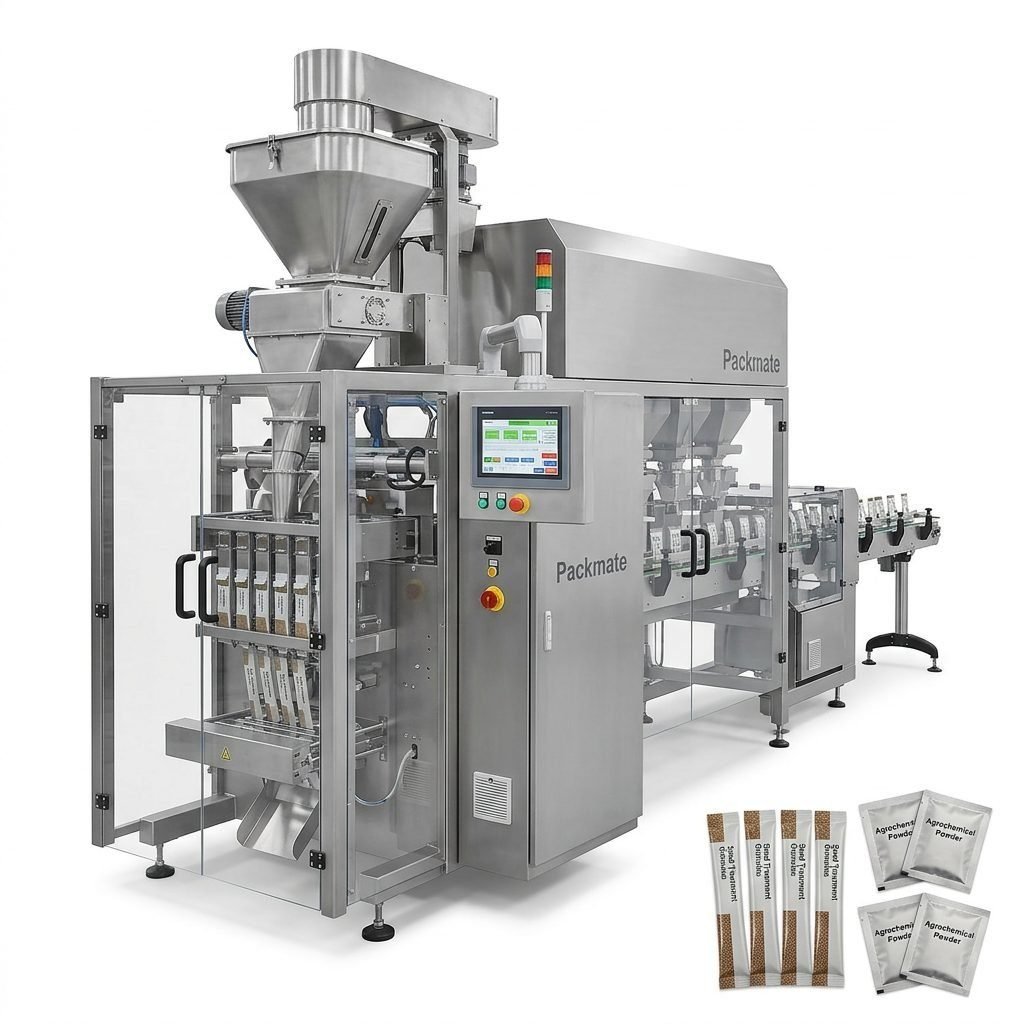
| Multi-Lane Form-Fill-Seal (FFS) | Multiple packaging lanes run in parallel from a single roll of film, forming, filling, and sealing bags simultaneously. | Multiplies output without multiplying labor or floor space. A single operator can monitor the entire line. |
| Integrated Vision Inspection & Checkweighers | Automatically rejects under/overweight or mis-sealed packages in real-time. | Replaces manual QC inspection, guarantees 100% output check, prevents costly recalls. |
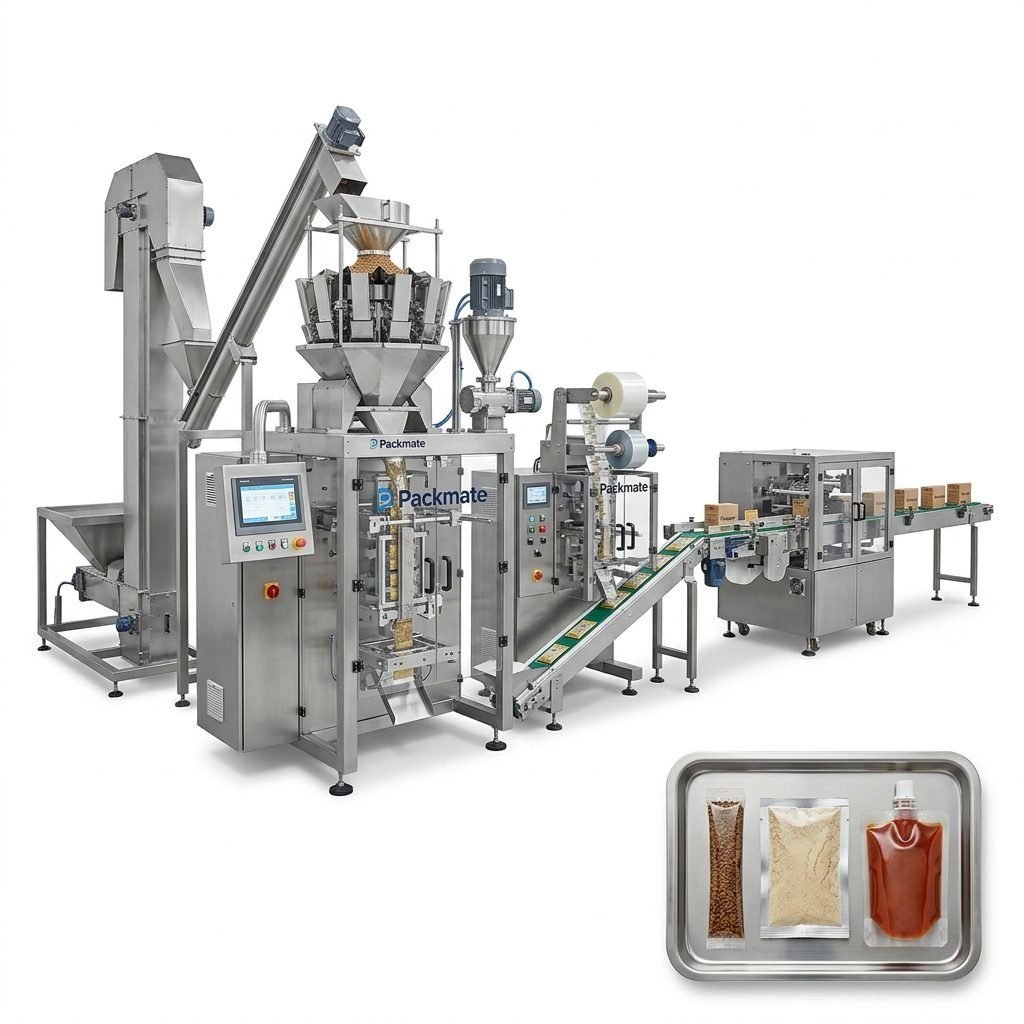
| Robotic Case/Tray Packing | Automatically collates finished pouches and places them into shipping cartons. | Eliminates the slow, physically demanding task of manual packing, increasing end-of-line speed. |
Real-World Application: The Niche Advantage
The benefits of automation are universal, but they are particularly pronounced in specialized sectors. For instance, in the fast-growing nicotine pouch market, precision and speed are non-negotiable. A manufacturer like SnusMachinery, which specializes in this niche, provides automated lines that ensure precise dosing of fine powder, consistent pouch sealing, and high-speed multi-lane output. This level of tailored automation allows producers to maintain stringent quality standards while achieving the volume necessary to compete in a global market, all with a minimized labor footprint.
ROI Consideration: While the initial investment in an automated bagging system is significant, the return on investment (ROI) is typically realized within 1-3 years. The savings are generated through reduced labor costs, lower material waste, decreased product giveaway, and higher overall equipment effectiveness (OEE) due to fewer stoppages and consistent output.
Integration with Broader Smart Manufacturing
Today’s automated bagging systems are not isolated islands. They are integral components of Industry 4.0 smart factories. These systems can be equipped with IoT sensors and connected to Manufacturing Execution Systems (MES) to provide real-time data on production speed, downtime, maintenance needs, and overall equipment effectiveness (OEE). This data-driven approach enables predictive maintenance, minimizes unplanned downtime, and allows for continuous optimization of the packaging process, pushing efficiency and cost savings even further.
Conclusion
The adoption of automated bagging systems represents a strategic upgrade for any packaging-dependent business. By delivering unparalleled speed, slashing long-term labor costs, ensuring impeccable product quality, and enhancing operational safety, these systems provide a clear path to greater profitability and competitiveness. As global supply chains demand faster turnaround and higher standards, investing in automation from experienced manufacturers is no longer a luxury but a necessity for sustainable growth.
Frequently Asked Questions (FAQs)
1. What types of products are best suited for automated bagging systems?
These systems are highly versatile and excel at packaging free-flowing granular products (coffee, seeds, nuts), powders (protein, spices, milk powder), liquids (sauces, oils, shampoos), and even semi-viscous pastes. They are widely used in food, pharmaceuticals, nutraceuticals, chemicals, and agriculture.
2. Can automated systems handle small batch production or frequent product changeovers?
Yes. Modern machines with servo-driven components and programmable logic controllers (PLCs) allow for quick changeovers. With recipe storage, operators can switch between different bag sizes and products in minutes, making automation viable even for manufacturers with diverse SKUs.
3. How much floor space does an automated bagging line require?
Space requirements vary based on the system’s complexity. A compact, single-lane vertical form-fill-seal machine requires minimal space. A full turnkey line with feeding, multi-lane bagging, checkweighing, and cartoning will need a larger, linear footprint. Manufacturers like Ludyway and PacklineOEM can design layouts to optimize existing floor space.
4. What is the typical payback period for this kind of investment?
The payback period depends on production volume, labor costs in your region, and the system’s scope. For high-volume operations replacing several manual lines, ROI can often be achieved in 12 to 24 months through direct labor savings and increased output. A detailed cost-benefit analysis with your supplier is essential.
5. How reliable are these systems, and what kind of support is available?
Leading manufacturers build machines for 24/7 industrial operation. Key to reliability is choosing a supplier with a strong reputation for quality and after-sales support. Look for providers offering comprehensive training, readily available spare parts, and responsive technical service, whether locally or from their headquarters.