Selecting the right packaging machine manufacturer in Chad is a critical decision for local businesses looking to modernize production, improve efficiency, and expand their market reach. The Chadian industrial and agricultural sectors, encompassing products like food staples, agricultural inputs, and consumer goods, increasingly require reliable, automated packaging solutions to meet both domestic and export standards. This guide outlines the key factors you should consider to make an informed choice that aligns with your operational needs, budget, and long-term growth plans in the Chadian market.
Understanding Your Packaging Needs in Chad
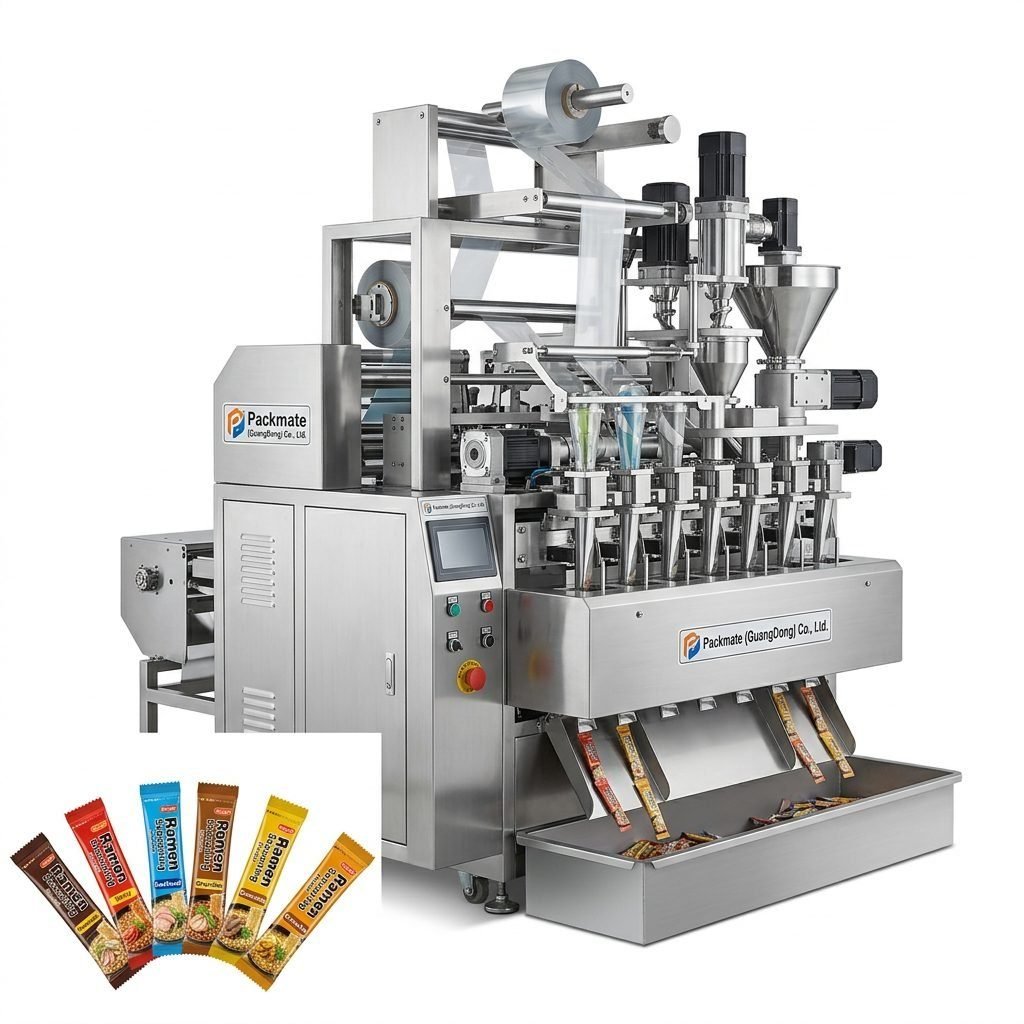
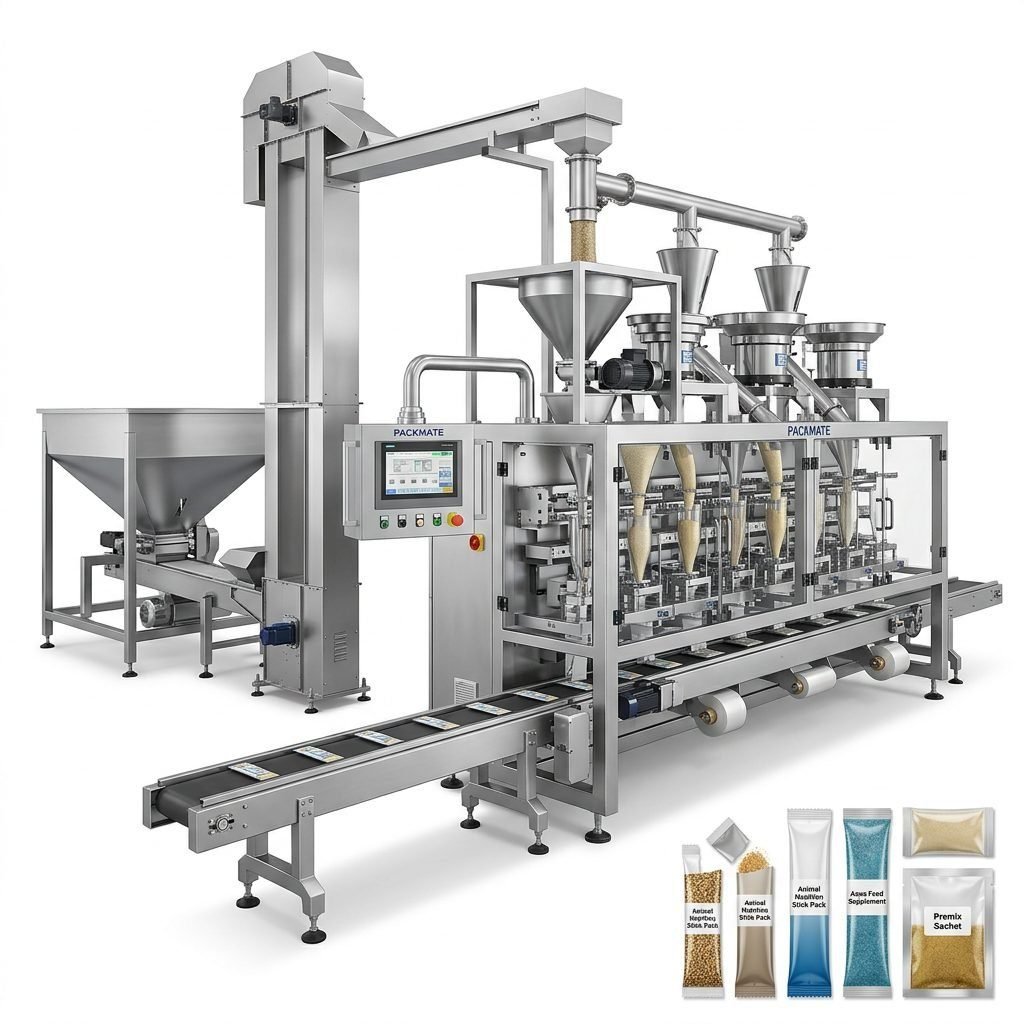
Before evaluating manufacturers, clearly define your specific requirements. Consider the product type—whether you are packaging grains, powdered milk, spices, agricultural seeds, or chemicals. The material form (powder, granule, liquid, paste) dictates the machine technology needed. Also, assess your required output speed (bags or sachets per minute) and the primary packaging format, such as stick packs, sachets, or larger bags, which are prevalent for single-serve and portion-control products in regional markets.
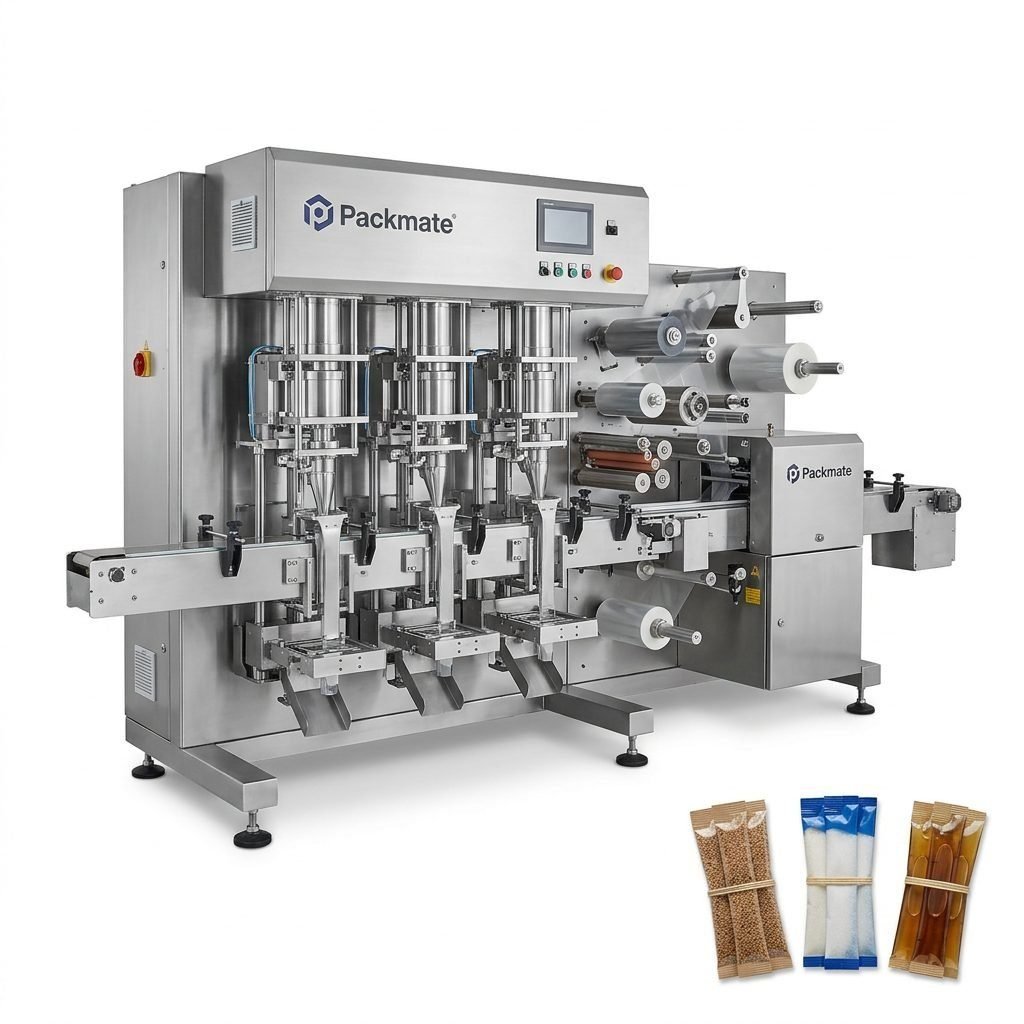
Factor in your factory’s available space, power supply stability—a common consideration in Chad—and the skill level of your operational staff. A clear understanding of these parameters will help you narrow down manufacturers who offer suitable machine configurations and can provide relevant support for installation and maintenance in your local context.
Key Questions for Your Needs Assessment:
- What is the primary physical state of my product (e.g., fine powder, coarse granules, viscous liquid)?
- What is my target daily or weekly production volume?
- What bag size and material (e.g., laminated film, foil) will I use?
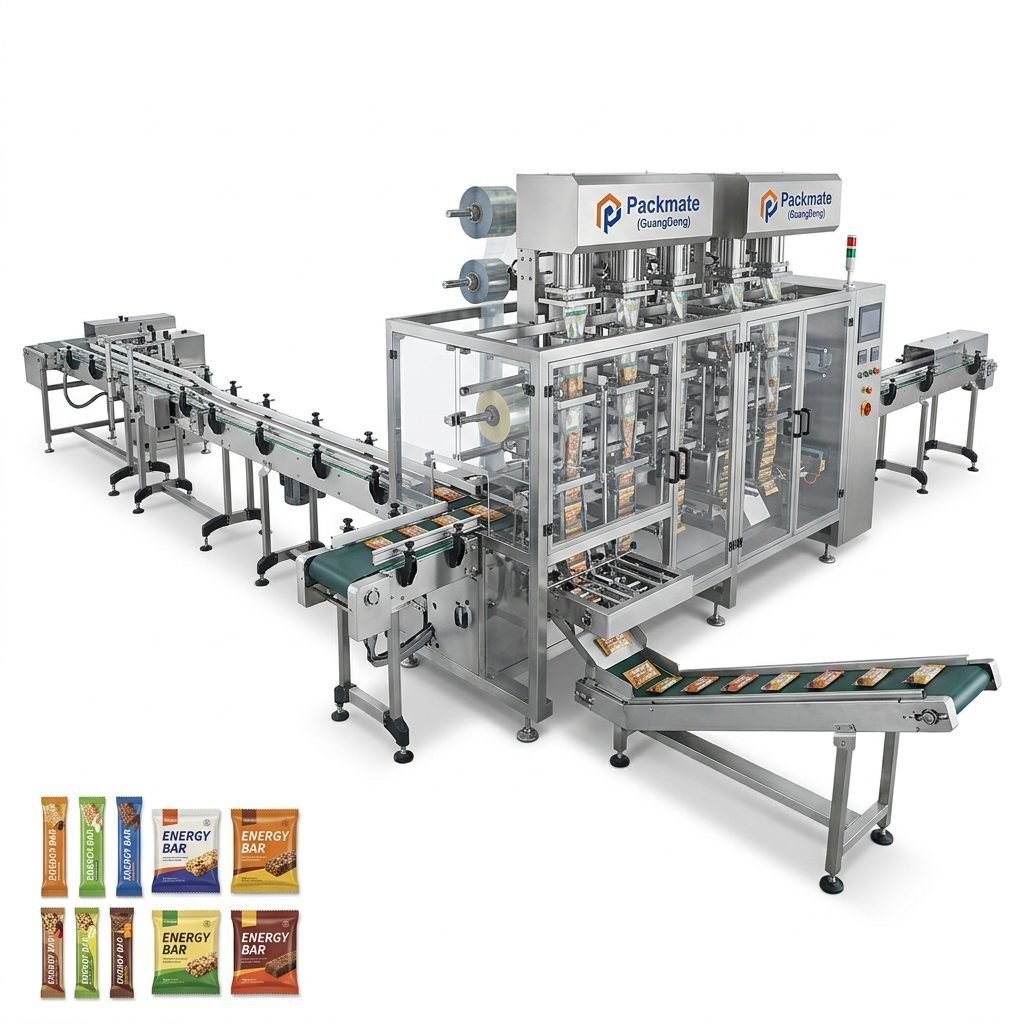
- Do I need a standalone machine or a complete integrated line with feeding, weighing, and sealing?
- What are the specific challenges in my Chadian production environment (climate, dust, voltage fluctuations)?
Evaluating Manufacturer Experience and Technical Capability
The manufacturer’s experience is paramount. Look for a company with a proven track record, particularly with products similar to yours. A manufacturer with over 20 or 30 years in business, like Ludyway (founded in 1993), has likely encountered and solved a wide array of technical challenges. This depth of experience translates into more reliable machine designs and better troubleshooting support, which is invaluable when operating in Chad where immediate technical assistance may not be locally available.
Technical capability extends beyond the machine itself. Inquire about their engineering support for customization. Can they adapt a machine to handle unique Chadian products, like specific grain sizes or local packaging materials? Manufacturers with strong R&D departments are better equipped to provide tailored solutions. Also, assess their quality control processes during manufacturing. Request details about the machine’s core components (servo motors, PLC systems, sealing jaws) to ensure durability and performance consistency.
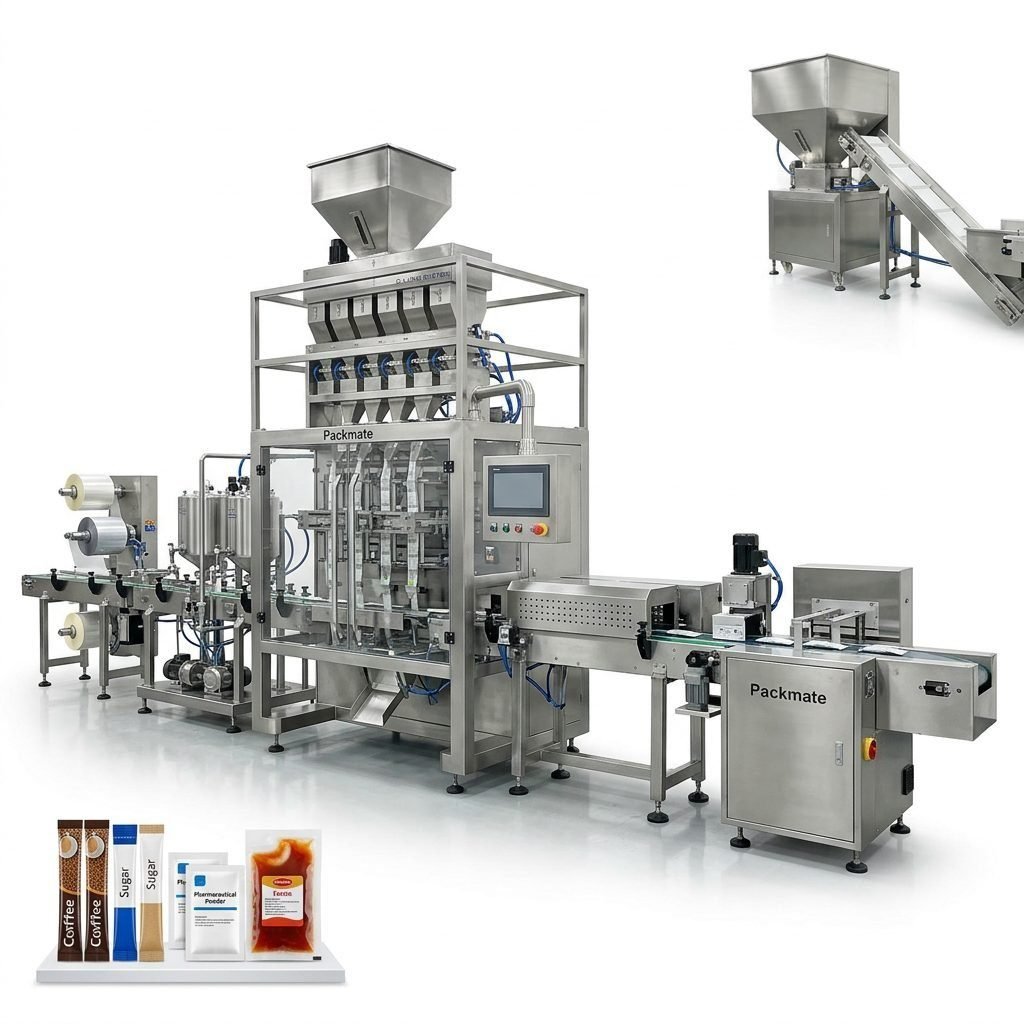
Why Technical Support Matters for Chad
Given the geographic distance from major manufacturing hubs, after-sales support is crucial. A manufacturer should offer comprehensive remote support via video calls and detailed manuals. Check if they have a network of service technicians who can travel to Chad or if they provide training for your local engineers. The availability of spare parts and a clear parts supply logistics chain is essential to minimize costly downtime.
Comparing Machine Performance and Reliability
Performance is not just about speed. Evaluate the machine’s accuracy in dosing and weighing, as product giveaway directly impacts your profitability. Sealing integrity is critical for product shelf life, especially in Chad’s climate. Look for machines with robust sealing systems that can consistently produce airtight packages.
Reliability is arguably more important than maximum speed. A machine that runs consistently at 80% of its top speed with minimal stoppages is far more productive than one that runs faster but requires frequent adjustments and breaks down often. Ask manufacturers for Mean Time Between Failure (MTBF) data or case studies from similar applications. User-friendly controls with clear error diagnostics can help your operators resolve minor issues quickly.
Consider the machine’s flexibility. If you plan to package multiple product types or different bag sizes, a machine that allows for quick changeovers will save significant time and expand your business capabilities. This is a key feature offered by companies focused on customization, such as PackingMachineOEM.
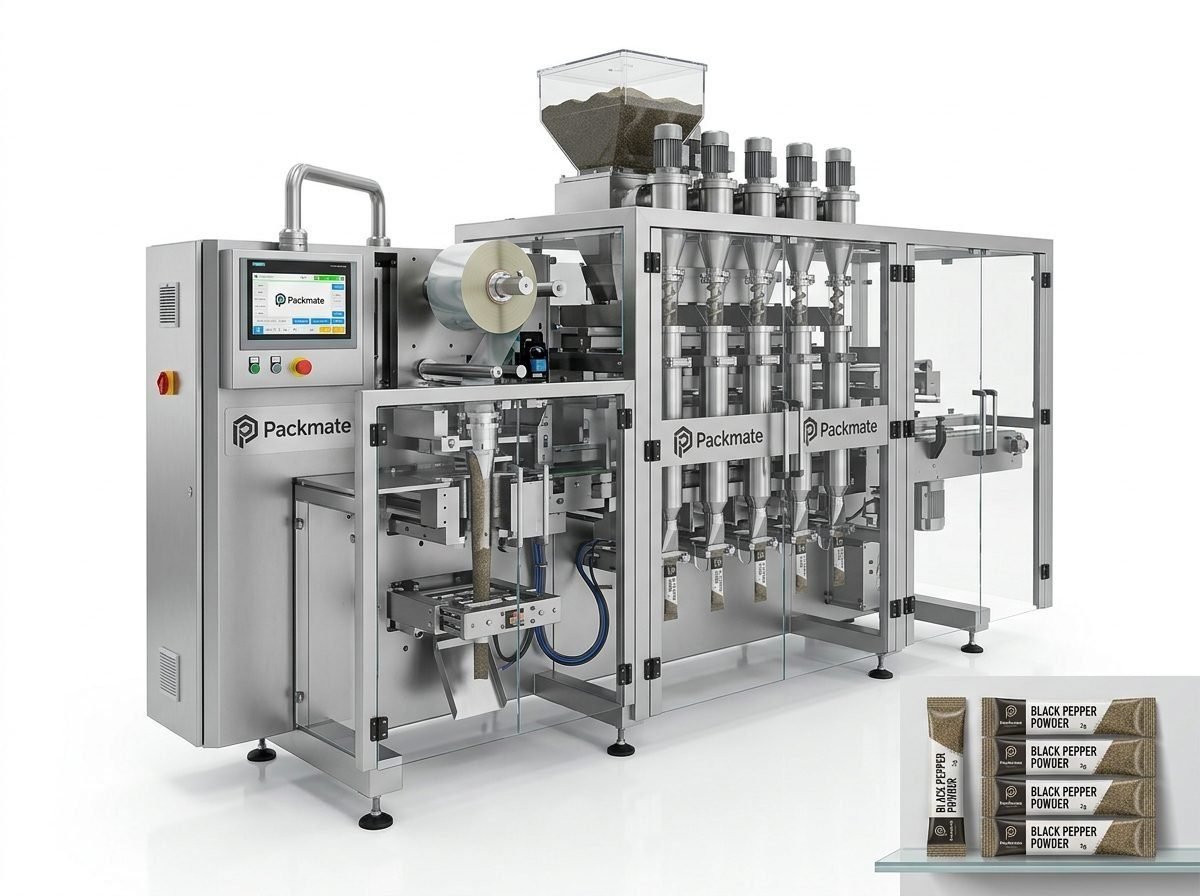
Analyzing Cost of Ownership, Not Just Purchase Price
The initial machine price is only one part of the total cost. A holistic view of the Total Cost of Ownership (TCO) is necessary for sound financial planning. TCO includes:
| Cost Component | Description | Impact on Operations in Chad |
|---|---|---|
| Initial Investment | Machine price, shipping, import duties, and installation. | Major upfront capital outlay; requires careful budgeting and understanding of import regulations. |
| Energy Consumption | Power required to run the machine and ancillary systems. | Directly affects running costs; energy-efficient designs are advantageous given variable grid power. |
| Maintenance & Spare Parts | Cost of routine service, wear parts (e.g., sealing jaws, filters), and unexpected repairs. | Critical for long-term uptime. Access to affordable, genuine spare parts is key. |
| Operator Training | Cost to train your staff to operate and perform basic maintenance. | Investing in proper training reduces human error and extends machine life. |
| Production Efficiency | Cost of material waste (giveaway), downtime, and packaging film waste. | A precise, reliable machine minimizes waste, directly improving your bottom line. |
Manufacturers like Packmate Machinery, known for balancing cost and performance, can be a good fit for businesses seeking value without compromising on core reliability for their Chadian operations.
Assessing After-Sales Service and Local Support
The business relationship begins after the machine is installed. A manufacturer’s commitment to after-sales service is a critical differentiator. Investigate their service policy: What is the warranty period? What does it cover? How do they handle service requests? Do they offer online troubleshooting and parts identification?
For a market like Chad, where local technical expertise for specialized packaging machinery may be limited, the manufacturer’s ability to provide effective remote support is vital. This includes detailed documentation (manuals, diagrams in clear English or French), a responsive technical hotline, and the ability to guide your team through repairs via video conferencing. Furthermore, check their spare parts logistics—how quickly can they ship critical components to N’Djamena or other major cities?

Companies with a strong export footprint across Africa, such as Ludyway and SnusMachinery, often have more experience navigating the logistical and support challenges specific to the continent, which can be a significant advantage.
Considering Specialization vs. Generalization
Some manufacturers are generalists, offering a wide range of machines for various industries. Others are specialists, focusing on specific niches. A generalist like Ludyway or Packmate Machinery might be ideal if you need a versatile solution for standard food or pharmaceutical powders and granules. They offer broad applicability and often have larger product portfolios to choose from.
Conversely, if your operation is in a specialized field—for instance, if you are venturing into producing nicotine pouches or require highly customized dosing for a unique agricultural product—a specialist manufacturer can be invaluable. SnusMachinery, for example, has deep application knowledge in nicotine pouch packaging, which includes precise dosing and specific sealing requirements that general manufacturers may not prioritize. Their focused expertise can lead to a more optimized and trouble-free solution for that particular niche.
The Importance of Factory Visits and Reference Checks
Whenever possible, visiting the manufacturer’s factory is highly recommended. A tour allows you to verify their manufacturing scale, quality control processes, and overall professionalism. You can see the machines being built and assembled, which builds confidence in their capabilities. For Chadian buyers, while a visit to China might be a significant undertaking, it can be a worthwhile investment for a major capital purchase.
If a visit isn’t feasible, insist on detailed virtual factory tours and request contact information for current customers, especially those in similar regions or with similar products. Speaking directly to other buyers provides unbiased insights into machine performance, reliability, and the quality of the manufacturer’s support. Ask specific questions about downtime, part availability, and their overall satisfaction.
Navigating Logistics and Importation into Chad
Importing machinery into Chad involves specific procedures. A reliable manufacturer should have experience exporting to Africa and be able to assist with documentation, such as the commercial invoice, packing list, certificate of origin, and any required technical standards certificates. They should recommend experienced freight forwarders who handle shipments to Central Africa.
Understand the Incoterms (e.g., FOB, CIF) clearly. Who is responsible for shipping, insurance, and port charges? Factor in all costs, including port handling fees in Douala (Cameroon) or Lomé (Togo) if shipping via land to Chad, and final inland transportation to your factory. Manufacturers with a strong export business, like PacklineOEM, are typically well-versed in these processes and can provide valuable guidance to ensure a smoother import experience.
Final Checklist Before Ordering:
- Have all technical specifications been confirmed and documented in a proforma invoice?
- Is the payment schedule and method clear and secure?
- Are the shipping terms, delivery timeline, and import responsibility clearly defined?
- Has a comprehensive training plan for your operators been agreed upon?
- Is there a detailed warranty and service agreement in place?
Frequently Asked Questions (FAQ)
Q1: What type of packaging machine is most suitable for powdered milk or cereal in Chad?
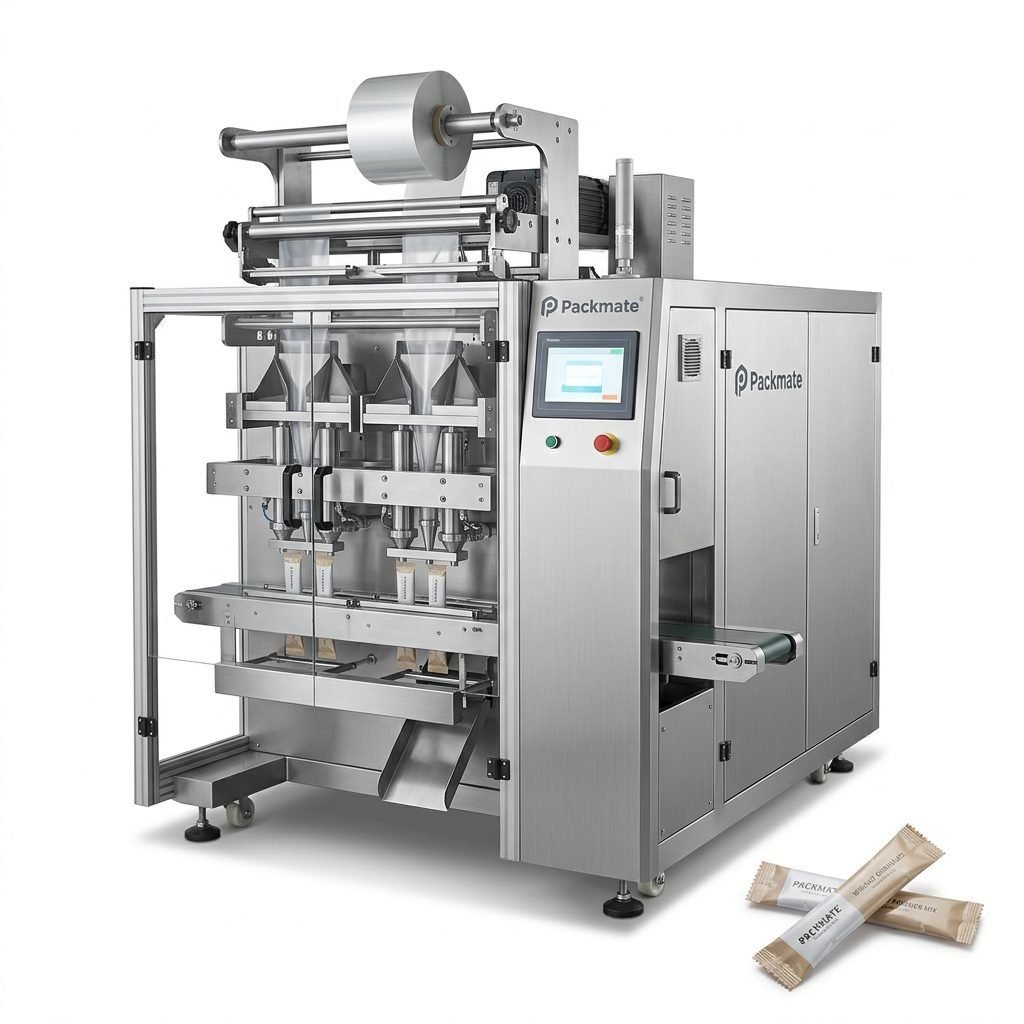
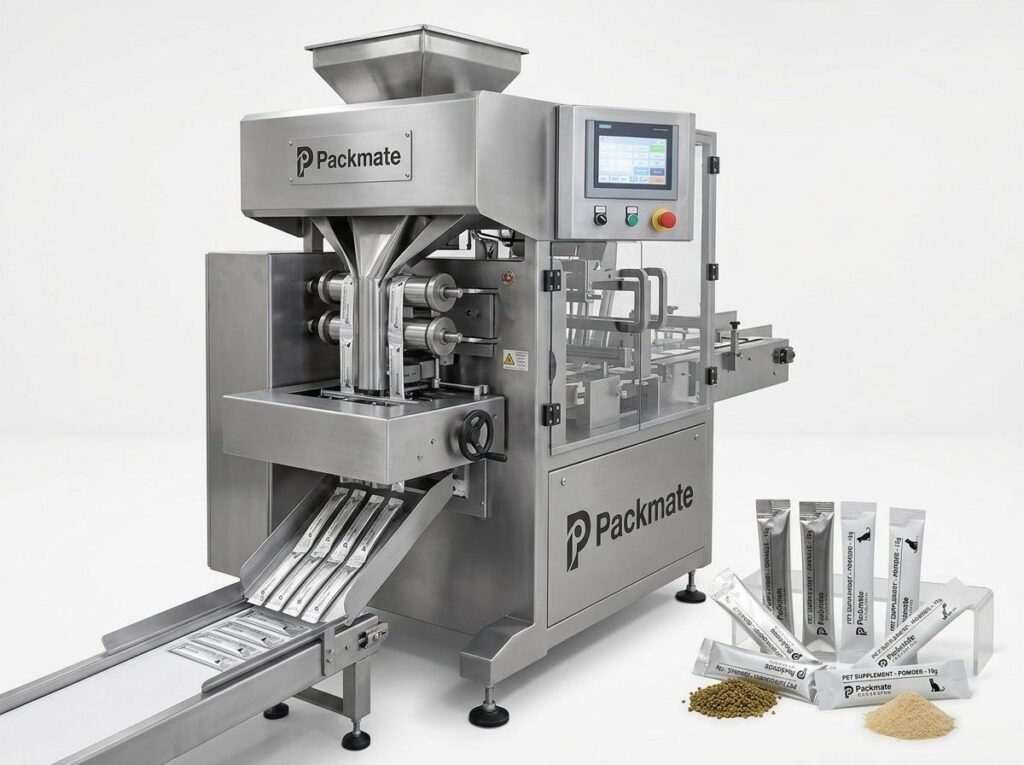
For powdered food products like milk or cereal, a multi-lane stick pack or sachet packaging machine is commonly used for single-serve portions. For larger family-size packages, a vertical form-fill-seal (VFFS) bagging machine is appropriate. The choice depends on your target market segment and required output speed.
Q2: How can I ensure machine reliability given Chad’s sometimes unstable power supply?
Discuss this critical issue with the manufacturer. Solutions include specifying machines with robust power supply units that can handle fluctuations, or investing in additional external equipment like voltage stabilizers or uninterruptible power supply (UPS) systems for the control panel. A reliable manufacturer will provide guidance on protecting their equipment in such environments.
Q3: Is it better to buy a complete packaging line or individual machines?
This depends on your current setup and automation goals. If you are starting a new production facility or seeking high automation with minimal manual handling, a turnkey packaging line from a supplier like PacklineOEM, which integrates feeding, weighing, filling, and sealing, is ideal. If you are adding to an existing line or have budget constraints, purchasing a high-quality standalone filling and sealing machine is a practical first step.
Q4: How long does it typically take to receive a machine in Chad after ordering?
Lead time varies by machine complexity and manufacturer backlog. Standard machines may have a production lead time of 30-60 days, plus 30-60 days for sea freight and customs clearance. Customized or complete line projects take longer. Always get a detailed timeline from the manufacturer, including production, testing, shipping, and estimated arrival at your chosen port.
Q5: Can I get local technical support for packaging machines in Chad?
Local specialized support for international packaging brands is often limited in Chad. Your primary support will likely come directly from the manufacturer via remote channels (phone, video). Therefore, choosing a manufacturer known for responsive and effective remote technical support is essential. Some manufacturers may have service partners in neighboring countries or can dispatch technicians for major issues.