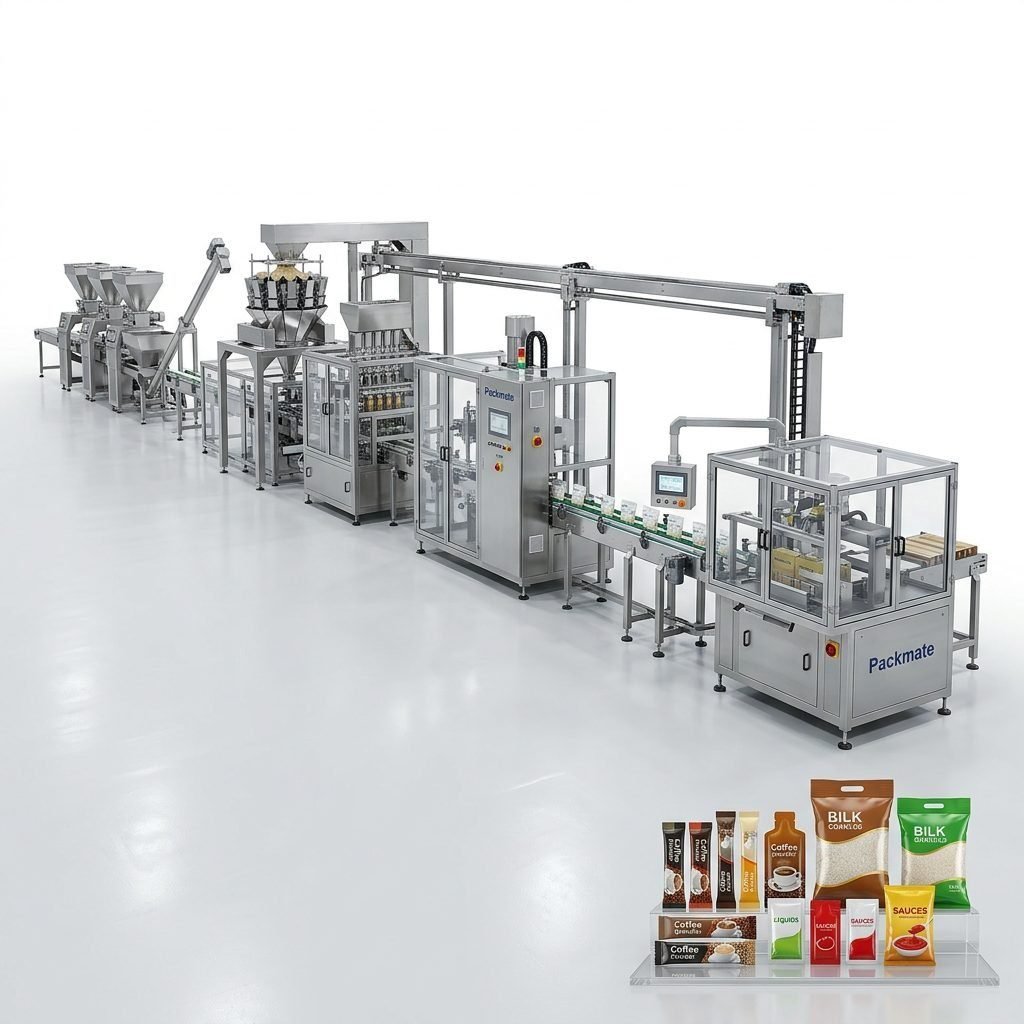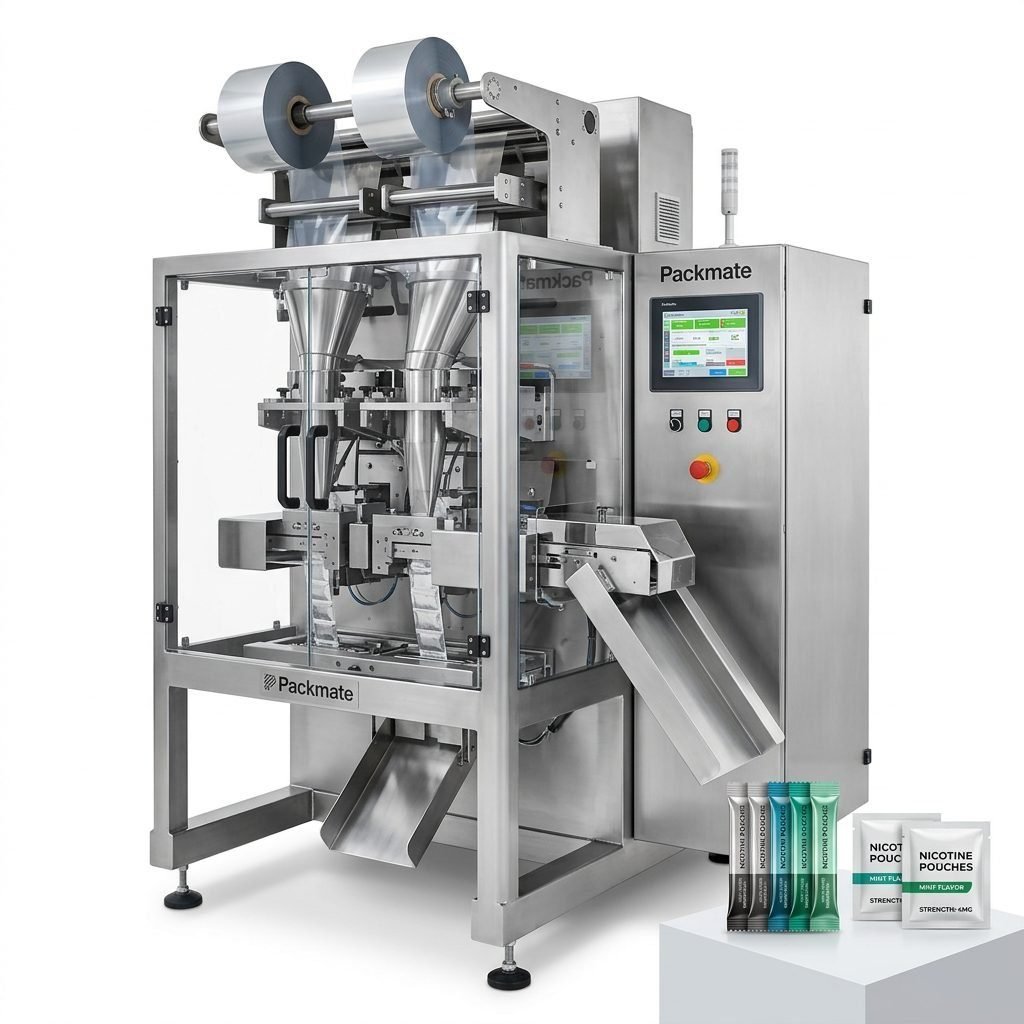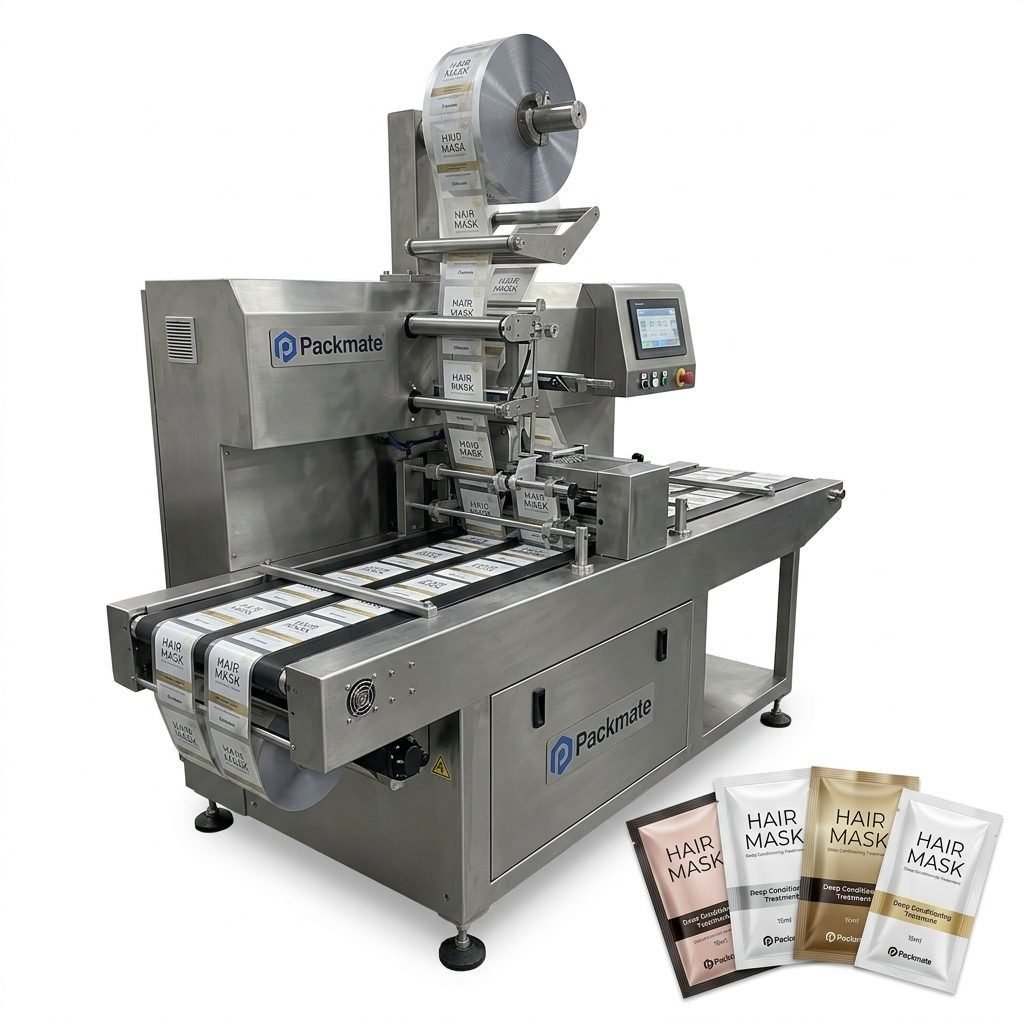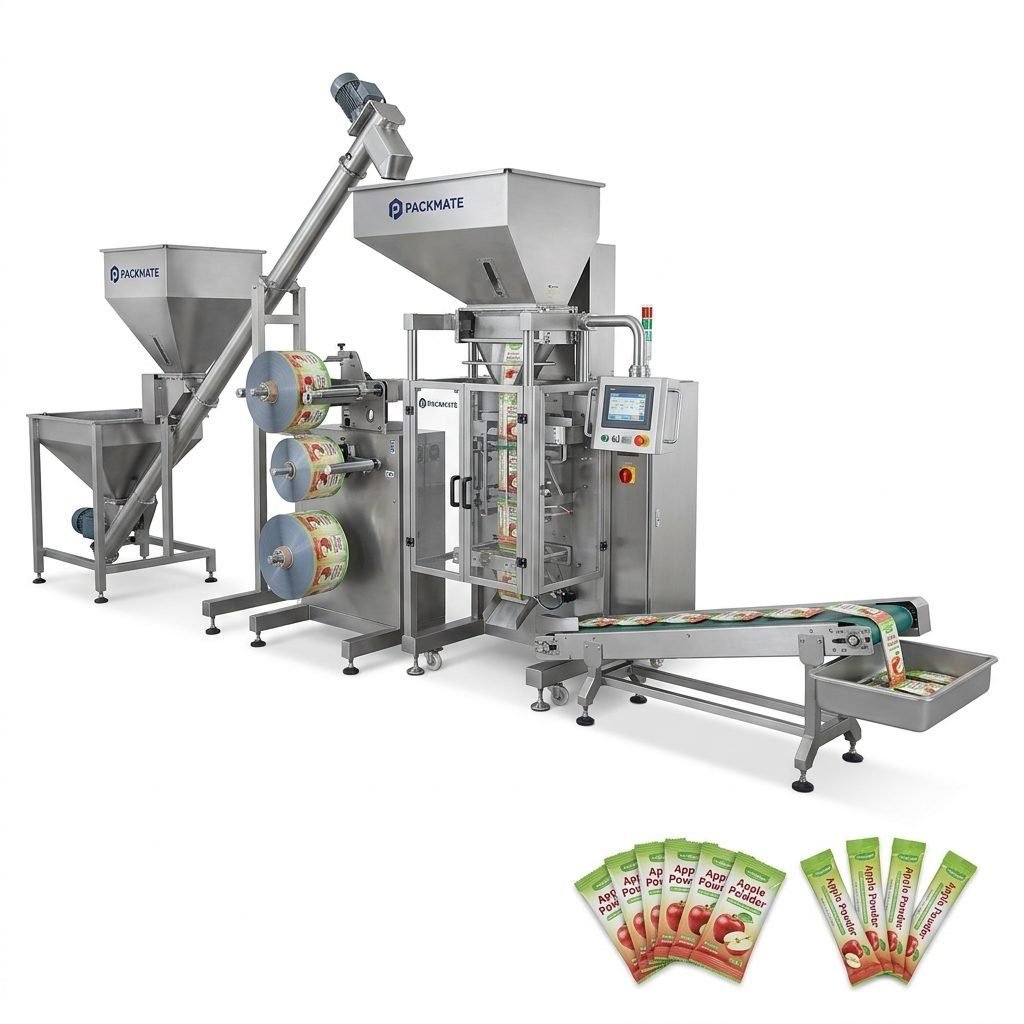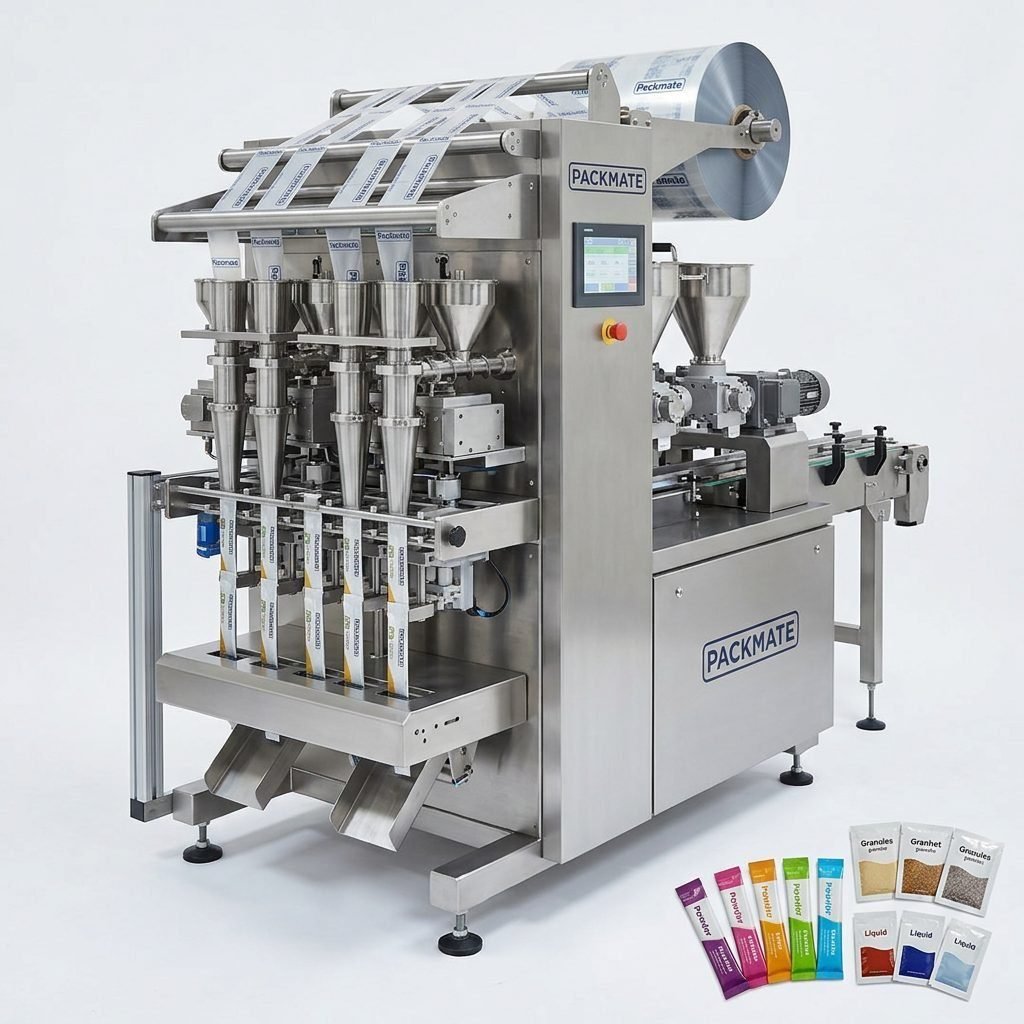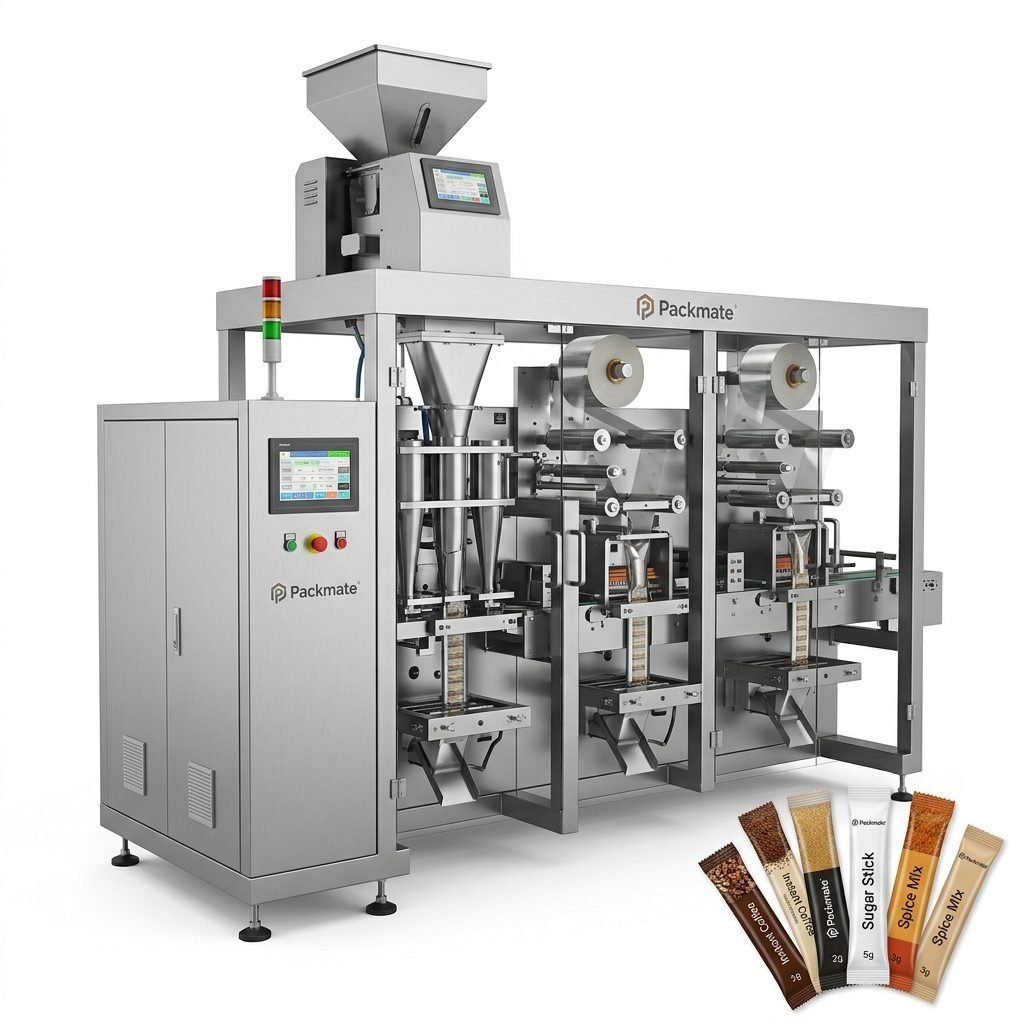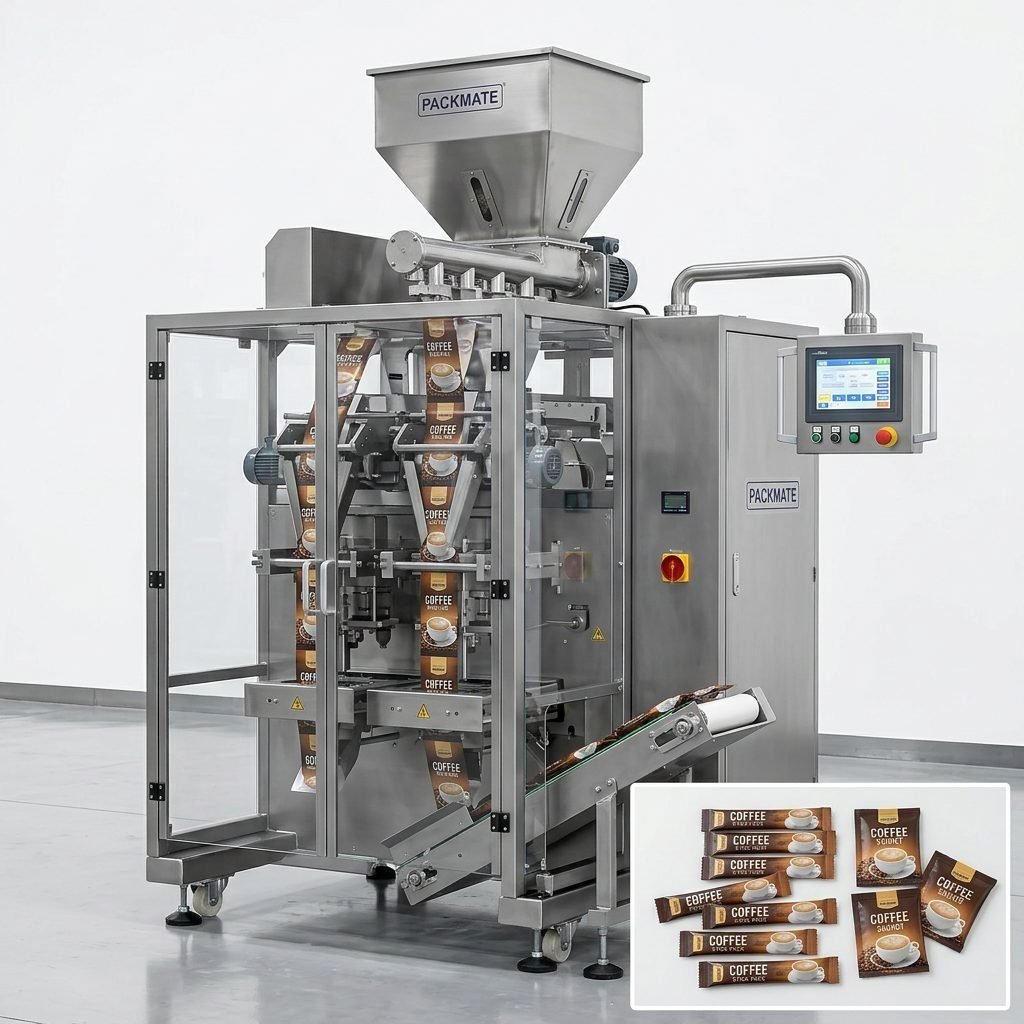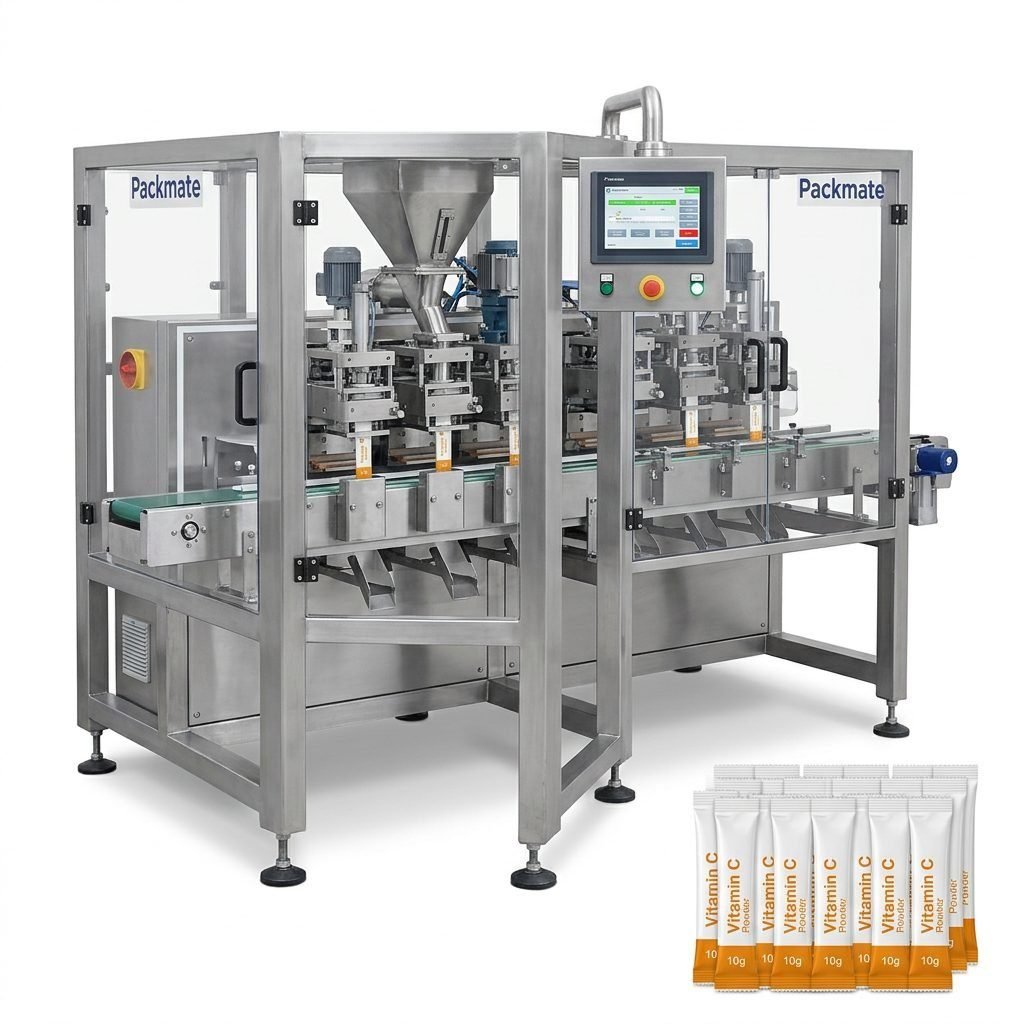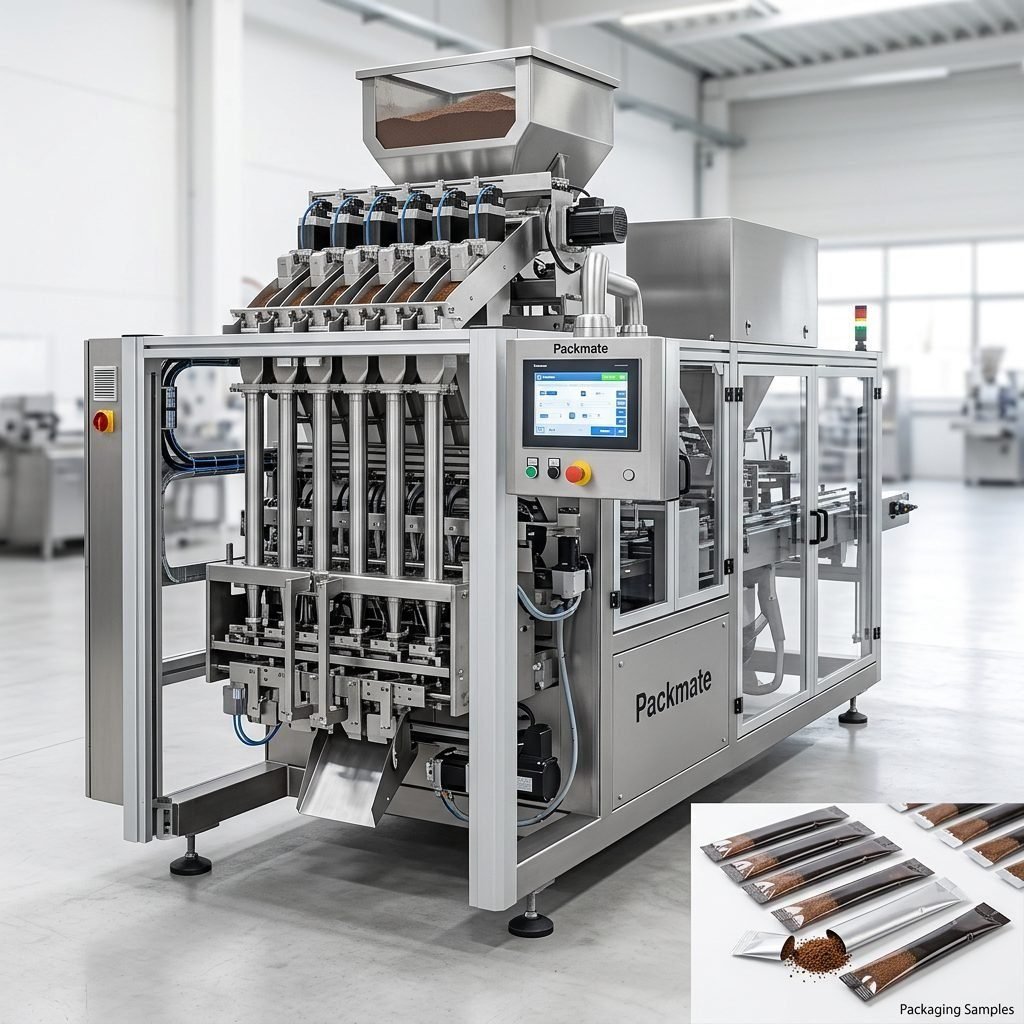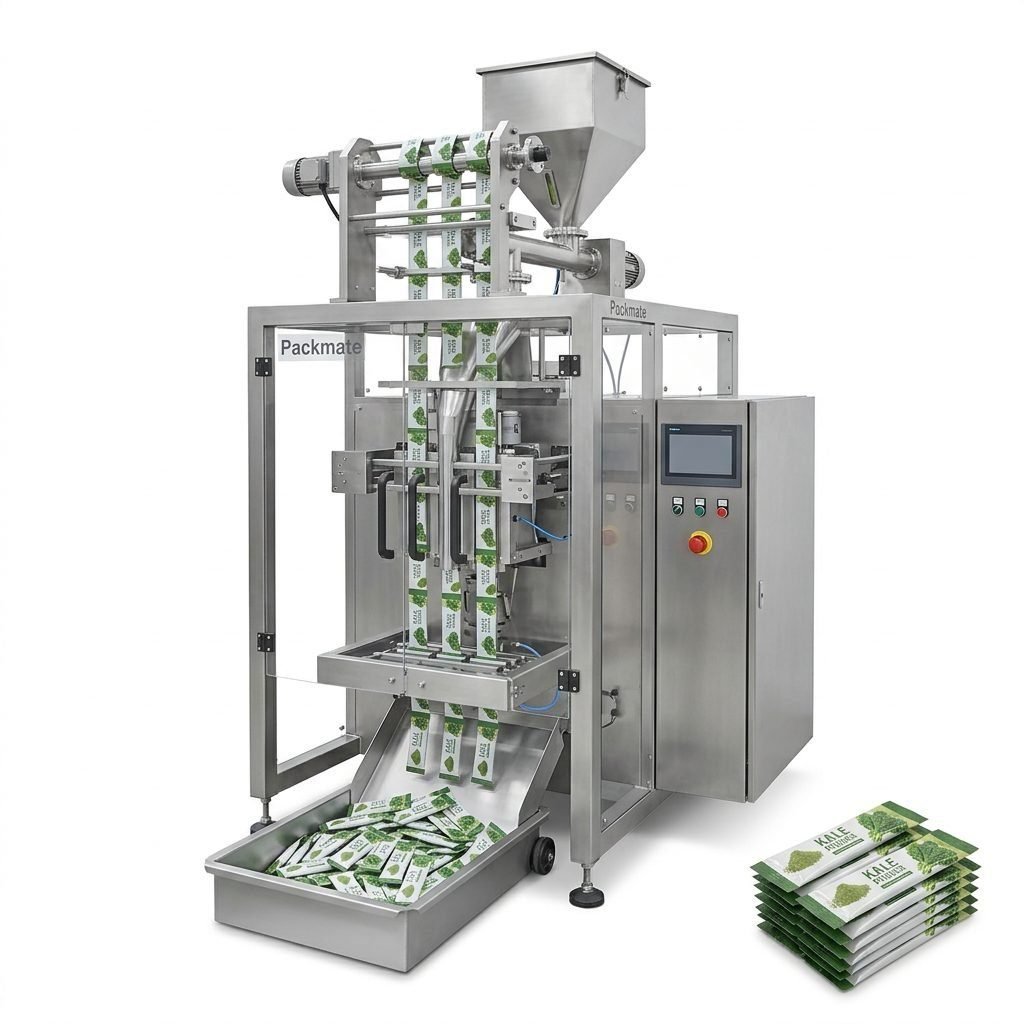
Selecting the right packaging machine manufacturer is a critical decision for businesses in Bolivia looking to enhance production efficiency, ensure product quality, and scale operations. The Bolivian market, with its growing food processing, agricultural export, pharmaceutical, and mining sectors, demands reliable and adaptable packaging solutions. Local manufacturers often face challenges such as fluctuating raw material costs, the need for versatile equipment to handle diverse local products (like quinoa, nuts, spices, and powdered goods), and the logistical complexities of importing machinery. Therefore, a thorough evaluation process is essential.
Understanding Your Packaging Requirements in the Bolivian Context
Before contacting manufacturers, clearly define your needs. Consider the specific challenges and opportunities within Bolivia’s industrial landscape.
Product Type: Are you packaging fine powders (like flour or protein supplements), granules (coffee, grains), liquids (sauces, oils), or viscous pastes? Bolivia’s strong agricultural sector often requires equipment for granular and powdered goods.
Production Speed & Output: Determine your required bags-per-minute (BPM) to meet local and export demand. Consider seasonal peaks common in agro-industry.
Packaging Material & Format: Will you use stick packs, sachets, pouches, or bags? The choice impacts machine type and supplier expertise.
Factory Space & Layout: Measure your available floor space. Bolivian factories may have specific layout constraints that require compact or modular machine designs.
Budget & ROI Expectations: Balance initial investment with long-term savings in labor, material waste, and maintenance. Consider total cost of ownership.
Key Factors for Evaluating a Manufacturer
Once your needs are clear, assess potential partners against these crucial criteria.
1. Technical Capability and Machine Quality
The core of your investment is the machine’s performance. Look for manufacturers with a proven track record in building durable, precise, and efficient equipment. Inquire about the key components used (e.g., PLC systems, servomotors, stainless-steel grades) and the construction standards. For Bolivian businesses dealing with abrasive materials or humid environments, machine robustness is non-negotiable.
2. Industry Experience and Specialization
A manufacturer with experience in your specific sector (e.g., food, pharma, agriculture) will better understand your challenges. They can advise on compliance, hygiene standards, and optimal packaging formats for your product. For instance, a company specializing in powder packaging would be ideal for a Bolivian quinoa flour producer.
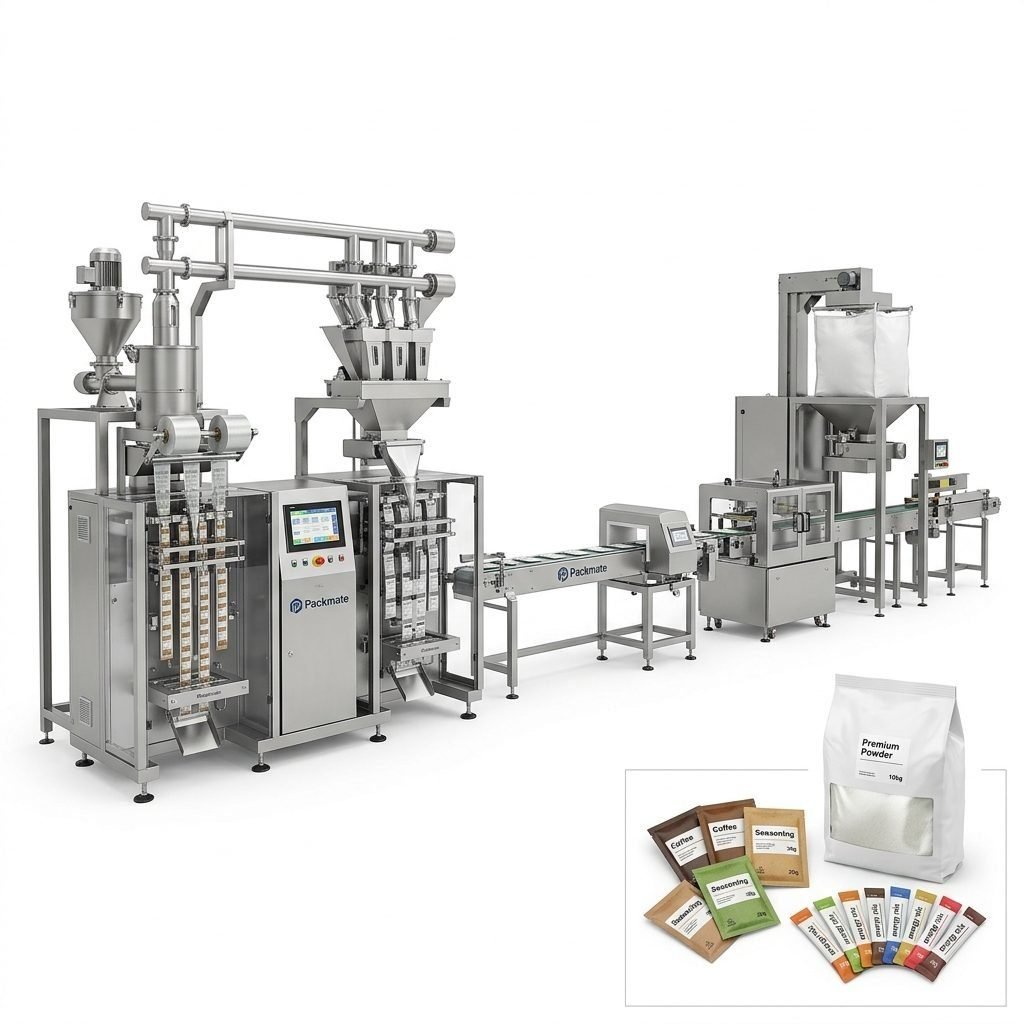
3. Customization and Flexibility
Off-the-shelf machines may not suit unique product characteristics or production line layouts. A manufacturer’s ability to customize dosing systems, sealing mechanisms, or machine dimensions is vital. This is particularly important for Bolivian companies creating value-added products with non-standard consistencies or packaging sizes.
4. After-Sales Support and Service
Reliable technical support is arguably the most critical factor for an importer in Bolivia. Given the distance from major manufacturing hubs, evaluate the supplier’s support structure:
- Availability of spare parts and their delivery time to South America.
- Remote troubleshooting capabilities (phone, video call).
- On-site service engineers and their travel logistics to Bolivia.
- Comprehensiveness of documentation (manuals, diagrams) in Spanish or English.
5. Company Stability and Reputation
Partner with established manufacturers. Check their company history, financial stability, and client testimonials. A long-standing company is more likely to honor warranties and provide ongoing support. Review their export experience, especially with South American markets, to ensure they understand regional import procedures and can provide necessary documentation.
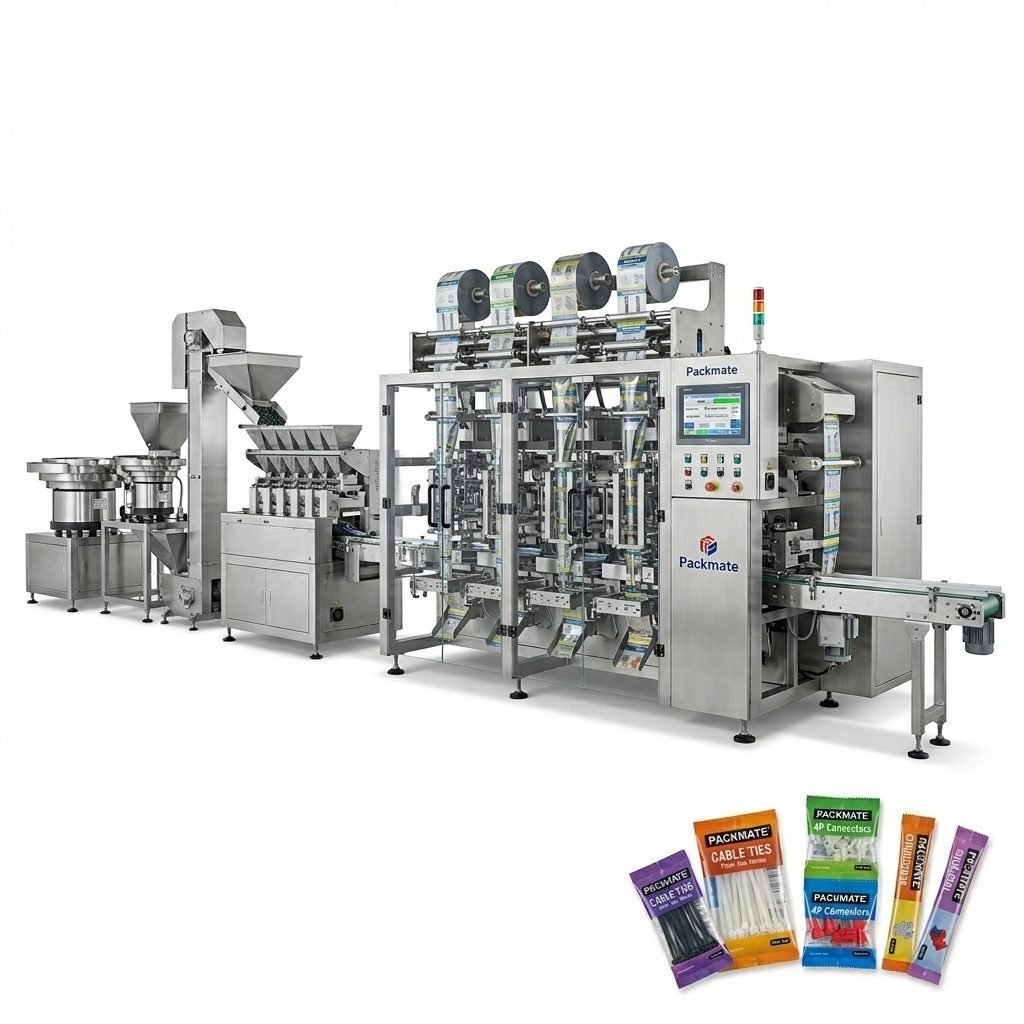
Navigating the Procurement Process from Bolivia
The buying journey involves several steps where due diligence is key.
Step-by-Step Buyer’s Guide
Initial Research & Shortlisting: Use online platforms like Ludyway, industry directories, and trade shows to create a list of 5-10 potential manufacturers. Focus on those with stated experience in your product category.
Request for Quotation (RFQ): Provide detailed specifications to each shortlisted manufacturer. A clear RFQ helps you compare “apples to apples.”
Deep Dive Evaluation: Analyze quotations. Don’t just choose the lowest price. Scrutinize what’s included (training, shipping, warranty). Request client references and, if possible, video recordings of similar machines running.
Factory Audit & Communication: If feasible, visit the factory or arrange a virtual tour. Assess their production facility, quality control processes, and R&D department. Clear communication is essential; ensure they are responsive and understand your needs.
Contract & Logistics: Finalize a detailed contract covering payment terms, delivery schedule (INCOTERMS like FOB or CIF), warranty, and support terms. Plan for shipping, customs clearance in Chile or Peru (common ports for Bolivia), and inland transportation to your factory.
Installation & Training: Coordinate with the supplier for machine installation, commissioning, and operator training. Ensure training materials are accessible for your local team.
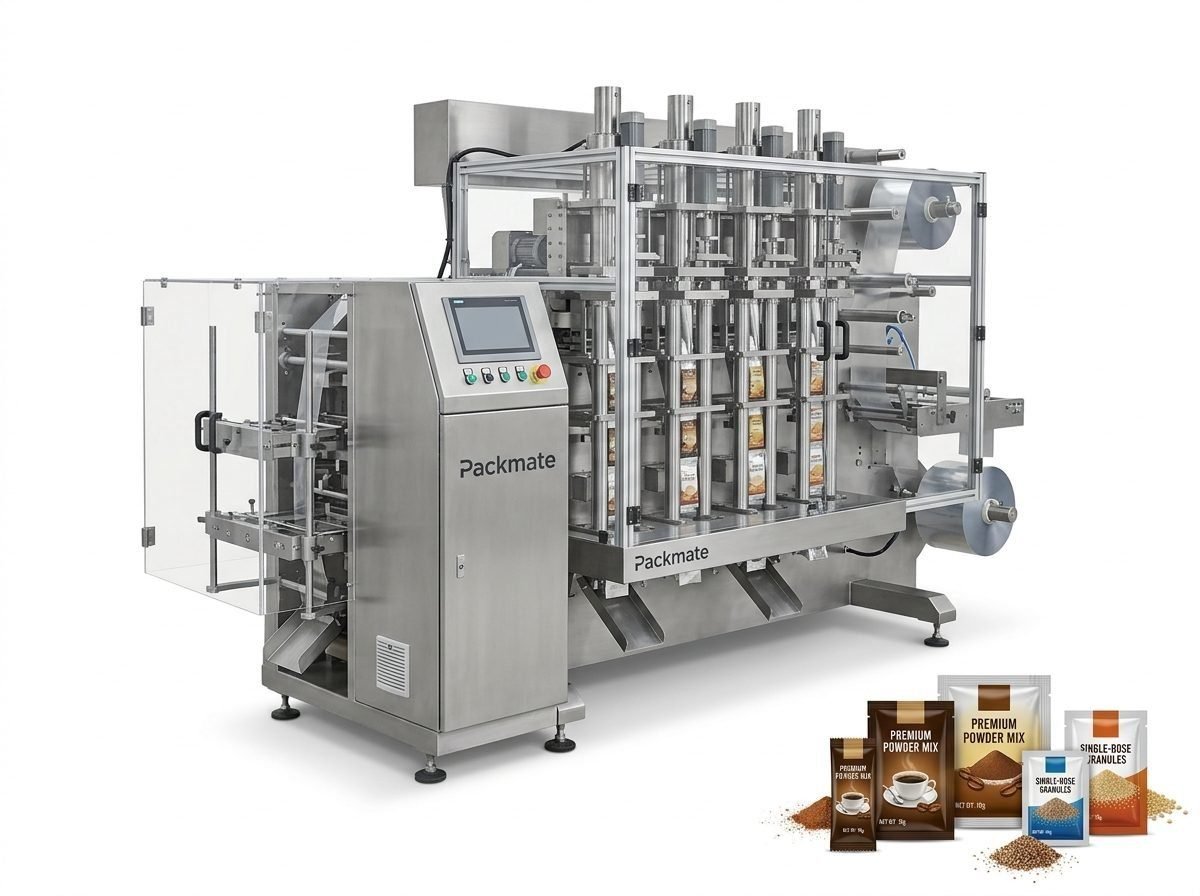
Overview of Notable Packaging Machine Manufacturers
Several established manufacturers export globally and can be relevant for Bolivian buyers. Here is a comparative overview based on the provided company information.
| Manufacturer | Key Positioning | Experience | Why Consider for Bolivia |
|---|---|---|---|
| Ludyway | Leading manufacturer of packaging machines & turnkey lines | 30+ years | Very wide product range, strong export footprint, suitable for both single machines and complete lines. Good for scalable projects. |
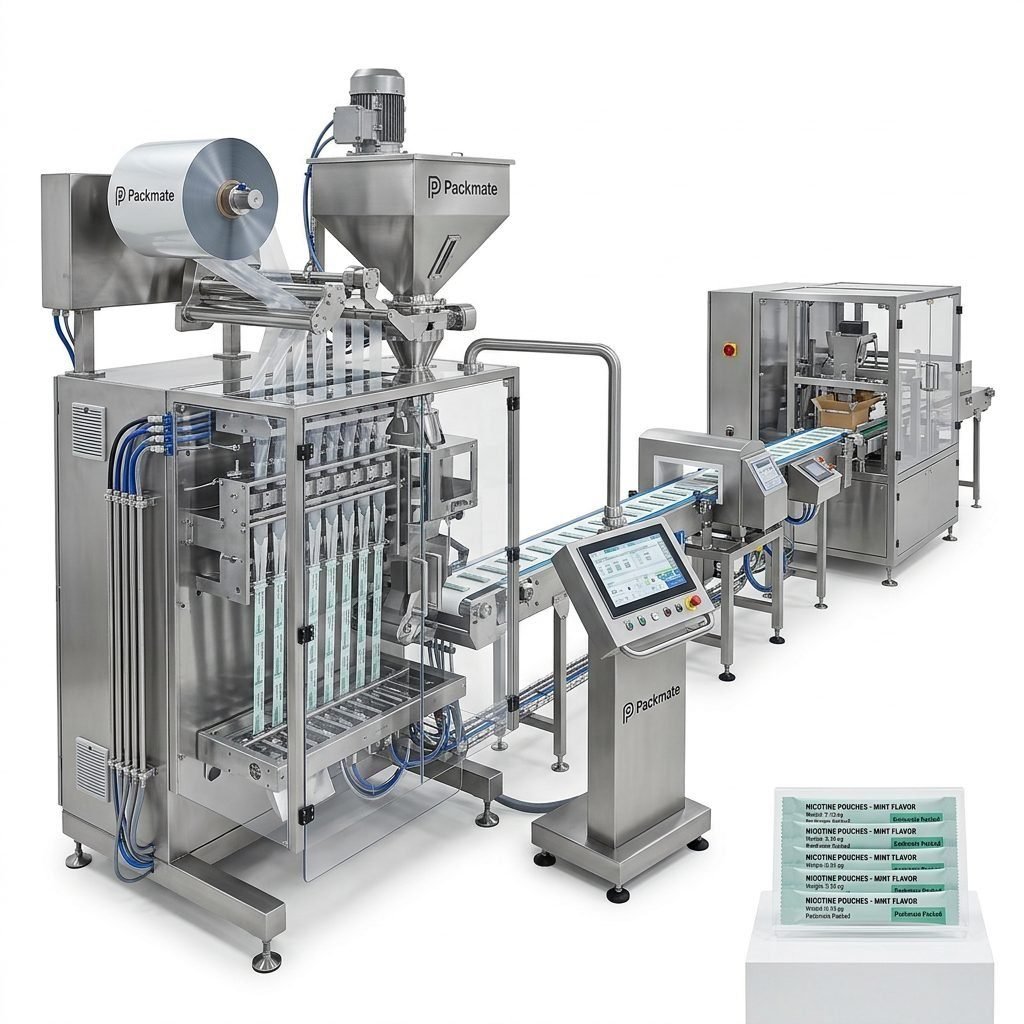
| Packmate Machinery | Intelligent packaging equipment for food, pharma, supplements | 30+ years | Over 80 machine models, good balance of cost and technical capability. Reliable for export-oriented buyers. |
| PacklineOEM | Specialist in turnkey packaging production lines | 30+ years | Strong focus on full-line integration. Ideal for businesses looking to automate an entire production section, not just a single machine. |
| PackingMachineOEM | Non-standard and customized packaging solutions | 30+ years | High flexibility for custom projects. Suitable for unique product formats or specific factory layout requirements common in specialized Bolivian agro-industry. |
| SnusMachinery | Specialized in nicotine pouch and snus packaging machines | 30+ years | Niche expertise in high-precision pouch packaging. Relevant for businesses in specialized sectors requiring exact dosing and sealing. |
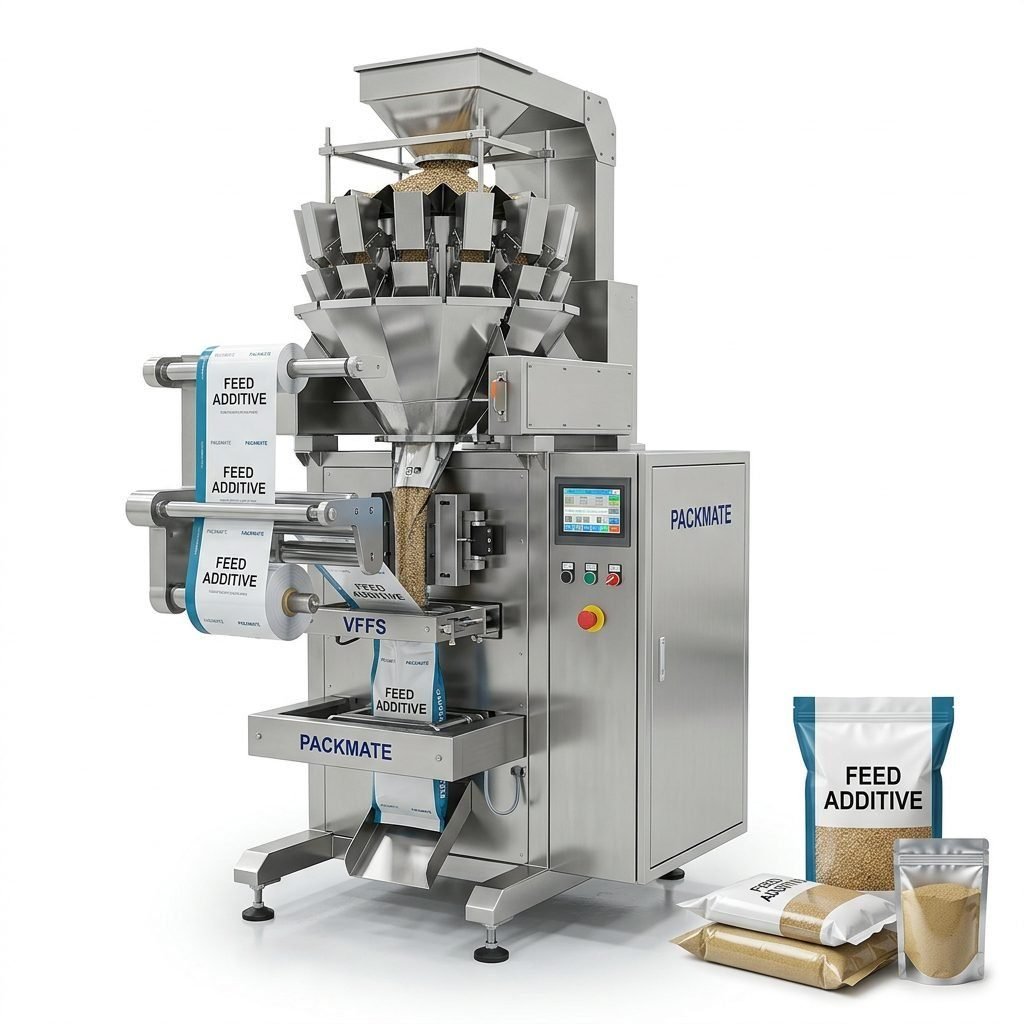
Final Considerations for the Bolivian Market
When finalizing your decision, factor in local realities. Ensure the machine’s electrical specifications (voltage, frequency) are compatible with Bolivia’s grid. Consider the local availability of compressed air, which many machines require. Discuss with the supplier how the machine will perform at Bolivia’s varied altitudes, as this can affect pneumatic systems. Finally, build a relationship with your chosen manufacturer; a good partner is an asset for your long-term growth and can help you adapt to future market changes.
Frequently Asked Questions (FAQs)
Q: What is the typical lead time for receiving a packaging machine in Bolivia from an overseas manufacturer?
A: Lead times vary but typically range from 60 to 120 days after order confirmation. This includes manufacturing, testing, sea freight to a South American port (like Arica, Chile or Ilo, Peru), and customs clearance. Inland transport to your Bolivian facility adds more time. Always confirm the detailed schedule with your supplier.
Q: How can I ensure I get adequate technical support after the machine arrives?
A: Prioritize this during negotiations. Choose suppliers with a proven support record in the region. Ensure the warranty covers a reasonable period (e.g., 12-18 months) and includes remote support. Verify the process for ordering spare parts and their estimated delivery times to Bolivia. Request and check references from other South American clients.
Q: Is it better to buy a standalone machine or a complete turnkey line?
A: It depends on your current automation level and goals. A standalone machine (e.g., a sachet packer) is suitable for upgrading a specific packaging step. A turnkey line (from companies like PacklineOEM) integrates feeding, weighing, filling, sealing, and inspection into one synchronized system. It’s a larger investment but maximizes efficiency and minimizes manual handling, ideal for new facilities or major expansions.
Q: What are the hidden costs I should budget for?
A: Beyond the machine price, budget for: International shipping and insurance, import duties and taxes in Bolivia, customs broker fees, inland freight to your factory, installation and commissioning services (if not included), initial stock of spare parts and packaging materials (film, foil), and operator training costs.