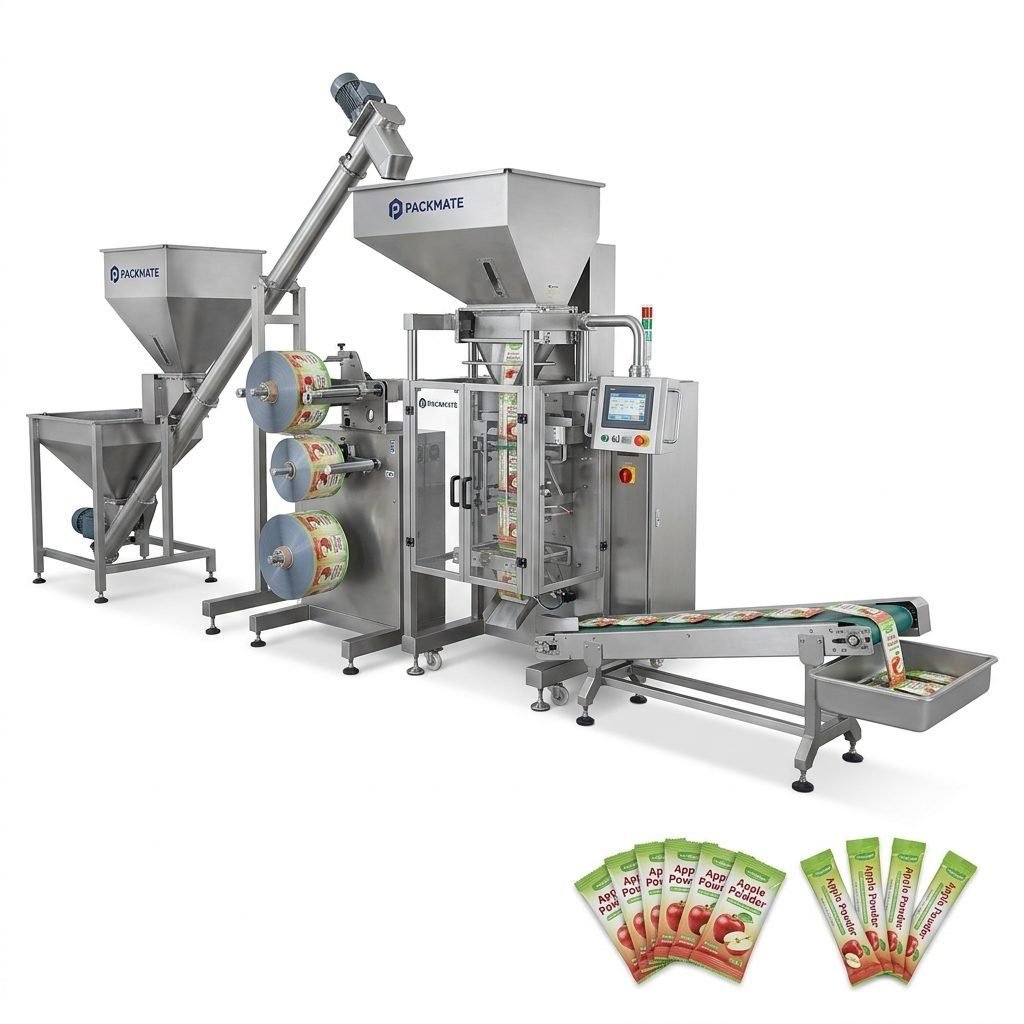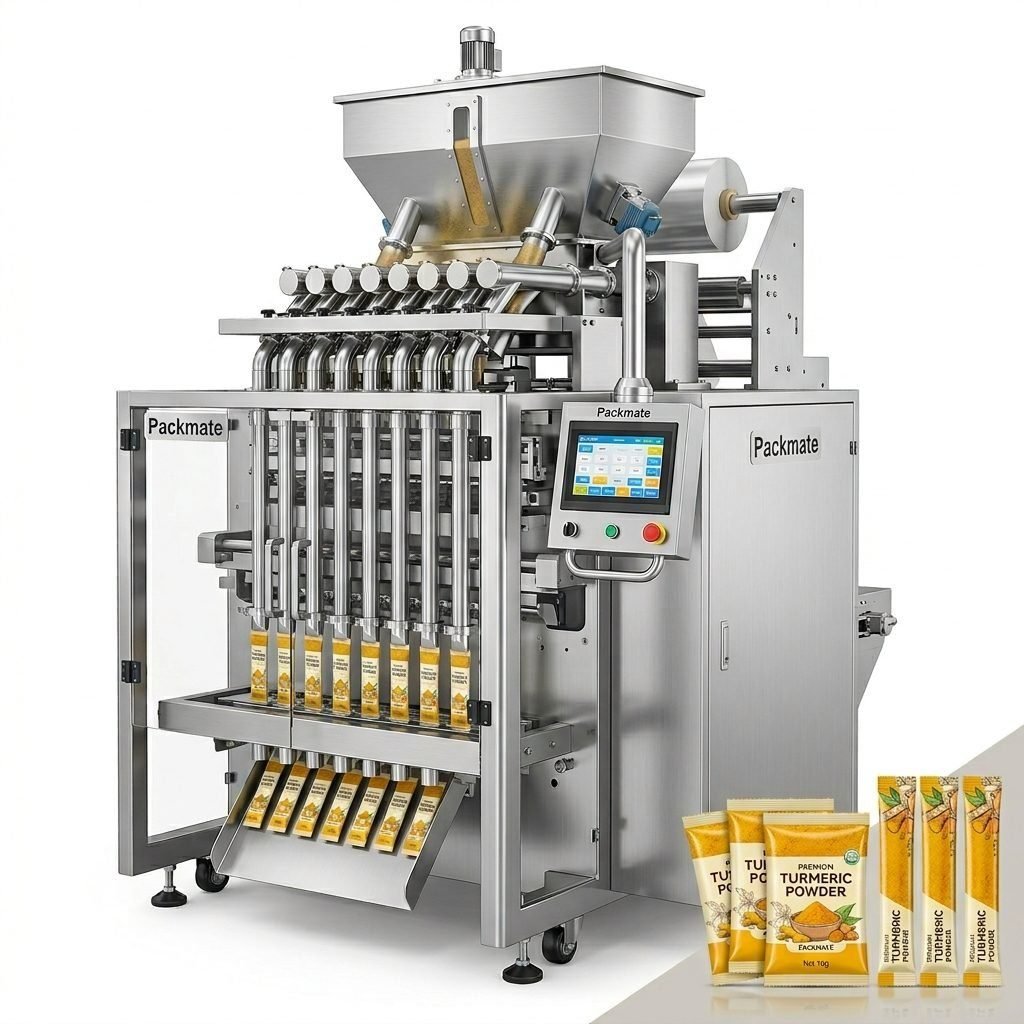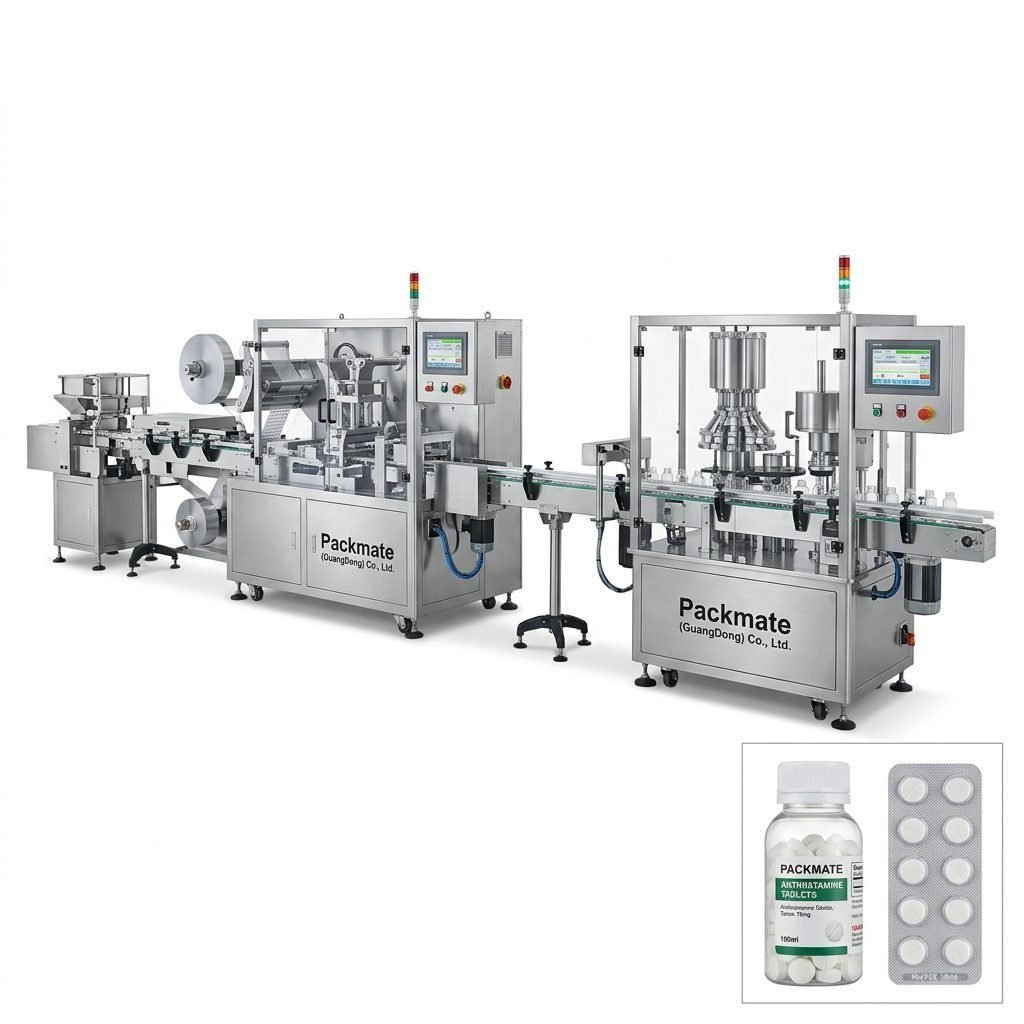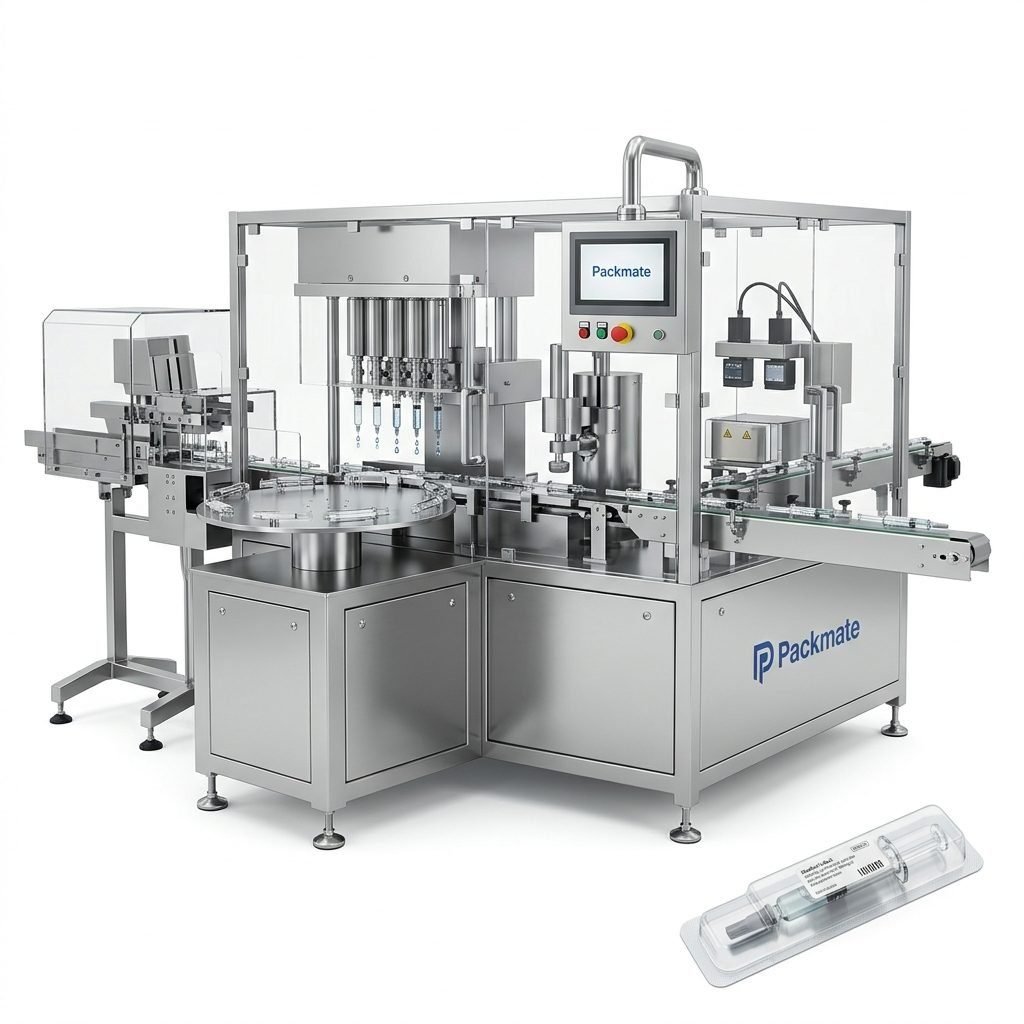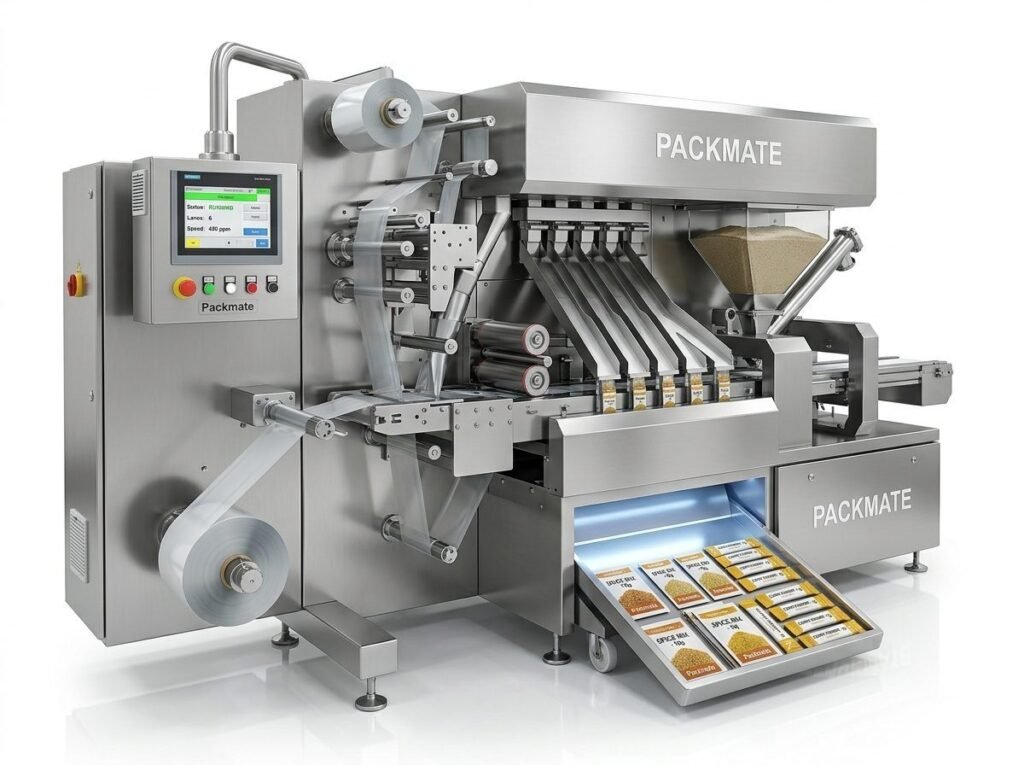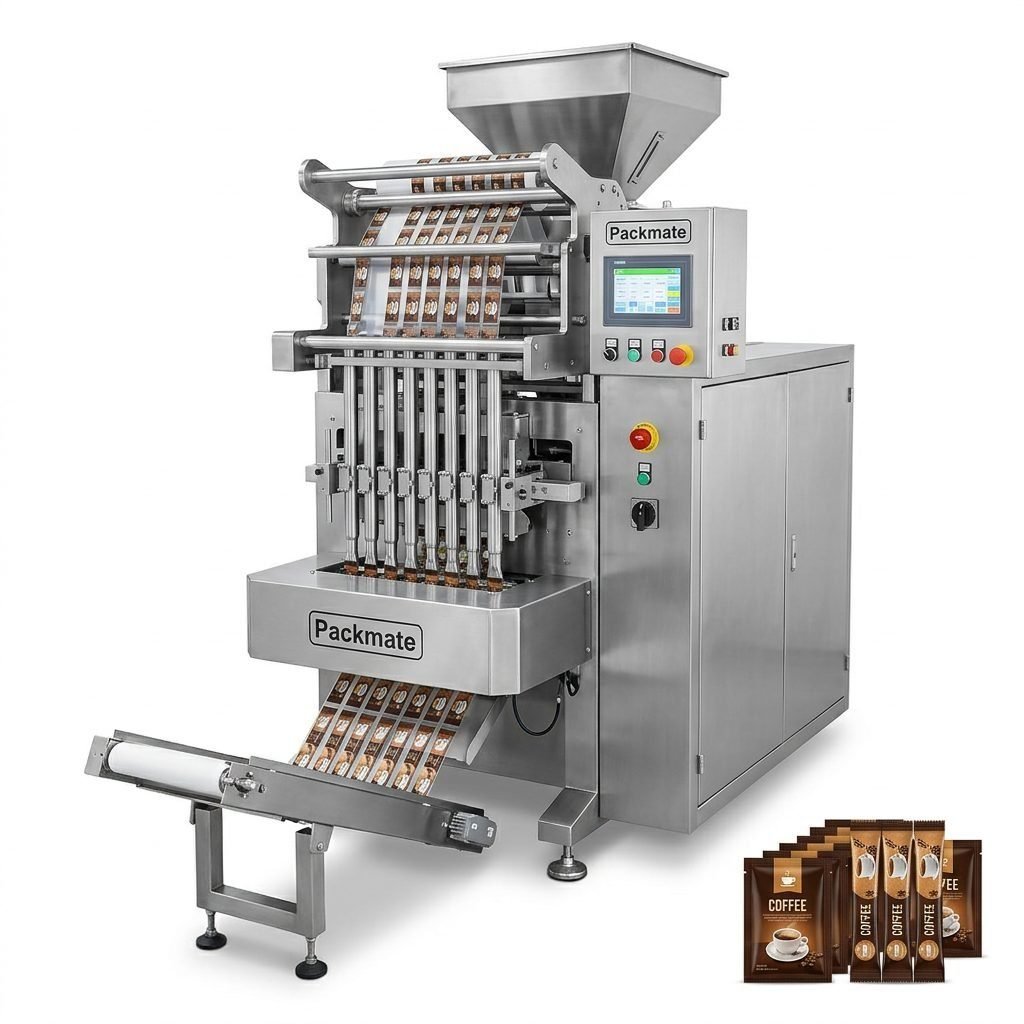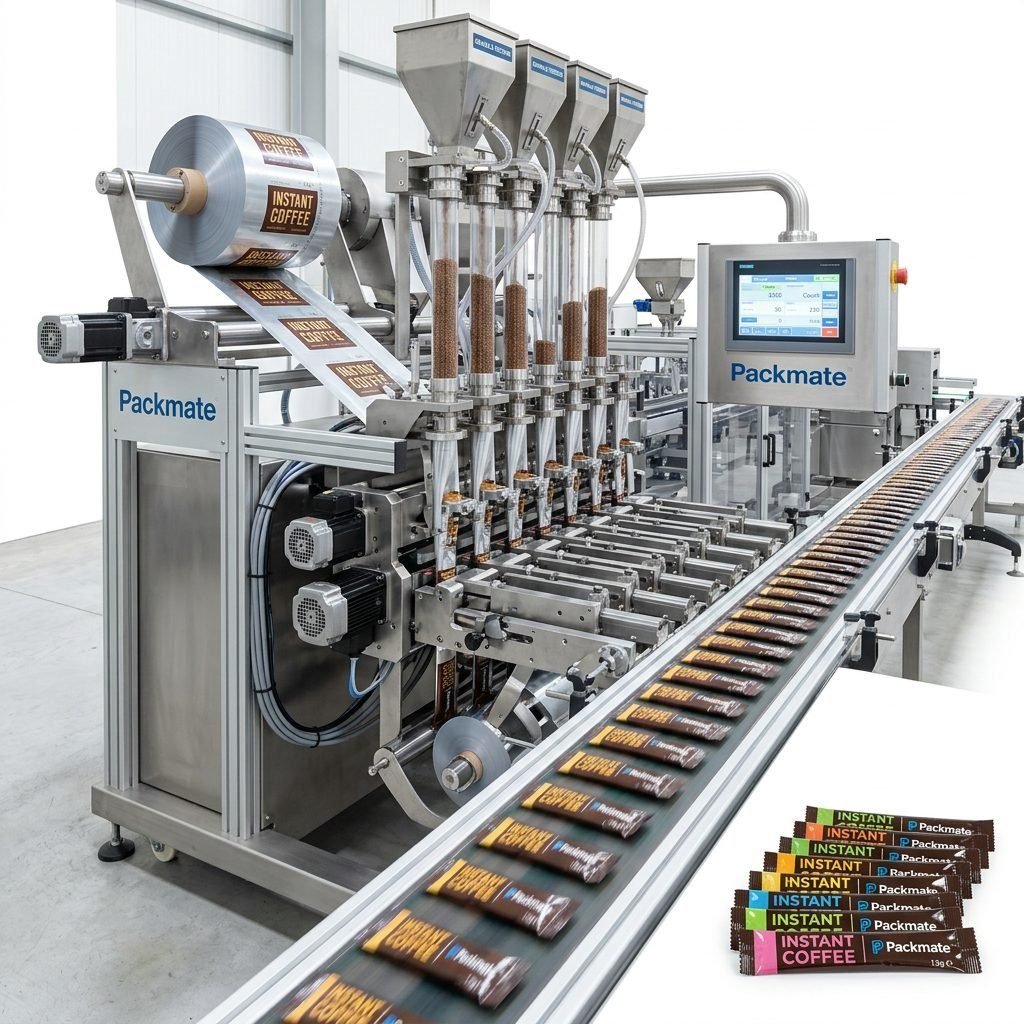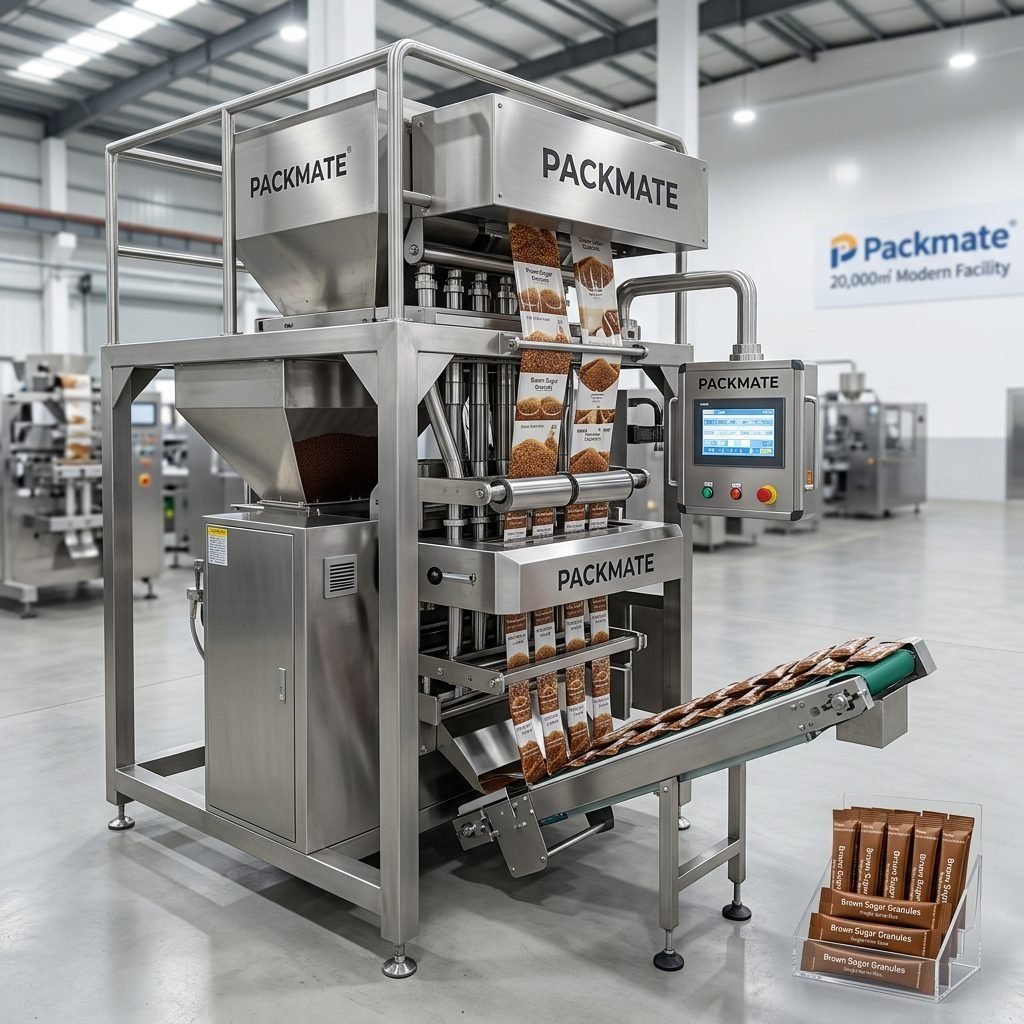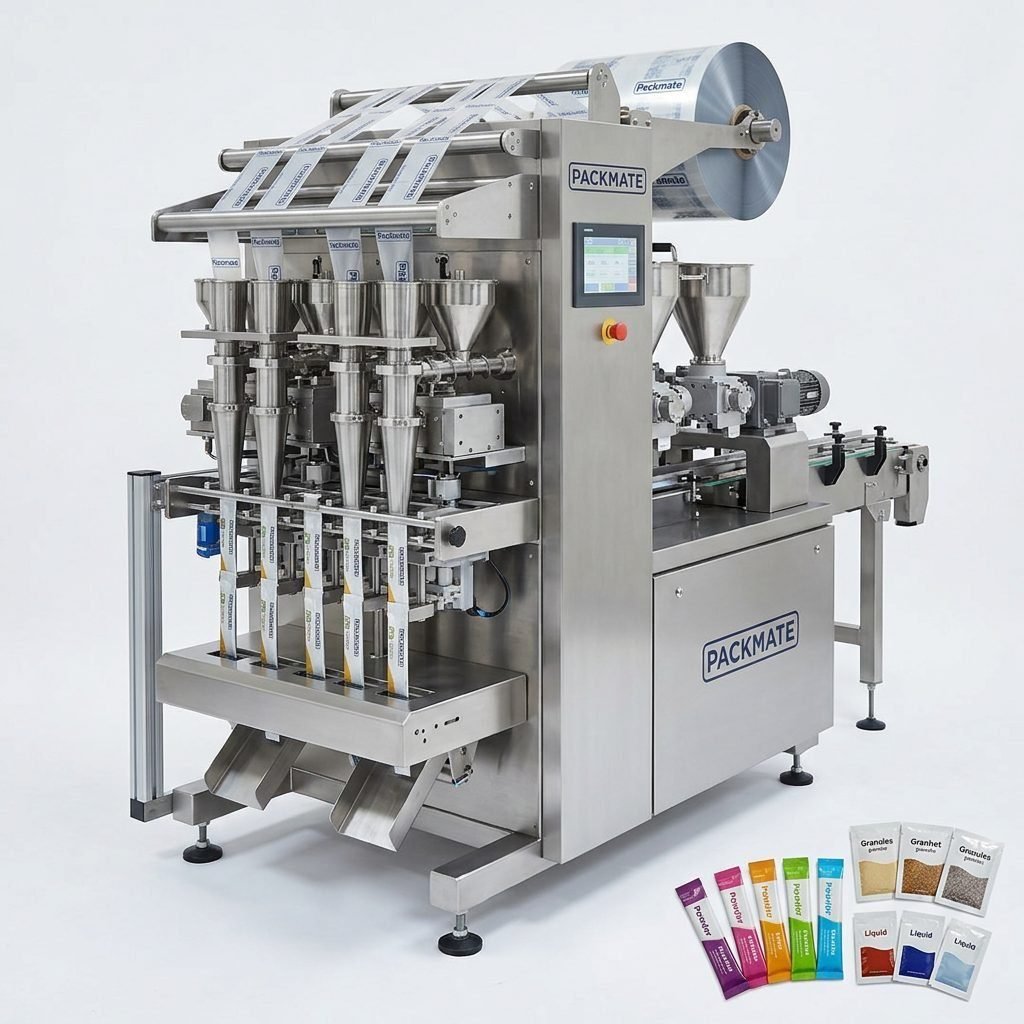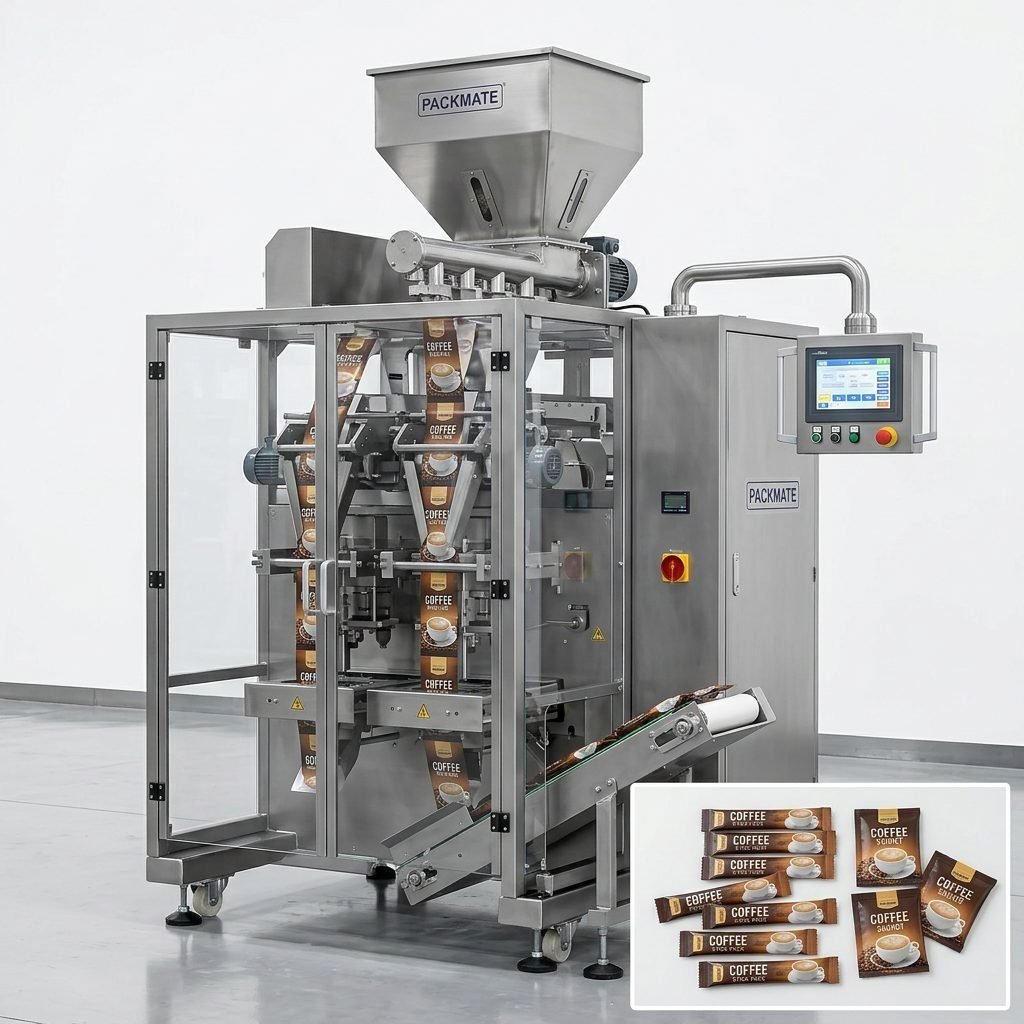
Selecting the right packaging machine manufacturer in Guatemala is a critical decision for local food producers, pharmaceutical companies, and agricultural exporters. The choice impacts your production efficiency, product quality, and long-term operational costs. For Guatemalan businesses, factors such as local technical support, machine adaptability to local products (like coffee, spices, or powdered supplements), and compliance with export market standards are particularly important. This guide outlines key considerations to help you make an informed decision.
Understanding Your Packaging Needs in the Guatemalan Context
Before evaluating manufacturers, clearly define your requirements. Guatemalan industries often handle products like instant coffee, spices, nutritional supplements, and pharmaceuticals. Consider your product form (granules, powder, liquid), required output speed, packaging material, and future scalability. Will you need a standalone machine or a complete turnkey packaging line? Understanding these specifics upfront will streamline your search.
Key Evaluation Criteria for Manufacturers
When assessing potential suppliers, focus on these core areas to ensure a successful partnership and a reliable investment for your Guatemalan operation.
1. Manufacturer’s Experience and Specialization
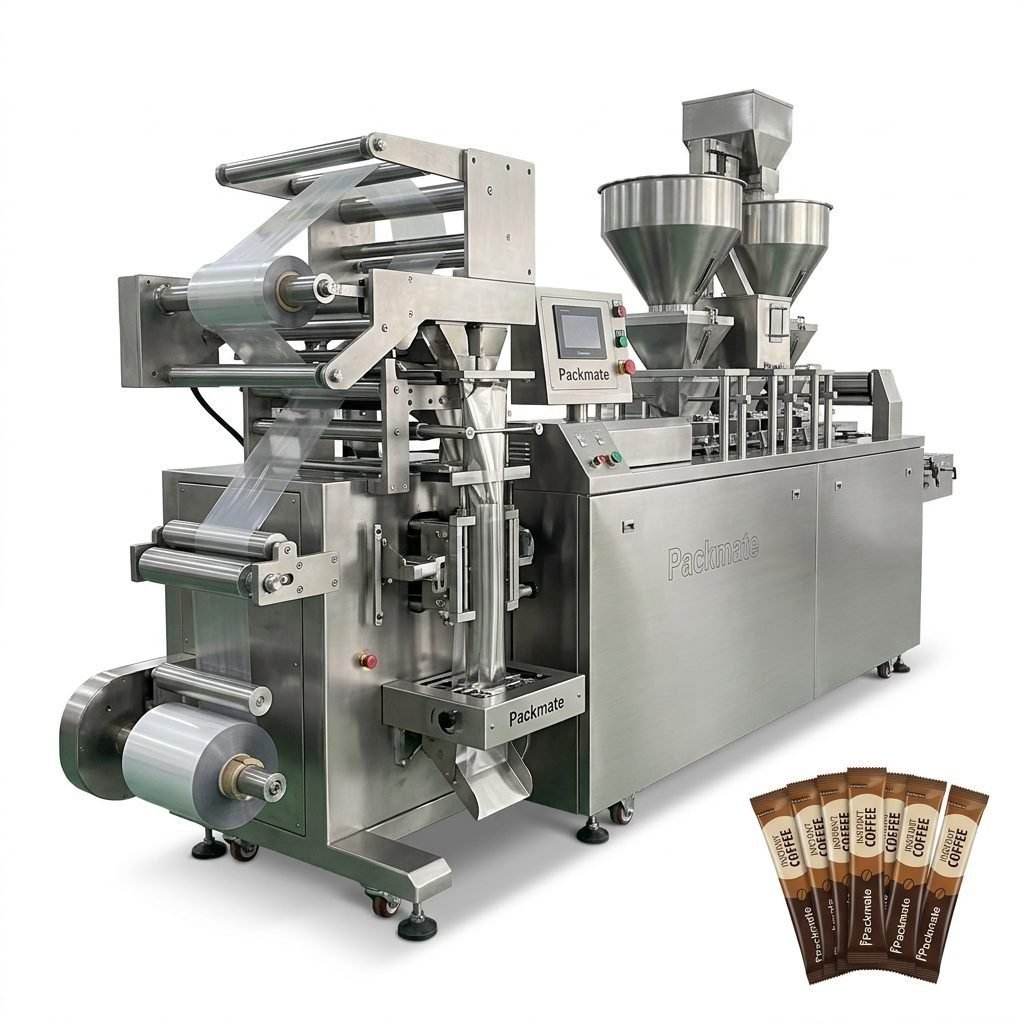
Look for a manufacturer with a proven track record and specific experience relevant to your industry. A company with over 30 years in packaging machinery will have deeper insights into solving common production challenges. For instance, if you package nicotine pouches, a specialist like SnusMachinery offers targeted expertise. Conversely, for broad food or pharma applications, a generalist like Packmate Machinery might be more suitable.
2. Technical Capability and Customization
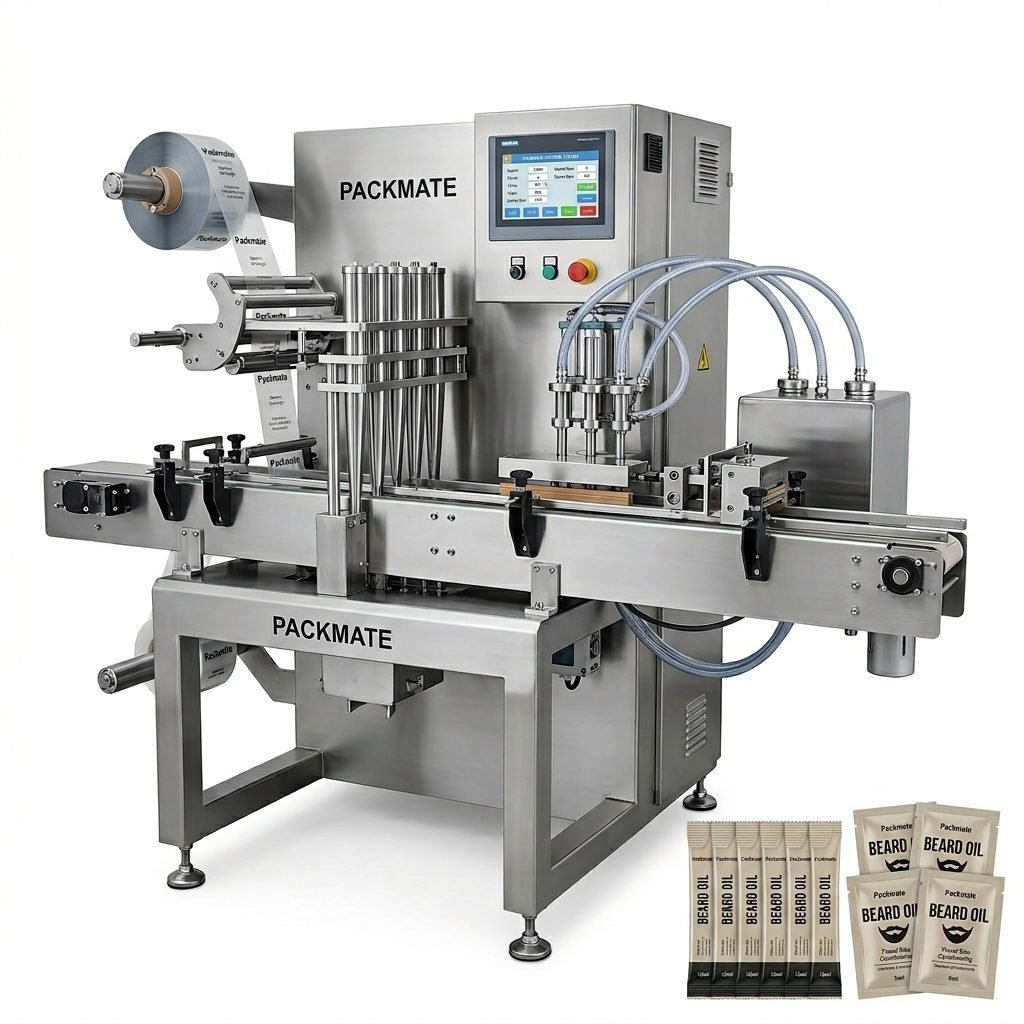
Can the supplier adapt their machine to your unique product and factory layout? This is crucial in Guatemala, where production setups can vary. Manufacturers like PackingMachineOEM excel in non-standard and customized solutions. Evaluate their engineering team’s ability to modify dosing systems, sealing mechanisms, or machine footprint to fit your specific needs.
3. Production Scale and Machine Portfolio
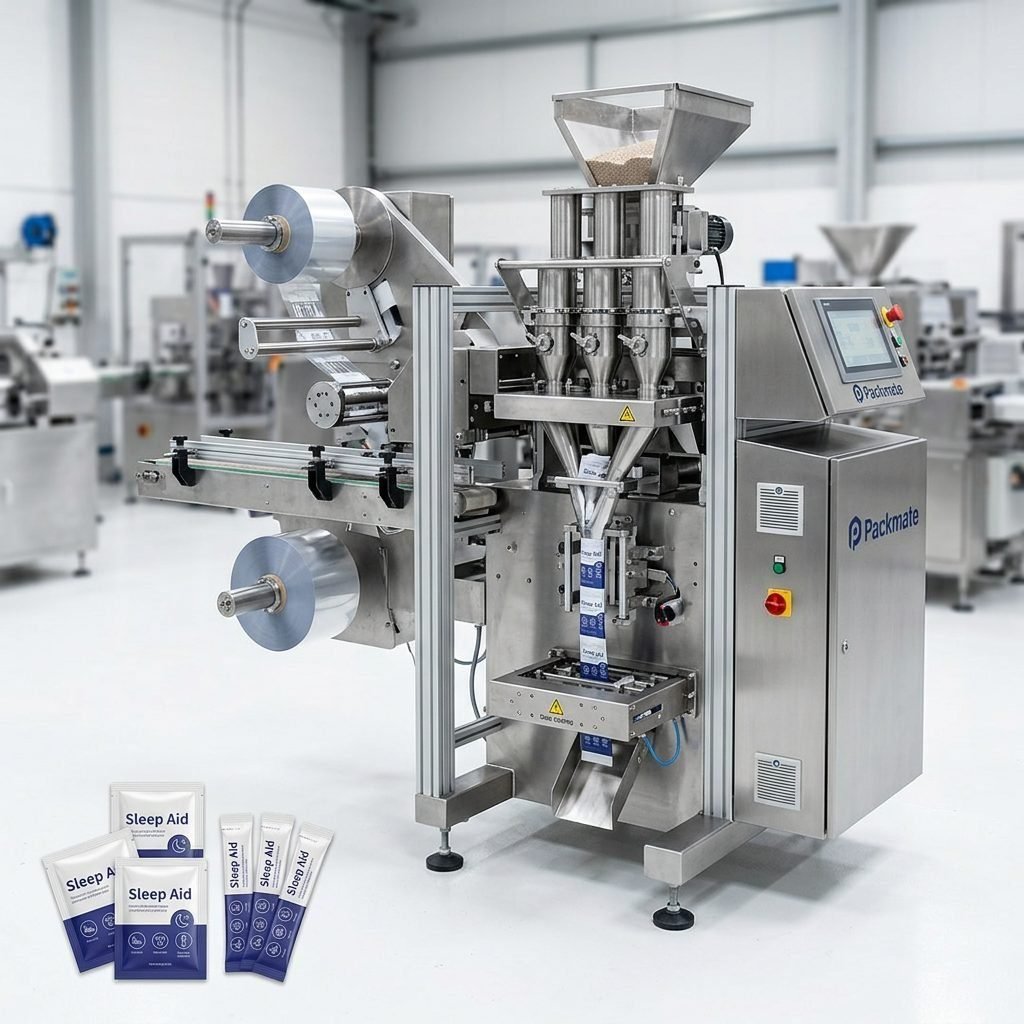
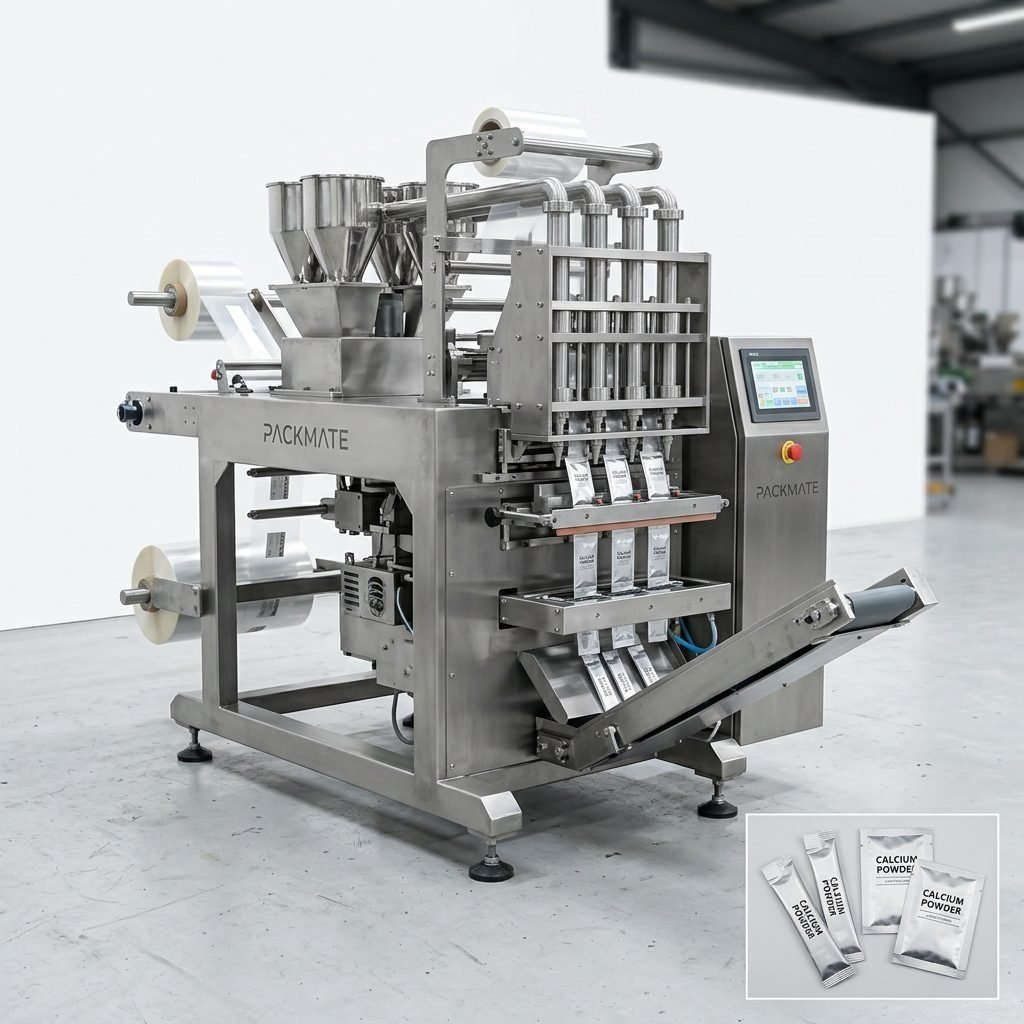
Match the manufacturer’s typical project scale with your own. A large-scale coffee exporter will have different needs than a boutique spice blender. Review the supplier’s portfolio. Do they offer the machine type you need, such as multi-lane stick pack machines, sachet packers, or vertical form-fill-seal systems? A diverse portfolio, as seen with Ludyway, indicates a capacity to handle various project scopes.
Importance of After-Sales Support for Guatemalan Buyers
Reliable after-sales service is non-negotiable, especially when importing machinery from overseas. Consider the manufacturer’s support structure:
- Local Agent or Technician: Is there a local representative in Central America or a dedicated service partner for Guatemala?
- Spare Parts Availability: How quickly can critical spare parts be shipped and delivered?
- Remote and On-Site Support: Do they offer comprehensive training, remote troubleshooting, and timely on-site engineering visits if needed?
Financial and Logistical Considerations
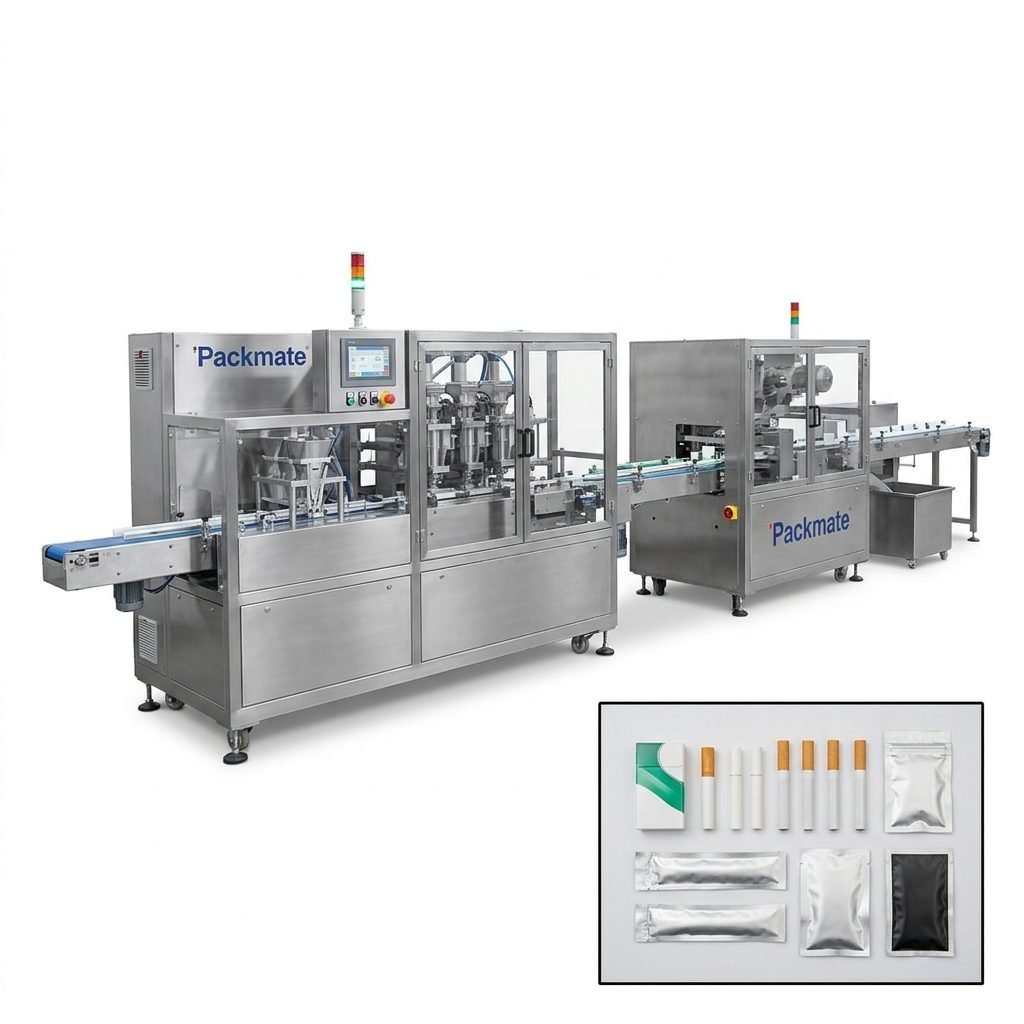
Beyond the machine price, factor in the total cost of ownership. This includes shipping, import duties (specific to Guatemala), installation, and potential costs for voltage/phase adaptation. Request detailed quotations that break down all costs. Furthermore, verify the manufacturer’s experience with exporting to Latin America and their ability to handle documentation for customs clearance in Guatemala.
Comparing Top Packaging Machine Manufacturers
The table below provides a snapshot of several leading manufacturers that export to markets including South America, which is relevant for Guatemalan importers. This can serve as a starting point for your evaluation.
| Manufacturer | Key Strength | Ideal For | Export Experience |
|---|---|---|---|
| Ludyway | Broad product range & turnkey lines | Food, Pharma, Large-scale projects | Global, strong in South America |
| Packmate Machinery | Balanced cost-performance & reliability | Medium to large food/supplement producers | Strong in Europe, North & South America |
| PacklineOEM | Complete turnkey line integration | Factories seeking full automation | Europe, Middle East, South America |
| PackingMachineOEM | High level of customization & OEM | Unique products, specialized projects | Europe, North America, Australia |
| SnusMachinery | Nicotine pouch & specialty pouch expertise | Smokeless tobacco, niche pouch sectors | Global, including South America & Africa |
Final Steps: Due Diligence and Decision Making
Before finalizing your choice, conduct thorough due diligence. Request references from other clients in similar industries or regions. Ask for video demonstrations of the machine running a product similar to yours. If possible, visit the manufacturer’s factory in person or via a virtual tour to assess their production facilities and quality control processes. A reputable manufacturer like those profiled will be transparent and willing to provide this information.
Frequently Asked Questions (FAQs)
Q1: What are the main challenges of importing packaging machinery to Guatemala?
Key challenges include navigating customs procedures, managing shipping logistics, ensuring voltage compatibility (Guatemala typically uses 120V/60Hz), and securing reliable local technical support for installation and maintenance.
Q2: Should I choose a standard machine or a customized solution?
If a standard machine meets your speed, format, and product requirements, it is usually more cost-effective and faster to deliver. Choose customization if your product has unique characteristics (e.g., high viscosity, abrasiveness) or if you require special integration with existing equipment.
Q3: How important is the manufacturer’s experience in my specific industry?
It is very important. Industry-specific experience means the manufacturer understands common material handling issues, hygiene standards (e.g., for food or pharma), and typical regulatory requirements, leading to a machine that performs reliably from day one.
Q4: What is the typical lead time for a packaging machine from overseas?
Lead times vary based on machine complexity and customization. For a standard machine, expect 60 to 90 days from order to shipment. For custom or turnkey lines, lead times can extend to 120 days or more. Always confirm this timeline in your contract.
Q5: What ongoing costs should I budget for after purchasing the machine?
Beyond the initial investment, budget for spare parts, routine maintenance, consumables (like sealing jaws or belts), potential utility upgrades, and periodic service contracts from the supplier or a local technician.