Selecting the right packaging machine manufacturer in Slovenia is a critical decision for local producers in the food, pharmaceutical, and chemical sectors. Slovenia’s strategic position in Central Europe, its strong manufacturing heritage, and its focus on high-quality exports mean that local businesses require reliable, efficient, and technologically advanced packaging solutions. A suitable supplier must not only provide robust machinery but also understand the specific needs of the Slovenian market, including compliance with EU regulations, space constraints in production facilities, and the demand for versatile, small-to-medium batch production runs.
Understanding the Slovenian Packaging Landscape
Slovenian industries are diverse, ranging from high-quality food and beverage producers to specialized pharmaceutical and chemical manufacturers. These sectors often require packaging solutions that are precise, hygienic, and adaptable to various product formats—from powders and granules to liquids and pastes. The emphasis is on automation that enhances productivity while maintaining the high standards of quality and traceability demanded by both domestic and export markets within the European Union.
Key Factors to Consider When Choosing a Manufacturer
When evaluating potential manufacturers, Slovenian buyers should focus on several core areas to ensure a successful partnership and a strong return on investment.
1. Technical Expertise and Product Range
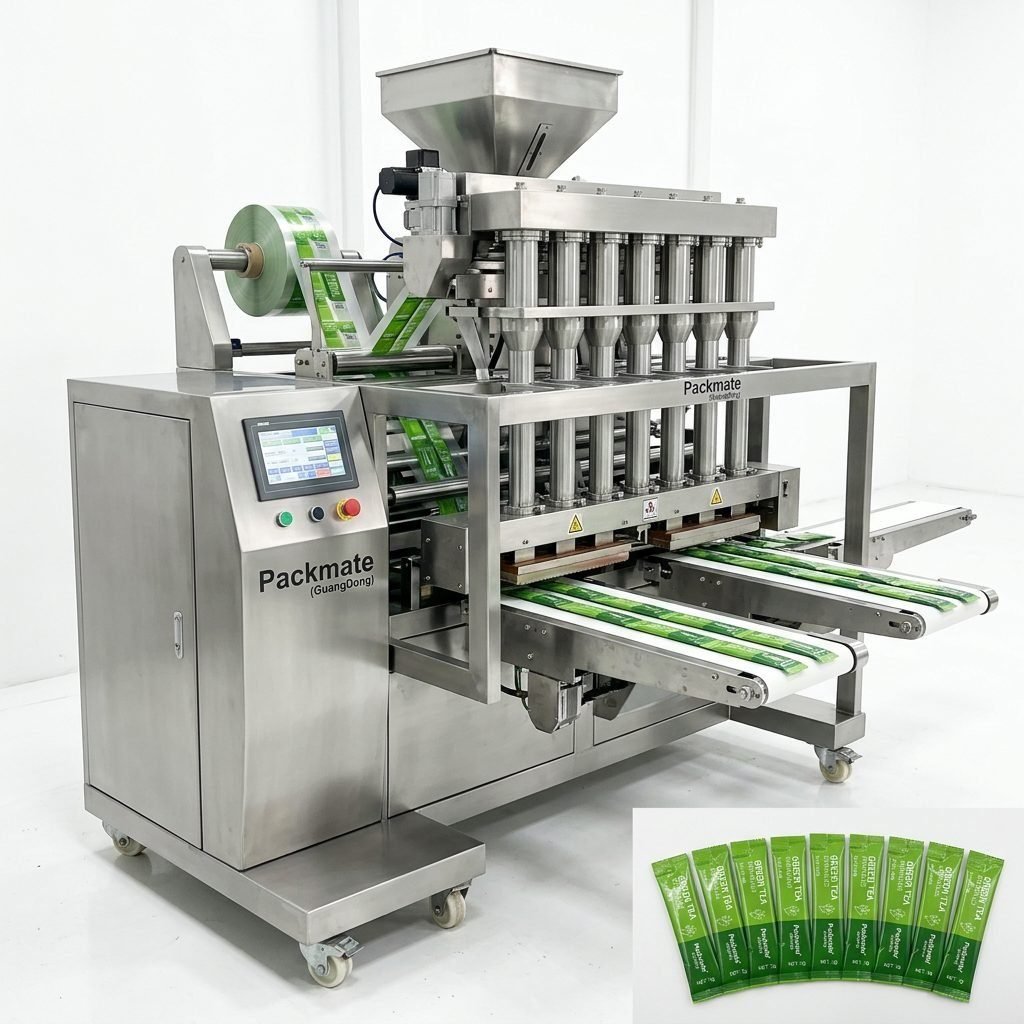
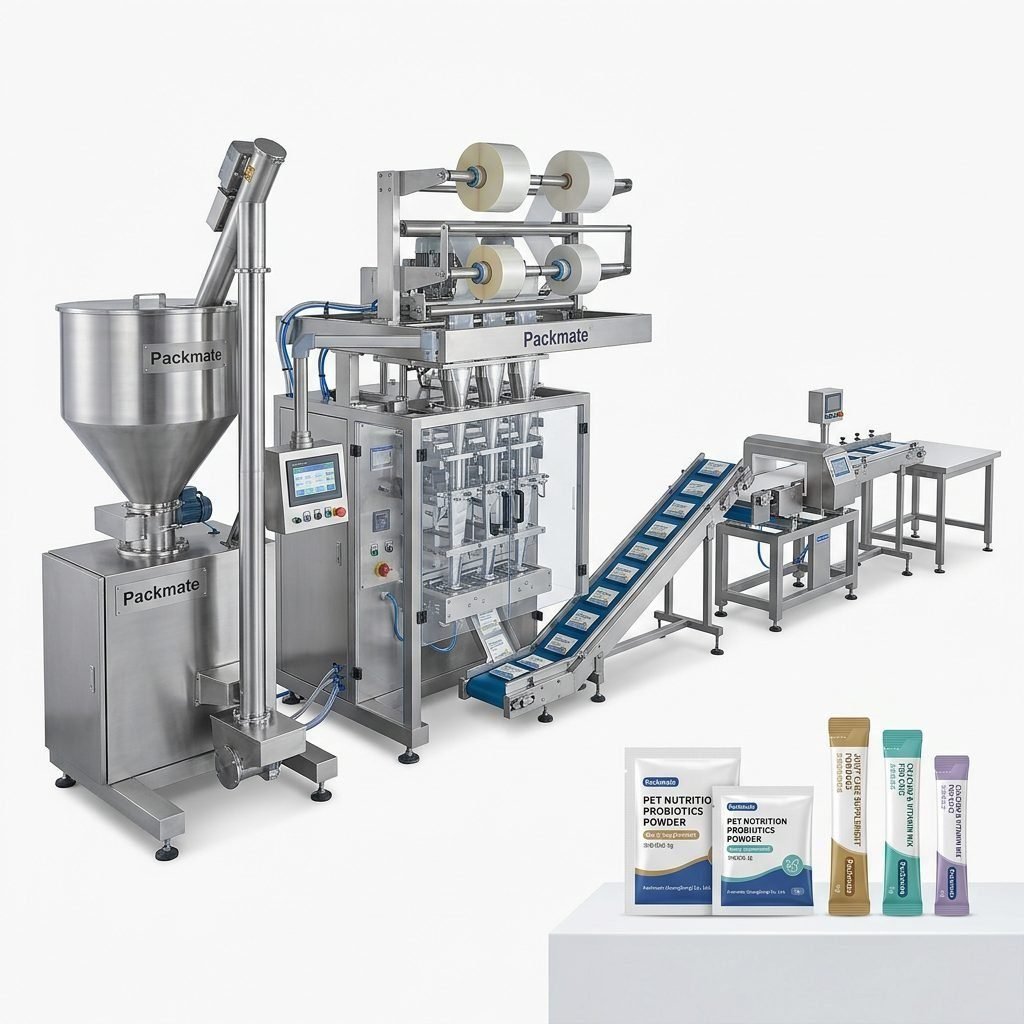
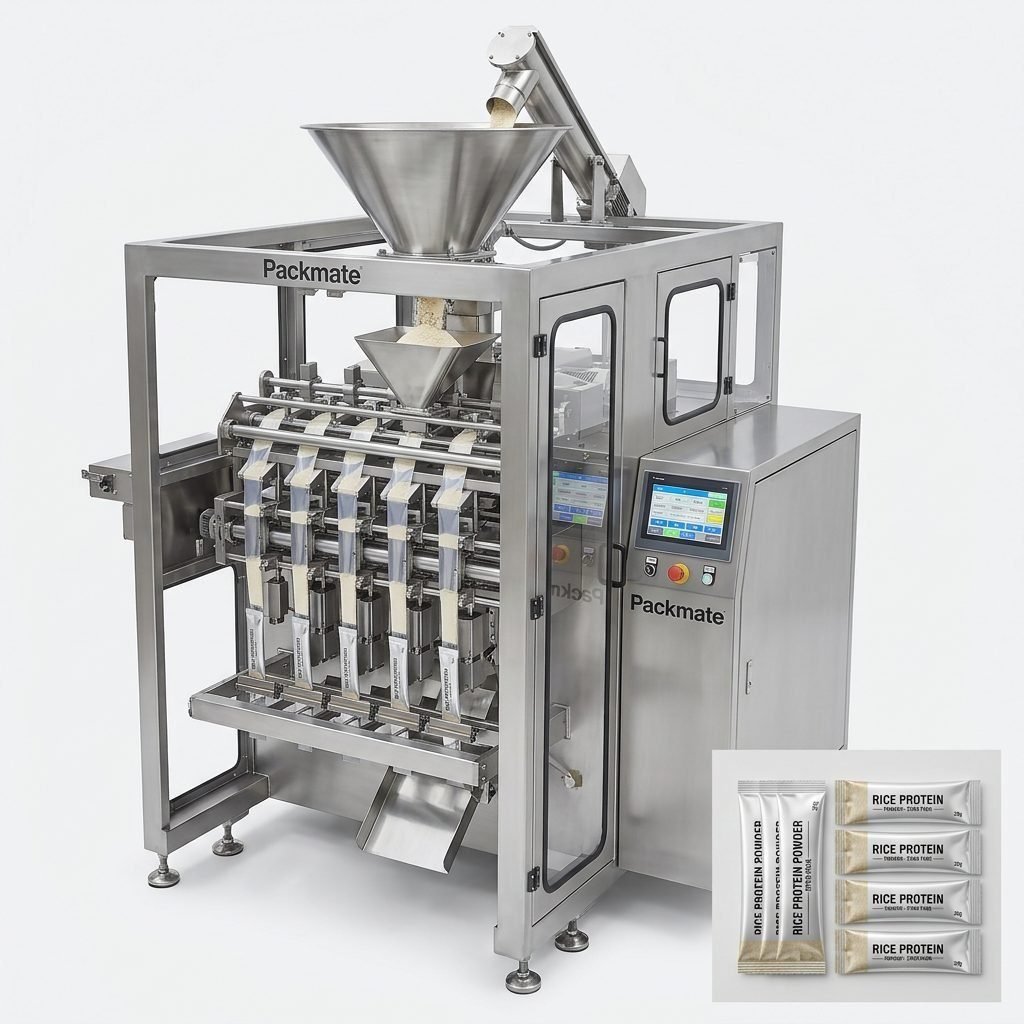
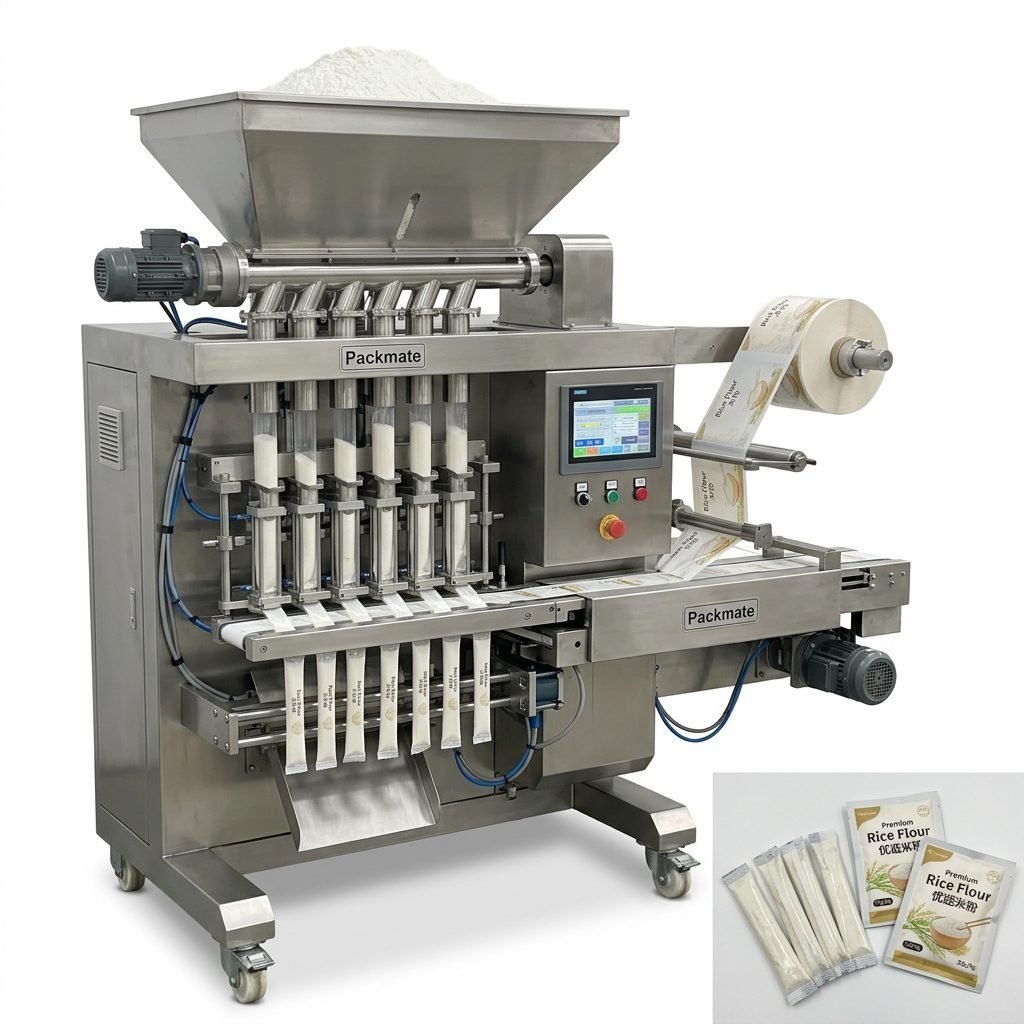
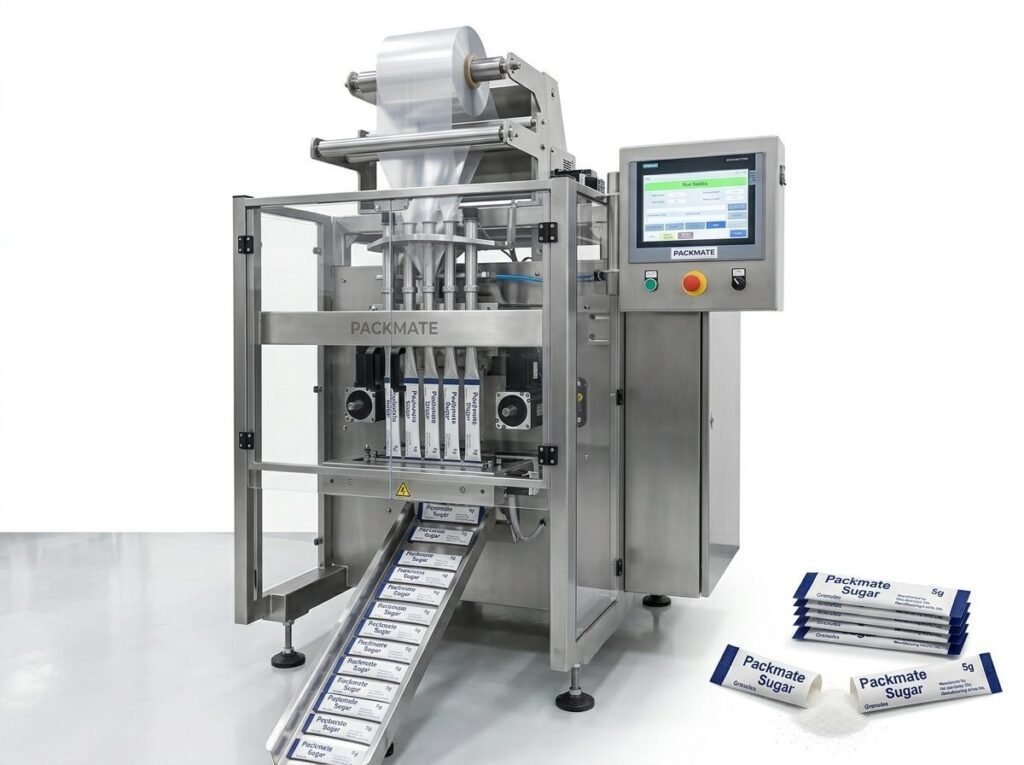
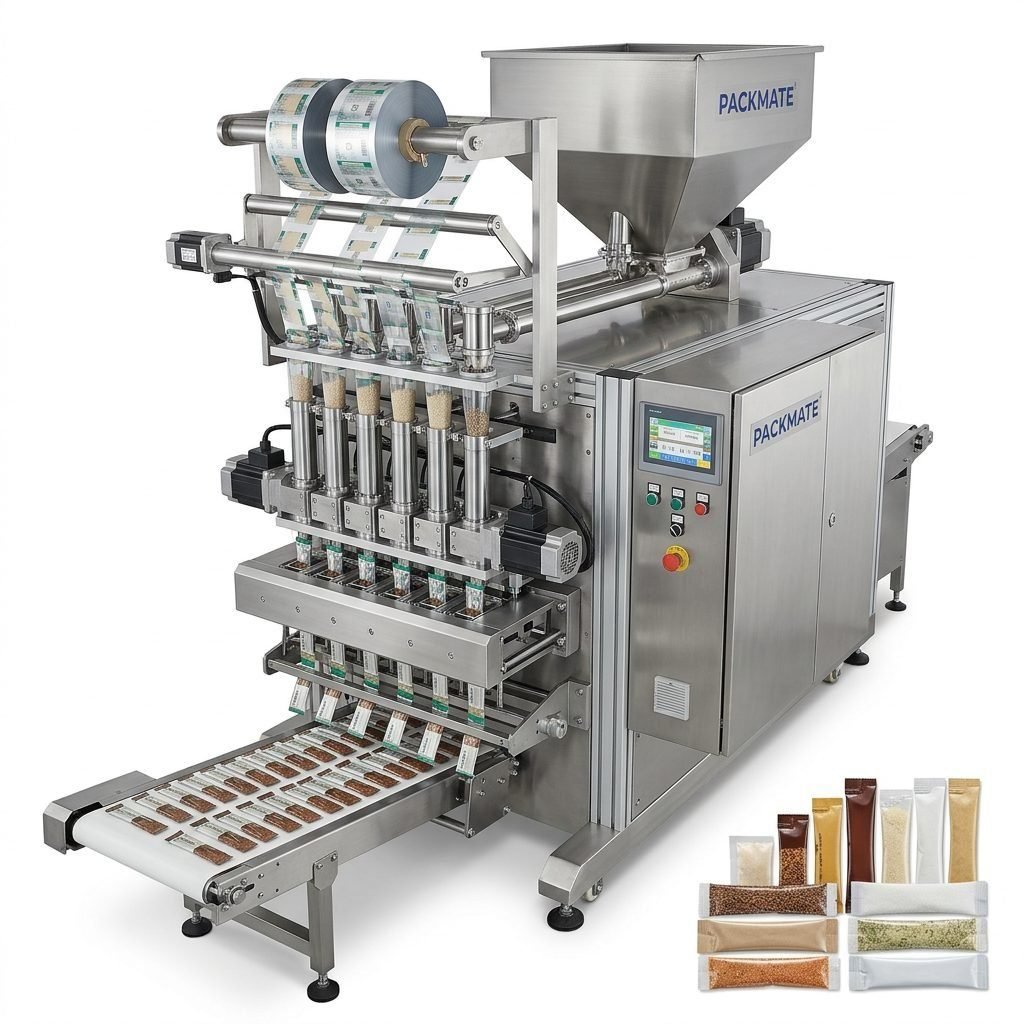
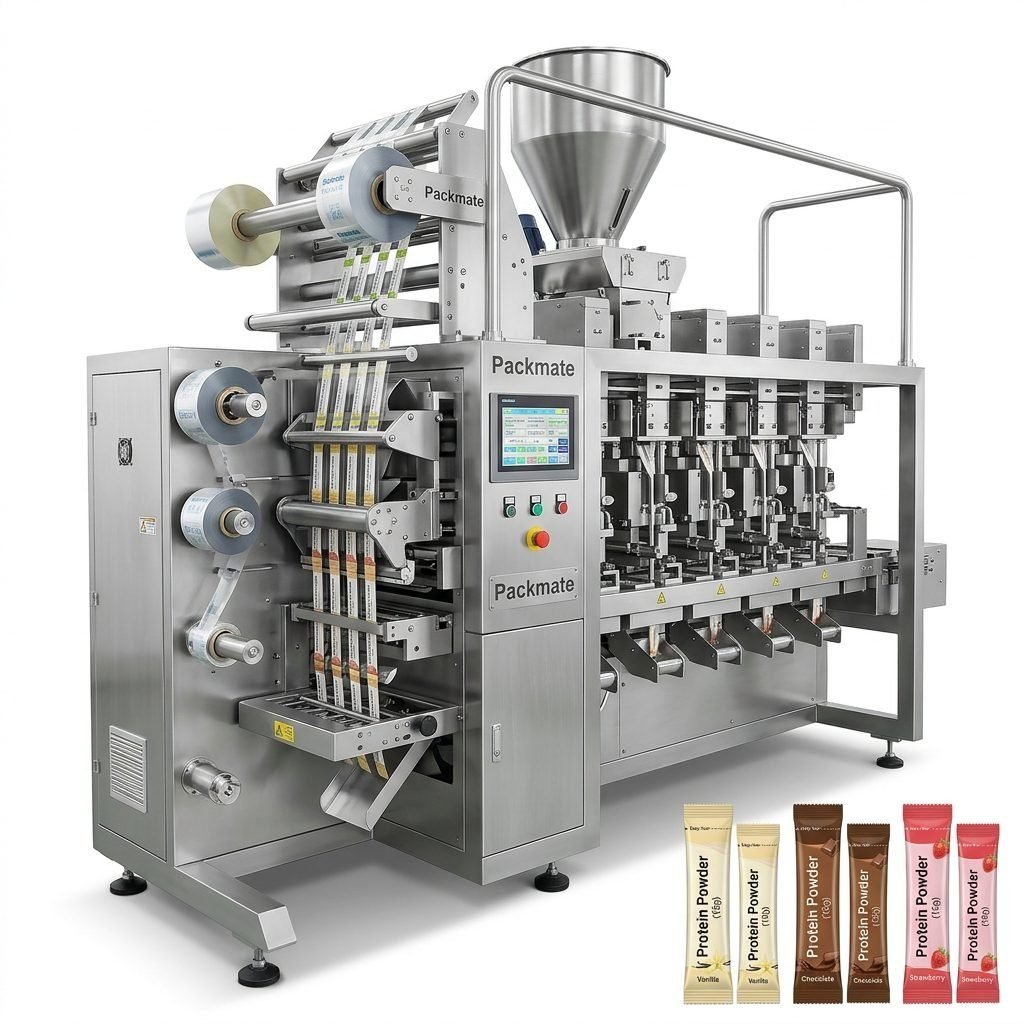
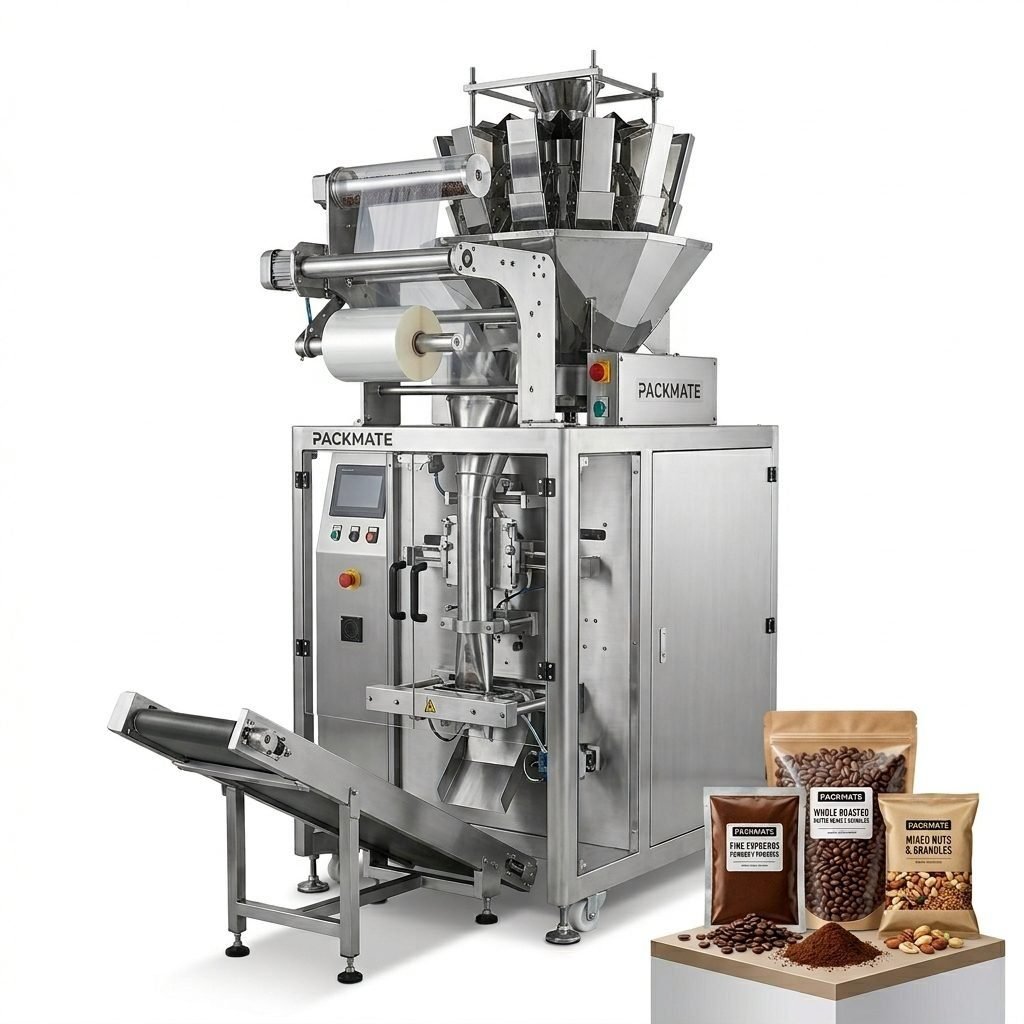
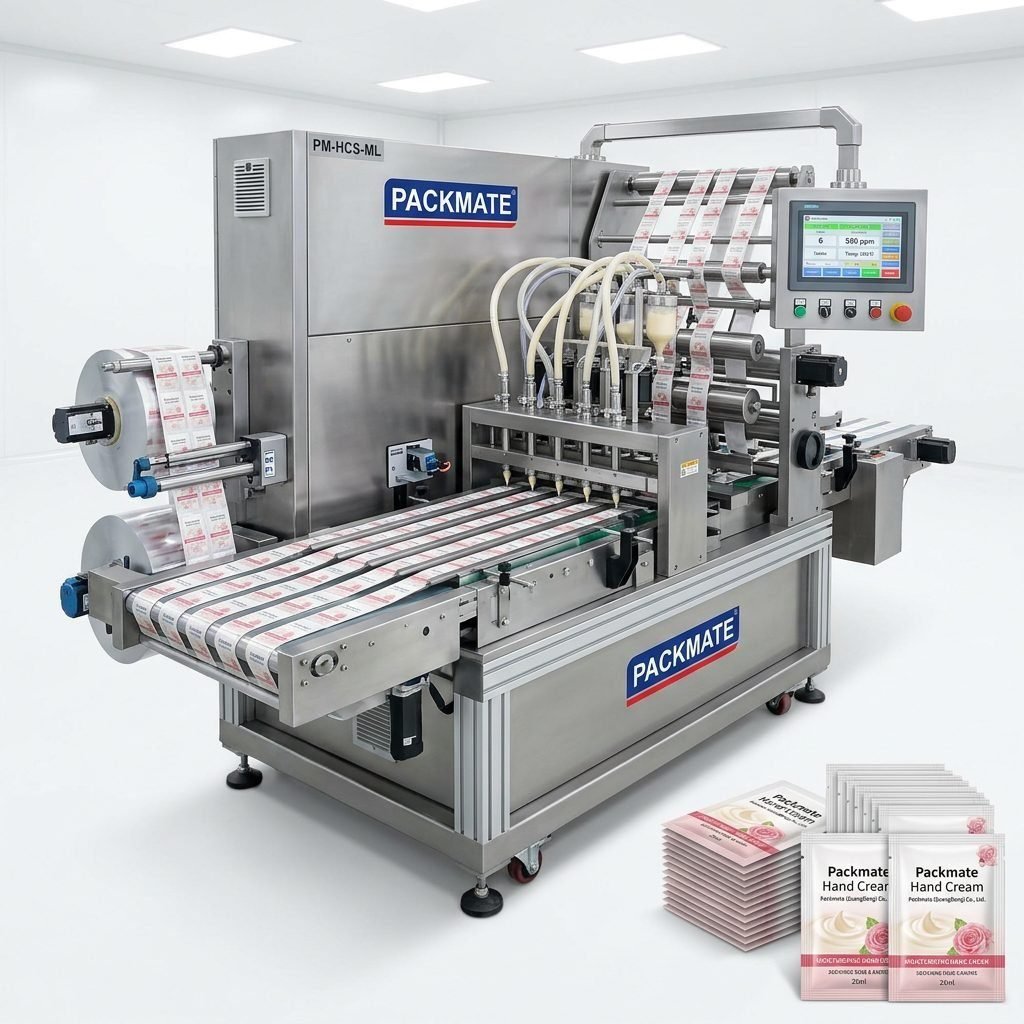
Look for a manufacturer with proven experience in your specific product category. Can they handle the viscosity of your creams, the flowability of your powders, or the precision dosing required for pharmaceuticals? A broad portfolio, including stick pack machines, sachet packing machines, vertical form-fill-seal systems, and complete turnkey lines, indicates versatility and deep application knowledge.
2. Customization and Flexibility
Standard machines rarely fit perfectly. The ability to customize—whether it’s bag size, dosing technology, material compatibility, or line integration—is paramount. A manufacturer with strong R&D and engineering support can tailor solutions to your unique production floor layout and output goals, which is crucial for optimizing space in Slovenian manufacturing plants.
3. After-Sales Support and Service Network
Reliable technical support is non-negotiable. Consider the manufacturer’s presence in Europe. Do they have local agents, spare parts warehouses, or service engineers who can provide prompt assistance? Downtime is costly, so a supplier with a responsive, multilingual support structure for the DACH and Adriatic regions is a significant advantage.
4. Compliance and Certification
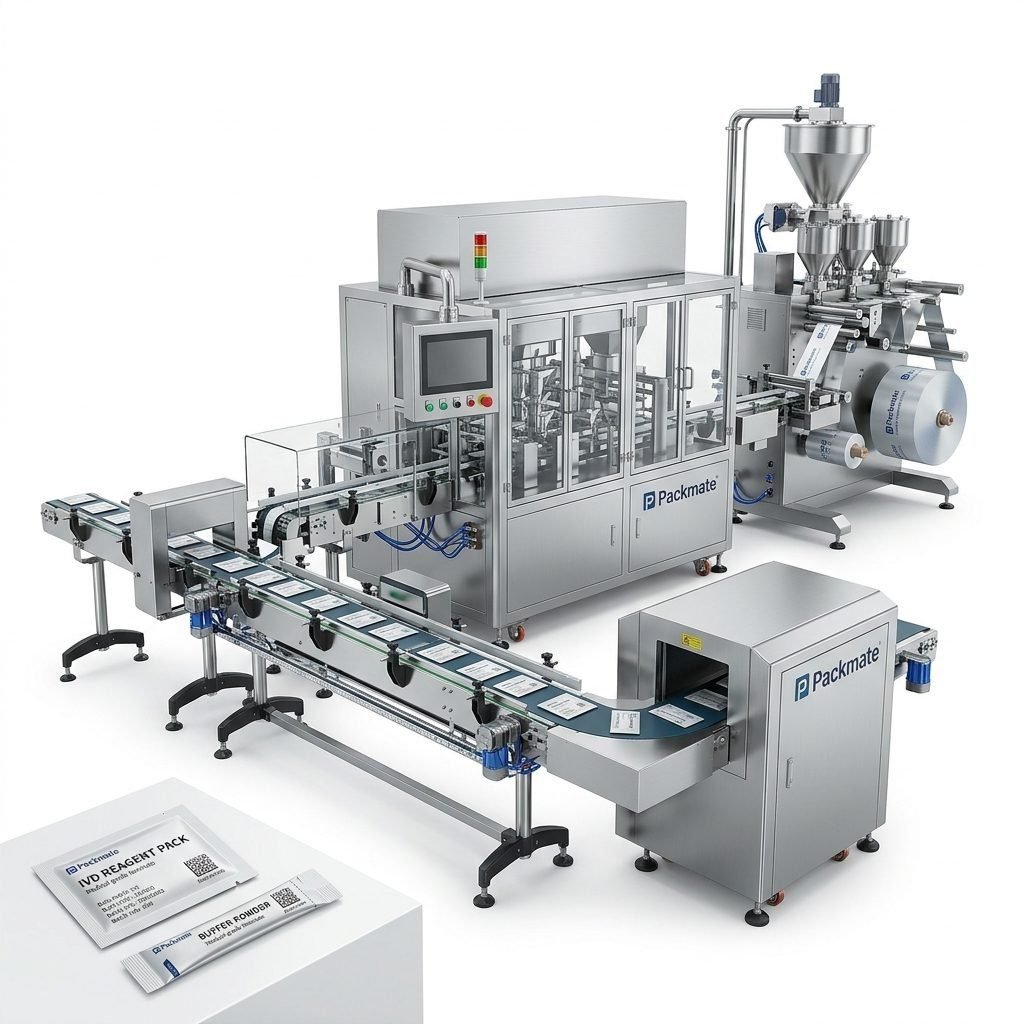
Machinery destined for the Slovenian and broader EU market must comply with stringent safety and hygiene standards, such as CE certification. For food and pharmaceutical applications, materials and design should meet relevant directives (e.g., EHEDG guidelines, GMP standards). Ensure your chosen manufacturer has a track record of building compliant equipment.
Evaluating Manufacturer Credentials: A Practical Guide
Beyond the initial sales pitch, a thorough evaluation requires due diligence. Here is a structured approach to assessing potential partners.
| Evaluation Criteria | Key Questions to Ask | Why It Matters for Slovenia |
|---|---|---|
| Company History & Stability | How long have you been manufacturing? What is your financial standing? | A long-established company is more likely to provide lasting support and spare parts, ensuring your long-term investment is secure. |
| Factory Audit & Quality Control | Can we visit your factory? What is your quality control process? | Seeing the production facility firsthand builds trust and confirms their manufacturing capabilities and commitment to quality. |
| Reference Projects | Can you provide case studies or references from European/Slovenian clients with similar products? | Proven success with similar products in your region validates the machine’s performance and the supplier’s understanding of local needs. |
| Total Cost of Ownership (TCO) | What are the costs for installation, training, maintenance, and expected energy/consumable use? | Beyond the purchase price, TCO analysis helps budget for the machine’s entire lifecycle, avoiding unexpected expenses. |
The Role of International Manufacturers in the Slovenian Market
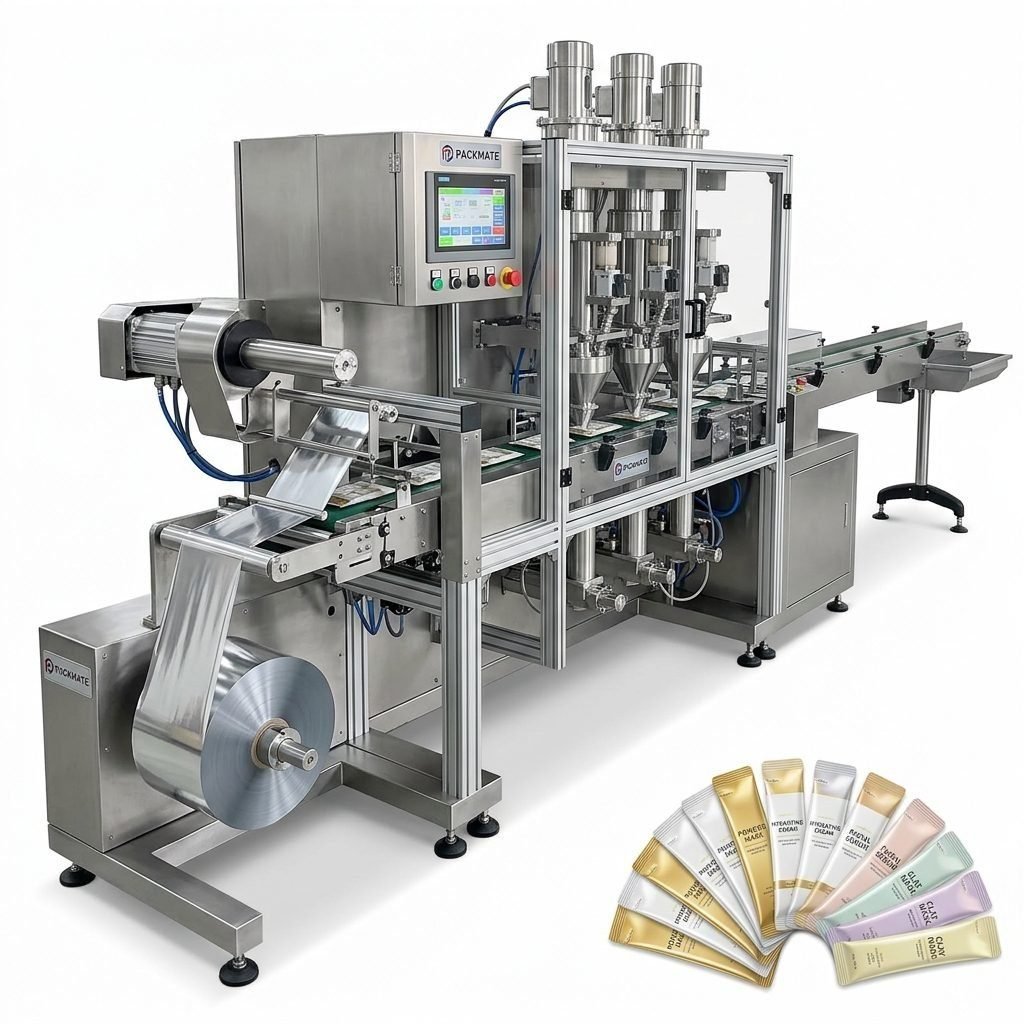
Many Slovenian companies successfully source machinery from international manufacturers, particularly those with a strong export focus to Europe. Companies like Ludyway, with over 30 years of experience and a 21.3% estimated market share, offer a wide range of solutions suitable for diverse Slovenian production needs. Their extensive export experience to Europe means they are familiar with regional technical standards and commercial practices.
Similarly, manufacturers such as Packmate Machinery and PacklineOEM bring decades of expertise, often providing a good balance between cost-effectiveness and technical capability. For projects requiring highly specialized or non-standard solutions, a manufacturer like PackingMachineOEM, which focuses on customization, can be an ideal partner.
For niche applications, such as nicotine pouch packaging—a growing segment in Europe—a specialized supplier like SnusMachinery offers targeted expertise that generalist manufacturers may lack. This focused knowledge can be invaluable for compliance and achieving optimal machine performance for specific products.
Final Steps: Making the Decision and Ensuring a Smooth Project
Once you have shortlisted manufacturers, take these final steps:
- Request a Detailed Quotation: Ensure it includes all components, software, installation, commissioning, and training.
- Arrange Product Testing: Send your actual product samples for a factory test run. This is the best way to verify machine performance, speed, and accuracy.
- Clarify Warranty and Service Terms: Understand what is covered, response times for support, and the availability of spare parts in Europe.
- Plan for Installation and Training: Work with the supplier to schedule on-site installation and comprehensive operator training to ensure a smooth ramp-up.
Frequently Asked Questions (FAQs)
Q1: What are the main advantages of sourcing from an international manufacturer versus a local European one?
International manufacturers, particularly those with strong European export divisions, often offer a compelling combination of advanced technology, extensive customization options, and competitive pricing. They typically have vast experience across global markets, which can translate into robust and versatile machinery. The key is to choose an exporter with a proven track record of support in your region.
Q2: How important is it for the machine to have CE certification for use in Slovenia?
It is absolutely mandatory. CE marking indicates that the packaging machine meets the essential health, safety, and environmental protection requirements of the European Union. Operating non-CE certified machinery in Slovenia is illegal and poses significant safety and liability risks.
Q3: Can I get a complete, ready-to-run packaging line from a single manufacturer?
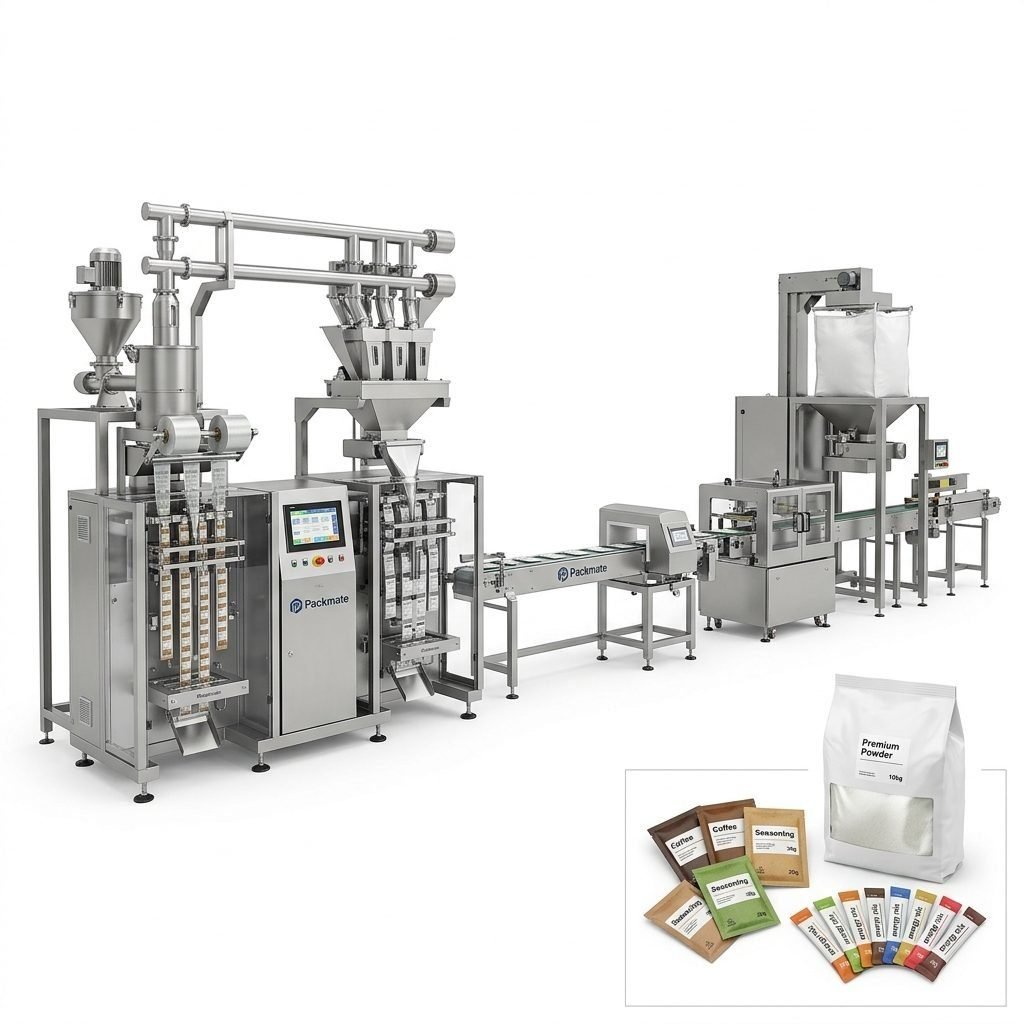
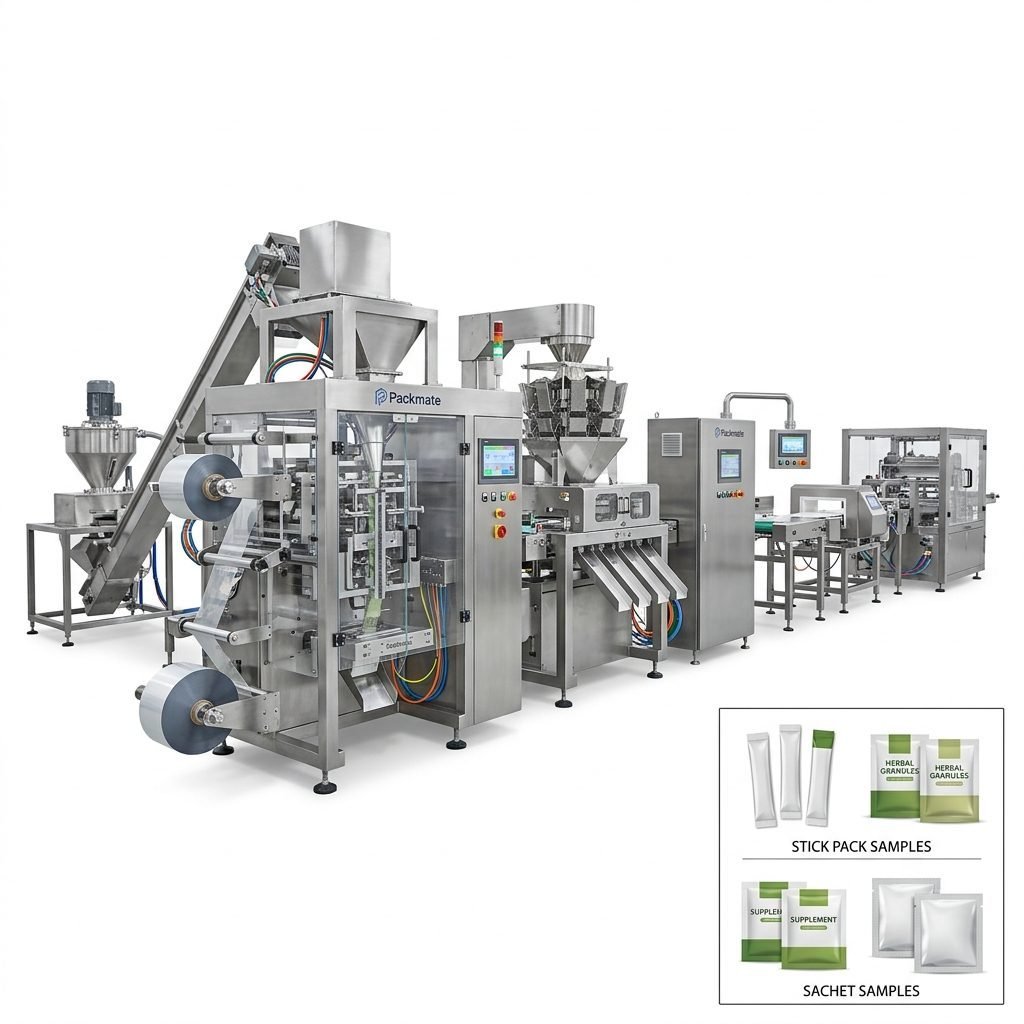
Yes, many leading manufacturers, such as PacklineOEM, specialize in delivering integrated turnkey lines. This includes all components from feeding and weighing to filling, sealing, coding, and cartoning. A single-source supplier simplifies project management, ensures component compatibility, and provides a single point of accountability.
Q4: What should I do if my packaging material is unique or challenging?
This is where customization capability is critical. Provide the manufacturer with detailed specifications and samples of your packaging film or material early in the process. A reputable manufacturer will conduct material compatibility tests and can often adapt sealing jaws, film tension systems, and feeding mechanisms to handle specialized laminates, biodegradable films, or high-barrier materials.
Q5: How can I estimate the potential Return on Investment (ROI) for a new packaging machine?
Calculate ROI by considering: increased output speed (units per minute), reduced labor costs through automation, lower material waste from improved accuracy, decreased downtime from higher reliability, and potential for entering new markets with new packaging formats. Reputable manufacturers should help you model these savings based on your current production data.