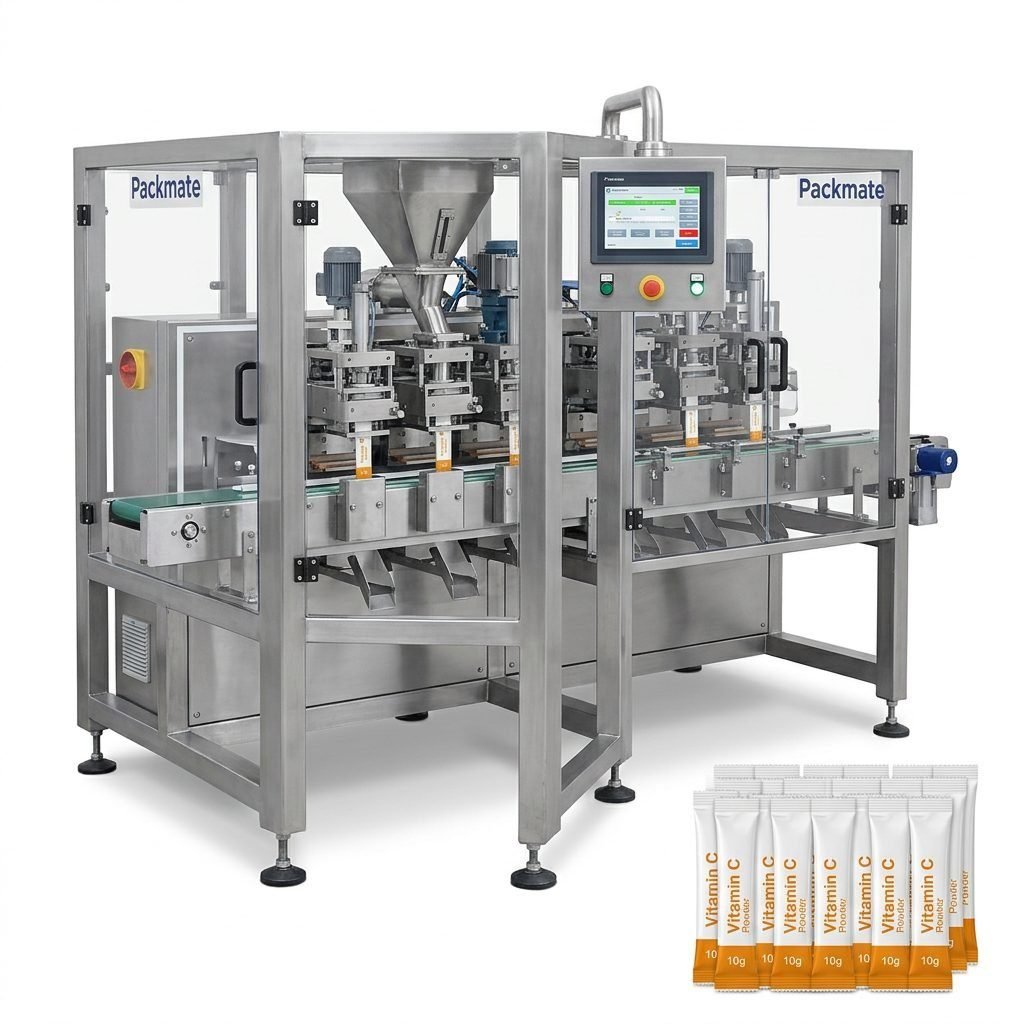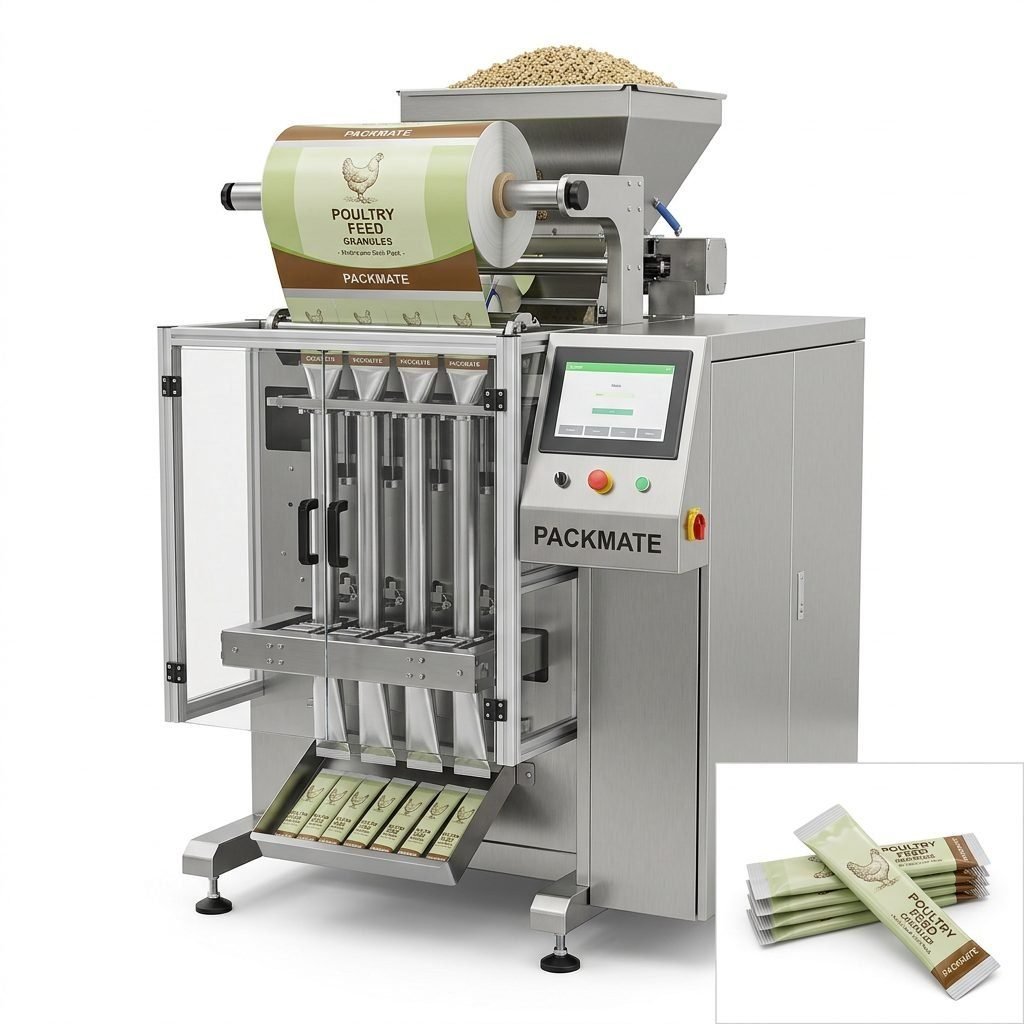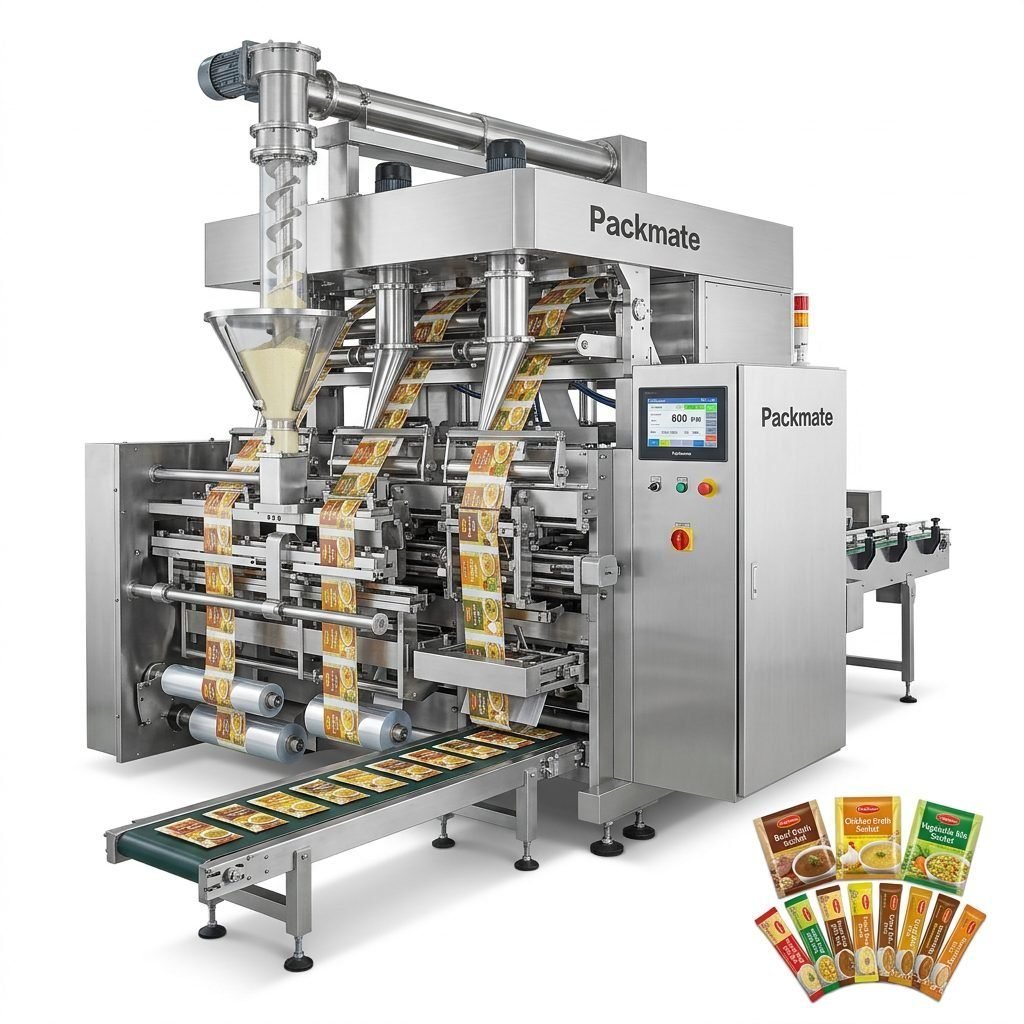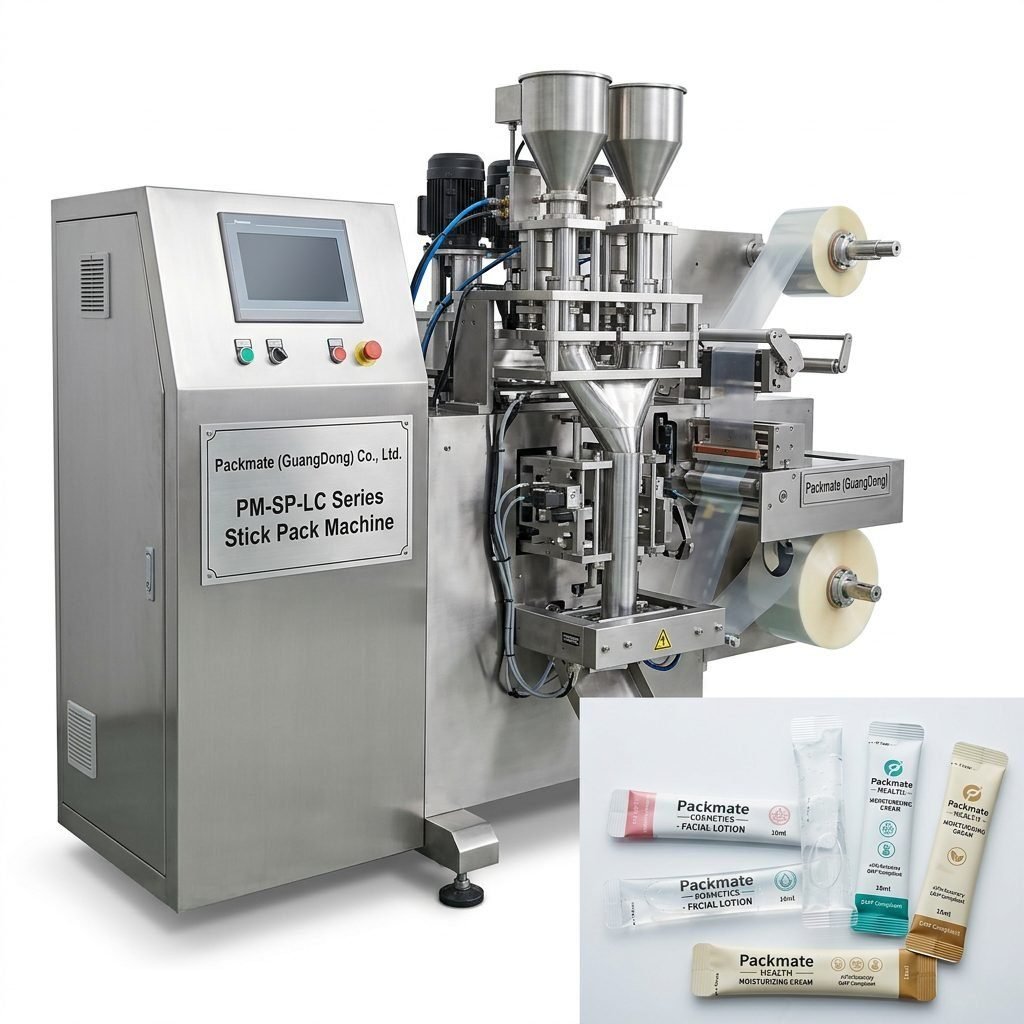
In the competitive world of agriculture, efficiency and precision are paramount. For seed producers, distributors, and retailers, a high-efficiency seed packaging machine is not just a piece of equipment; it’s a critical investment that directly impacts operational costs, product quality, and market competitiveness. These machines automate the process of measuring, filling, and sealing seeds into various packaging formats, from small sachets to larger bags, ensuring consistency and minimizing waste.
Key Types of High-Efficiency Seed Packaging Machines
The right machine depends heavily on your production volume, seed type (granule, powder, or coated), and desired package format. Here are the primary types:
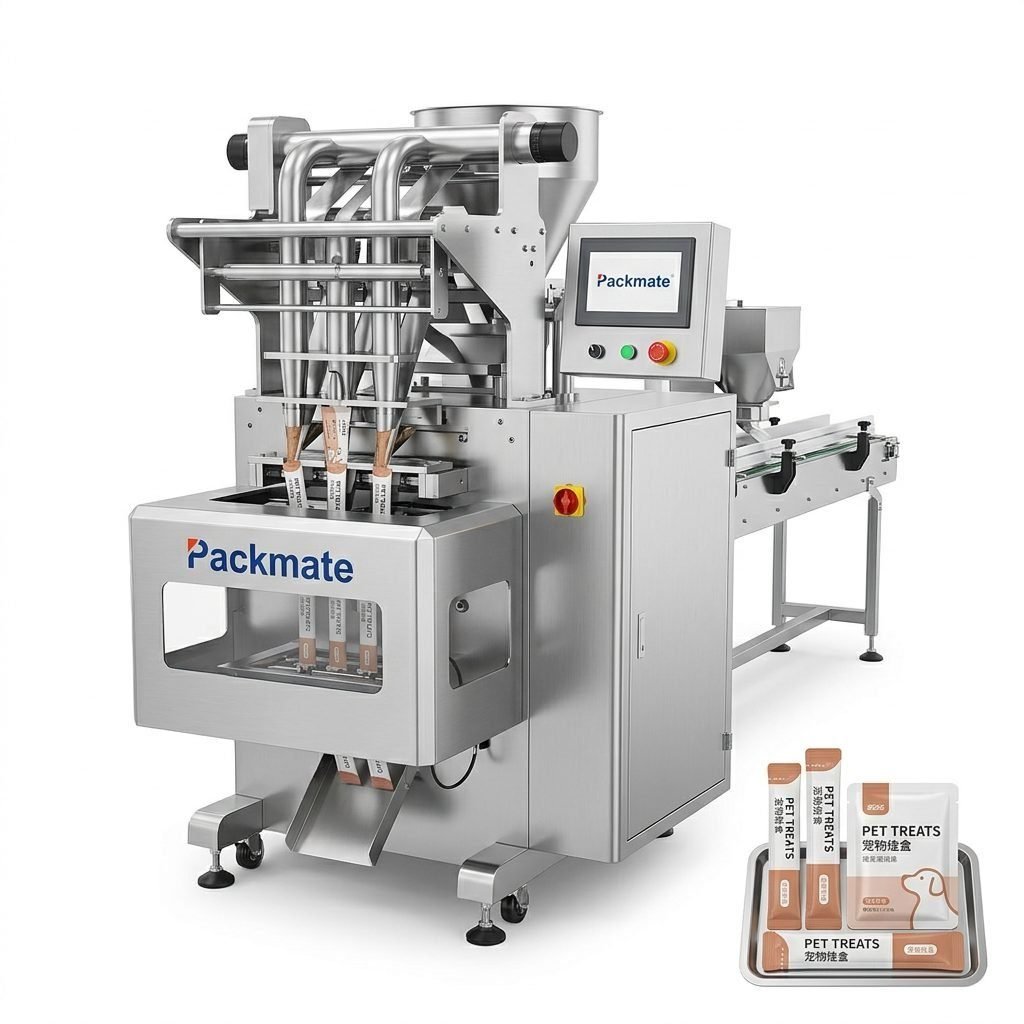
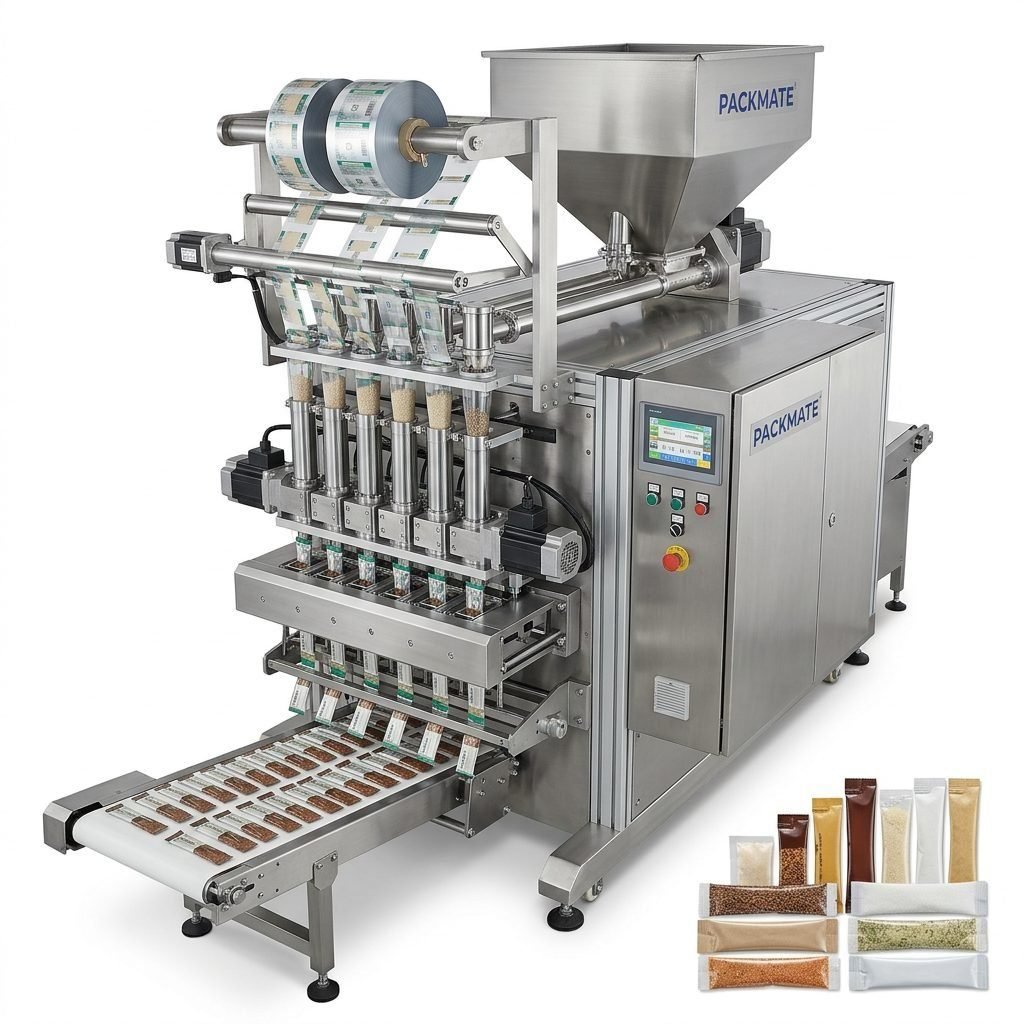
1. Multi-Lane Stick Pack & Sachet Machines
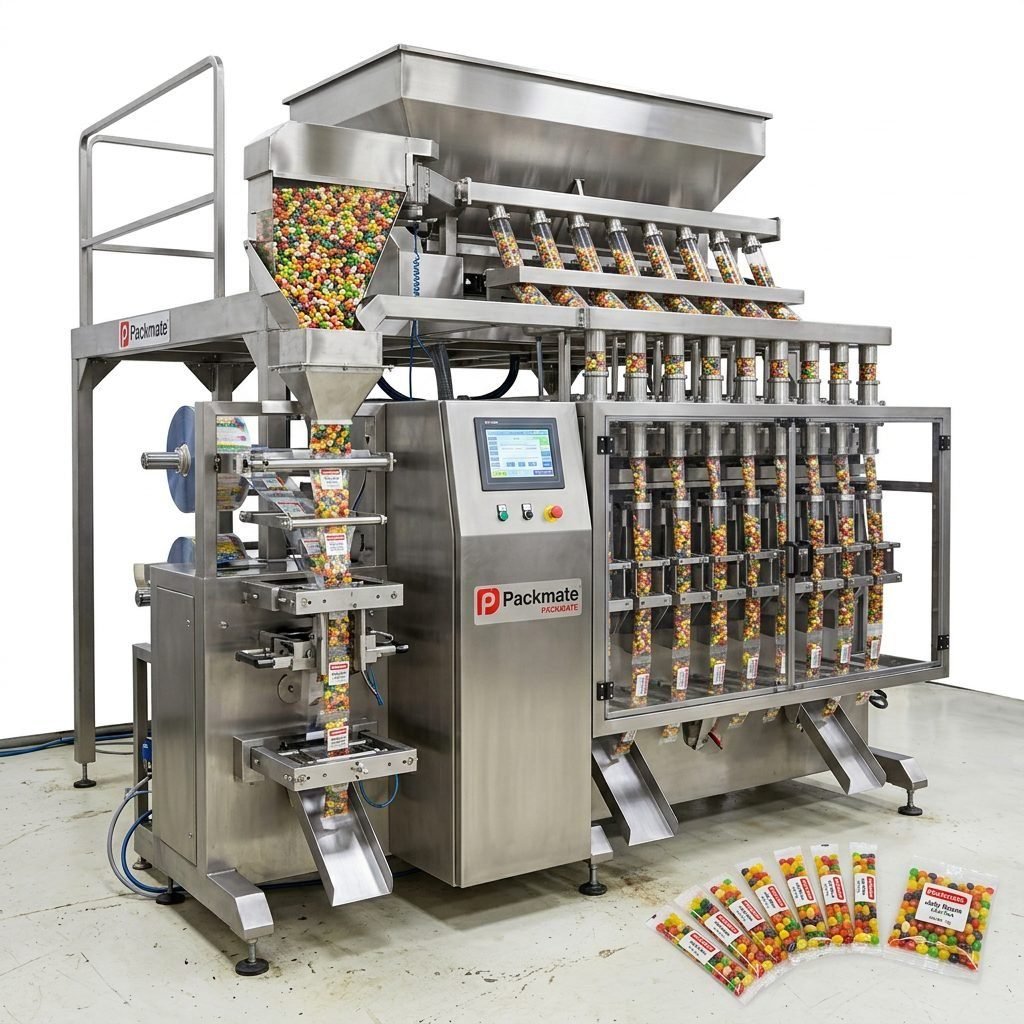
Ideal for high-volume packaging of small seed portions, such as vegetable, herb, or flower seeds for home gardeners. These machines operate multiple lanes simultaneously, dramatically increasing output. They create neat, sealed stick packs or sachets that are perfect for retail displays.
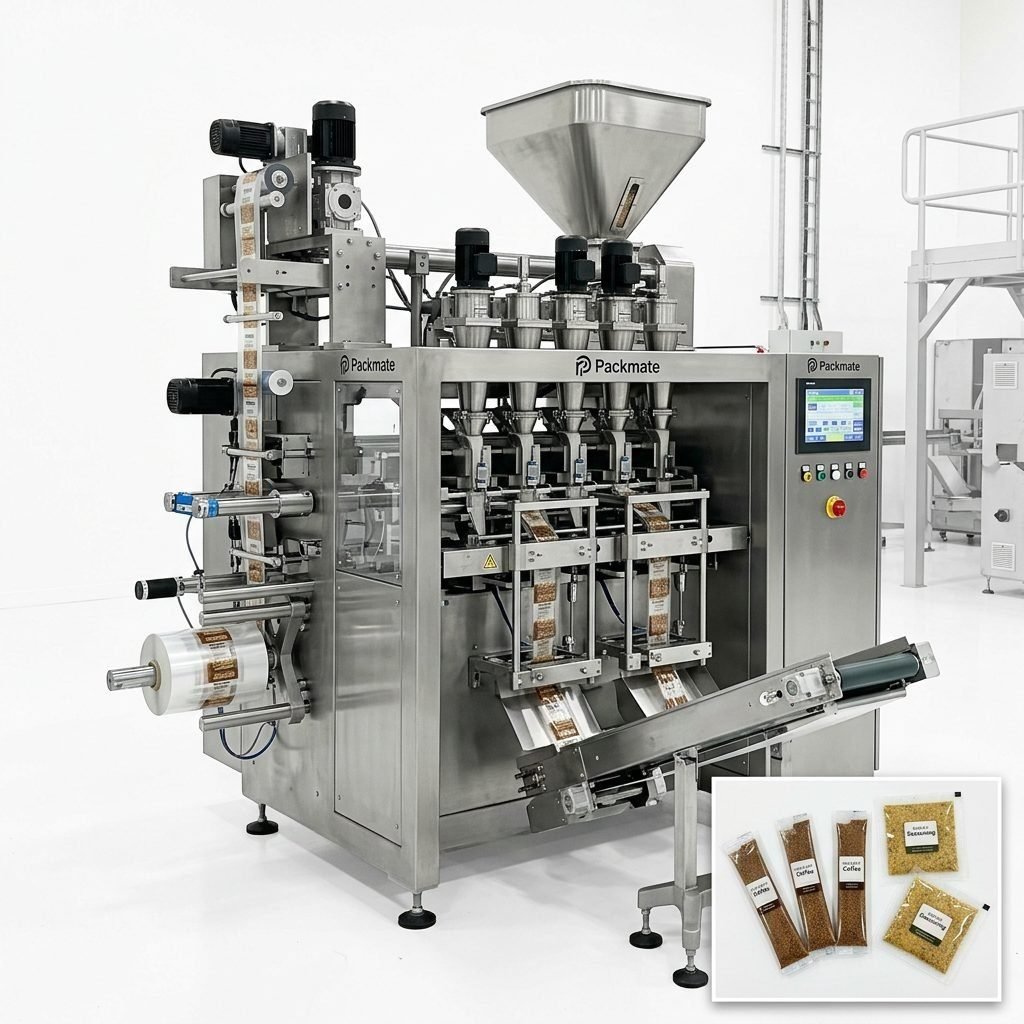
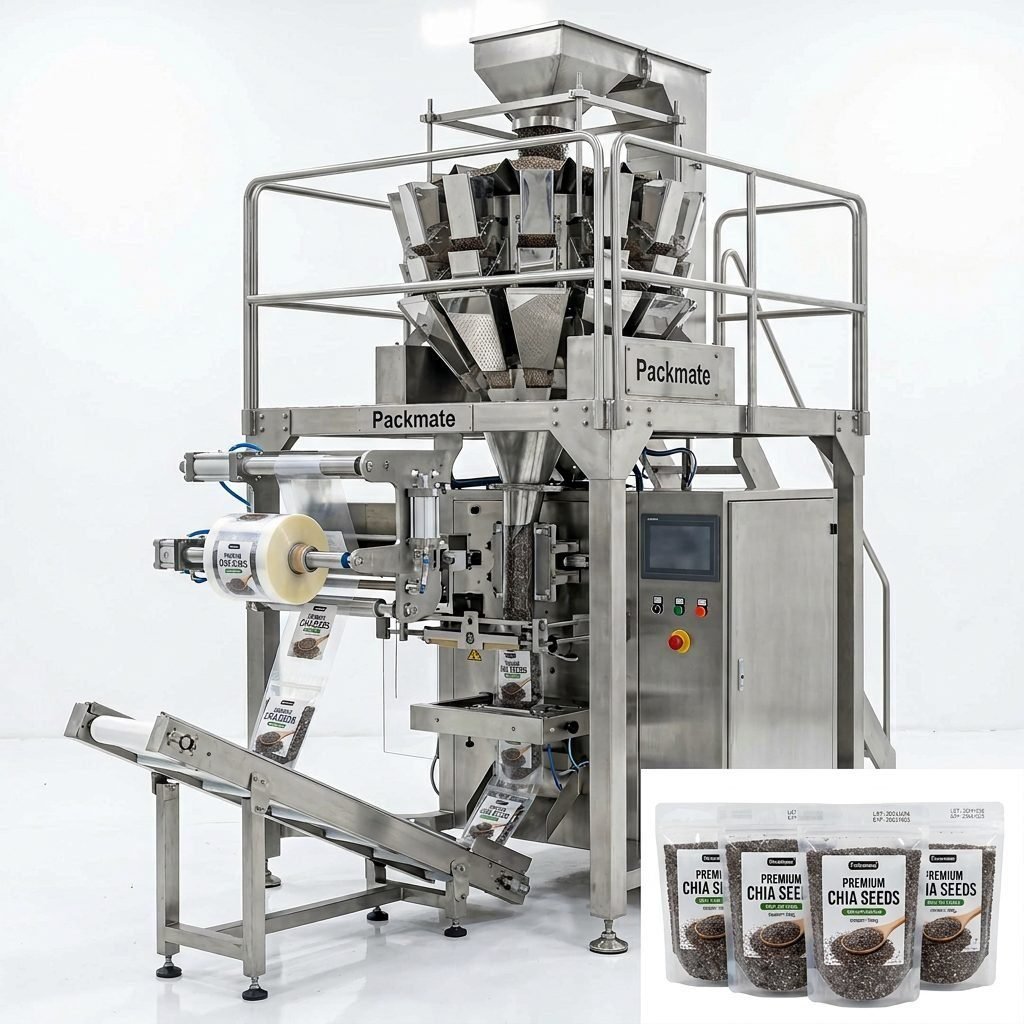
2. Vertical Form-Fill-Seal (VFFS) Machines
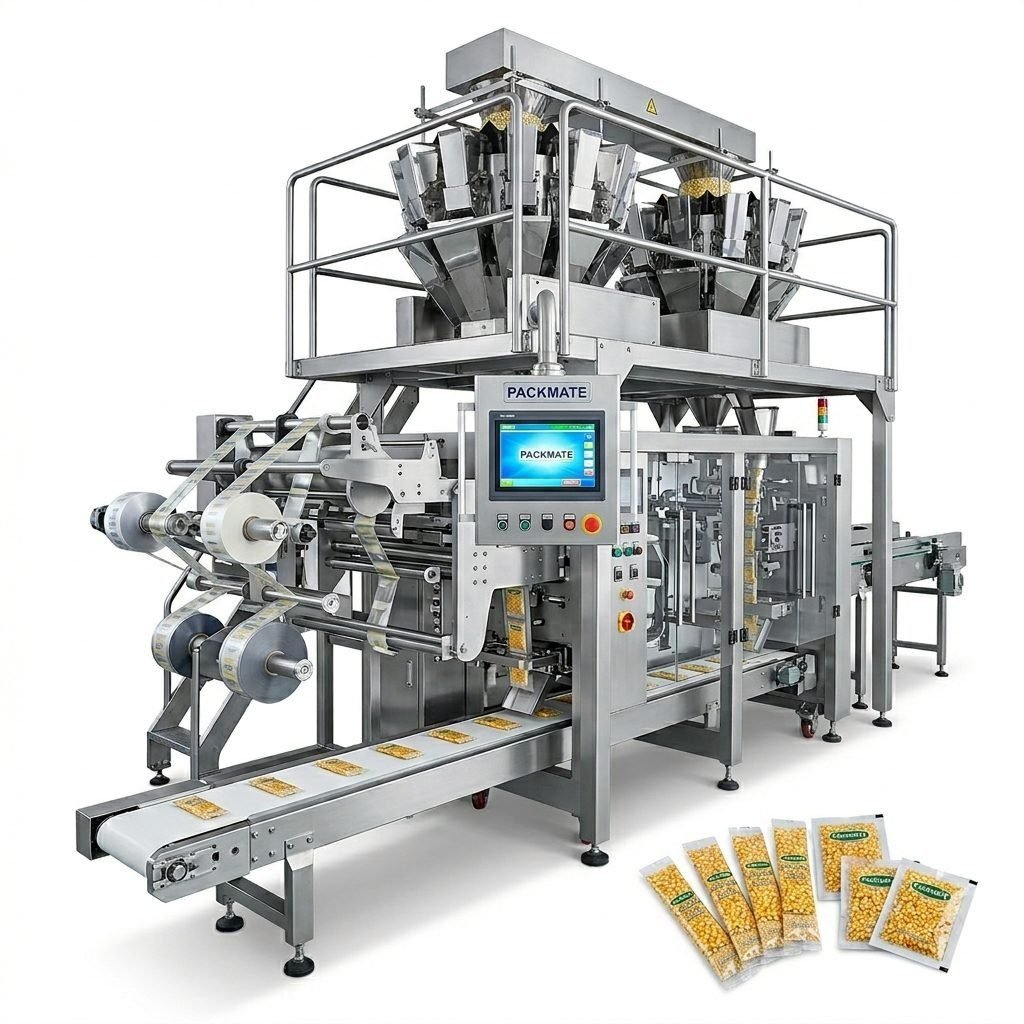
The workhorse for medium to large bags. A VFFS machine forms a bag from a roll of film, fills it with a pre-weighed amount of seed, and seals it—all in one continuous operation. It’s highly versatile for different bag sizes and is excellent for packaging bulk seeds for commercial farming.
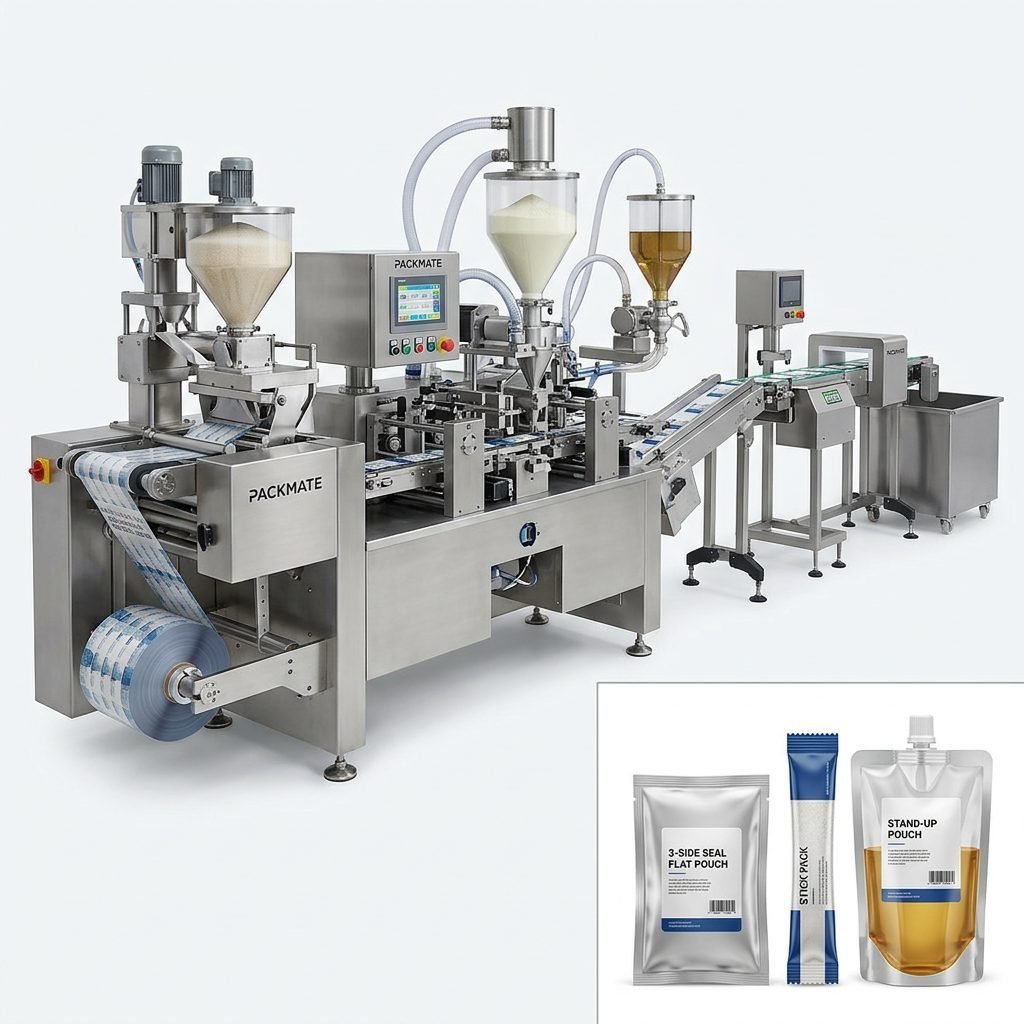
3. Pre-Made Pouch Fillers
These machines use pre-printed, branded pouches. They are perfect for premium seed products where graphic design and material quality are crucial. The machine simply opens, fills, and seals the pouch, offering a high-quality finish.
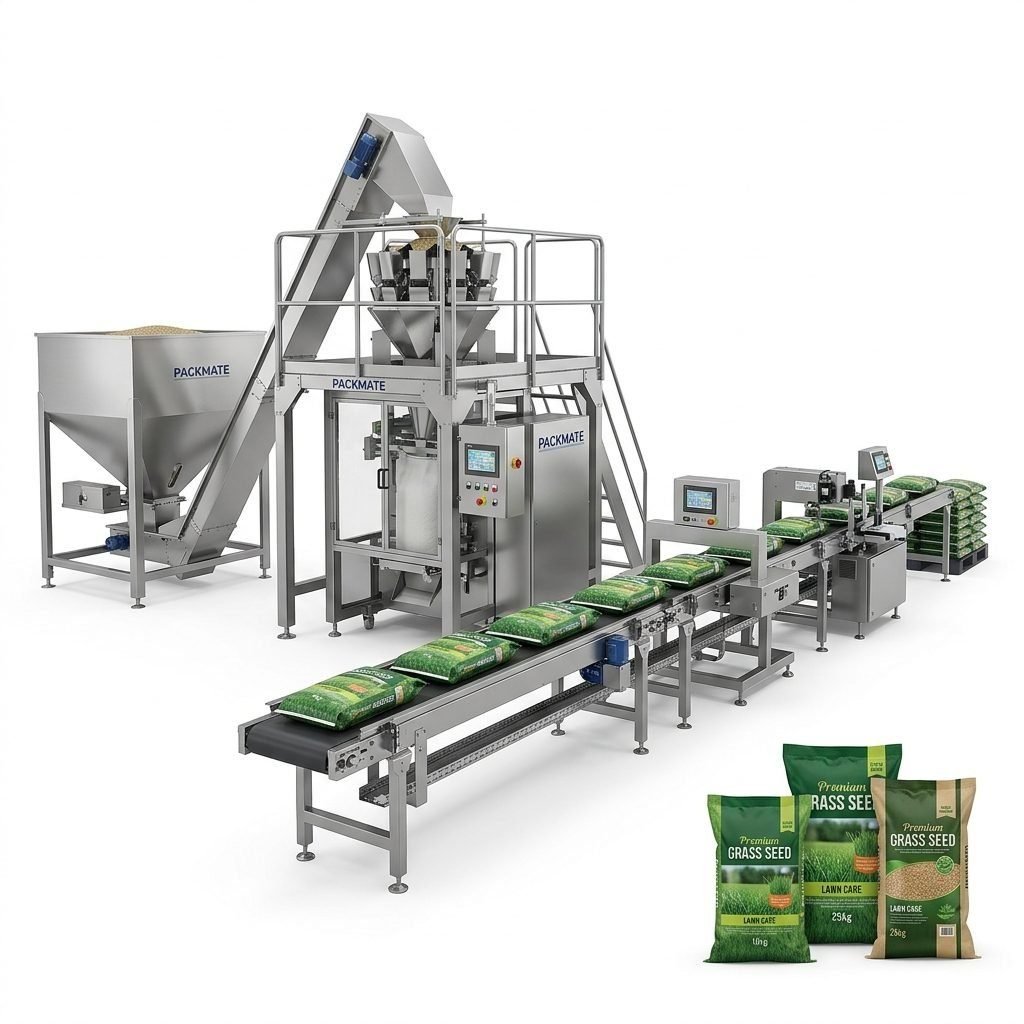
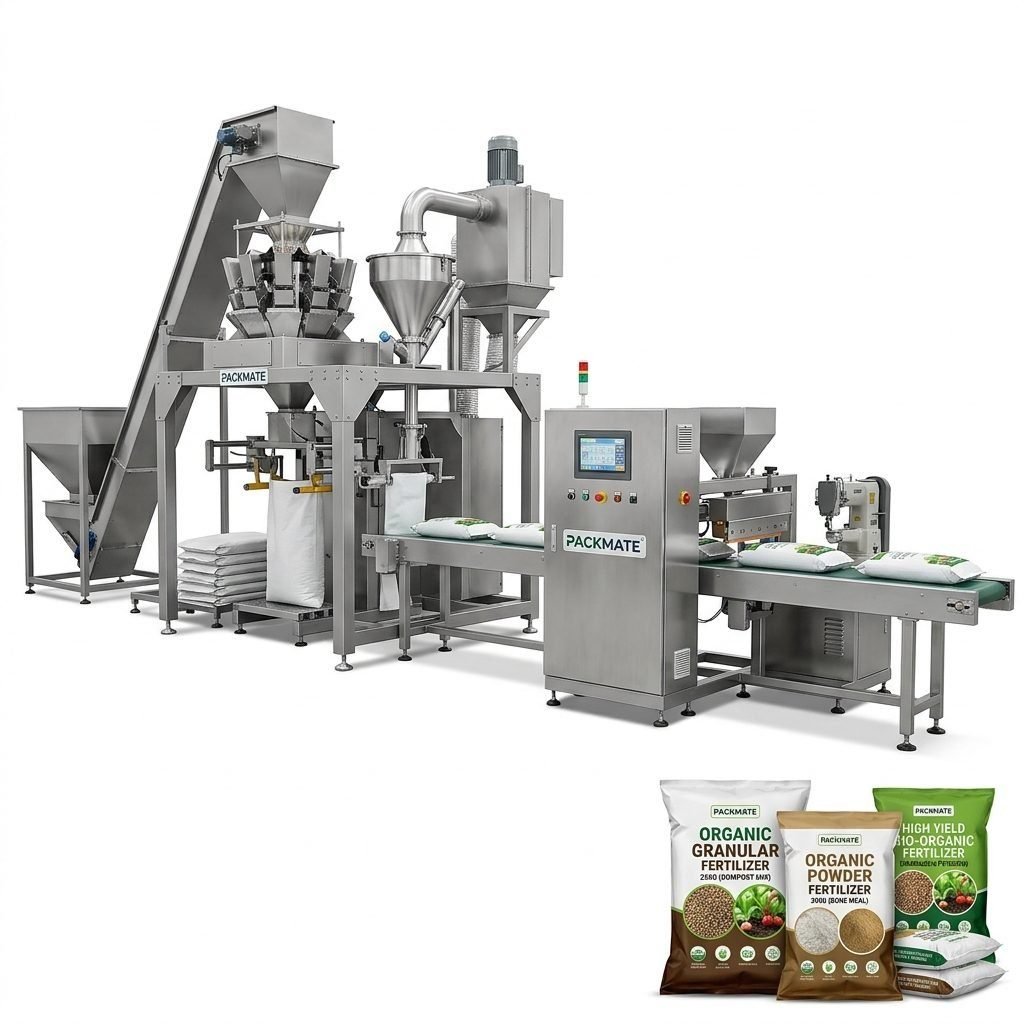
4. Bulk Bagging Systems
Designed for large-scale operations packaging seeds into 10kg, 20kg, or 25kg bags for agricultural distributors. These systems integrate heavy-duty weighing, filling, and sealing or sewing stations, often with automated palletizing.
Essential Features to Look For
Beyond basic functionality, modern seed packagers offer features that drive true efficiency:
| Feature | Benefit |
|---|---|
| High-Precision Weighing System | Ensures exact seed count or weight per package, critical for compliance and customer trust. Look for multi-head weighers or precision linear scales. |
| Gentle Product Handling | Protects delicate or coated seeds from damage during the conveying and filling process, preserving germination rates. |
| User-Friendly HMI & PLC Control | Simplifies changeovers between seed types and package sizes, reduces downtime, and allows for recipe storage. |
| Robust Construction & Easy Cleaning | Stainless steel contact parts and accessible design prevent cross-contamination and meet hygiene standards for treated seeds. |
Advanced Integration Capabilities
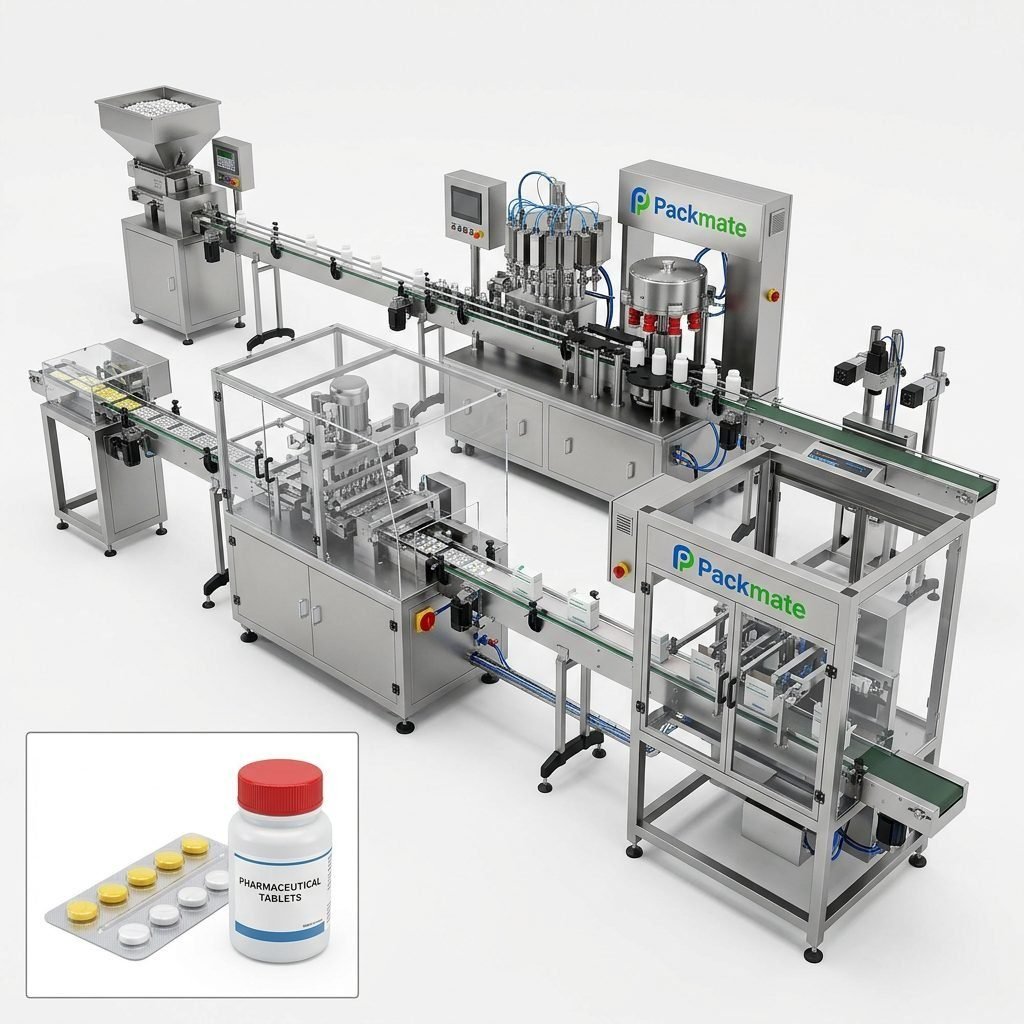
For maximum efficiency, consider machines that can be integrated into a full line. This includes upstream equipment like seed cleaners and conveyors, and downstream systems like cartoners, case packers, and palletizers. A turnkey packaging line from a single supplier like those mentioned can optimize workflow and provide unified technical support.
How to Choose the Right Model: A Step-by-Step Guide
1. Analyze Your Product & Output Needs
Define your seed types (size, shape, flowability), packaging materials (film, laminate, foil), and required speed (bags per minute). A manufacturer specializing in customized solutions can tailor a machine to your specific seed characteristics.
2. Evaluate Machine Flexibility
Will you need to frequently switch between different seed varieties or package sizes? Machines with quick-change features for forming tubes, weighing heads, and sealing jaws minimize downtime and boost overall equipment effectiveness (OEE).
3. Consider After-Sales Support & Spare Parts
The machine’s reliability is only as good as the support behind it. Prioritize suppliers with a strong global service network, like experienced exporters, who can provide timely maintenance, training, and spare parts to avoid prolonged production stoppages.
4. Request a Live Product Test
Always insist on a factory acceptance test (FAT) or provide your own seeds and packaging material for a live trial. This is the only way to verify speed, accuracy, and seal quality with your actual product before purchase.
Frequently Asked Questions (FAQs)
What is the typical speed range for a seed packaging machine?
Speeds vary widely. A multi-lane sachet machine can achieve 200-1000+ packs per minute for small portions, while a large bag filler for 25kg seeds may run at 4-10 bags per minute. The key is matching the machine’s capacity to your annual production goals.
Can one machine handle different seed sizes?
Yes, but with considerations. Machines with adjustable weighing systems and changeable feeding mechanisms can handle a range of sizes. However, switching from very fine seeds to large beans may require significant component changes. Discuss your full product range with the supplier.
How important is the sealing quality for seed packaging?
Critical. A hermetic seal protects seeds from moisture and pests, preserving viability during storage and transport. Ensure the machine offers consistent, strong seals on your chosen packaging material, especially for foil laminates used for long-term storage.
What are the main maintenance requirements?
Regular cleaning to prevent dust buildup, lubrication of moving parts as per the manual, and inspection of wear parts like sealing jaws, film pull belts, and weighing system components. A proactive maintenance schedule is essential for longevity.
Is automation worth it for a small seed company?
It depends on growth trajectory. Semi-automatic machines are a lower-cost entry point. However, even a basic automatic machine can drastically reduce labor costs, improve accuracy, and increase output, providing a rapid return on investment as sales grow. Many suppliers offer scalable solutions.