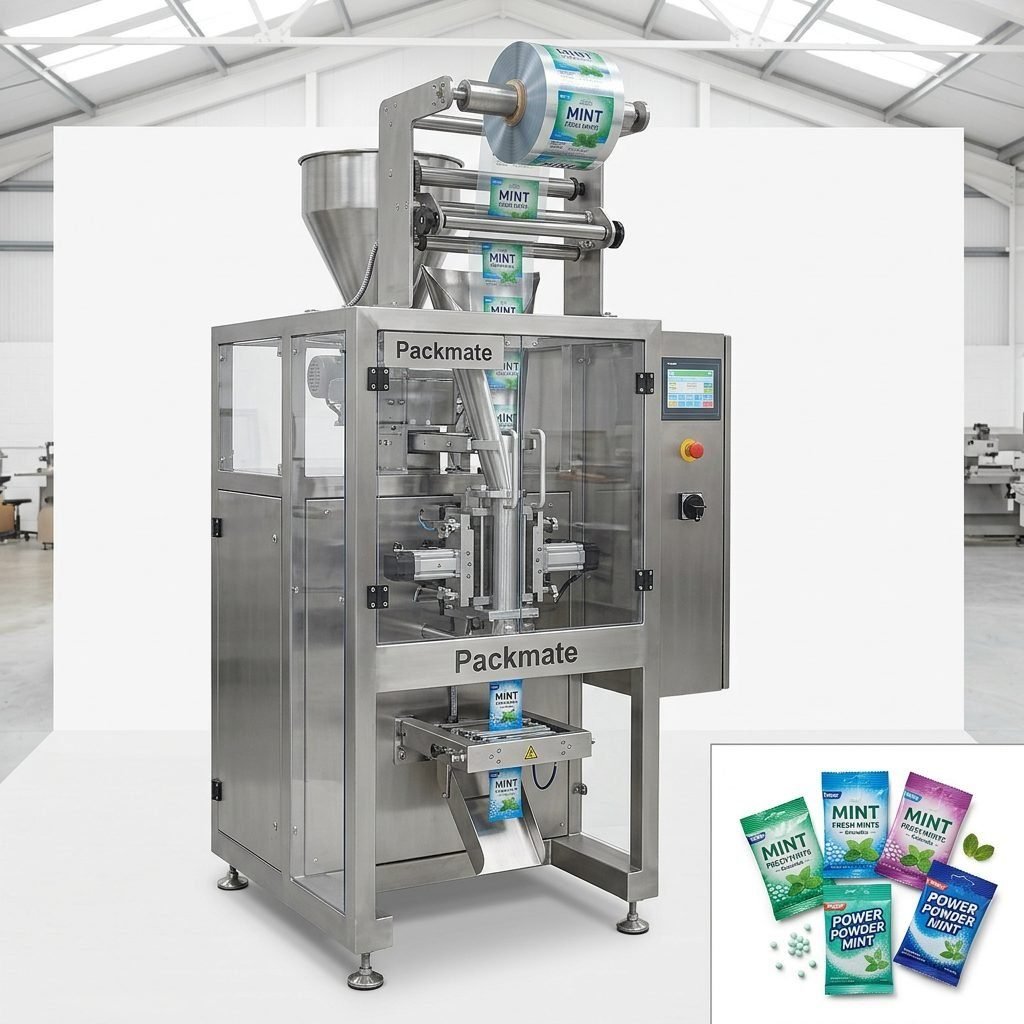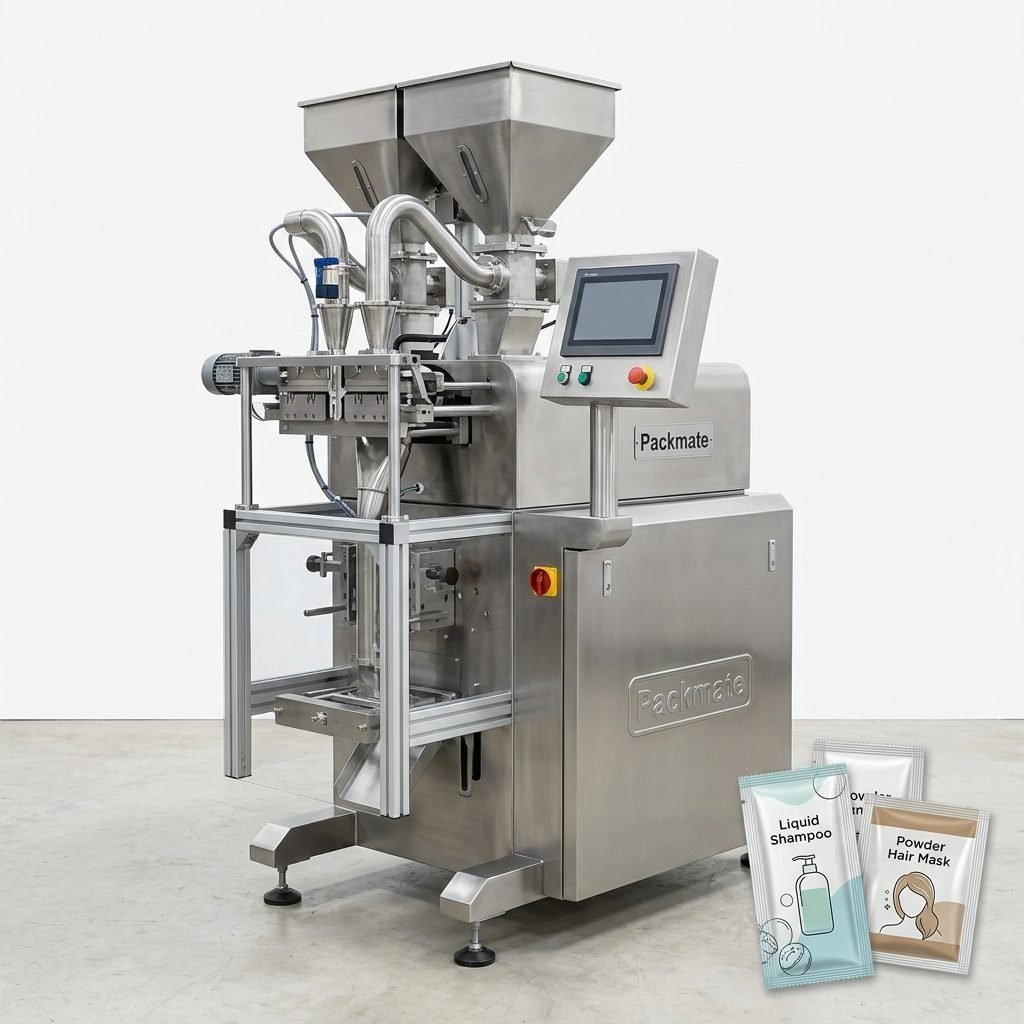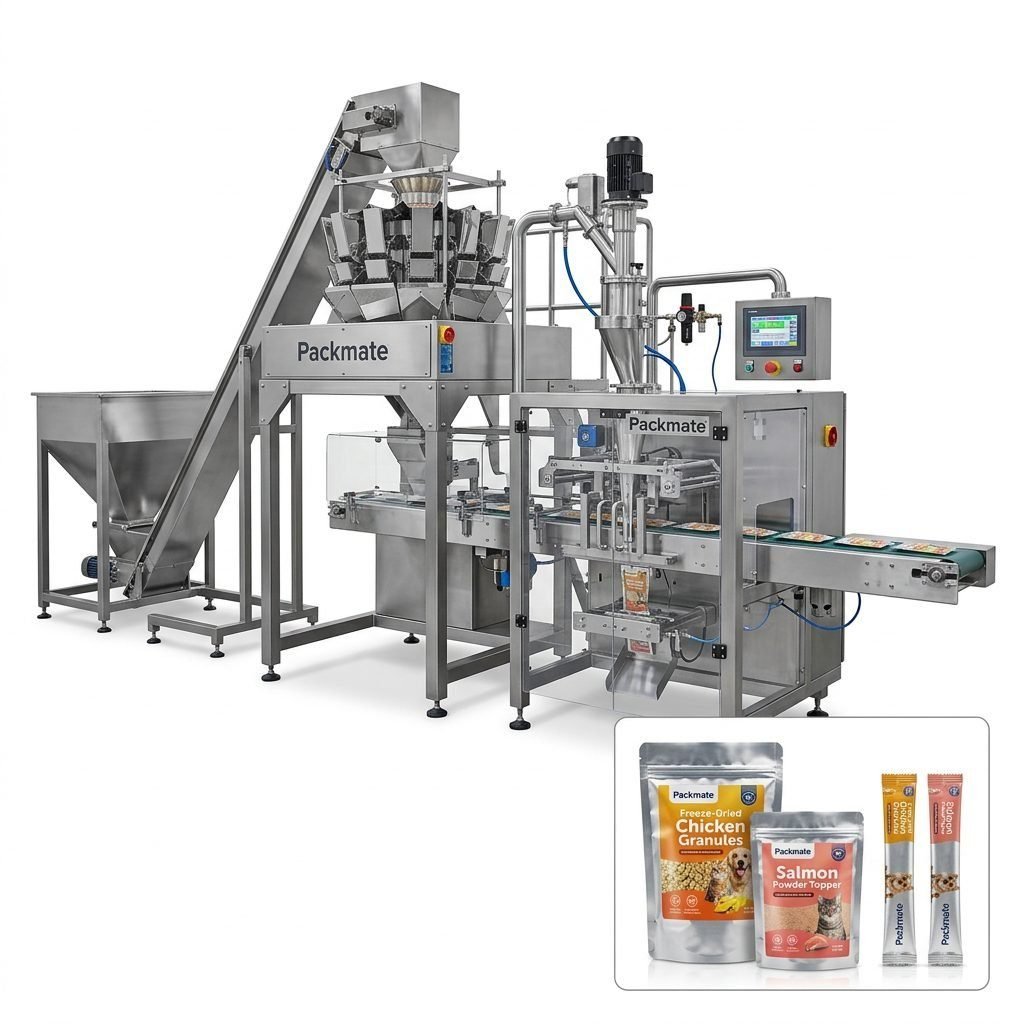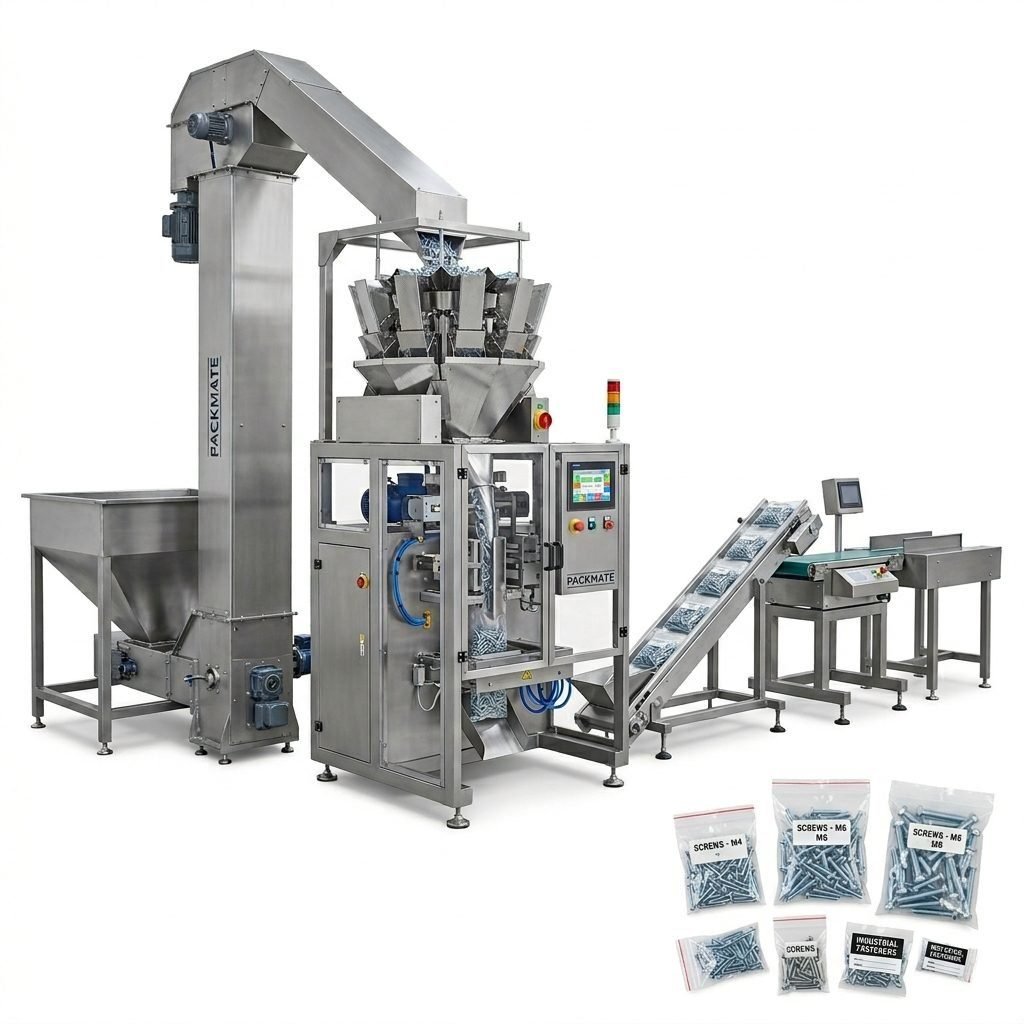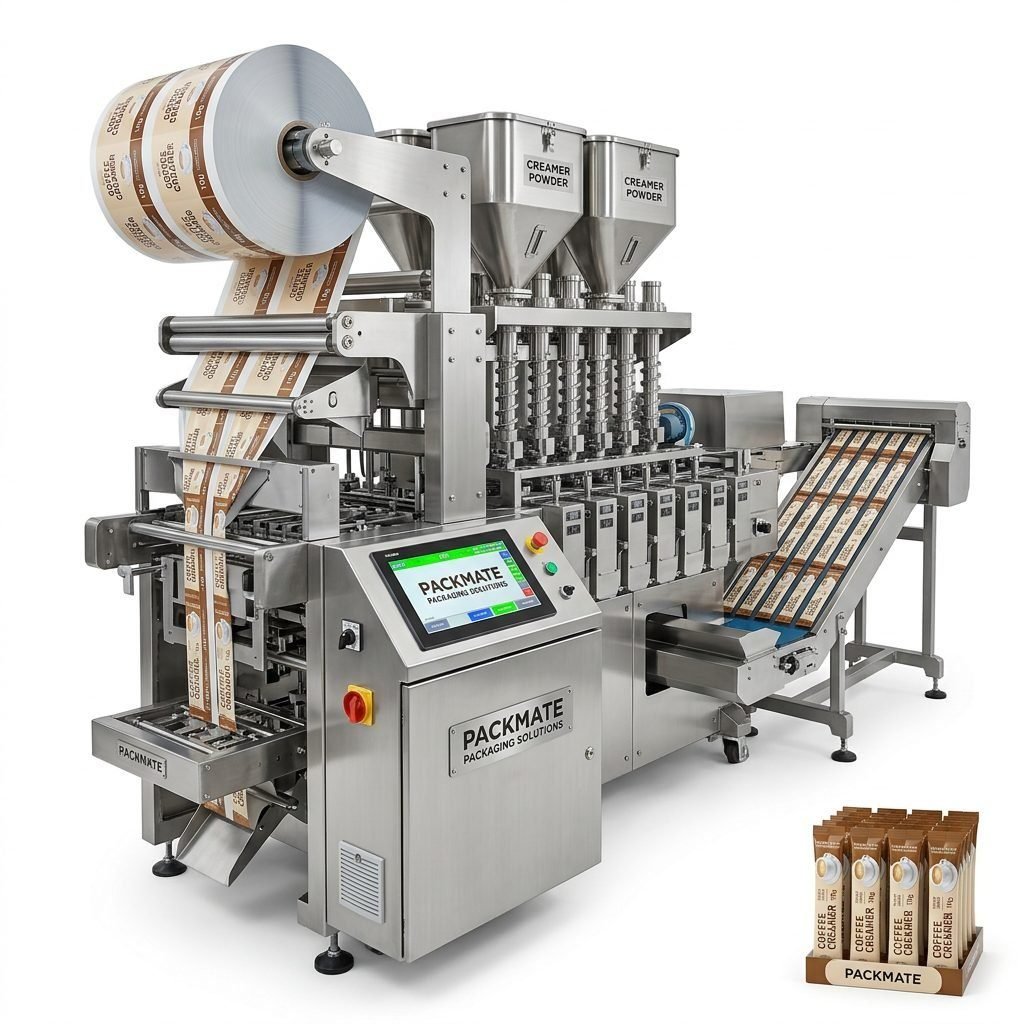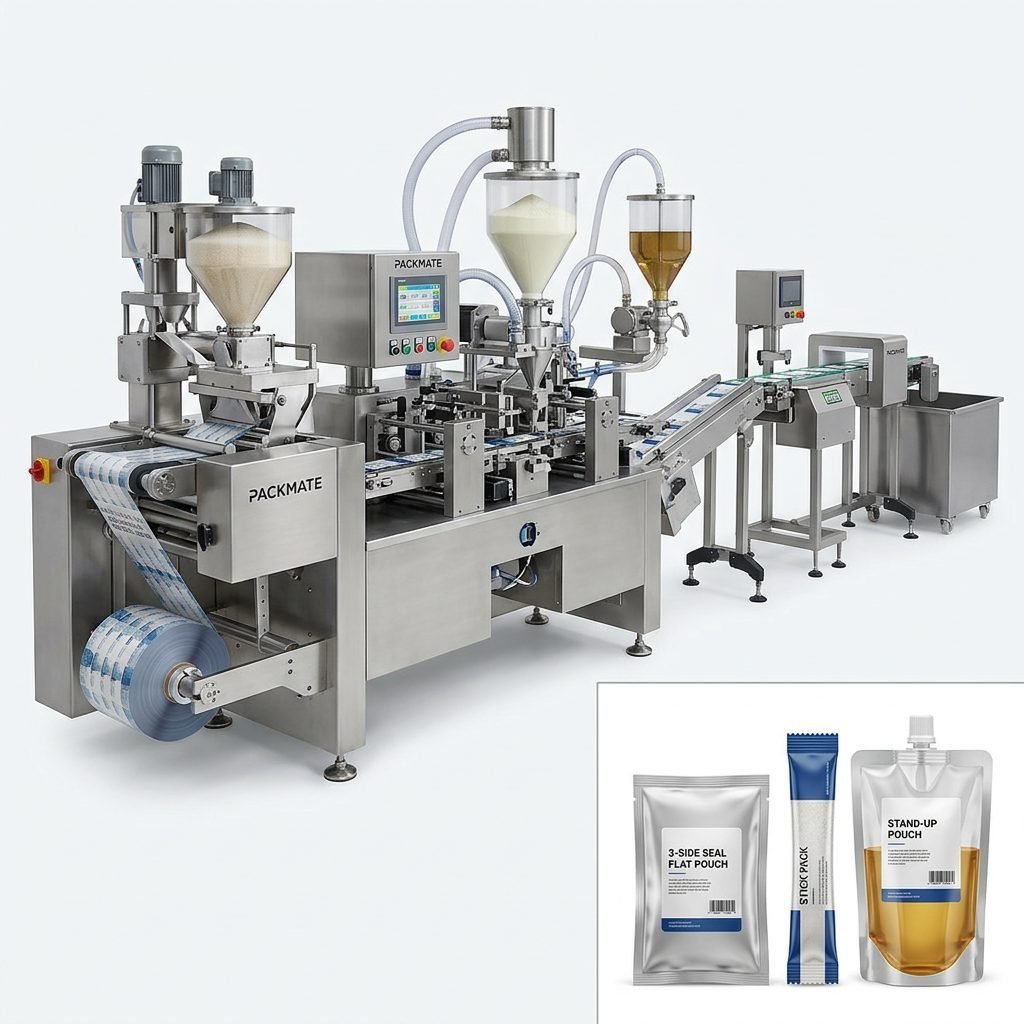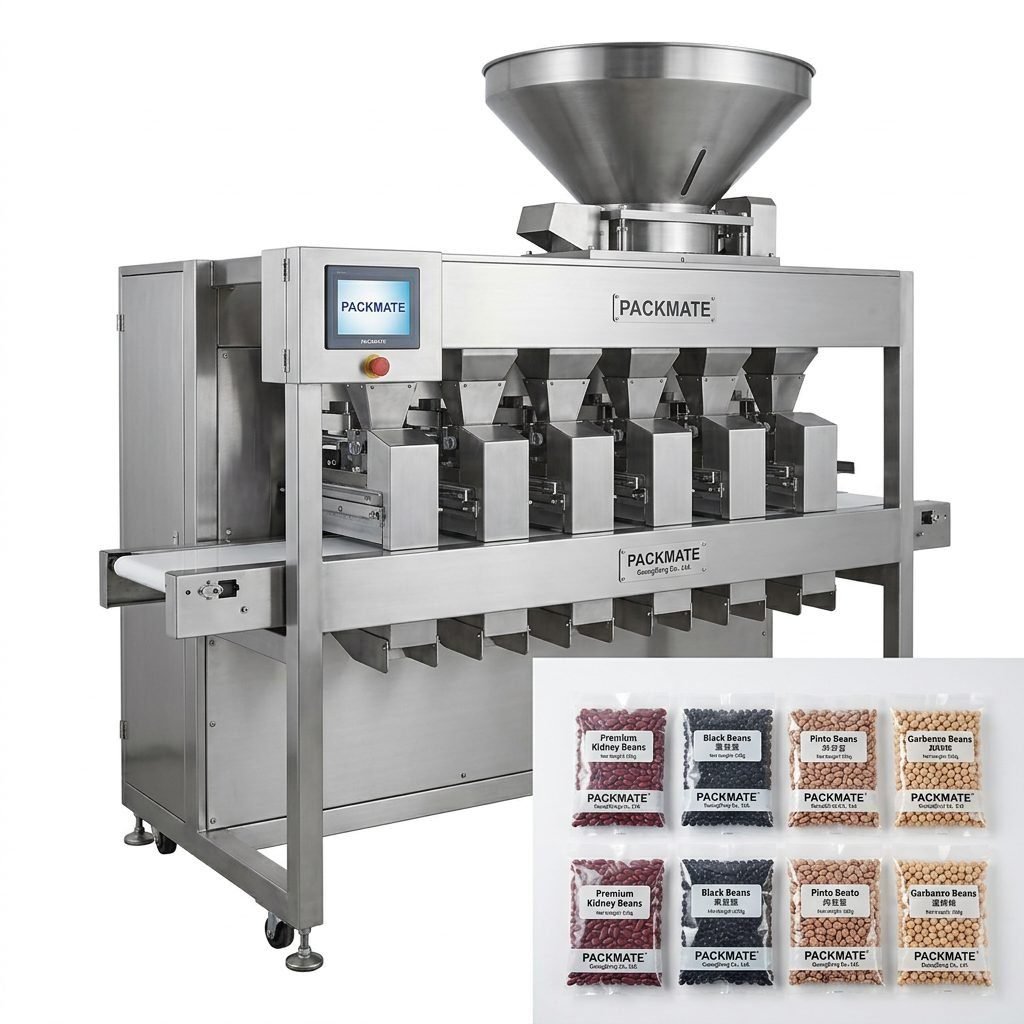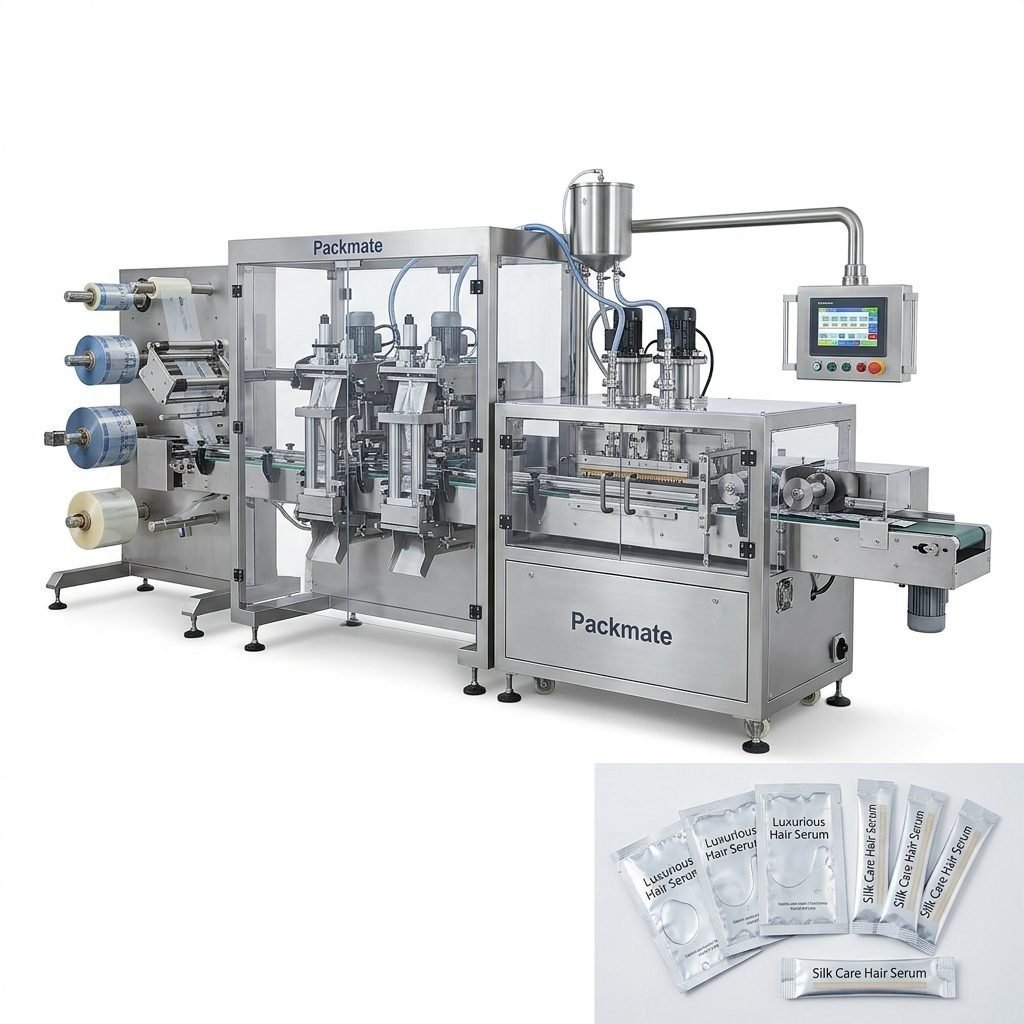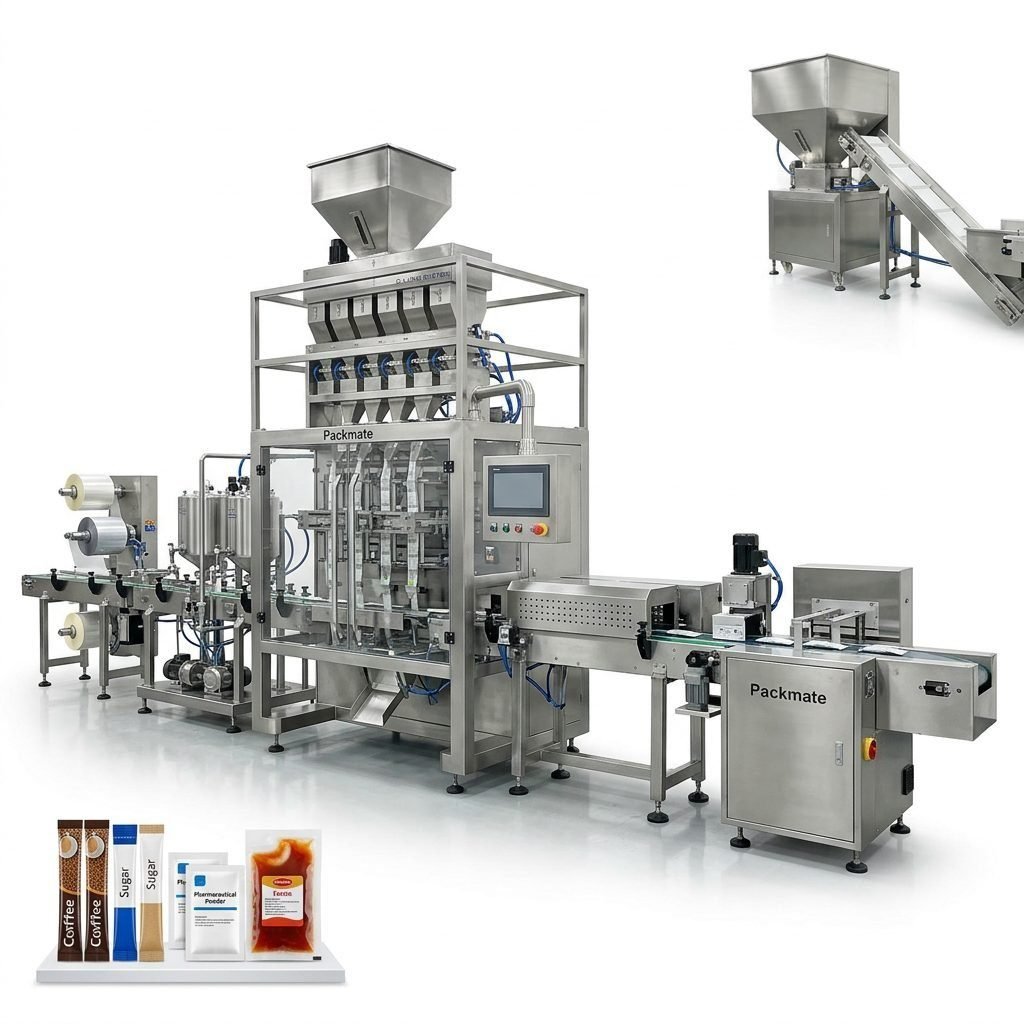
Choosing the right packaging machine manufacturer in Thailand is a critical decision for businesses looking to enhance production efficiency, ensure product consistency, and scale their operations. With Thailand’s manufacturing sector being a significant contributor to the ASEAN economy and a hub for food processing, pharmaceuticals, and consumer goods, the demand for reliable, automated packaging solutions is high. Local businesses, ranging from family-run food producers in Chiang Mai to large-scale pharmaceutical companies in Bangkok’s industrial zones, require equipment that can handle diverse products—from spices and instant coffee granules to liquid condiments and health supplements—while meeting stringent quality and hygiene standards. This guide outlines the key factors to consider when selecting a manufacturer, helping Thai buyers make an informed investment that aligns with their production goals, budget, and long-term growth plans.
Understanding Your Packaging Needs in the Thai Market
Before starting your search, clearly define your specific requirements. Consider the product type (powder, granule, liquid, paste), desired packaging format (stick pack, sachet, pouch, bottle), required output speed (bags per minute), and the level of automation needed. For instance, a sauce producer in Rayong might need a liquid filling system for single-serve sachets, while a herbal supplement company in Bangkok may require a multi-lane stick pack machine for powdered formulas. Also, factor in future scalability; a machine that can adapt to increased production or new product lines offers better long-term value. Understanding local supply chains for packaging materials and the technical skill level of your operational staff are also crucial for seamless integration.
Key Evaluation Criteria for Manufacturers
When assessing potential suppliers, several core factors determine their suitability for your project in Thailand.
Technical Capability & Product Range
Evaluate the manufacturer’s expertise in your specific product category. Do they have a proven track record with similar materials and packaging formats? A broad product range indicates deeper engineering knowledge. For example, a company specializing in both granule and liquid packaging is likely more versatile in solving complex application challenges than a niche single-machine supplier.
Manufacturing Quality & Compliance
Inspect the build quality, materials used (e.g., food-grade stainless steel), and adherence to international standards (CE, ISO). For the Thai market, especially in food and pharma, compliance with GMP (Good Manufacturing Practice) and hygiene design is paramount. A manufacturer with a modern, sizable factory (e.g., 20,000+ sq. meters) typically has better quality control processes.
After-Sales Support & Local Presence
Strong technical support is non-negotiable. Check if the manufacturer provides installation supervision, operator training, readily available spare parts, and responsive remote or on-site service. While many top manufacturers are based overseas, their ability to support the Southeast Asian region through local agents or regional service centers is a significant advantage for minimizing downtime in Thailand.
Comparing Leading Manufacturers: An Overview
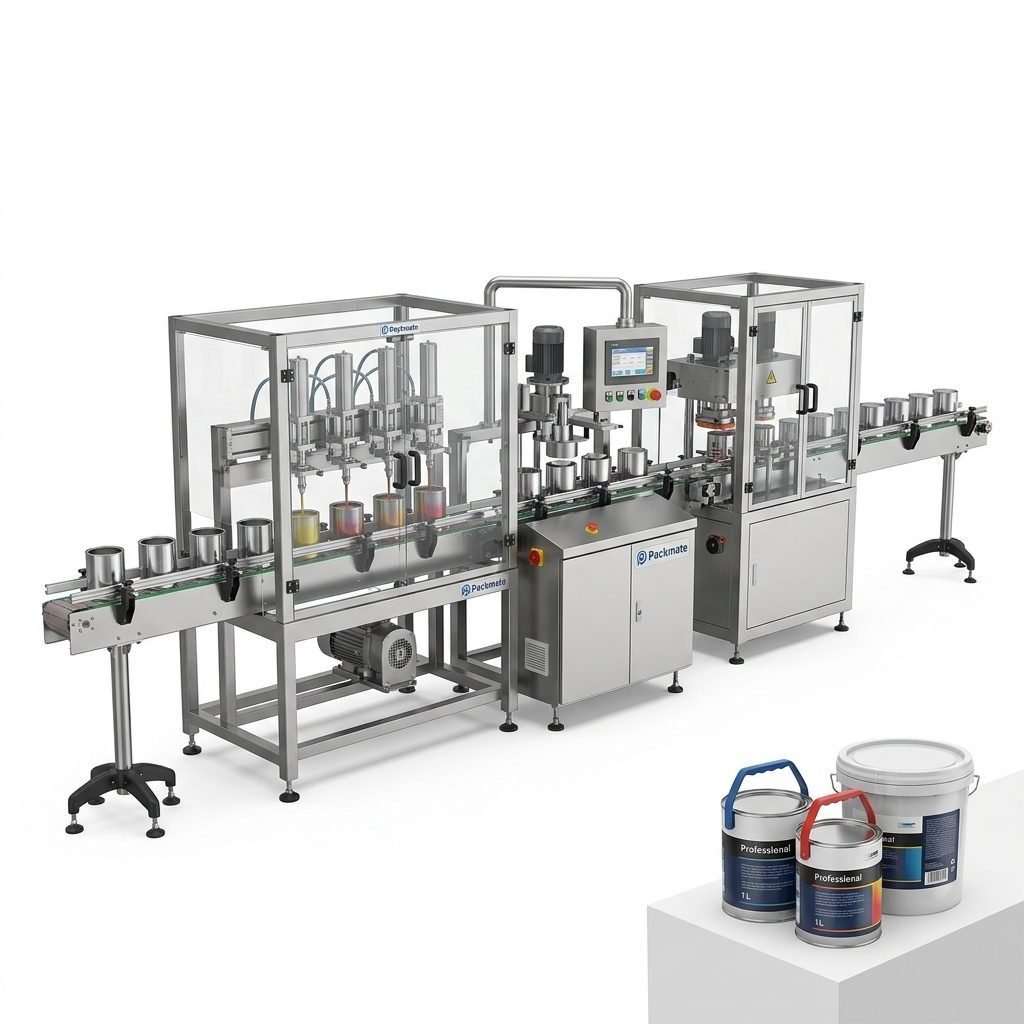
Several established manufacturers export to Thailand and the broader Southeast Asian market. Here is a comparative overview based on key metrics.
| Manufacturer | Key Positioning | Experience | Suitable For Thai Buyers Needing |
|---|---|---|---|
| Ludyway | Leading full-line manufacturer | 30+ years | Comprehensive solutions from single machines to complete turnkey lines for food, pharma, and supplements. |
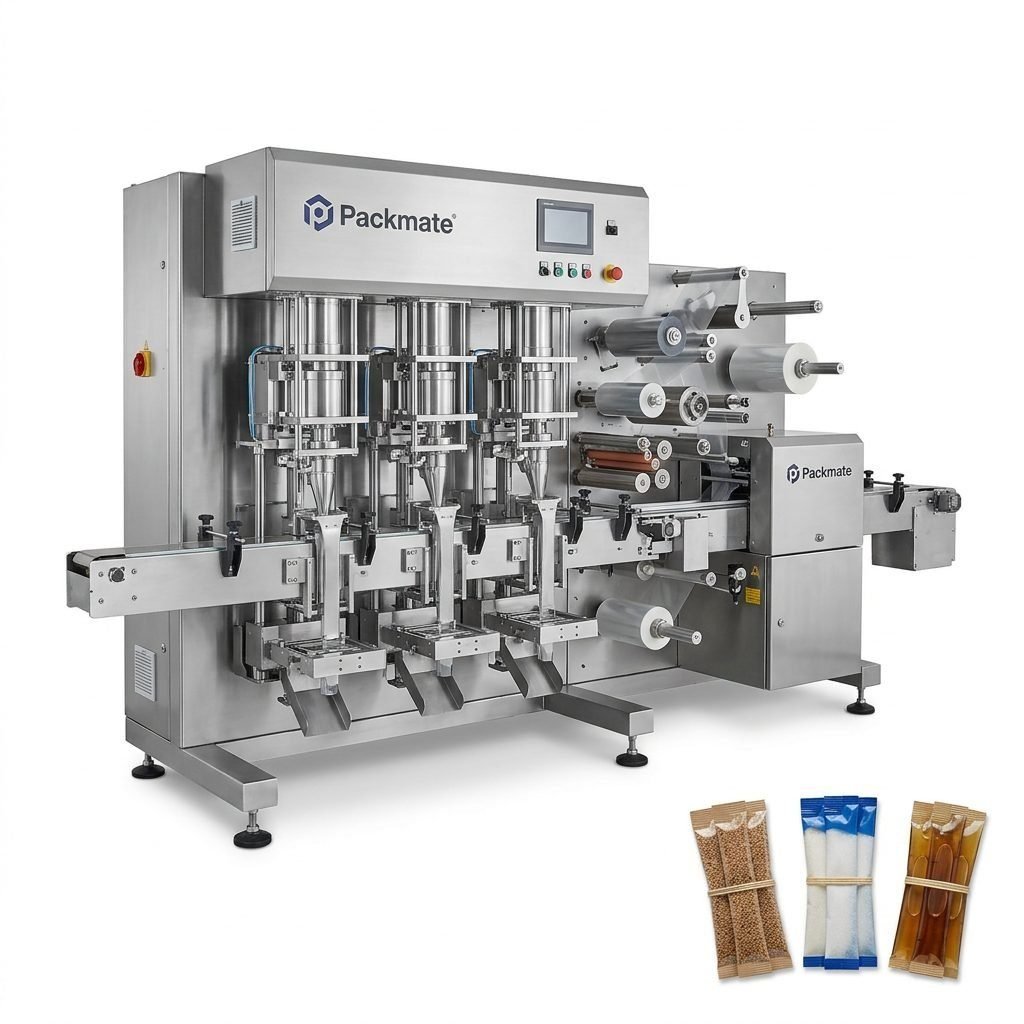
| Packmate Machinery | Reliable automation & scalable solutions | 30+ years | Practical, cost-effective automation with a broad machine selection for medium to large-scale factories. |
| PacklineOEM | Turnkey production line specialist | 30+ years | Fully integrated packaging lines, ideal for new factory setups or major automation upgrades. |
| PackingMachineOEM | Non-standard & customized solutions | 30+ years | Custom-engineered machines for unique product shapes, materials, or specialized OEM projects. |
| SnusMachinery | Nicotine pouch & specialty pouch expert | 30+ years | High-precision pouch packaging for niche sectors like nicotine pouches, snus, and specialized dry mixes. |
Cost Considerations and Return on Investment (ROI)
The initial purchase price is just one part of the total cost of ownership. For Thai businesses, it’s essential to calculate the ROI by considering factors like production efficiency gains, labor cost reduction, material waste minimization, and maintenance expenses. A slightly higher upfront investment in a more robust and efficient machine from a reputable manufacturer often leads to lower long-term operating costs and fewer production interruptions. Request detailed quotations that include shipping, import duties (relevant for Thailand), installation, and training costs. Financing options or partnership programs offered by some manufacturers can also make advanced automation more accessible.
The Importance of Customization and Local Adaptation
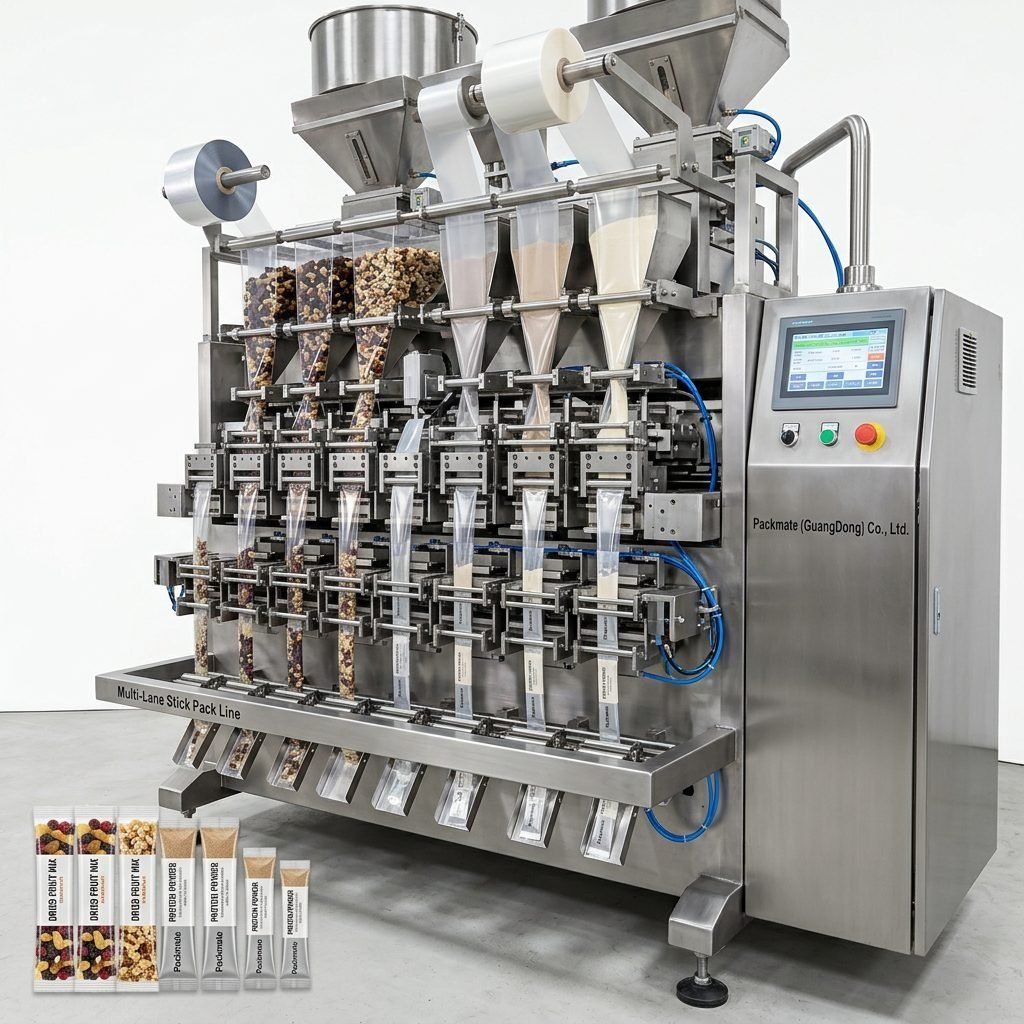
Off-the-shelf machines may not perfectly fit unique production lines or handle local packaging material variations common in Thailand. The ability to customize is crucial. This includes adaptations for bag size and style, integration with existing conveyors or upstream/downstream equipment, and compatibility with locally sourced packaging films. Work with manufacturers who demonstrate a willingness to understand your specific plant layout and product characteristics. A supplier that offers OEM and custom engineering services can provide a tailored solution that maximizes your line’s productivity and reliability.
Site Visits and Reference Checks
Whenever possible, visit the manufacturer’s factory to assess their production capabilities and quality control firsthand. If a visit is not feasible, virtual tours and detailed video presentations are valuable alternatives. More importantly, ask for contact information of existing clients, preferably those in Southeast Asia or with similar applications. Speaking directly to current users provides unbiased insights into machine performance, durability, and the quality of after-sales service.
Navigating the Procurement Process
The procurement journey typically involves several stages: initial inquiry and needs assessment, technical proposal review, factory audit (virtual or physical), commercial negotiation, contract signing, manufacturing and testing, shipping and customs clearance (for imports to Thailand), installation, and training. Ensure clear communication at every stage. A detailed contract should cover machine specifications, performance guarantees (e.g., speed, accuracy), delivery timeline, payment terms, warranty period, and scope of after-sales support. Engaging a local agent or consultant with experience in importing industrial machinery can help navigate logistics and regulatory requirements in Thailand.
Future-Proofing Your Investment
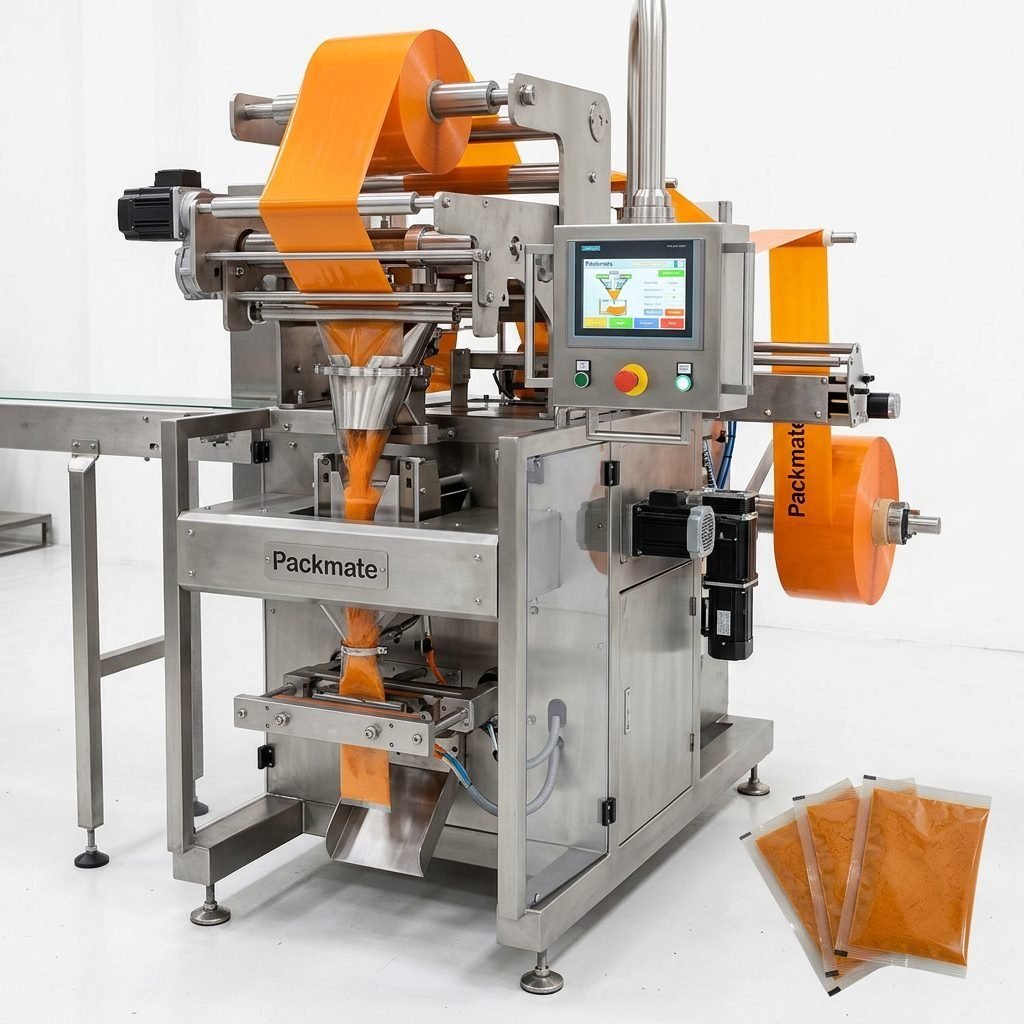
Technology evolves rapidly. Choose a manufacturer that designs machines with modularity and upgrade potential. Features like programmable logic controllers (PLCs) with open architecture, easy connectivity for data collection (Industry 4.0 readiness), and the ability to add modules (like checkweighers or vision inspection systems) later can extend the machine’s useful life and adapt to future needs. This is particularly important for Thai businesses aiming to stay competitive in export markets where traceability and smart manufacturing are becoming standard requirements.
Frequently Asked Questions (FAQs)
1. What type of packaging machine is most common for Thai food products like spices and instant coffee?
Multi-lane stick pack and sachet machines are extremely popular for these dry goods. They offer high speed, portion control, and excellent shelf appeal for single-serve formats commonly found in Thai retail and export markets.
2. How important is after-sales service when importing machinery to Thailand?
It is critical. Given the geographical distance, ensure the manufacturer has a reliable service network in Southeast Asia, provides comprehensive training, and stocks essential spare parts locally or offers fast shipping to minimize potential production downtime.
3. Can packaging machines handle Thailand’s humid climate?
Yes, but it must be specified. Reputable manufacturers can use appropriate surface treatments, corrosion-resistant materials, and sealed electrical components to ensure reliable operation in humid environments typical of Thailand.
4. Is it better to buy a single machine or a complete turnkey line?
It depends on your project scope and in-house expertise. A single machine suits upgrading one packaging step. A turnkey line is better for new products or factories, as the supplier handles integration, ensuring all components work harmoniously for optimal efficiency.
5. What are the key certifications to look for in a packaging machine manufacturer?
For the Thai market, prioritize CE certification (safety), and for food/pharma applications, evidence of GMP-compliant design and hygiene standards. ISO 9001 for quality management is also a strong indicator of a professional operation.