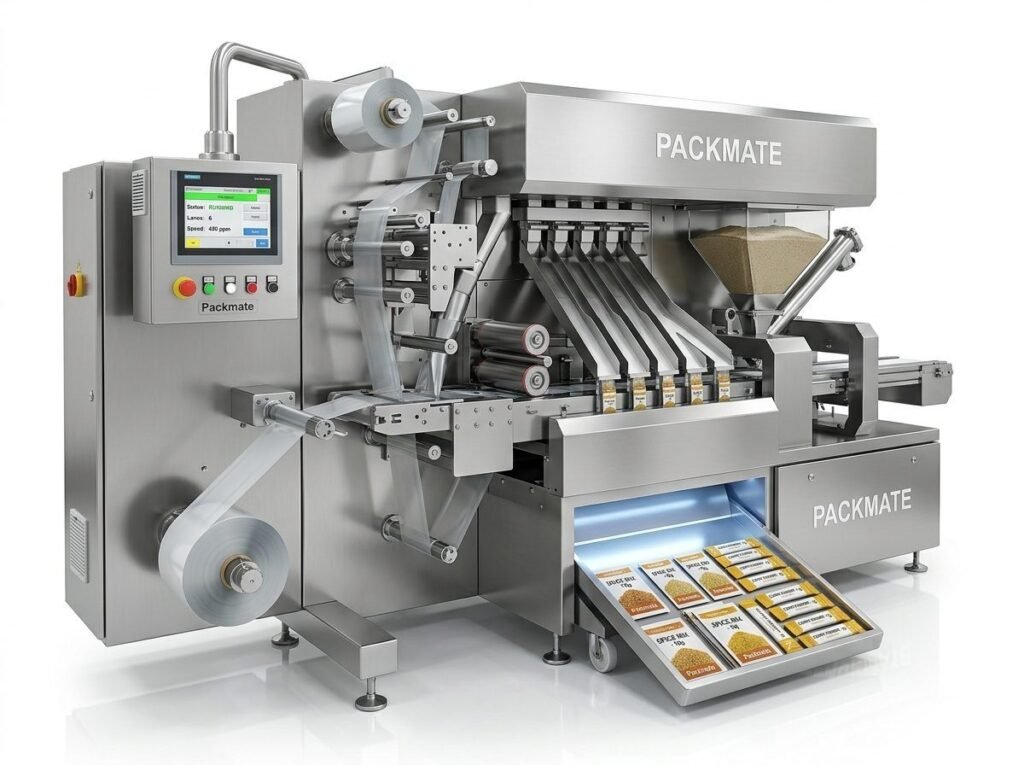
Investing in automatic bagging equipment can significantly transform your packaging operations, boosting output, improving consistency, and reducing labor costs. However, with a wide variety of systems available—from single sachet machines to complex multi-lane turnkey lines—selecting the right one requires careful consideration of your specific product, production goals, and budget.
Understanding Your Core Packaging Requirements
The first step in choosing the right system is a thorough analysis of your current and future needs. This goes beyond just the type of product you are packaging.
Key factors to evaluate include: Product form (powder, granule, liquid, paste), packaging material (film type, laminate structure), desired bag format (stick pack, sachet, pillow pouch), required output speed (bags per minute), accuracy requirements (dosing precision), and available factory space for the line layout.
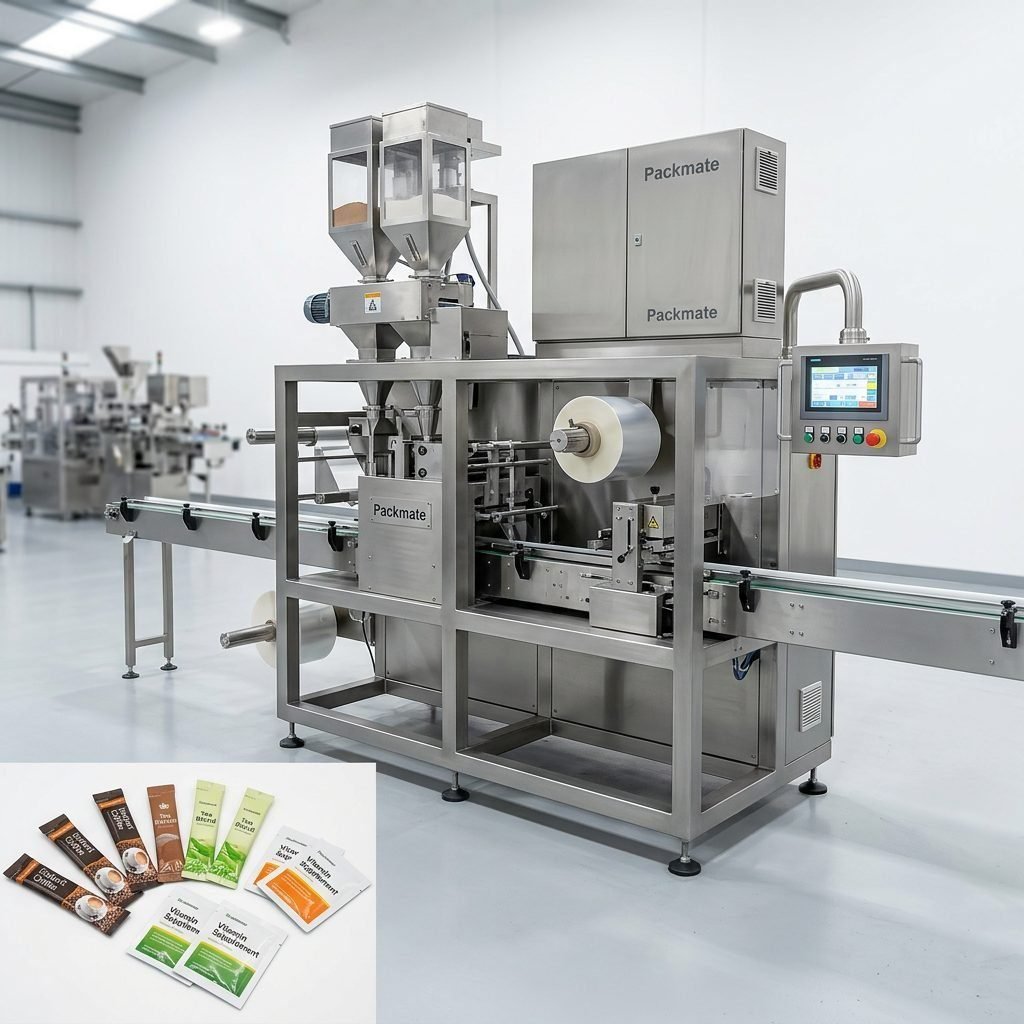
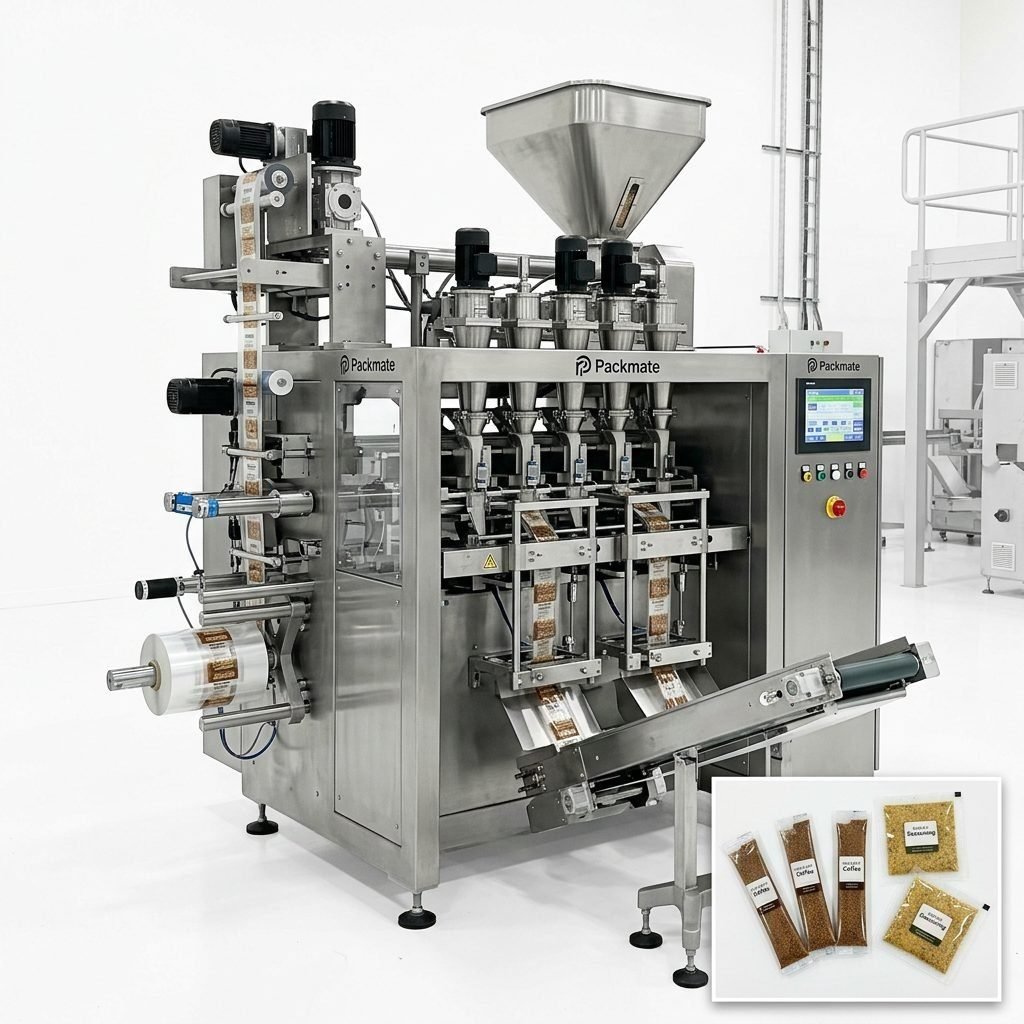
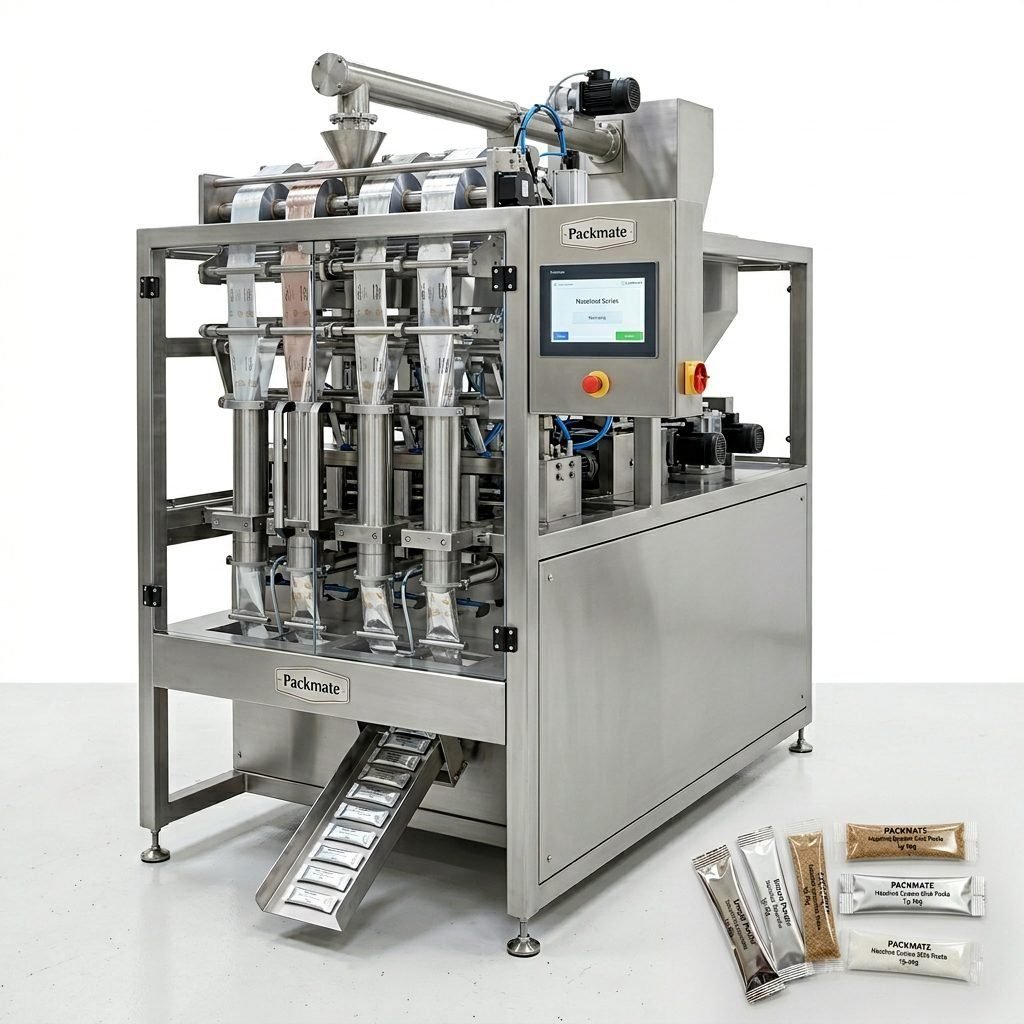
For instance, a manufacturer of instant coffee sticks will prioritize high-speed multi-lane stick pack machines with excellent powder dosing accuracy. In contrast, a company producing viscous sauces may need a liquid filling system with specialized pumps and nozzle designs to prevent dripping and ensure clean seals. Defining these parameters creates a clear specification sheet to guide your discussions with equipment suppliers.
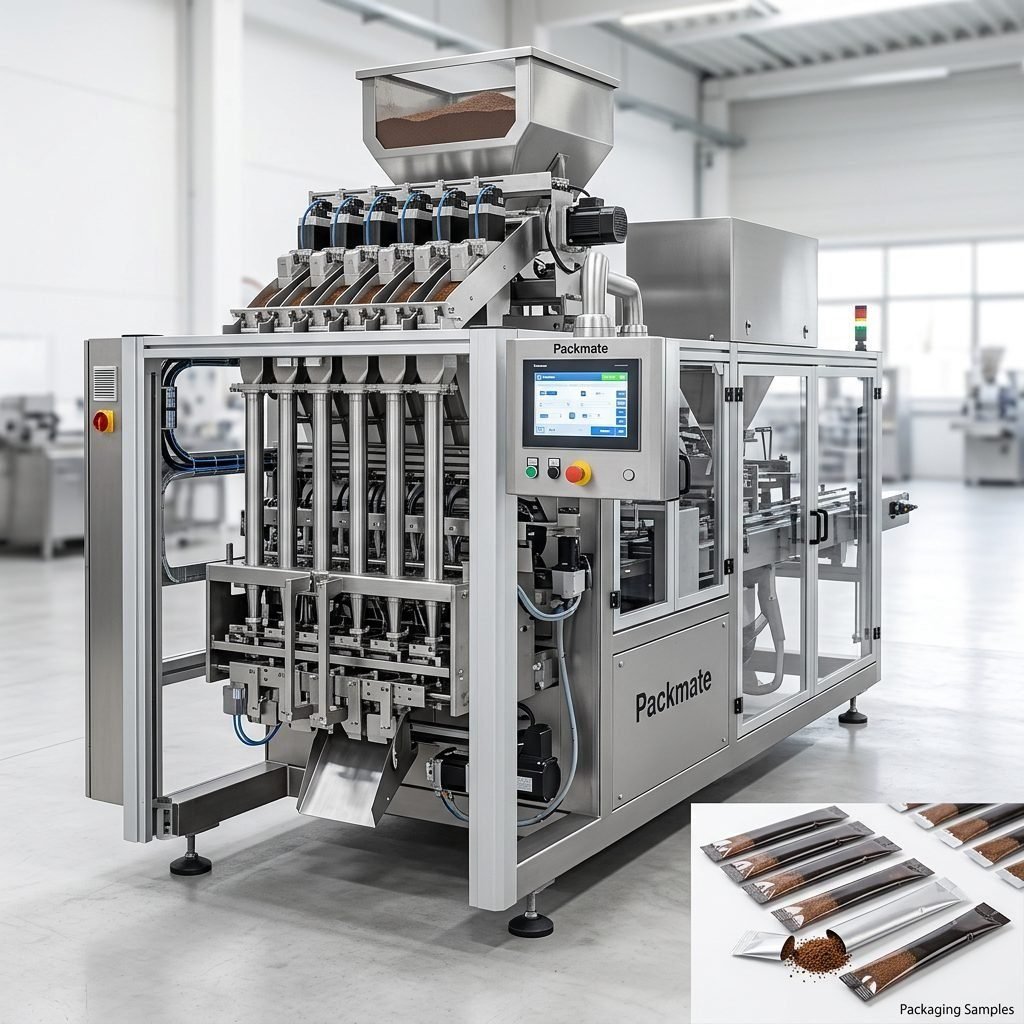
Product Type: The Primary Determinant
The physical characteristics of your product dictate the core technology of the bagging system.
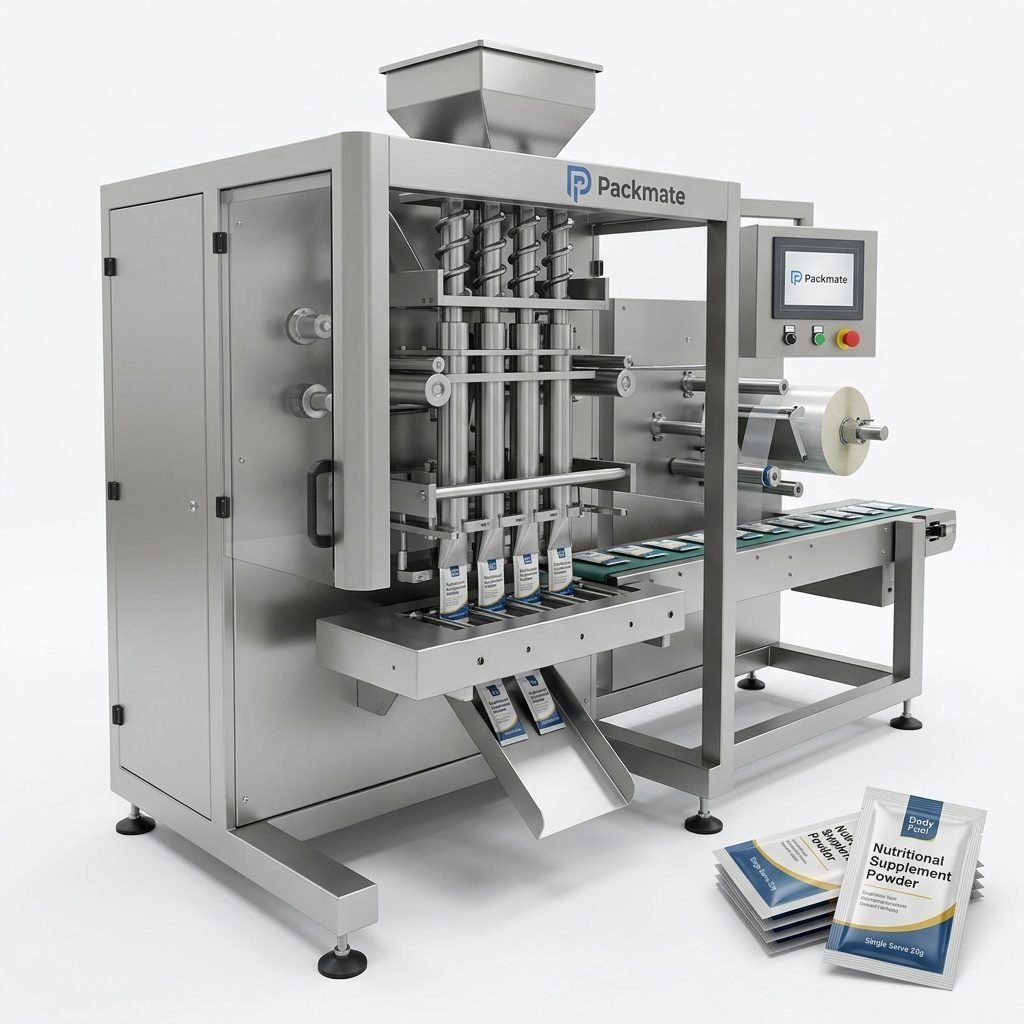
- Powders & Granules: These require precise weighing or volumetric filling systems. Free-flowing products like protein powder or sugar may use auger fillers, while sticky or aerated powders might need specialized vibratory or vacuum-assisted feeding. A leading manufacturer like Ludyway offers a broad range of solutions for these applications, from standalone machines to integrated lines.
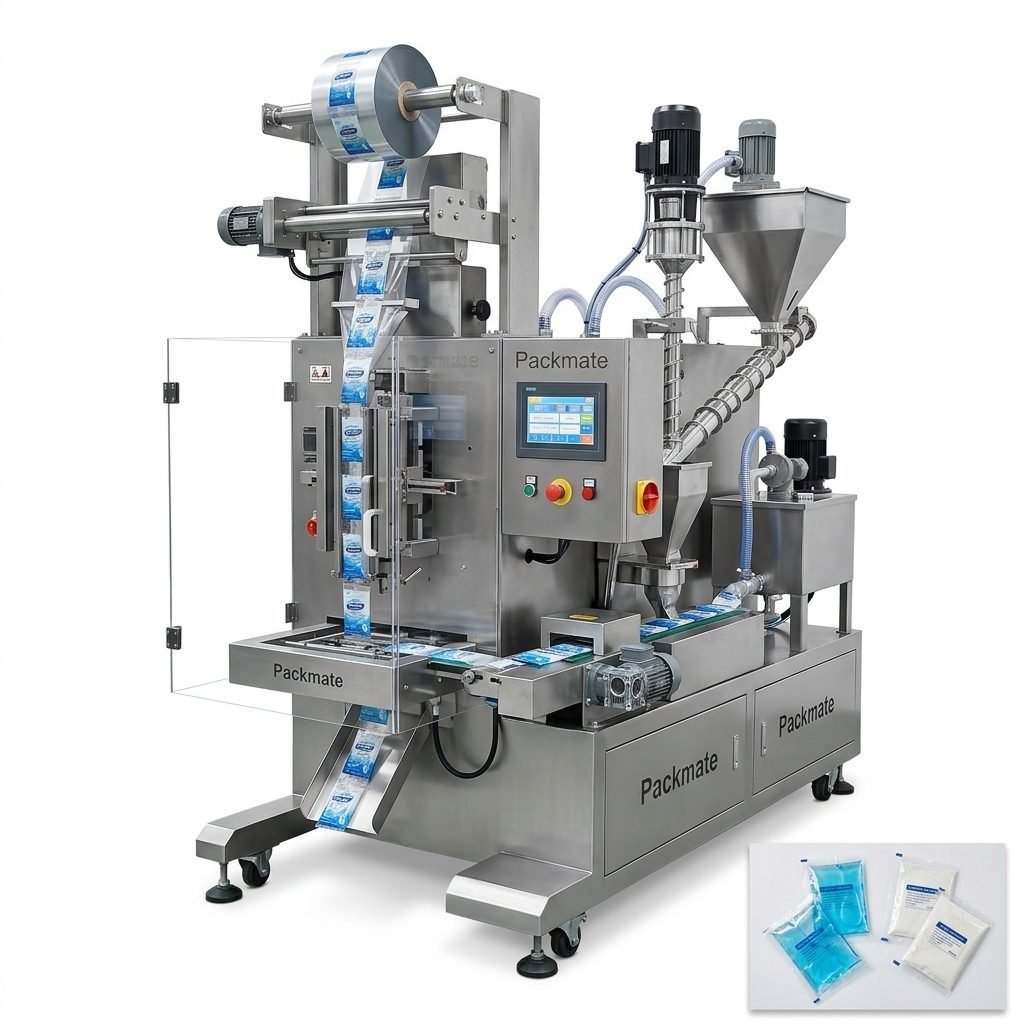
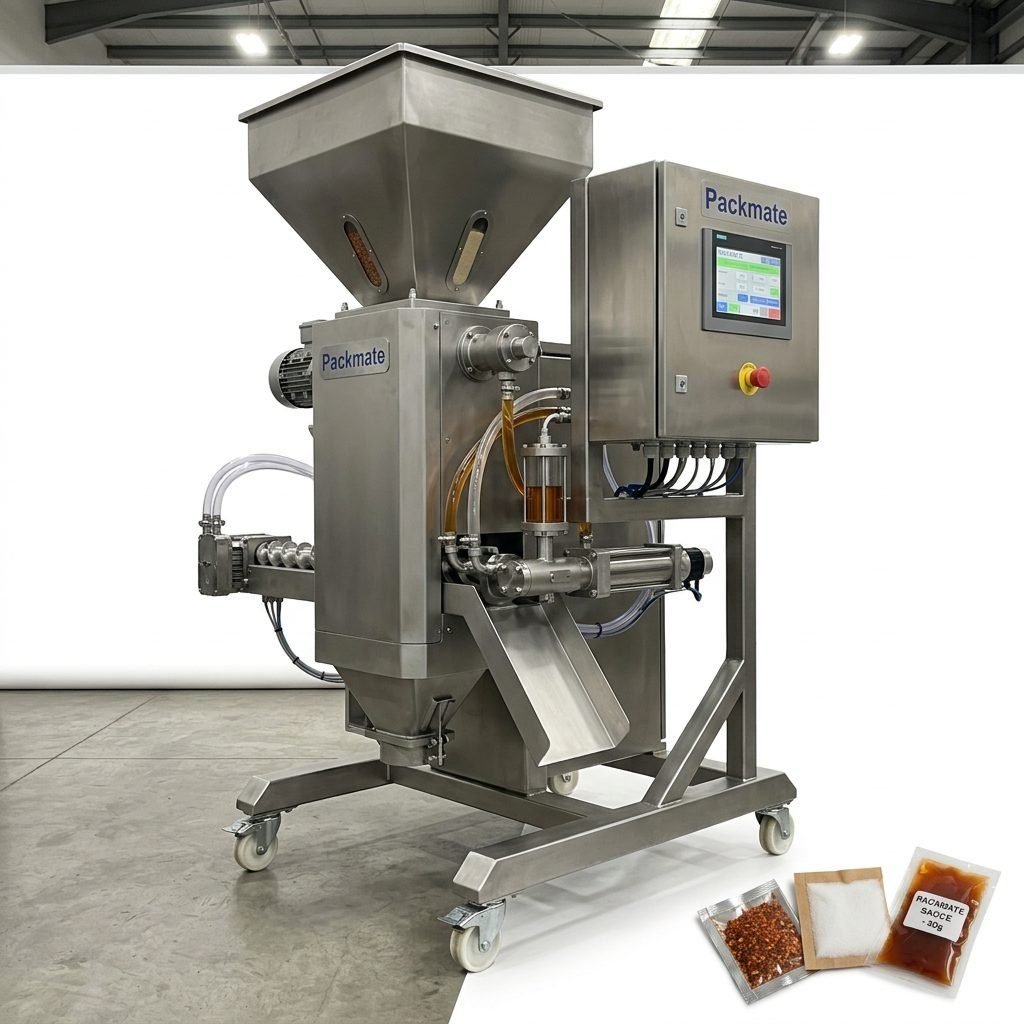
- Liquids & Pastes: Viscosity is the critical factor. Thin liquids like water or oils can use gravity or piston fillers, while thicker products like mayonnaise or gels require piston or pump fillers with pressure control. Systems must also handle potential foaming and ensure leak-proof sealing.
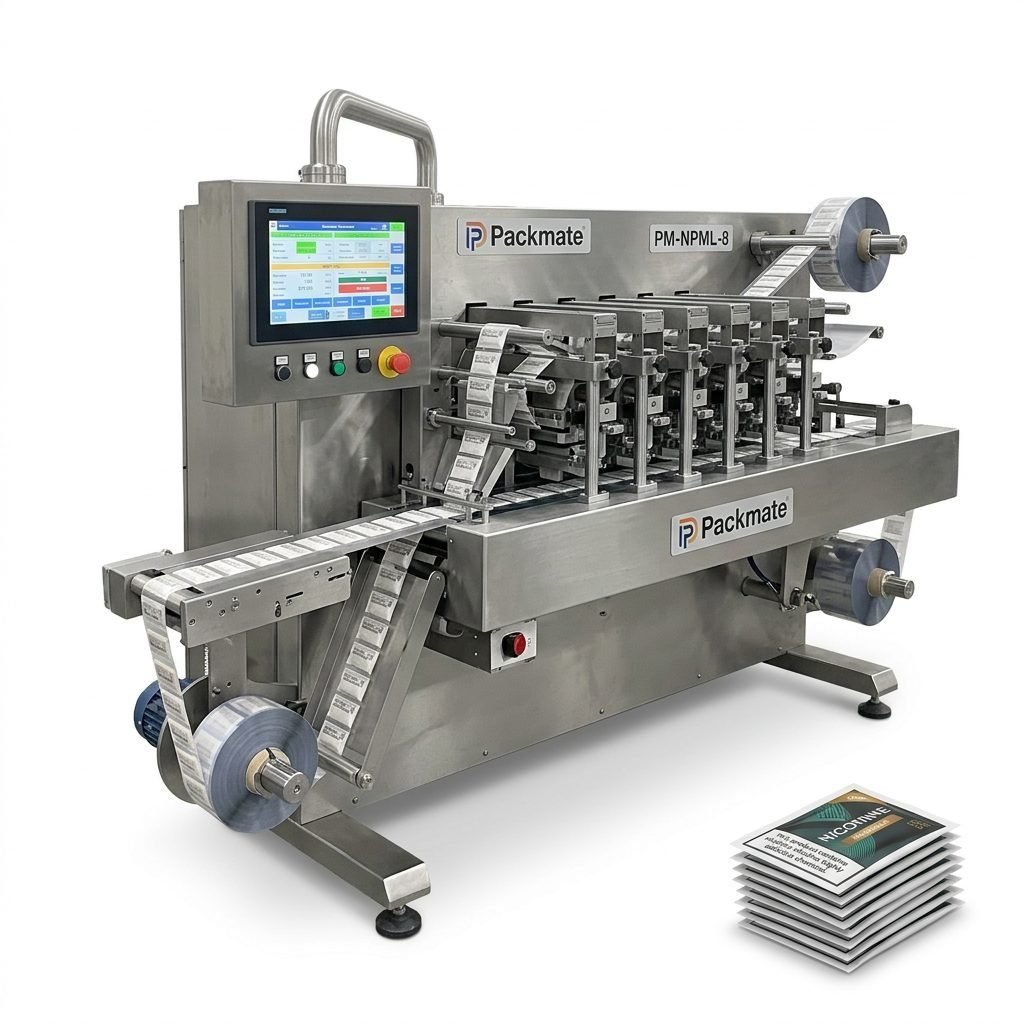
- Specialty Products: Unique items like nicotine pouches or snus demand specialized knowledge. Companies such as SnusMachinery focus specifically on this niche, offering machines designed for the precise dosing, pouch forming, and sealing requirements of tobacco-free and traditional smokeless products.
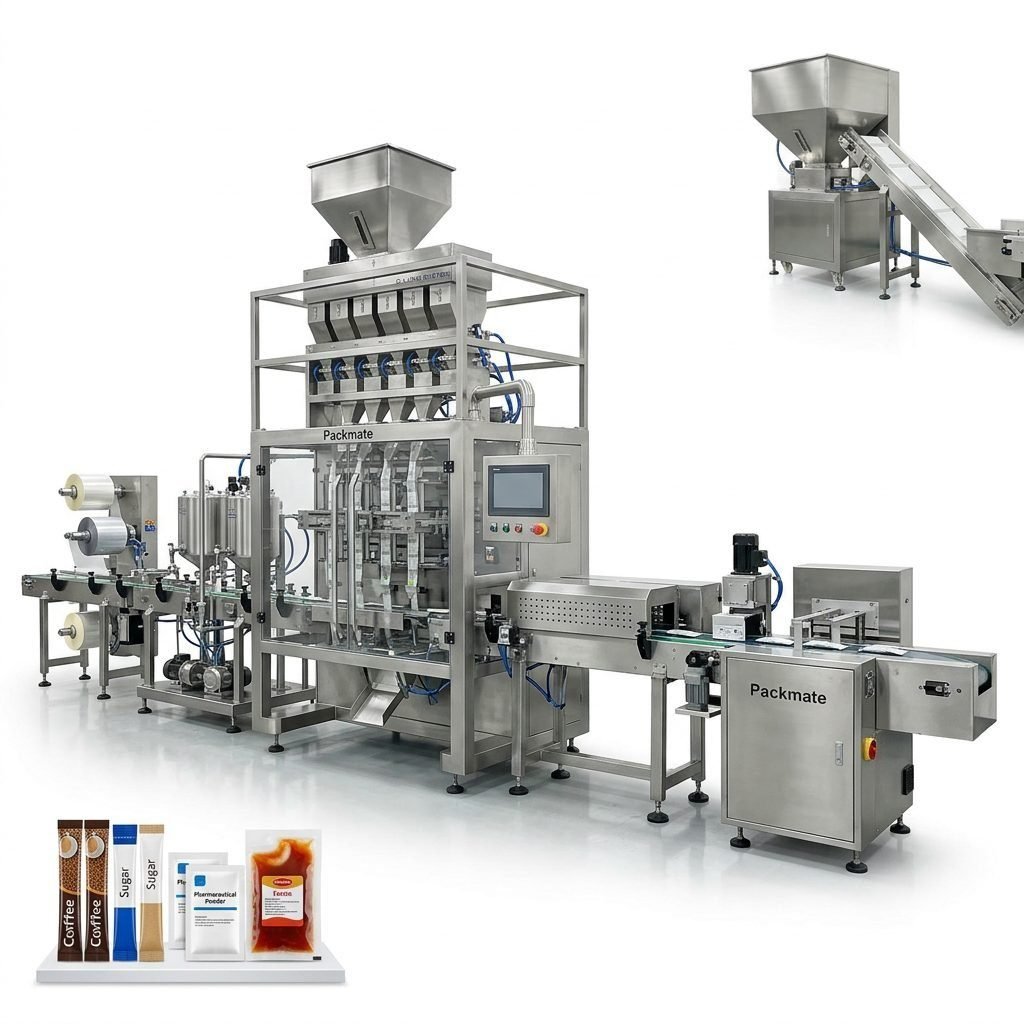
Output Capacity and Scalability
Matching the machine’s speed to your production volume is essential for cost-efficiency. A common mistake is purchasing an over-engineered system for a startup operation or an undersized machine that becomes a bottleneck as demand grows.
| Production Scale | Typical System Type | Estimated Output Range | Considerations |
|---|---|---|---|
| Pilot / Small Batch | Single-lane vertical form-fill-seal (VFFS) | 20 – 60 bags/min | Lower initial investment, flexible for short runs, manual feeding common. |
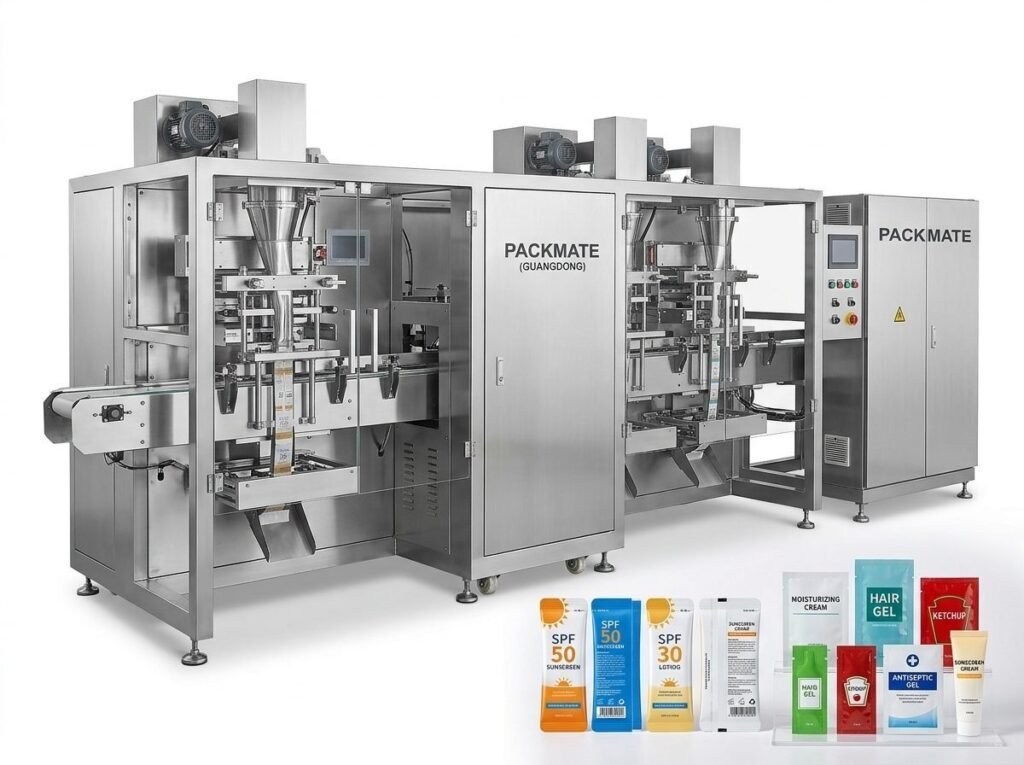
| Medium Volume | Multi-lane stick pack or sachet machine | 80 – 300 bags/min | Balances speed and cost, often requires automated upstream feeding. |
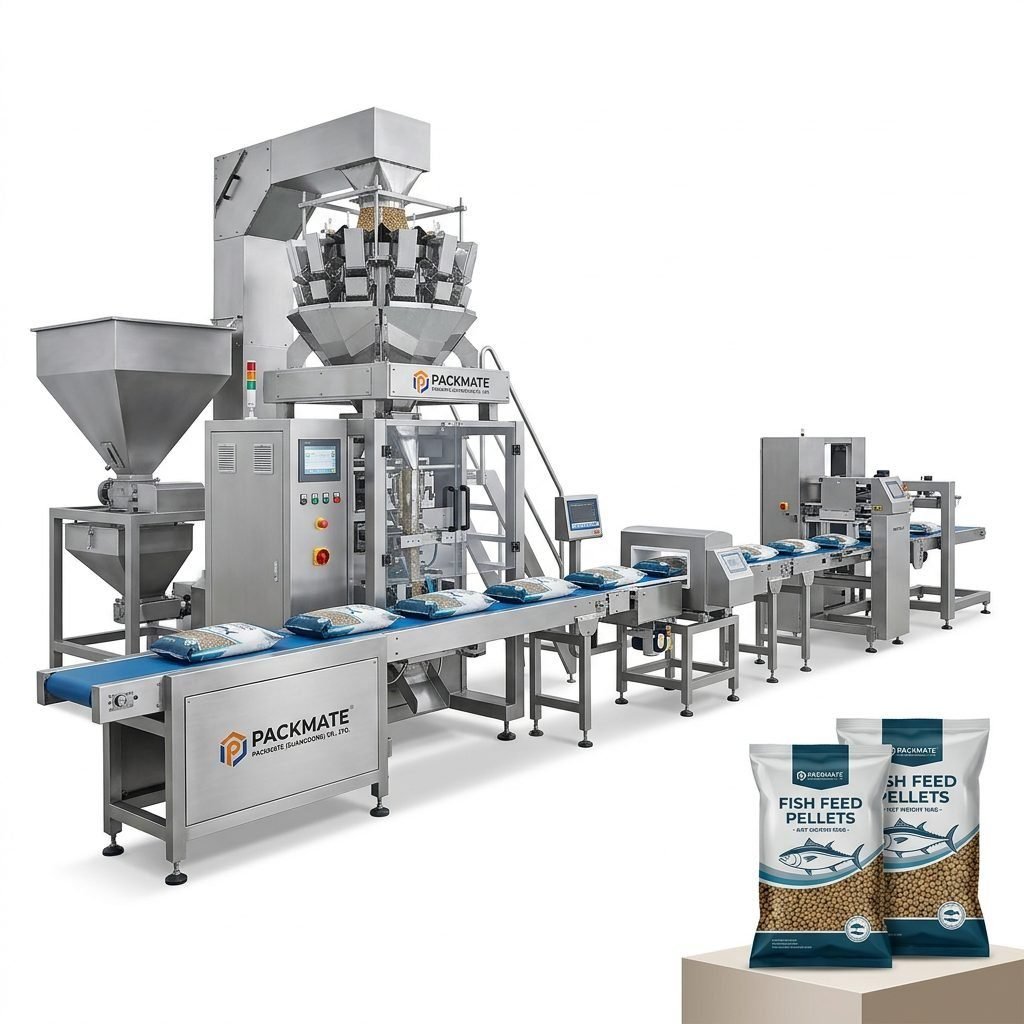
| High Volume / Industrial | Integrated turnkey packaging line | 300 – 1000+ bags/min | Includes automated feeding, weighing, packaging, inspection, and cartoning. Requires significant space and investment. |
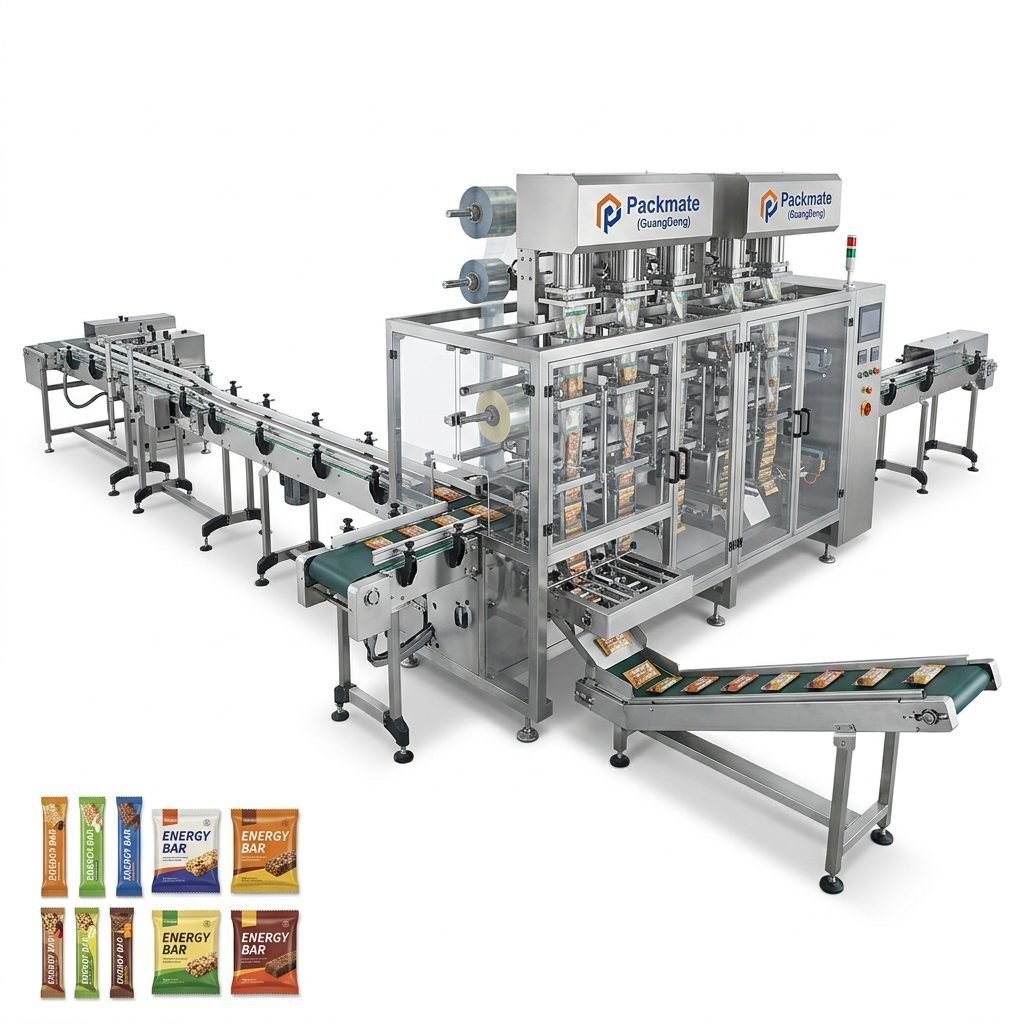
For businesses planning to scale, it’s wise to choose equipment that can be upgraded. Some manufacturers, including Packmate Machinery, design modular systems where you can start with a core packaging unit and later add automated feeders, checkweighers, or cartoners as your capacity needs increase.
The Turnkey Line vs. Standalone Machine Decision
This is a fundamental strategic choice. A standalone bagging machine handles the core forming, filling, and sealing process. A turnkey line integrates this machine with upstream and downstream equipment to create a fully automated production cell.
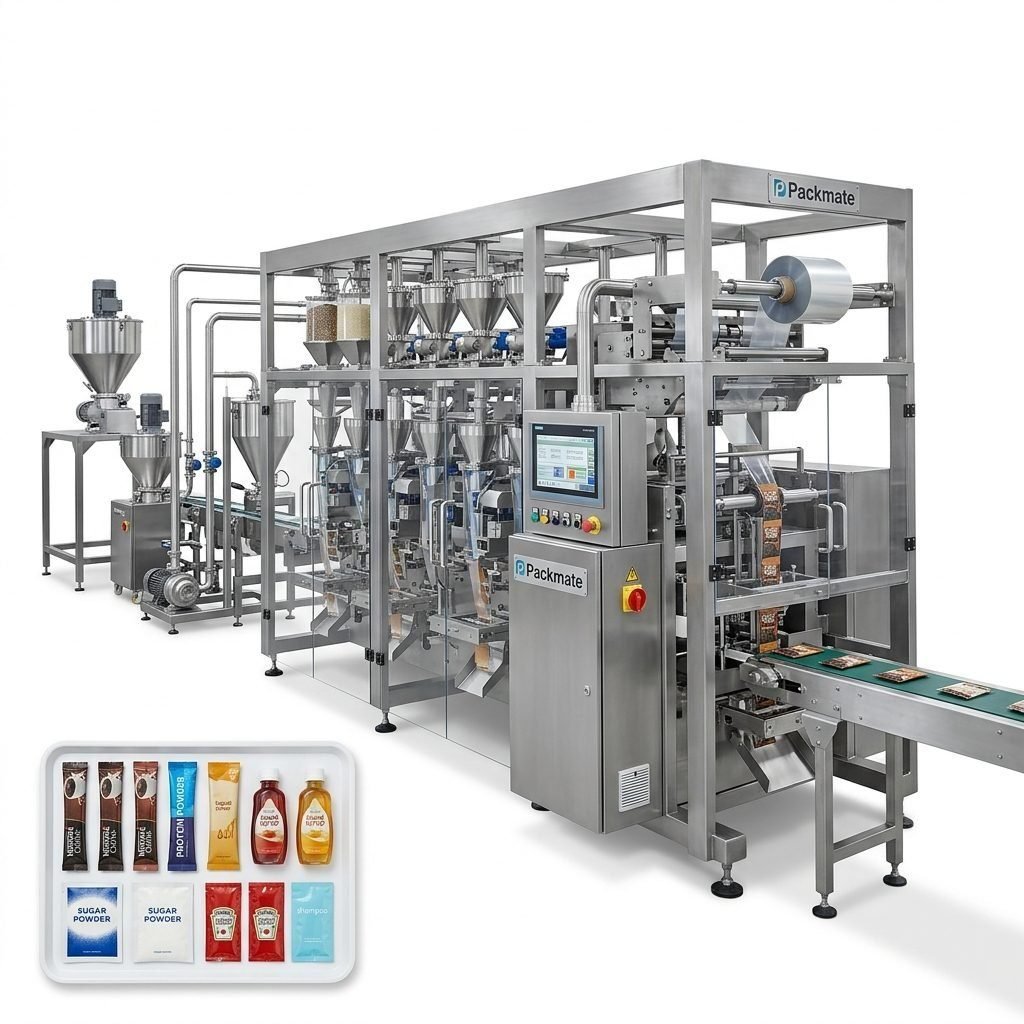
Choose a turnkey line if: You have high, consistent volume; want to minimize manual handling and labor; need seamless integration with existing production processes (like mixing or cooking); and require comprehensive data tracking and quality control. Suppliers like PacklineOEM specialize in designing and delivering these complete, synchronized systems.
Opt for a standalone machine if: Your production runs are variable or shorter; you have existing manual or semi-automatic processes you wish to augment; your budget is limited for initial automation; or you need the flexibility to move the equipment. It’s a critical first step into automation.
Customization and Technical Support
Off-the-shelf machines work for standard applications, but many products have unique challenges. This is where a manufacturer’s engineering capability becomes crucial.
- Material Handling: Does your product bridge, cake, or separate? Custom hoppers, agitators, or feeding screws may be needed.
- Bag Design: Unusual shapes, tear-notches, hang holes, or zippers require customized forming tools and sealing jaws.
- Hygiene & Safety: Food, pharmaceutical, and chemical applications may demand stainless steel construction, wash-down designs, or explosion-proof components.
Companies that excel in non-standard projects, such as PackingMachineOEM, focus on adapting their base machine designs to meet these specific client requirements, offering a valuable solution for products that don’t fit into standard categories.
Equally important is the post-purchase support. Reliable technical support, availability of spare parts, and comprehensive operator training are vital for minimizing downtime. When evaluating suppliers, inquire about their service network, warranty terms, and the availability of documentation in your language.
Total Cost of Ownership (TCO) Analysis
The purchase price is just one part of the financial equation. A thorough TCO analysis helps avoid unexpected costs and identifies the most economically viable option in the long run.
- Initial Investment: Machine cost, shipping, installation, and commissioning.
- Operational Costs: Energy consumption, compressed air usage, packaging film waste (efficiency of film tracking and sealing), and labor (a more automated system reduces labor cost but may require more skilled maintenance).
- Maintenance & Downtime: Cost and lead time for spare parts, recommended service intervals, and expected machine reliability (Mean Time Between Failures – MTBF).
- Flexibility Cost: Cost and time required for changeovers between different products or bag sizes.
Frequently Asked Questions (FAQ)
Q1: How do I determine the right speed (bags per minute) for my needs?
Calculate your current daily/weekly production volume in bags. Factor in your planned growth over the next 3-5 years. Then, consider your operating hours (e.g., one 8-hour shift vs. 24/7 operation). Use this to calculate your required average output speed. It’s generally advisable to choose a machine rated 15-20% above this calculated need to account for peak demand and efficiency losses during changeovers.
Q2: What are the most common causes of downtime in automatic bagging systems?
The top causes are film web breaks or misalignment, product bridging/clogging in the feeder, sealing issues due to contaminated jaws or incorrect temperature/pressure settings, and mechanical wear on high-stress parts like cutting blades. Choosing a robust machine with easy access for cleaning and maintenance, and implementing a proactive preventive maintenance schedule, are the best defenses.
Q3: Can one machine handle both powders and granules, or different bag sizes?
Many machines are versatile, but changeovers take time and may require changing parts like forming tubes, filling augers, or sealing jaws. If you run multiple products frequently, look for machines designed for “quick changeover,” often using pre-configured tooling sets. Discuss your product mix in detail with the supplier to ensure the machine’s flexibility meets your reality.
Q4: How important is after-sales service when selecting a manufacturer?
It is critically important, especially for complex or high-speed systems. Downtime is expensive. Prioritize suppliers with a proven track record of responsive support, available spare parts inventory, and the ability to provide remote diagnostics or timely on-site service. Check references from existing customers in your region.
Q5: What’s the typical lead time for a custom automatic packaging line?
Lead times vary widely. A standard machine from stock might ship in 4-8 weeks. A customized machine may take 12-20 weeks. A full, bespoke turnkey line with integration can require 6 months or more from order to commissioning. Clear communication of your timeline expectations with the supplier from the outset is essential for project planning.