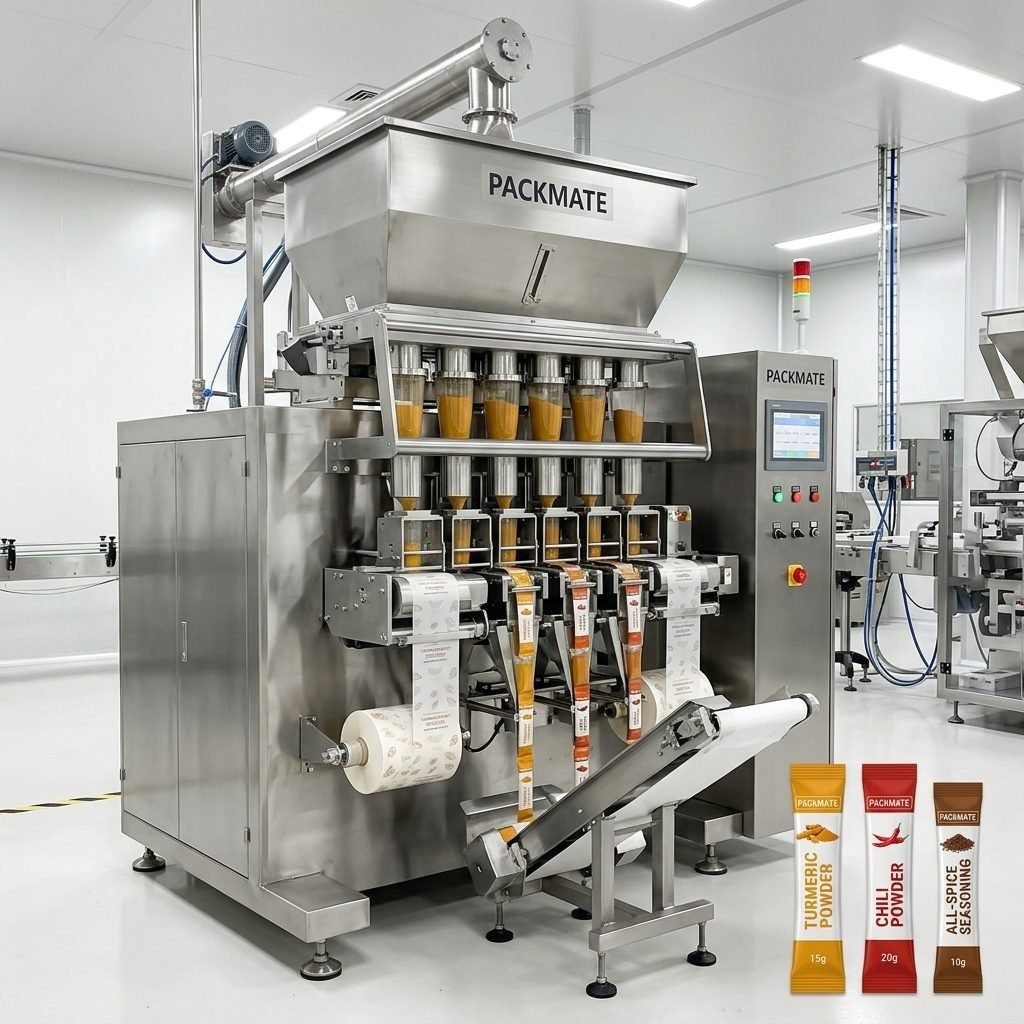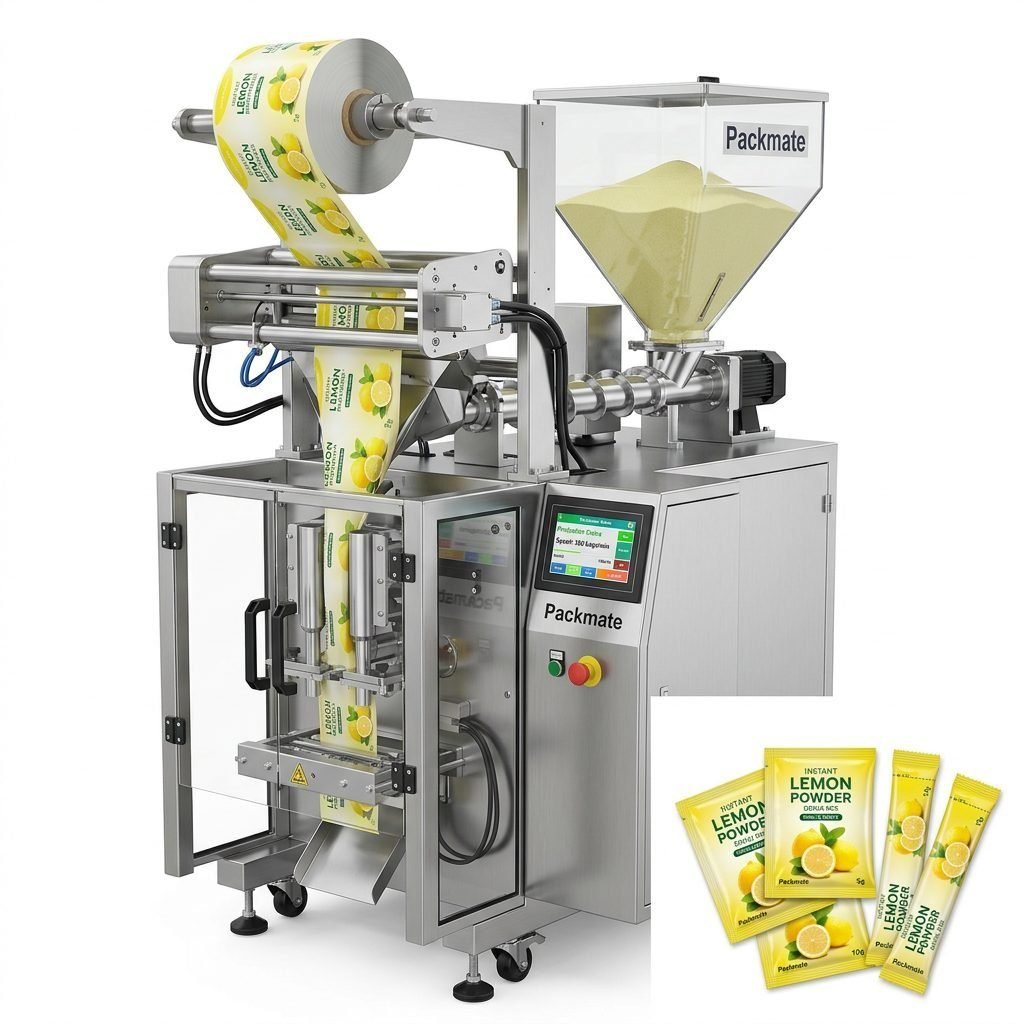
For manufacturers and food processors in Bahrain, selecting the right packaging machine supplier is a critical decision that directly impacts production efficiency, product quality, and long-term operational costs. The Kingdom’s diverse market, encompassing food processing, pharmaceuticals, and FMCG sectors, demands reliable, automated packaging solutions that can handle various product forms like powders, granules, and liquids. This guide outlines key factors to consider when choosing a packaging machine manufacturer to ensure your investment aligns with Bahrain’s specific production needs and market dynamics.
Understanding Your Production Requirements in Bahrain
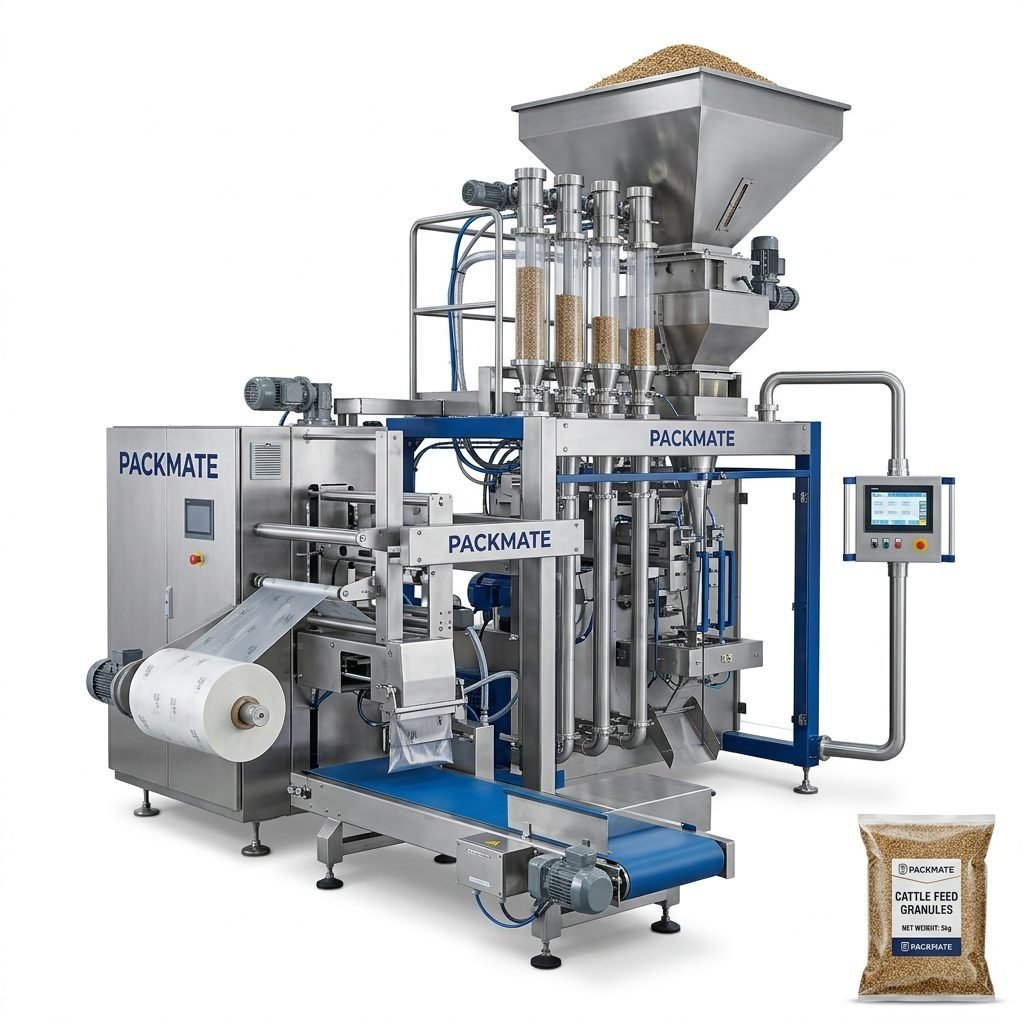
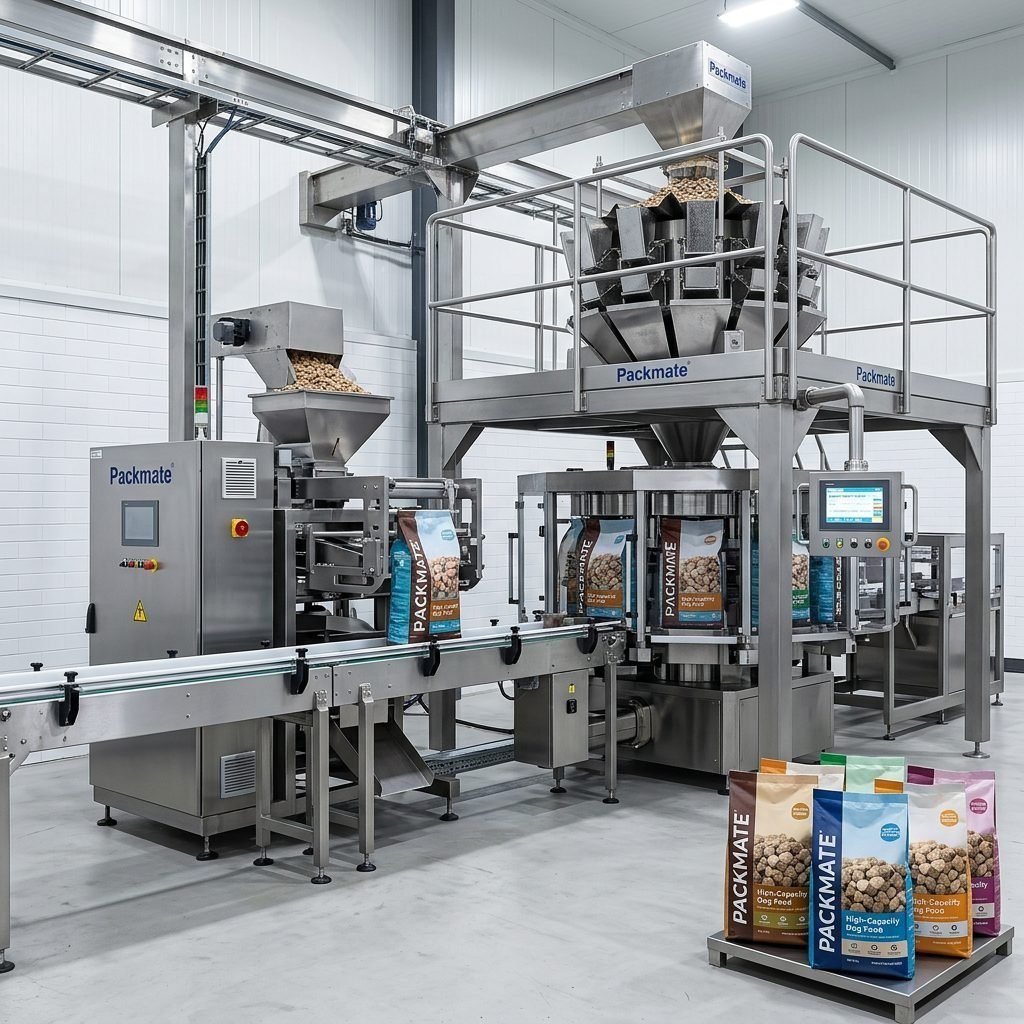
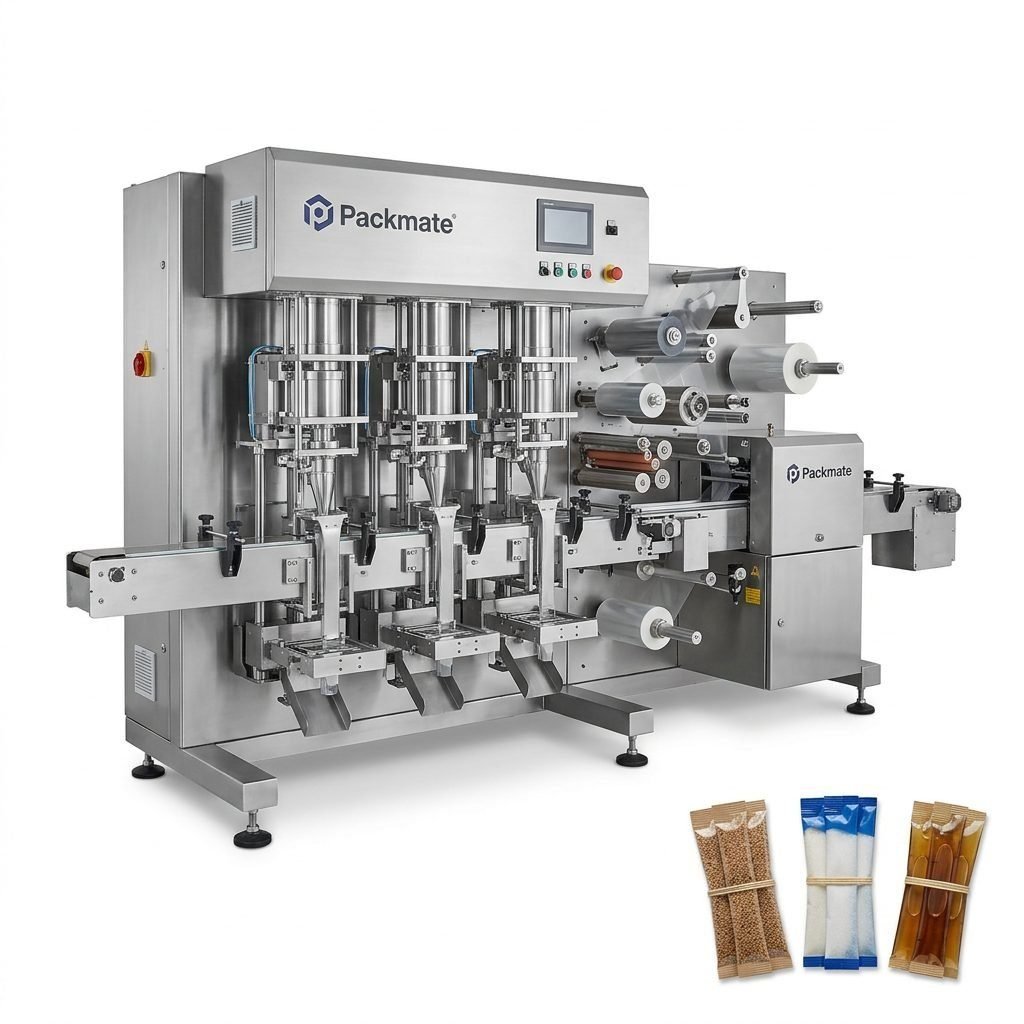
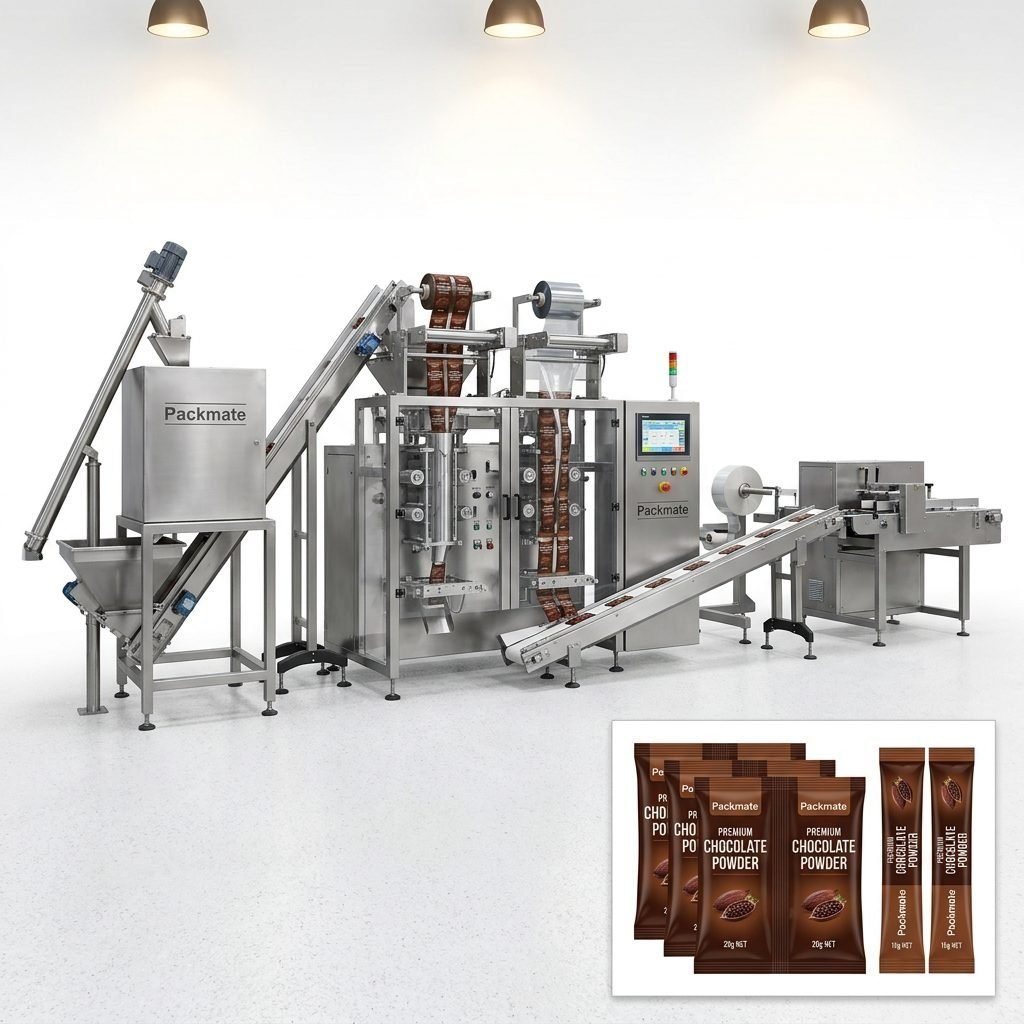
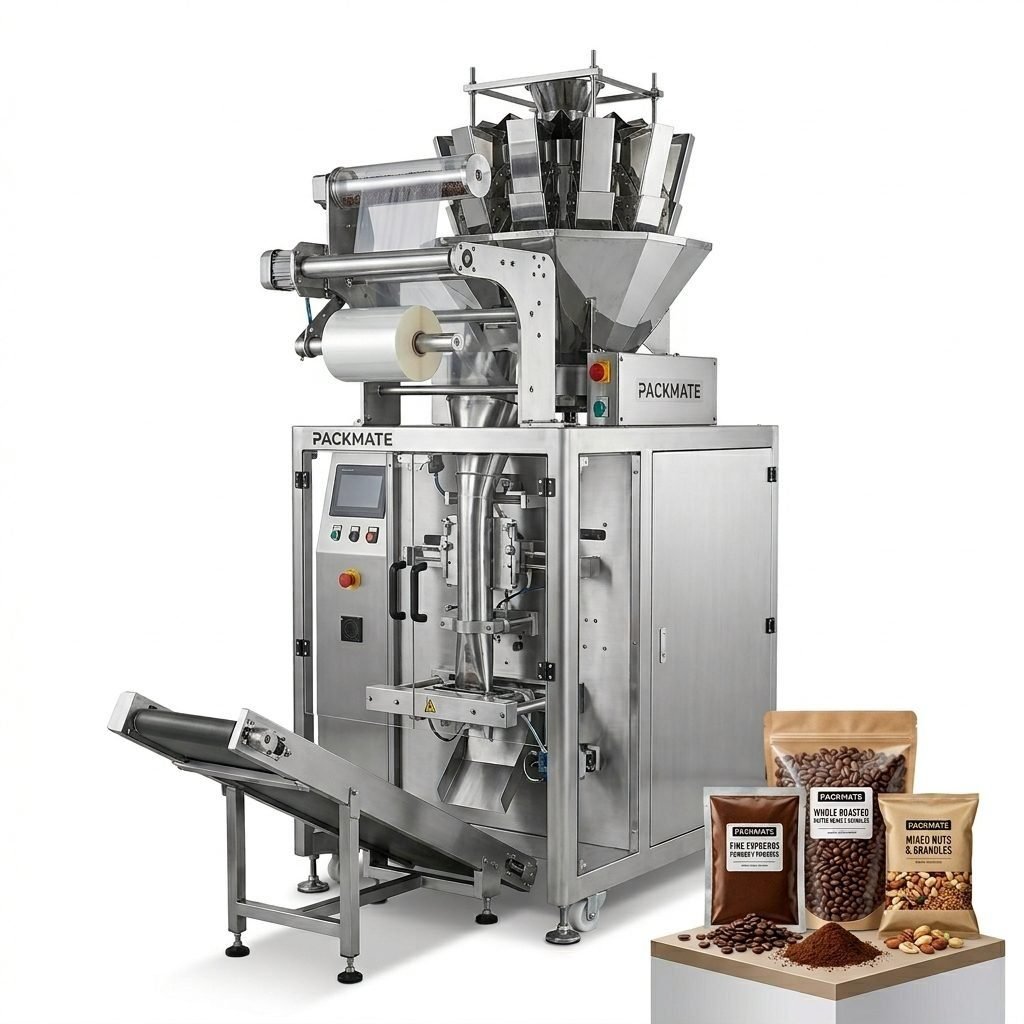
Before evaluating manufacturers, clearly define your operational needs. Bahrain’s producers often require machines capable of handling high-volume output for export markets while maintaining flexibility for local, smaller batch runs. Consider your product type: is it fine powder for spices or supplements, granules for pet food or coffee, or liquids for sauces and oils? The required packaging format—stick packs, sachets, or pouches—also dictates machine specifications. Furthermore, factor in your factory’s available space, desired automation level, and future scalability. A clear understanding of these parameters will help you identify manufacturers whose equipment portfolio matches your specific application.
Key Questions for Bahraini Manufacturers:
- What is your current and projected daily/weekly output?
- What are the primary product characteristics (hygroscopic, abrasive, free-flowing)?
- What packaging materials (films, laminates) are commonly used in your sector?
- What level of labor savings and automation integration is your goal?
Evaluating Manufacturer Experience and Technical Capability
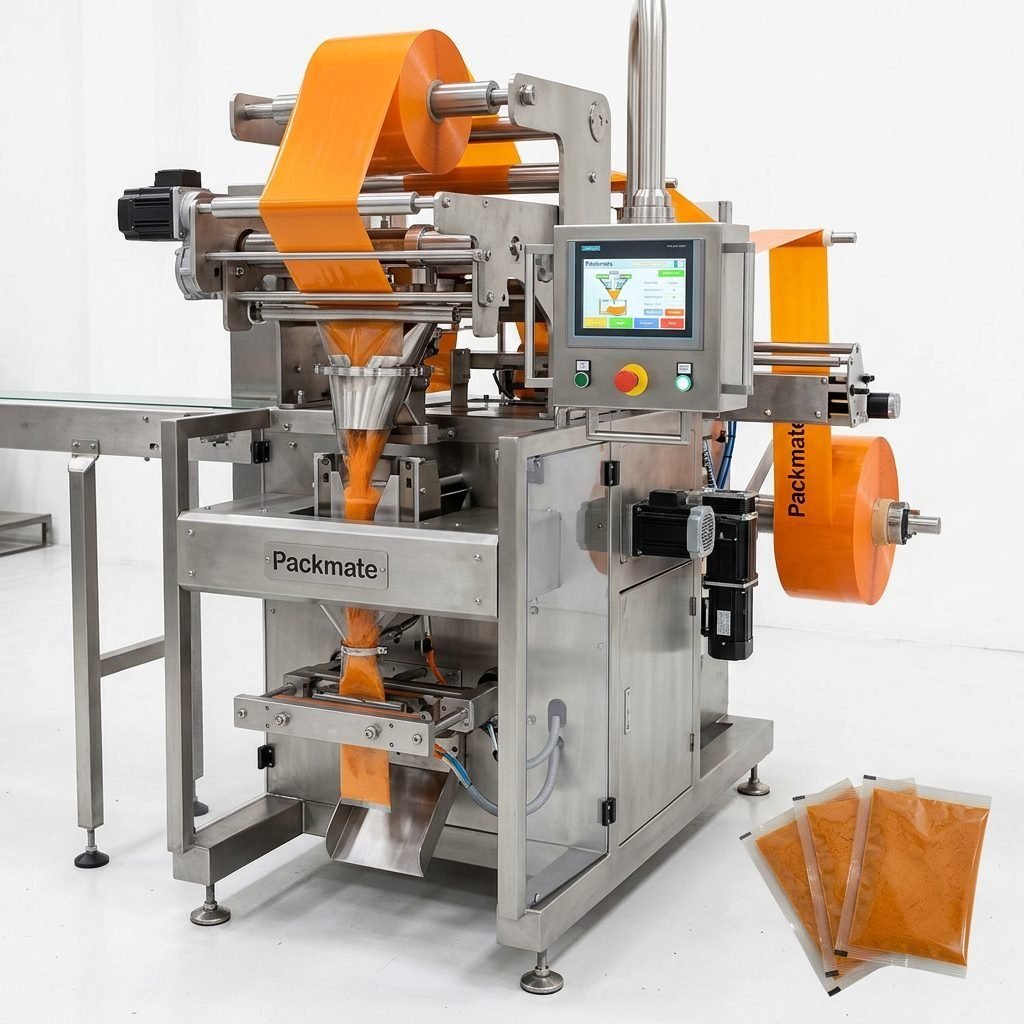
The manufacturer’s industry experience and technical strength are paramount. Look for a supplier with a proven track record in your specific sector, whether it’s food, pharmaceuticals, or health supplements. Companies with decades of experience, like Ludyway (founded 1993) or Packmate Machinery (over 30 years), typically offer more reliable machines and deeper application knowledge. Assess their engineering team’s capability for customization, as products unique to the Gulf region may require adjustments to standard machines. A strong R&D department indicates the manufacturer can innovate and adapt to evolving packaging trends and regulations relevant to Bahrain.
Manufacturing and Quality Infrastructure
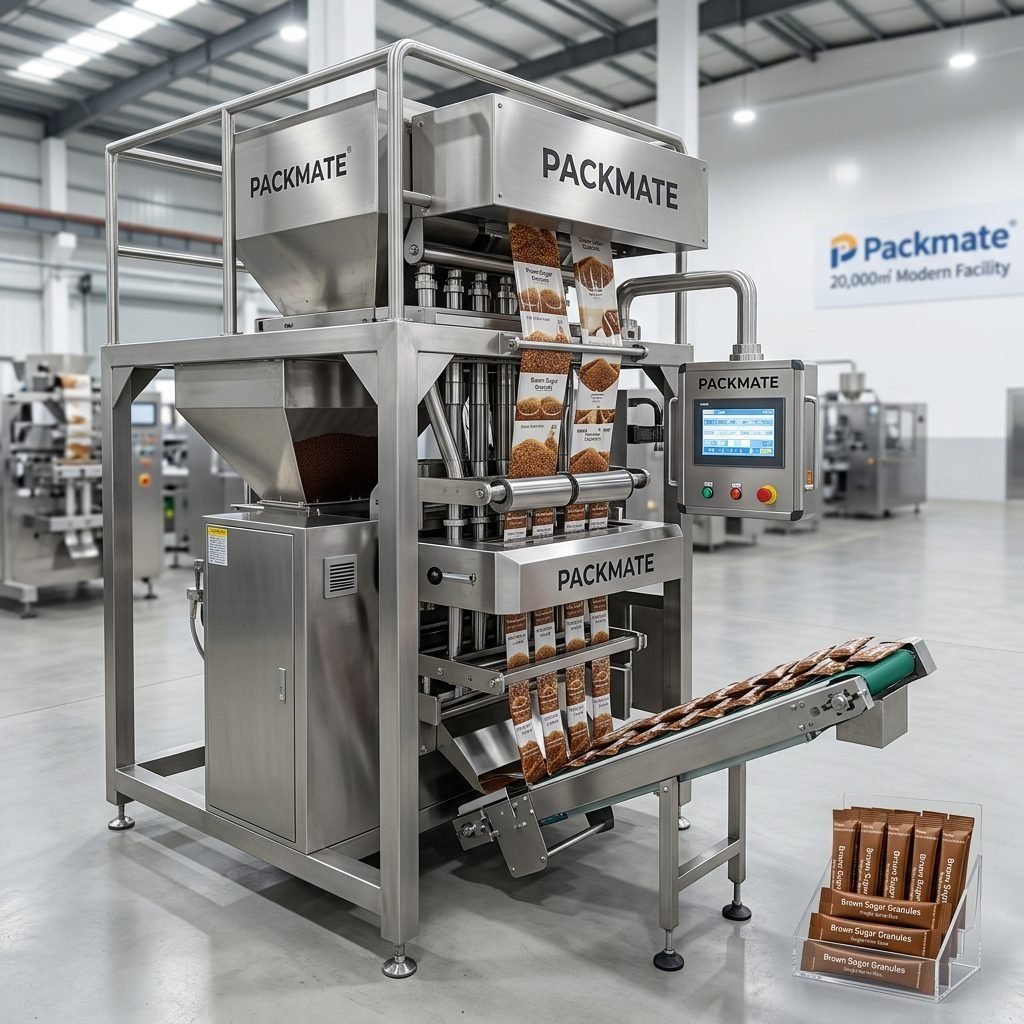
Visit the manufacturer’s facility if possible, or request detailed virtual tours and documentation. A modern factory, often exceeding 20,000 square meters for leading companies, with advanced CNC machining, assembly lines, and stringent quality control (QC) processes is a strong positive indicator. This ensures machine precision, durability, and consistency. Inquire about their QC protocols, testing procedures, and the availability of spare parts. A manufacturer with a structured supply chain can provide better after-sales support, which is crucial for minimizing downtime in Bahrain.
Product Range and Customization Flexibility
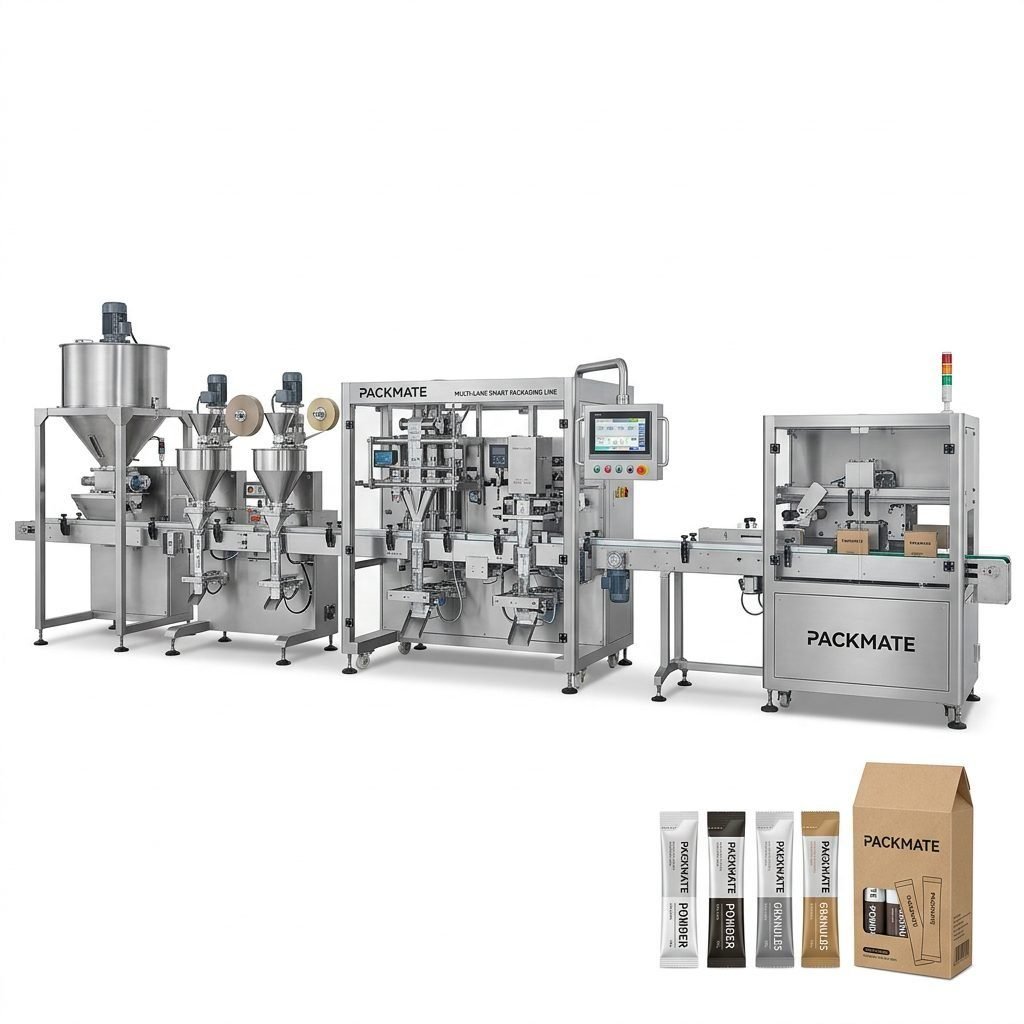
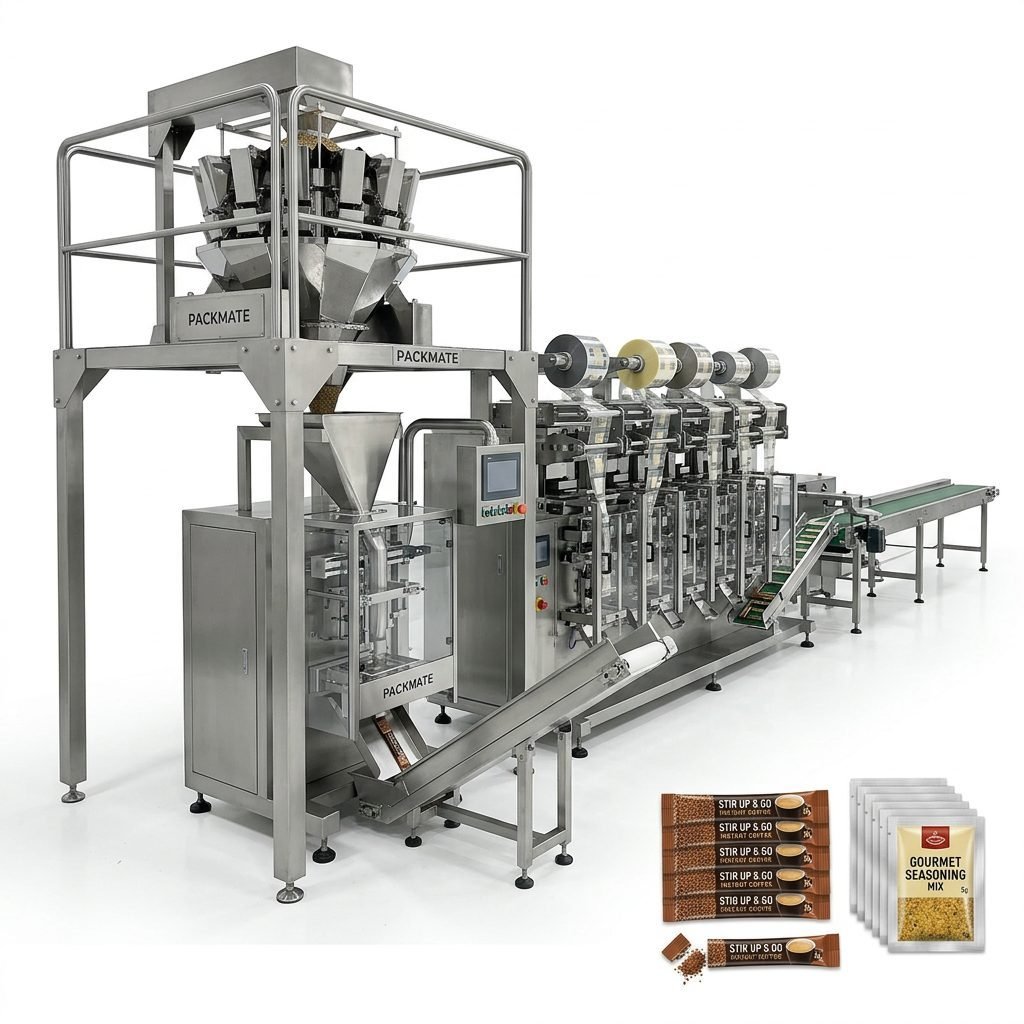
Does the manufacturer offer a comprehensive range of machines that can grow with your business? Some suppliers specialize in standalone machines, while others, like PacklineOEM, focus on complete turnkey packaging lines. For businesses in Bahrain looking to fully automate their packaging process from filling to cartoning, a turnkey line supplier is essential. For non-standard products or unique packaging formats, a manufacturer with strong customization capabilities, such as PackingMachineOEM, is invaluable. Their ability to design machines around your specific product and bag type can be a decisive advantage.
Tip: For niche sectors like nicotine pouch production, which has specific compliance and sealing requirements, consider a specialized manufacturer like SnusMachinery. Their focused expertise often translates to better machine performance and understanding of sector-specific challenges.
After-Sales Support and Service Network
Reliable after-sales support is non-negotiable, especially for Bahrain-based operations distant from the manufacturer’s home base. Investigate the supplier’s service structure. Do they have local agents or technicians in the Middle East? What is their response time for technical support? Comprehensive support should include:
- Detailed installation and commissioning guidance (on-site or remote).
- Operator and maintenance training programs.
- Ready availability of genuine spare parts.
- Remote diagnostic and troubleshooting services.
A manufacturer with a strong export footprint in the Middle East will generally have a more established support network, ensuring you receive timely assistance to maintain production continuity.
Cost Considerations and Return on Investment (ROI)
While initial machine cost is important, the total cost of ownership (TCO) and ROI are more critical metrics. A slightly higher upfront investment in a robust, efficient machine from a reputable manufacturer can lead to significant savings through higher uptime, lower waste, and reduced energy consumption. Calculate the potential ROI based on increased output, labor reduction, and material savings. Request detailed quotations that include shipping, installation, training, and potential customs duties for importing into Bahrain. Transparent manufacturers will help you understand all associated costs.
| Cost Factor | Description | Impact on Bahraini Buyer |
|---|---|---|
| Machine Price | Base cost of the equipment. | Major capital expenditure; requires careful budgeting. |
| Shipping & Logistics | Freight, insurance, and port charges to Bahrain. | Can be significant; requires clarity on Incoterms (e.g., CIF). |
| Installation & Training | On-site setup and personnel training costs. | Essential for smooth operation; may involve technician travel. |
| Spare Parts Inventory | Initial stock of critical wear parts. | Reduces downtime; wise to plan for during procurement. |
Checking References and Export Experience
Always ask for customer references, particularly from clients in similar industries or regions. A manufacturer with a strong export history to the Middle East, like those serving Europe, North America, and the Middle East, demonstrates an understanding of international standards and logistics. Review their case studies or project lists. Positive feedback from other Gulf Cooperation Council (GCC) countries can be especially relevant, as it indicates familiarity with the regional business environment and climate considerations that might affect machine performance.
Final Steps: Communication and Project Planning
Clear and responsive communication throughout the selection and procurement process is vital. The manufacturer should be willing to engage deeply with your project requirements, provide detailed technical proposals, and offer realistic timelines. A collaborative partner will work with you to plan the entire project, from factory layout assessment to machine installation and production start-up, ensuring a smooth integration into your Bahrain-based operation.
Frequently Asked Questions (FAQs)
Q1: What are the main advantages of choosing a Chinese packaging machine manufacturer for a buyer in Bahrain?
Chinese manufacturers often offer an excellent balance of advanced technology, robust construction, and competitive pricing. Leading companies have decades of export experience, providing machines that meet international standards. They typically offer a wide range of models and strong customization support, which is valuable for adapting to specific product needs in Bahrain. Their established logistics networks to the Middle East also facilitate smoother shipping and delivery.
Q2: How important is it for the machine to handle multi-lane production?
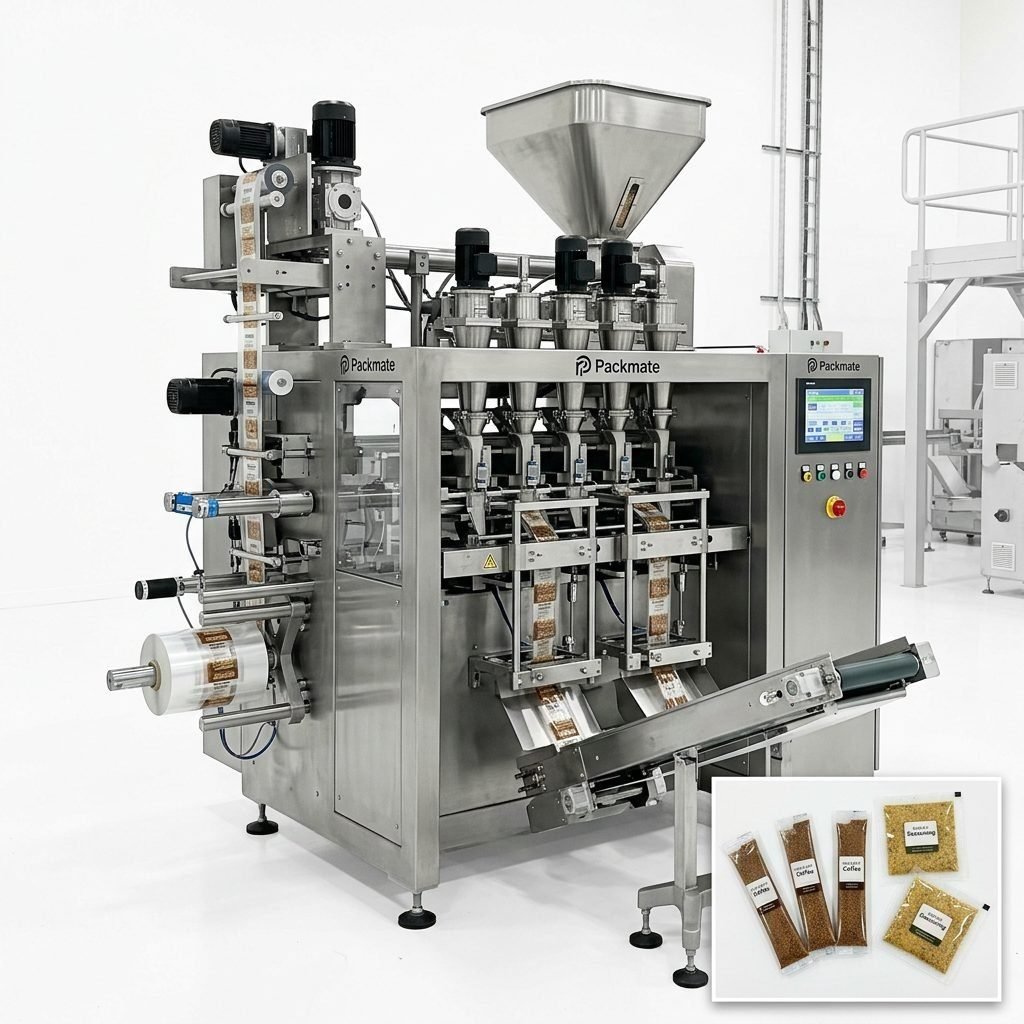
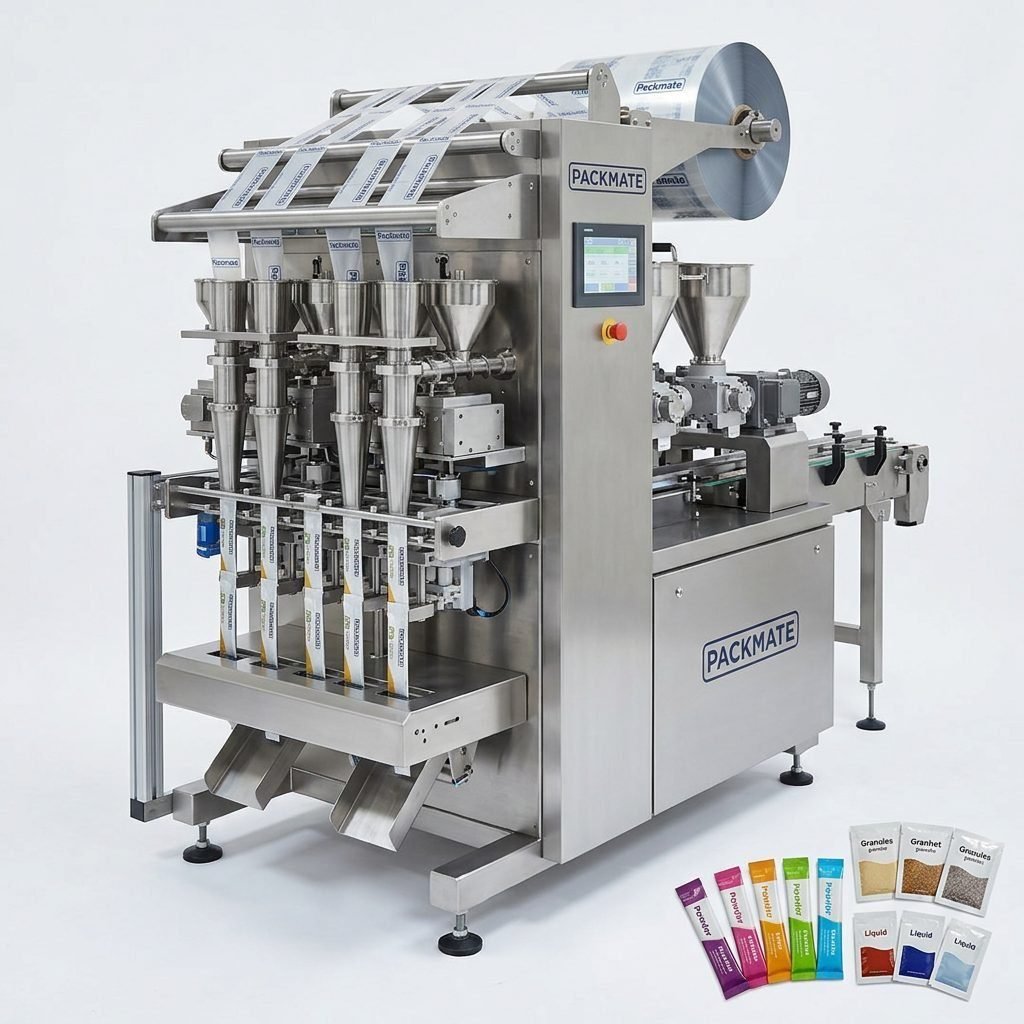
For medium to large-scale production in Bahrain targeting both local and export markets, multi-lane machines are crucial for achieving high output (e.g., 80-120 bags per minute per lane). They maximize efficiency within a smaller footprint compared to multiple single-lane machines. This is particularly important for high-volume products like stick-pack beverages, seasonings, or supplements.
Q3: What should I look for in the warranty and service agreement?
Seek a comprehensive warranty (typically 12-18 months) that covers parts and workmanship. The agreement should clearly outline the scope of after-sales support, response times for technical queries, spare parts supply terms, and options for extended service contracts. Ensure there is provision for remote support and that the manufacturer commits to training your local technicians.
Q4: Can packaging machines be adapted for Bahrain’s hot and humid climate?
Yes, reputable manufacturers can advise on and implement adaptations. This may include specifying appropriate surface treatments or materials to resist corrosion, recommending cooling systems for sensitive products or machine components, and ensuring electrical systems are suited to the operating environment. Discuss your local factory conditions in detail during the planning stage.
Q5: Is it better to buy a standalone machine or a complete turnkey line?
The choice depends on your automation goals and existing infrastructure. A standalone machine (e.g., a filler-sealer) is suitable for upgrading a specific packaging step. A turnkey packaging line is ideal for new projects or complete overhauls, as it provides an integrated system from feeding to end-of-line packaging, ensuring compatibility and optimized workflow. It reduces the integration burden on your team.