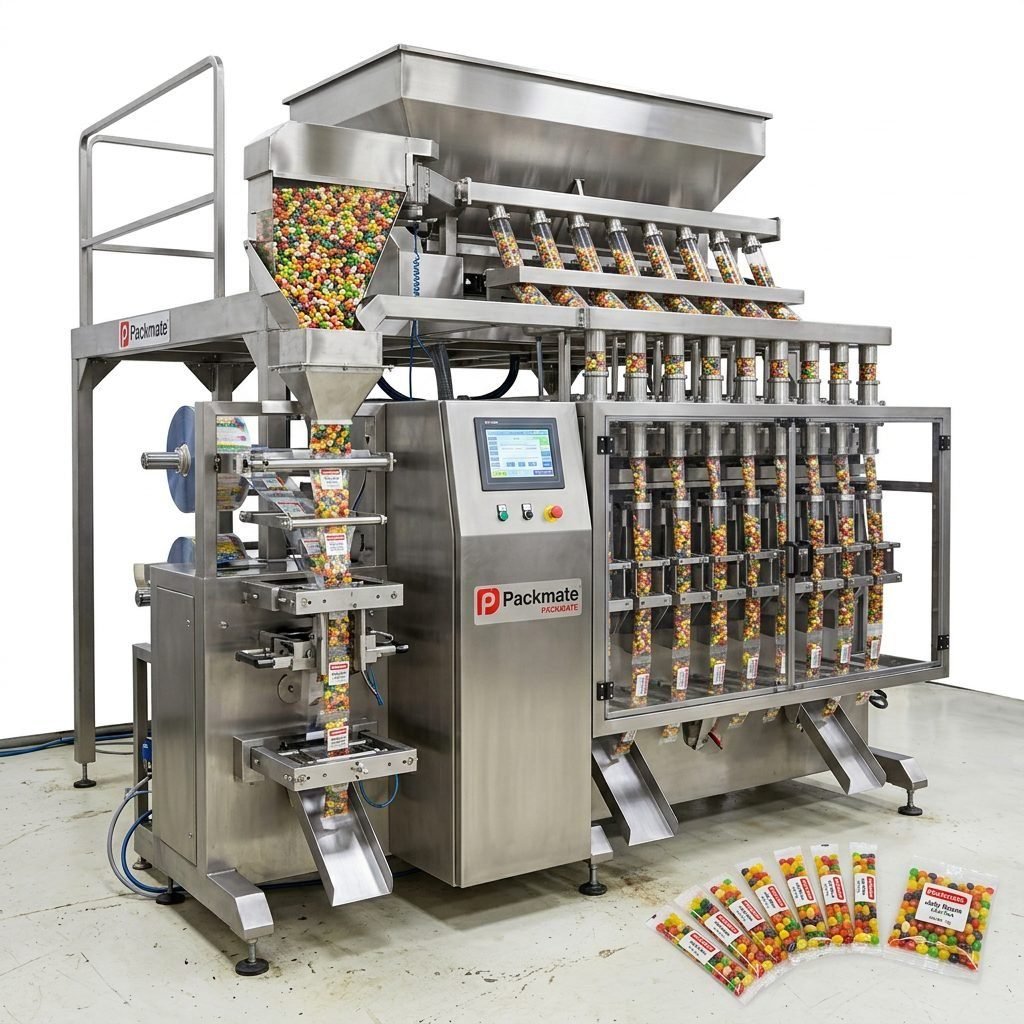
Choosing the right seasoning powder packing machine is a critical decision for food manufacturers, spice producers, and seasoning packers worldwide. An efficient, reliable machine not only boosts productivity but also ensures product consistency, reduces waste, and maintains hygiene standards. With a wide variety of technologies and configurations available, selecting the best fit requires a clear understanding of your product, production goals, and budget.
Common Types of Seasoning Powder Packing Machines
The packaging technology you choose depends largely on your target packaging format, required speed, and level of automation. Here are the primary machine types used for seasoning powders.
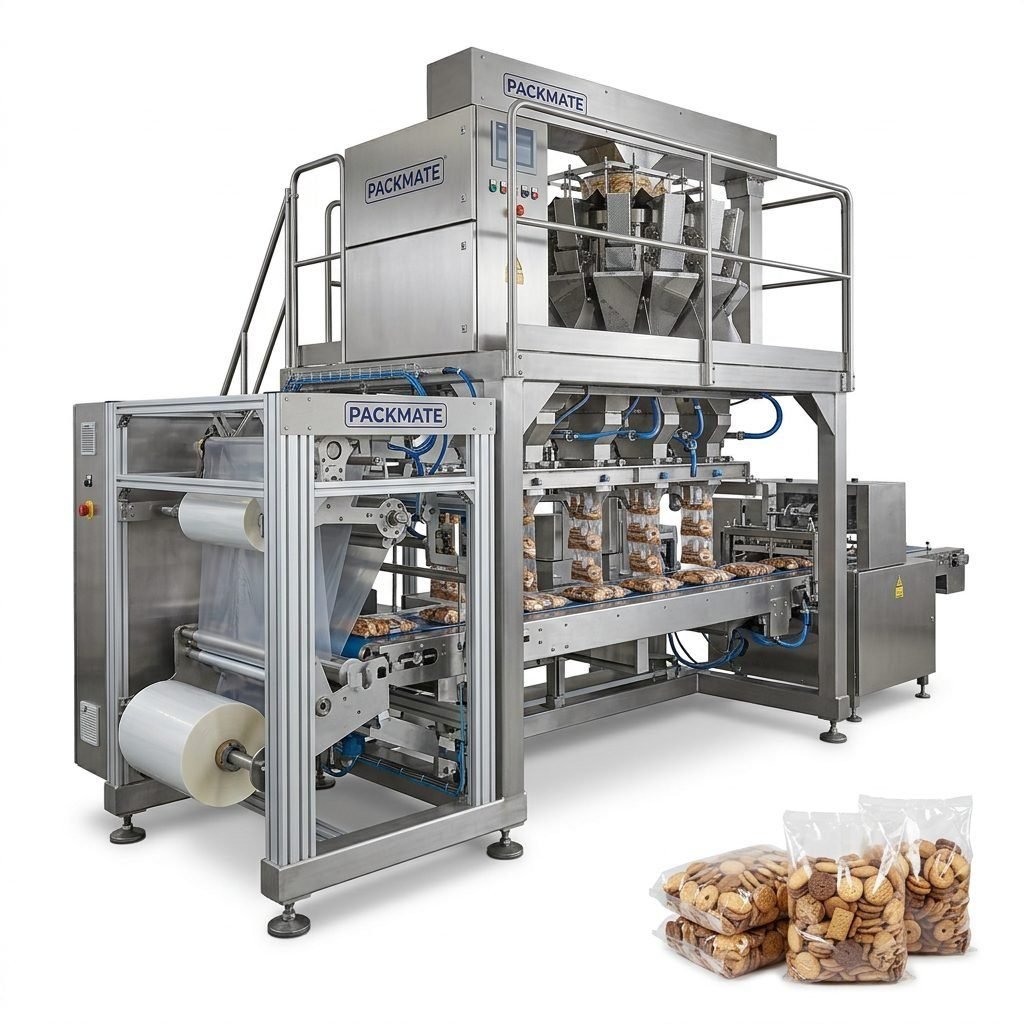
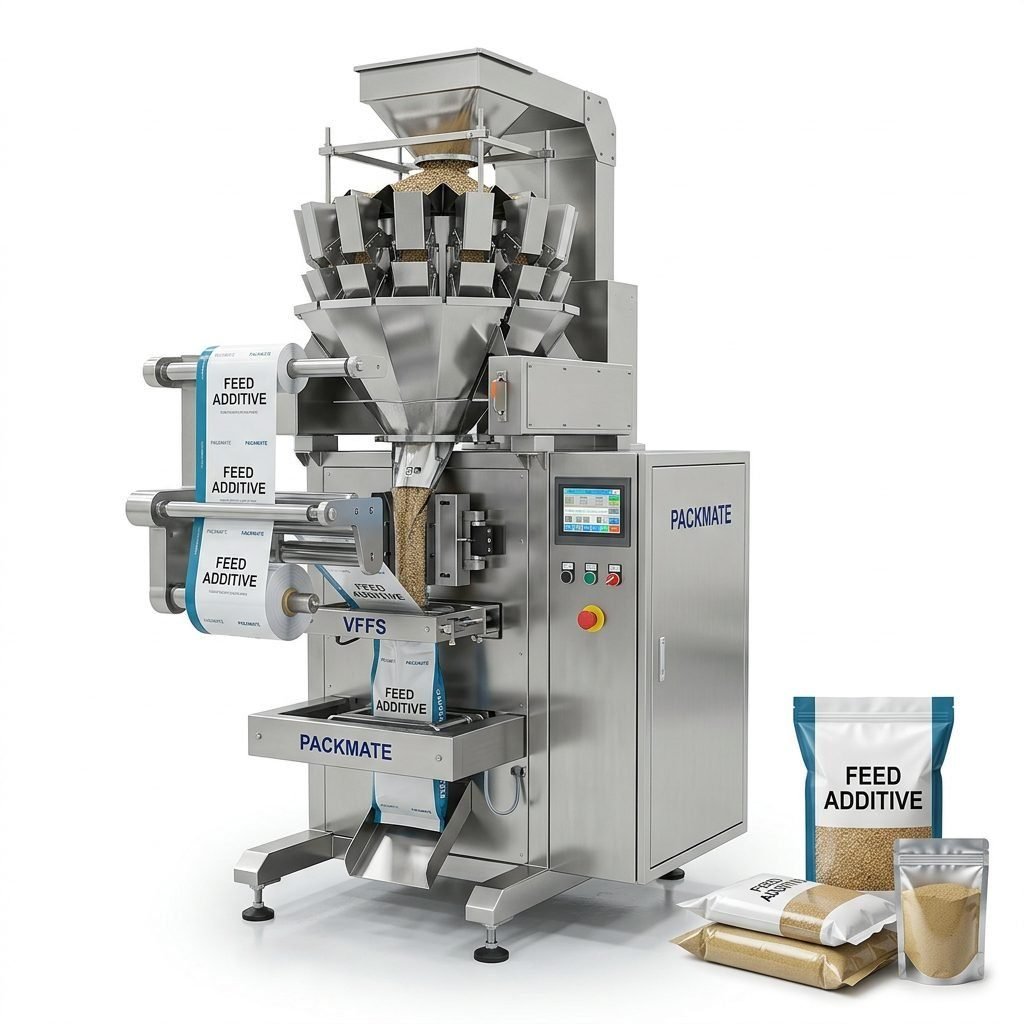
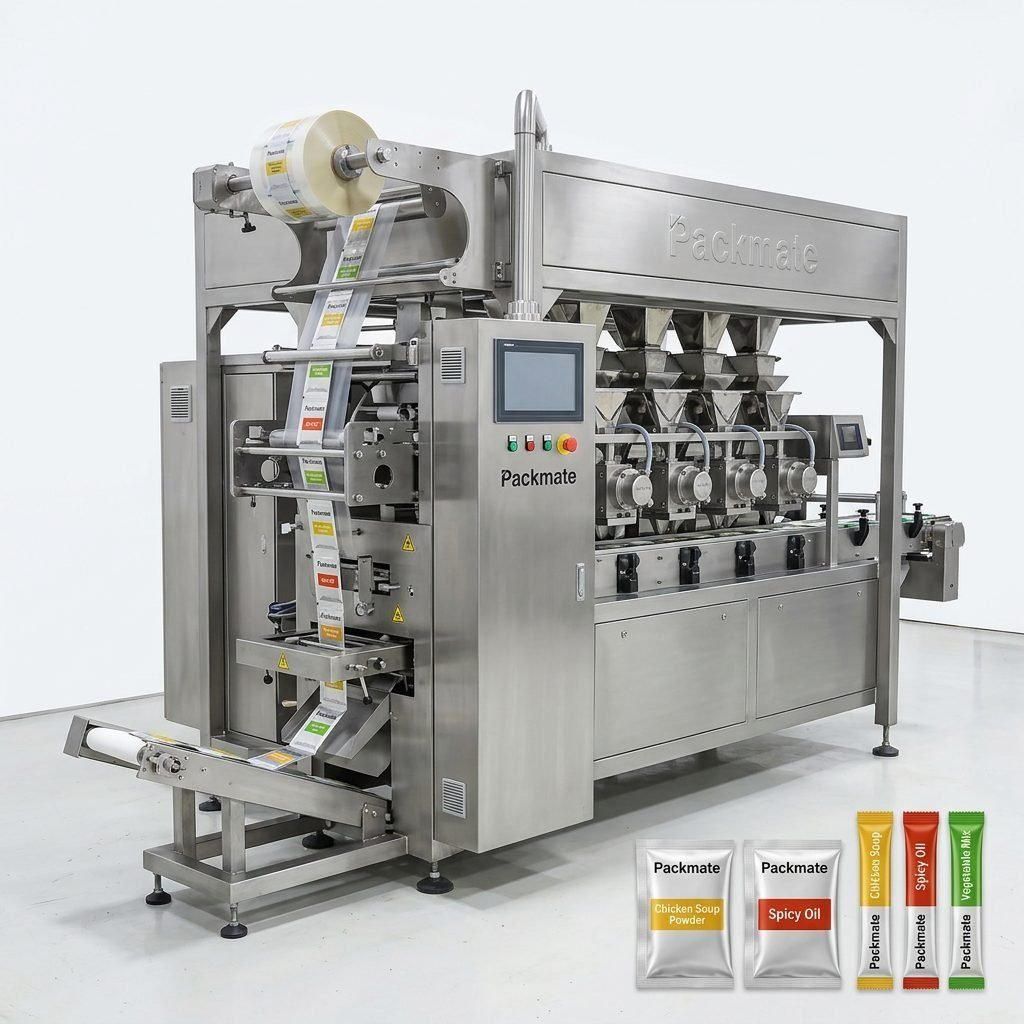
1. Vertical Form-Fill-Seal (VFFS) Machines
These are the most versatile and widely used systems for powder packaging. They form the bag from a roll of film, fill it with a pre-measured dose of powder, and then seal it—all in one continuous vertical operation. VFFS machines are ideal for producing a range of pouch styles, including pillow bags, gusseted bags, and stand-up pouches, commonly used for larger retail sizes (e.g., 50g to 1kg).
Key Advantage: Excellent flexibility for bag size and material changes. They are a cost-effective solution for medium to high-volume production of various pouch formats.
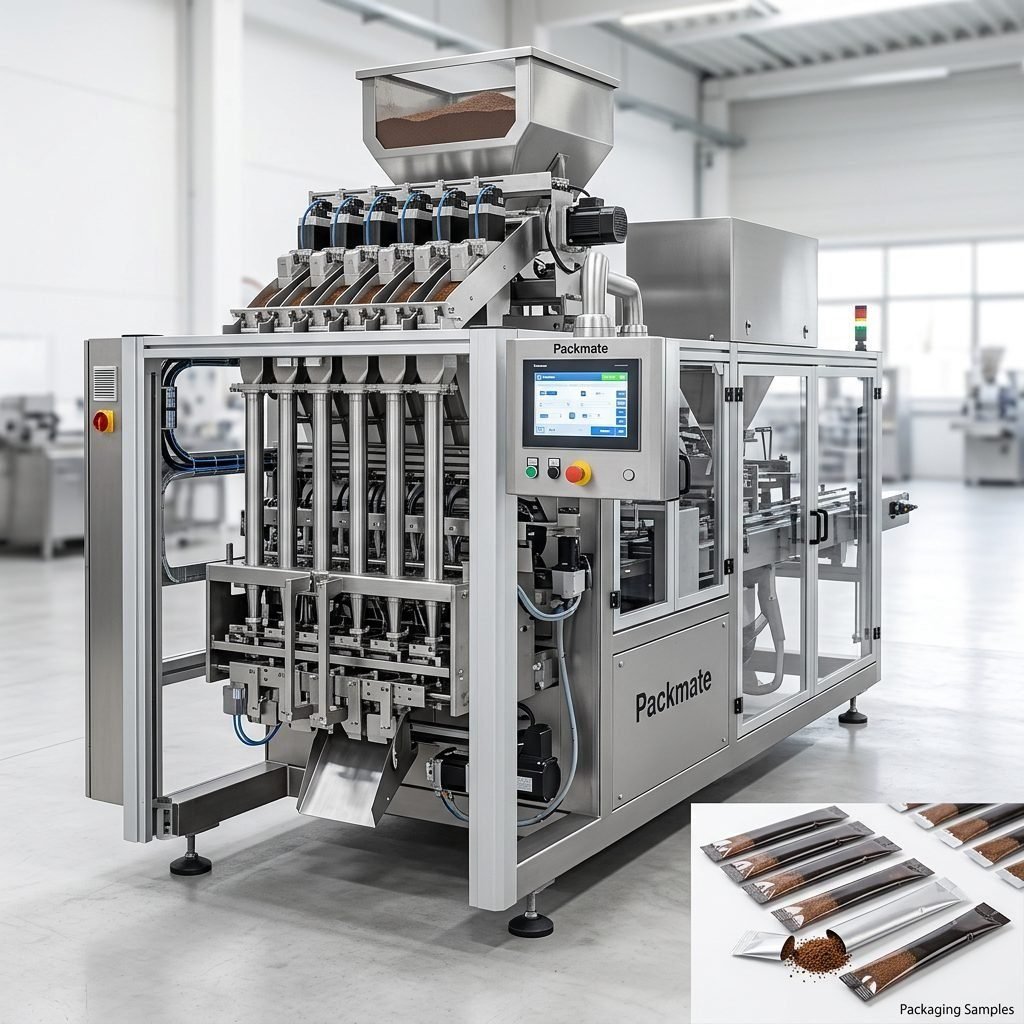
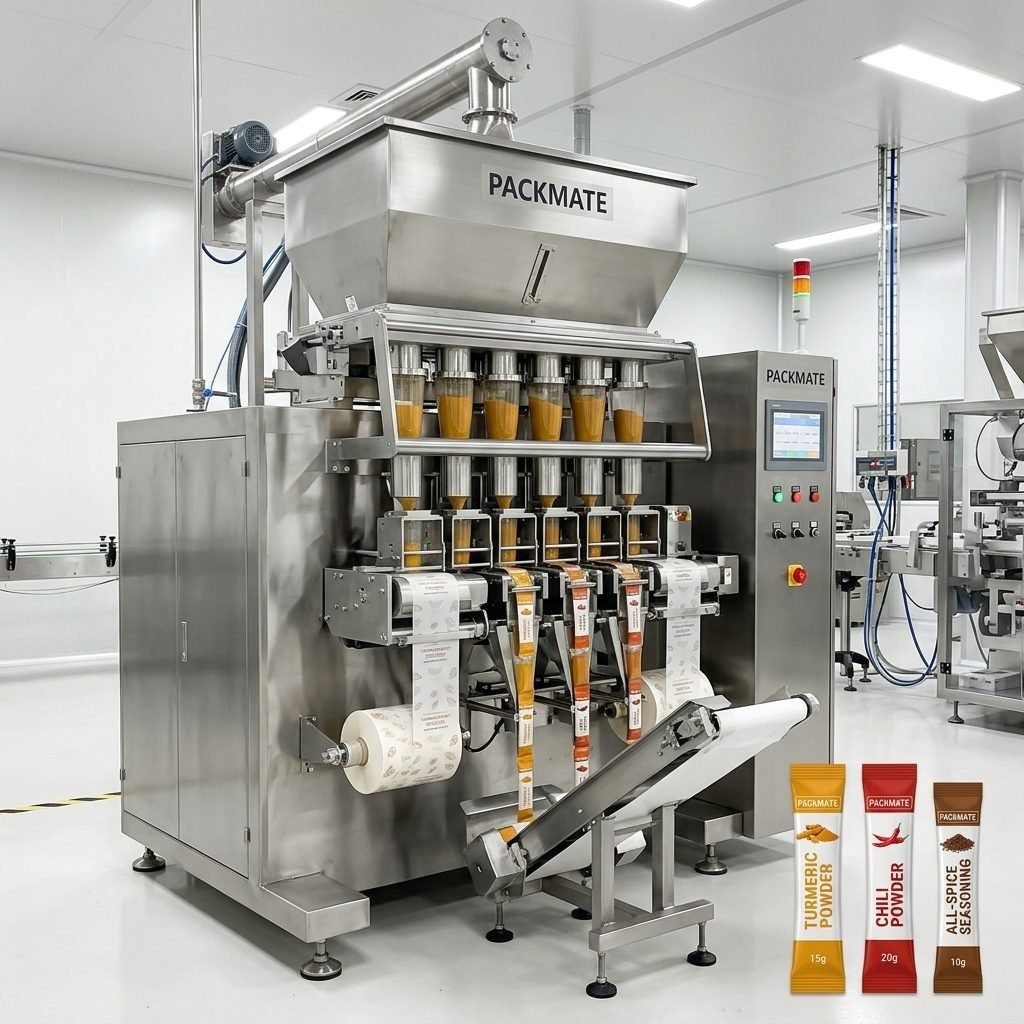
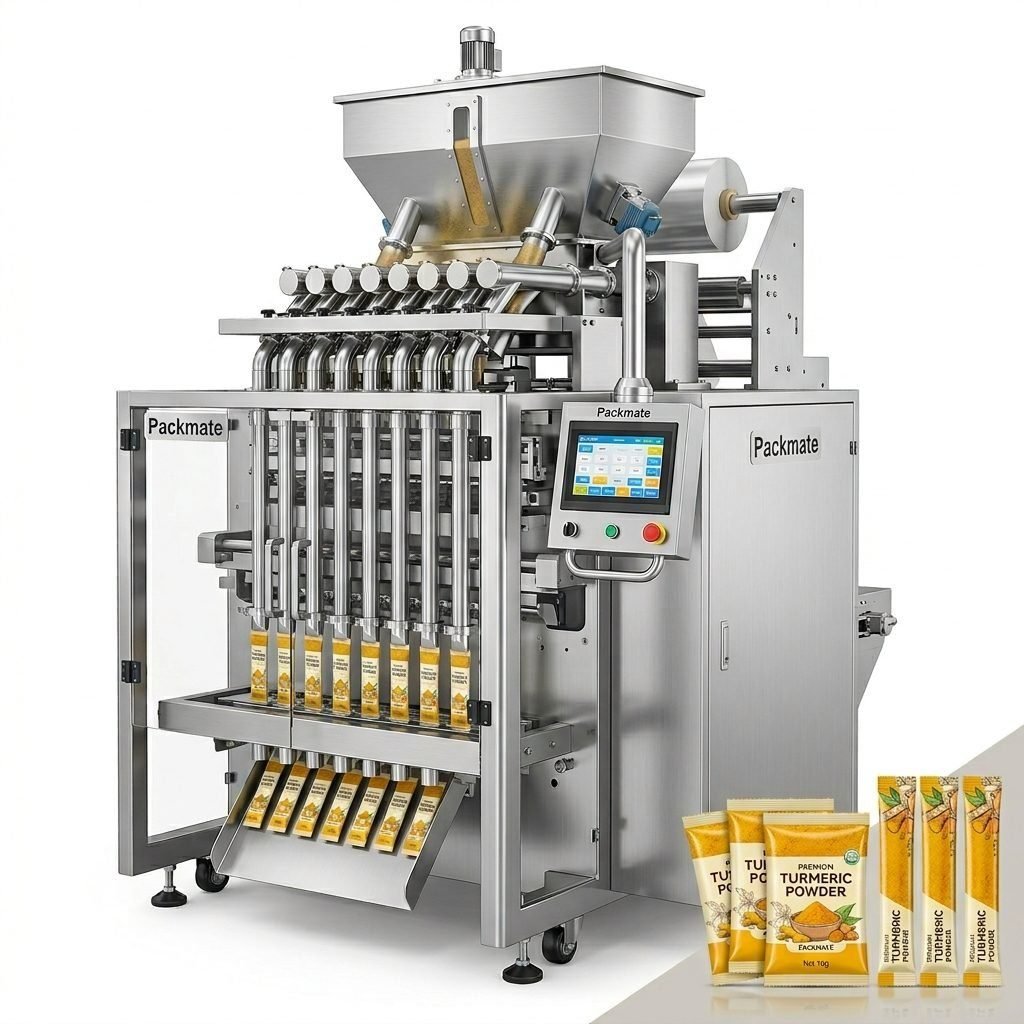
2. Multi-Lane Stick Pack & Sachet Machines
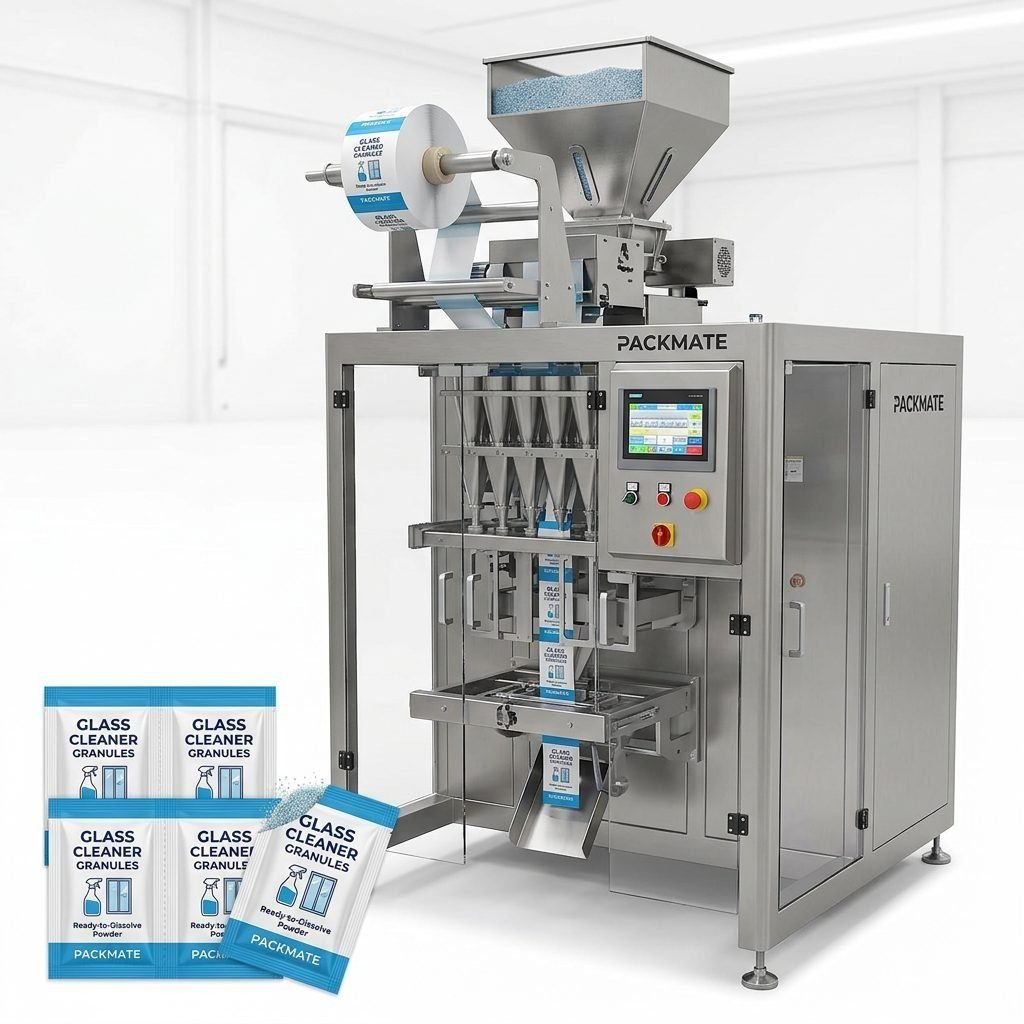
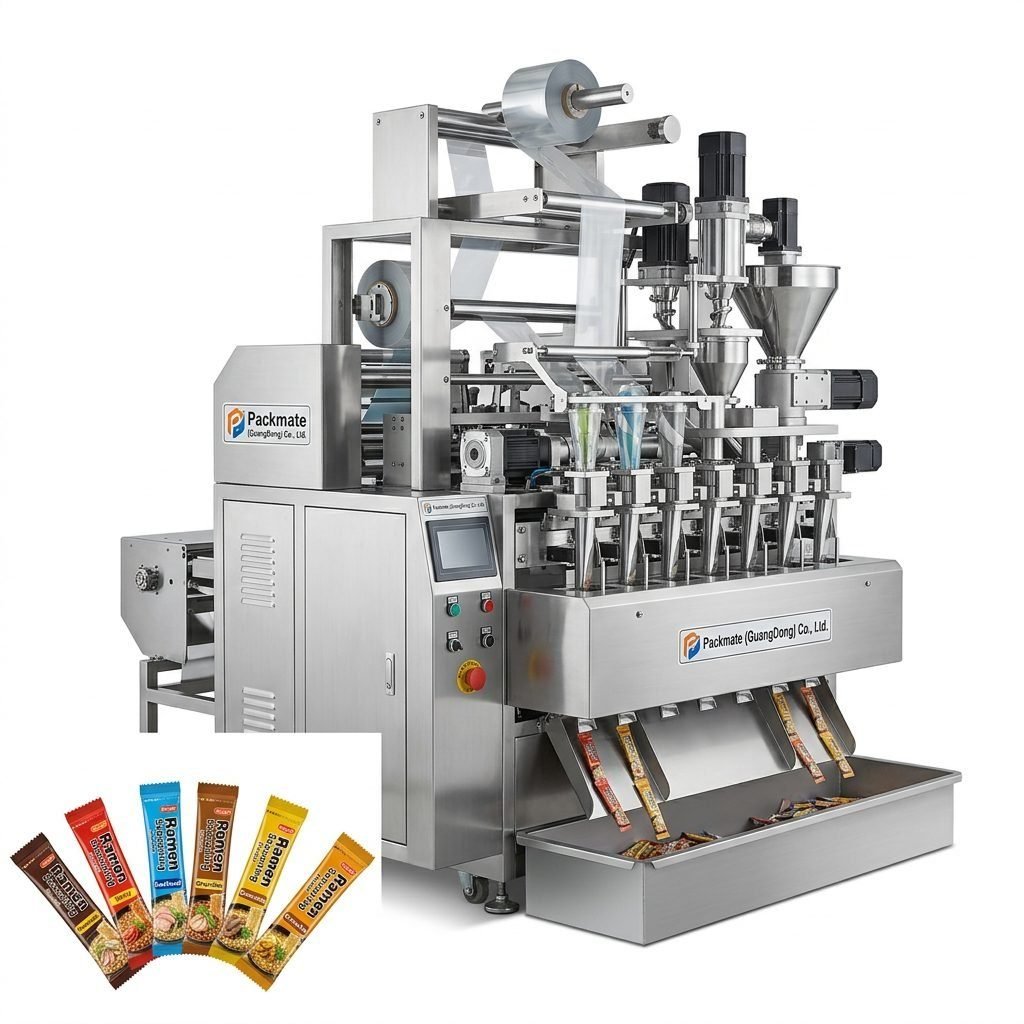
For single-serve portions, such as instant noodle seasonings, drink mixes, or recipe kits, multi-lane stick pack and sachet machines are the industry standard. These machines operate multiple lanes simultaneously (from 2 to 16 lanes or more), dramatically increasing output. They create small, sealed packets that are easy to use and distribute.
Leading manufacturers like Ludyway and Packmate Machinery offer robust multi-lane systems designed for high-speed, precise filling of hygroscopic and free-flowing powders.
3. Pre-Made Pouch Fillers
This system uses pre-manufactured, empty pouches which are then automatically opened, filled, and sealed. It is often chosen for premium packaging where the pouch material or print quality is complex and cannot be achieved with roll film on a VFFS machine. Speeds are generally lower than VFFS, but it offers superior graphic presentation.
4. Auger Filler-Based Systems
The heart of most precision powder filling is the auger filler. A rotating screw (auger) inside a hopper dispenses powder volumetrically. The accuracy is paramount, especially for expensive seasoning blends. Systems can be standalone auger fillers for container filling or integrated as the filling unit within VFFS and stick pack machines.
Critical Feature: Look for augers and contact parts made of food-grade stainless steel, with special coatings or designs (like stirring paddles) to handle challenging powders that may bridge, cake, or aerate.
Essential Features & Technical Considerations
Beyond the machine type, several features directly impact performance, product integrity, and operational efficiency.
| Feature | Importance for Seasoning Powders | What to Look For |
|---|---|---|
| Filling Accuracy | Critical for cost control and regulatory compliance. Overfilling wastes product; underfilling leads to customer complaints. | High-precision servo-driven augers, check-weighers with feedback systems, and weight-based filling for high-value products. |
| Material Handling | Seasoning blends can be fine, coarse, oily, or contain flakes. Poor handling causes clogging, segregation, or inconsistent fills. | Agitated hoppers, conical or vertical augers with anti-bridging designs, and pneumatic conveying systems suited for food powder. |
| Sealing Integrity | Prevents moisture ingress and product spoilage, maintains flavor, and ensures a long shelf life. | Durable, temperature-controlled sealing jaws, ability to handle multi-layer laminates, and optional gas flushing (nitrogen) for oxidation-sensitive spices. |
| Hygiene & Cleanability | Essential for food safety. Powder residues can harbor bacteria and cause cross-contamination between batches. | Stainless steel construction (304 or 316), smooth surfaces, quick-release parts, and CIP (Clean-in-Place) capabilities where possible. |
| Changeover Speed | Determines flexibility for producing different SKUs (sizes, flavors). Slow changeovers reduce overall equipment effectiveness (OEE). | Tool-less adjustments, digital recipe storage, and quick-change auger and forming tube sets. |
How to Choose the Best Machine: A Step-by-Step Guide
Follow this structured approach to narrow down your options and make an informed investment.
Step 1: Define Your Product & Packaging Requirements
- Product Characteristics: Analyze your powder’s flowability, density, particle size, oil content, and hygroscopicity. Provide samples to potential suppliers for testing.
- Packaging Format: Decide on the final pouch type (stick pack, sachet, stand-up pouch), size range, and material structure (e.g., PET/AL/PE for barrier properties).
- Production Speed (Output): Calculate your required output in packs per minute (PPM) or bags per hour, considering both current needs and future growth.
Step 2: Evaluate Automation Level and Integration
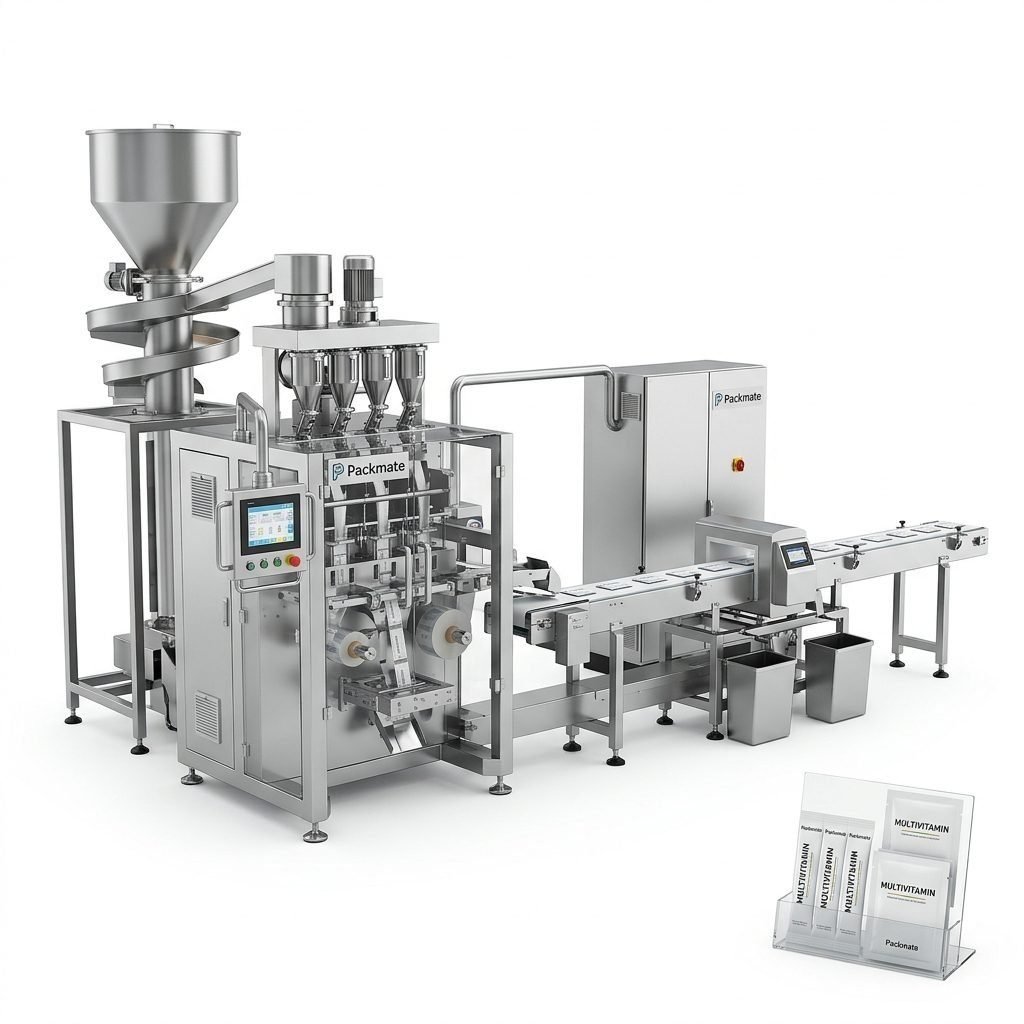
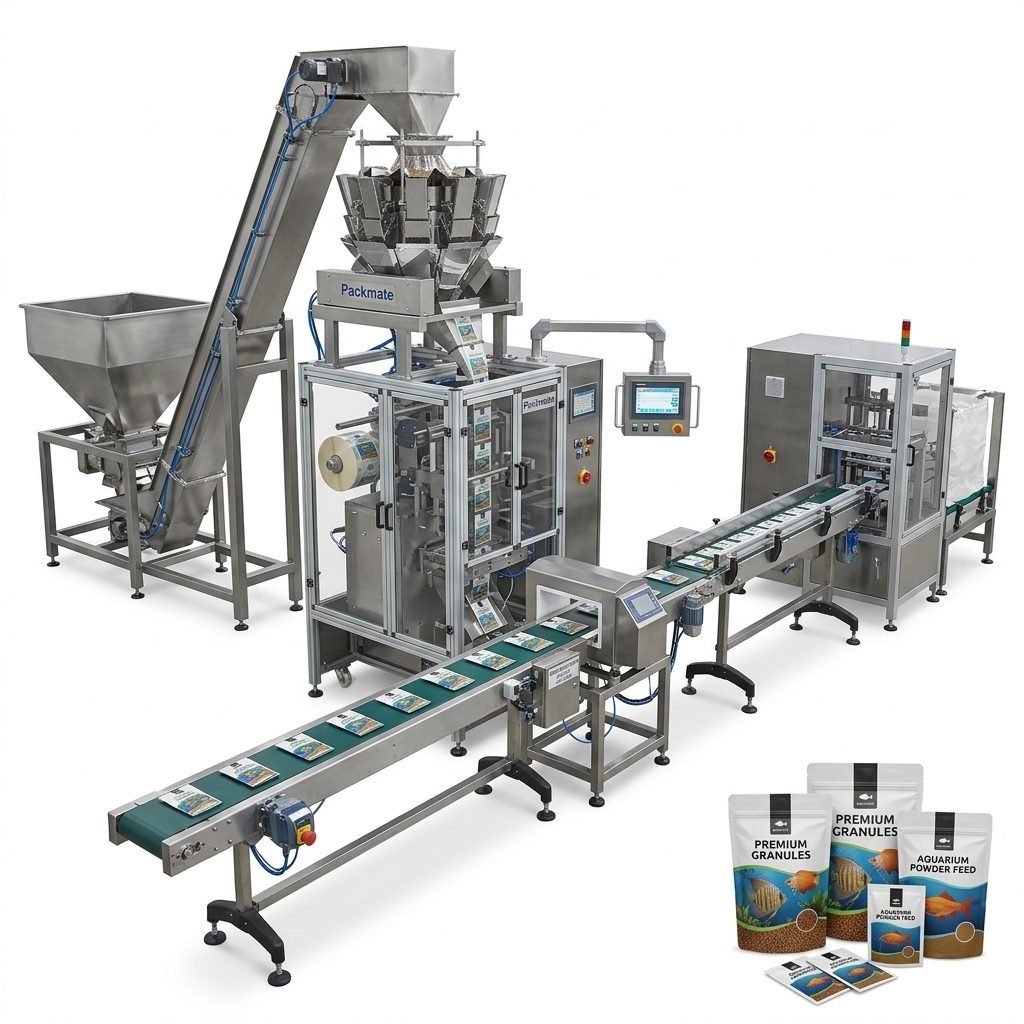
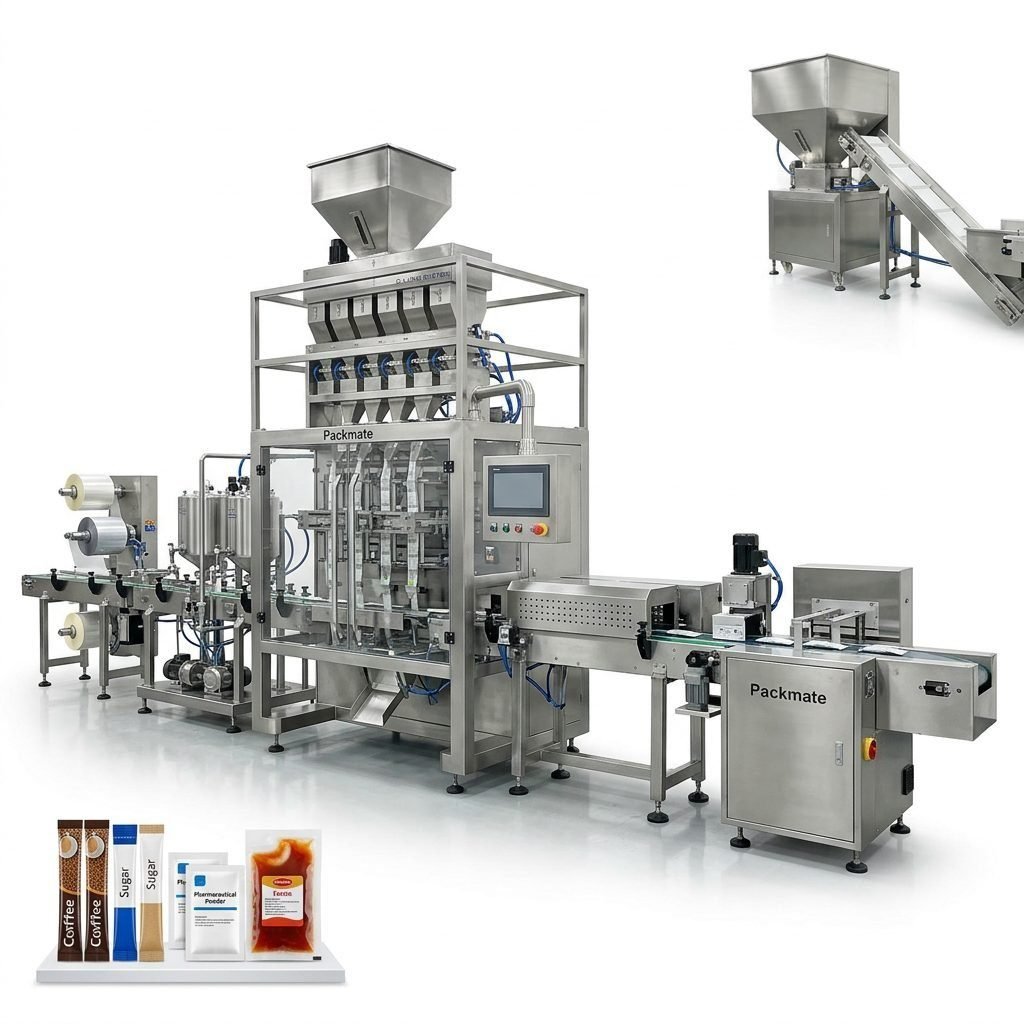
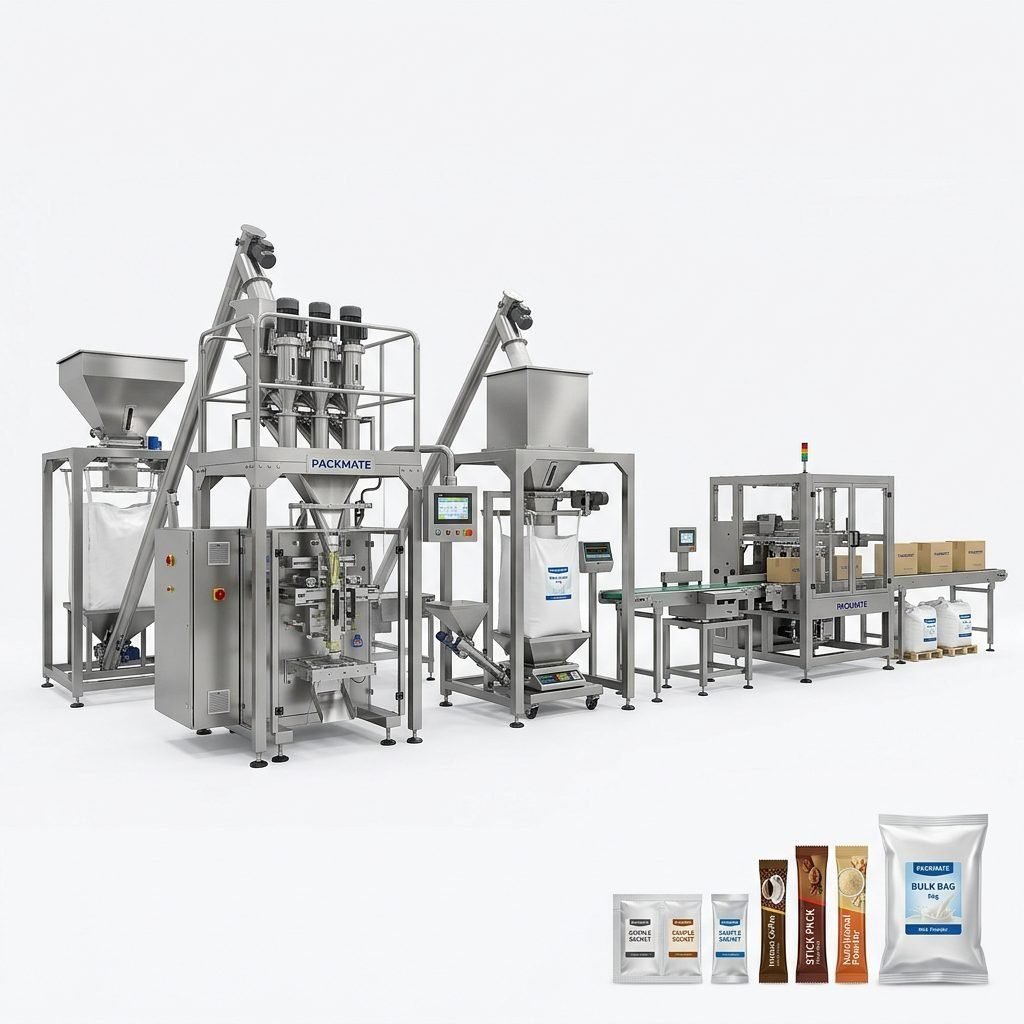
Determine if you need a standalone machine or a complete line. For large-scale operations, a turnkey packaging line from a supplier like PacklineOEM might be more efficient. This could include:
- Powder feeding system (silo, conveyor)
- Multi-head weigher or precision auger filler
- VFFS or multi-lane stick pack machine
- Checkweigher and metal detector
- Cartoning or case packing system
Step 3: Assess Machine Quality and Supplier Support
The machine’s construction and the manufacturer’s reputation are as important as its specifications.
- Build Quality: Prefer frames made of solid steel or stainless steel for stability. Critical components like servomotors, PLCs, and bearings should be from reputable brands (e.g., Siemens, Mitsubishi, SEW).
- Supplier Experience: Choose a manufacturer with a proven track record in food powder packaging. Companies with decades of experience, such as PackingMachineOEM, understand the practical challenges and can offer reliable solutions.
- After-Sales Service: Ensure the supplier provides comprehensive installation, training, spare parts availability, and technical support. This is crucial for minimizing downtime.
Step 4: Consider Special Requirements
Do you have unique needs? For niche applications, such as packaging seasoning blends for specific export markets requiring unique pouch shapes or ultra-hygienic standards, a supplier with strong customization capabilities is vital. Similarly, for specialized formats like nicotine pouch packaging (which shares technical similarities with certain sealed powder formats), a specialist like SnusMachinery can offer valuable expertise.
Step 5: Request Testing and References
Never buy a powder packing machine sight-unseen. Always request a product test run. Send your actual seasoning powder and packaging material to the supplier to witness the machine’s performance, filling accuracy, and seal quality firsthand. Also, ask for customer references, especially those in a similar industry.
Frequently Asked Questions (FAQs)
What is the typical accuracy range for a seasoning powder auger filler?
For most free-flowing seasoning powders, a well-maintained auger filler can achieve volumetric accuracy within ±1% to ±2%. For higher value products or regulatory requirements, integrating a checkweigher can provide feedback control to maintain weight-based accuracy within ±0.5 grams or better.
Can one machine handle both granular spices and fine powders?
Yes, but it requires a versatile filling system. The key is the auger design and hopper. Machines equipped with interchangeable auger types (e.g., single-wall for granules, double-wall or paddle-assisted for fine, cohesive powders) and agitated hoppers can handle a wide range of products with proper changeover.
How important is a gas flushing (nitrogen) system for seasoning powders?
It depends on the product. For seasoning blends containing oils (like chili powder with oil, or certain herb blends) or sensitive colors and flavors, nitrogen flushing removes oxygen from the pouch. This significantly extends shelf life by preventing oxidation, rancidity, and flavor degradation. It is a recommended option for premium products.
What is the average lifespan of a well-maintained powder packing machine?
A high-quality machine from a reputable manufacturer, with proper preventive maintenance and operation, can have a productive lifespan of 10 to 15 years or more. The longevity heavily depends on the build quality of critical components and the operating environment.
We have a unique pouch shape. Can standard machines be modified?
Often, yes. Many manufacturers offer customization services. This may involve modifying the forming collar and sealing jaws on a VFFS machine or creating custom feed tubes and sealing dies for a stick pack machine. It’s essential to discuss this during the initial planning phase with suppliers known for customization, such as those specializing in non-standard solutions.