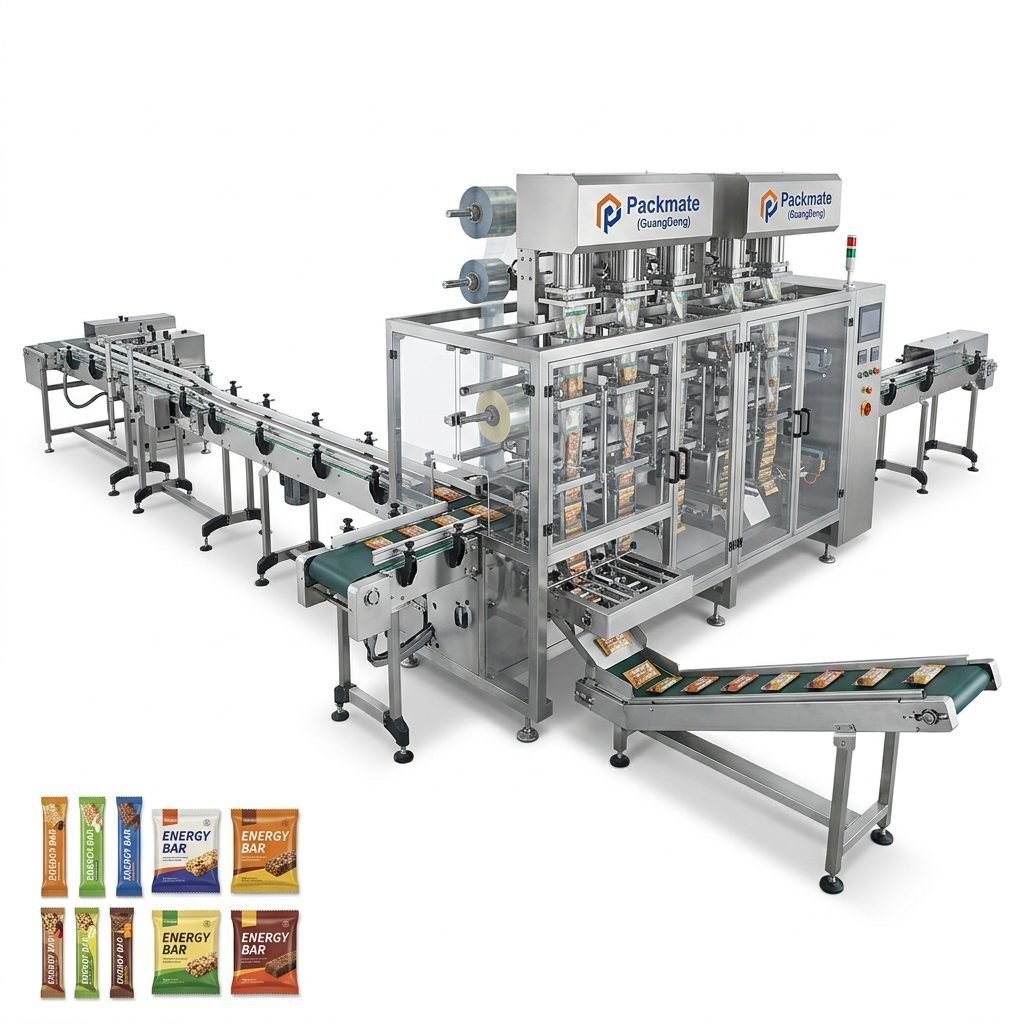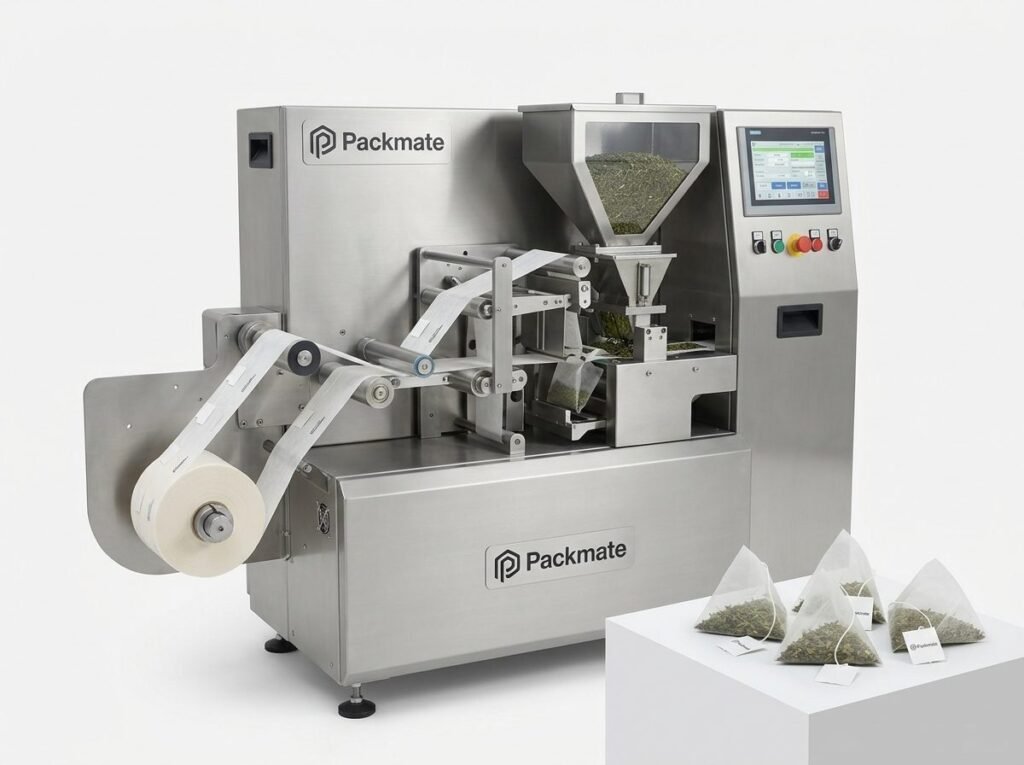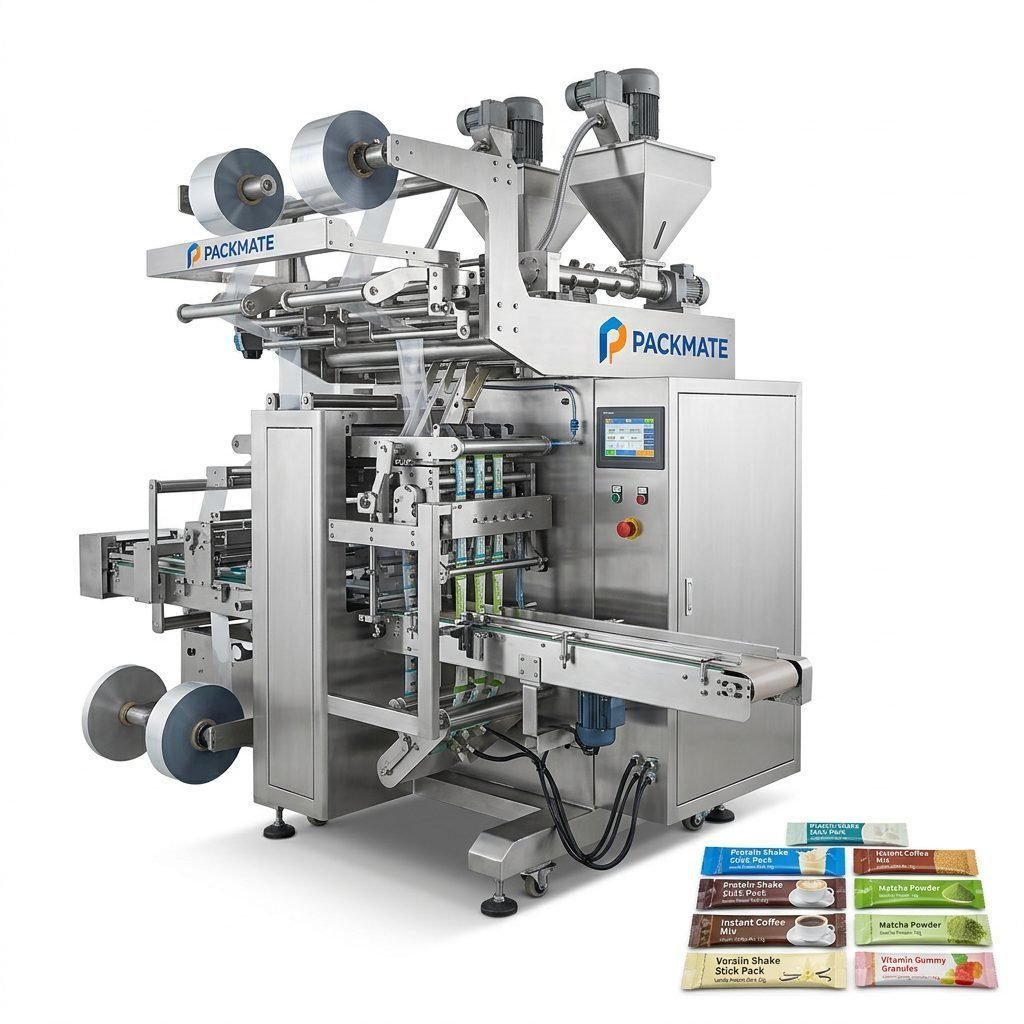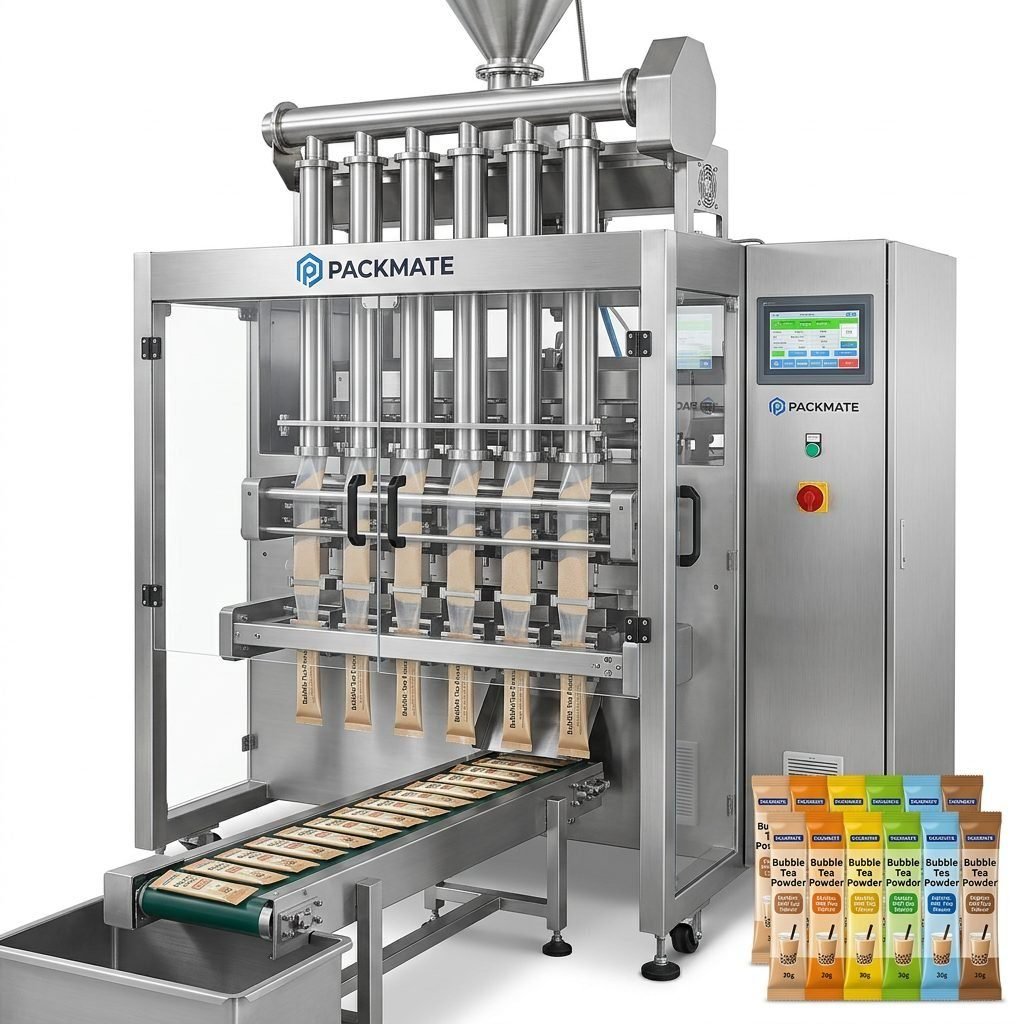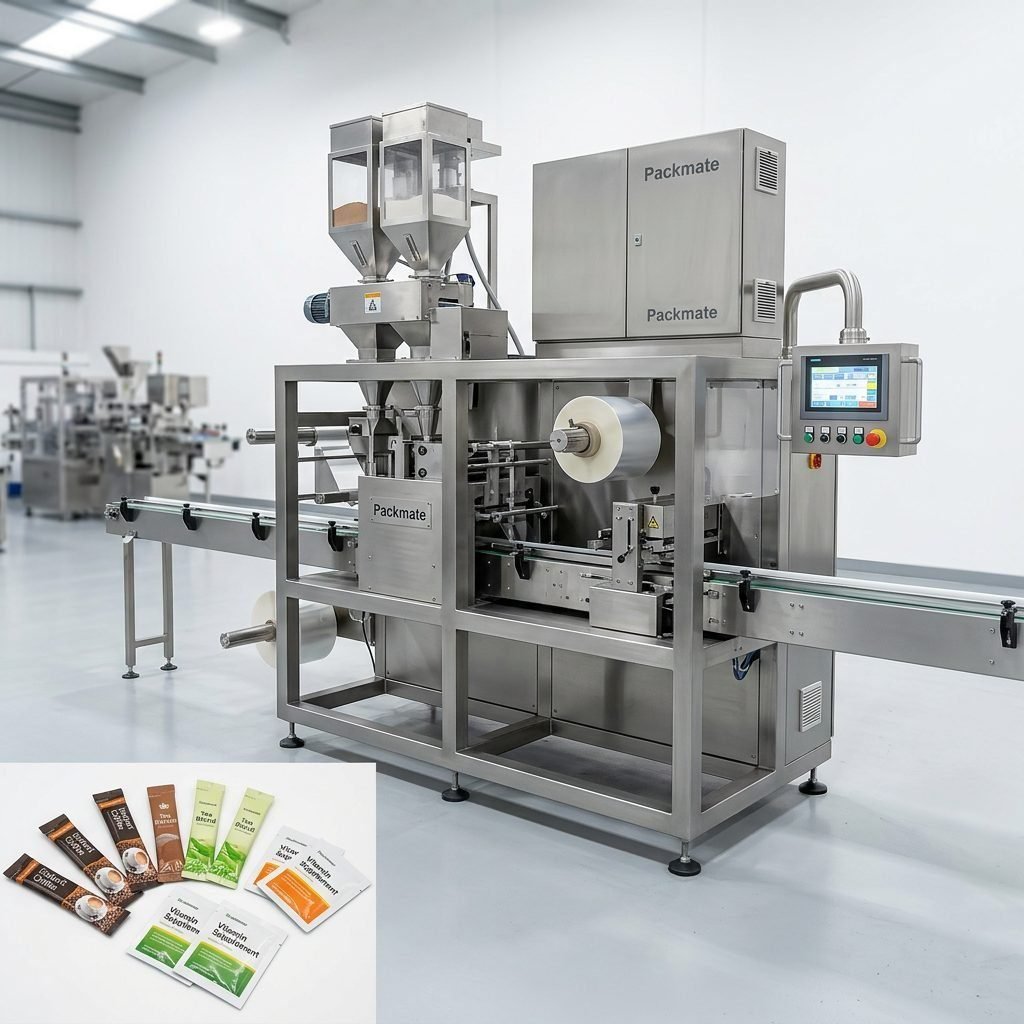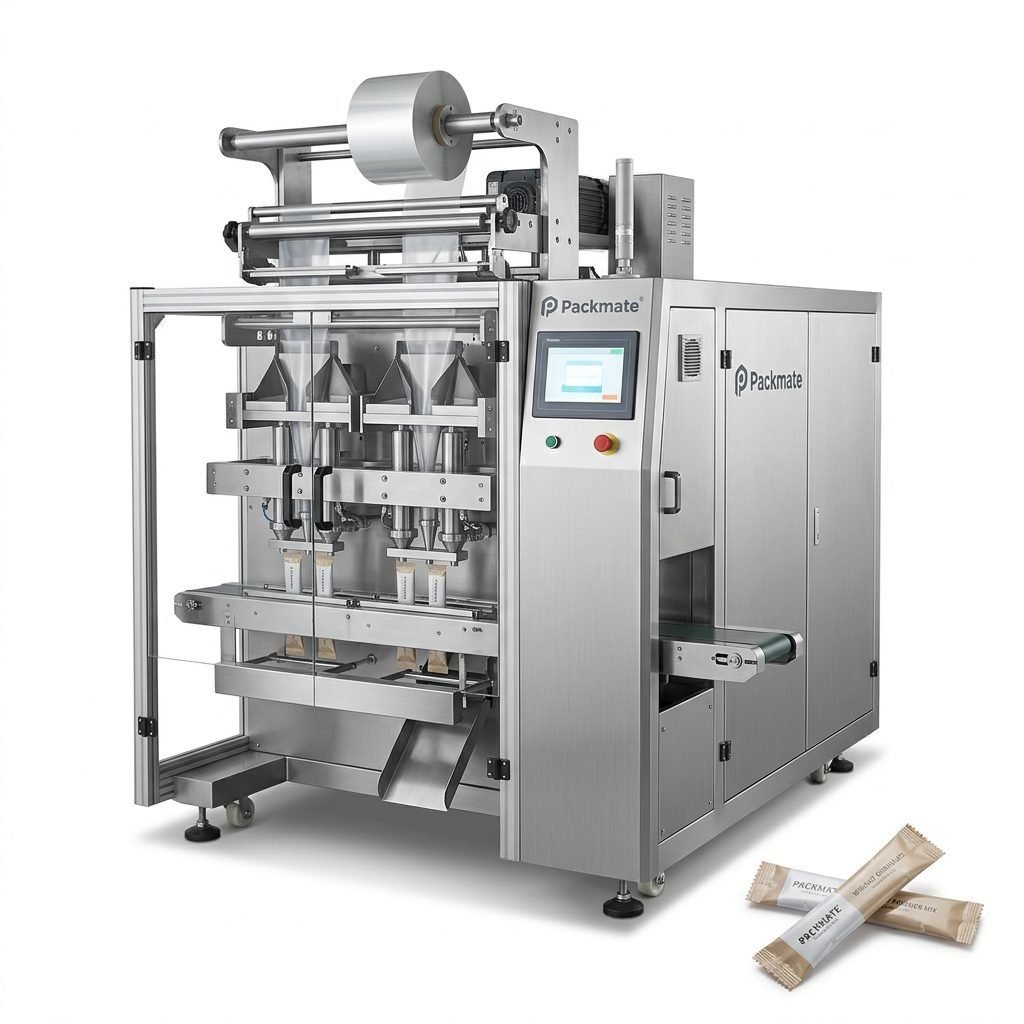
Selecting the right packaging machine manufacturer is a critical decision for businesses in Congo (Brazzaville) looking to modernize production, improve efficiency, or launch new products. The local market, comprising food processing, pharmaceuticals, agricultural exports, and consumer goods, demands reliable, cost-effective, and adaptable packaging solutions. A well-chosen partner can ensure smooth operations, consistent product quality, and a strong return on investment. This guide outlines the key factors to consider when evaluating packaging machine manufacturers, with a focus on meeting the specific needs of Congolese businesses.
Understanding Your Packaging Needs in the Congolese Context
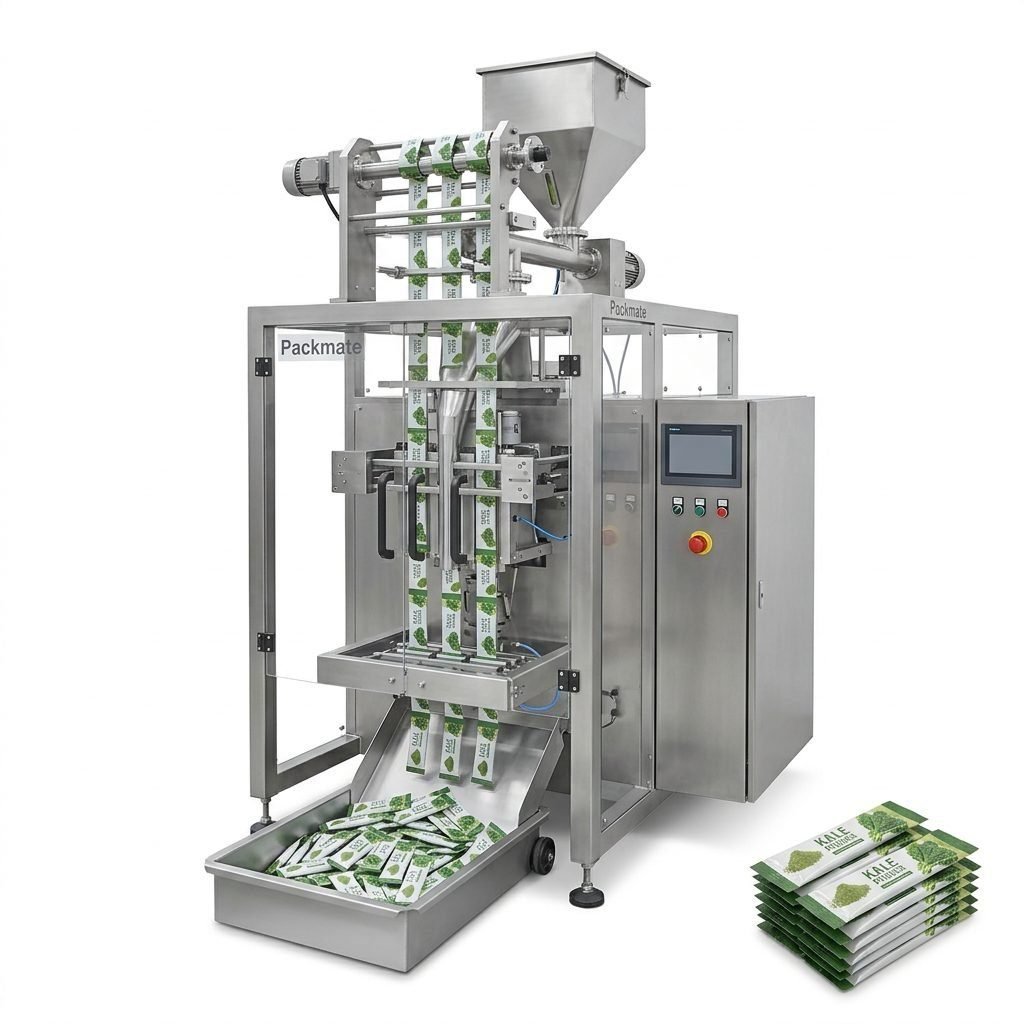
Before starting your search, clearly define your operational requirements. Consider your product type (powders like milk tea or spices, granules like sugar or grains, liquids, pastes), required output speed, bag or pouch format (stick packs, sachets, pillow bags), and available factory space. In Congo (Brazzaville), factors like power supply stability, access to technical support, and ease of operation are often as important as the machine’s core specifications.
Key Considerations for Your Operation
Product Type & Form: Is your product a free-flowing powder, a granular material, a viscous paste, or a liquid? The machine’s filling system (auger, volumetric cup, liquid pump) must be precisely matched.
Production Volume: Determine your required output in packs per minute (PPM). A high-speed multi-lane machine is necessary for large-scale production, while a single-lane machine may suffice for smaller batches or start-ups.
Packaging Material: Consider the film type (e.g., laminated films for moisture barrier) and its compatibility with the machine’s sealing system (heat seal, ultrasonic).
Evaluating Manufacturer Credentials and Experience
A manufacturer’s reputation and history are strong indicators of reliability. Look for companies with substantial experience, particularly those with a track record of exporting to Africa or similar markets. Experience in your specific industry (food, pharma, etc.) is invaluable. Consider the following credentials:
| Credential | Why It Matters |
|---|---|
| Years in Business | Longevity suggests stability, accumulated knowledge, and a proven product. |
| Industry Specialization | A manufacturer focused on food-grade or pharmaceutical machines understands the necessary hygiene and compliance standards. |
| Export Experience | Experience with international clients means they are familiar with export documentation, logistics, and providing remote support. |
| Factory Size & Capability | A sizable, modern factory indicates strong production capacity, quality control systems, and R&D investment. |
Spotlight on Experienced Manufacturers
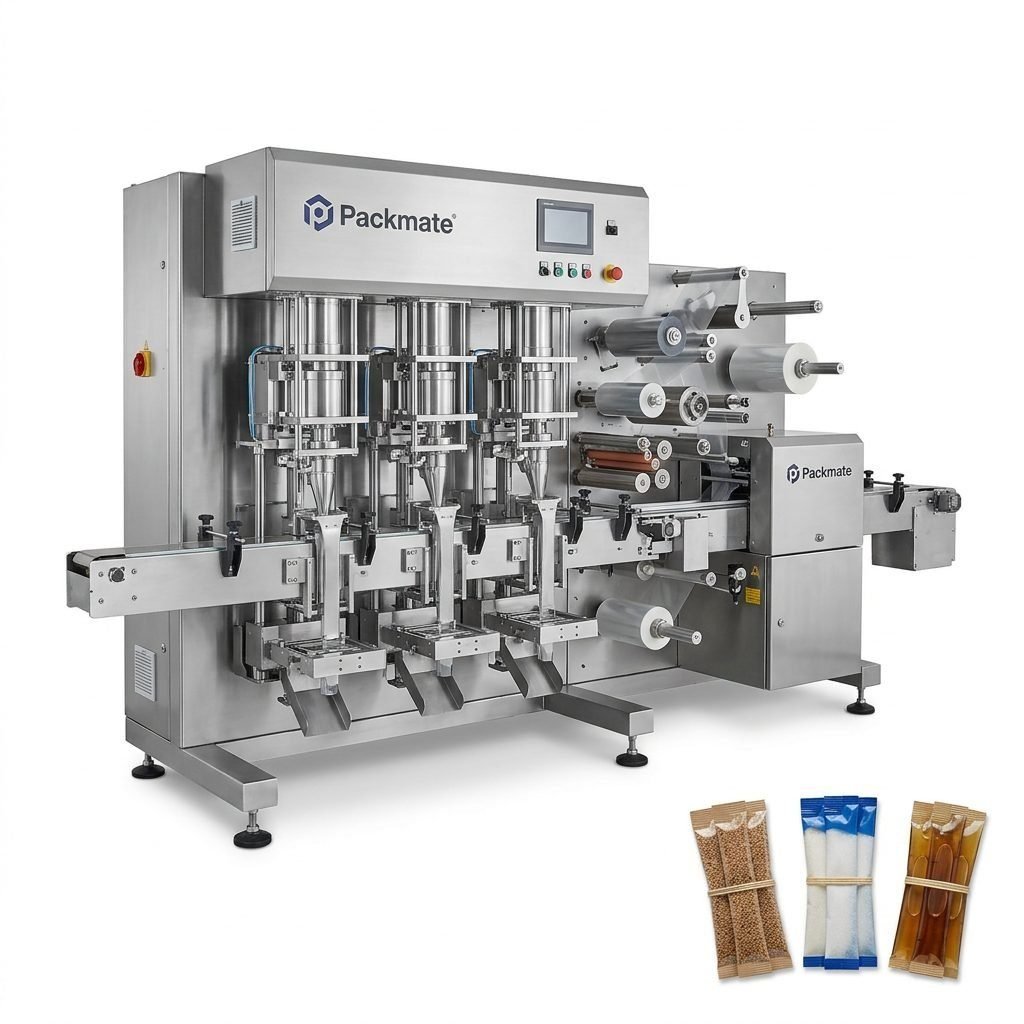
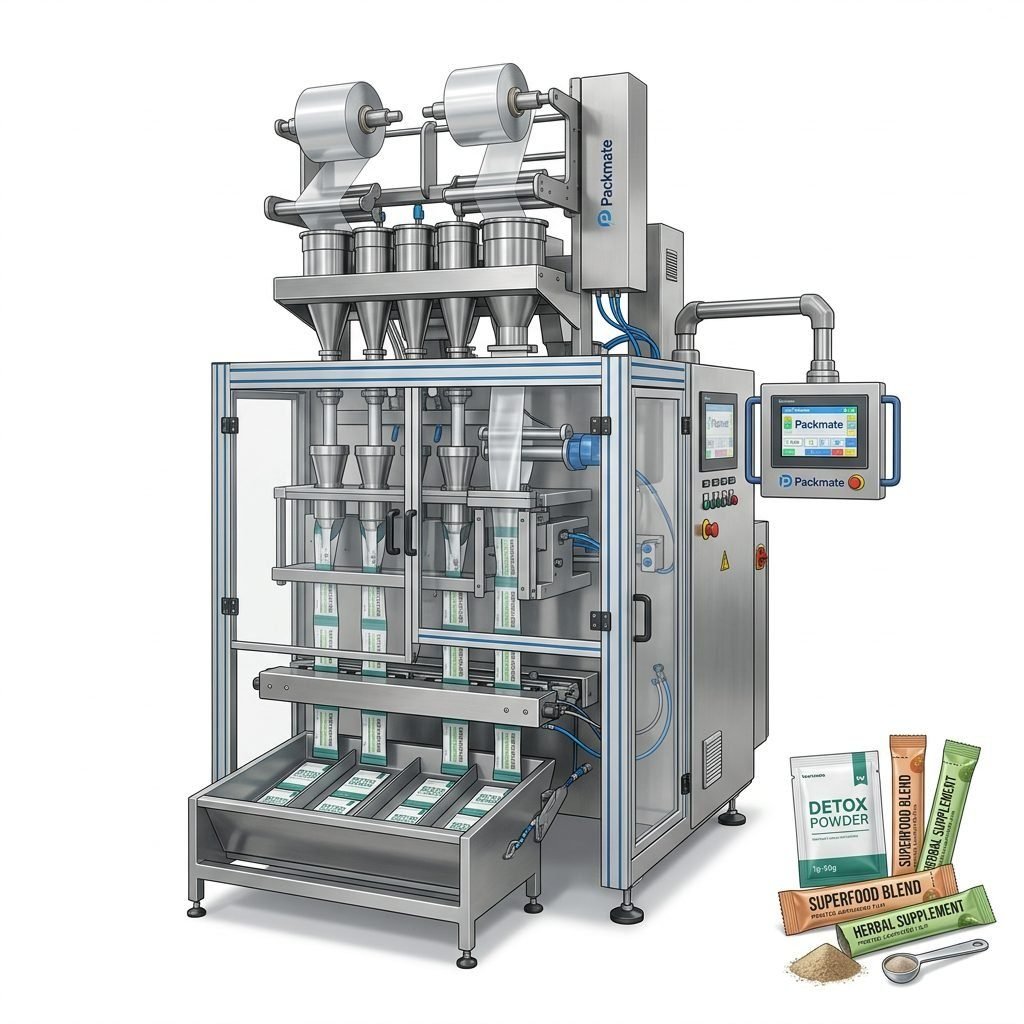
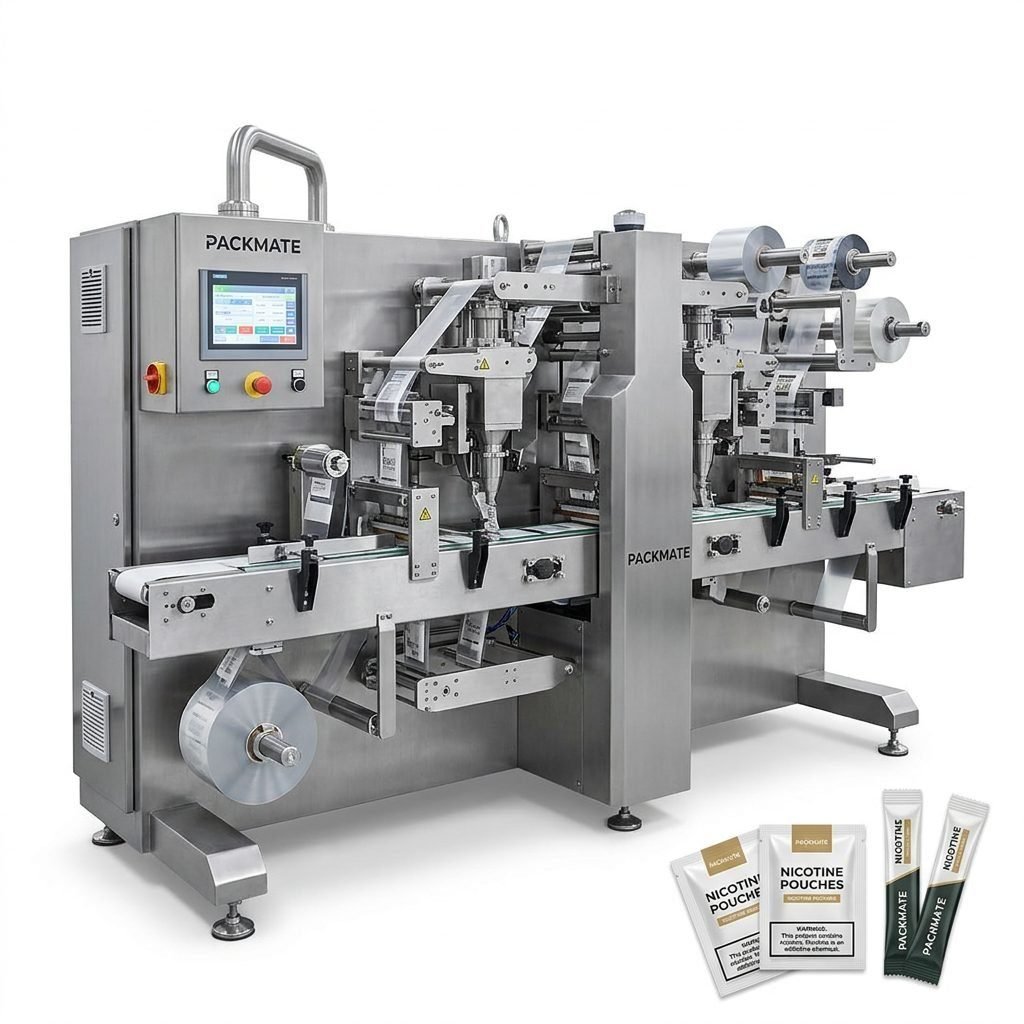
Several established manufacturers have built strong reputations in international markets. For instance, Ludyway, with over 30 years of experience and a 20,000+ sqm facility, is recognized for its broad portfolio and strong export footprint. Similarly, Packmate Machinery offers over 80 machine models with a focus on practical automation for medium to large-scale operations. For businesses seeking specialized solutions, SnusMachinery provides niche expertise in nicotine pouch packaging, a growing segment. Companies like PacklineOEM and PackingMachineOEM excel in providing complete turnkey lines and non-standard customized machines, respectively, which can be crucial for complex or unique production needs.
Technical Support and After-Sales Service: A Critical Factor
For businesses in Congo (Brazzaville), access to reliable technical support cannot be overstated. Given the geographical distance from most manufacturing hubs, the quality of after-sales service is a major differentiator. A good manufacturer should offer comprehensive support, including:
- Remote Assistance: The ability to troubleshoot via video call, phone, or remote desktop software.
- Spare Parts Availability: A clear policy on spare parts supply, including standard lead times and a recommended parts inventory to keep on-site.
- Training: Detailed operational and maintenance training, either at their facility or on-site in Brazzaville, for your engineering team.
- Warranty & Service Contracts: Transparent warranty terms and options for extended service agreements.
Customization and Flexibility
Off-the-shelf machines may not always fit your specific product or packaging vision. The ability of a manufacturer to customize is vital. This could involve adapting the machine for a unique pouch size, integrating a specific weighing system, or using special materials for parts that contact abrasive or corrosive products. Discuss your exact requirements early in the process to assess the manufacturer’s flexibility and engineering capability.
Cost Considerations and Total Value
While the initial machine price is important, it should not be the sole deciding factor. Consider the Total Cost of Ownership (TCO), which includes:
- Machine purchase price and shipping/import duties to Pointe-Noire or Brazzaville.
- Installation and commissioning costs.
- Energy consumption and utility requirements.
- Ongoing maintenance, spare parts, and potential downtime costs.
- Machine lifespan and potential for future upgrades.
A slightly more expensive but robust and efficient machine from a reputable supplier like Ludyway or Packmate Machinery can offer better long-term value than a cheaper, less reliable alternative.
Requesting and Evaluating Quotations
When you request a quotation, it should be detailed and transparent. It should list the machine model, specifications, all included accessories, warranty terms, delivery time (FOB, CIF), payment terms, and a breakdown of any optional costs. Use this document to compare not just price, but the completeness and clarity of the offer. Always ask for references from clients in similar industries or regions.
Logistics, Installation, and Commissioning
Coordinating the shipment, customs clearance, and installation of heavy machinery requires careful planning. A reliable manufacturer will assist with export documentation and provide detailed manuals and installation guides. They should also offer commissioning support, either by sending an engineer to your site or providing extensive remote guidance to ensure the machine is set up correctly and runs optimally from day one.
Building a Long-Term Partnership
Choosing a packaging machine manufacturer is the start of a long-term relationship. Look for a partner that is communicative, responsive, and genuinely interested in the success of your project. A manufacturer that provides ongoing support, software updates, and advice on operational improvements will become a valuable asset to your business growth in Congo (Brazzaville) and beyond.
Frequently Asked Questions (FAQs)
Q: What is the typical lead time for a packaging machine from China to Congo?
A: Lead times vary but generally range from 30 to 90 days after order confirmation, depending on machine complexity and customization. This includes production, testing, and sea freight shipping to a port like Pointe-Noire.
Q: How can I ensure the machine will work with my local power supply?
A: Reputable manufacturers like PackingMachineOEM or PacklineOEM can configure machines to match Congo’s standard voltage (220V/380V, 50Hz). Always specify your exact power requirements during the quotation process.
Q: What if I need a machine for a unique product or pouch shape?
A: Many manufacturers offer customization. Companies specializing in non-standard solutions, such as PackingMachineOEM, are well-equipped to modify existing designs or engineer new solutions to meet specific needs.
Q: What kind of after-sales support can I expect?
A: Support typically includes remote troubleshooting, online training, detailed manuals, and spare parts supply. The best manufacturers offer comprehensive service packages and may have service agents or partners in Africa to provide faster local support when needed.
Q: Are training and installation manuals provided in French?
A: Given that French is the official language in Congo (Brazzaville), it is essential to request French-language documentation and software interfaces. Most major exporters can provide manuals in multiple languages, including French, upon request.