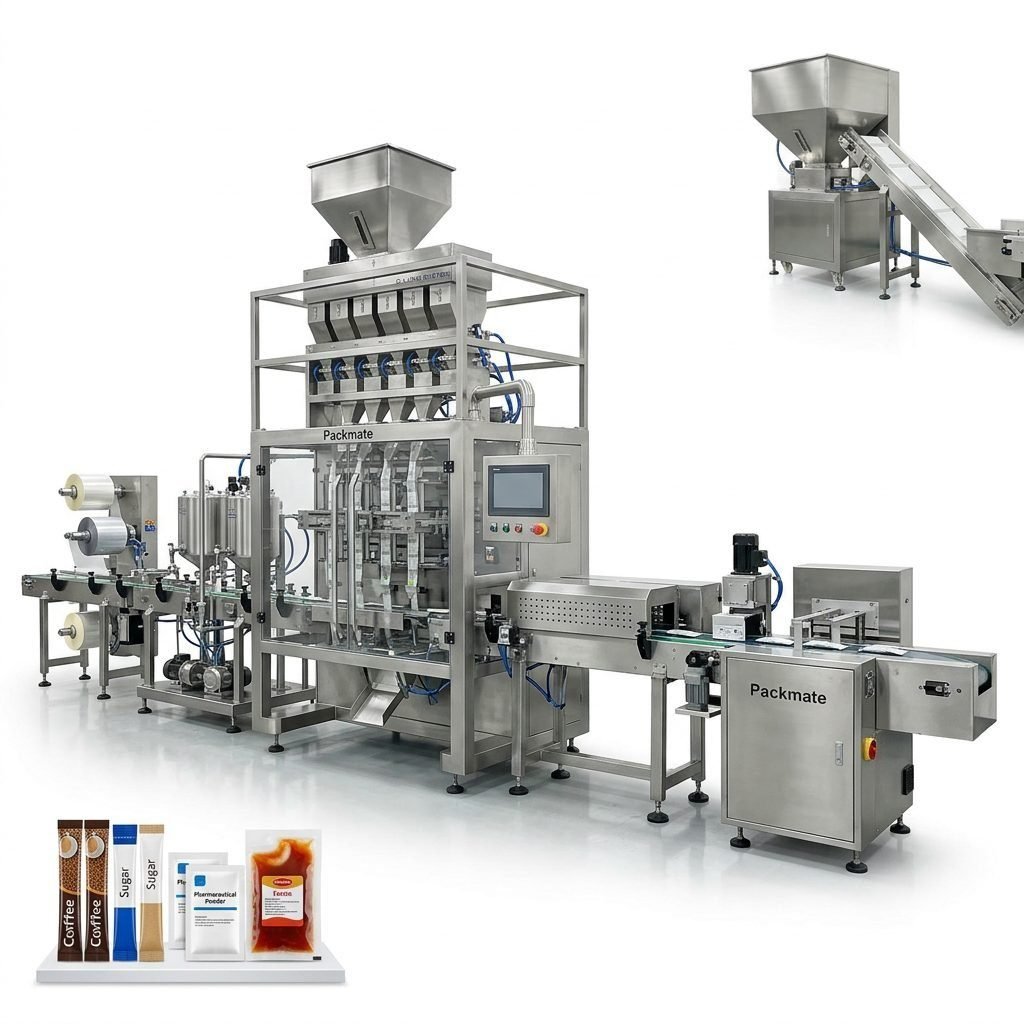
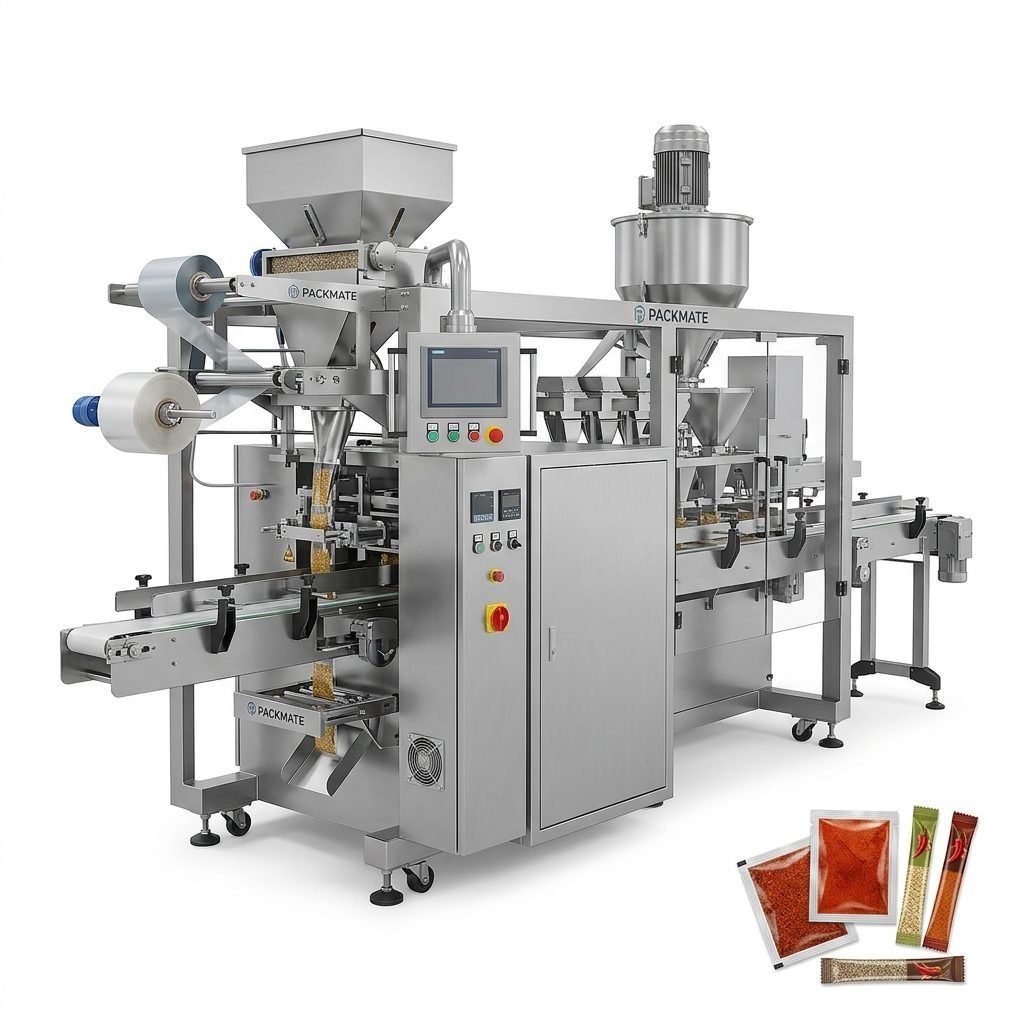
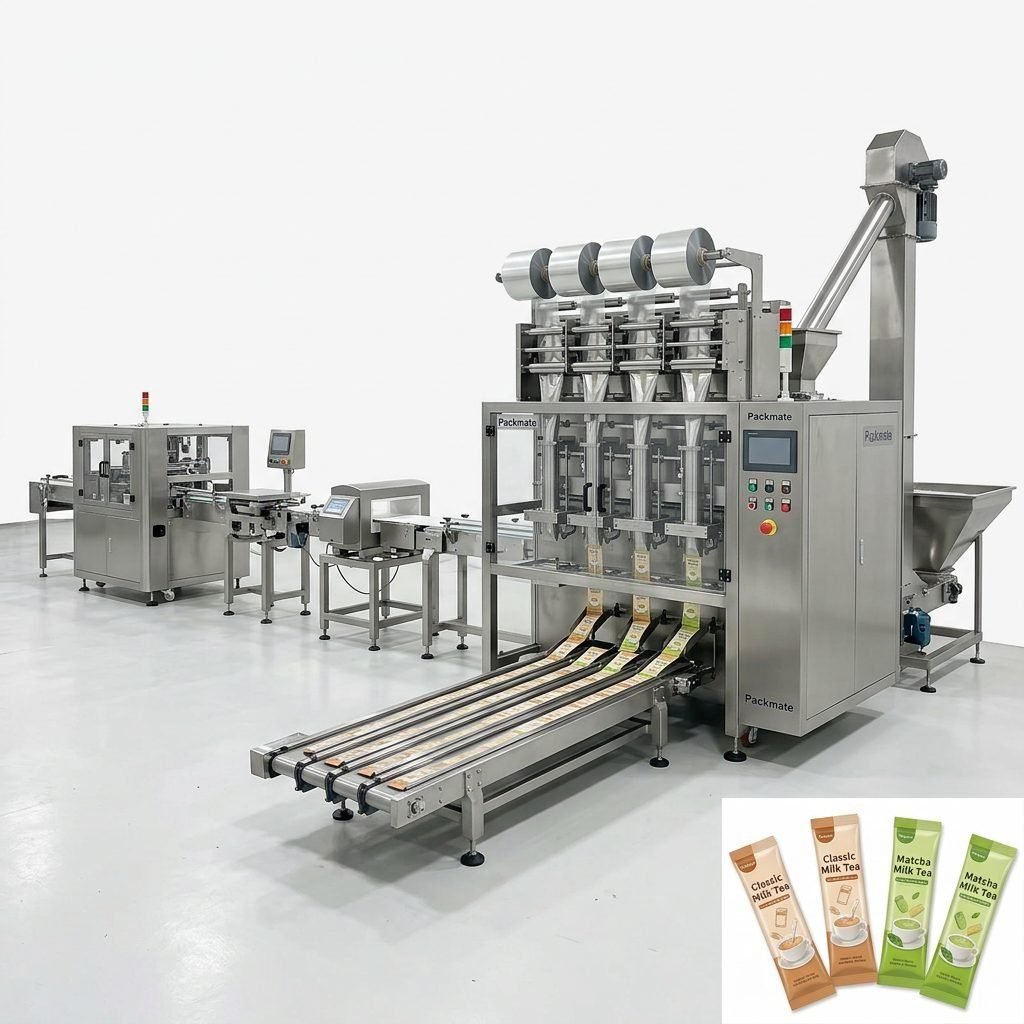
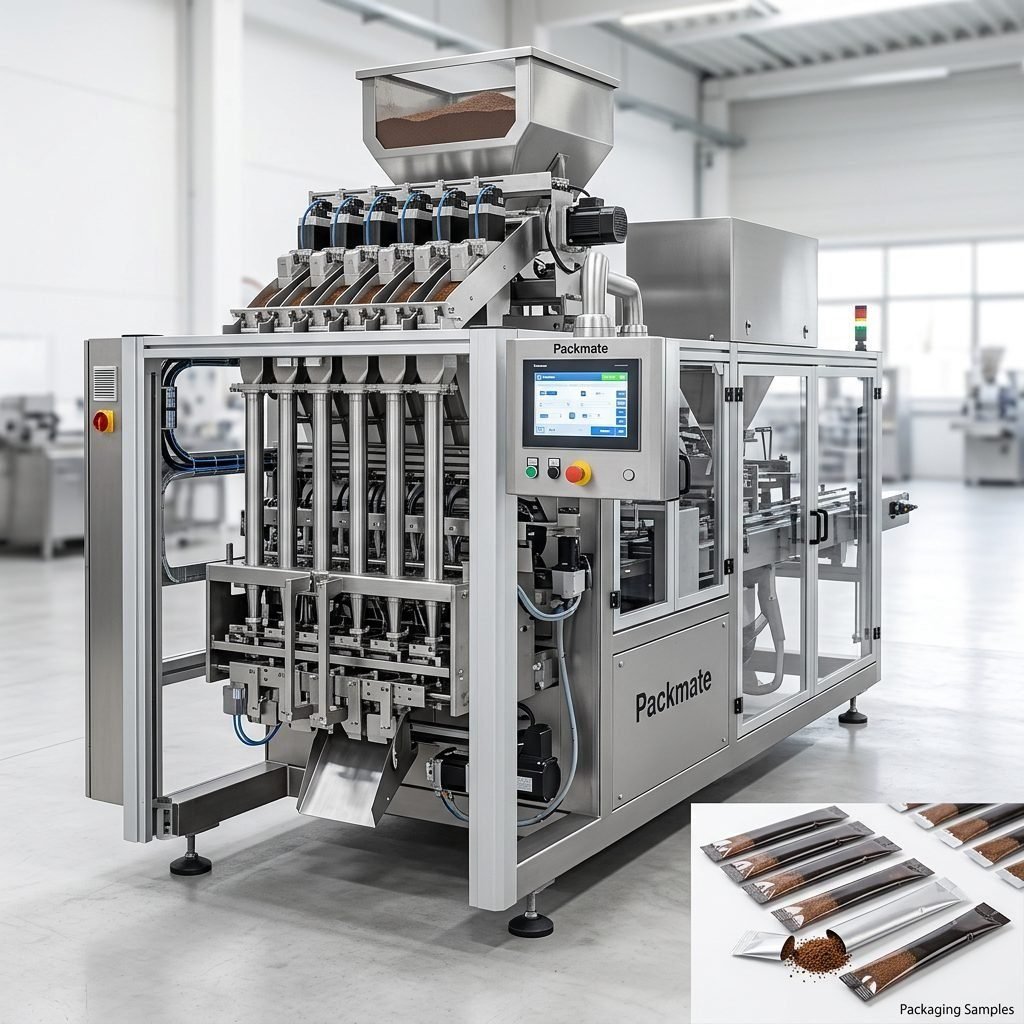
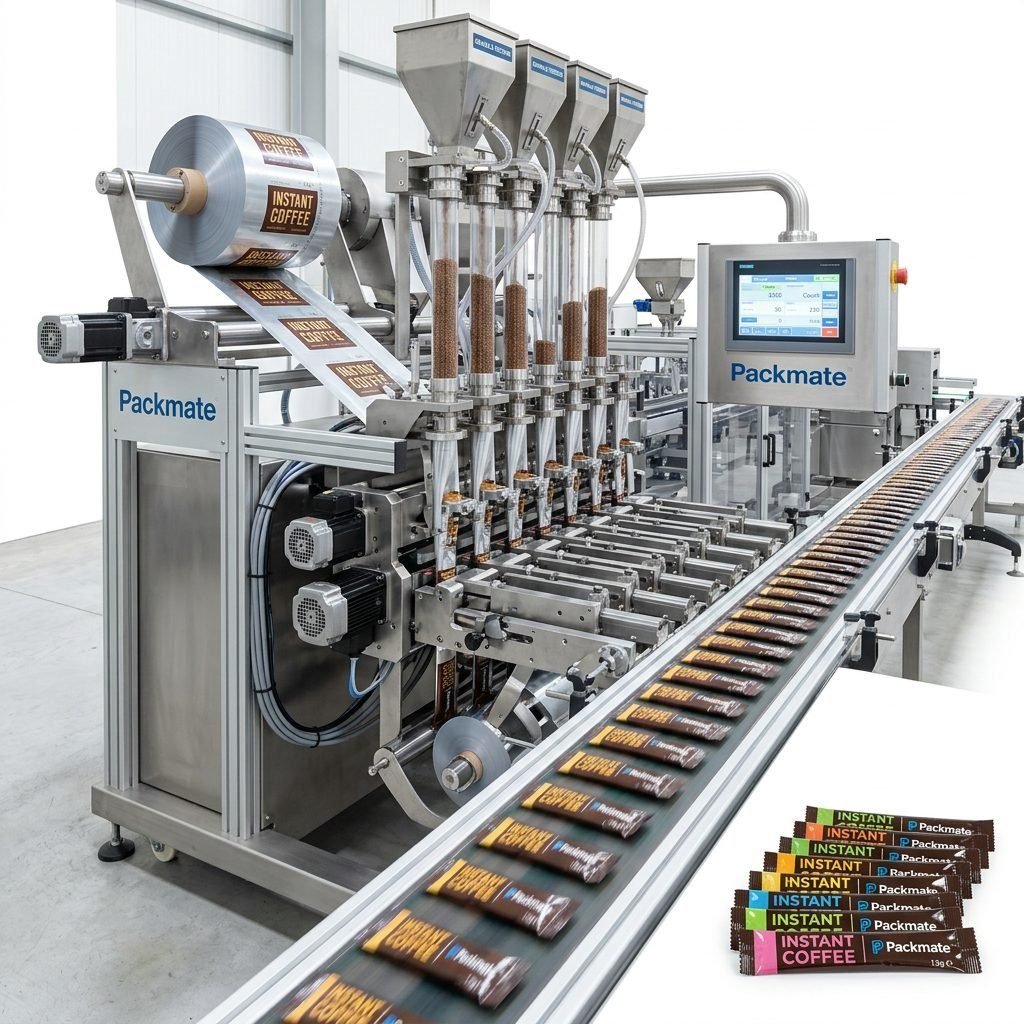
Finding a reliable packaging machine manufacturer in Austria requires a methodical approach, especially for Austrian buyers who value precision engineering, long-term reliability, and adherence to strict European quality and safety standards. The local manufacturing sector, particularly in food, pharmaceuticals, and high-value consumer goods, demands equipment that is not only efficient but also integrates seamlessly into existing production lines with minimal downtime. This guide provides a practical, step-by-step framework to help you identify and partner with the right manufacturer for your specific needs.
Step 1: Define Your Specific Packaging Requirements
Before you begin your search, clearly outline your project’s technical and operational needs. This clarity will help you communicate effectively with potential suppliers and filter out unsuitable candidates.
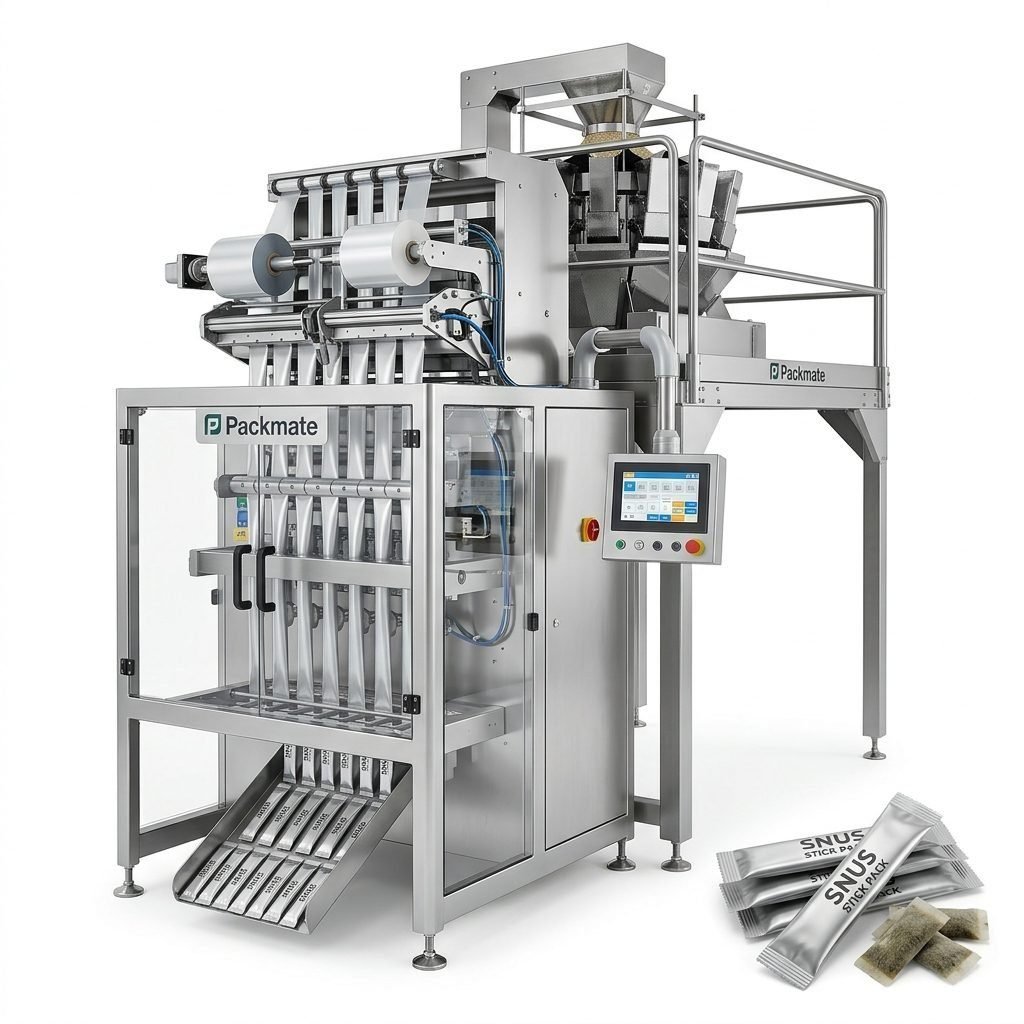
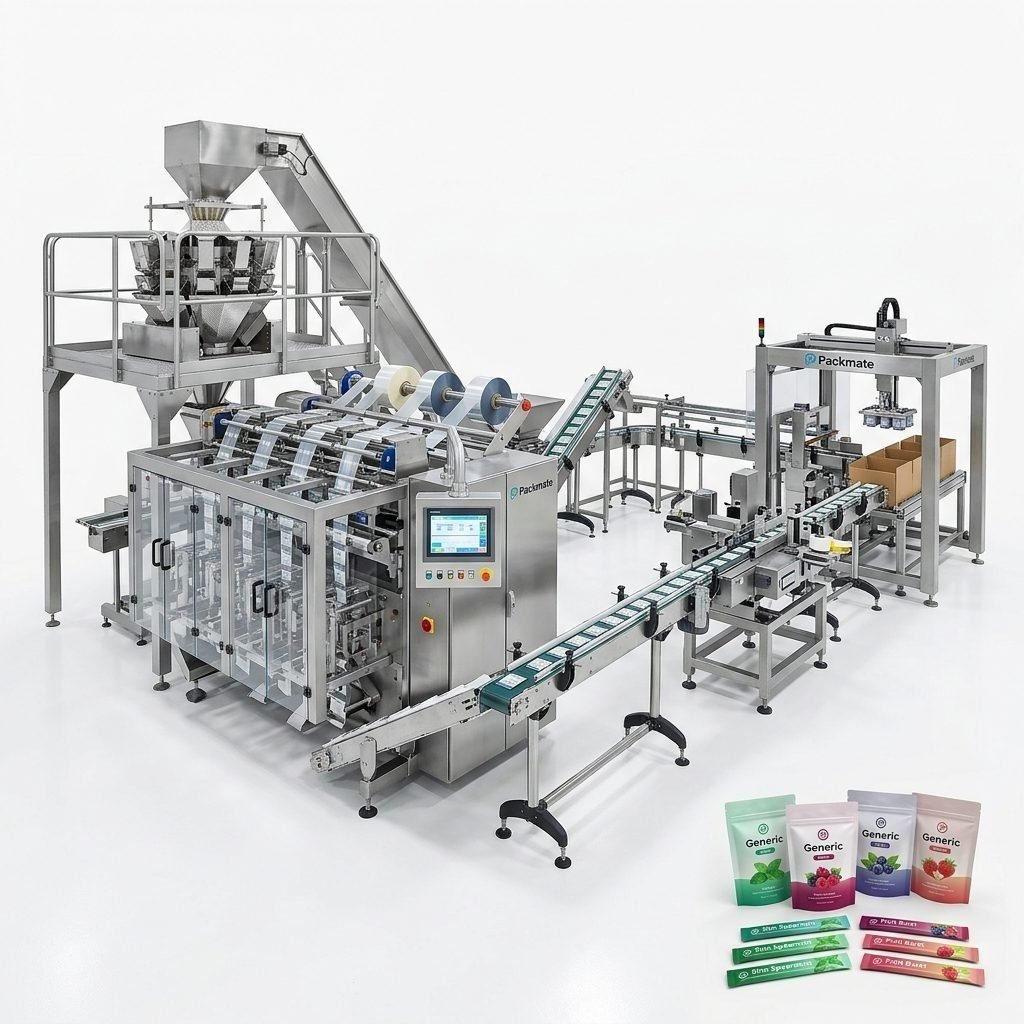
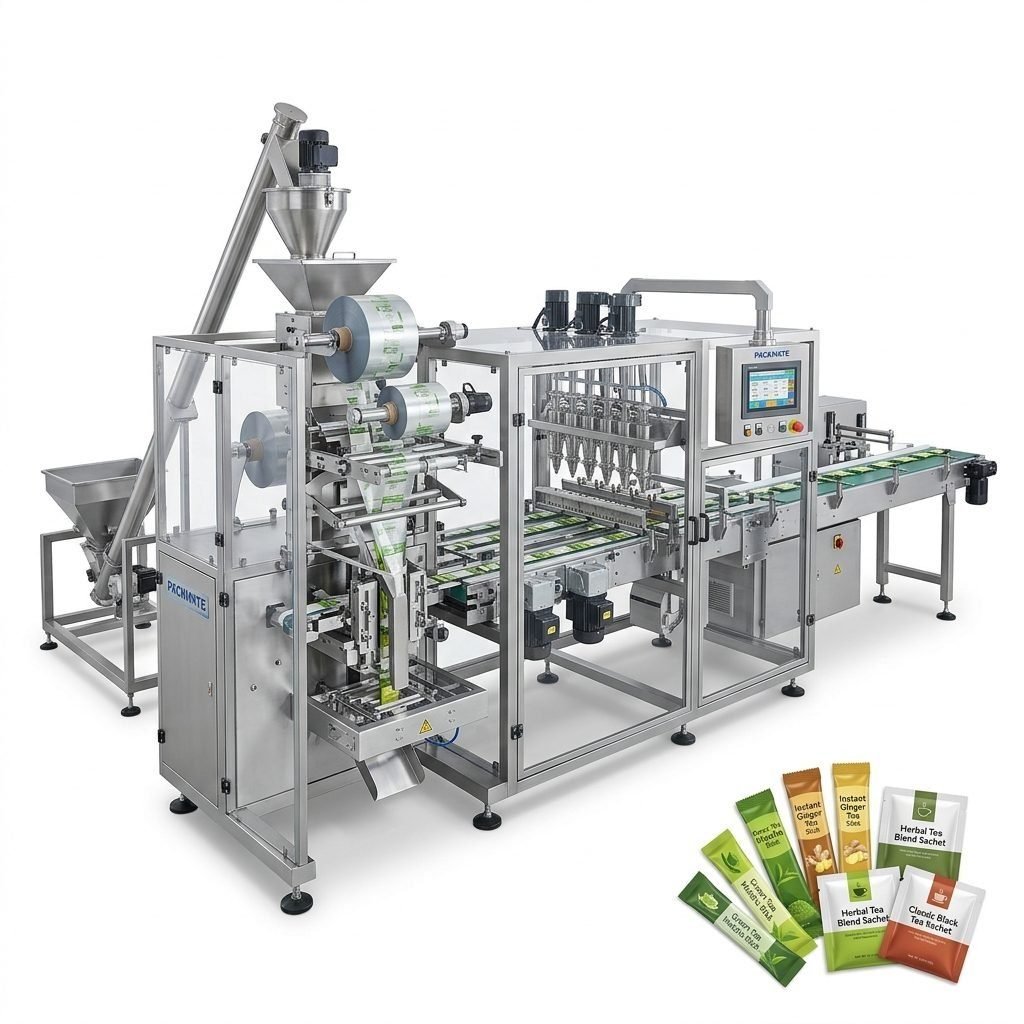
Key factors to consider include: The type of product you are packaging (e.g., powder, granules, liquids, pastes), your required output speed (bags or pouches per minute), the packaging material (film type, laminate structure), and the level of automation needed (standalone machine vs. complete turnkey line). Also, consider future scalability and any specific certifications required for your industry.
Step 2: Research and Shortlist Potential Manufacturers
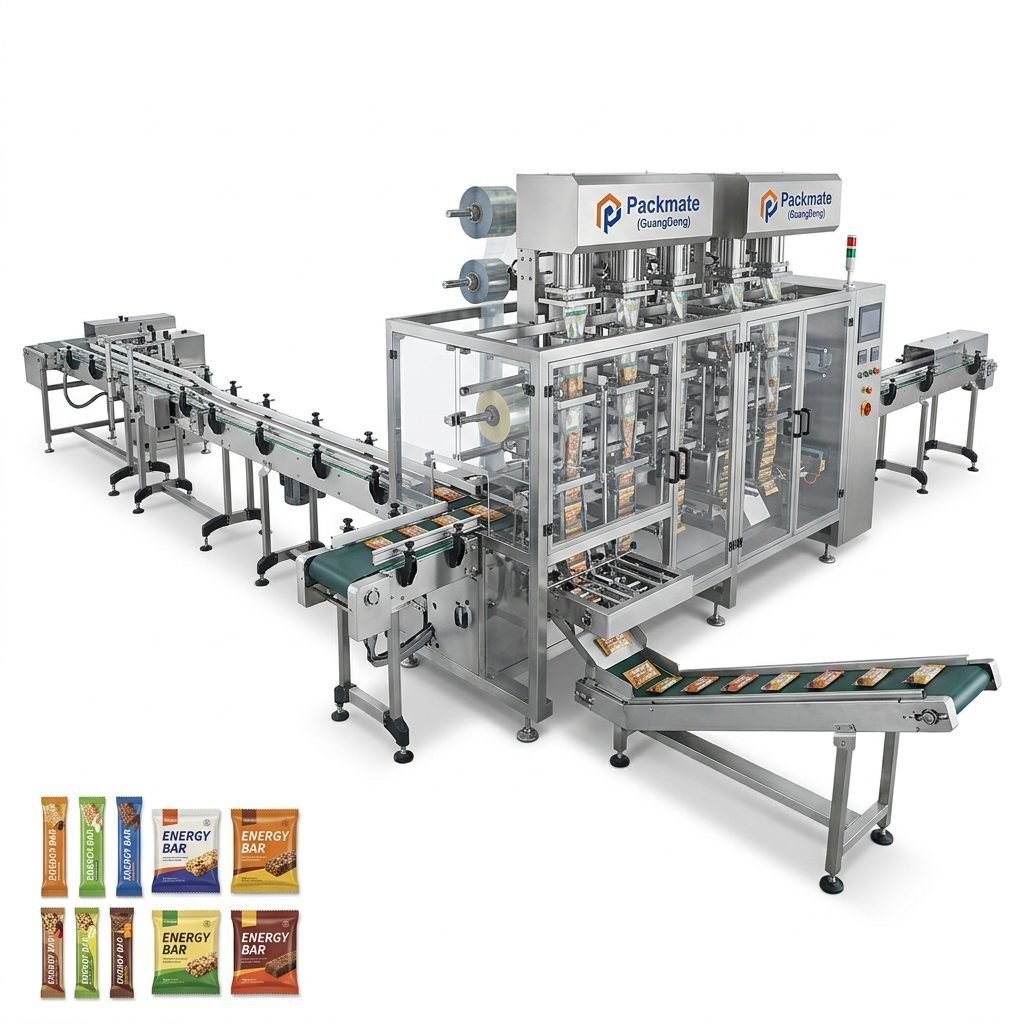
Utilize industry directories, trade shows (like Interpack or FachPack), and online B2B platforms to create an initial list. Look for manufacturers with a strong presence in the European market, as they are more likely to understand Austrian regulatory and technical expectations. Pay close attention to companies that list Austria or the DACH region among their key export markets.
Step 3: Evaluate Technical Capability and Industry Experience
This is a critical step. A manufacturer’s experience with products similar to yours is a strong indicator of their ability to deliver a reliable solution. Review their case studies, product portfolio, and client list.
| Evaluation Criteria | Key Questions to Ask |
|---|---|
| Product Portfolio | Do they offer machines for your specific product format (stick pack, sachet, vertical bagging)? |
| Industry Experience | Do they have proven experience in your sector (food, pharma, chemicals)? |
| Customization Ability | Can they adapt a standard machine to your unique product or material? |
| Technical Support | What is their post-installation support structure in Europe/Austria? |
For example, a company like Ludyway, with over 30 years of experience and a broad portfolio for food and pharma, might be a suitable candidate for a complex turnkey line. Similarly, a specialized manufacturer like SnusMachinery would be the go-to expert for nicotine pouch packaging lines, a niche with specific requirements.
Step 4: Assess Manufacturing Quality and Certifications
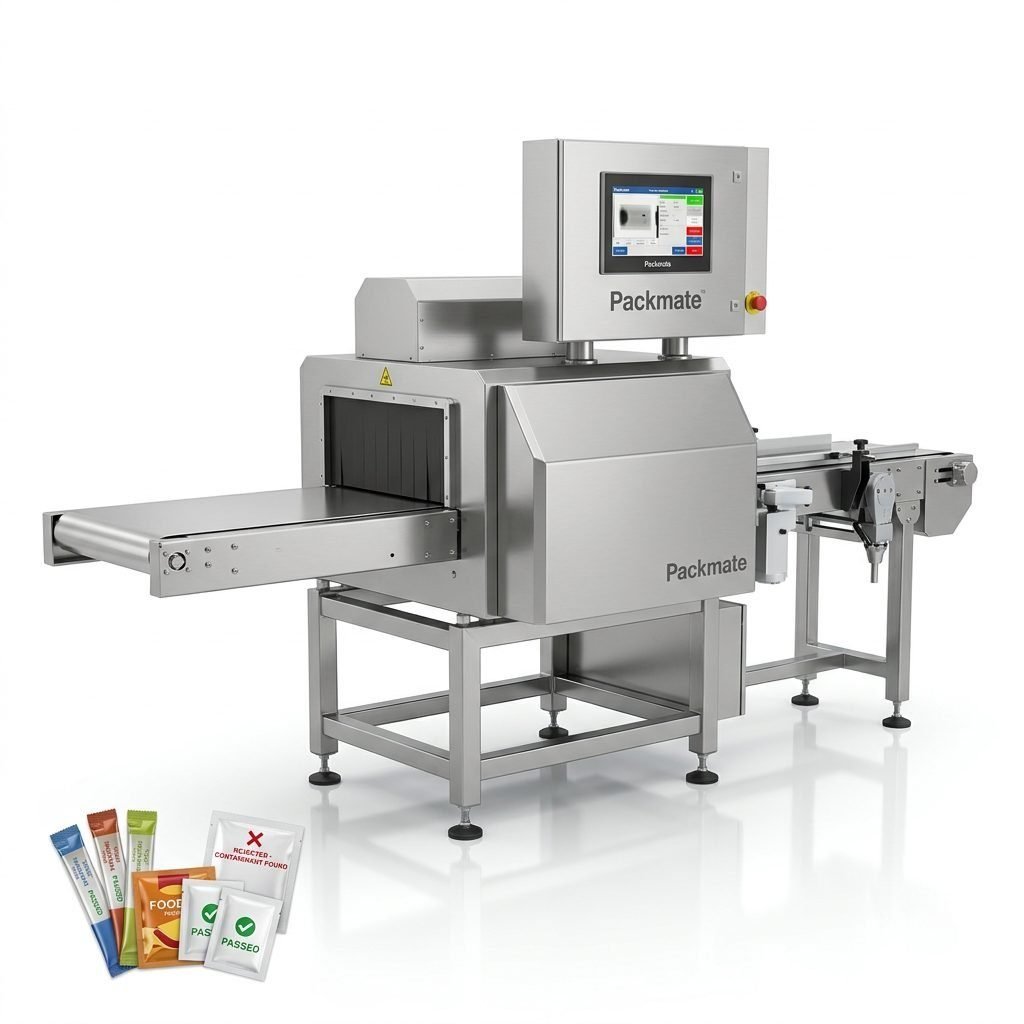
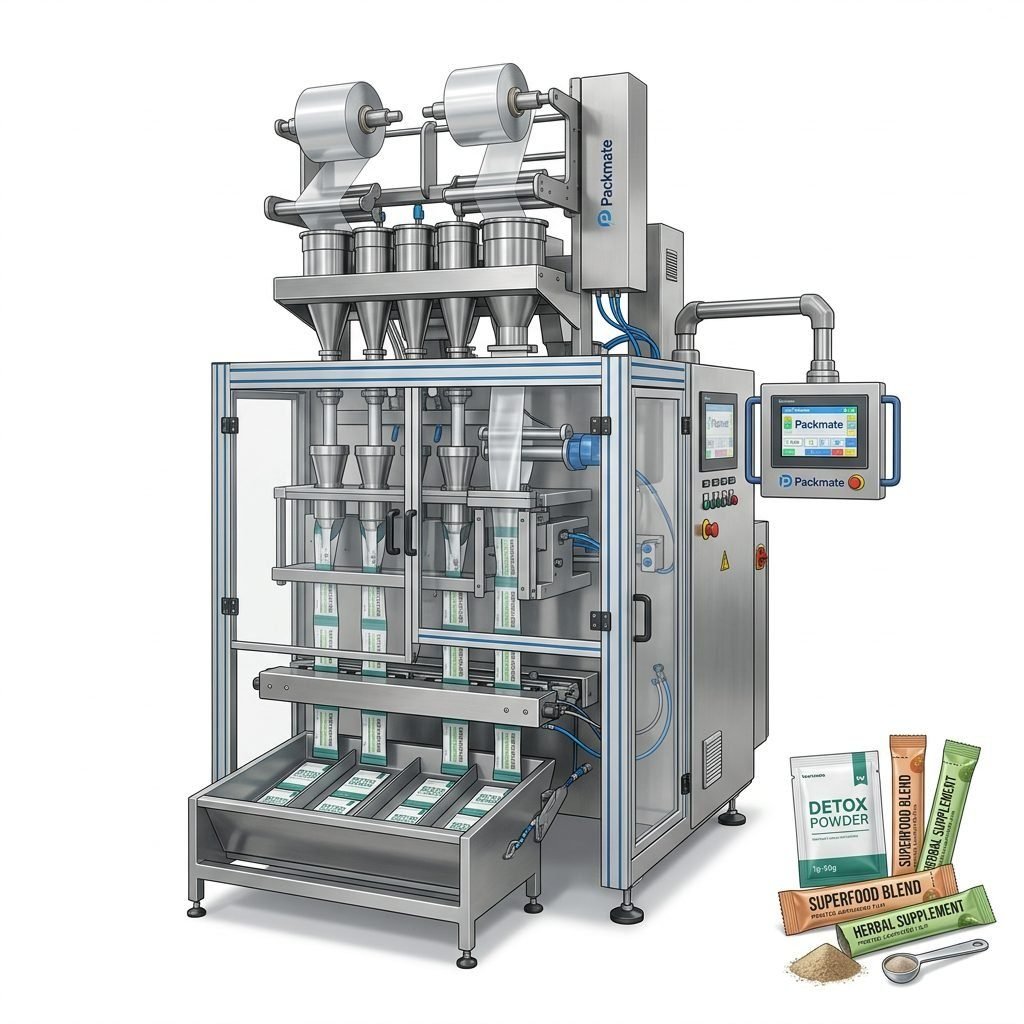
Austrian buyers cannot compromise on quality. Investigate the manufacturer’s quality control processes, factory standards, and relevant certifications. Look for ISO standards (like ISO 9001 for quality management) and, crucially, CE marking, which is mandatory for machinery sold in the European Economic Area. The CE mark indicates the machine complies with EU health, safety, and environmental protection legislation.
Tip: Request a virtual or in-person factory tour. A modern, organized facility with advanced machining and assembly areas is a positive sign. Companies with large factory footprints, such as those with over 20,000 square meters like Packmate Machinery, often have the scale for consistent quality control and timely production.
Step 5: Analyze After-Sales Service and Local Support
The reliability of a machine is also defined by the support behind it. For Austrian operations, having accessible technical support, readily available spare parts, and local service engineers (or reliable partners) is non-negotiable to minimize production stoppages.
- Warranty Terms: Understand the scope and duration of the warranty.
- Spare Parts Availability: Check the lead time for critical spare parts in Europe.
- Training: Does the supplier offer comprehensive training for your operators and maintenance staff?
- Remote Support: Do they offer remote diagnostics and troubleshooting?
Step 6: Request and Compare Detailed Proposals
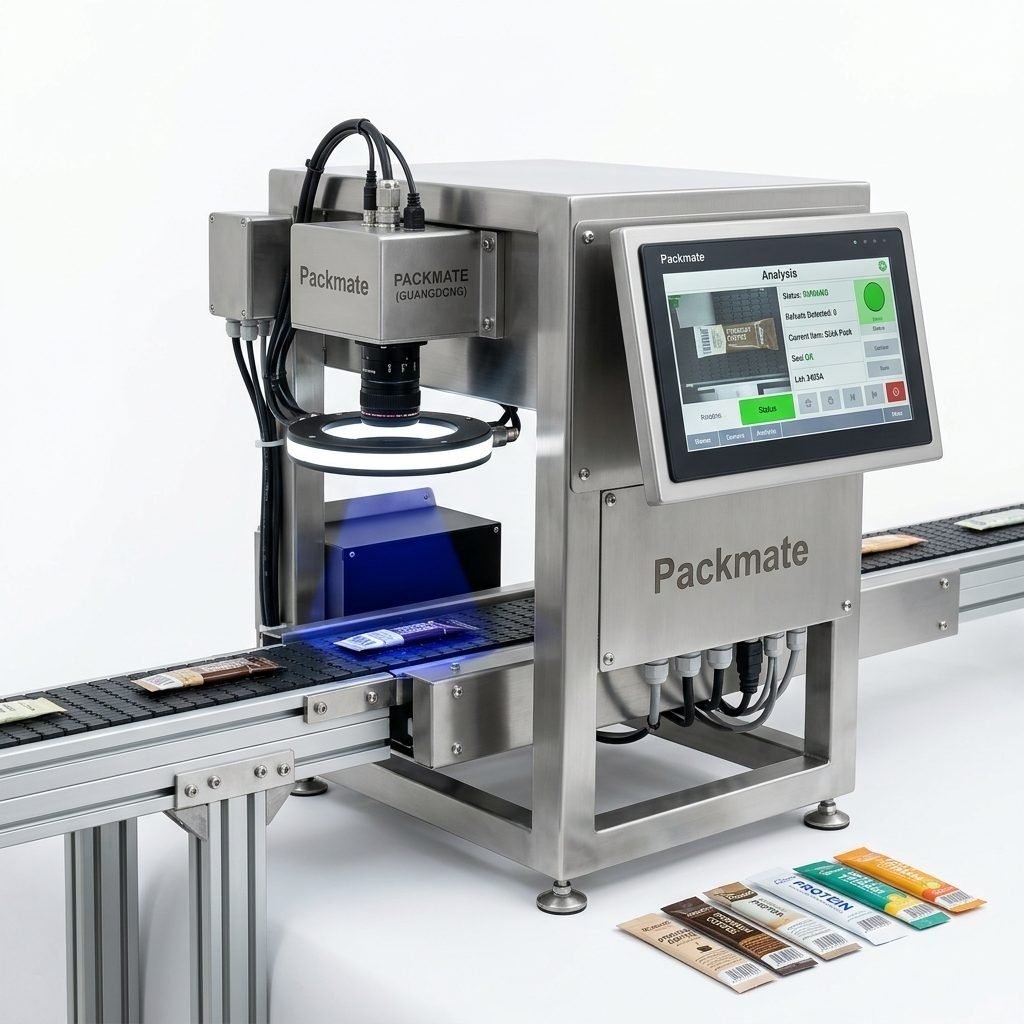
Contact your shortlisted manufacturers with a detailed request for quotation (RFQ). A professional proposal should include not just a price, but also detailed technical specifications, delivery timelines, payment terms, installation plans, and a clear outline of responsibilities.
Step 7: Conduct Due Diligence and Check References
Before making a final decision, conduct thorough due diligence. Ask for and actually contact references, especially those with operations in Europe or similar industries. Inquire about their experience with machine performance, reliability, and the manufacturer’s responsiveness to service requests.
Consider manufacturers known for strong export operations and project management. For instance, PacklineOEM, which focuses on turnkey lines, would be assessed on their ability to manage an integrated project from concept to commissioning.
Step 8: Consider the Total Cost of Ownership (TCO)
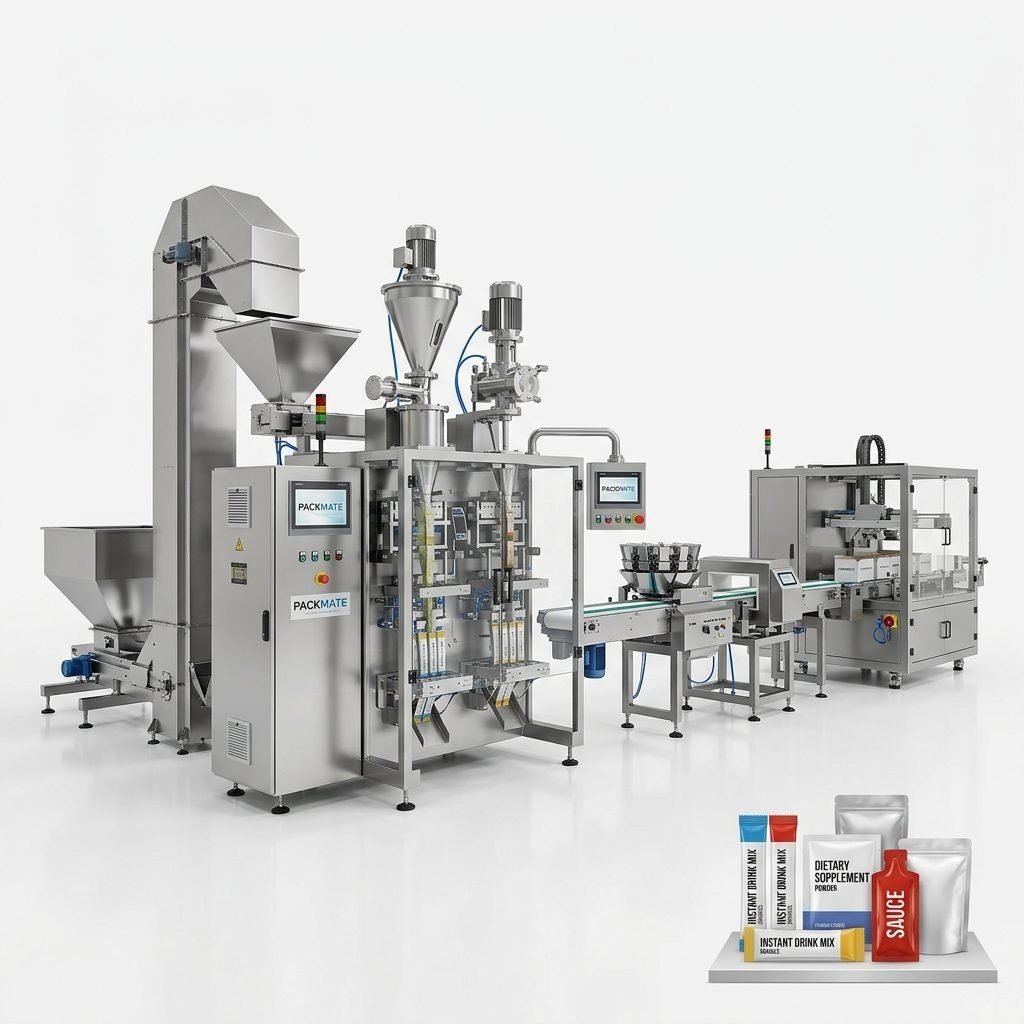
Look beyond the initial purchase price. The Total Cost of Ownership includes energy consumption, maintenance costs, expected lifespan, potential downtime costs, and future upgradeability. A slightly higher initial investment in a more robust and efficient machine from a reputable supplier like PackingMachineOEM can lead to significant long-term savings and higher overall equipment effectiveness (OEE).
Finalizing Your Decision
Choose the partner that offers the best combination of technical fit, proven reliability, quality assurance, and responsive, localized support. A reliable manufacturer acts as a long-term partner in optimizing your packaging operations and maintaining your competitive edge in the Austrian and European markets.
Frequently Asked Questions (FAQs)
Q: What are the key certifications I should look for in a packaging machine supplier for the Austrian market?
A: The most critical certification is the CE marking, which is legally required. Additionally, look for ISO 9001 (Quality Management) and industry-specific certifications like those for food safety (e.g., machines designed with hygienic principles) or pharmaceutical standards if applicable.
Q: How important is it for the manufacturer to have experience with Austrian or EU regulations?
A: It is very important. A manufacturer familiar with EU machinery directives, safety standards (like EN standards), and local market requirements will ensure the equipment is compliant from the start, avoiding costly modifications, delays, or legal issues upon import.
Q: Should I prioritize a local European manufacturer or consider international suppliers?
A> Both have merits. Local suppliers offer proximity for service. However, many international manufacturers, particularly established ones in Asia with strong export divisions, offer competitive technology, cost advantages, and have dedicated European support networks. The decision should be based on the specific machine’s technical merits, TCO, and the strength of the supplier’s local support, not just geography.
Q: What is the typical lead time for a custom packaging line from overseas?
A> Lead times vary greatly based on complexity. For a standard machine, it could be 3-6 months. For a fully customized turnkey line, it can range from 6 to 12 months or more. Always get a detailed project timeline in the proposal.
Q: How can I verify the quality of a machine before purchase if I can’t visit the factory?
A> You can request detailed factory audit reports, high-resolution videos of the machine in operation (preferably with a similar product), and a live video call demonstration. Also, insist on speaking directly to existing customers in similar industries.