Selecting the right packaging machine manufacturer is a critical decision for any business, impacting production efficiency, product quality, and long-term operational costs. For businesses in Israel, a nation known for its high-tech innovation, strong pharmaceutical and food tech sectors, and export-oriented economy, this choice carries additional weight. Israeli manufacturers and processors often require machinery that is technologically advanced, reliable, and capable of meeting stringent international standards for markets in Europe and North America. This guide will walk you through the key factors to consider when choosing a packaging machine supplier, with a focus on the specific needs of the Israeli market.
Understanding Your Business and Packaging Needs
Before you even begin evaluating manufacturers, it’s essential to have a clear understanding of your own requirements. Israeli companies, particularly in sectors like pharmaceuticals, medical devices, agro-tech, and premium food products, often deal with sensitive, high-value goods that demand precise and hygienic packaging.
Key questions to ask yourself:
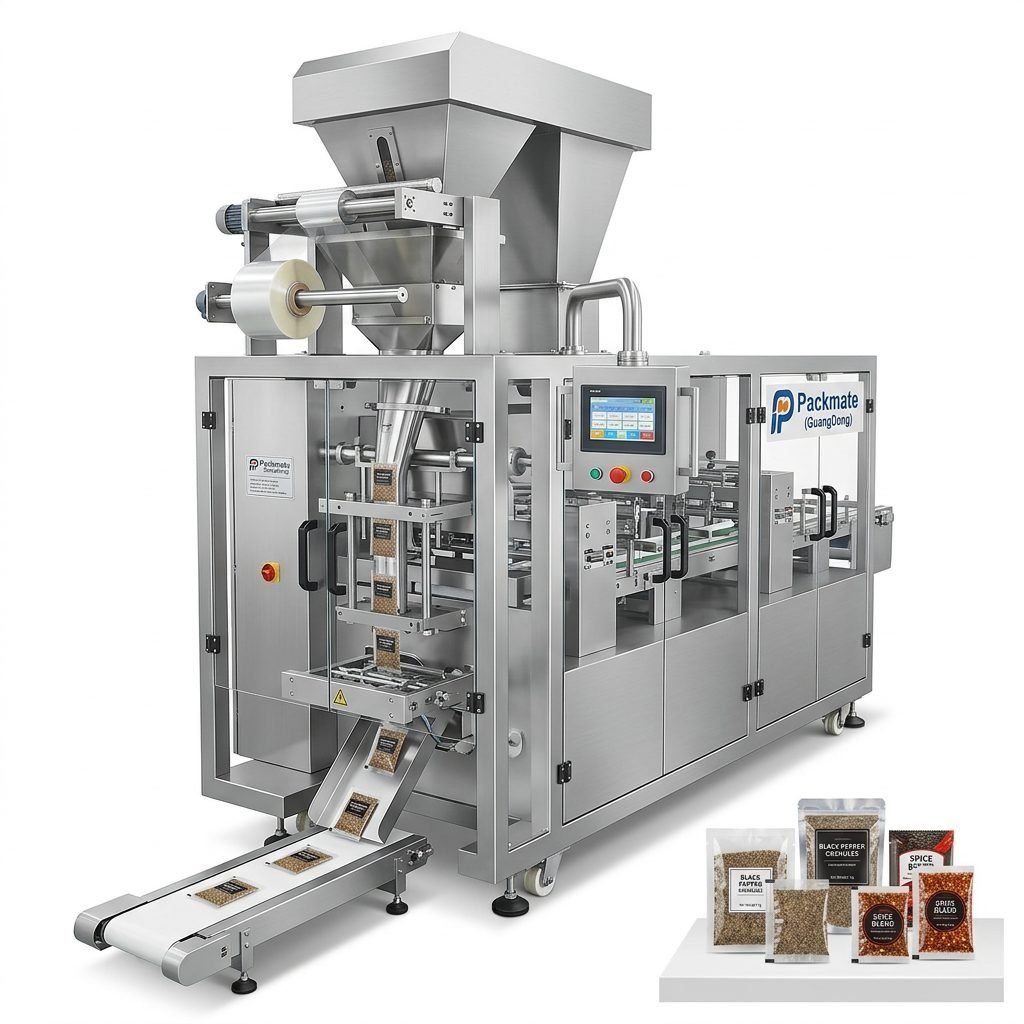
- Product Type: Are you packaging powders, granules, liquids, pastes, capsules, or solid items? The physical properties of your product (flowability, viscosity, abrasiveness) dictate the machine type.
- Production Volume & Speed: What is your current and projected output? Israeli startups might need scalable solutions, while established factories require high-speed, high-volume systems.
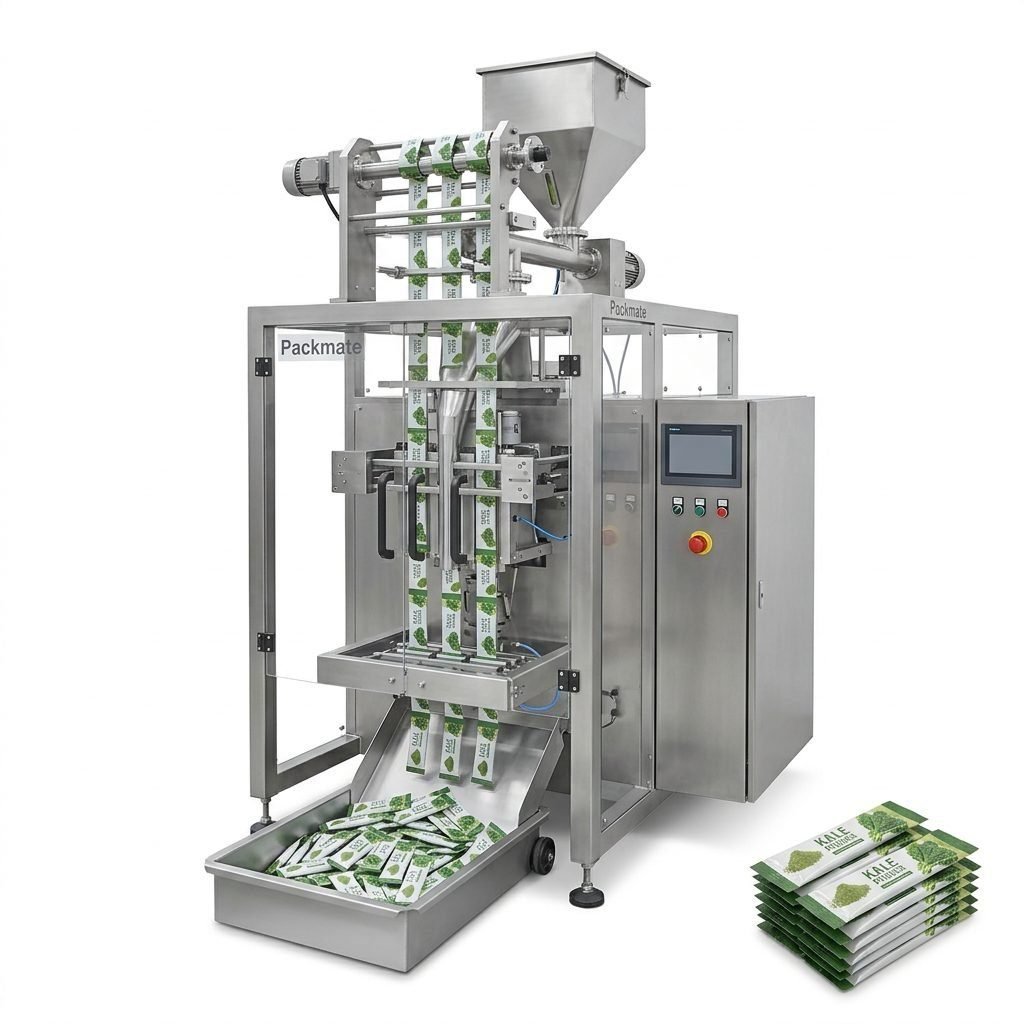
- Packaging Format: Do you need stick packs, sachets, pouches, bottles, blister packs, or cartons? Consumer trends in Israel and your target export markets will influence this.
- Level of Automation: Are you looking for a standalone machine or a fully integrated turnkey line? Given Israel’s high labor costs, automation for labor savings is a significant consideration.
- Regulatory Compliance: For pharma or food, does the machine need to meet specific standards like GMP, FDA, or CE? This is non-negotiable for export-focused Israeli companies.
Key Evaluation Criteria for Manufacturers
Once your needs are defined, you can assess potential suppliers against a set of critical criteria. For Israeli businesses, partnering with a manufacturer that understands export complexities and offers robust support is paramount.
1. Technical Capability and Experience
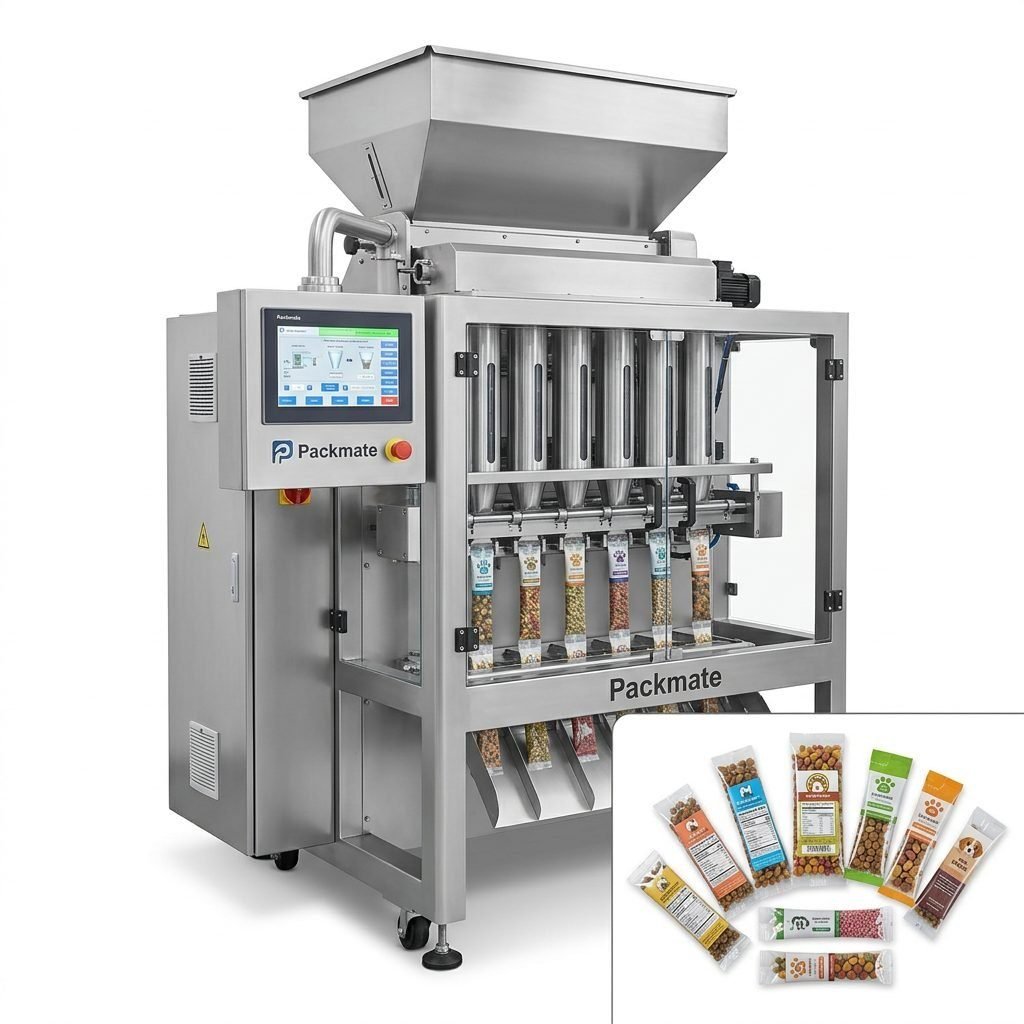
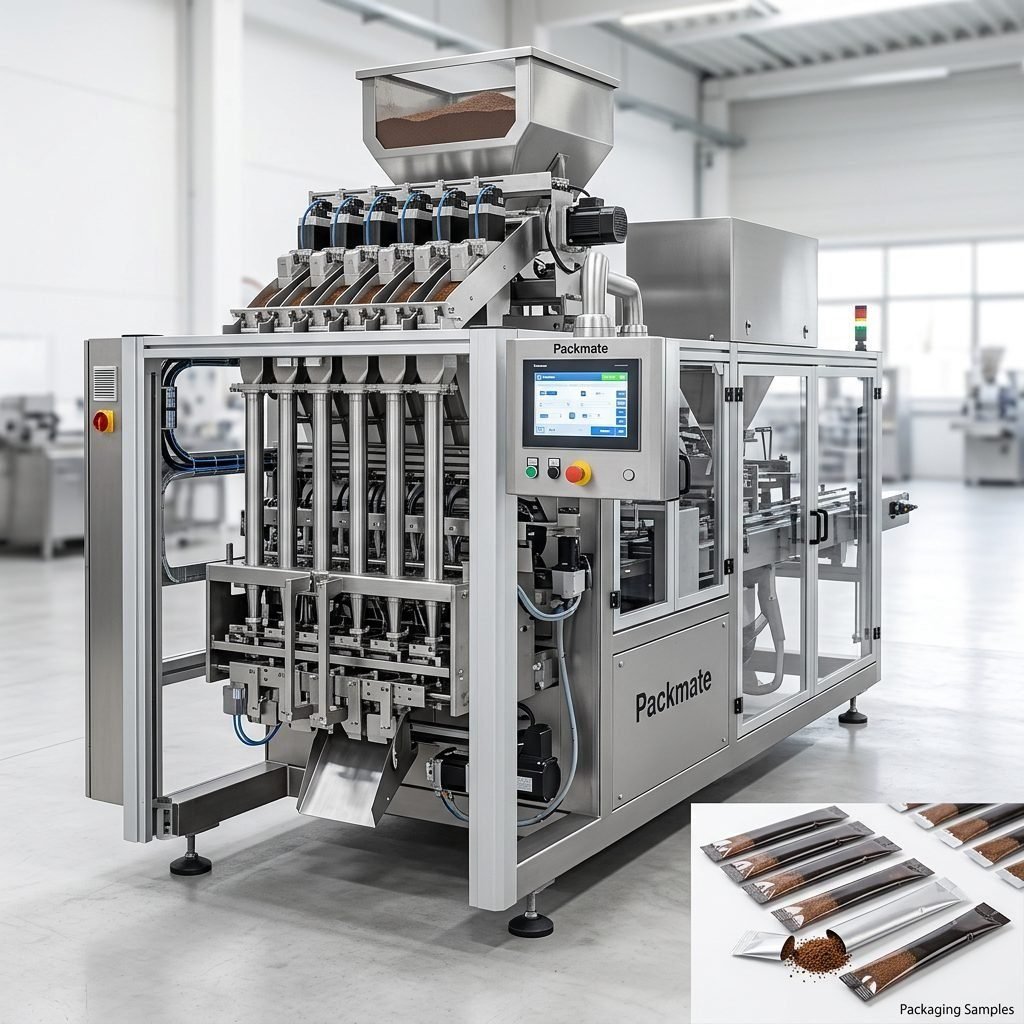
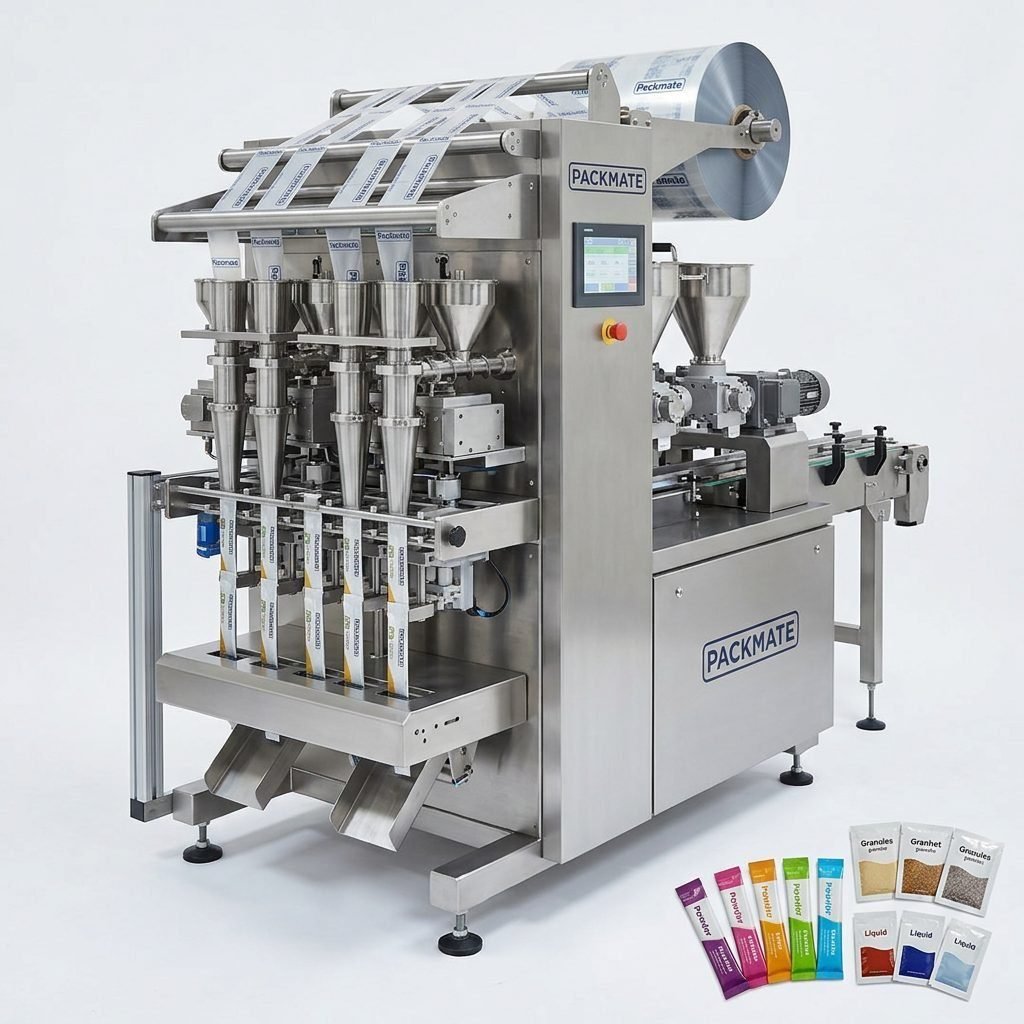
Look for a manufacturer with a proven track record in your specific industry. Experience with products similar to yours is invaluable. A company like Ludyway, with over 30 years in food and pharma packaging, brings deep application knowledge that can prevent costly mistakes. Examine their portfolio: do they offer the specific machine type you need, such as a high-speed multi-lane stick pack machine or a liquid filling line?
2. Manufacturing Quality and Standards
The build quality of the machine determines its longevity, precision, and maintenance needs. Inquire about their factory processes, quality control systems, and the materials used (e.g., food-grade stainless steel). Reputable manufacturers will have certifications (ISO, CE) and can provide documentation for critical components. A visit to their facility, or a detailed virtual tour, is highly recommended.
3. Customization and Flexibility
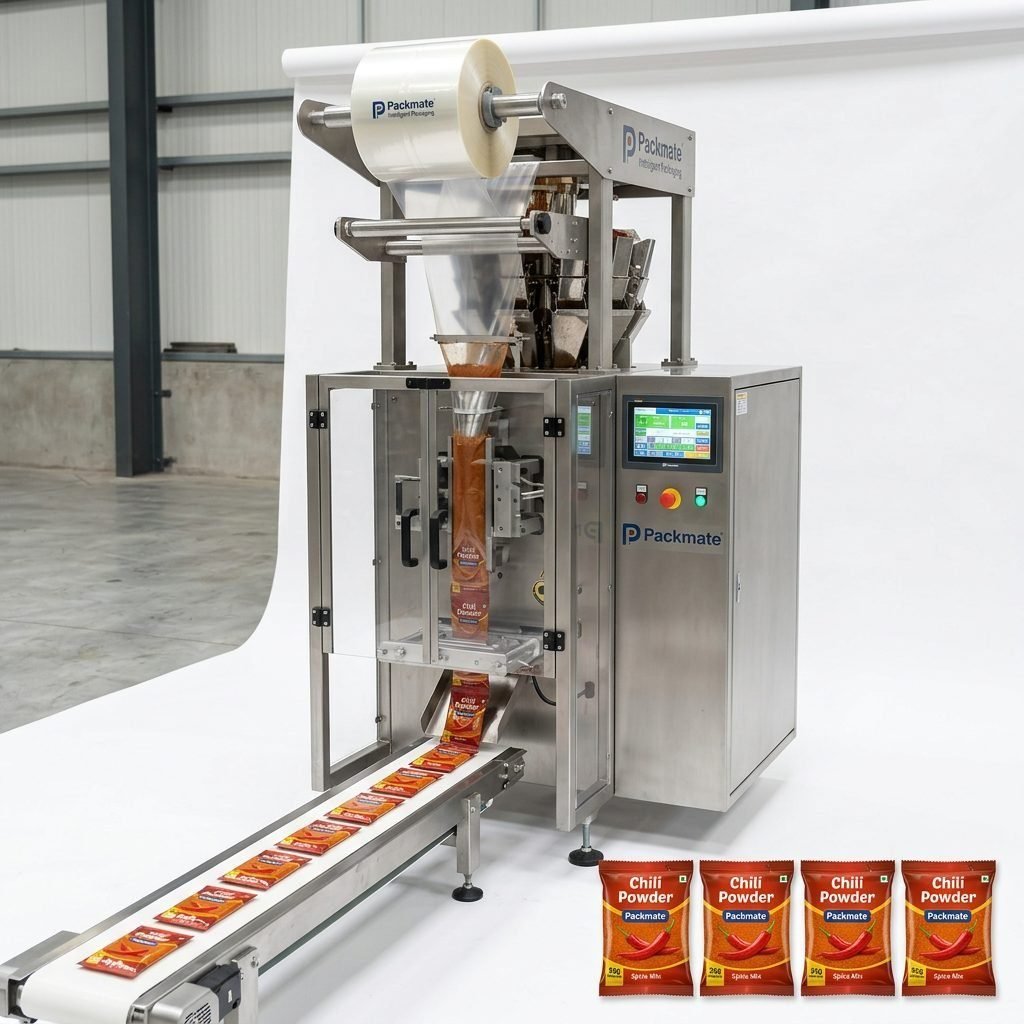
Off-the-shelf solutions rarely fit perfectly. Your production line may have unique space constraints, product characteristics, or desired bag sizes. A manufacturer’s ability to customize is crucial. Companies that emphasize non-standard and customized solutions, such as PackingMachineOEM, are often better suited for complex or niche requirements common in Israel’s innovative startup ecosystem.
4. After-Sales Support and Service
This is perhaps the most critical factor for international buyers. For an Israeli company, the manufacturer is thousands of kilometers away. Reliable support is essential. Evaluate:
- Warranty: What is covered and for how long?
- Technical Support: Is it available in your time zone? Do they offer remote diagnostics?
- Spare Parts: What is the availability and delivery time for critical spare parts?
- Installation & Training: Do they provide engineers for on-site installation and operator training? This is vital for a smooth startup.
5. Cost and Value Proposition
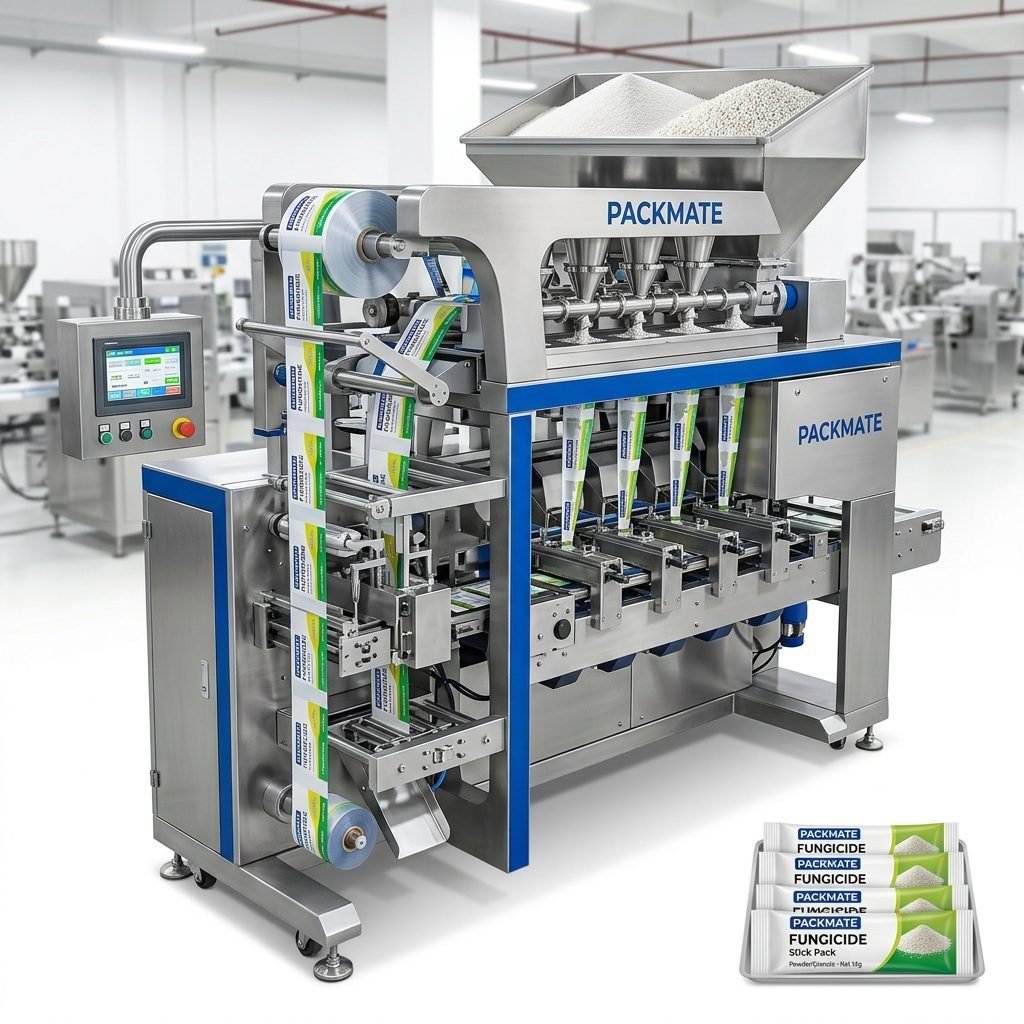
While upfront cost is important, consider the Total Cost of Ownership (TCO). This includes purchase price, installation, maintenance, energy consumption, and potential downtime. A slightly more expensive machine from a manufacturer like Packmate Machinery, known for reliability and good cost-performance balance, may offer better long-term value than a cheaper, less reliable alternative.
The Advantage of Turnkey Solutions
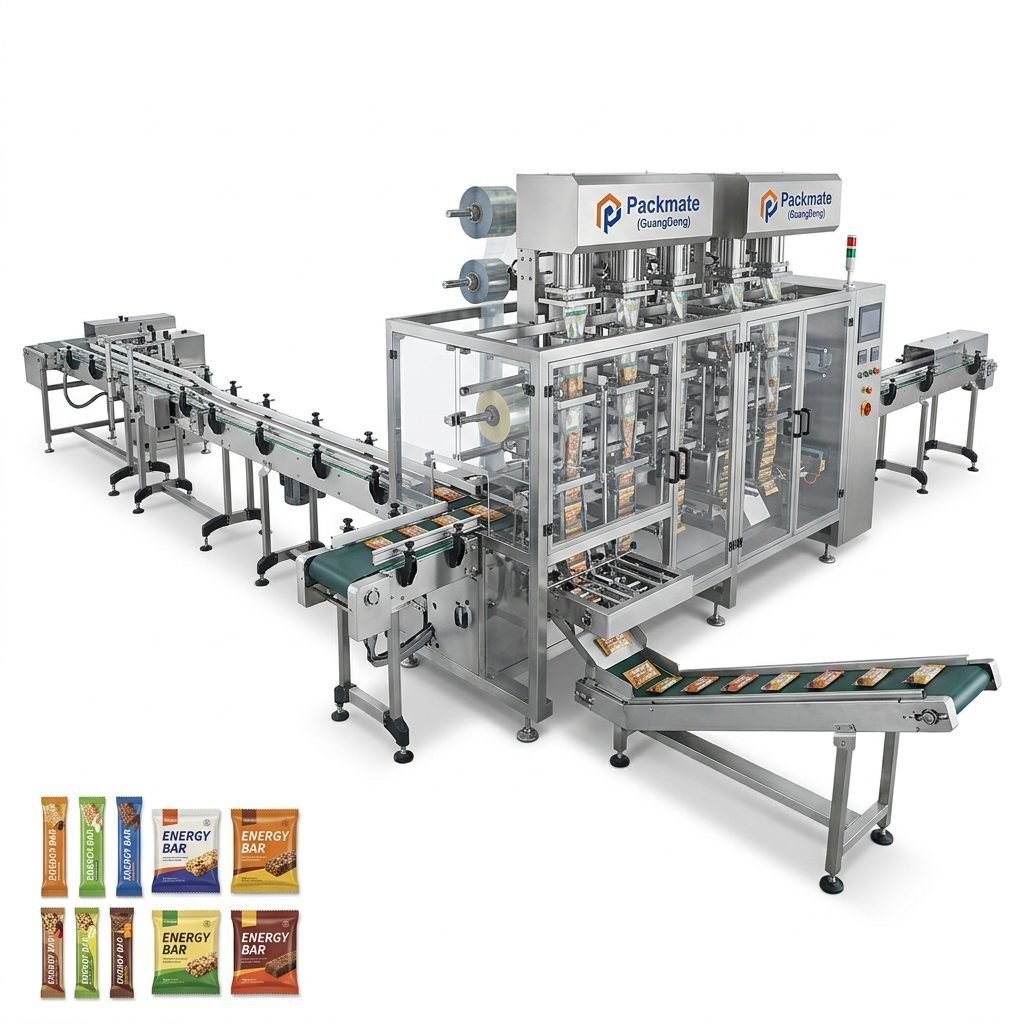
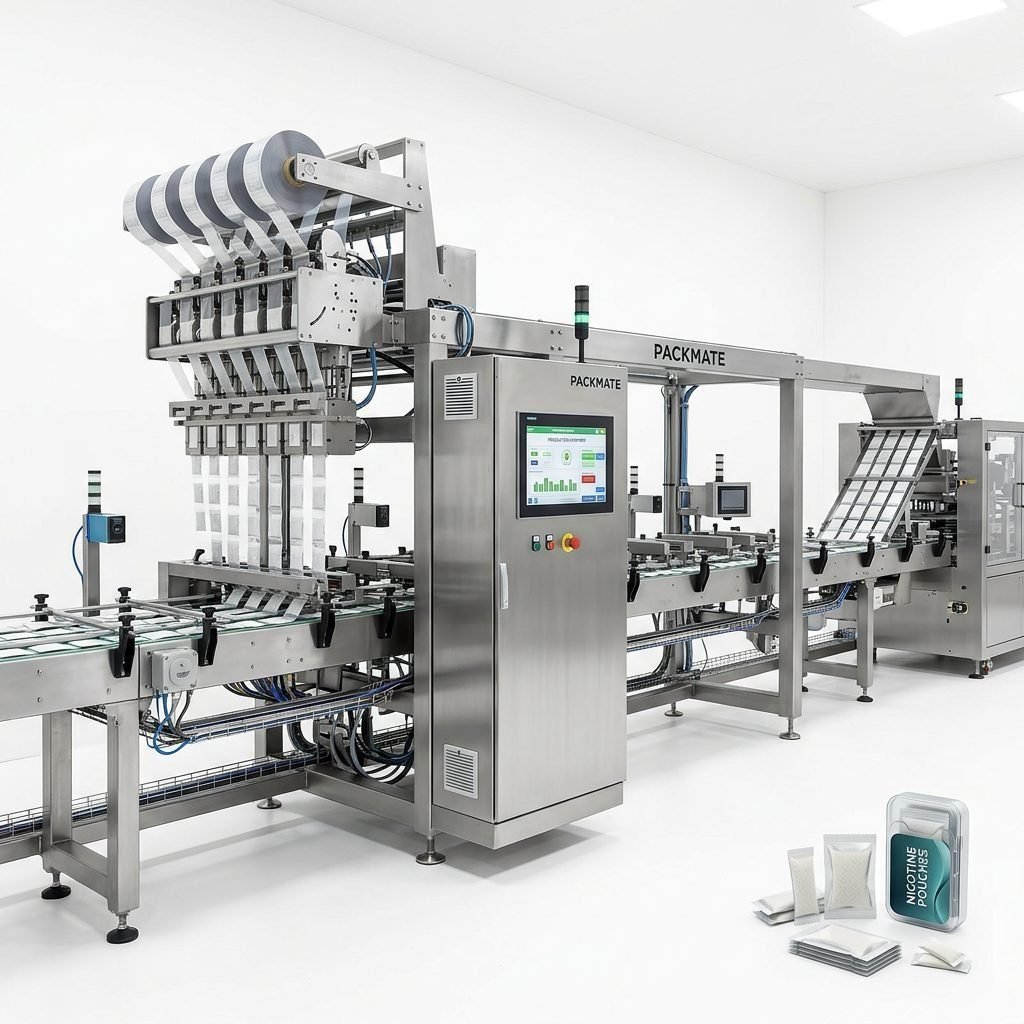
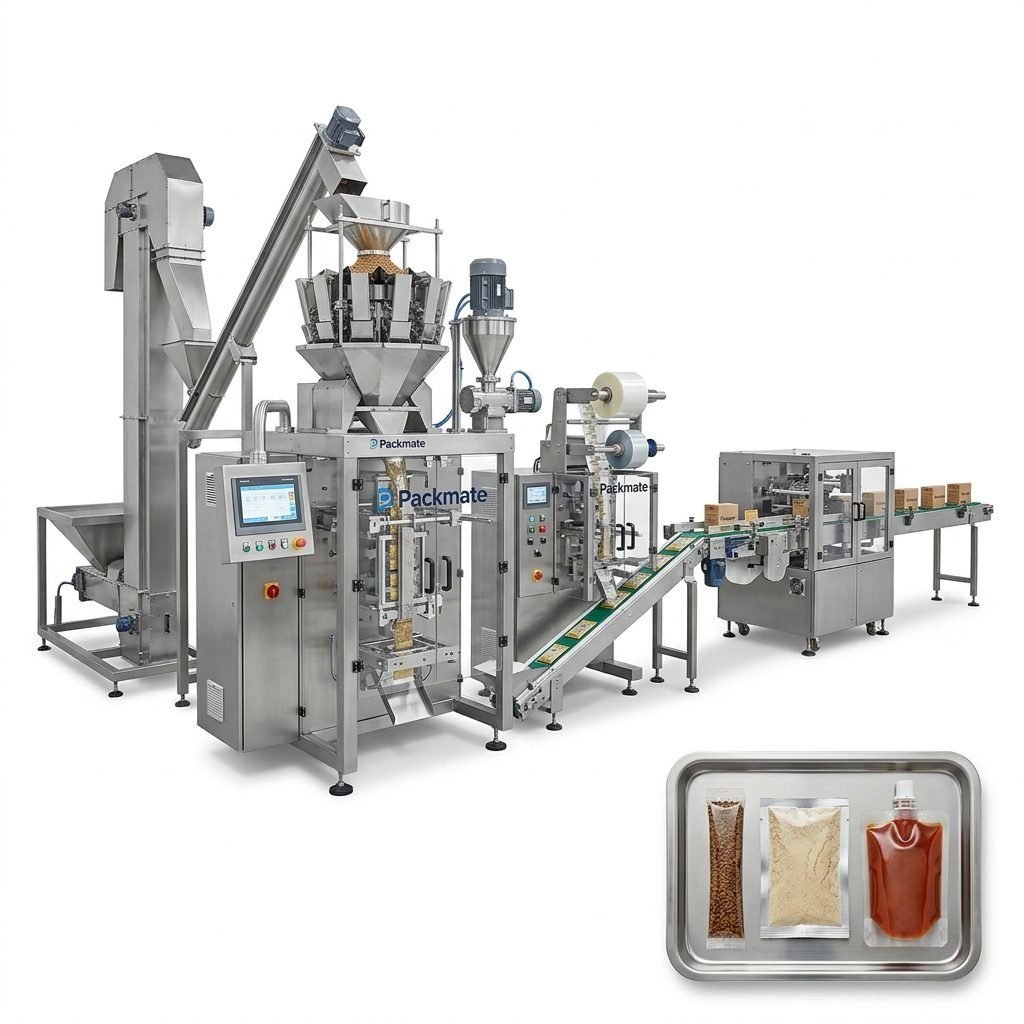
For businesses looking to set up a new production line or completely overhaul an existing one, a turnkey solution can be the most efficient path. A turnkey provider handles everything from design and machinery supply to installation, commissioning, and training. This is especially beneficial for Israeli companies that may not have extensive in-house packaging engineering teams. Manufacturers like PacklineOEM, which specialize in integrated lines, can ensure all components (feeding, filling, sealing, conveying, coding) work seamlessly together, reducing project risk and time-to-market.
Specialization Matters: The Case for Niche Experts
If your product falls into a specialized category, a manufacturer with focused expertise can be a game-changer. For instance, the nicotine pouch and snus market has unique requirements for dosing precision, pouch integrity, and production speed. A specialist like SnusMachinery brings dedicated R&D and application knowledge that a generalist manufacturer may lack, potentially offering better performance and fewer operational headaches for that specific application.
Navigating the Import Process to Israel
Working with an overseas manufacturer requires logistical planning. Key considerations for Israeli importers include:
| Aspect | Consideration |
|---|---|
| Shipping & Logistics | Understand Incoterms (e.g., FOB, CIF). Who handles sea freight to Haifa or Ashdod port? Factor in insurance. |
| Customs Clearance | Work with a reliable Israeli customs broker. Ensure the manufacturer provides all necessary documentation (commercial invoice, packing list, certificate of origin, CE/other certifications). |
| Local Standards & Voltage | Confirm the machine is configured for Israel’s electrical standards (230V/50Hz) and that control panels/software can be set to Hebrew or English. |
| After-Sales Network | Check if the manufacturer has a local agent or service partner in Israel or the Middle East for quicker response times. |
Conclusion: Building a Strategic Partnership
Choosing a packaging machine manufacturer is not just a transaction; it’s the beginning of a long-term partnership. For Israeli businesses, selecting a supplier with a strong export orientation, proven reliability, and commitment to support is crucial for ensuring production continuity and competitiveness. By thoroughly assessing your needs and carefully evaluating manufacturers against the criteria of experience, quality, customization, support, and total value, you can make an informed decision that supports your business growth for years to come.
Frequently Asked Questions (FAQs)
Q1: What is the typical lead time for a packaging machine from overseas?
A: Lead times vary greatly based on machine complexity and customization. For standard models, it can be 2-4 months. For fully customized or turnkey lines, 4-8 months or more is common. Always get a detailed timeline from the manufacturer.
Q2: How can I verify a manufacturer’s reputation and machine quality remotely?
A: Request detailed customer references, preferably from companies in similar industries or regions. Ask for videos of the machine running with a product similar to yours. Insist on a live video call from their factory floor for a machine test using your sample materials if possible.
Q3: Is it better to buy a standalone machine or a full turnkey line?
A: It depends on your project scope and expertise. A standalone machine is suitable for a single, specific task or to replace an old unit. A turnkey line is best for new production setups, major expansions, or when you need guaranteed synchronization between multiple processes (filling, sealing, cartoning).
Q4: What are the most common hidden costs when importing machinery?
A: Beyond the machine price, budget for: international shipping and insurance, Israeli customs duties and VAT, local agent fees for customs clearance, on-site installation and commissioning costs (travel for engineers), spare parts kit, and potential facility modifications (electrical, compressed air, flooring).
Q5: How important is it that the manufacturer has experience with Israeli clients or standards?
A: While not strictly necessary, it is highly beneficial. A manufacturer familiar with shipping to Israel, local voltage requirements, and the general business culture can make the process smoother. However, a supplier with vast export experience to strict markets (Europe, North America) is also a very safe choice.