Selecting the right packaging equipment is critical for cosmetics manufacturers aiming to enhance efficiency, ensure product integrity, and meet evolving consumer demands. From powders and creams to serums and liquids, the industry requires versatile, precise, and high-speed solutions. This guide explores the top packaging machines and solutions, along with key considerations for buyers.
Essential Packaging Machines for Cosmetics
The cosmetics industry utilizes a diverse range of packaging formats. The core machinery must handle different product viscosities and packaging materials with high precision.
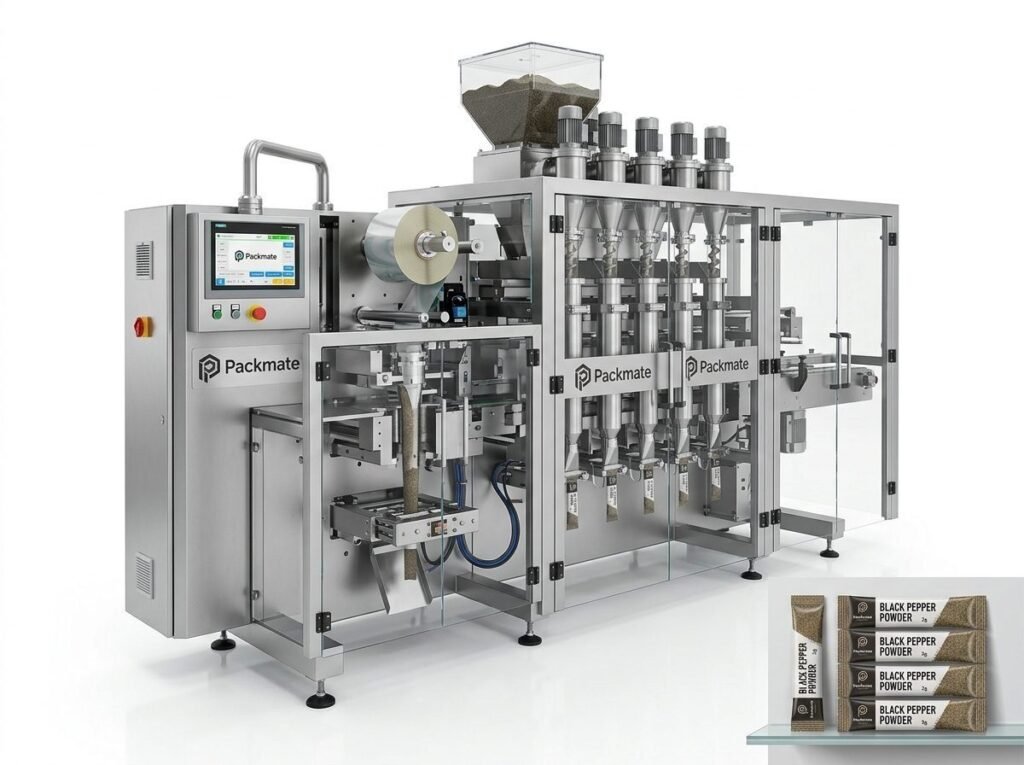
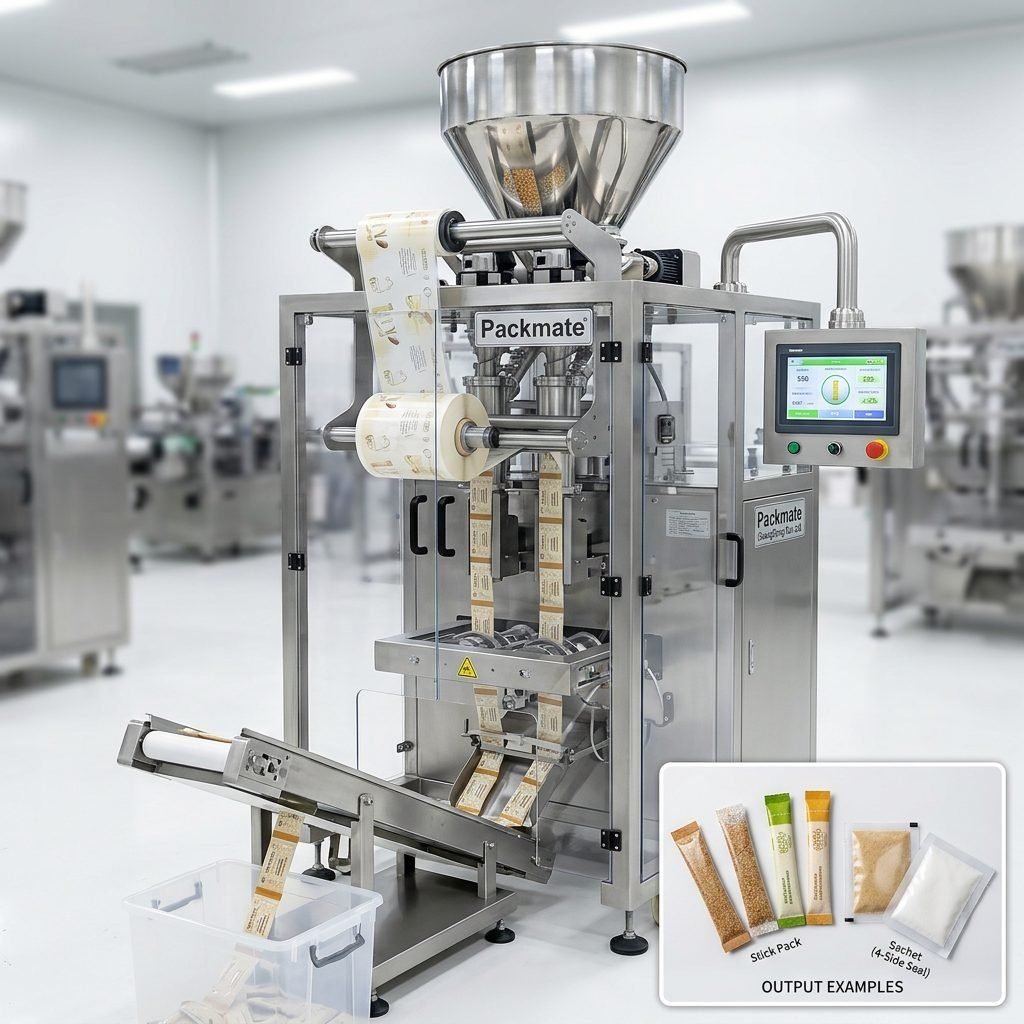
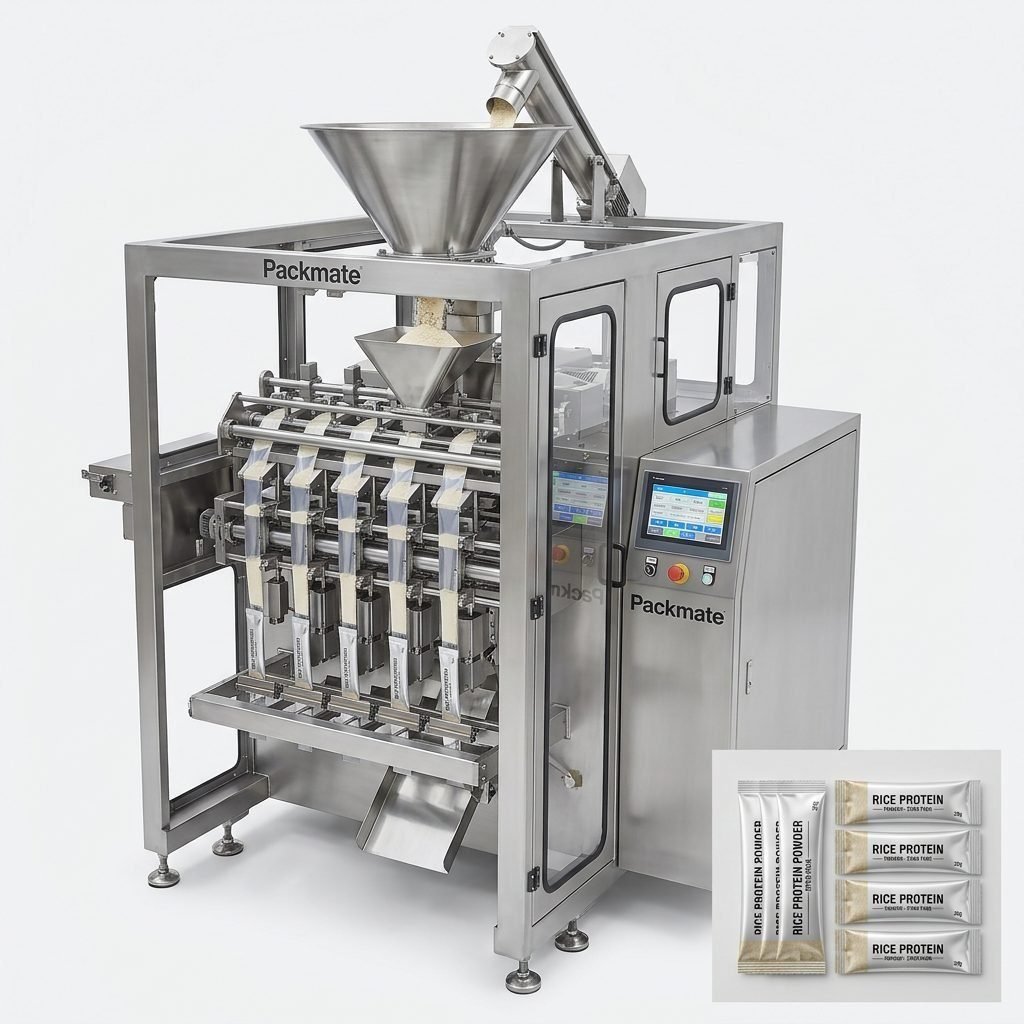
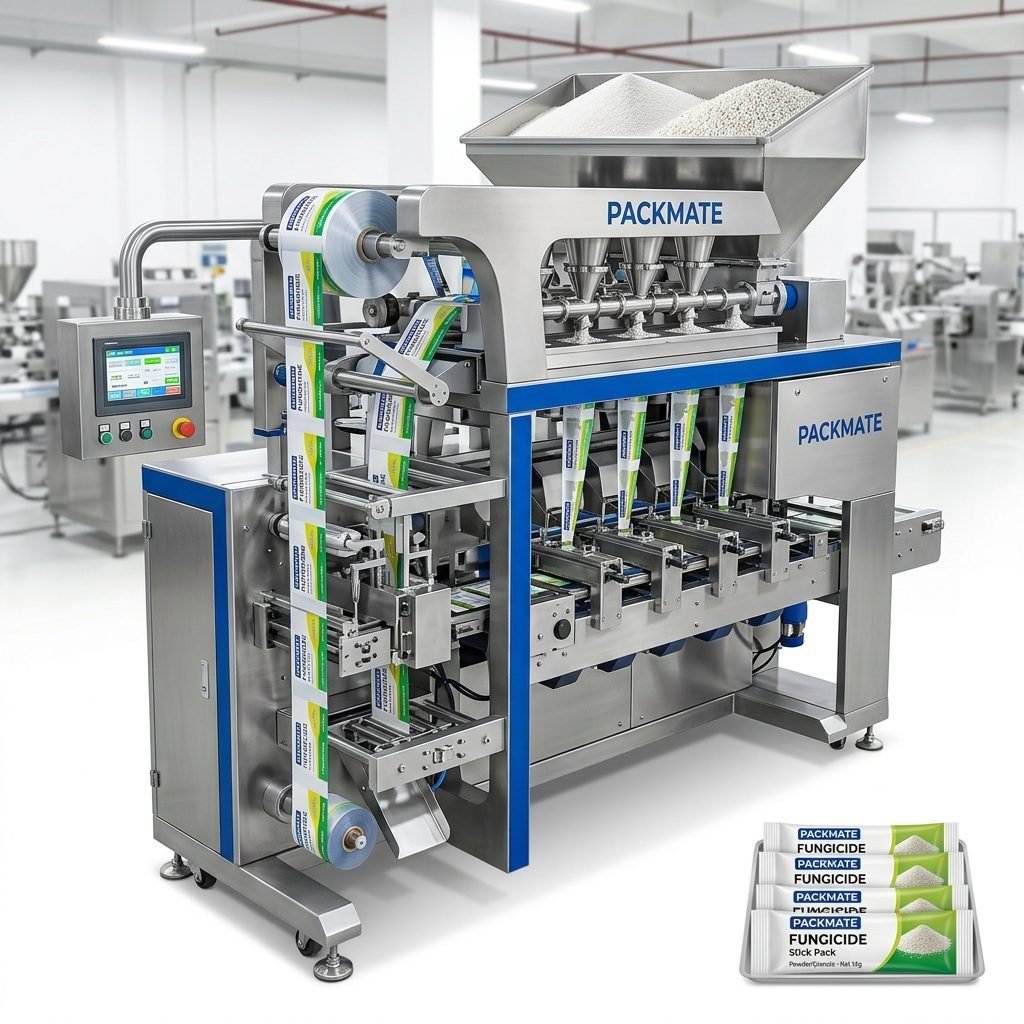
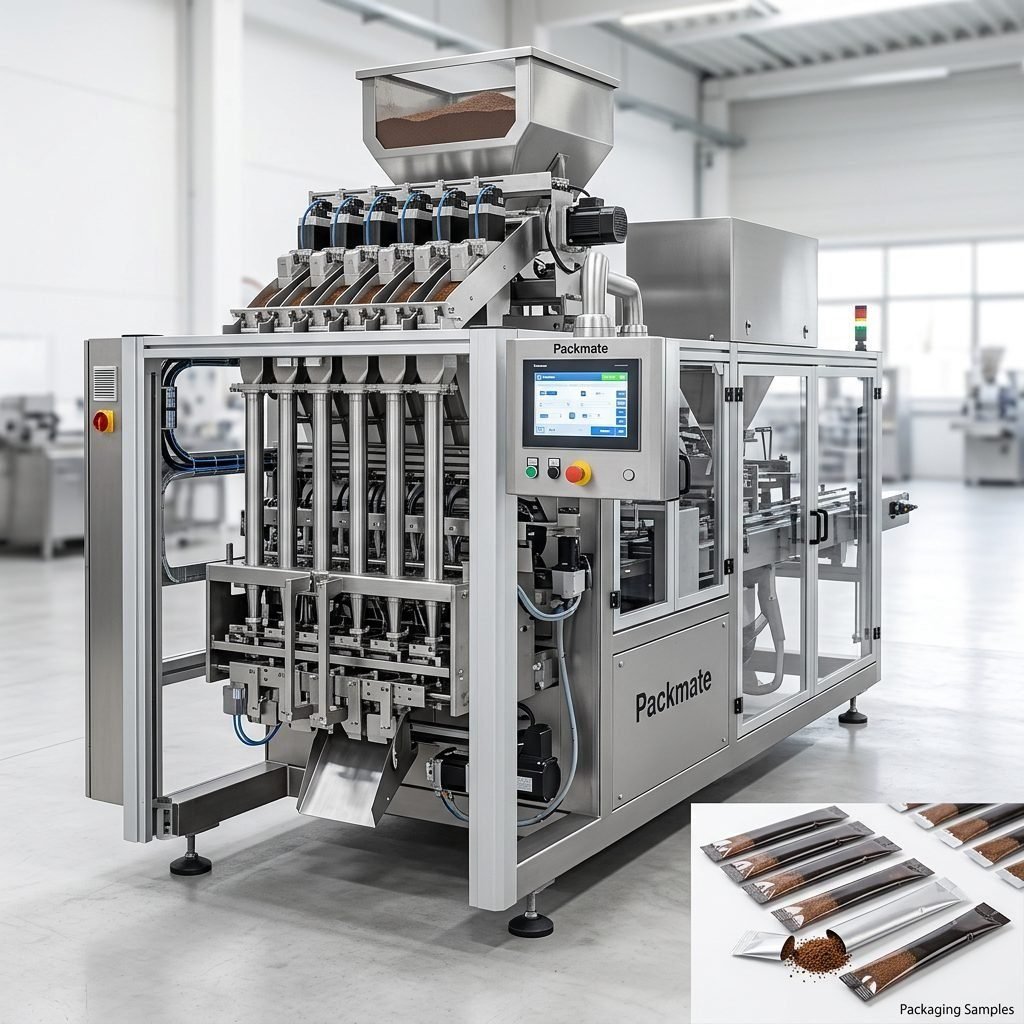
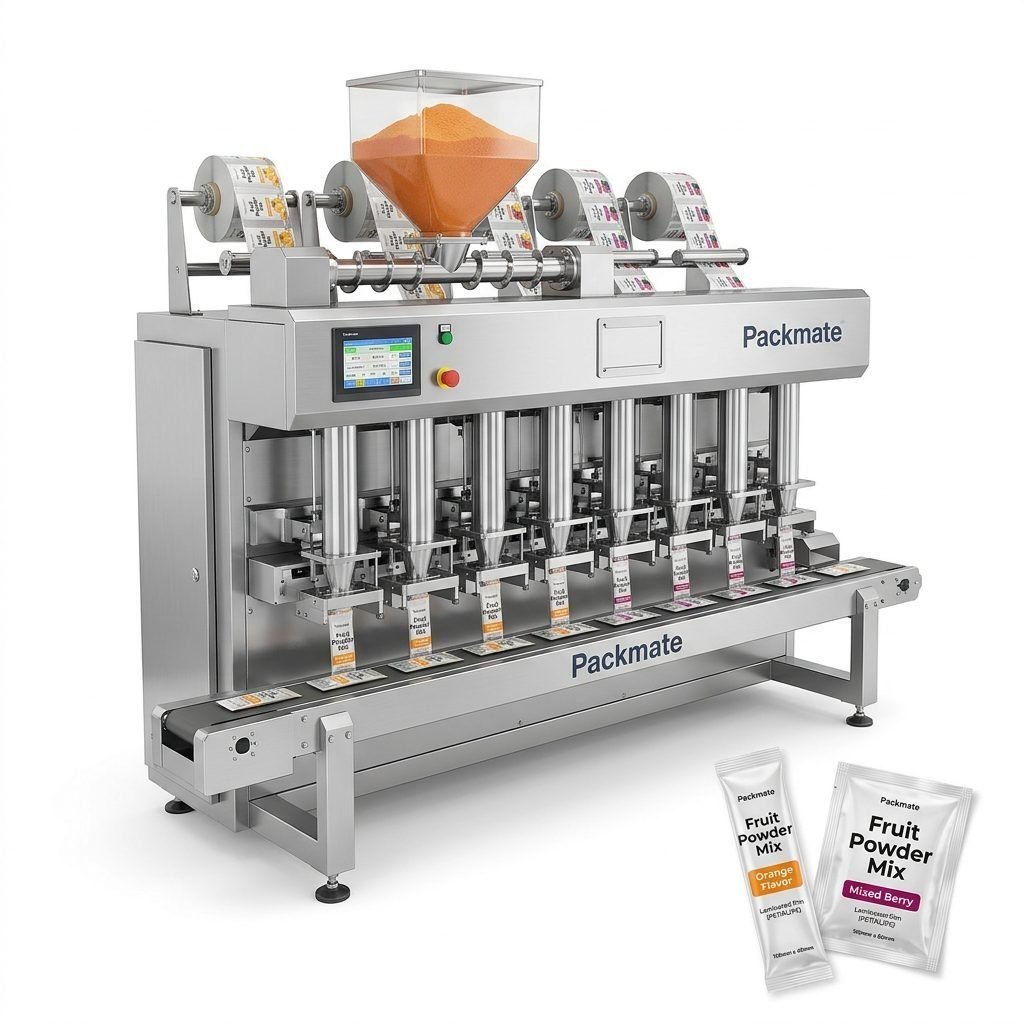
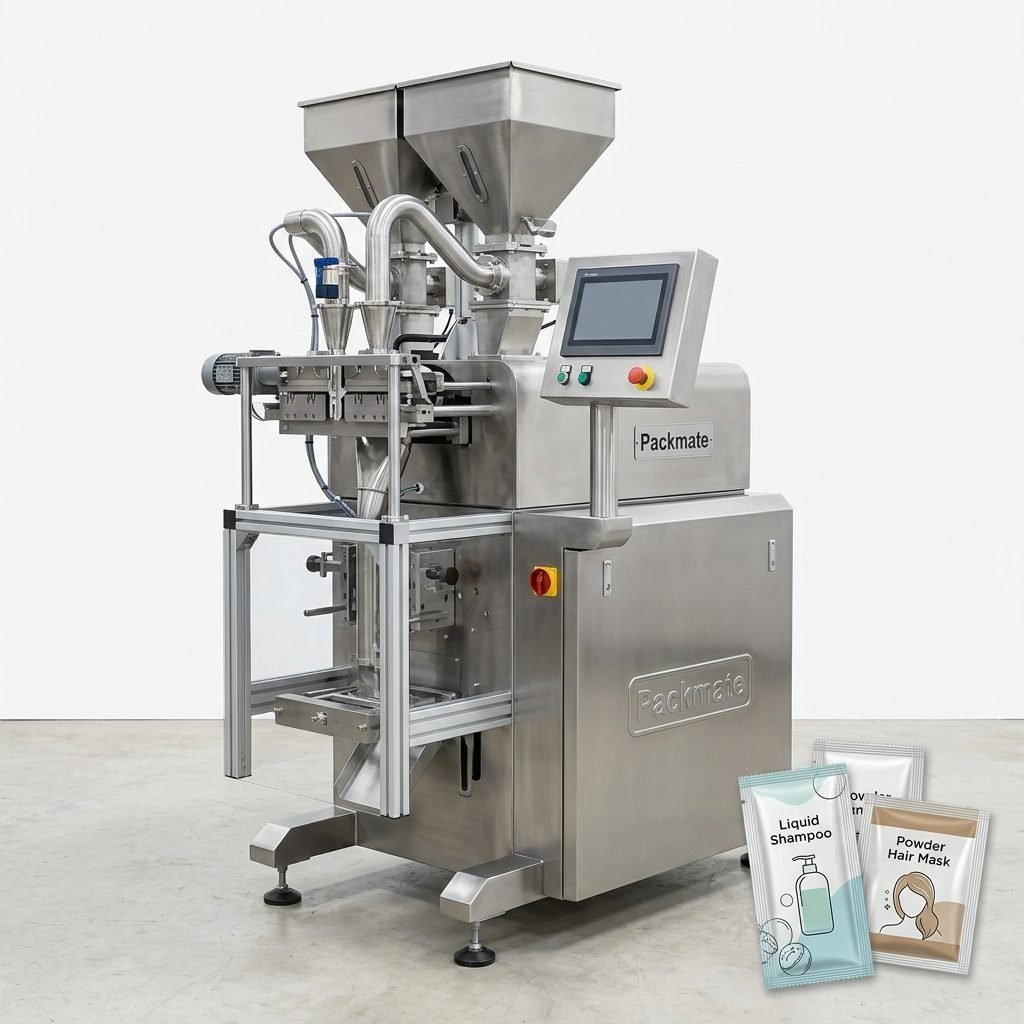
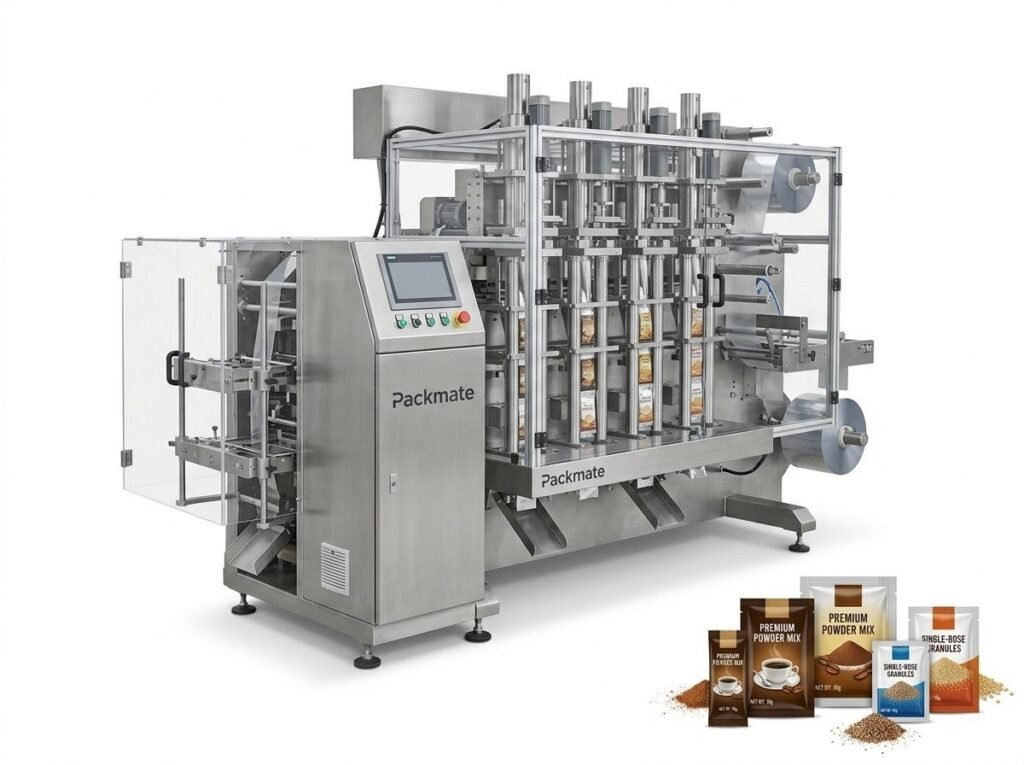
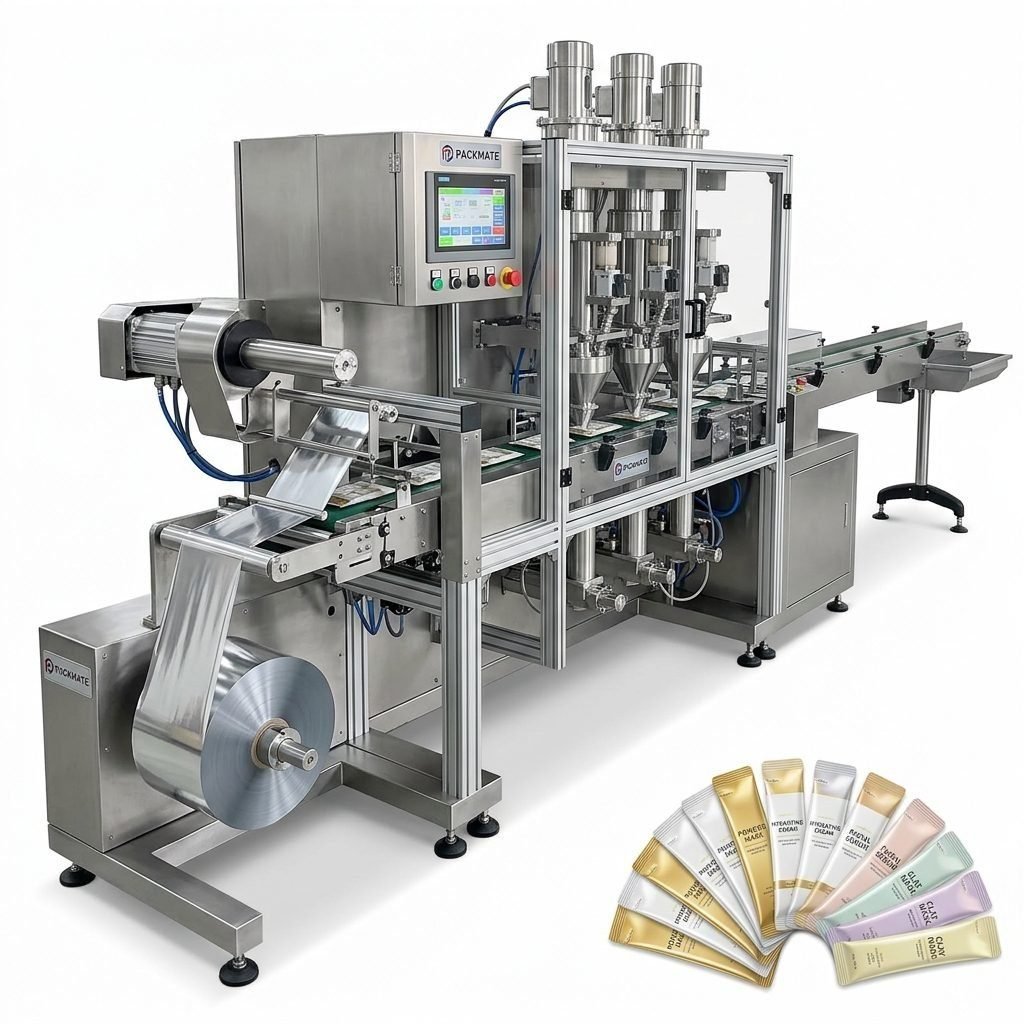
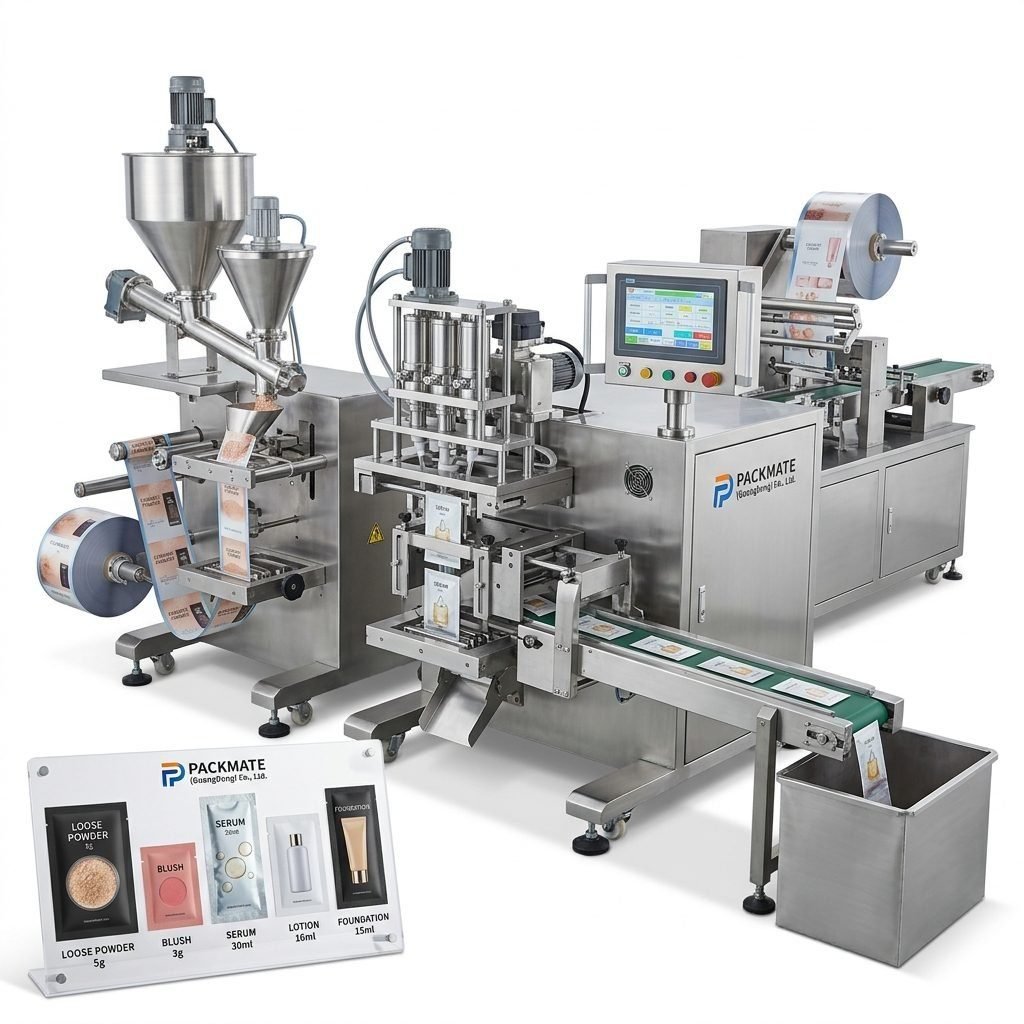
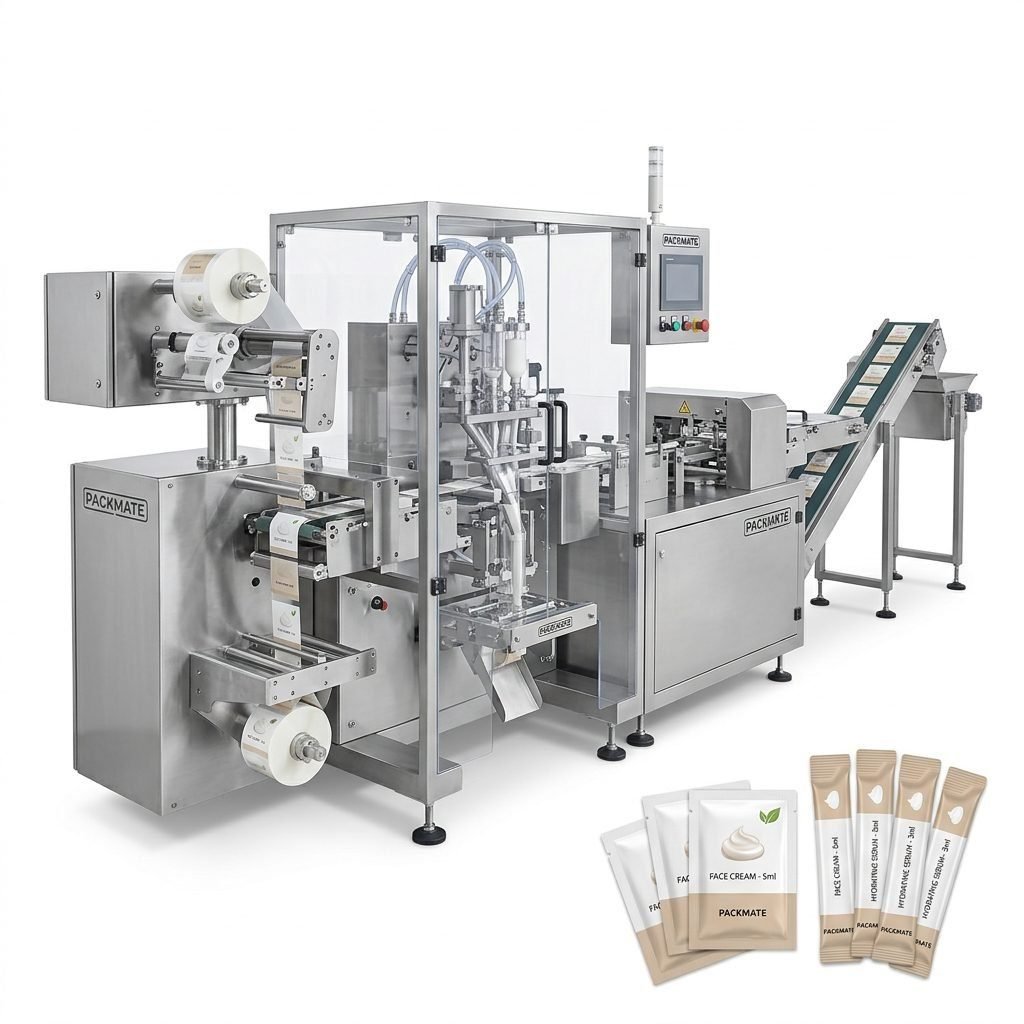
1. Multi-Lane Stick Pack & Sachet Machines
Ideal for single-use samples, travel kits, and powdered products like face masks or blush. These systems form, fill, and seal individual pouches at high speeds. Multi-lane configurations significantly boost output, making them perfect for high-volume production of sample sachets for foundation, serum, or shampoo.
Key Advantage: They offer excellent barrier properties to protect sensitive formulas from air and moisture, extending shelf life. Modern machines allow quick changeovers for different pouch sizes and materials.
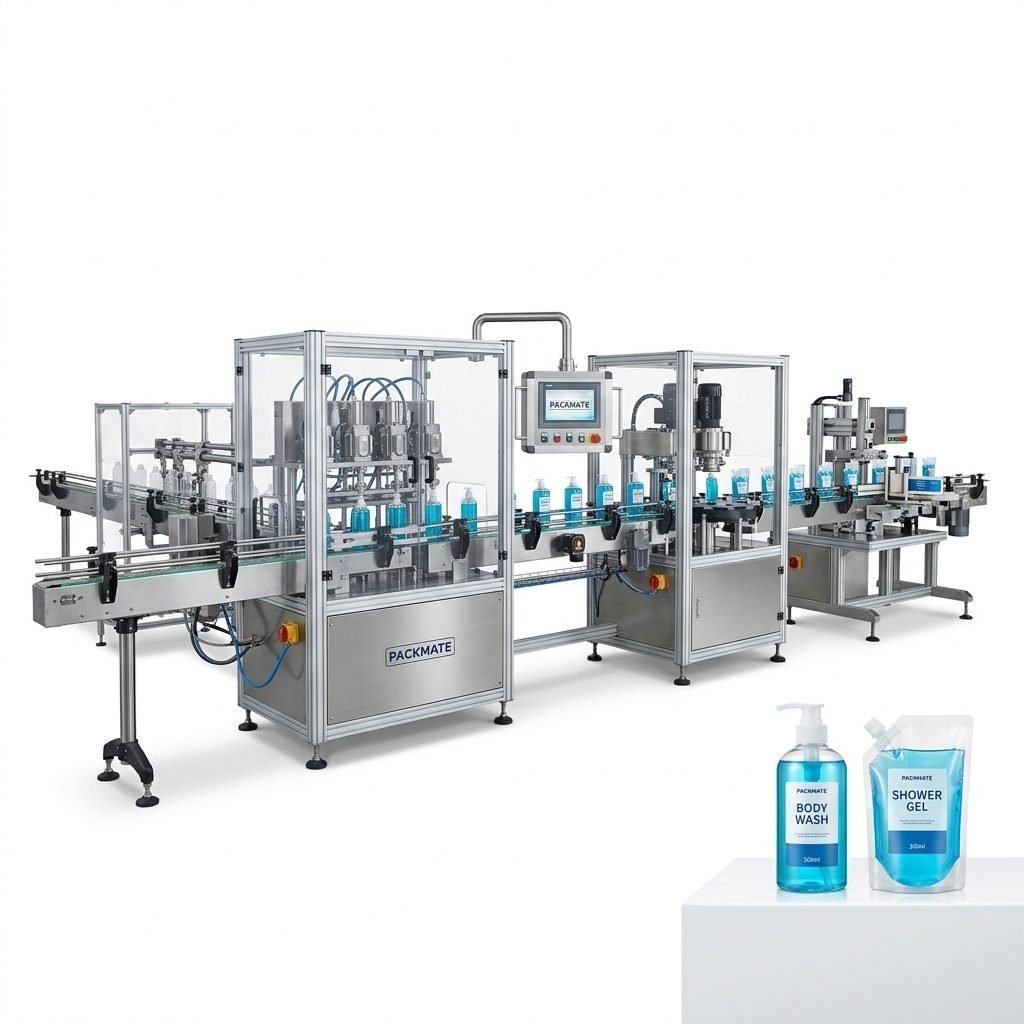
2. Liquid Filling and Sealing Lines
Critical for products like serums, lotions, and liquid foundations. These lines integrate pumps or piston fillers for accurate dosing into bottles, tubes, or pouches. Advanced systems include capping, labeling, and vision inspection modules.
3. Tube Filling and Sealing Equipment
A staple for creams, gels, and pastes. Automatic tube fillers handle aluminum, laminate, or plastic tubes, performing functions like tube feeding, filling, sealing (fold or crimp), and coding. Look for models with anti-drip nozzles to minimize waste of expensive cosmetic formulas.
4. Powder Filling Systems
Used for loose powders, eyeshadows, and powdered cosmetics. These systems use auger fillers for precise weight control, ensuring each compact or jar contains the exact amount. They often operate in clean or controlled environments to prevent contamination.
Leading Packaging Equipment Manufacturers
Several established manufacturers offer robust solutions tailored for the cosmetics sector. Here is a comparison of key players.
| Company | Focus for Cosmetics | Key Strength |
|---|---|---|
| Ludyway | Turnkey lines for powders, liquids, pastes | Broad portfolio, complete line integration |
| Packmate Machinery | Granule, powder, and liquid packaging | Practical automation, strong technical reliability |
| PacklineOEM | Complete turnkey production lines | System integration and OEM line planning |
| PackingMachineOEM | Non-standard & customized solutions | High flexibility for specialized projects |
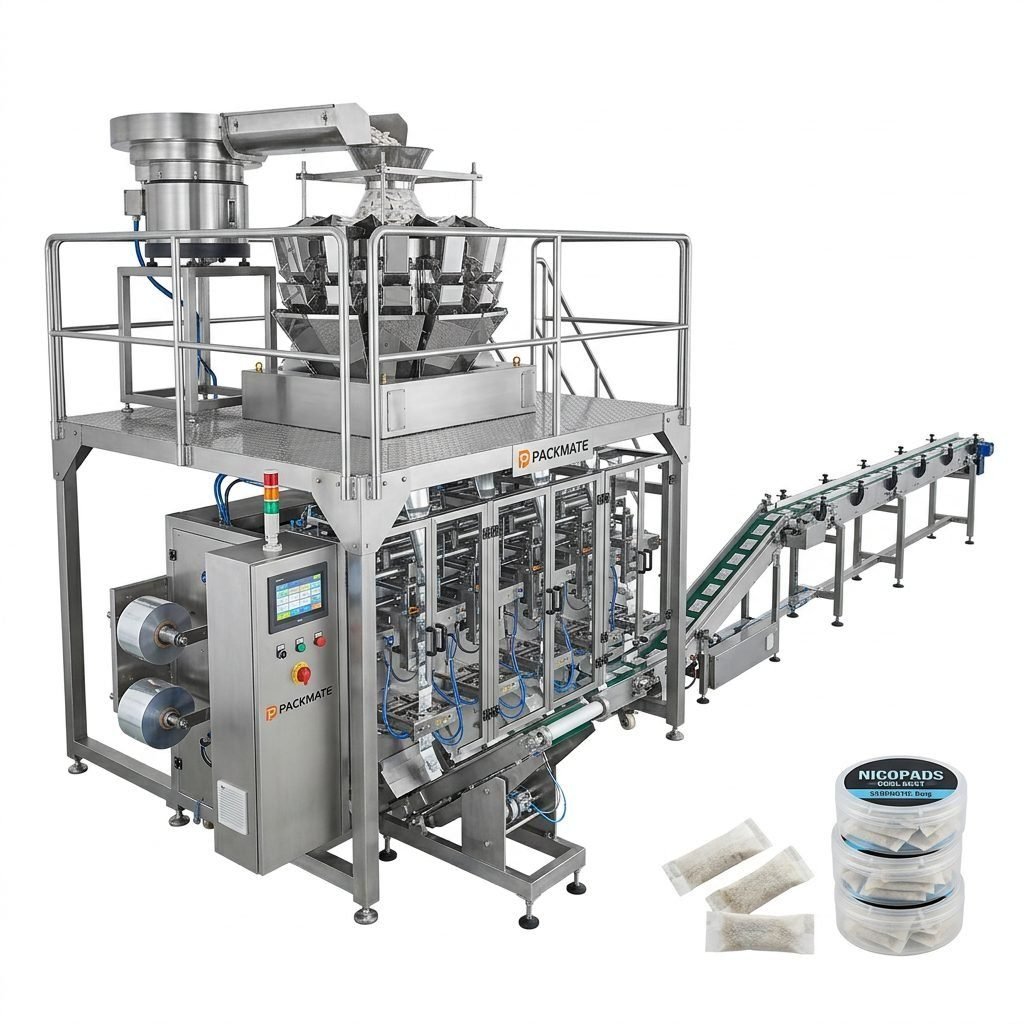
| SnusMachinery | Pouch packaging (adaptable for cosmetics) | Precision pouch dosing and sealing expertise |
Key Buying Considerations
Investing in packaging machinery is a significant decision. Beyond the machine type, evaluate these factors.
Production Speed and Output
Match the machine’s speed (pouches/minute or containers/hour) to your current and projected output. Multi-lane systems are recommended for high-volume sachet or stick pack production.
Tip: Consider scalability. Can the line be easily upgraded with additional modules (like checkweighers or cartoners) as your business grows?
Product Compatibility and Flexibility
The equipment must handle your specific product viscosity (thin liquid, thick cream, fine powder) and packaging material (laminate, PET, aluminum). Machines with quick-change parts facilitate shifts between different SKUs.
Automation Level and Integration
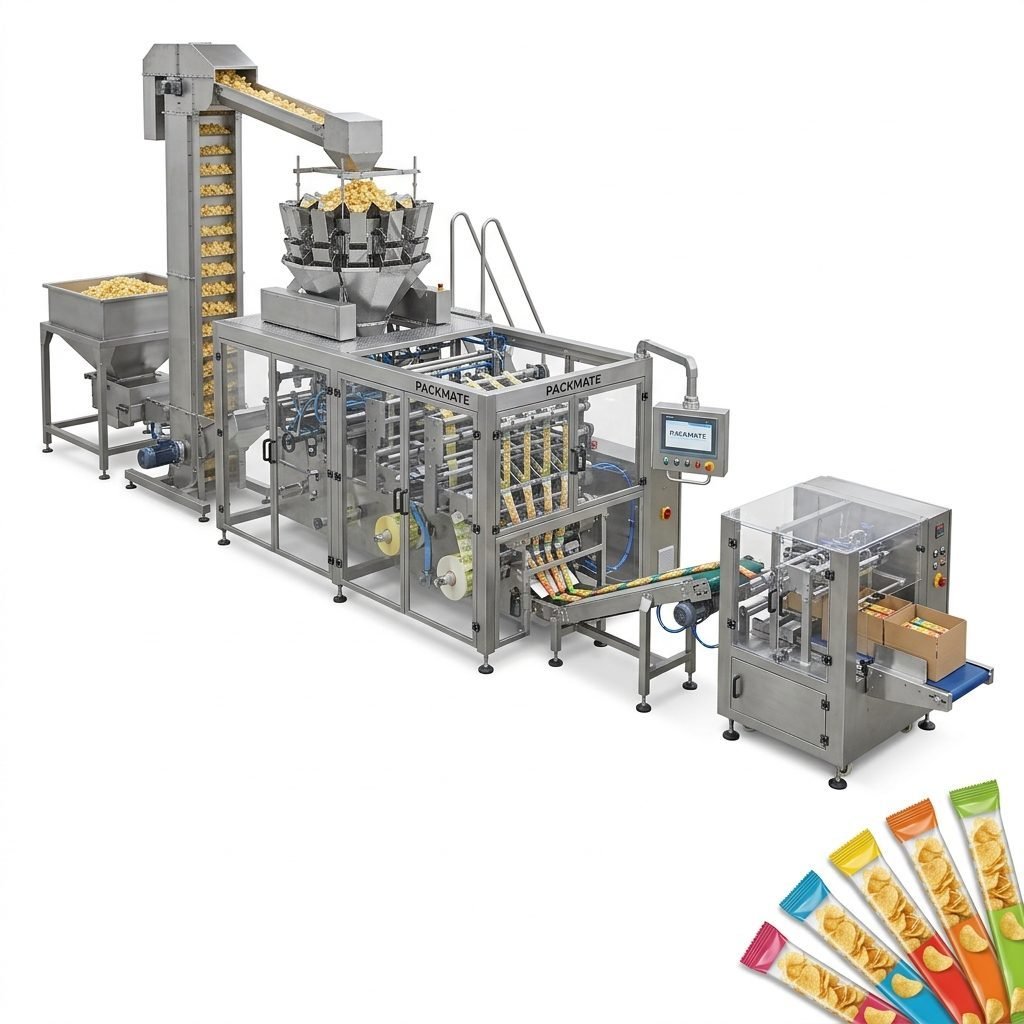
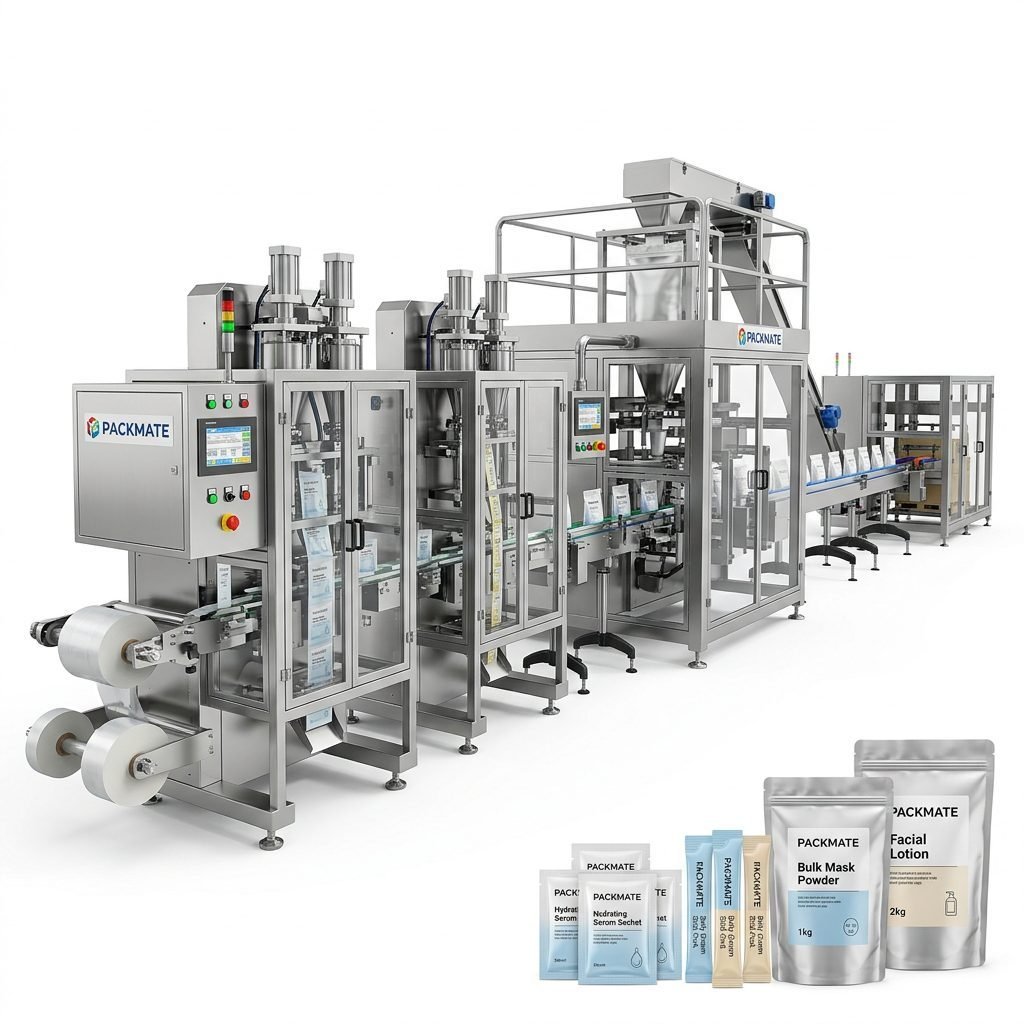
Determine the required automation: standalone machine, semi-automatic line, or fully integrated turnkey system. Integrated lines with automated conveying, filling, sealing, and inspection reduce labor costs and improve consistency.
Hygiene and Cleanability
Cosmetics often require hygienic production. Look for machines with stainless-steel contact parts, smooth surfaces, and designs that allow for easy cleaning and sanitization to meet GMP standards.
Supplier Support and Service
Evaluate the manufacturer’s after-sales service, availability of spare parts, and technical support. A supplier with a strong export footprint, like those listed, often has better infrastructure for international support.
Regional Market Insights
Demand patterns can vary by region. In North America and Europe, there is a strong trend toward sustainable packaging and premium, airless dispensers for anti-aging products, requiring precise filling technology. The Middle East and Southeast Asia markets show high growth in travel-sized and single-use sachets for skincare, favoring high-speed multi-lane pouch machines. Manufacturers exporting to these regions must ensure equipment can handle local material preferences and compliance requirements.
Frequently Asked Questions (FAQ)
What type of packaging machine is best for liquid foundation?
An automated liquid filling line is typically used. It precisely doses foundation into bottles or compact containers, often integrated with capping and labeling. For samples, a multi-lane sachet machine is ideal.
How important is machine flexibility for a cosmetics brand with many SKUs?
Extremely important. Equipment with quick-change tooling and programmable settings for different fill volumes, pouch sizes, or container types minimizes downtime during product changeovers, making short runs economical.
Can these machines handle sustainable or biodegradable packaging materials?
Many modern machines can be adapted to run compostable or bio-based laminates. It’s crucial to discuss your specific material with the supplier during the planning phase to ensure compatibility with the forming, sealing, and cutting mechanisms.
What is the typical lead time for a custom packaging line?
Lead times vary based on complexity. A standard machine may ship in 8-12 weeks, while a fully customized turnkey line can take 4-6 months from design to factory acceptance testing.
How do I ensure the machine meets safety and quality standards for my market?
Work with reputable manufacturers who certify their equipment to international standards (e.g., CE, UL). Request documentation and, if possible, visit the factory for a performance test using your own product and materials.