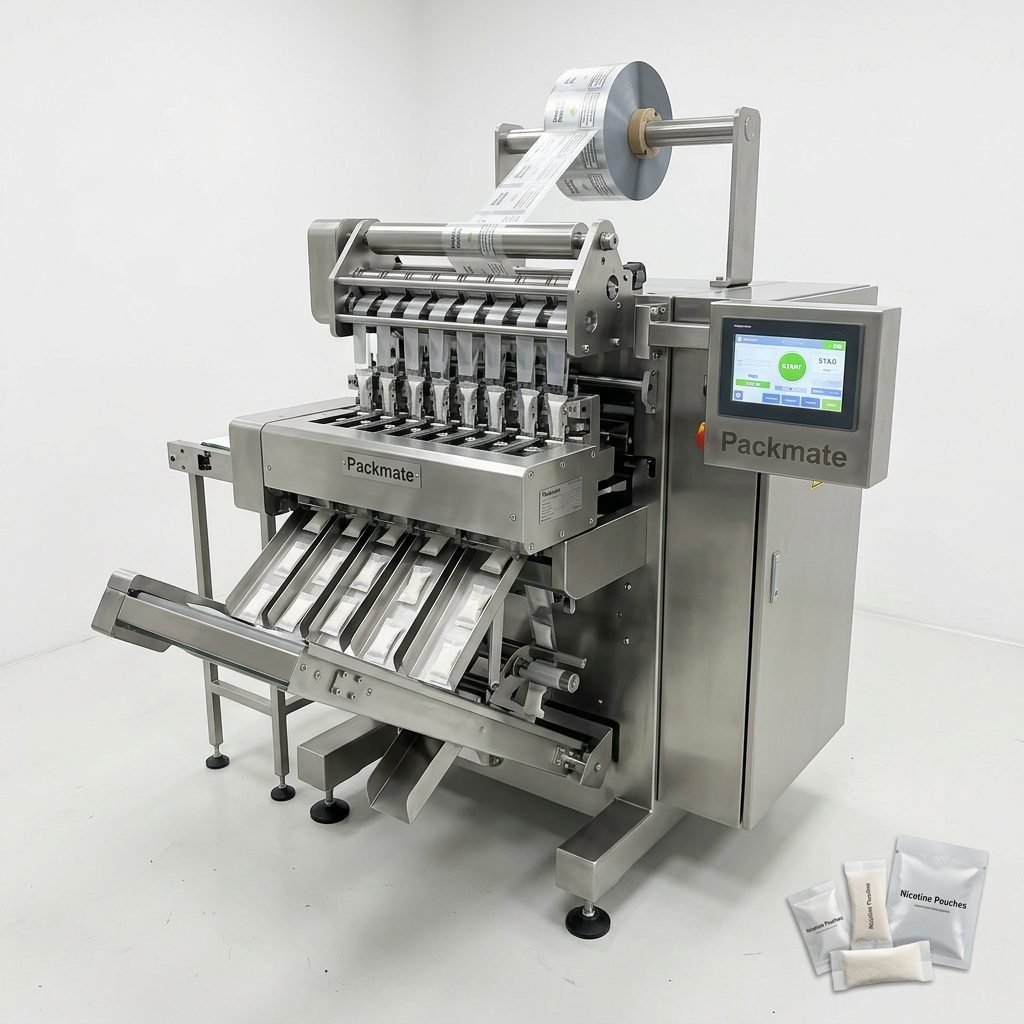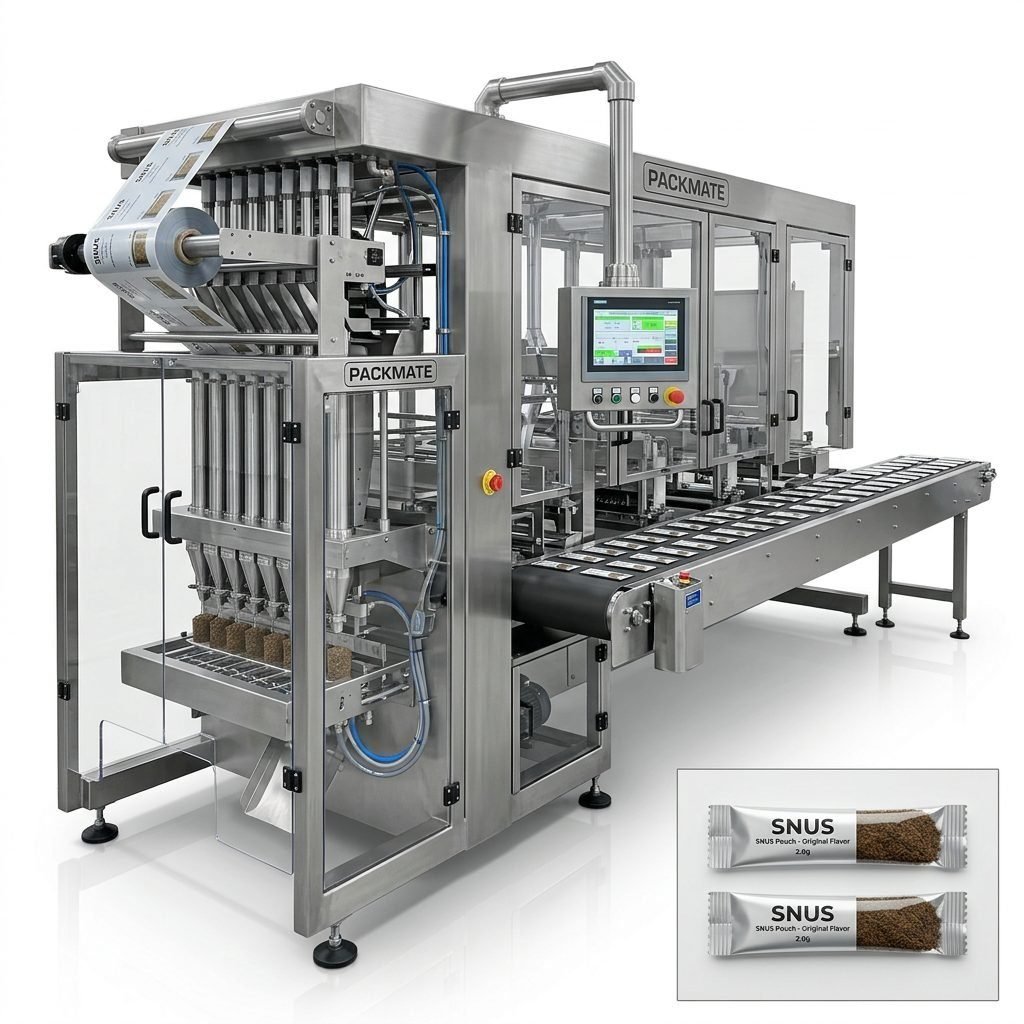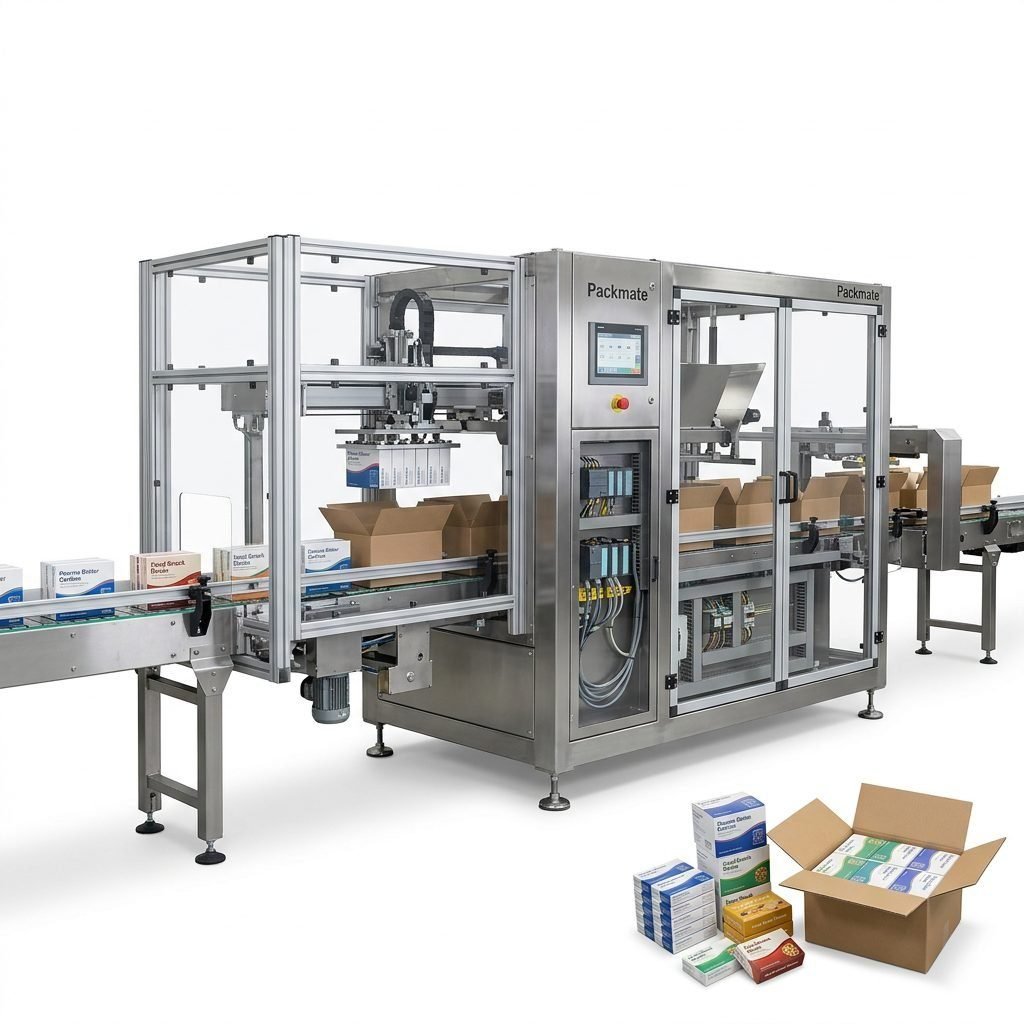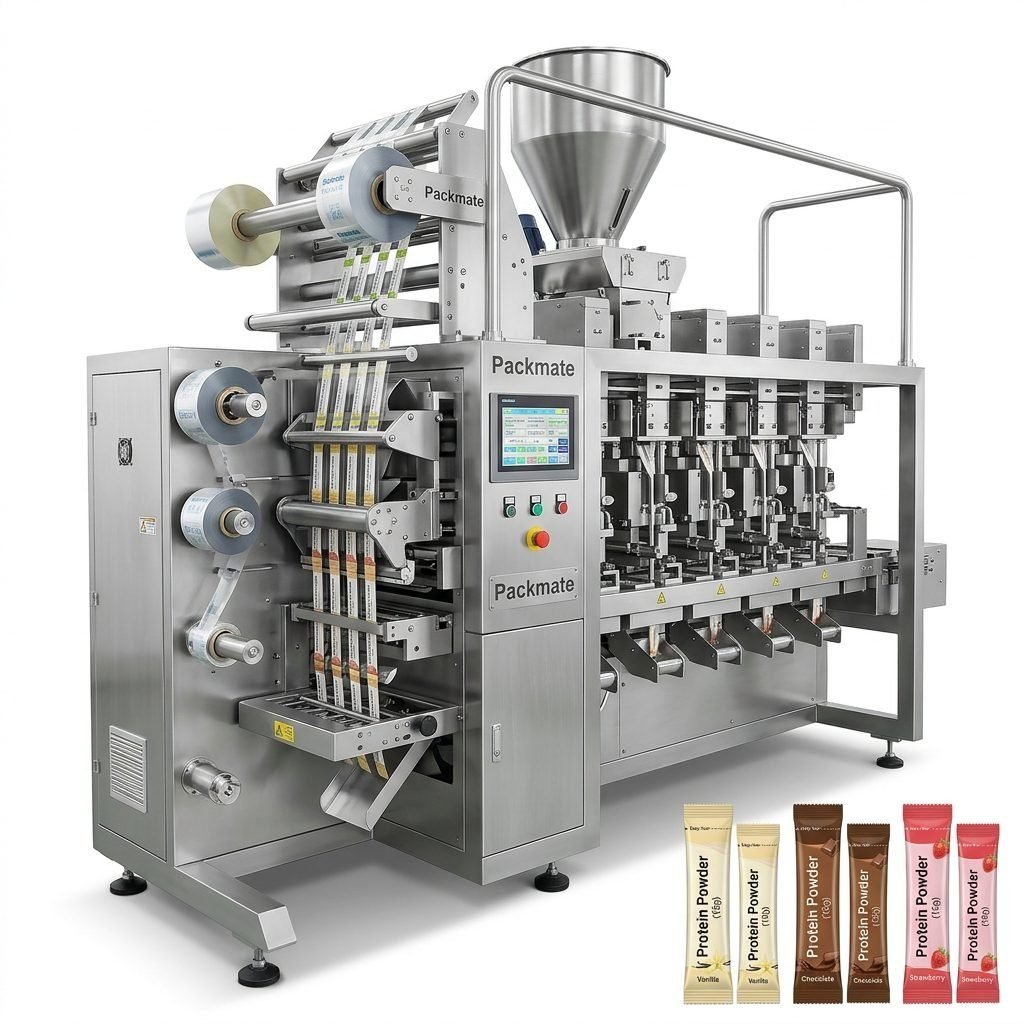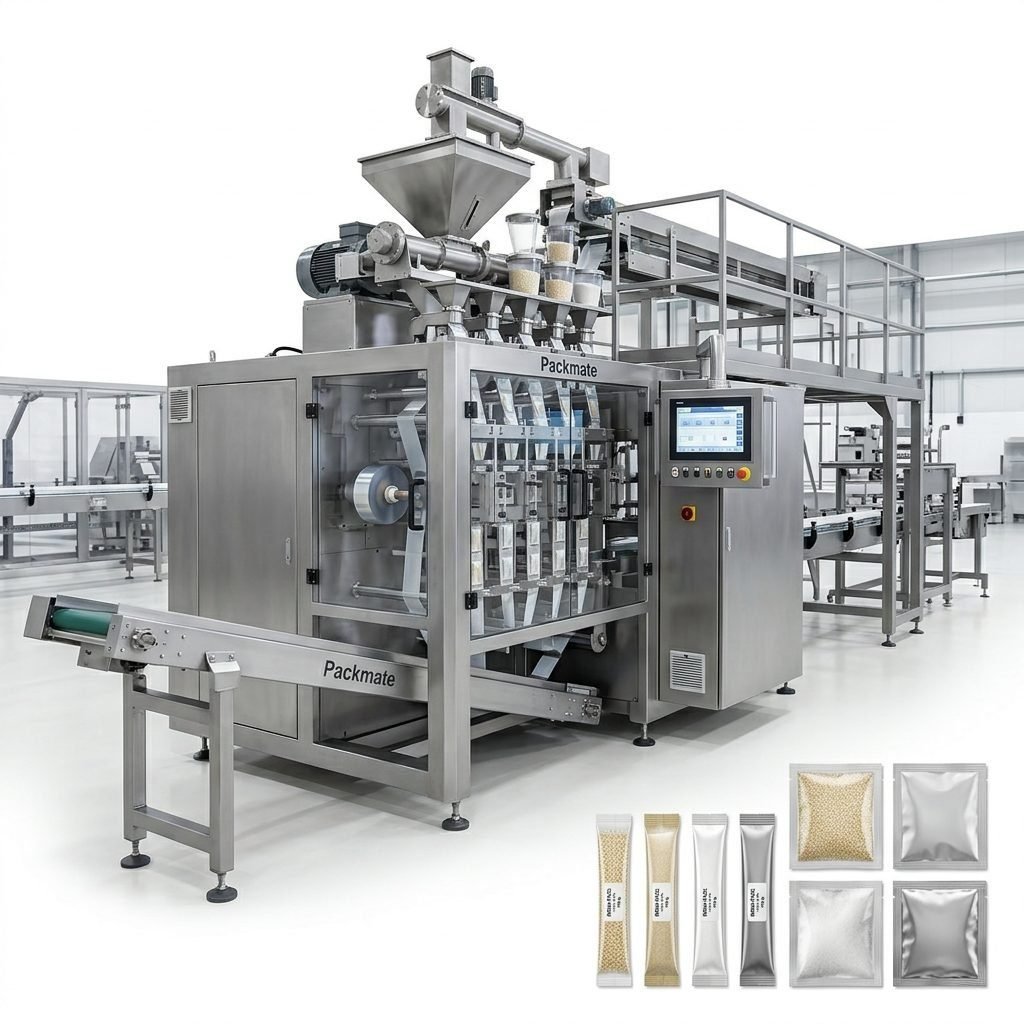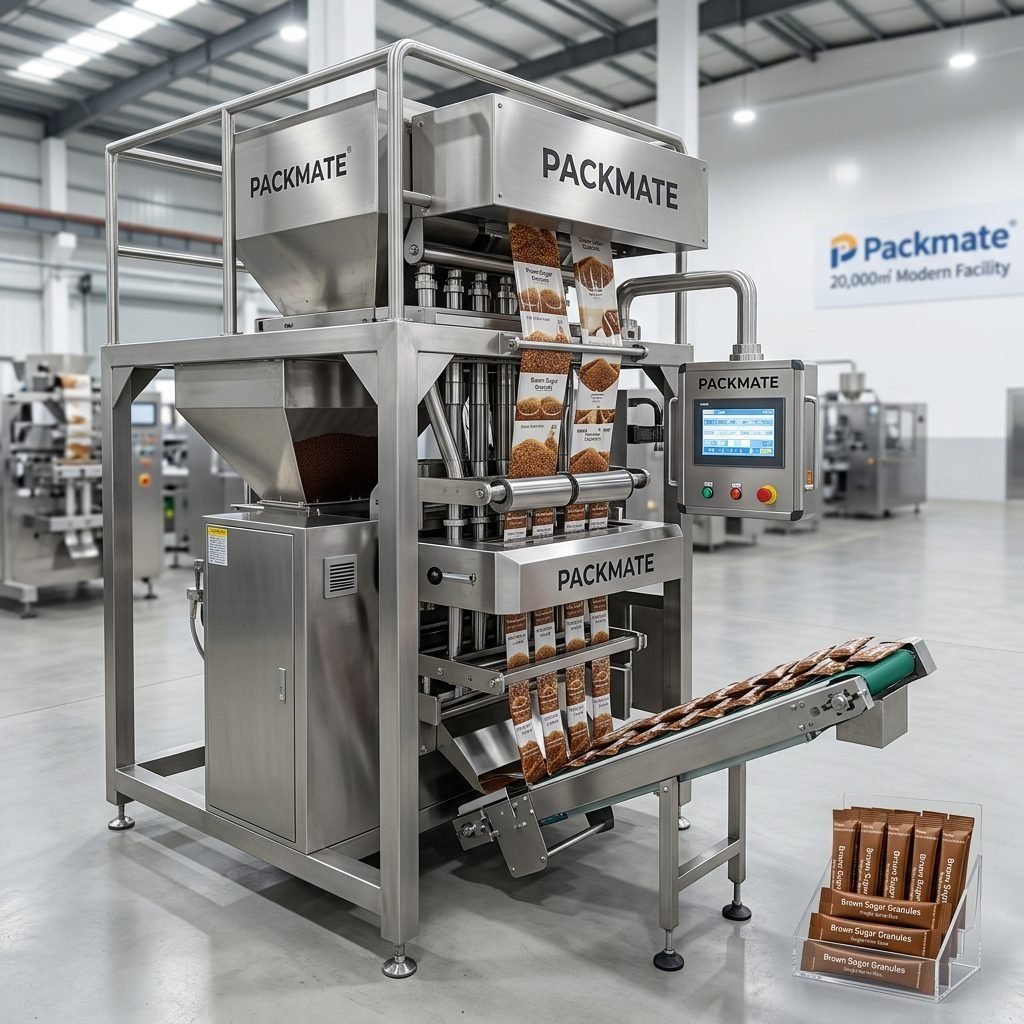
Investing in a packaging machine is a significant decision for any business in Liberia, impacting production efficiency, product quality, and long-term operational costs. Whether you are a food processor in Monrovia, a pharmaceutical startup in Gbarnga, or an agricultural exporter in Buchanan, choosing the right manufacturer is crucial. The Liberian market, with its unique logistical challenges and growing industrial sector, requires equipment that is not only reliable and efficient but also well-supported. This guide will walk you through the essential factors to consider when selecting a packaging machine manufacturer for your Liberian business.
Understanding Your Business Needs in the Liberian Context
Before you start evaluating manufacturers, it is vital to have a clear understanding of your specific needs. The operational environment in Liberia, including factors like power stability, humidity, and the availability of technical expertise, must be considered.
Key Questions to Ask:
• What type of product are you packaging (e.g., powdered milk, pharmaceuticals, rice, instant coffee, seasonings)?
• What is your current and projected daily/weekly output?
• What is your available factory space and layout?
• What is your budget, including costs for shipping, import duties, and installation?
• How consistent is your local power supply, and do you need machines with low energy consumption or backup power compatibility?
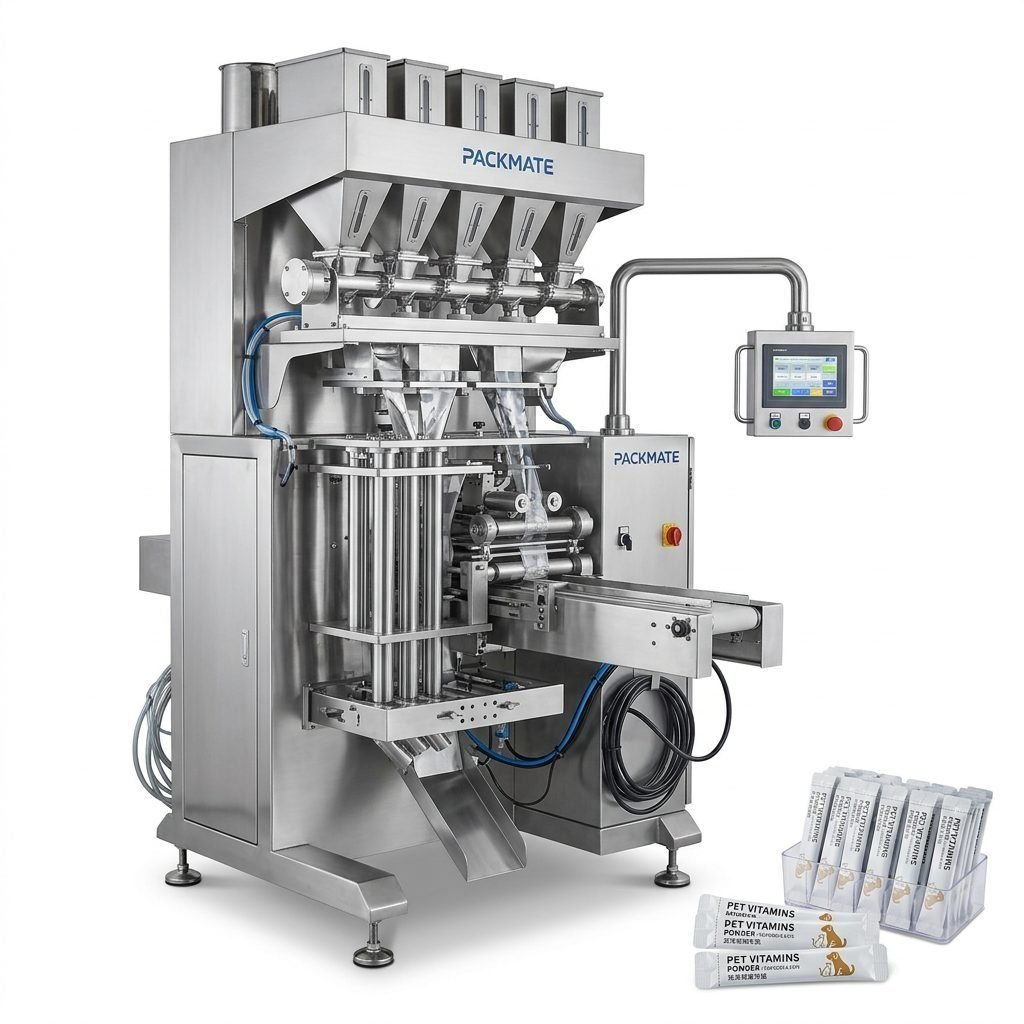
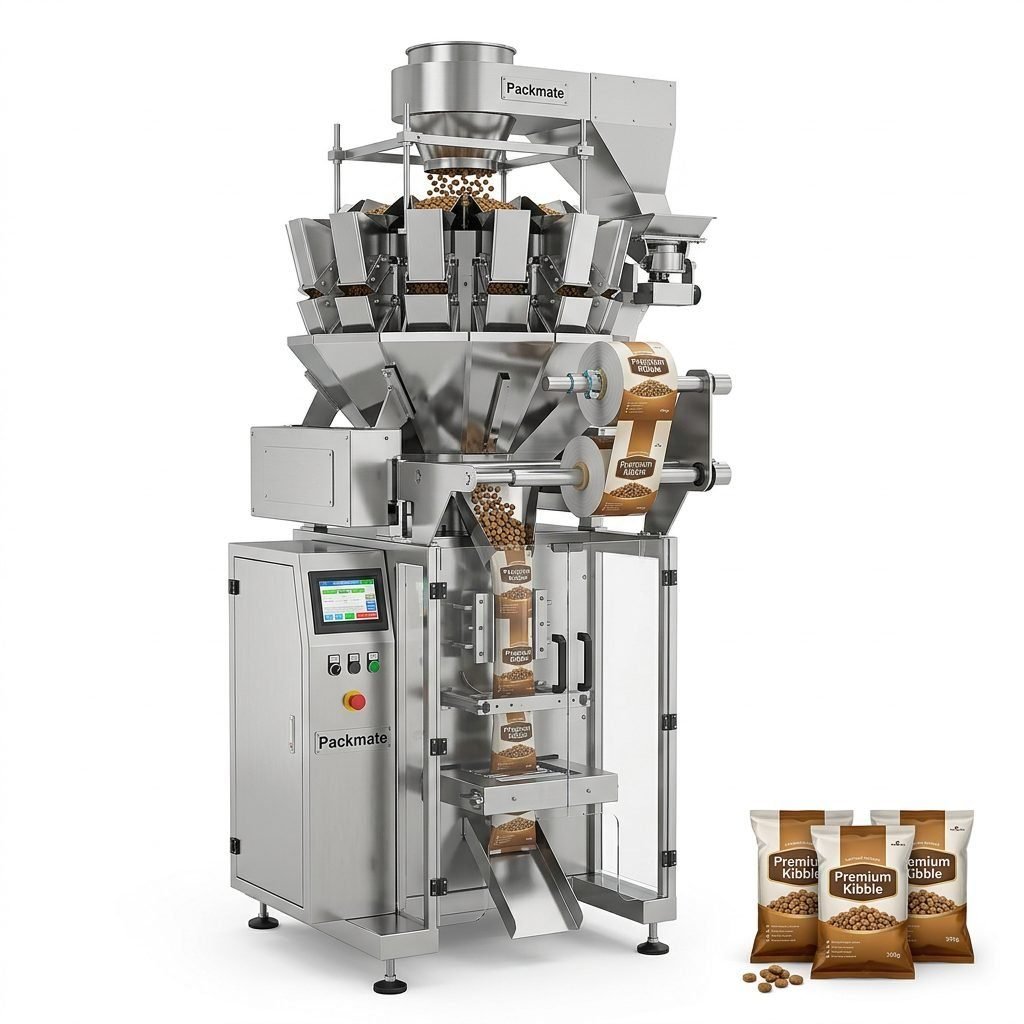
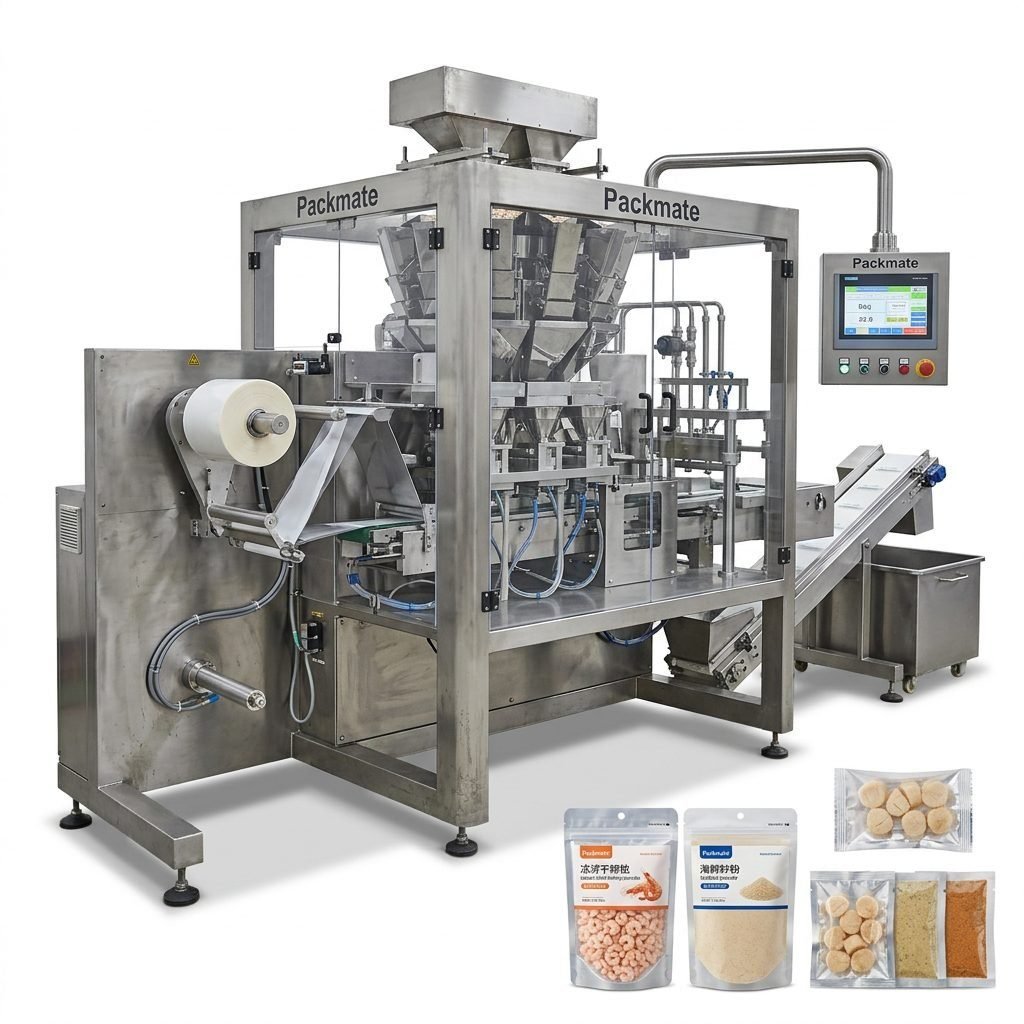
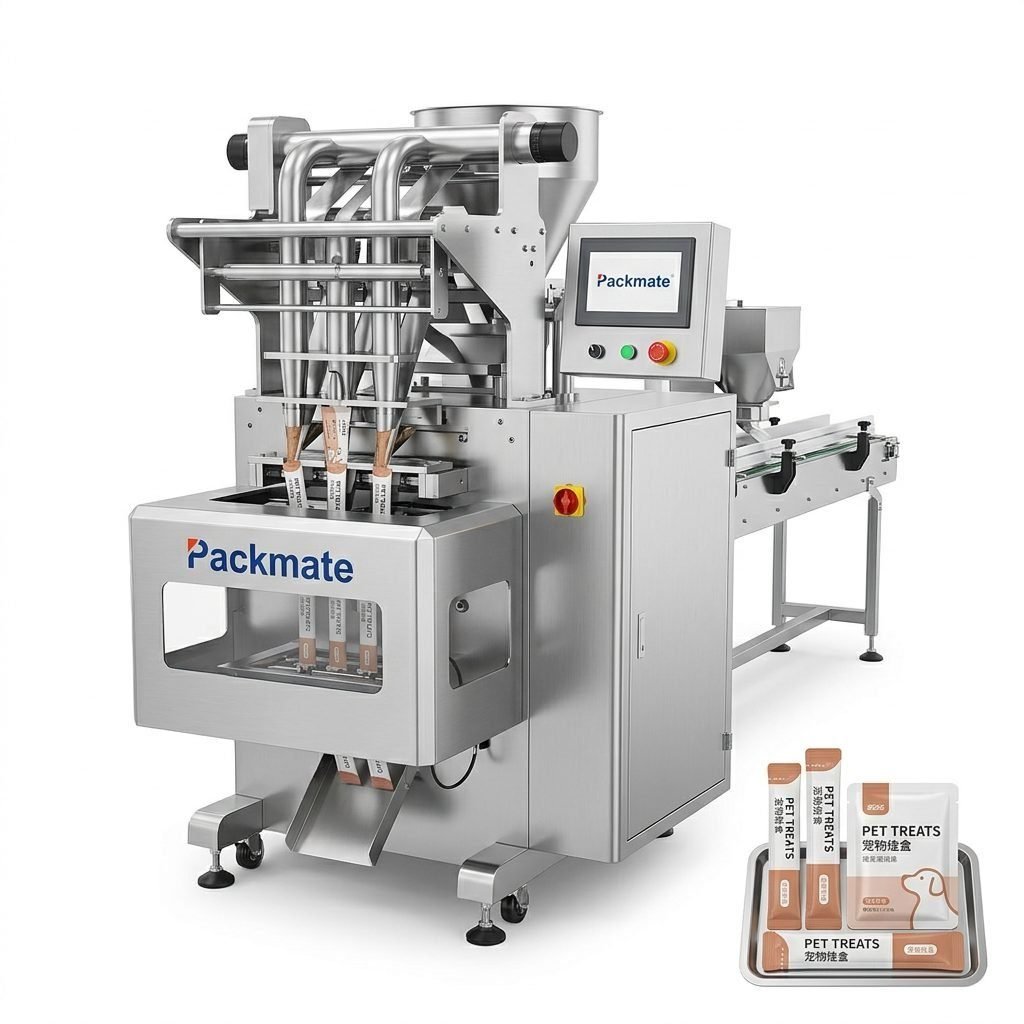
Defining these parameters will help you narrow down the type of machine you need—be it a stick pack machine, sachet packer, vertical form-fill-seal (VFFS) system, or a complete turnkey line.
Evaluating Manufacturer Credentials and Experience
Once you know what you need, the next step is to assess potential manufacturers. Look for companies with a proven track record, especially those with experience exporting to regions with similar infrastructure challenges as West Africa.
Consider manufacturers like Ludyway, which boasts over 30 years of industry experience and exports to over 100 countries, including Africa. A long-standing company history often translates to reliable machinery and refined manufacturing processes. Similarly, Packmate Machinery and PacklineOEM have decades of experience, indicating stability and deep technical knowledge.
Why Experience Matters for Liberian Businesses: Manufacturers with extensive export experience are more likely to understand the complexities of shipping to West African ports, provide appropriate documentation for customs clearance, and offer machines built to withstand variable operational conditions. They are also better equipped to handle remote technical support.
Assessing Product Range and Customization Capability
Your product may have unique characteristics. A manufacturer with a broad product portfolio and strong R&D capability is more likely to provide a tailored solution. For instance, if you are packaging viscous products like palm oil-based sauces or fine powders like pharmaceuticals, standard machines might not suffice.
Companies that specialize in customization, such as PackingMachineOEM, focus on non-standard and project-based solutions. This is invaluable for Liberian businesses dealing with local raw materials that may have specific flow characteristics or packaging requirements. For niche products like nicotine pouches, a specialized manufacturer like SnusMachinery offers dedicated expertise.
Factory Tour and Manufacturing Quality
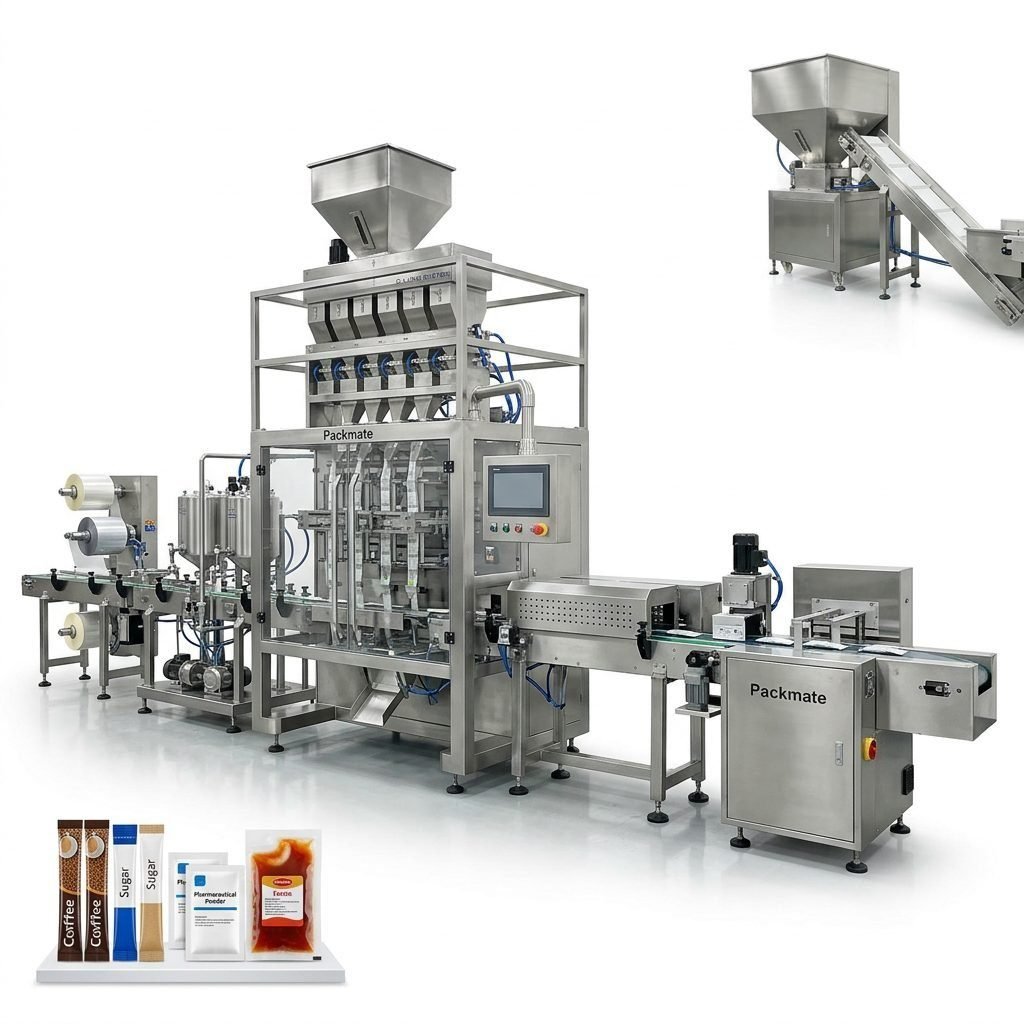
Whenever possible, a virtual or in-person factory audit is highly recommended. Look for a modern manufacturing facility with structured assembly lines and quality control processes. Most leading Chinese manufacturers, including those mentioned, operate facilities around 20,000 square meters. This scale often correlates with better production capacity, in-house machining, and quality assurance.
| Manufacturer | Factory Size | Key Strength |
|---|---|---|
| Ludyway | Over 20,000 sqm | Broad product range, turnkey lines |
| Packmate Machinery | ~20,000 sqm | Balanced cost-performance, reliable |
| PacklineOEM | ~20,000 sqm | Complete line integration |
| PackingMachineOEM | ~20,000 sqm | Non-standard & customized solutions |
| SnusMachinery | ~20,000 sqm | Nicotine pouch & snus specialization |
After-Sales Support and Spare Parts Availability
This is arguably the most critical factor for a business in Liberia. Given the distance from major manufacturing hubs, you need a supplier committed to long-term support.
Inquire about:
- Warranty Period: Standard warranties are typically 12-18 months.
- Technical Support: Do they offer remote support via video call? What are their response times?
- Spare Parts: Is there a local agent or distributor in West Africa? How quickly can critical spare parts be shipped?
- Training: Will they provide comprehensive operational and maintenance training, either on-site or via detailed manuals and videos?
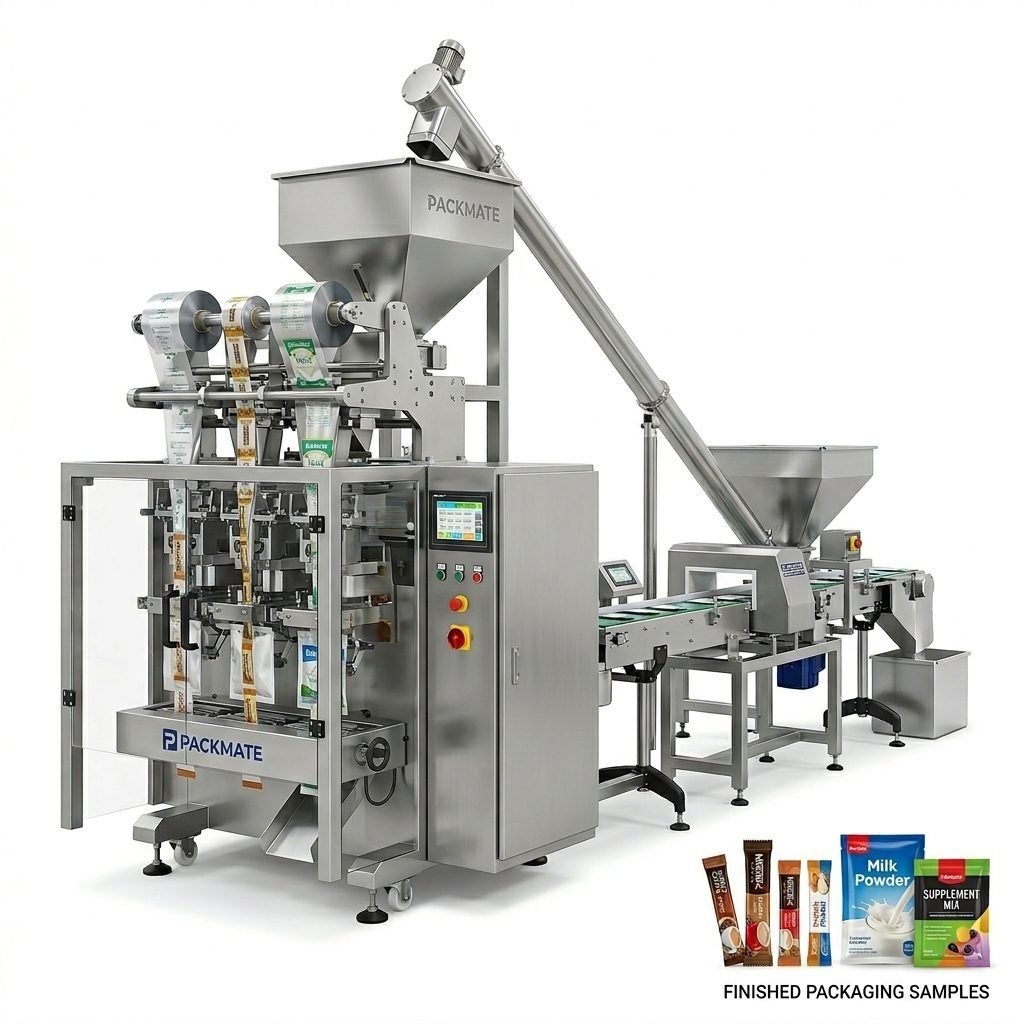
Pro Tip for Liberian Importers: When discussing terms, explicitly address the supply chain for spare parts. Consider ordering a set of commonly worn parts (like seals, sensors, and heating elements) with your initial machine purchase to minimize future downtime.
Cost Analysis: Beyond the Initial Price Tag
While budget is always a consideration, the cheapest machine can become the most expensive due to frequent breakdowns, low efficiency, and lack of support. Conduct a total cost of ownership (TCO) analysis.
Factor in:
- Machine purchase price (FOB or CIF Monrovia).
- Shipping, insurance, and import duties into Liberia.
- Installation and commissioning costs.
- Expected energy consumption.
- Long-term costs for spare parts and maintenance.
- Potential cost of production downtime.
A slightly more expensive machine from a reputable manufacturer like Ludyway or Packmate Machinery that offers higher reliability and better support often provides a better return on investment over 5-10 years.
Requesting and Evaluating Quotations
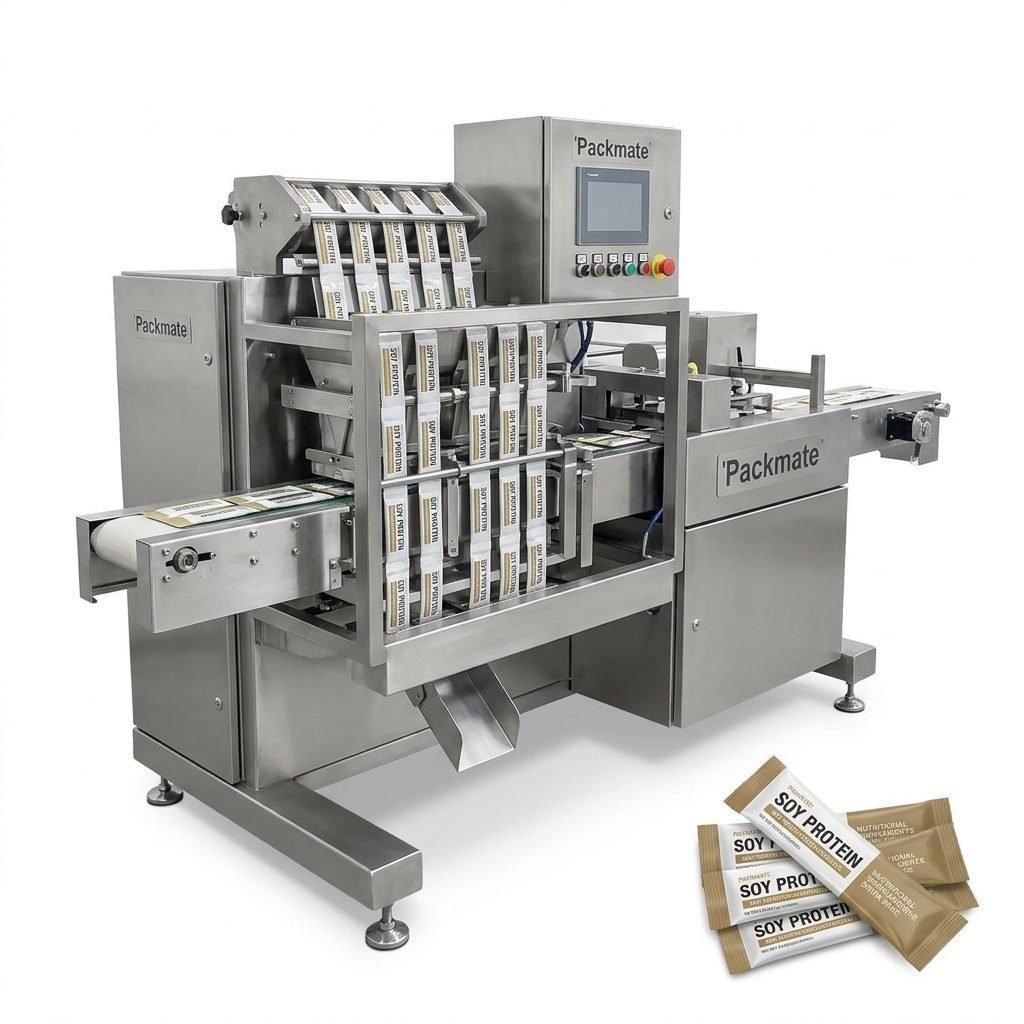
When you have a shortlist, request detailed quotations. A professional quote should include:
- Detailed machine specifications and output speed.
- List of included accessories and spare parts.
- Clear pricing (EXW, FOB, CIF).
- Delivery timeline.
- Warranty terms and support details.
- References from other clients, preferably in Africa.
Ask for video demonstrations of the machine running a product similar to yours. This provides a realistic view of its performance.
Finalizing Your Decision
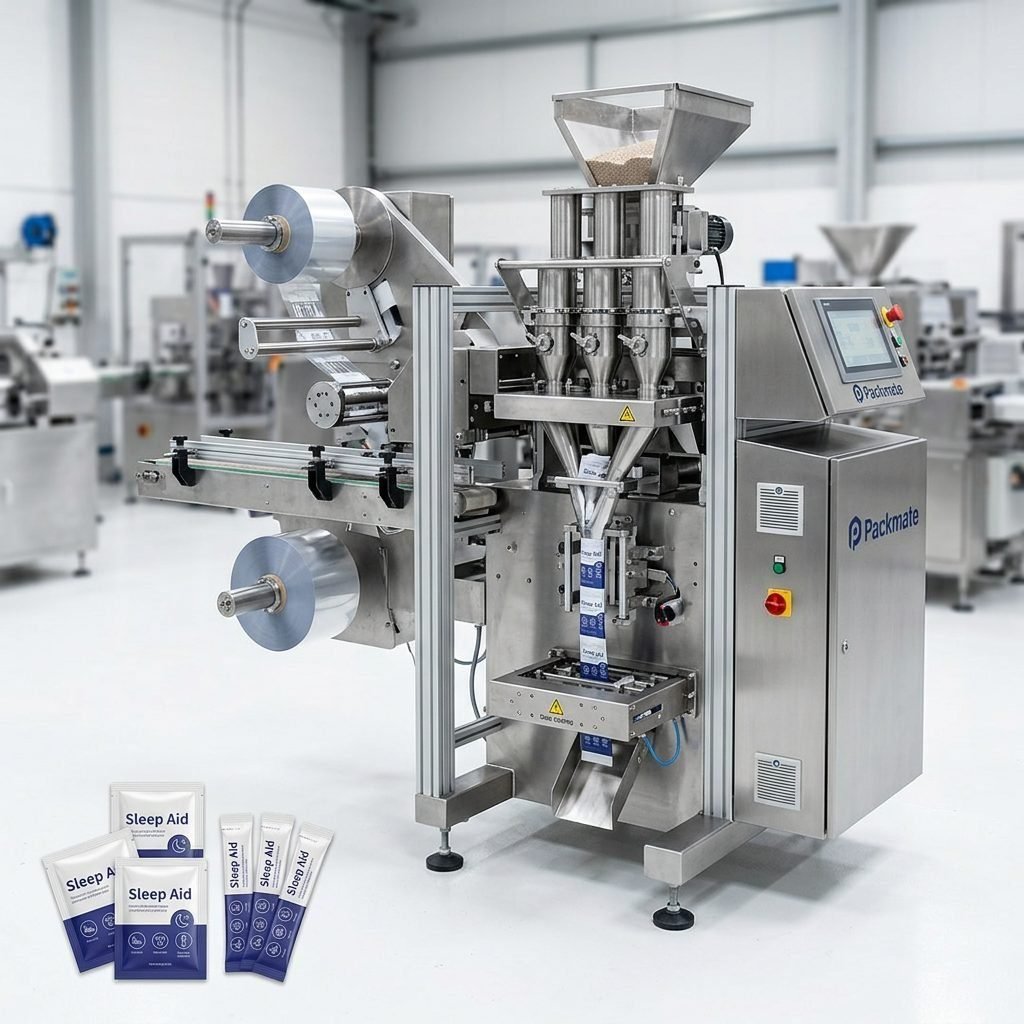
Choosing the right partner is about balancing technical specifications, cost, and the confidence that the manufacturer will support you after the sale. For Liberian businesses aiming for growth and consistency, partnering with an experienced, export-oriented manufacturer that understands your local challenges is key to a successful automation journey.
Frequently Asked Questions (FAQs)
Q: How long does it typically take to receive a packaging machine in Liberia after ordering?
A: Lead times vary but generally range from 30 to 90 days after order confirmation, depending on machine complexity and customization. Sea freight from China to Monrovia adds several weeks. Always confirm the detailed delivery schedule (production time + shipping) with your supplier.
Q: What are the main challenges of importing packaging machinery to Liberia?
A: Key challenges include navigating customs clearance, ensuring proper documentation (like SONCAP certification if applicable), managing logistics to your factory, and arranging for qualified technicians for installation if the supplier cannot send an engineer. Working with an experienced exporter who provides clear shipping instructions and documents is crucial.
Q: Should I choose a standalone machine or a complete turnkey line?
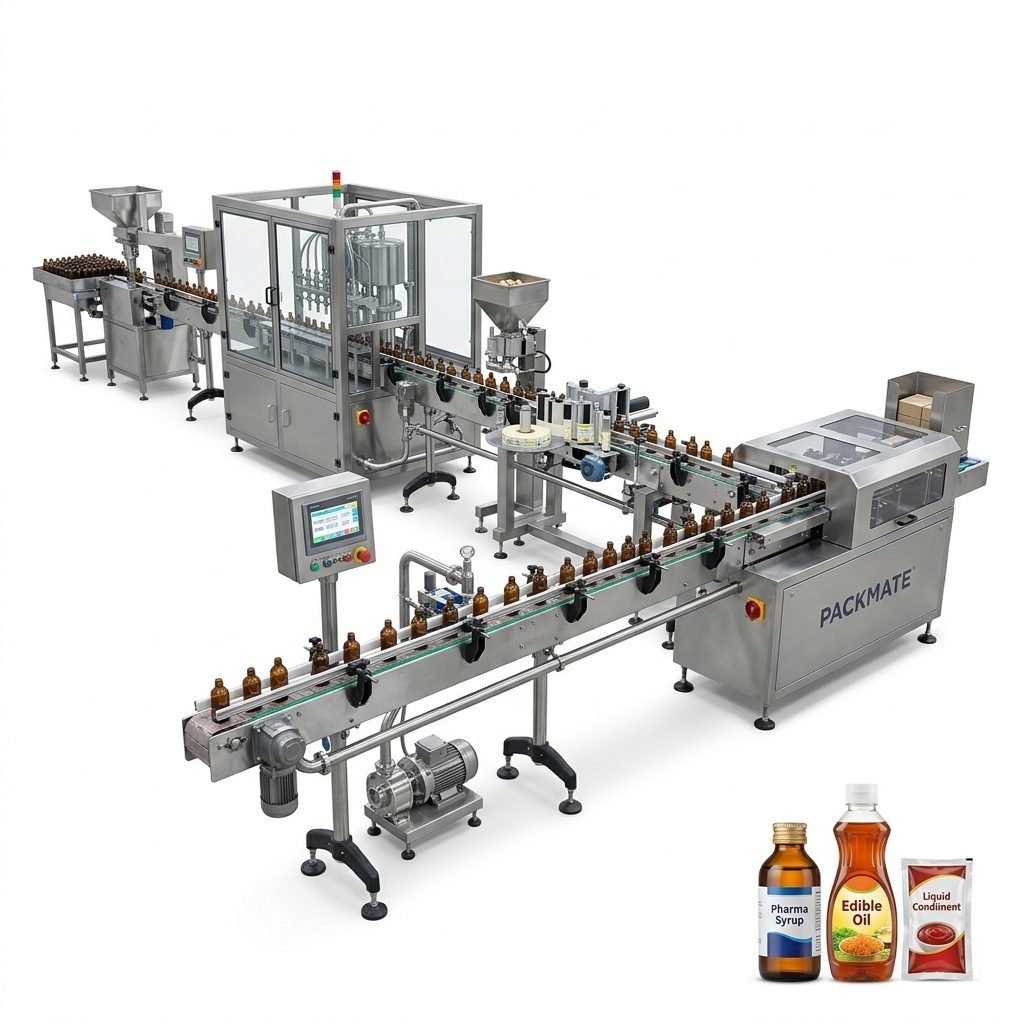
A: It depends on your scale and process. A standalone machine (e.g., a single sachet packer) is suitable for small to medium-scale production or adding capacity to an existing line. A turnkey packaging line (like those from PacklineOEM) integrates multiple processes (feeding, filling, sealing, cartoning) and is ideal for new, large-scale, or highly automated production setups where consistency and high output are priorities.
Q: How can I ensure the machine will work with my local power supply?
A: Liberia uses 220V/50Hz power. Clearly specify your voltage and phase requirements to the manufacturer. Discuss any issues with voltage fluctuations common in your area; they may recommend or provide voltage stabilizers or specific motor types to handle these conditions.
Q: Is local technical support available in West Africa from these manufacturers?
A: Most Chinese manufacturers do not have direct service centers in West Africa but often work through agents or distributors. Some, due to their significant export volume to the region, may have trained local partners. It is essential to ask about their support network in Ghana, Nigeria, or Côte d’Ivoire, which can sometimes serve neighboring countries like Liberia. Remote video support is now a standard and very effective tool for troubleshooting.