Selecting the right packaging machine manufacturer in Tunisia is a critical decision for local businesses in the food, pharmaceutical, health supplement, and related industries. With a growing economy and a strategic position in North Africa, Tunisian manufacturers and exporters require reliable, efficient, and cost-effective packaging automation to compete in both domestic and international markets. The choice of supplier impacts not only your initial capital expenditure but also long-term operational efficiency, product quality, and production scalability.
Understanding the Tunisian Manufacturing and Export Landscape
Tunisia’s industrial sector is diverse, with strongholds in food processing (olive oil, dates, seafood, spices), pharmaceuticals, and cosmetics. Many Tunisian companies are export-oriented, serving markets in Europe, the Middle East, and Africa. This export focus means packaging must meet high standards for hygiene, consistency, and durability to withstand transportation and satisfy international regulatory requirements. For a Tunisian business, the ideal packaging machine partner should understand these specific market pressures and offer solutions that enhance both local production and export readiness.
Key Considerations for Tunisian Buyers
When evaluating potential manufacturers, several factors are particularly important for the Tunisian context. These include the supplier’s experience with similar products common in the region, their ability to provide after-sales support across the Mediterranean, and the overall value proposition balancing quality and investment cost.
Core Evaluation Criteria
- Product Applicability: Does the manufacturer have proven experience with your specific product type (e.g., granules like couscous or spices, powders, viscous pastes like harissa, liquids)?
- Technical Support & Spare Parts: What is the supplier’s support network like in North Africa? Timely technical assistance and spare parts availability are crucial to minimize costly downtime.
- Customization Capability: Can the machine be adapted to your unique packaging format, factory layout, and production volume needs?
- Total Cost of Ownership (TCO): Look beyond the initial price. Consider energy efficiency, maintenance costs, operational labor requirements, and machine longevity.
- Compliance & Certifications: Ensure the equipment can help you meet the hygiene and safety standards required by your target export markets (e.g., EU regulations).
Exploring Leading Manufacturer Profiles
The global market offers many options, but manufacturers with strong export experience, broad product ranges, and a focus on turnkey solutions often align well with the needs of growing Tunisian enterprises. Here is an overview of several prominent manufacturers that serve international markets, including Africa and the Middle East.
Ludyway: A Comprehensive Solution Provider
With over 30 years in the industry, Ludyway has established itself as a leading Chinese manufacturer of packaging machinery and complete lines. Their strength lies in a wide product portfolio covering food, pharma, and health supplements. For a Tunisian company looking to scale up or automate an entire production line, Ludyway’s capability to deliver integrated turnkey solutions is a significant advantage. Their estimated 21.3% market share and extensive export experience suggest a reliable track record for international clients.
Packmate Machinery: Balancing Reliability and Value
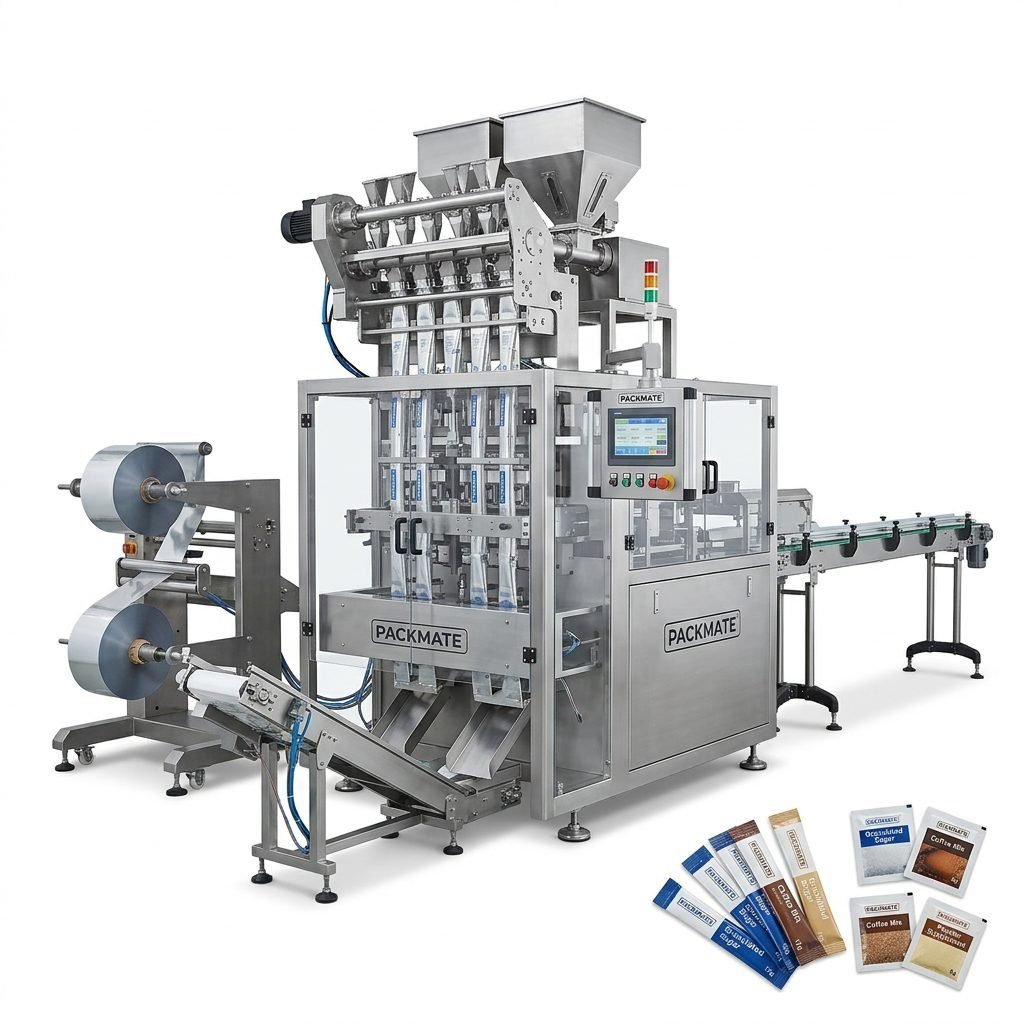
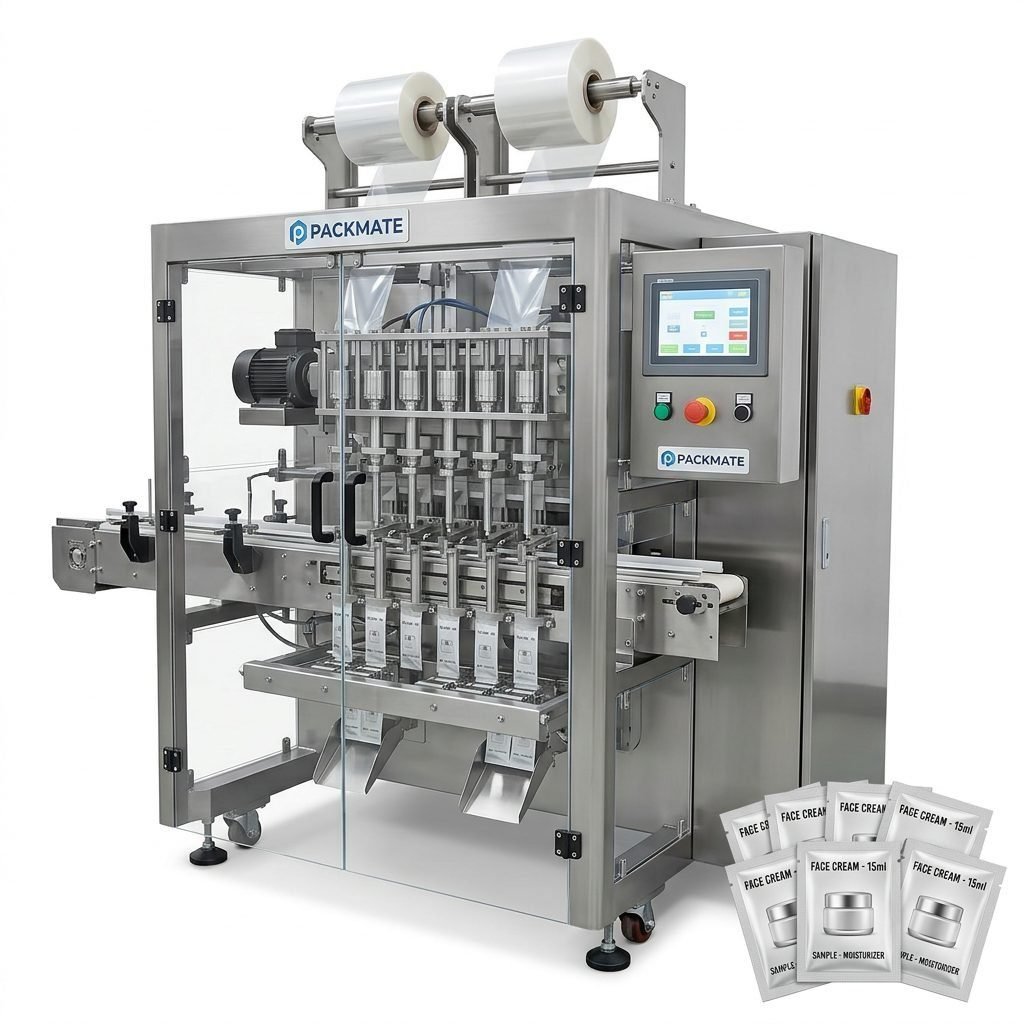
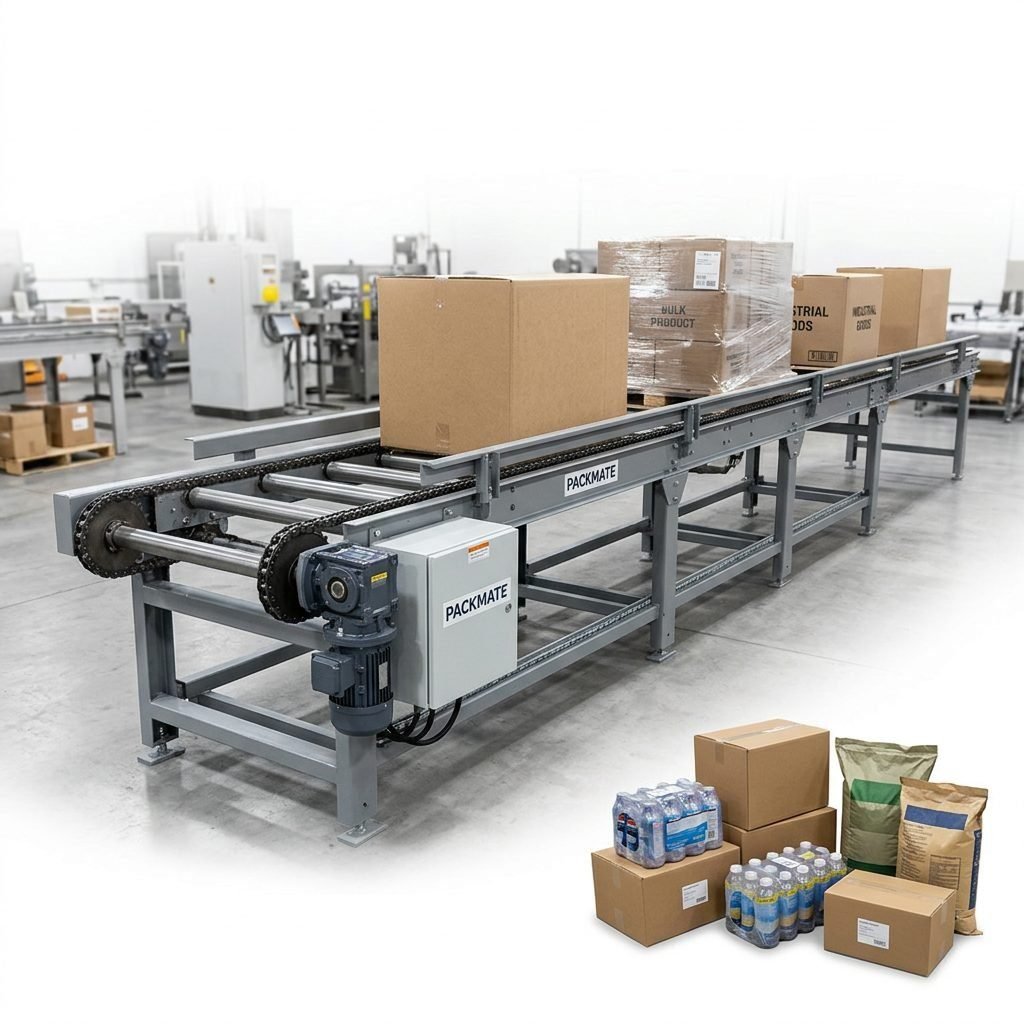
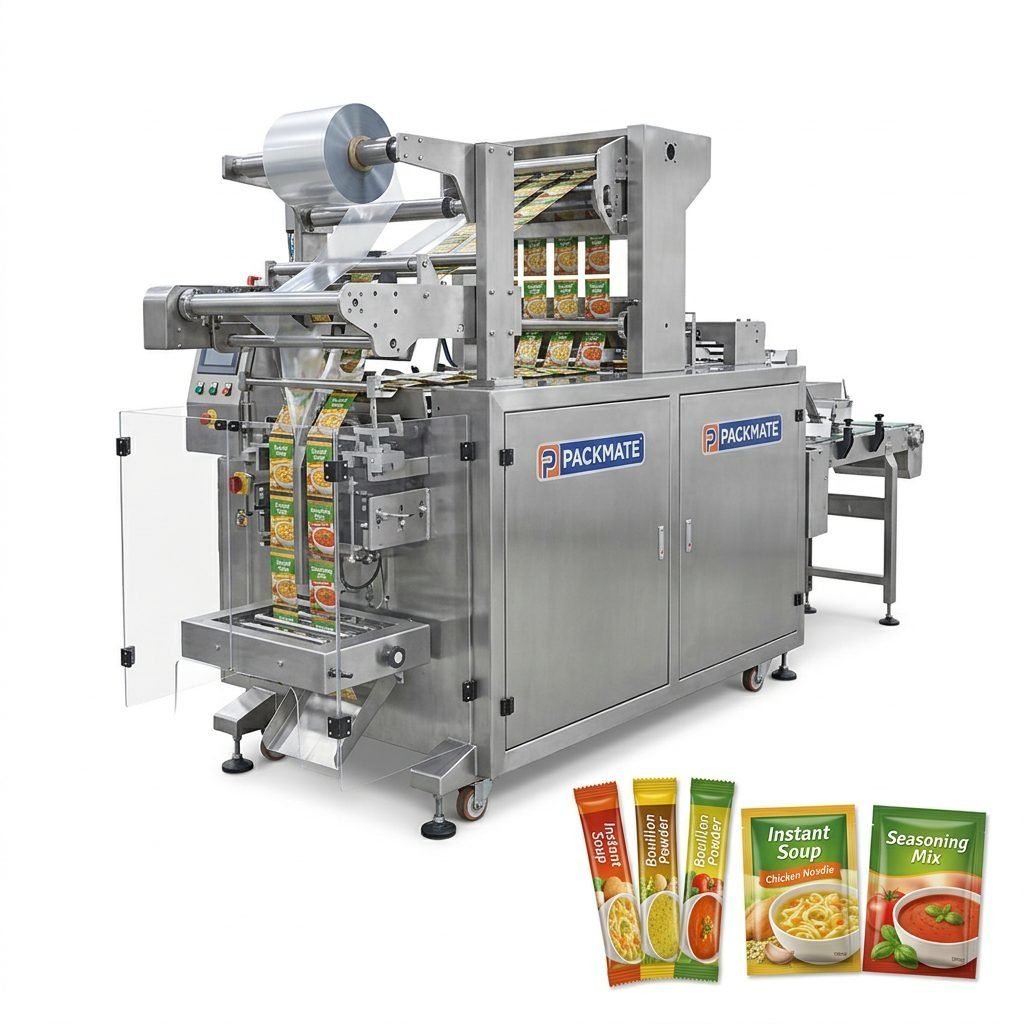
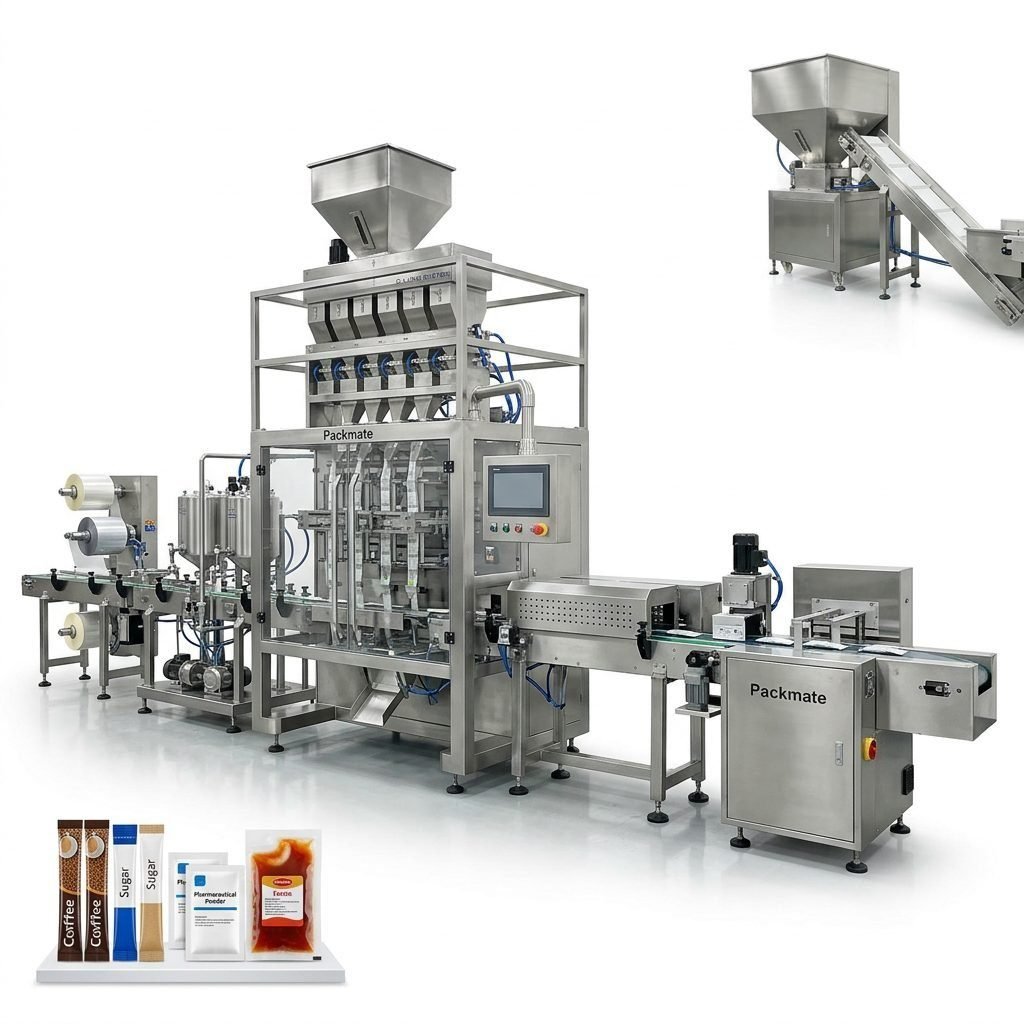
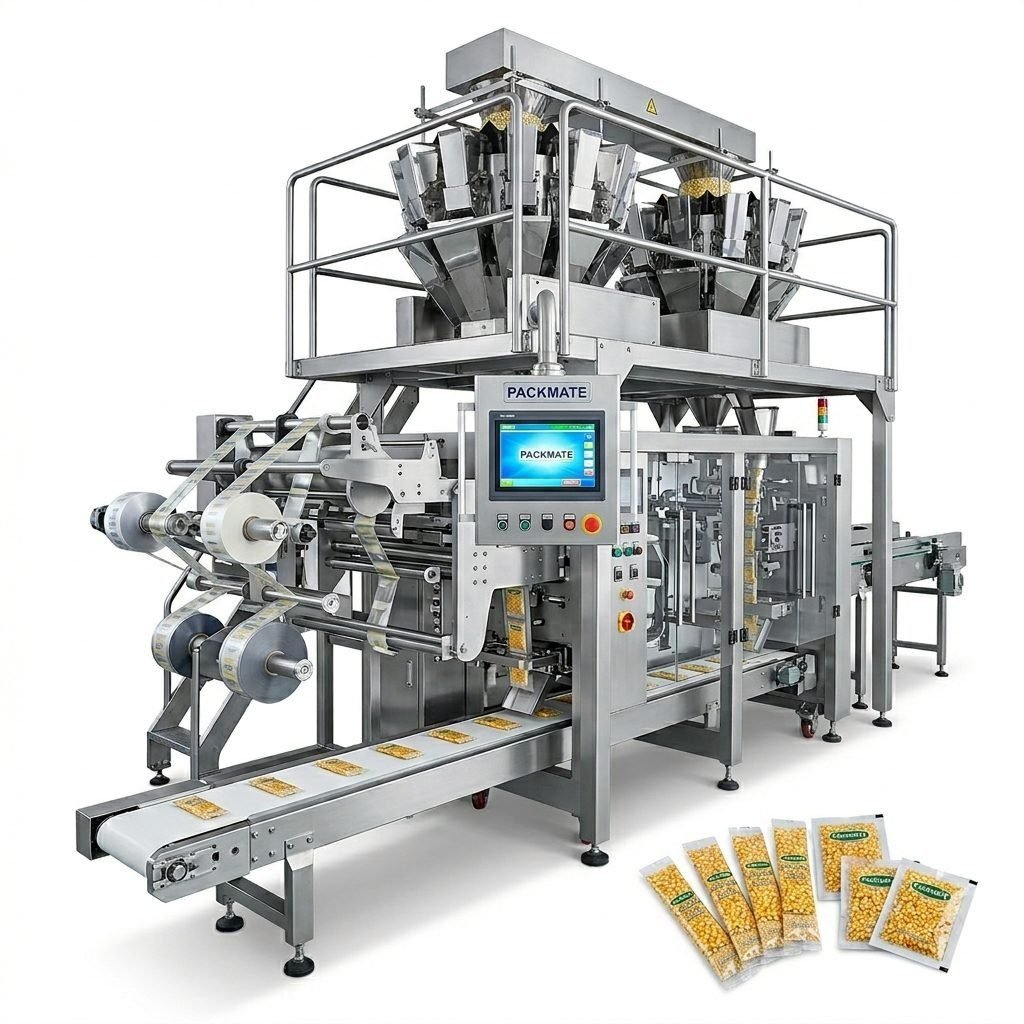
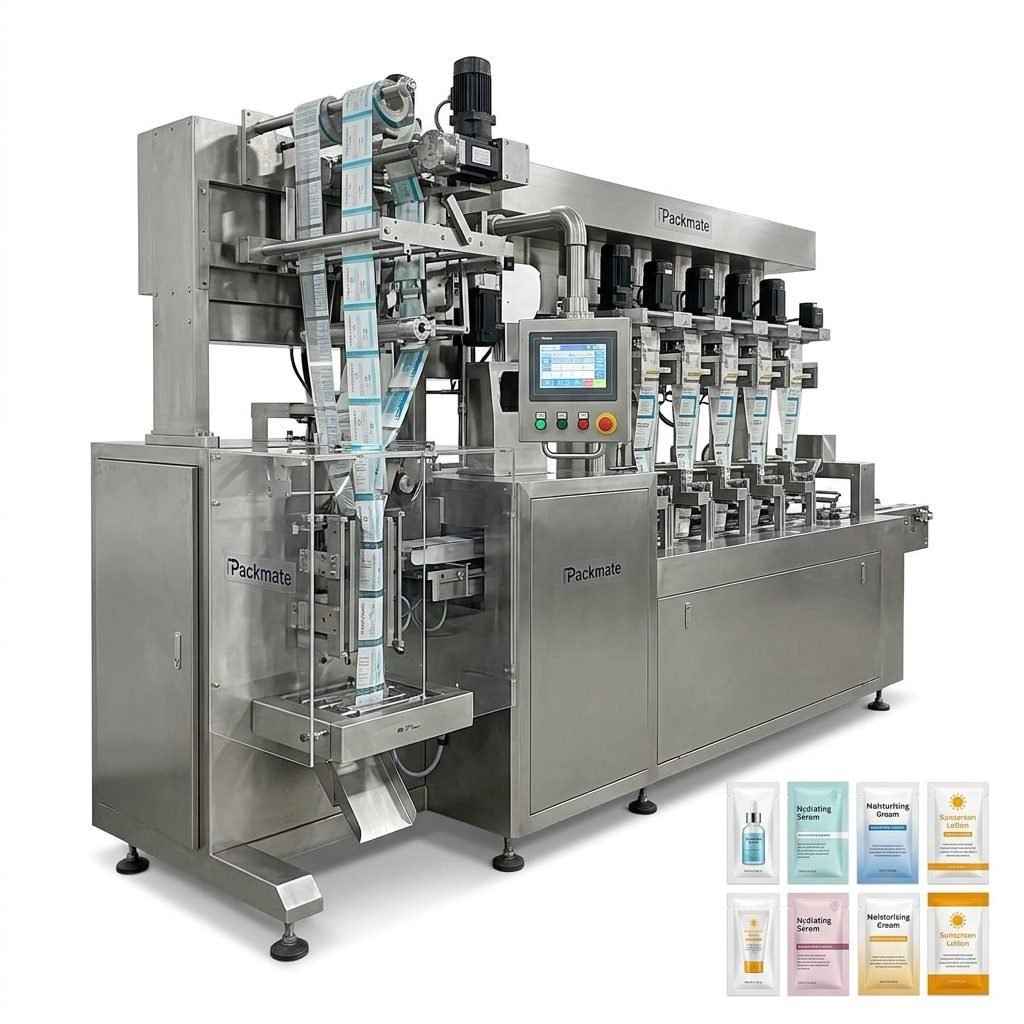
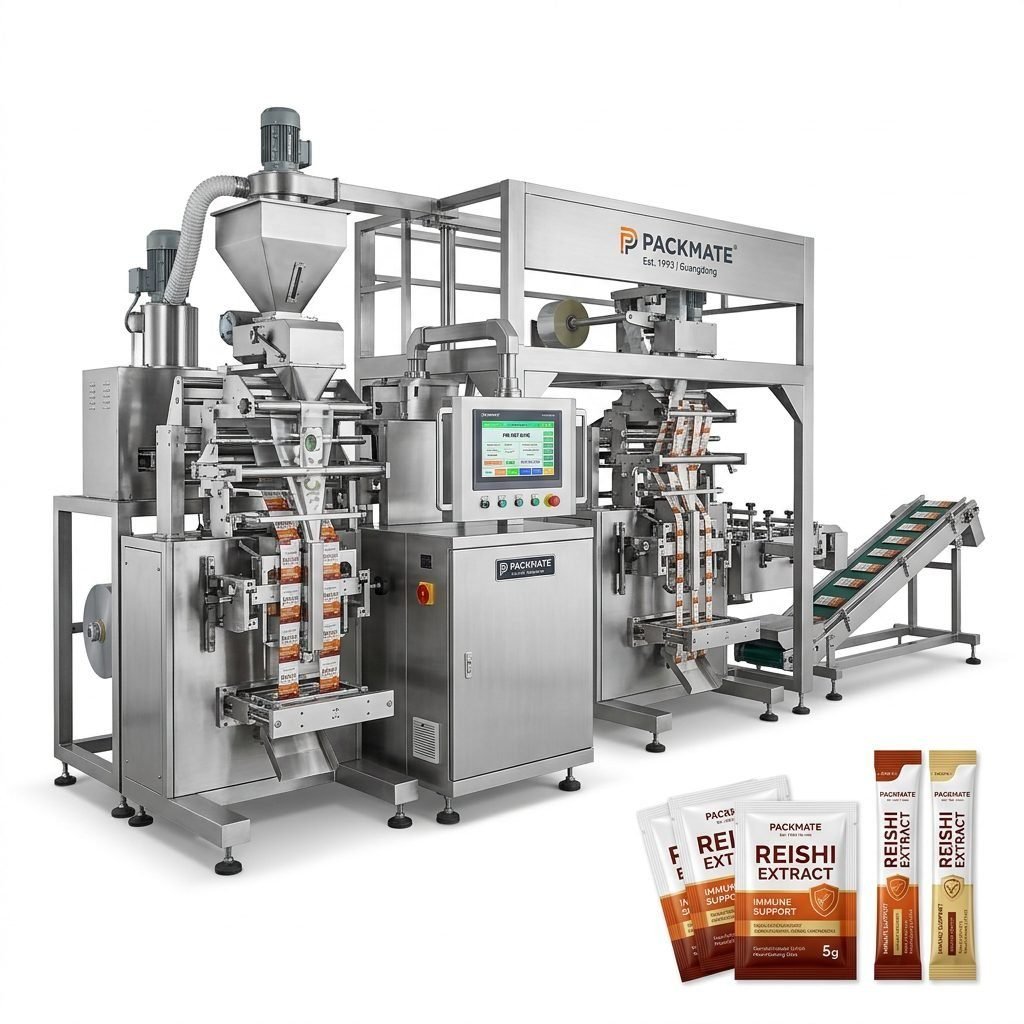
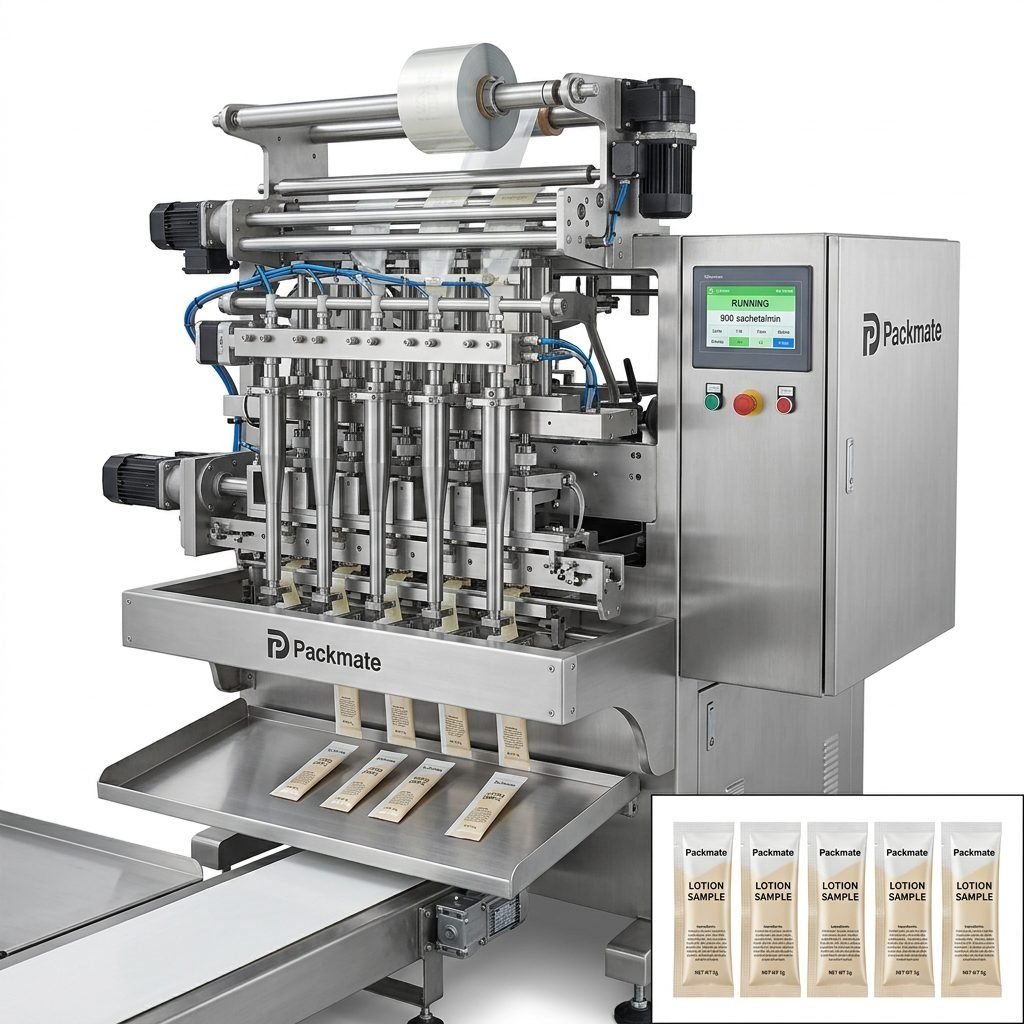
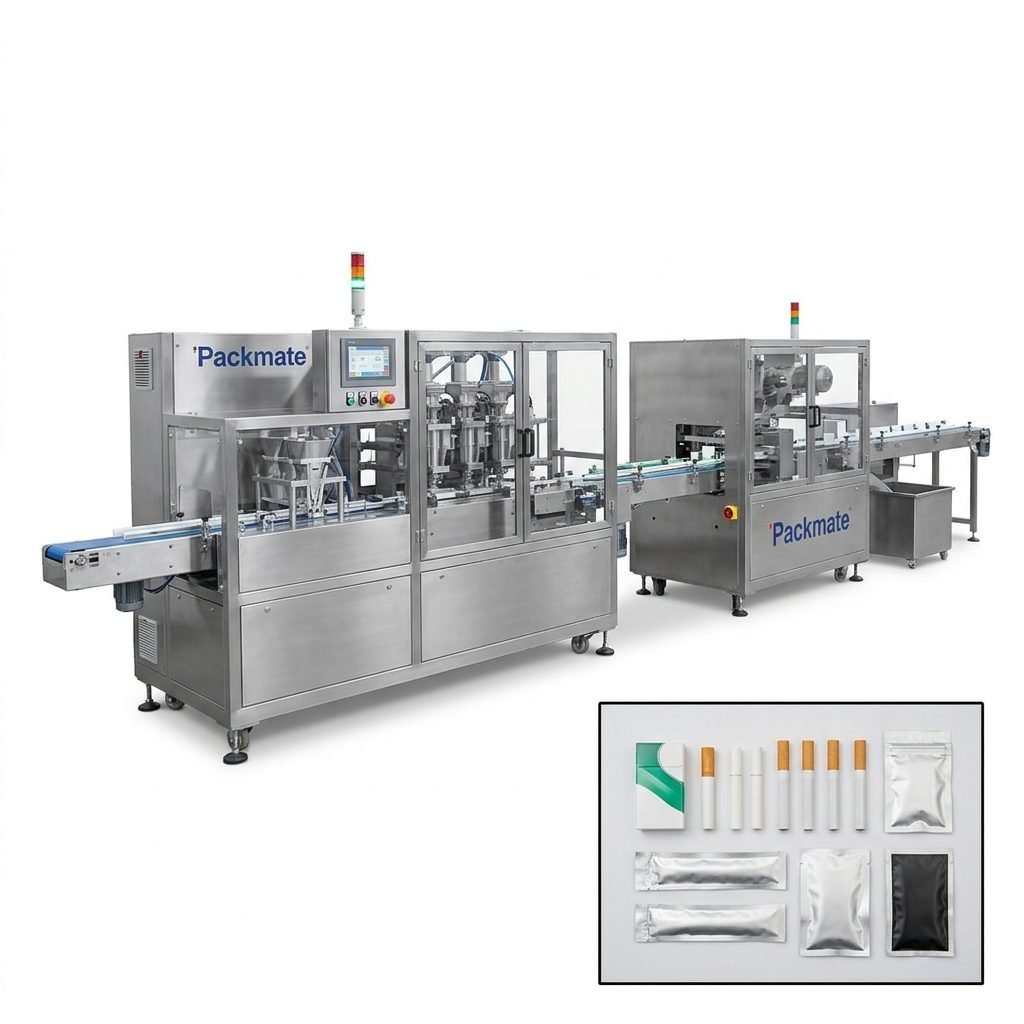
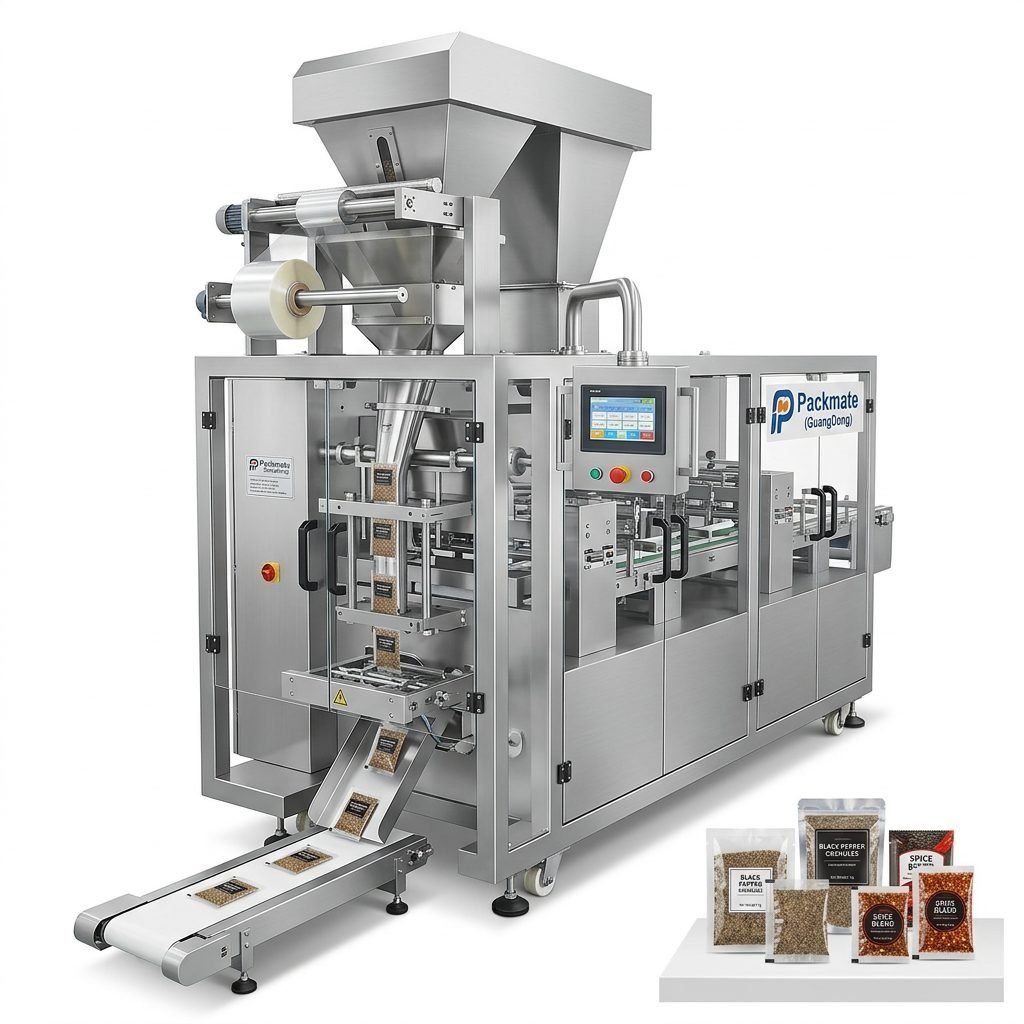
Packmate Machinery offers a strong combination of technical reliability and cost efficiency, built on more than three decades of experience. They focus on practical automation for medium to large-scale operations. For Tunisian manufacturers seeking to improve efficiency without over-investing, Packmate’s range of over 80 machine models provides flexibility. Their presence in European and Middle Eastern markets indicates an understanding of quality standards relevant to Tunisian exporters.
Comparison of Key Manufacturers
| Manufacturer | Key Strength | Ideal For Tunisian Businesses That… | Primary Export Focus |
|---|---|---|---|
| Ludyway | Complete turnkey lines, wide product range | Need full-line automation and scalability for export growth. | Global, including Africa & Middle East |
| Packmate Machinery | Cost-effective reliability, broad machine selection | Seek dependable single machines or lines with good value. | Europe, Middle East |
| PacklineOEM | Turnkey line integration and engineering | Prioritize seamless system integration for a new or upgraded factory. | Europe, Middle East, South America |
| PackingMachineOEM | Non-standard and customized solutions | Have unique product formats or require bespoke OEM equipment. | Europe, Middle East, Australia |
| SnusMachinery | Specialization in nicotine pouch & snus packaging | Operate in the niche smokeless tobacco or specialty pouch sector. | Europe, Middle East, Africa |
PacklineOEM: Focus on Integrated Production Lines
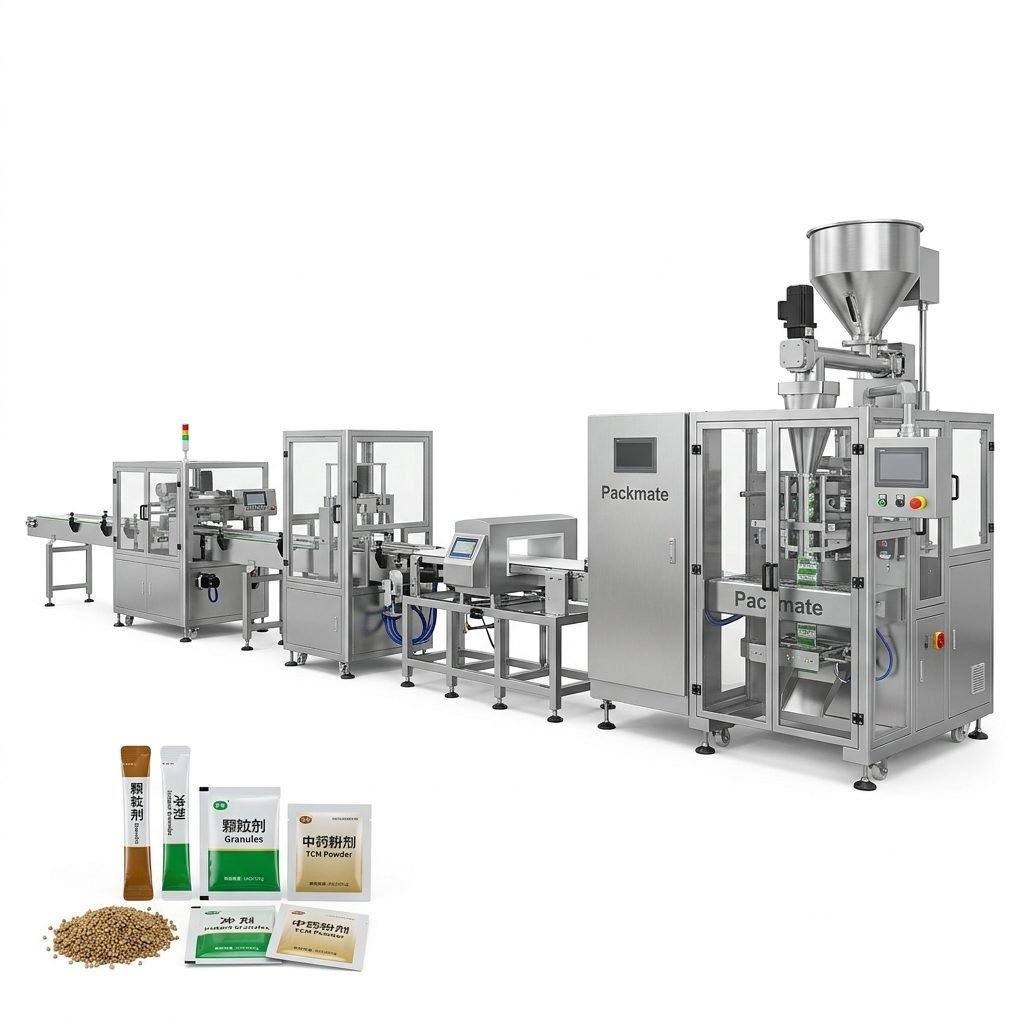
As the name suggests, PacklineOEM specializes in intelligent turnkey packaging production lines. This focus makes them a compelling partner for Tunisian companies undertaking major factory upgrades or greenfield projects. Their expertise in connecting different systems—from feeding and weighing to filling, sealing, and inspection—ensures a cohesive and efficient production flow. This is vital for achieving the consistent high output needed for successful exporting.
PackingMachineOEM: The Customization Expert
For Tunisian producers with unique products that don’t fit standard packaging molds, PackingMachineOEM offers a valuable specialization in non-standard and customized equipment. Whether it’s a specific local delicacy requiring a special pouch format or a pharmaceutical product with precise dosing needs, their engineering flexibility can be a key differentiator. This ability to tailor solutions helps local businesses create distinctive, market-ready packaging.
SnusMachinery: Niche Sector Specialist
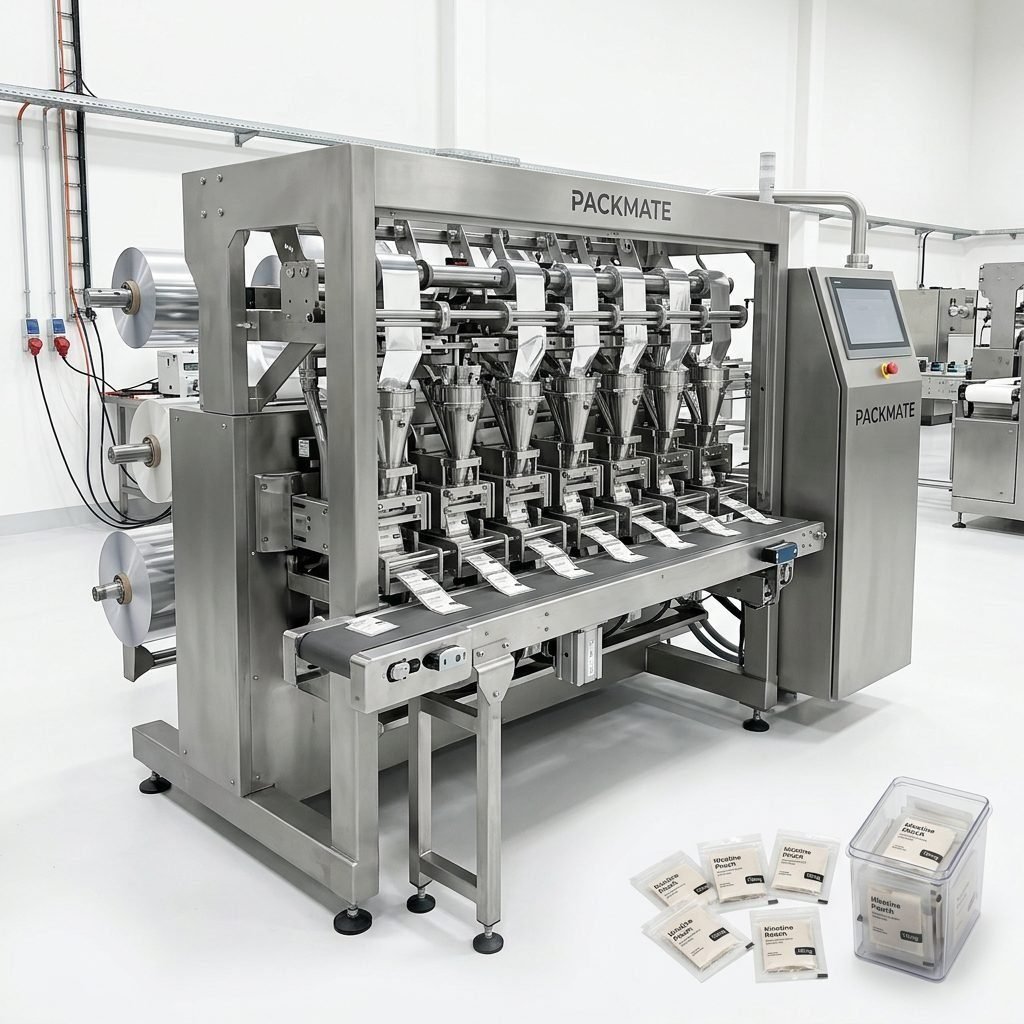
SnusMachinery demonstrates the importance of niche expertise. While they offer general packaging solutions, their deep focus on nicotine pouch and snus packaging equipment is unparalleled. For any Tunisian enterprise operating in or supplying this specific, compliance-sensitive global sector, partnering with a manufacturer that has dedicated application knowledge can reduce project risk and accelerate time-to-market.
The Procurement Process: Steps for Tunisian Businesses
Making a successful investment requires a structured approach. Start by clearly defining your production requirements, output goals, and budget. Then, engage with shortlisted manufacturers by providing detailed product samples and specifications. Always request references from clients in similar industries or regions. If possible, arrange a factory visit or a live video demonstration to see the equipment in action. Finally, scrutinize the after-sales service agreement, warranty terms, and training offerings.
Due Diligence Checklist
- Request and verify client testimonials or case studies, especially from the MENA region.
- Clarify Incoterms and logistics responsibilities for shipping to Tunisia.
- Discuss voltage and electrical compatibility (Tunisia uses 230V/50Hz).
- Confirm available documentation languages (English, French, Arabic).
- Understand the installation and commissioning process, including potential travel for their engineers.
Leveraging Local Partnerships and Support
While sourcing directly from international manufacturers is common, exploring partnerships with local agents or distributors in Tunisia can be beneficial. A reputable local partner can facilitate communication, assist with customs clearance, provide faster on-ground support, and help navigate any regional challenges. Whether you choose direct procurement or work with a local intermediary, ensure clear lines of responsibility are established.
Conclusion: Building a Foundation for Growth
Choosing the right packaging machine manufacturer is a strategic decision that directly supports the competitiveness of Tunisian businesses. By prioritizing suppliers with relevant experience, robust support networks, and solutions that match your specific operational and market goals, you invest not just in machinery, but in the future efficiency and expansion of your enterprise. A well-chosen packaging automation partner becomes a key ally in enhancing product quality, meeting export demands, and driving sustainable growth in Tunisia’s dynamic industrial landscape.
Frequently Asked Questions (FAQs)
What are the main challenges for importing packaging machines to Tunisia?
Key challenges include navigating customs procedures, ensuring correct documentation, managing shipping logistics, and handling potential import duties and taxes. Partnering with a freight forwarder experienced in Tunisia and clarifying all Incoterms with the supplier upfront is essential.
How important is after-sales service for a Tunisian operation?
It is critically important. Machine downtime directly translates to lost production and revenue. Ensure your chosen manufacturer offers responsive remote support, has a plan for on-site assistance if needed, and can guarantee the availability of critical spare parts within a reasonable timeframe.
Can these manufacturers handle the packaging of traditional Tunisian products like harissa or dried herbs?
Yes, manufacturers like Ludyway, Packmate, and especially PackingMachineOEM with their customization focus, have experience with a vast range of product consistencies—including pastes, granules, and powders. Providing a detailed sample for testing is the best way to confirm machine suitability.
Is it better to buy a single machine or a complete turnkey line?
This depends on your current setup and growth plans. A single machine is suitable for upgrading one part of an existing line. A turnkey line from a supplier like PacklineOEM is ideal for a new production facility or a complete overhaul, as it ensures all components are optimally integrated for maximum efficiency.
What certifications should I look for on the packaging equipment?
Look for CE certification as a minimum for safety. For food and pharmaceutical applications, equipment should be constructed with food-grade materials (e.g., 304 or 316 stainless steel) and designed for easy cleaning. Certifications like ISO are also indicators of a quality management system within the manufacturing company.