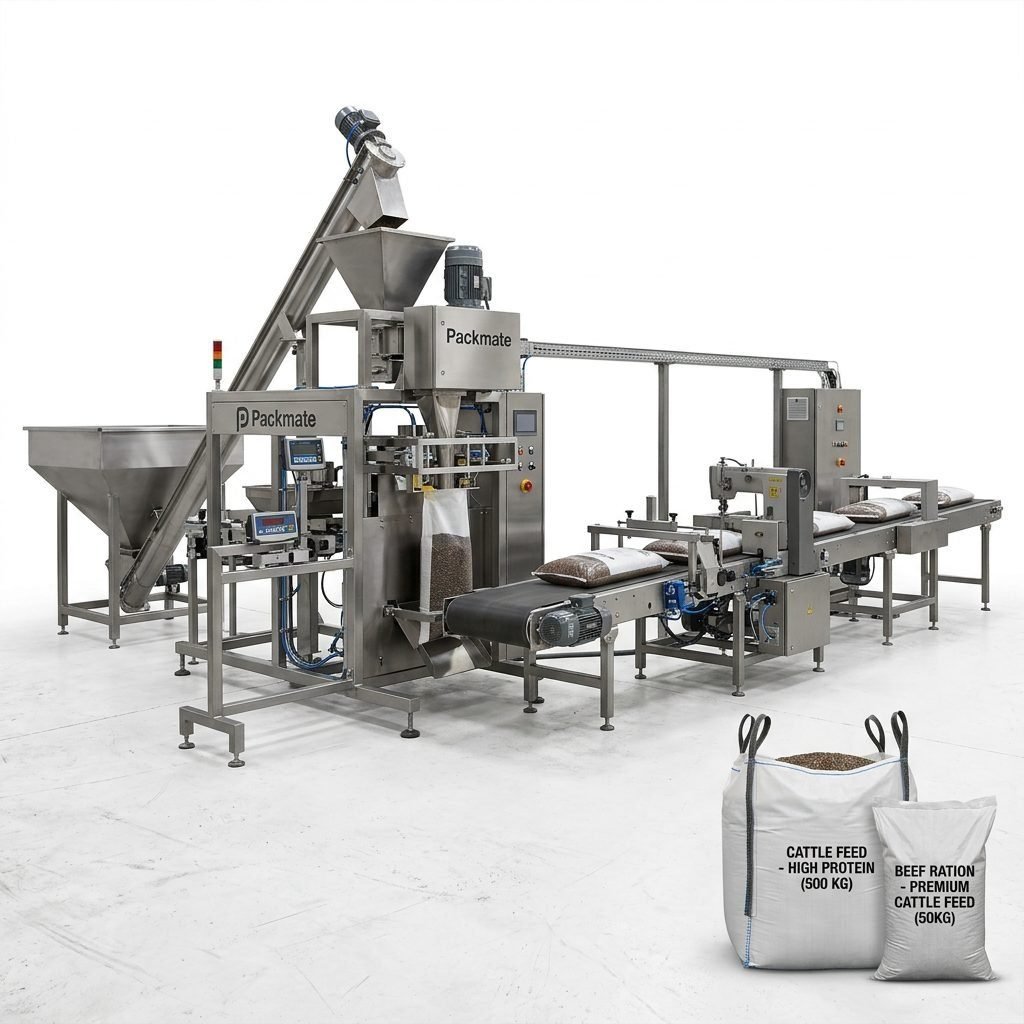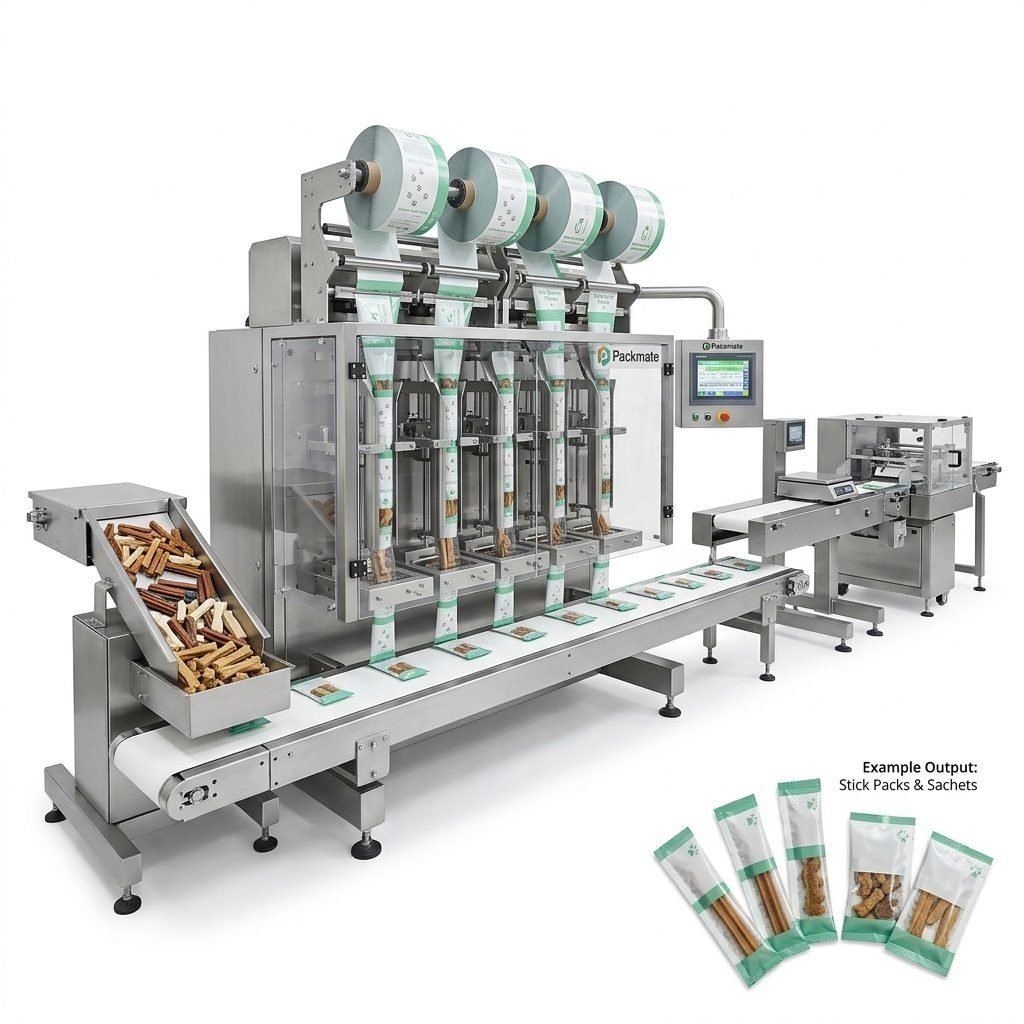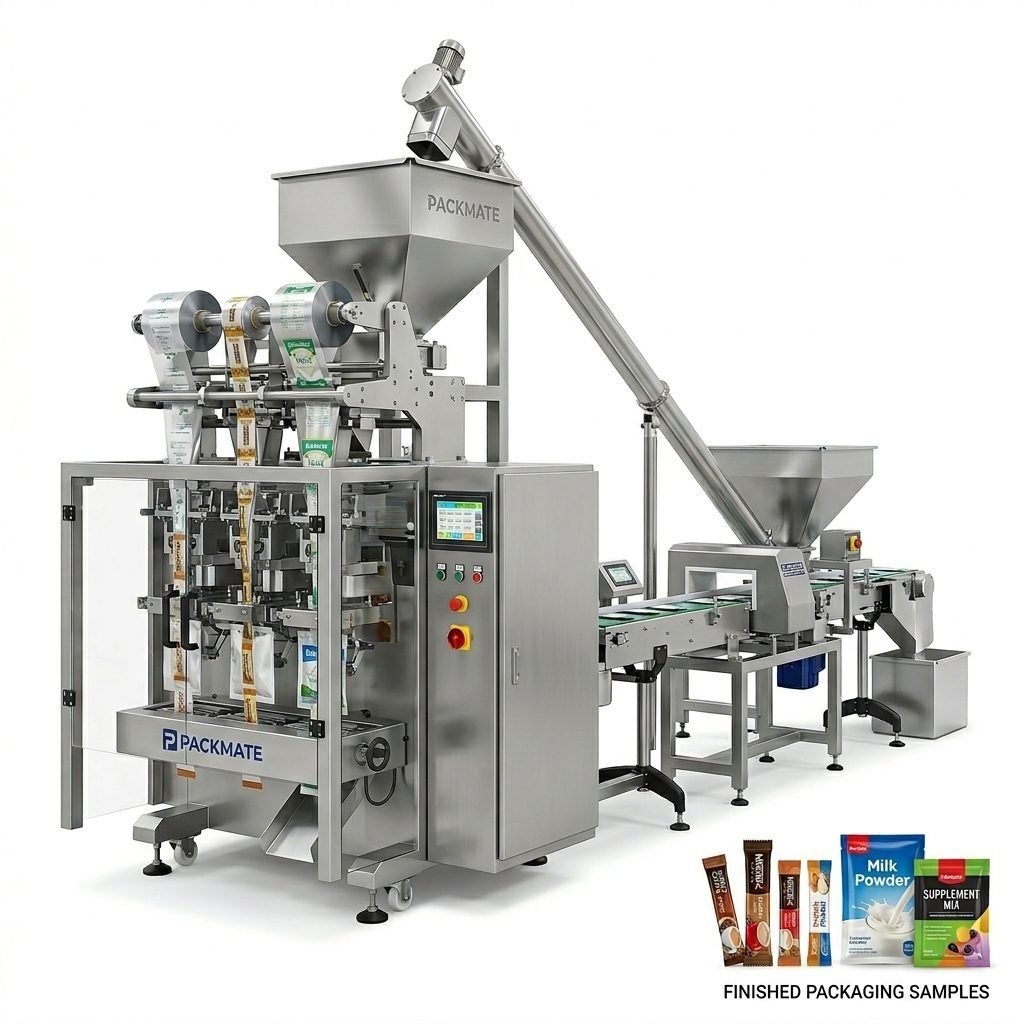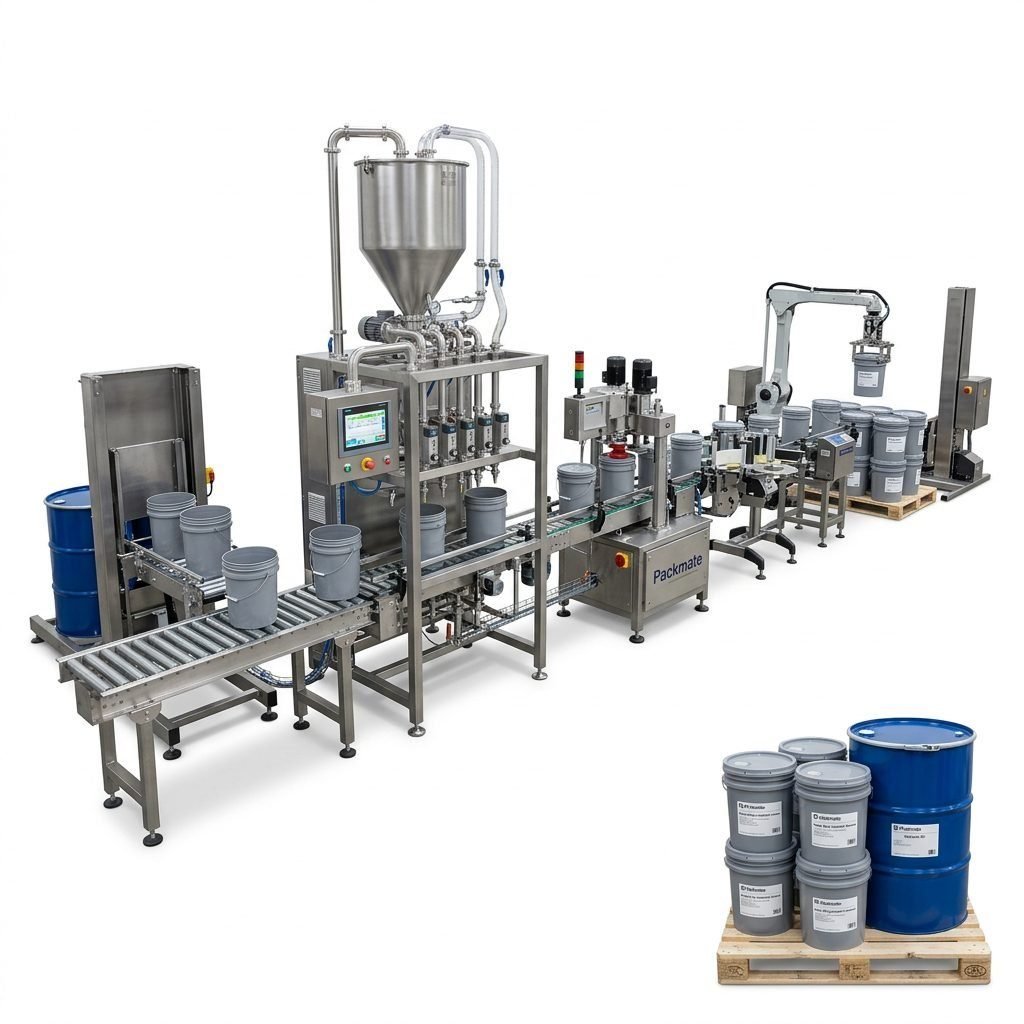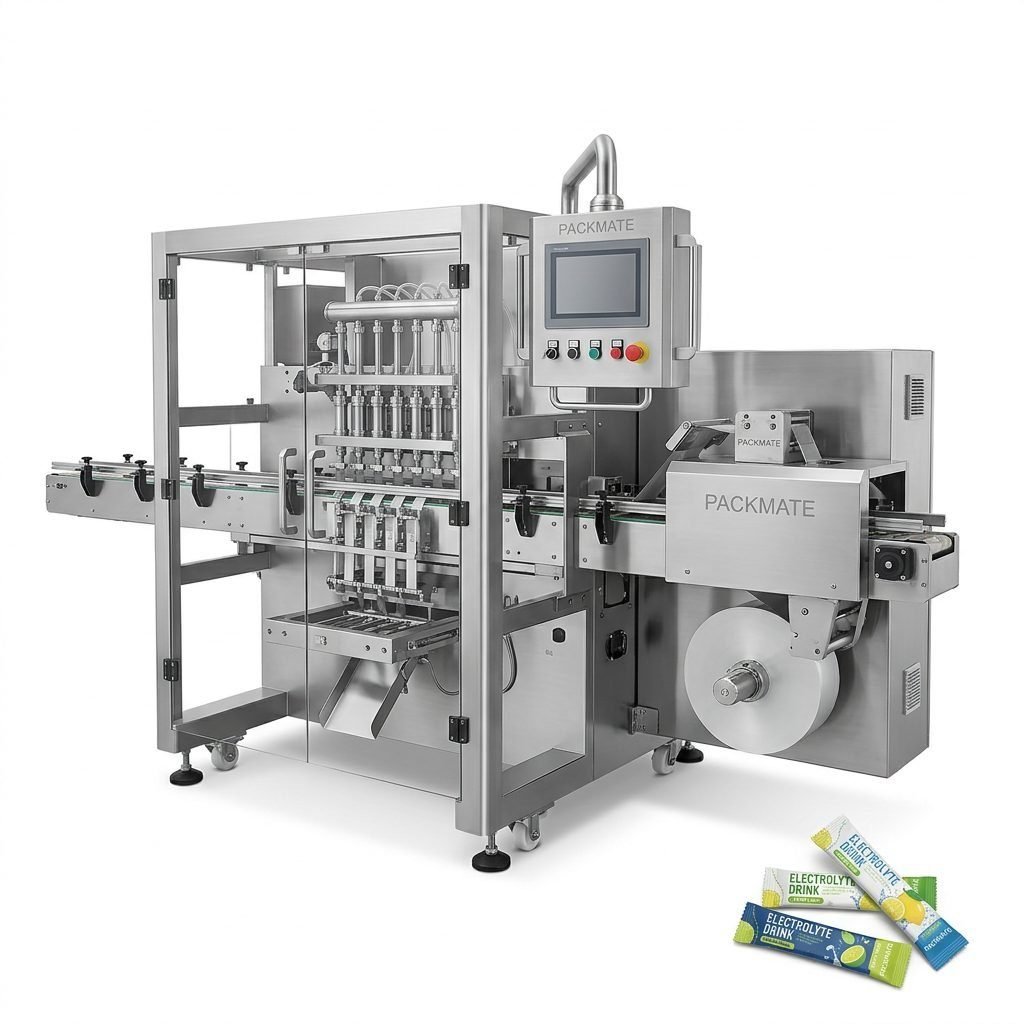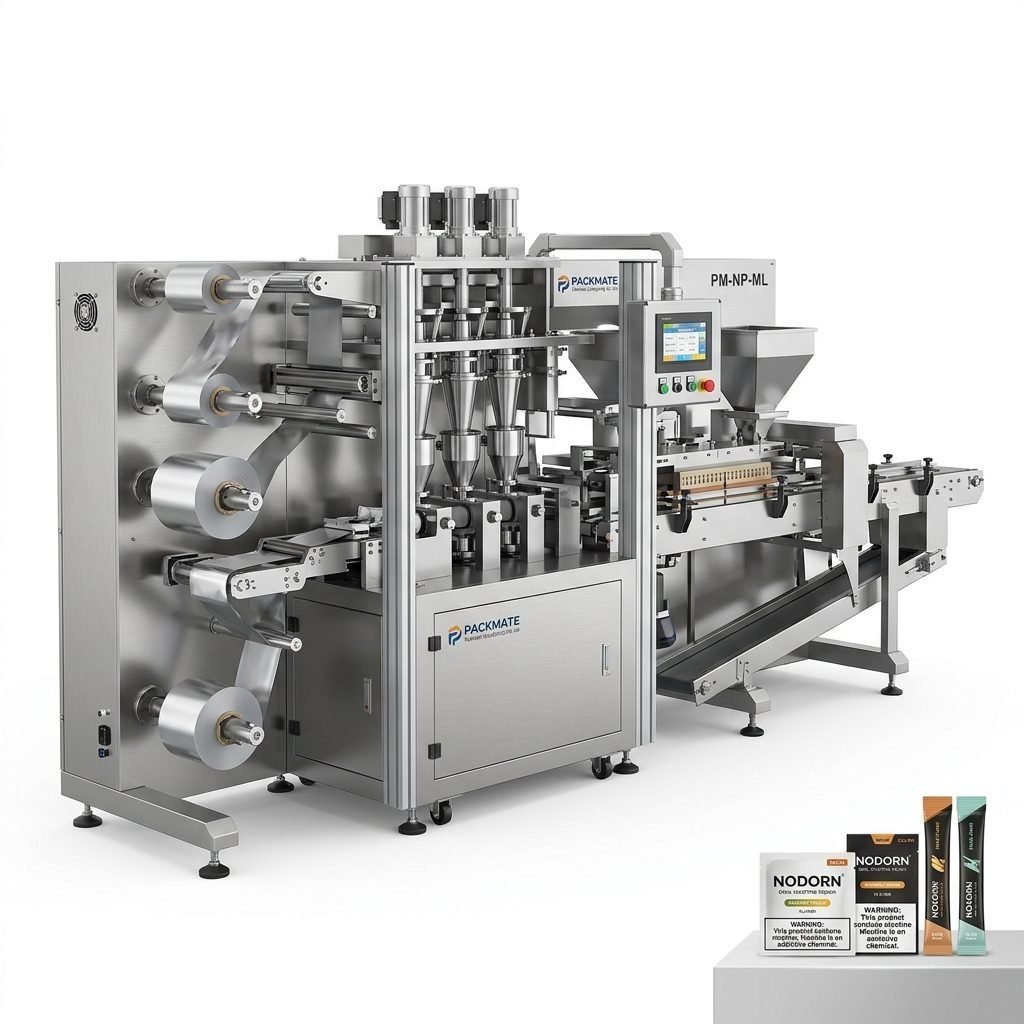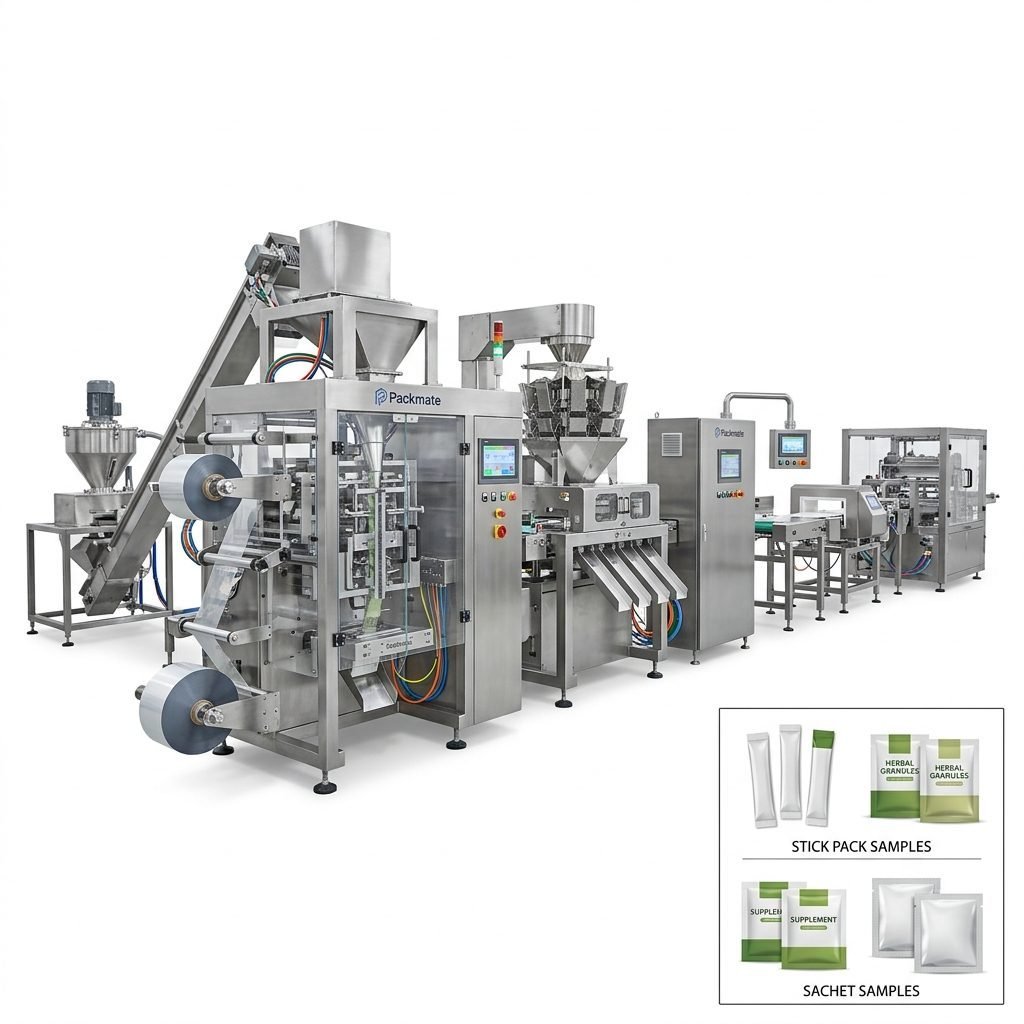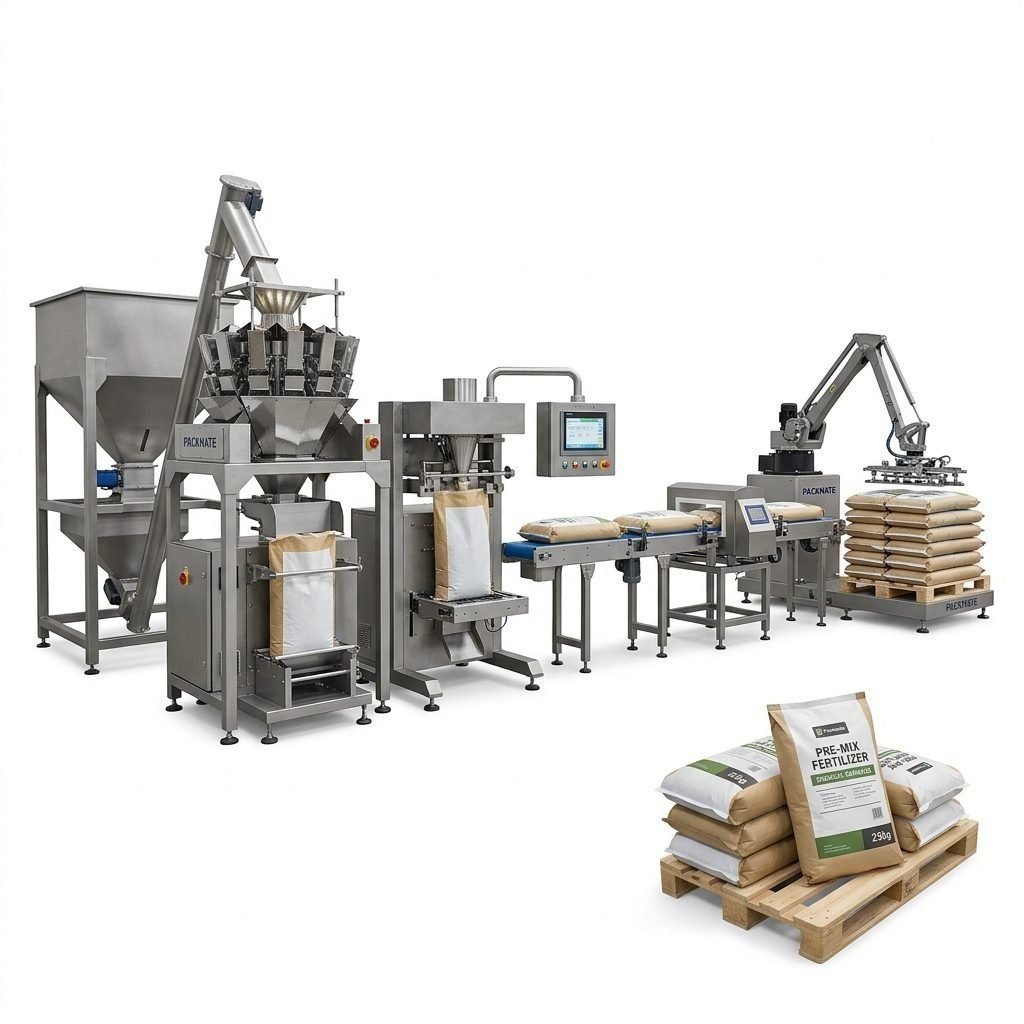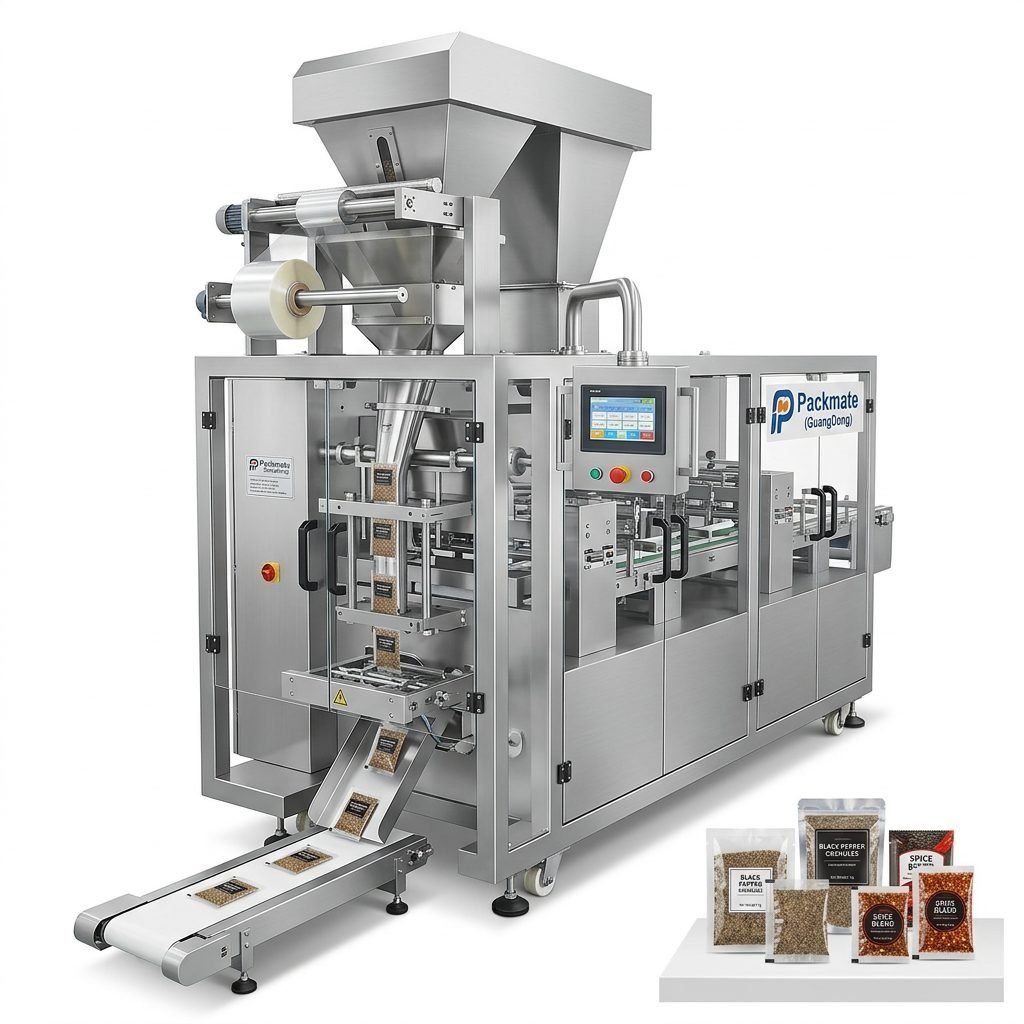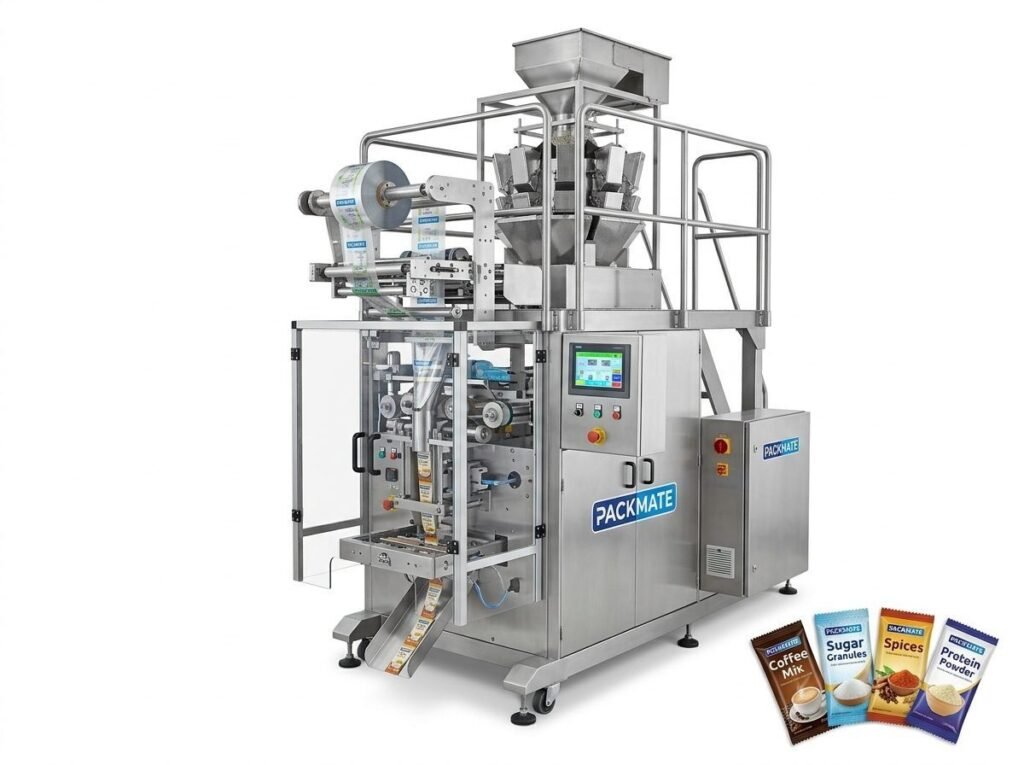
For businesses in Libya, from the bustling industrial zones of Tripoli to the growing manufacturing hubs in Benghazi and Misrata, selecting the right packaging machine manufacturer is a critical decision. The right equipment can significantly enhance production efficiency, ensure product consistency, and provide a strong return on investment. This guide will walk you through the key factors to consider when choosing a partner for your packaging automation needs.
Understanding Your Specific Packaging Requirements in Libya
Before you begin your search, it’s essential to have a clear understanding of your own needs. The Libyan market has diverse demands, from food products like spices, dates, and pasta to pharmaceuticals and industrial goods. Consider the following:
Product Type: Are you packaging granules (e.g., coffee, sugar), powders (milk, flour), liquids (oil, sauces), or pastes?
Packaging Format: Do you need sachets, stick packs, pouches, or bulk bags? The local consumer preference often leans towards convenient, single-serve sachets for many products.
Production Capacity: What is your required output (bags per minute)? This will determine the machine’s speed and automation level.
Future Growth: Consider a scalable solution that can grow with your business, a crucial factor for Libya’s developing industrial sector.
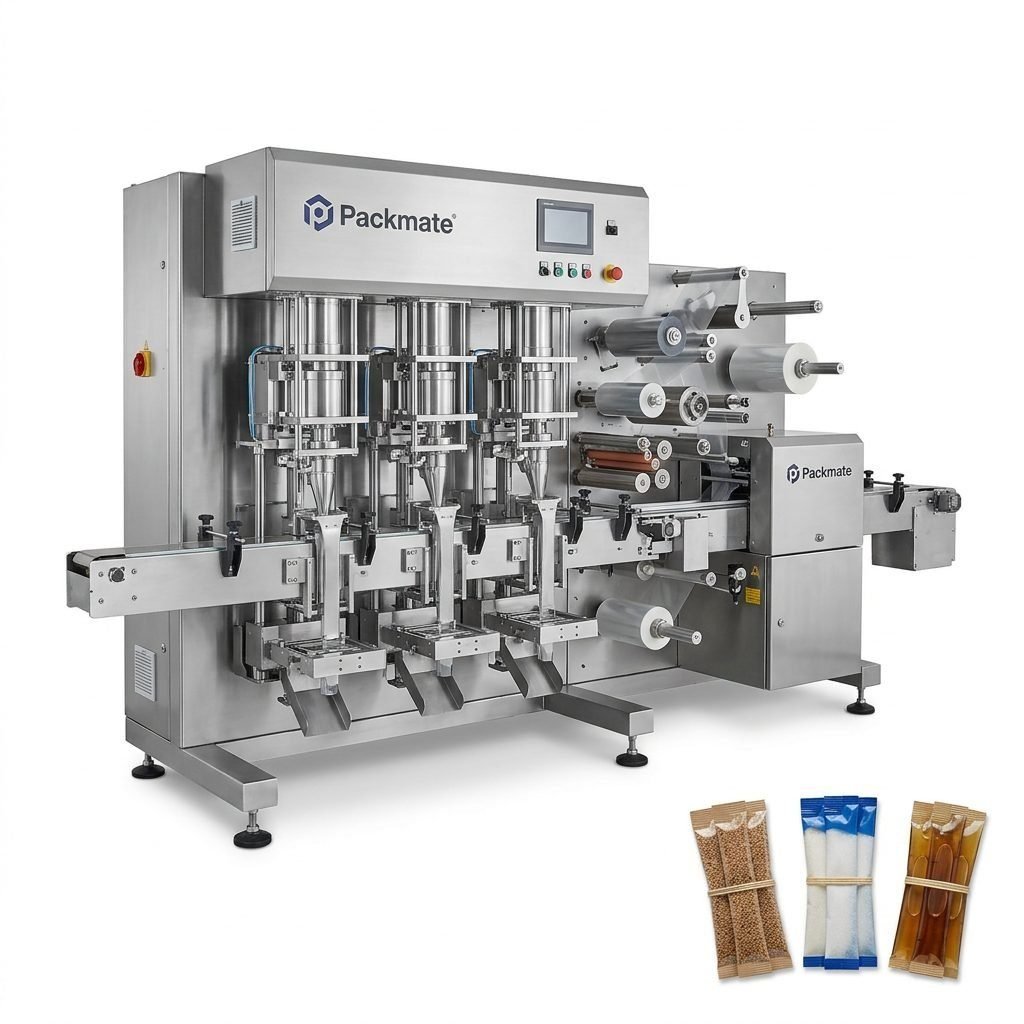
Key Evaluation Criteria for Manufacturers
Once your requirements are defined, use these criteria to assess potential manufacturers:
1. Technical Capability and Product Range
Look for a manufacturer with a broad portfolio that matches your product type. A company with experience in your specific sector (food, pharma, etc.) will understand the unique challenges, such as hygiene standards for food or precision dosing for pharmaceuticals. For instance, a manufacturer like Ludyway, with over 30 years of experience, offers a wide range of solutions for granules, powders, and liquids, which are common in Libyan production.
2. Manufacturing Strength and Quality Control
The build quality of the machine directly impacts its longevity and uptime, which is vital in a market where technical support logistics can be complex. Inquire about:
- Factory size and manufacturing processes.
- Quality control protocols and testing.
- Use of quality components (e.g., PLCs, drives, sensors).
Companies with substantial manufacturing bases, such as those with 20,000+ square meter facilities, often have better control over quality and production timelines.
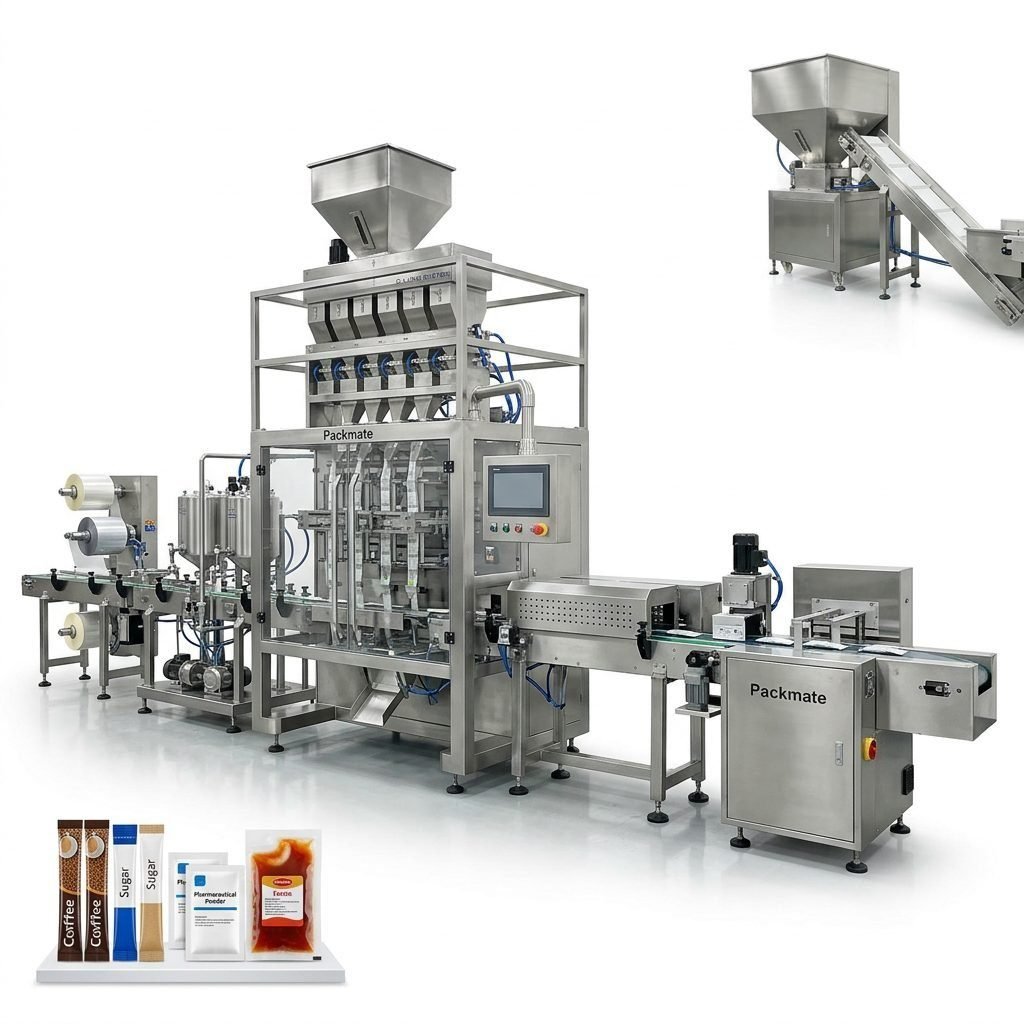
3. Customization and Flexibility
Off-the-shelf machines may not always fit your specific product or factory layout. The ability to customize is key. Whether it’s adapting to a unique bag size for a local Libyan product or integrating with existing line equipment, a flexible partner is invaluable. Manufacturers like PackingMachineOEM specialize in non-standard and customized solutions, which can be a perfect fit for unique requirements.
4. After-Sales Support and Service
This is arguably the most critical factor for Libyan businesses. Reliable after-sales support mitigates operational risks. Evaluate:
Spare Parts Availability: How quickly can critical spare parts be delivered to Libya?
Technical Support: Is remote support (video call, phone) available? What is the response time?
Training: Will comprehensive training for your operators and maintenance staff be provided, either on-site or via detailed manuals and videos?
Warranty: Understand the warranty terms and what is covered.
5. Export Experience and Local References
Choose a manufacturer with a proven track record of exporting to Africa and the Middle East. They will be familiar with the documentation, shipping logistics, and voltage/power requirements relevant to Libya. Don’t hesitate to ask for references or case studies from projects in similar regions.
Comparing Different Types of Suppliers
Not all manufacturers offer the same type of solution. Your choice may depend on the scale and complexity of your project.
| Supplier Type | Best For | Considerations |
|---|---|---|
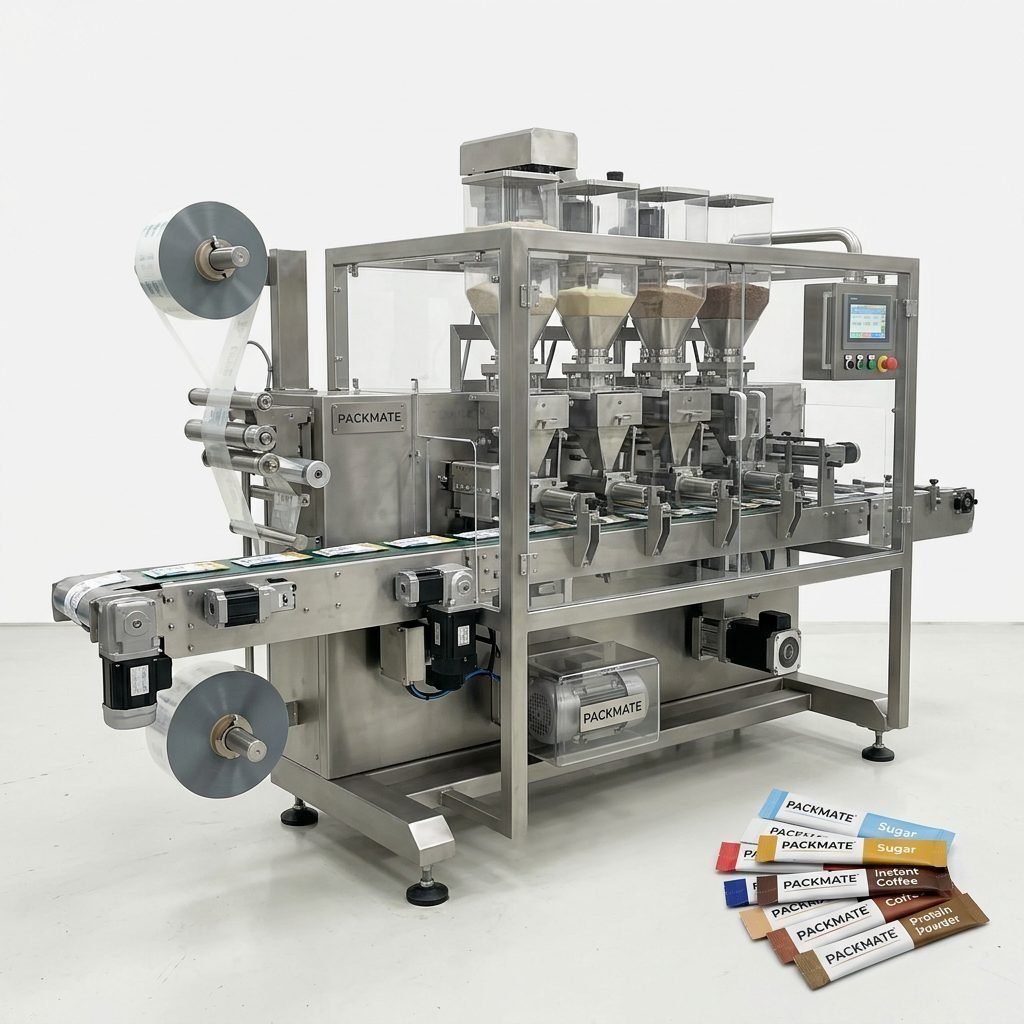
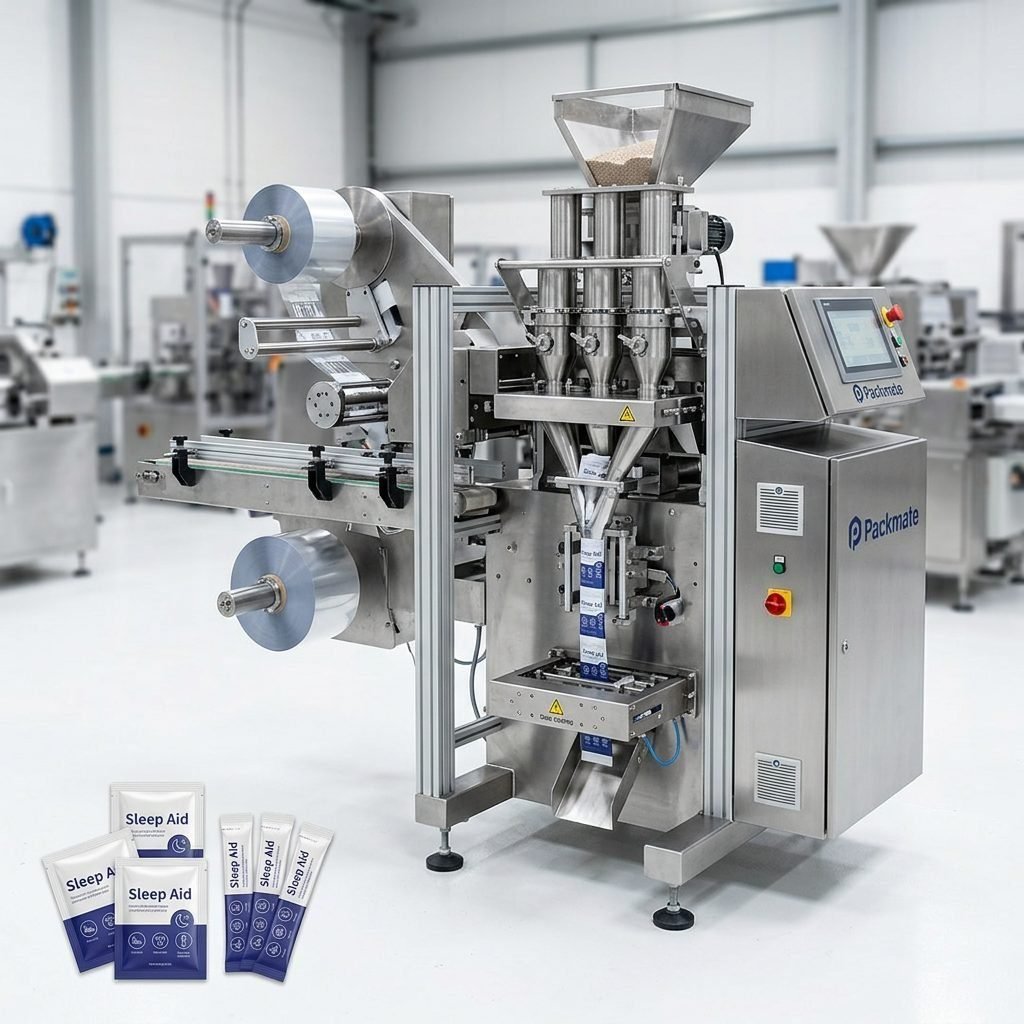
| Standalone Machine Manufacturers (e.g., Packmate Machinery) | Businesses needing to replace or add a single machine to an existing line. | Focus on machine reliability and ease of integration. Ensure compatibility with your current setup. |
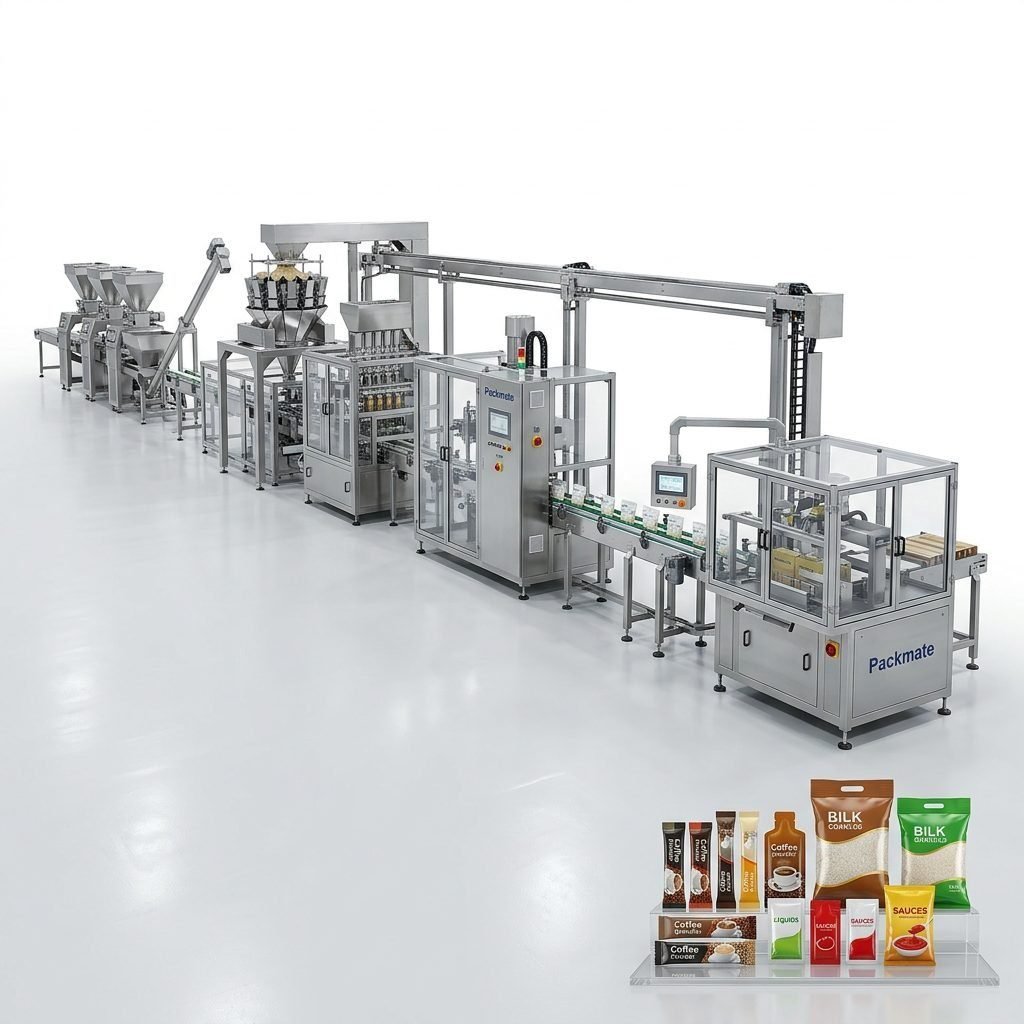
| Turnkey Line Specialists (e.g., PacklineOEM) | New projects or complete line upgrades requiring full integration (feeding, filling, sealing, conveying). | Evaluate their project management and engineering capability to deliver a cohesive, working system. |
| Niche/Specialized Manufacturers (e.g., SnusMachinery) | Businesses in specific sectors like nicotine pouches, where specialized knowledge is paramount. | Deep application expertise is the primary value. Verify their experience with your exact product type. |
The Procurement Process: Steps to Success
Follow a structured approach to make a confident decision:
- Detailed Inquiry: Provide potential suppliers with comprehensive product samples, desired bag specifications, and target output.
- Request Proposals: Ask for technical proposals, quotations, delivery timelines, and detailed terms of service.
- Factory Audit (Virtual or In-Person): If possible, visit the factory or request a virtual tour to assess manufacturing capabilities.
- Reference Check: Contact their existing clients, especially those in similar regions.
- Clarify Logistics & Payment: Clearly understand Incoterms, shipping to Libyan ports (e.g., Tripoli, Benghazi), and payment terms.
Frequently Asked Questions (FAQs)
What are the main challenges of importing packaging machines to Libya?
Key challenges include navigating customs clearance, ensuring reliable shipping to Libyan ports, managing potential delays, and arranging for on-site installation amidst sometimes complex logistics. Working with an experienced exporter who understands these hurdles is crucial.
How important is local agent support?
While not always mandatory, a local agent or a manufacturer with a strong network in North Africa can be immensely helpful for faster communication, facilitating customs clearance, and providing quicker on-ground support if needed.
Should I prioritize price or quality?
While budget is always a consideration, prioritizing long-term reliability and support over the lowest initial price often leads to lower total cost of ownership. Machine downtime in a production environment can be far more costly than the price difference between a robust machine and a cheaper alternative.
What power requirements should I confirm?
Libya typically uses 220-240V/50Hz power. Always confirm the specific voltage, phase, and power requirements of the machine with the manufacturer to ensure compatibility with your factory’s electrical supply.
Can I get training for my operators?
Yes, reputable manufacturers should offer training. This can range from detailed instructional videos and manuals to on-site training by engineers during installation and commissioning. Ensure this is included in your purchase agreement.