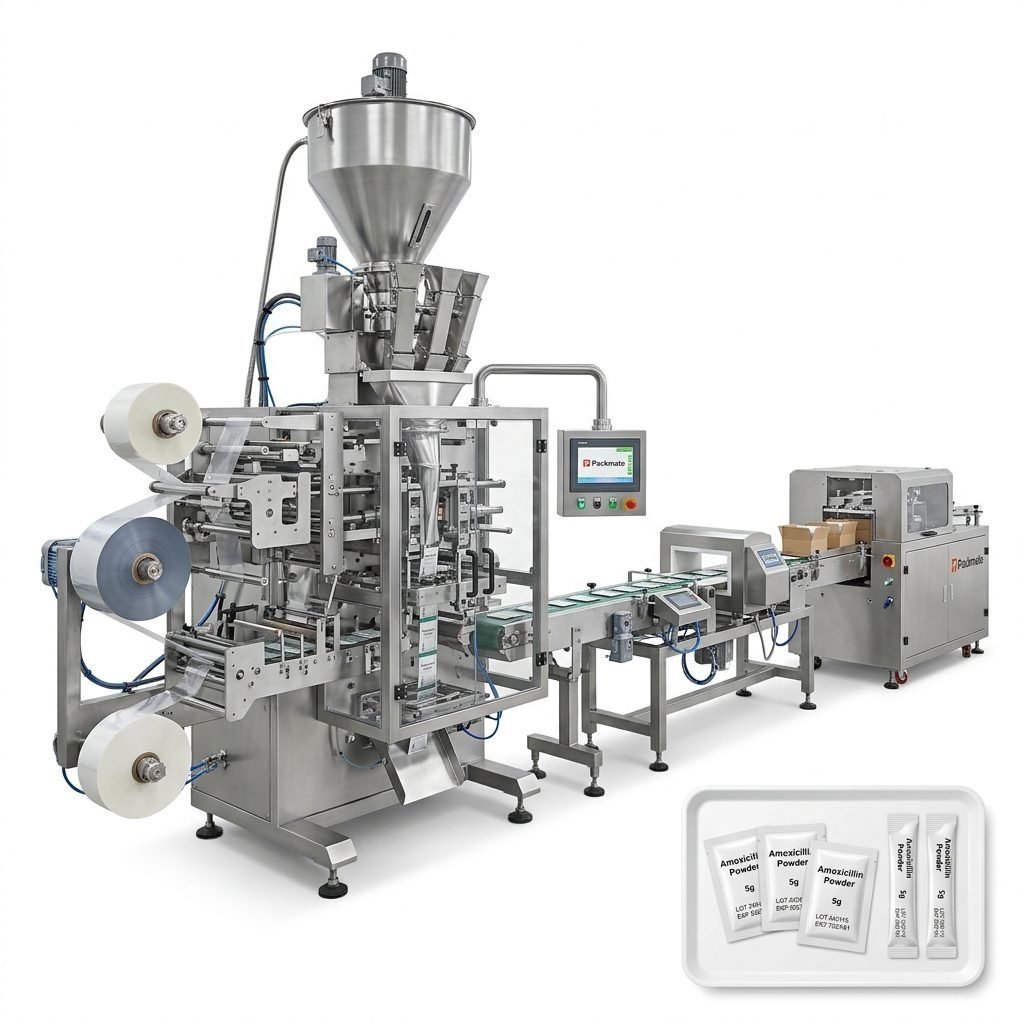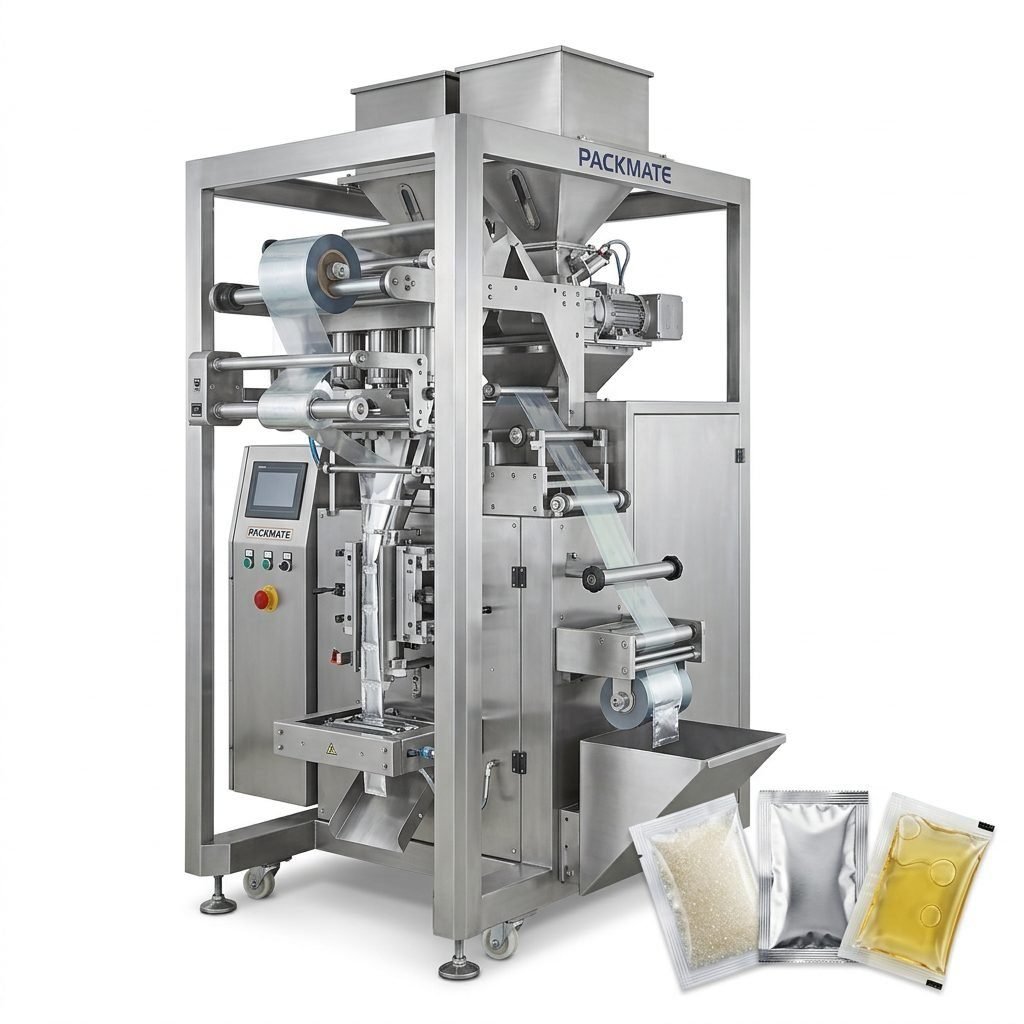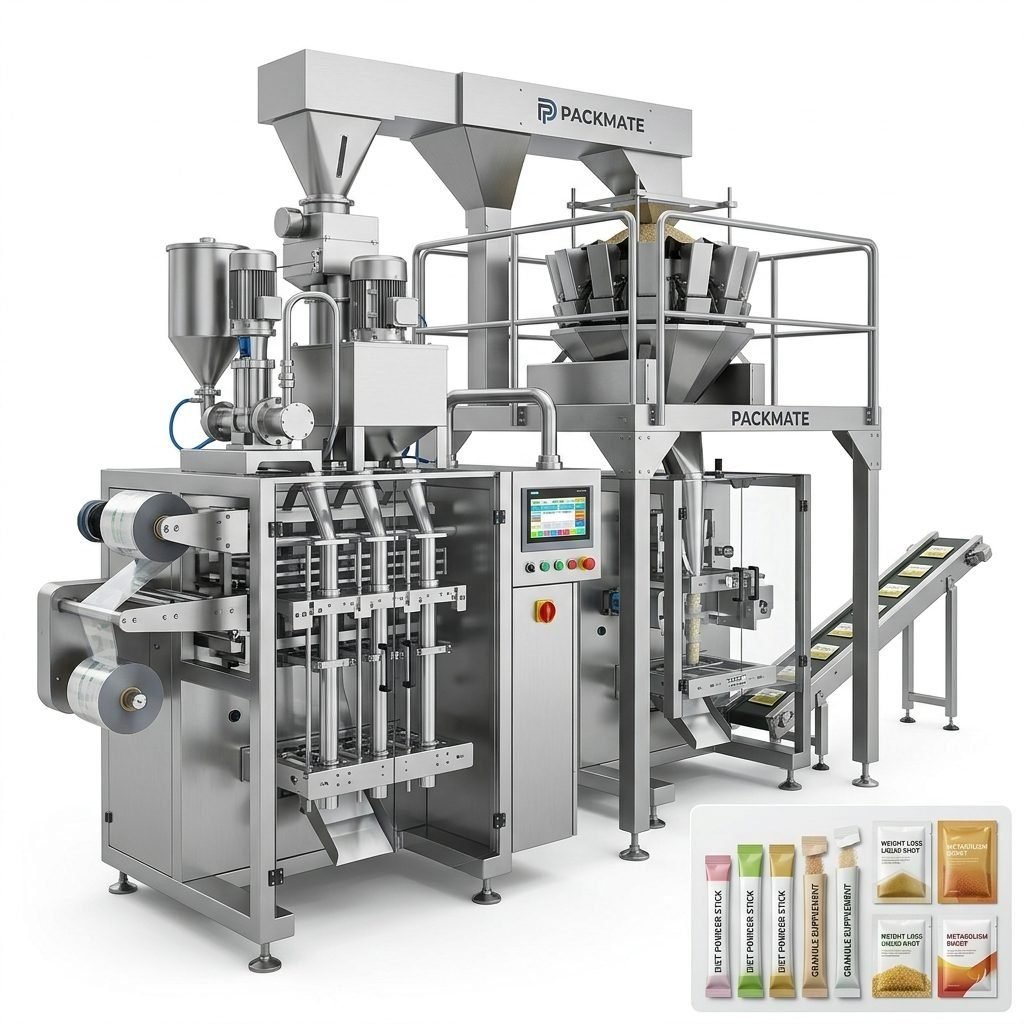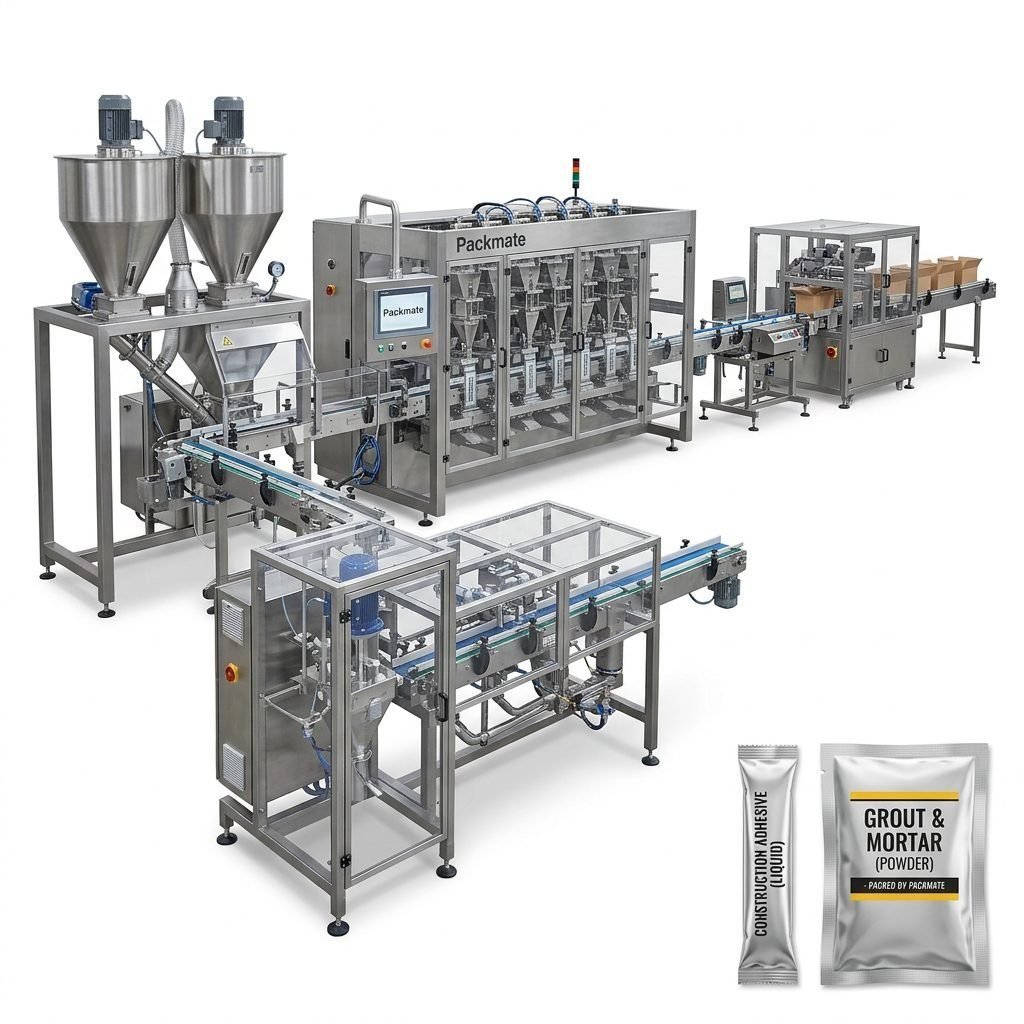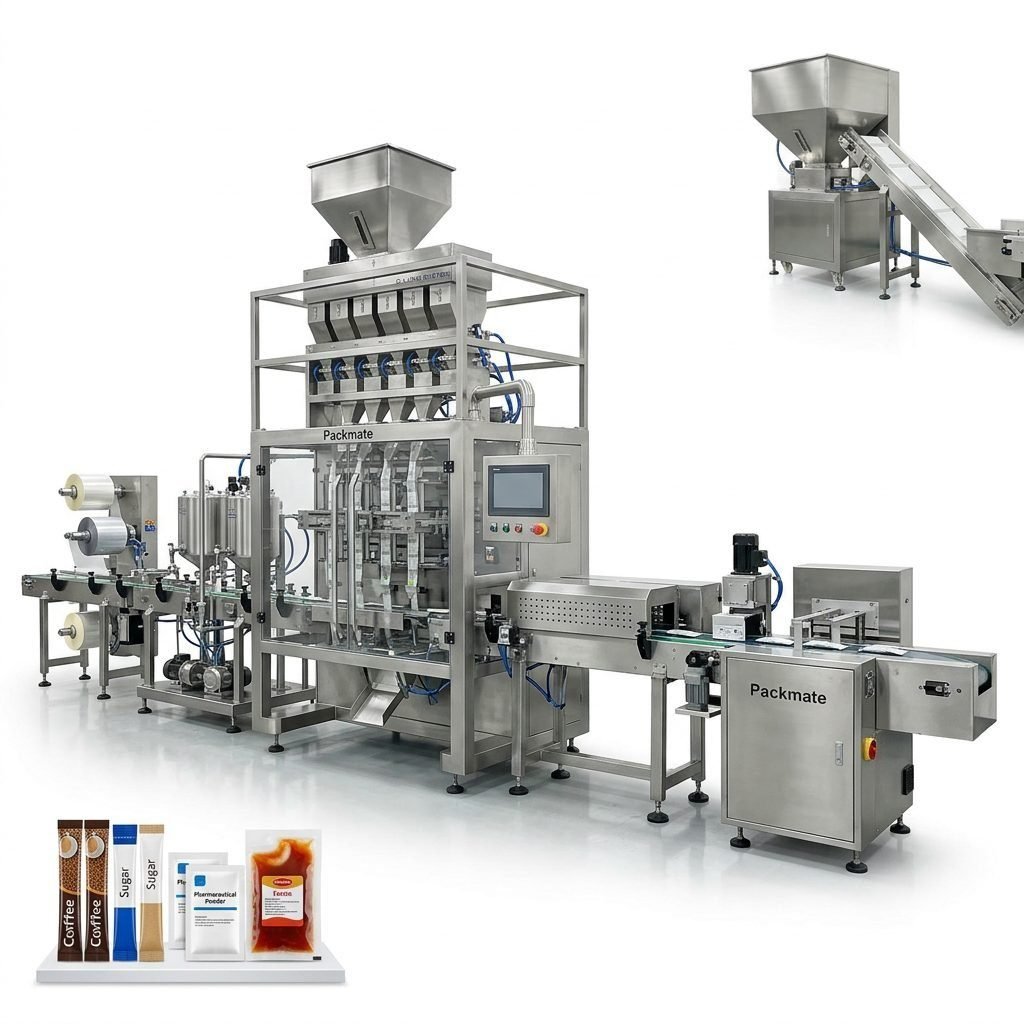
Choosing the right packaging machine manufacturer in Belarus is a critical decision for local food, pharmaceutical, and consumer goods producers. With the country’s manufacturing sector focusing on both domestic supply and export to the Eurasian Economic Union, reliable and efficient packaging automation is essential for maintaining competitiveness. The right partner can help Belarusian companies improve product consistency, reduce labor costs, and meet the stringent quality standards required by both local and international markets.
Understanding Your Packaging Requirements in the Belarusian Context
Before starting your search, clearly define your project needs. Belarusian manufacturers often deal with a variety of products, from dairy and meat to pharmaceuticals and chemicals. Consider the following:
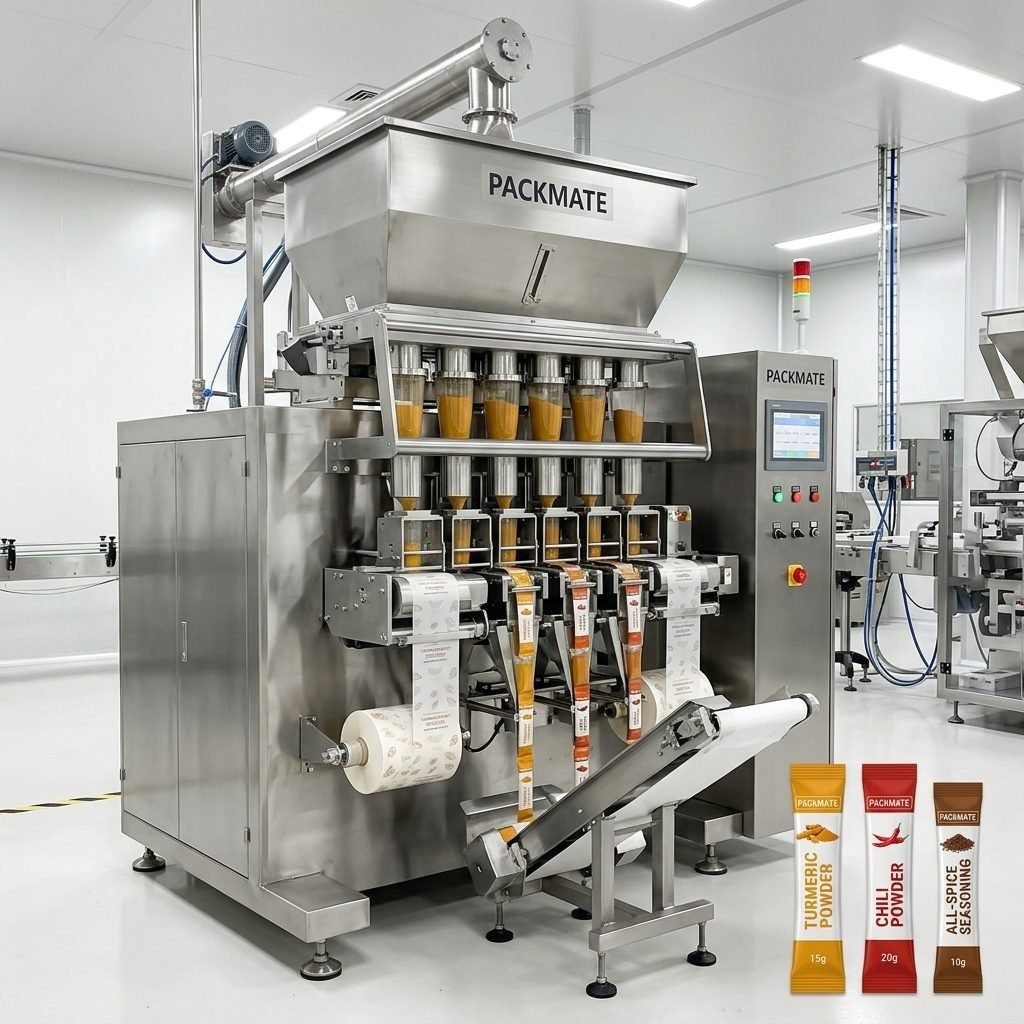
Product Type: Are you packaging granules (like instant drinks or sugar), powders (milk powder, flour), liquids (sauces, oils), or pastes? The material dictates the machine type (e.g., stick pack, sachet, vertical form-fill-seal).
Production Output: Estimate your required bags-per-minute. A small local supplier might need a few thousand sachets per day, while an export-oriented plant may require high-speed, multi-lane systems.
Bag Format & Size: Determine the pouch style (stick pack, pillow bag, gusseted bag) and dimensions. Flexibility for future product changes is valuable.
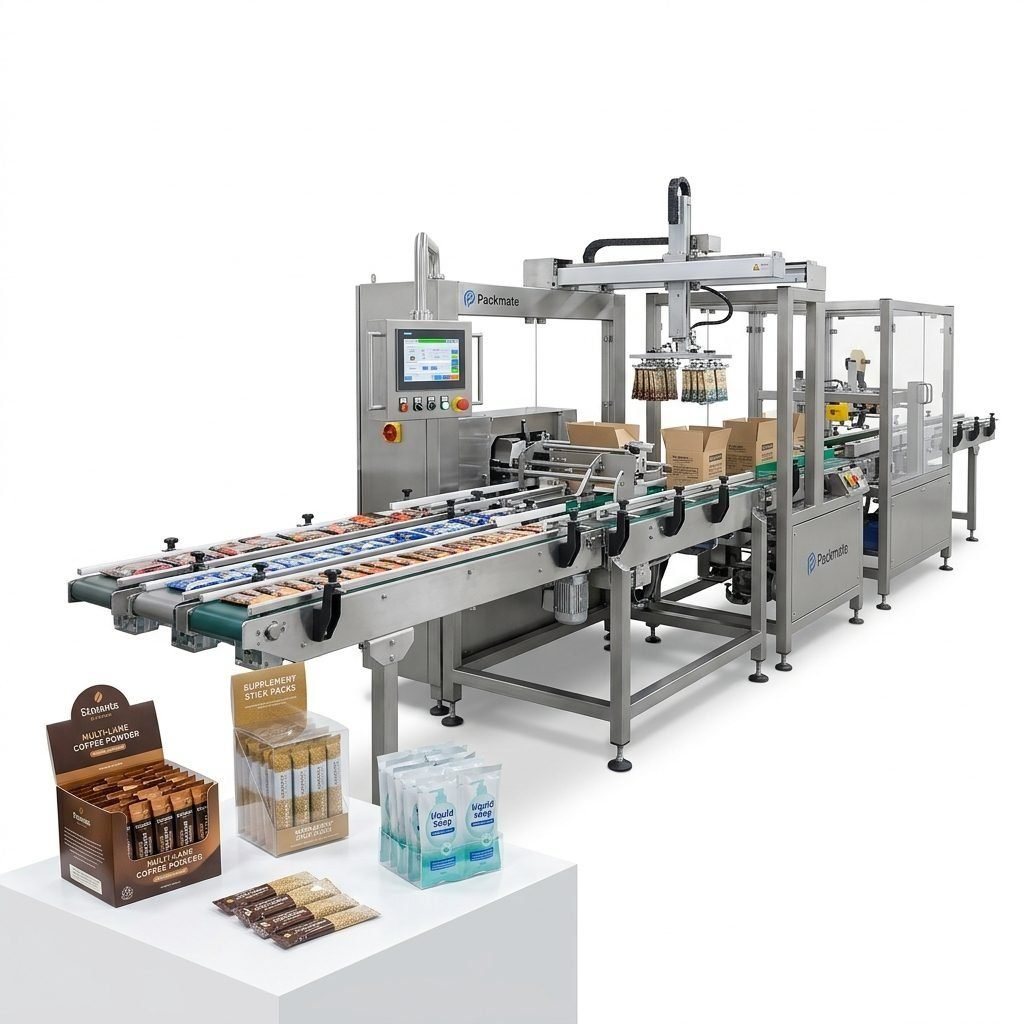
Level of Automation: Do you need a single machine or a complete turnkey line with automatic feeding, weighing, filling, sealing, and cartoning?
Local regulations and climate can also influence machine selection, such as requirements for hygiene in food processing or robustness for handling seasonal production peaks.
Key Factors to Evaluate When Selecting a Manufacturer
Once your needs are clear, assess potential manufacturers against these crucial criteria.
1. Technical Capability and Product Range
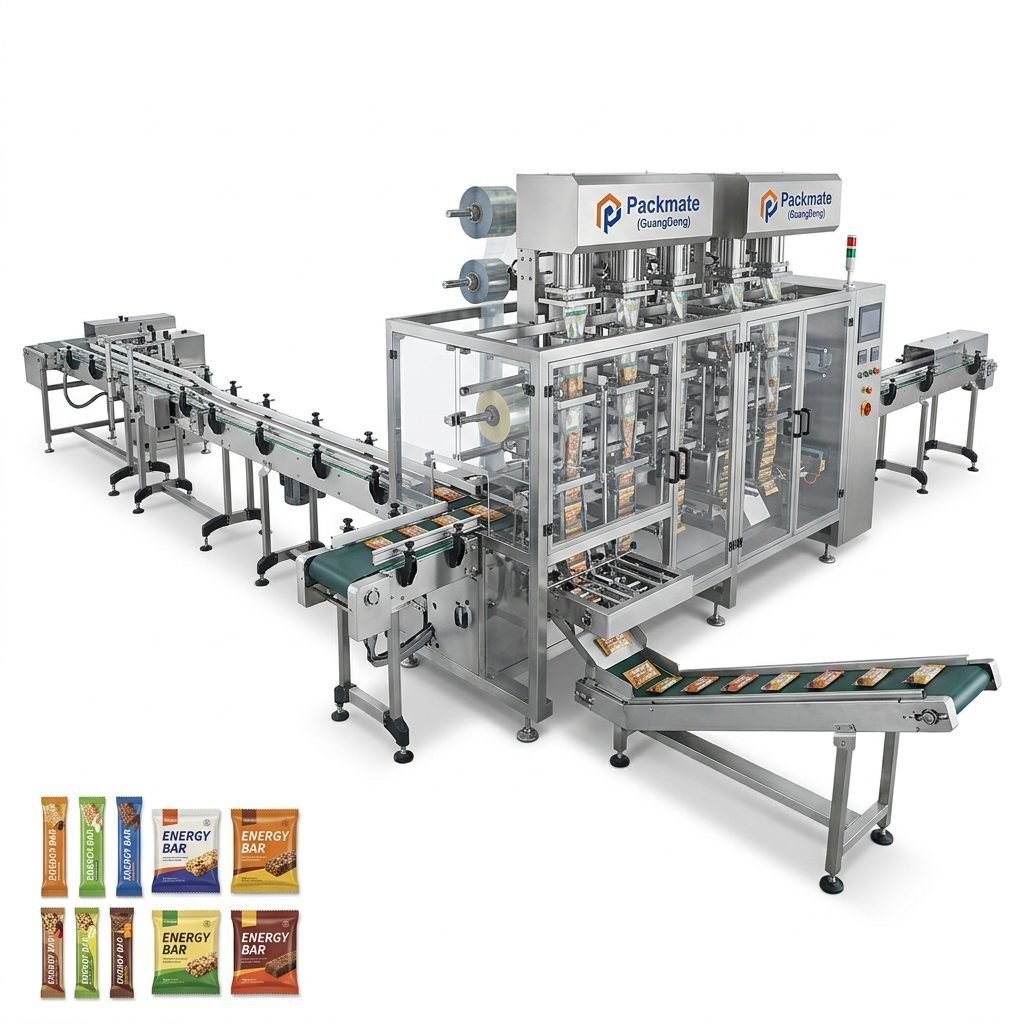
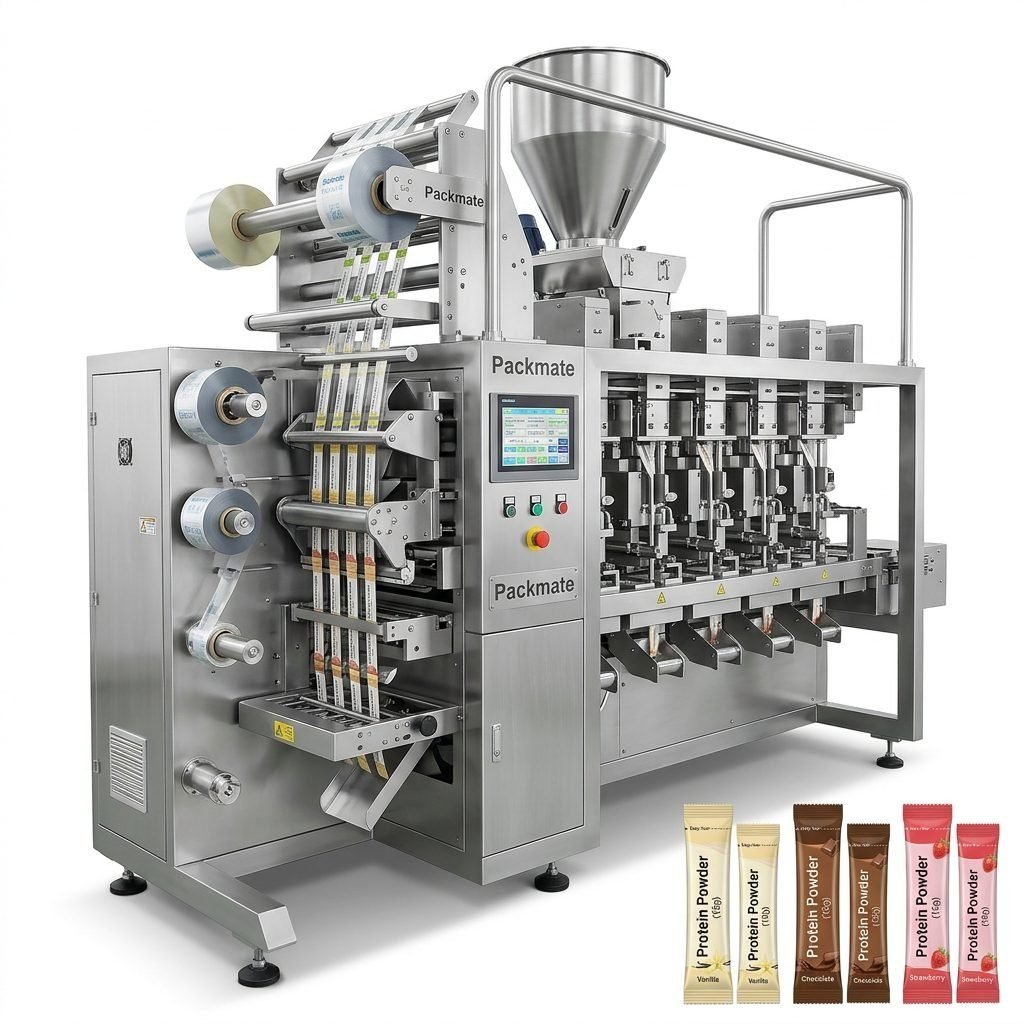
The manufacturer should have proven experience with your specific product type. Look for a broad portfolio that includes the machine you need, whether it’s a multi-lane stick pack machine for high-volume snacks or a precision liquid filler for pharmaceutical sachets. A company with a wide range is more likely to understand different challenges and offer scalable solutions.
2. Manufacturing Experience and Company Stability
Longevity matters. A manufacturer with decades of experience has likely refined its designs and processes, leading to more reliable machines. They have also navigated various economic cycles, indicating stability. For Belarusian buyers, partnering with an established firm reduces project risk and ensures better long-term support.
3. Quality Control and Factory Standards
Inquire about the company’s quality management system. Do they have a structured assembly process? What quality checks are performed before shipment? A modern factory with precision machining capabilities typically produces more consistent and durable equipment. This is vital for minimizing downtime in your Belarusian facility.
4. Customization and Engineering Support
Standard machines may not fit unique production lines. The ability to customize—whether for a special bag material, an unusual product viscosity, or integration with existing equipment—is a significant advantage. Evaluate the manufacturer’s engineering team’s responsiveness and their experience with turnkey packaging line projects.
5. After-Sales Service and Local Support
This is perhaps the most critical factor for operations in Belarus. Determine the level of after-sales support:
- Is installation and commissioning support provided?
- What are the terms of the machine warranty?
- How quickly can spare parts be delivered to Belarus?
- Is remote technical support (online) available in your language?
A manufacturer with a strong export network will have more experience navigating international logistics and providing timely support.
Practical Tips for the Selection Process in Belarus
Turning these factors into action requires a methodical approach.
Conduct Thorough Supplier Research
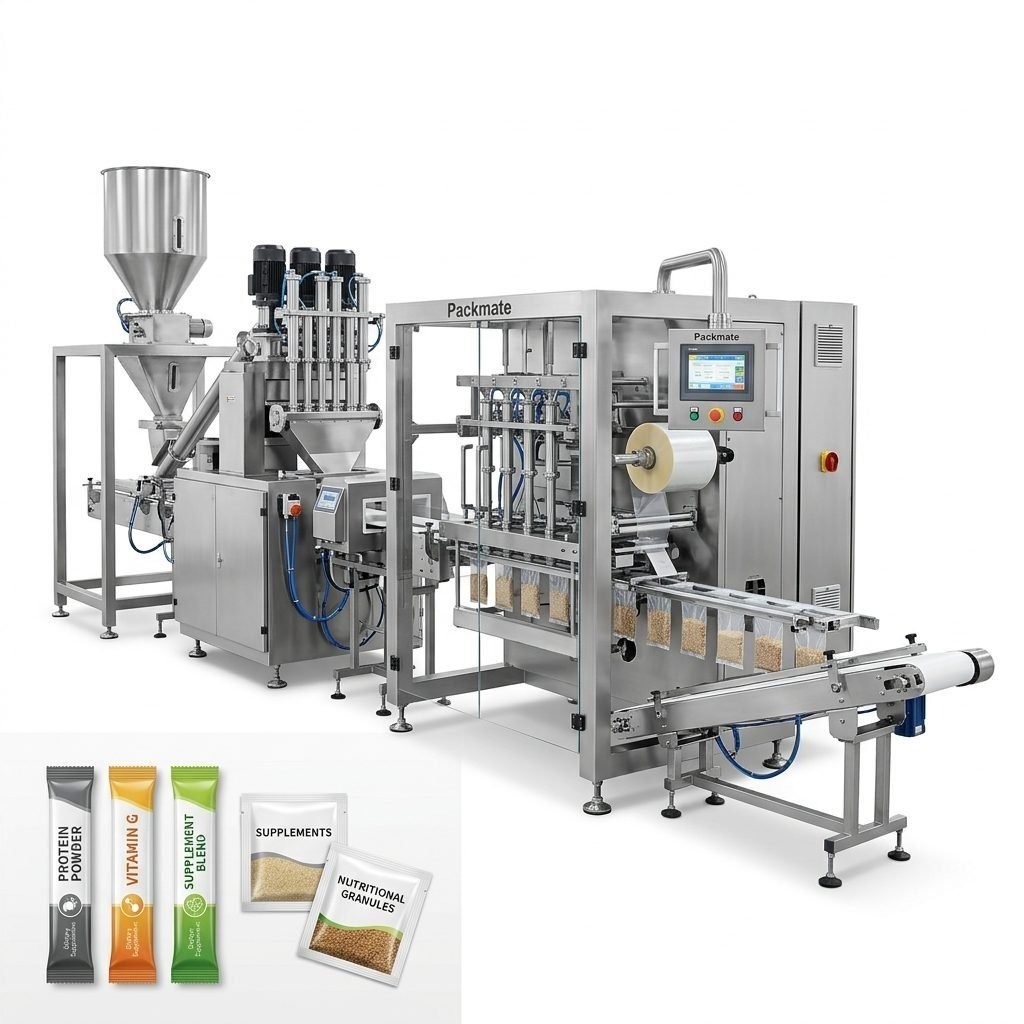
Look beyond websites. Seek out manufacturers with a strong export presence in Eastern Europe or neighboring regions, as they are more familiar with the operational environment. Review case studies and client lists. Companies like Ludyway, with over 30 years of experience and exports to over 100 countries, often have the infrastructure to support Belarusian clients effectively.
Request Detailed Quotations and Specifications
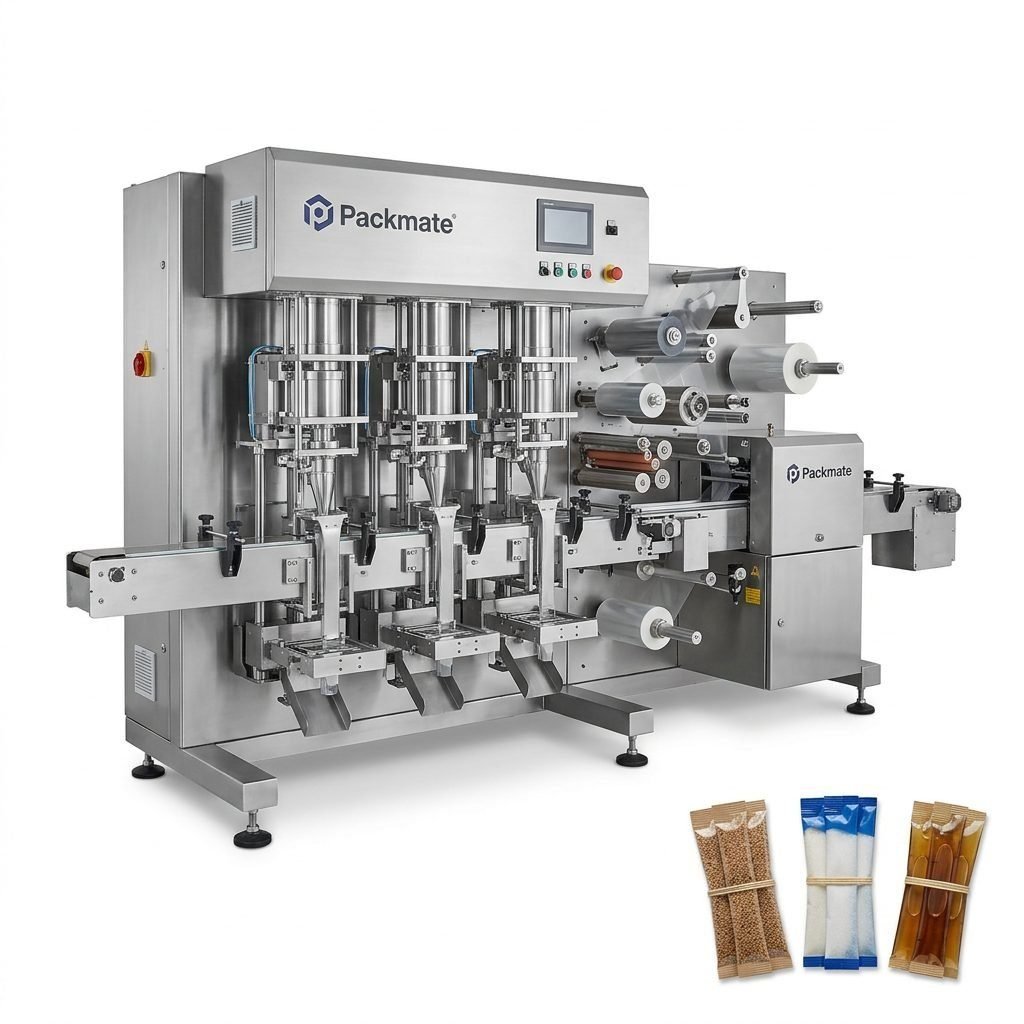
Ask for a formal quotation that breaks down all costs: machine price, spare parts, shipping, installation, and training. Carefully compare the technical specifications of similar machines from different suppliers, such as Packmate Machinery and others, to ensure you are comparing equivalent capabilities.
Insist on Seeing Machines in Operation (Videos or Virtual Tours)
If a factory visit to China isn’t feasible, request high-quality video demonstrations of the exact machine model running a product similar to yours. Many reputable manufacturers, including PacklineOEM, can arrange live virtual tours of their factory and operational lines.
Check References and Industry Reputation
Ask the manufacturer for contact information of past clients, preferably in similar industries or geographic regions. Independent industry forums and trade associations can also provide insights into a supplier’s reputation for reliability and service.
Clarify All Contractual Terms
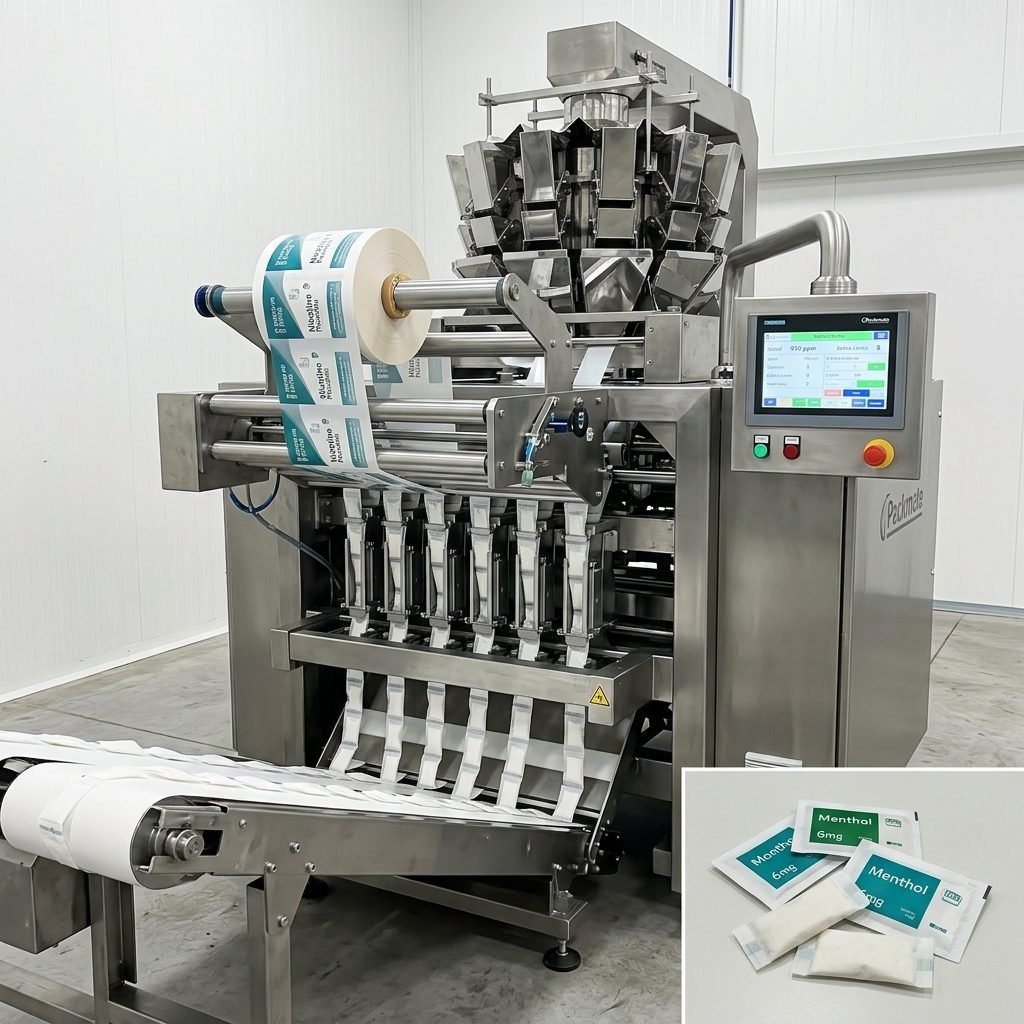
Ensure the contract clearly outlines payment terms, delivery schedule (FOB, CIF to Klaipėda or other port), warranty details, responsibilities for customs clearance in Belarus, and protocols for handling technical issues. For specialized needs, such as nicotine pouch packaging, a niche supplier like SnusMachinery might offer more targeted expertise.
Comparison of Key Manufacturer Attributes
| Focus Area | Ideal For Belarusian Companies That… | Example Supplier Strength |
|---|---|---|
| Broad-Line & Export Scale | Need a wide selection of machines and strong international support for export production. | Ludyway: High export revenue, extensive market reach. |
| Turnkey Line Integration | Are building a new automated production hall and need a fully integrated system. | PacklineOEM: Specializes in complete line engineering. |
| Custom & Non-Standard Solutions | Have unique products or packaging formats that require tailored engineering. | PackingMachineOEM: Focus on non-standard and OEM customization. |
| Niche Product Expertise | Operate in specialized segments like smokeless tobacco or high-value supplements. | SnusMachinery: Dedicated knowledge in nicotine pouch packaging. |
Conclusion and Next Steps for Belarusian Buyers
Selecting a packaging machine manufacturer is a strategic investment. For businesses in Belarus, the goal is to find a balance between technical capability, machine reliability, cost-effectiveness, and—most importantly—accessible long-term service and parts supply. By meticulously defining requirements, rigorously evaluating manufacturers on the key factors outlined, and following practical due diligence steps, you can establish a productive partnership that enhances your operational efficiency and product quality for years to come.
Frequently Asked Questions (FAQs)
Q1: What are the typical lead times for delivery of packaging machines to Belarus?
A: Lead times vary based on machine complexity and customization. For standard models, expect 60-90 days after order confirmation. For fully customized or turnkey lines, it can take 90-150 days. Always confirm the schedule, including sea freight transit to a Baltic port and subsequent land transport to Belarus.
Q2: How can I ensure the machine meets Belarusian and Eurasian technical standards?
A: Discuss certification requirements (like CE marking for electrical safety) explicitly with the manufacturer before ordering. Reputable exporters are familiar with CE standards. For specific local regulations, you may need to involve a Belarusian technical inspector upon installation.
Q3: Is operator training included?
A: Most reputable manufacturers include basic operational and maintenance training, often conducted during commissioning at your factory. Verify the duration and depth of training in the contract. Some suppliers also offer online training modules.
Q4: What is the best way to handle spare parts inventory?
A: It is advisable to purchase a recommended set of critical spare parts (like seals, sensors, and commonly worn components) with the initial machine order. This minimizes downtime while waiting for international shipments. Discuss with the supplier which parts are most essential for your planned maintenance.
Q5: Can the manufacturer help with packaging material sourcing?
A: Many manufacturers have relationships with packaging film suppliers and can recommend compatible materials. Some, especially turnkey line providers, can even assist in sourcing or testing films to ensure optimal machine performance with your chosen packaging.