Choosing the right automatic seed bag packing machine is a critical investment for agricultural businesses, seed producers, and distributors worldwide. It directly impacts packaging efficiency, seed quality preservation, labor costs, and overall production scalability. With a wide range of technologies and suppliers available, making an informed decision requires careful evaluation of your specific needs, production volume, seed types, and long-term operational goals.
Key Factors to Consider When Selecting a Seed Bag Packing Machine
Your choice should align with your core operational requirements. Start by defining your primary packaging needs.
Production Capacity & Speed: Determine your required output in bags or pouches per minute (BPM). Small-scale operations might suffice with a single-lane machine (20-60 BPM), while large commercial seed producers often need multi-lane systems capable of 200-800+ BPM to meet high-volume demand, especially during peak planting seasons.
Seed Type and Characteristics: The machine must handle your seed’s specific physical properties. Granular seeds (corn, beans) differ from fine, dusty seeds or pelleted/coated varieties. The filling system—whether volumetric cup, auger, or weigh scale—must be chosen accordingly to ensure dosing accuracy and minimize product loss.
Bag Type and Size Range: Define your packaging format: stick packs, sachets, pillow bags, or gusseted bags. The machine should accommodate your required bag sizes, from small sample packets (1-5 grams) to larger commercial bags (1-25 kg). Flexibility to run different materials (laminated films, paper, foil) is also crucial.
Technical Specifications and Machine Capabilities
Beyond basic needs, delve into the technical details that ensure reliability and quality.
| Feature | Importance for Seed Packaging |
| Filling Accuracy | Critical for meeting labeled weight regulations, minimizing giveaways, and ensuring customer trust. Look for precision weighing systems (e.g., multi-head weighers) for high-value seeds. |
| Sealing Integrity | Prevents moisture ingress and preserves seed viability. Machines should offer robust heat sealing or ultrasonic sealing for consistent, airtight pouches. |
| Changeover Time | Quick adjustment between different seed types and bag sizes increases operational flexibility and reduces downtime in facilities running multiple product lines. |
| Hygiene & Cleanability | Stainless steel contact parts and easy-access design prevent cross-contamination and facilitate cleaning between runs of different seed varieties. |
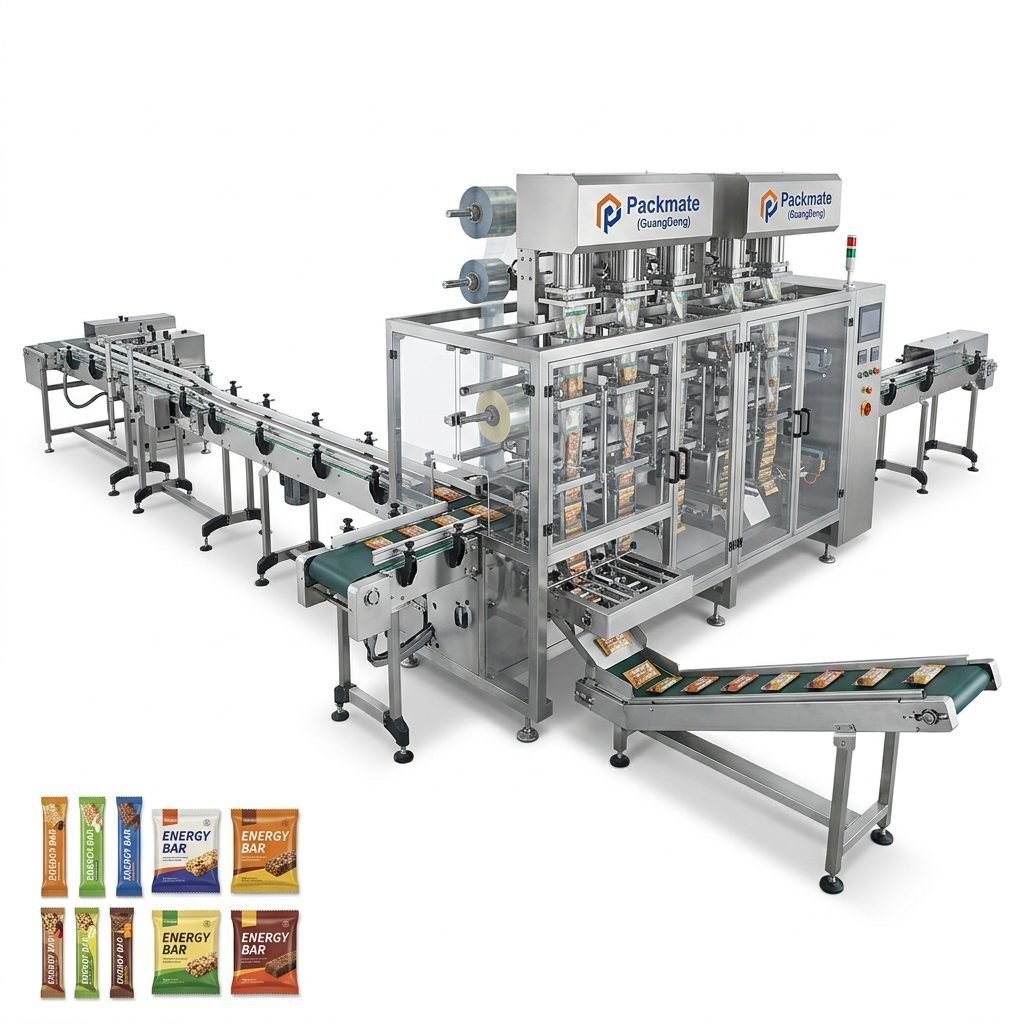
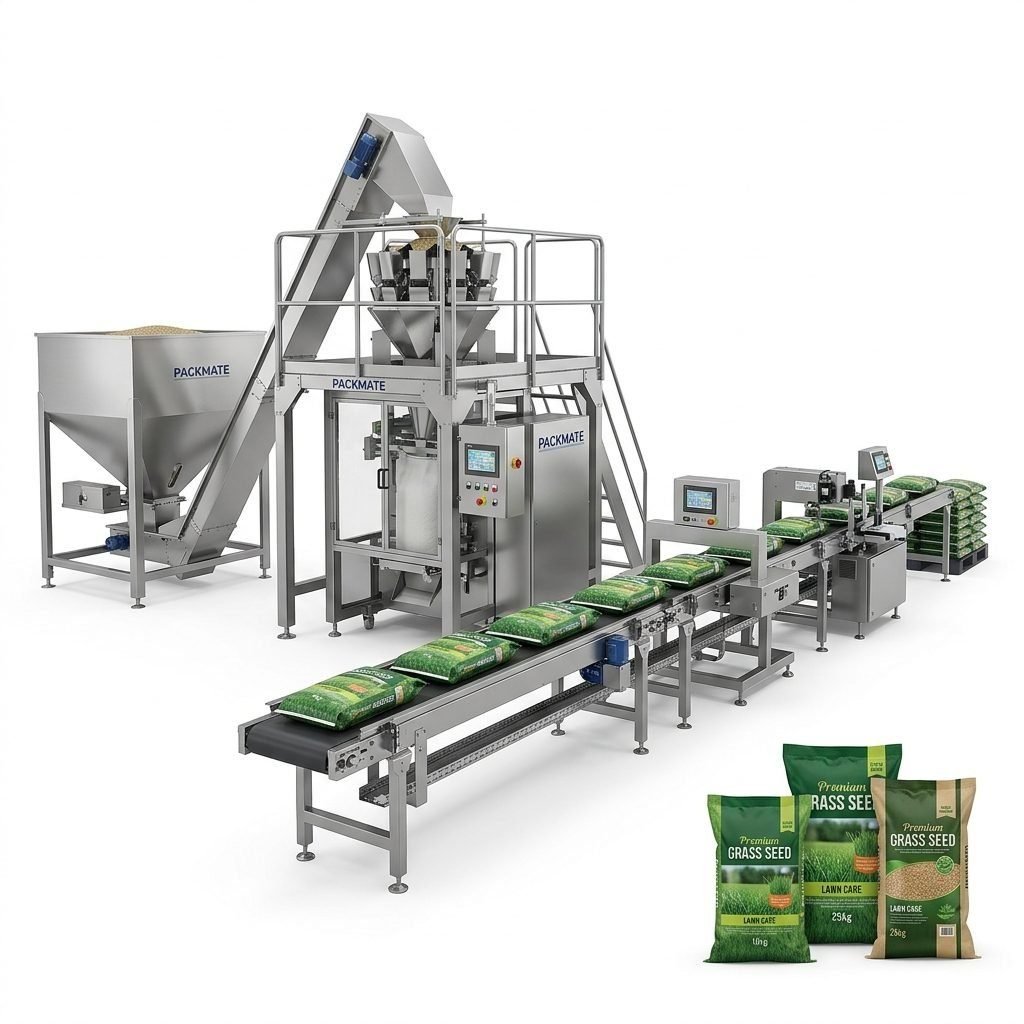
Integration potential is another key consideration. Can the machine be easily linked to upstream equipment (like seed cleaners or treaters) and downstream systems (like cartoners, case packers, or palletizers) to form a complete automated line? Planning for future automation can save significant costs later.
Understanding Different Types of Automatic Seed Packing Solutions
The market offers several machine types, each suited to different scales and formats.
Vertical Form-Fill-Seal (VFFS) Machines
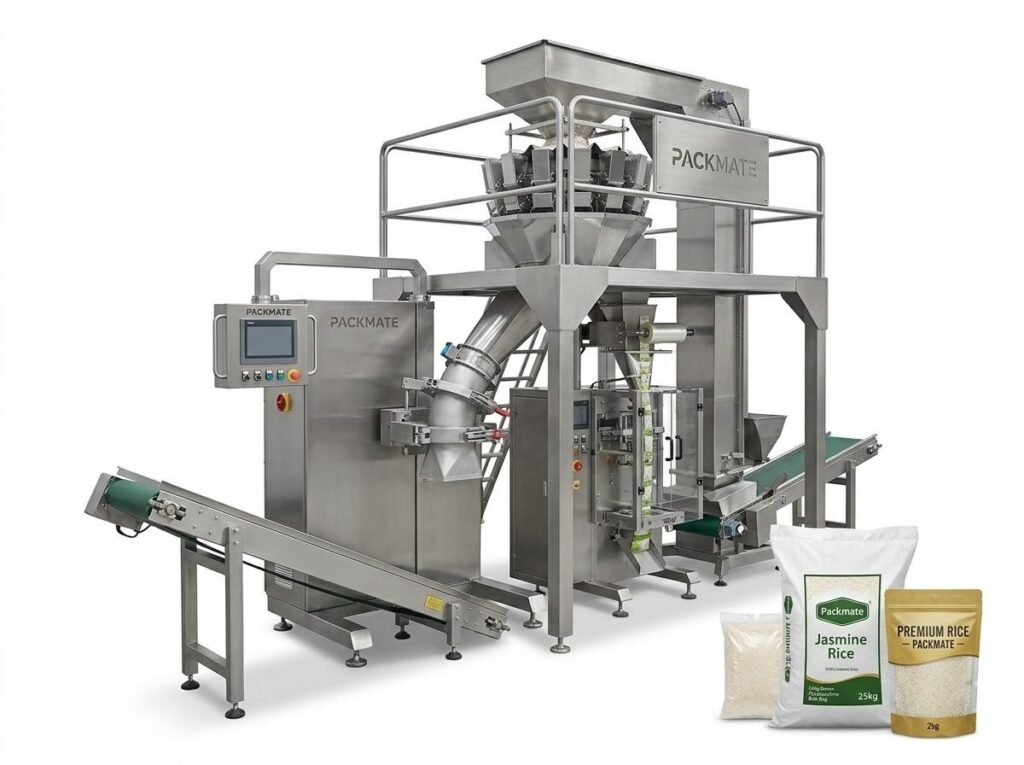
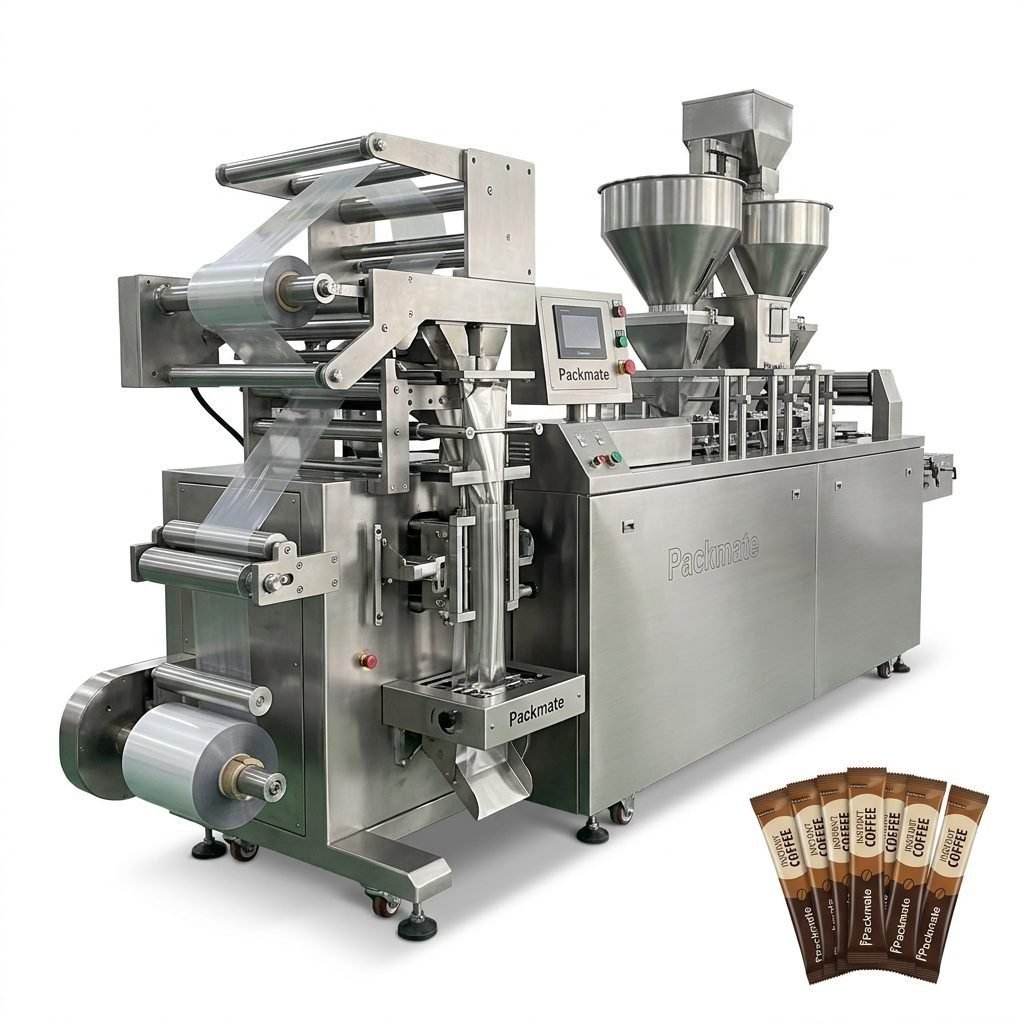
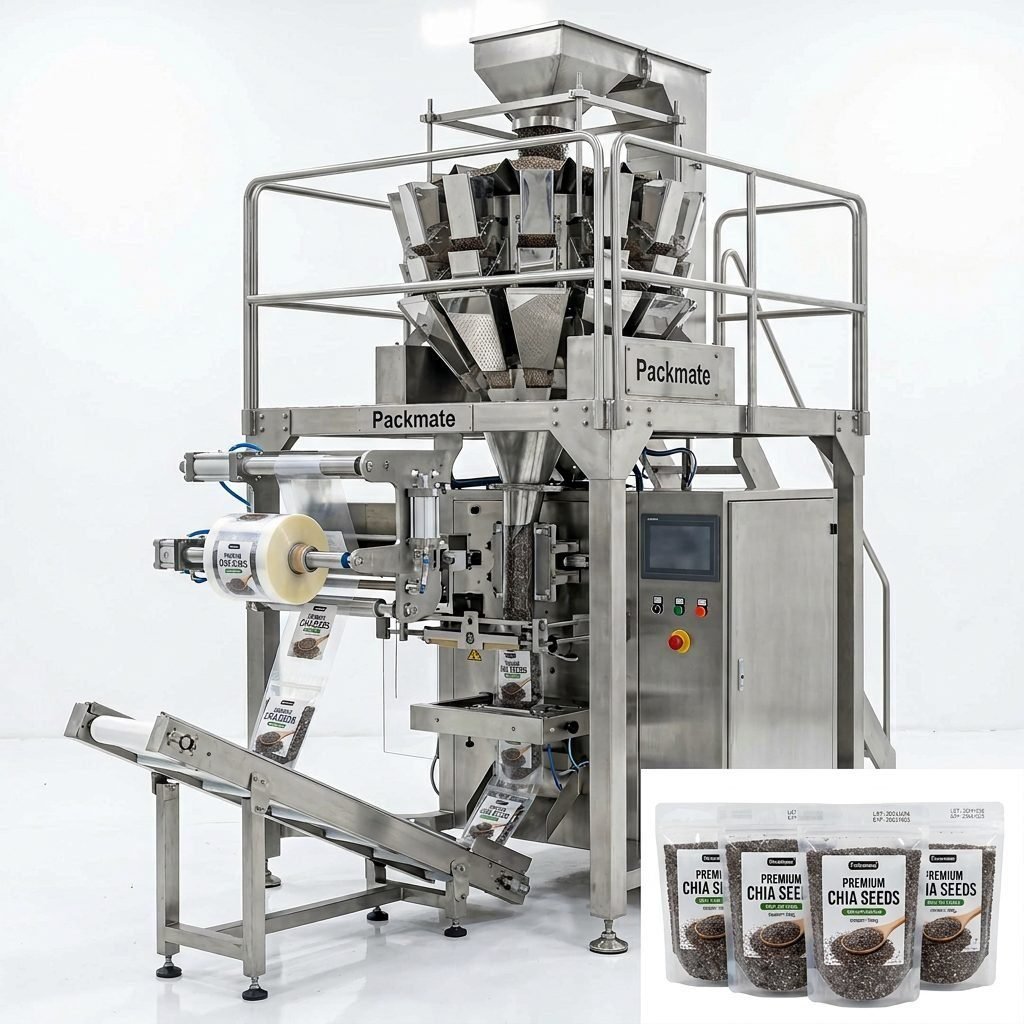
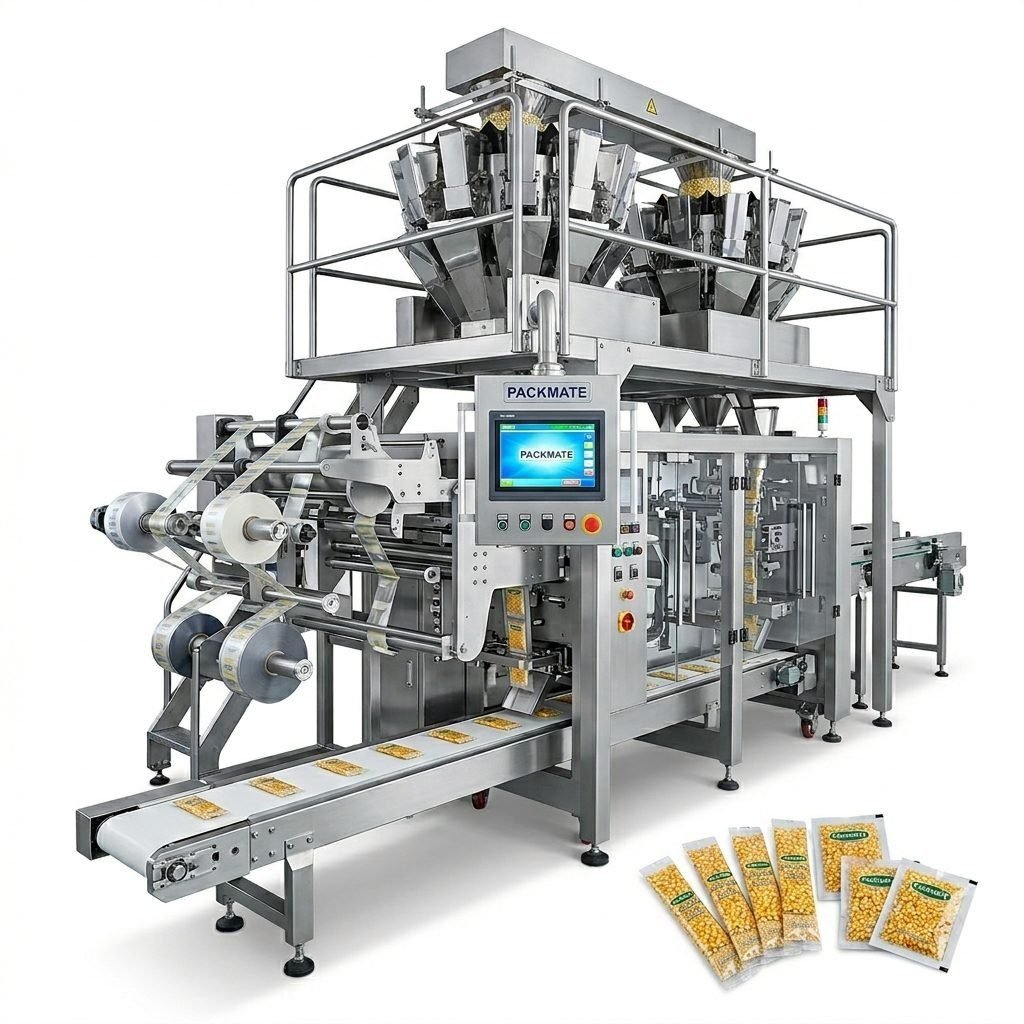
These are the most common for medium to large bags. They form bags from a roll of film, fill them with seeds, and seal them in a continuous operation. They are highly efficient for a wide range of bag sizes and are ideal for packaging seeds into stand-up pouches or pillow bags. Suppliers like Ludyway offer robust VFFS systems integrated with precise weighers.
Pre-Made Pouch Packers
These machines use pre-manufactured pouches or bags, which are then opened, filled, and sealed. This method is excellent for high-quality printed packaging or when using specific barrier materials. It’s often preferred for premium seed brands or smaller batch production.
Multi-Lane Stick Pack & Sachet Machines
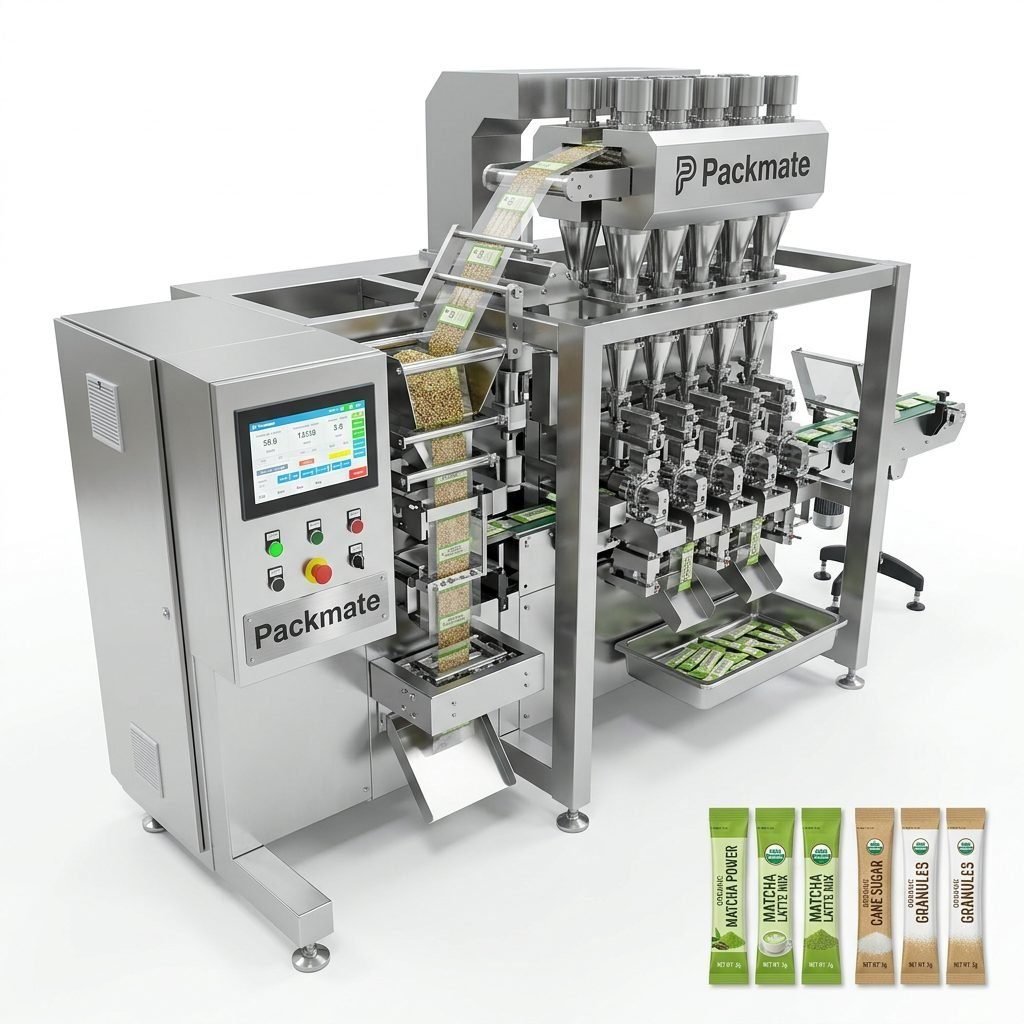
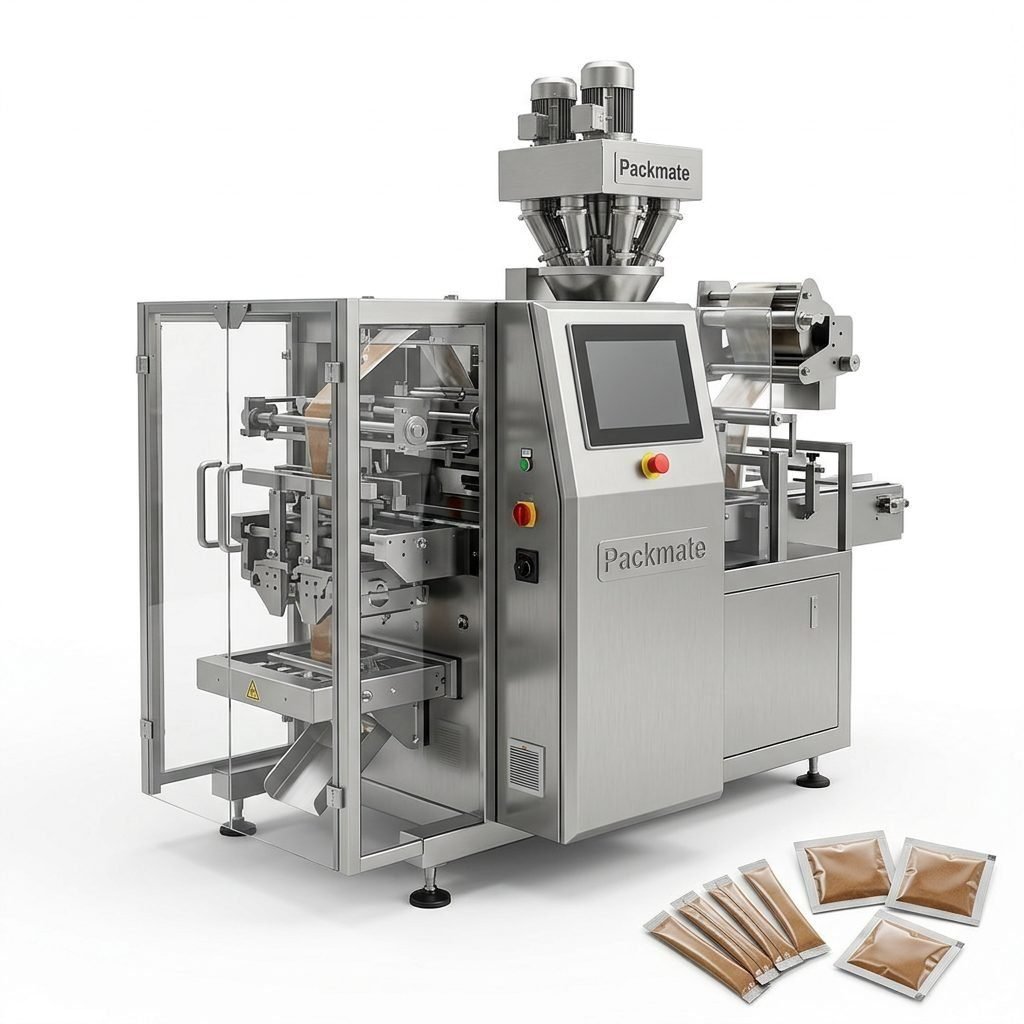
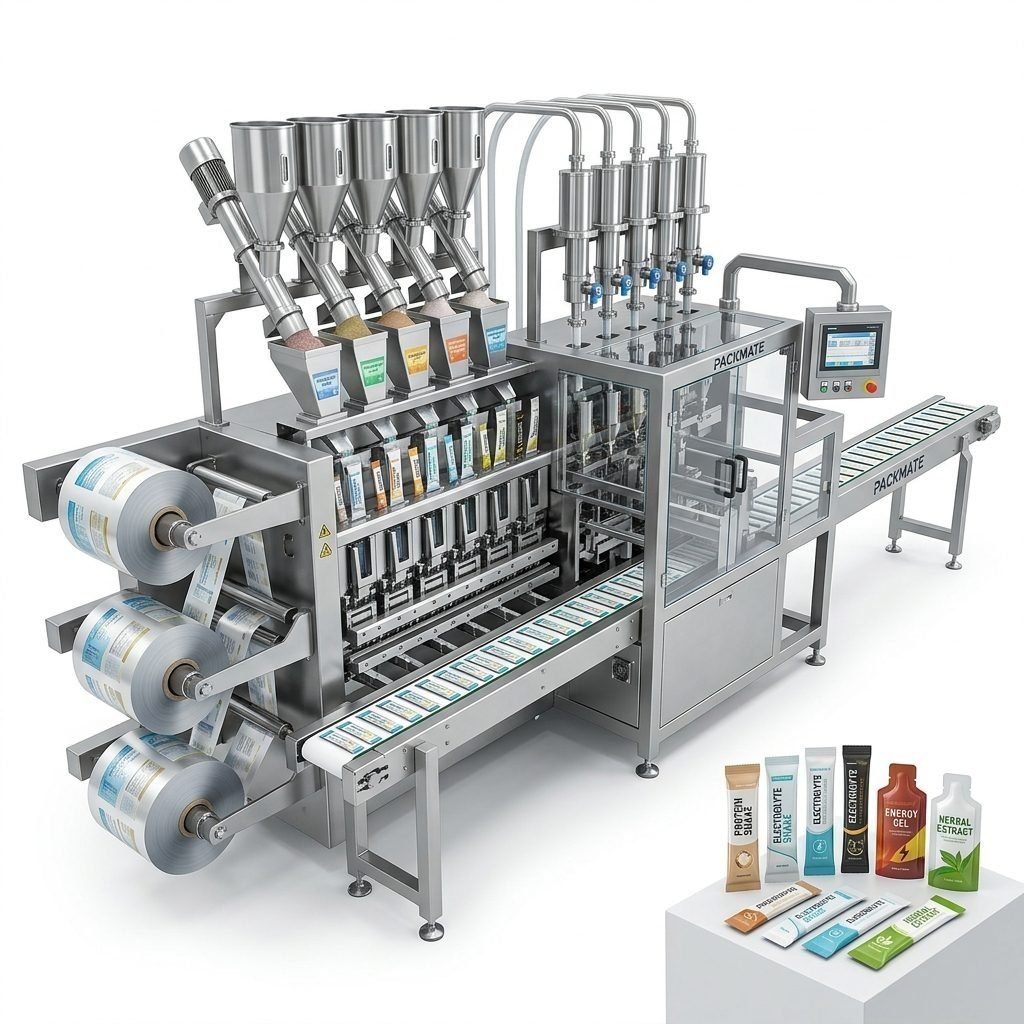
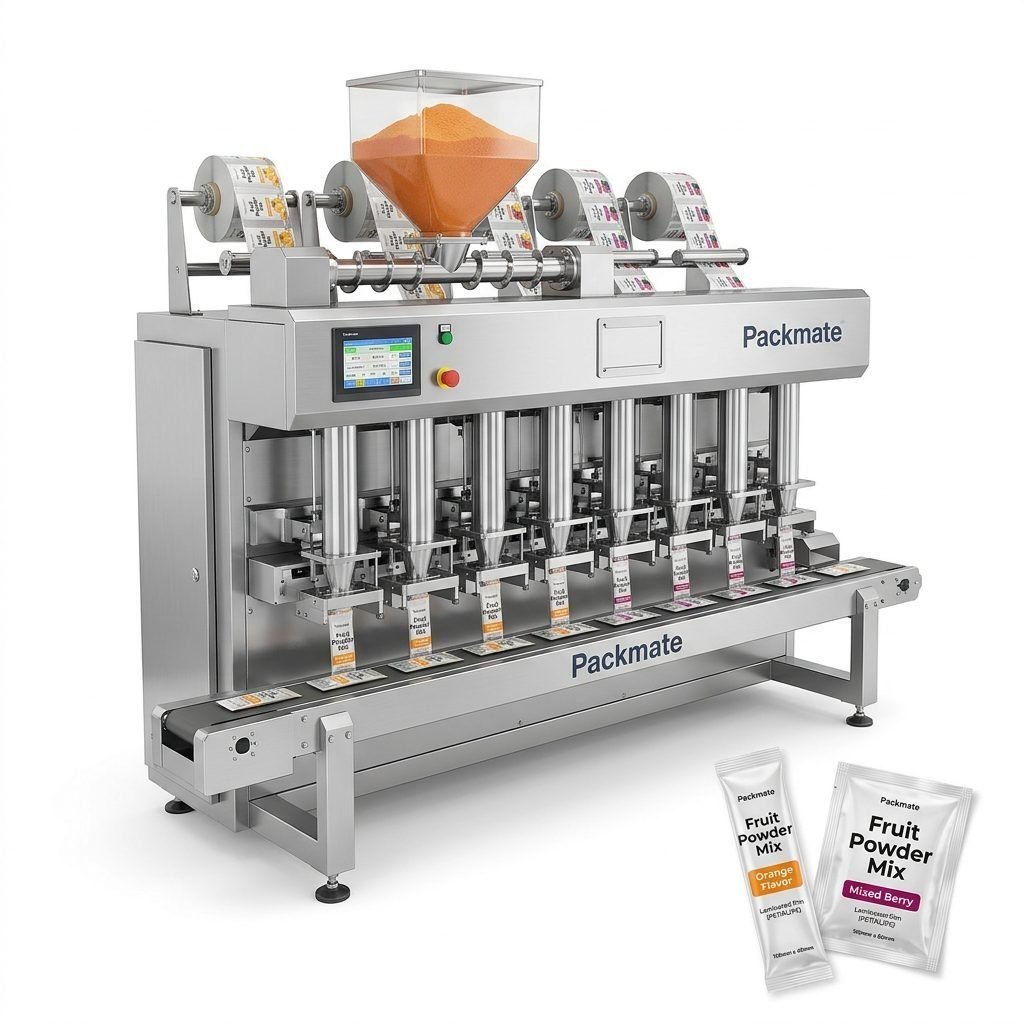
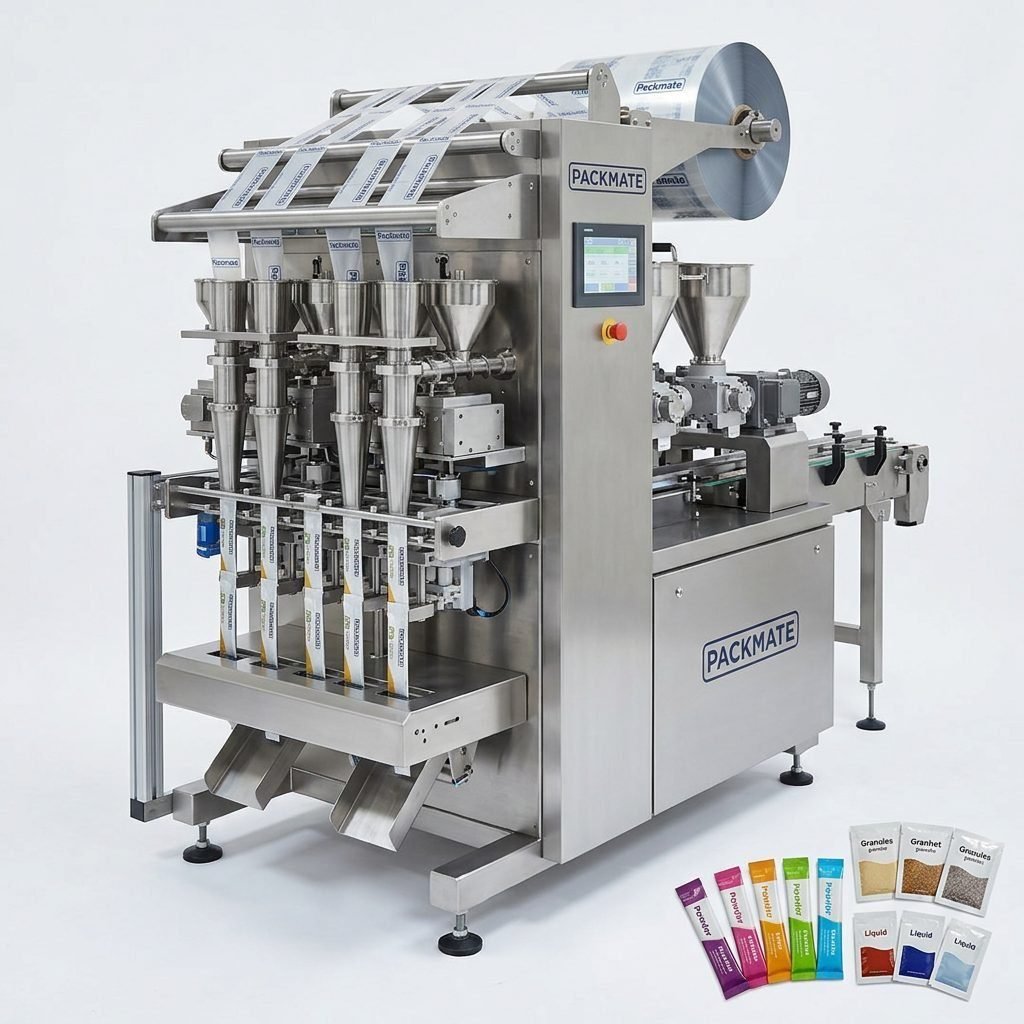
For high-speed packaging of small seed samples, trial sizes, or single-use portions, multi-lane machines are unmatched. They can simultaneously fill and seal dozens of stick packs or sachets per cycle, achieving very high outputs. This technology is a specialty of companies like SnusMachinery, which apply similar high-precision pouch packaging principles to seeds.
The Supplier Landscape: Evaluating Packaging Machine Manufacturers
Partnering with the right manufacturer is as important as selecting the right machine. Key criteria include technical support, spare parts availability, and industry experience.
Industry Experience & Specialization: Look for suppliers with a proven track record in agricultural or granular product packaging. Manufacturers with decades of experience, such as Packmate Machinery, understand the unique challenges of seed handling, like dust generation and precise portioning.
Customization and Support: Your operation may have unique requirements. Can the supplier customize the machine’s hopper, feeding system, or software? Companies focused on OEM and custom solutions, like PackingMachineOEM, are valuable for non-standard projects. Post-sales support, including installation, training, and a reliable spare parts supply chain, is critical for minimizing downtime.
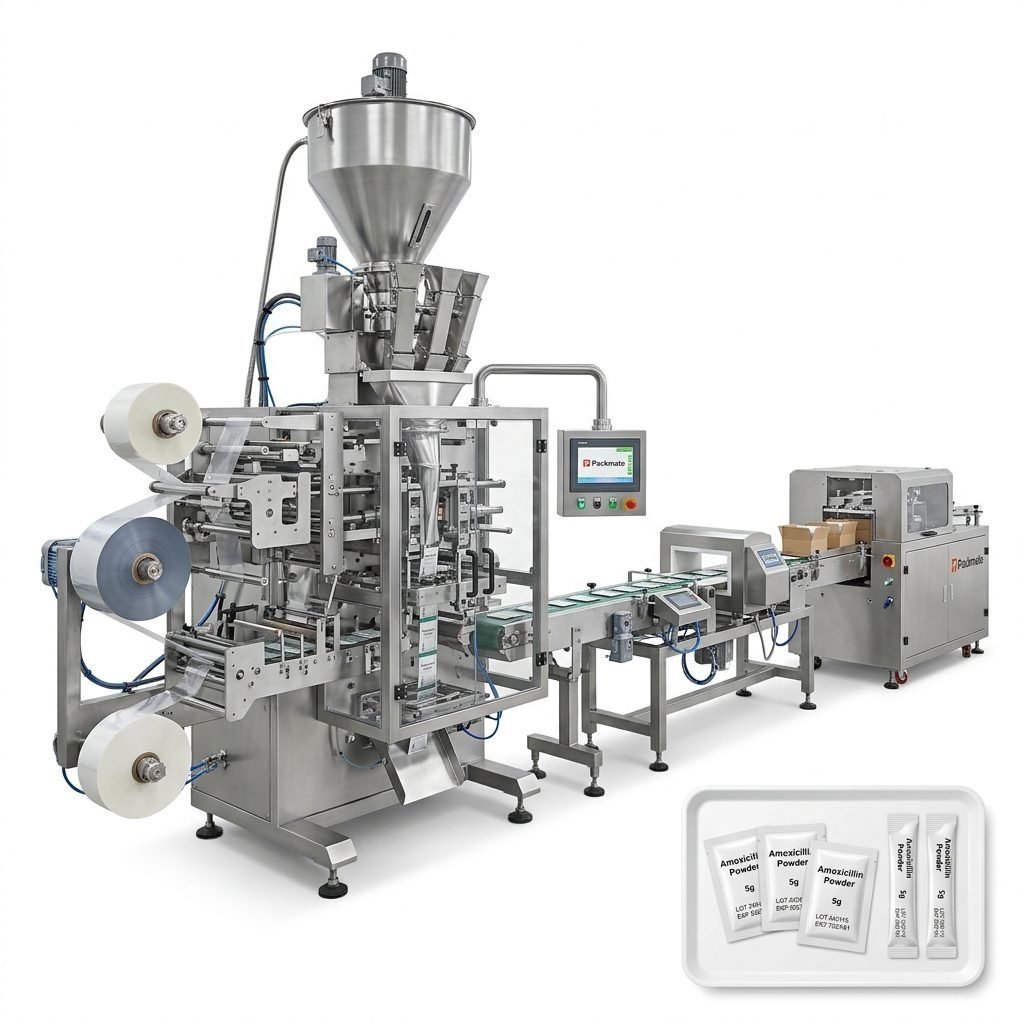
Turnkey Line Capability: For large-scale greenfield projects or major upgrades, consider manufacturers that can supply and integrate the entire packaging line. A turnkey provider, such as PacklineOEM, handles everything from design and machinery to commissioning, ensuring all components work seamlessly together.
Regional Considerations and Global Market Trends
Seed packaging needs can vary by region due to climate, farm sizes, and market practices. In North America and Europe, large-scale commercial farming demands high-speed, automated lines for bulk seed bags. Precision and traceability are paramount. In regions like Africa and Southeast Asia, there is growing demand for smaller, affordable sachets and stick packs that cater to smallholder farmers, requiring durable machines that can handle varied power supplies and environments. Export-oriented manufacturers must design machines that meet these diverse global requirements.
Return on Investment (ROI) Analysis
Justifying the capital expenditure involves calculating the ROI. Factor in direct savings from reduced labor (automating manual packing stations), lower material waste from improved accuracy, and increased output. Also consider indirect benefits like improved product consistency, enhanced brand presentation, and the ability to meet larger orders and enter new markets.
Frequently Asked Questions (FAQs)
What is the typical price range for an automatic seed bag packing machine?
Prices vary widely based on speed, automation level, and customization. A basic single-lane machine may start around $20,000-$50,000, while a high-speed, fully integrated multi-lane turnkey line can exceed $200,000. It’s essential to get detailed quotations based on your specific requirements.
How do I ensure the machine is gentle on my seeds to avoid damage?
Discuss seed characteristics with the supplier. Opt for machines with gentle handling features like soft-drop filling systems, adjustable vibration on feed trays, and smooth conveying mechanisms. Request to test your seeds on the machine before purchase.
What kind of maintenance does an automatic seed packer require?
Regular preventative maintenance is key. This typically includes daily cleaning, lubrication of moving parts as per the manual, and periodic inspection of seals, sensors, and mechanical components. Choose a supplier that offers clear manuals, training, and easy access to common spare parts.
Can one machine package different types and sizes of seeds?
Yes, but changeover time and complexity differ. Machines with quick-change parts (like augers, forming tubes, and sealing jaws) and recipe storage in the control system allow for faster switching between products. Discuss your product mix with the manufacturer to optimize the design for flexibility.
How important is after-sales service, and what should I look for?
Extremely important. Look for suppliers with a strong service network, available remote support, comprehensive training programs, and a clear policy on warranty and spare parts delivery. A reliable partner ensures your machine remains productive for its entire lifespan.