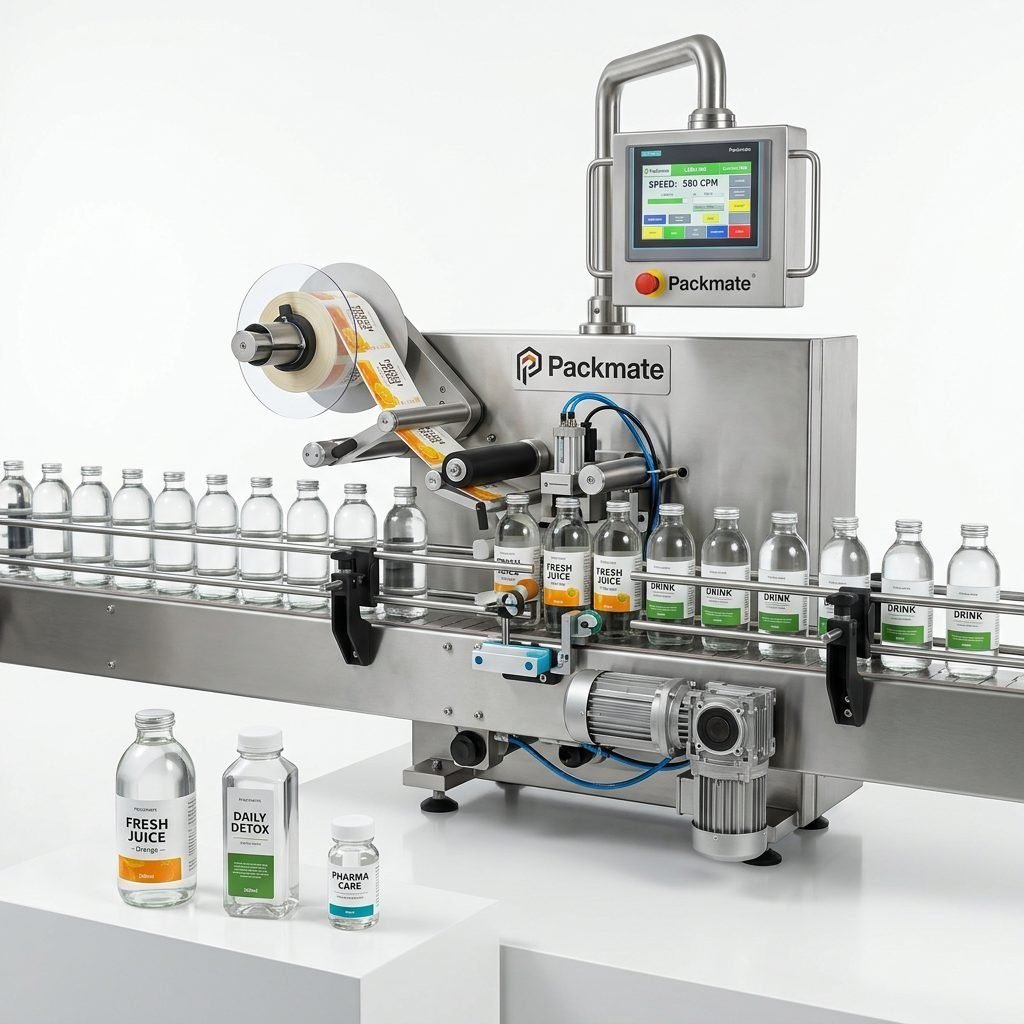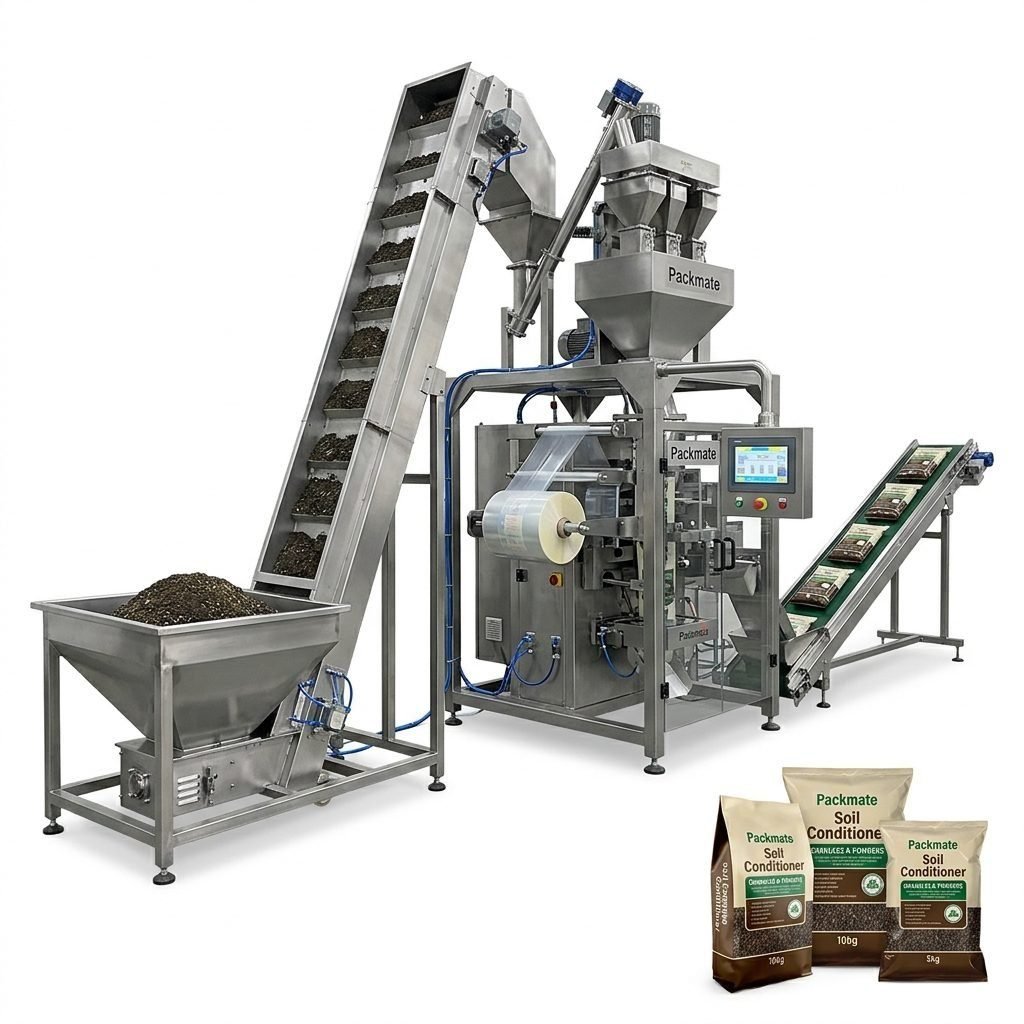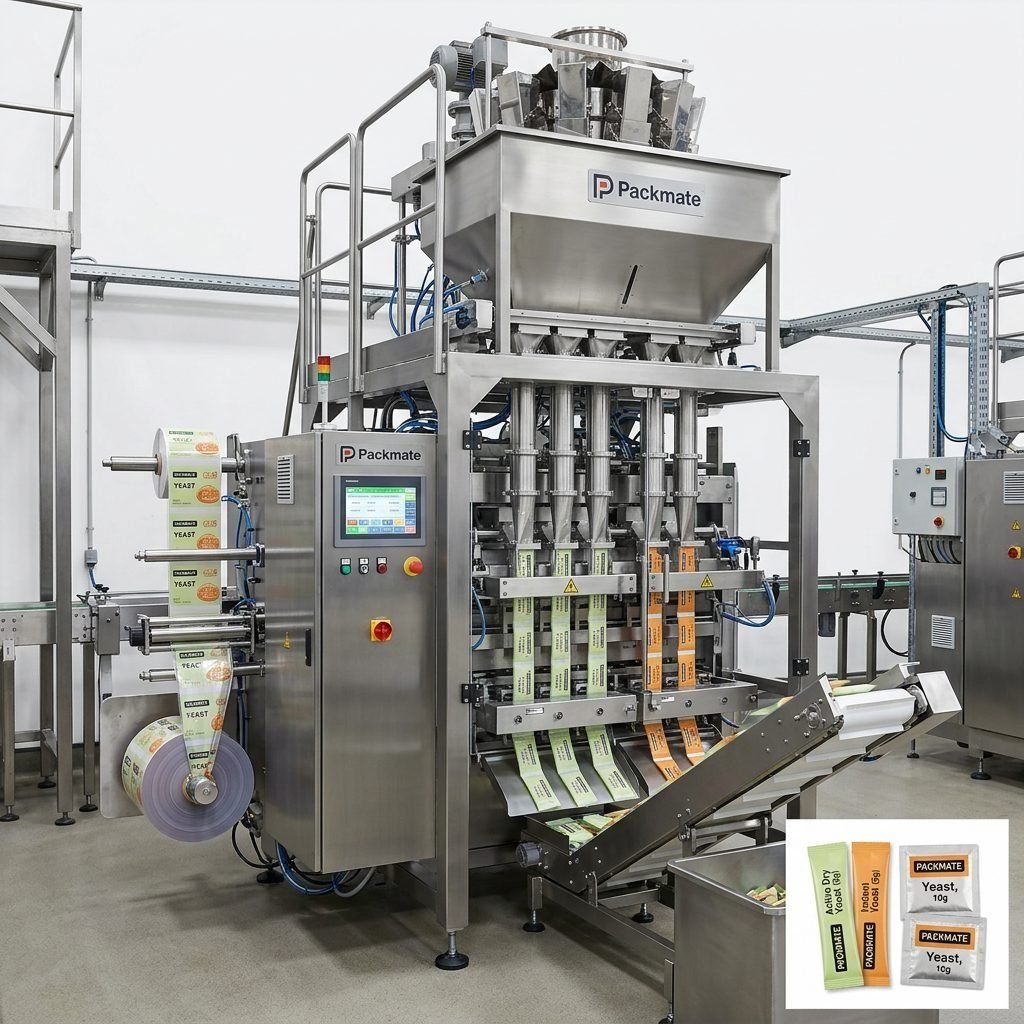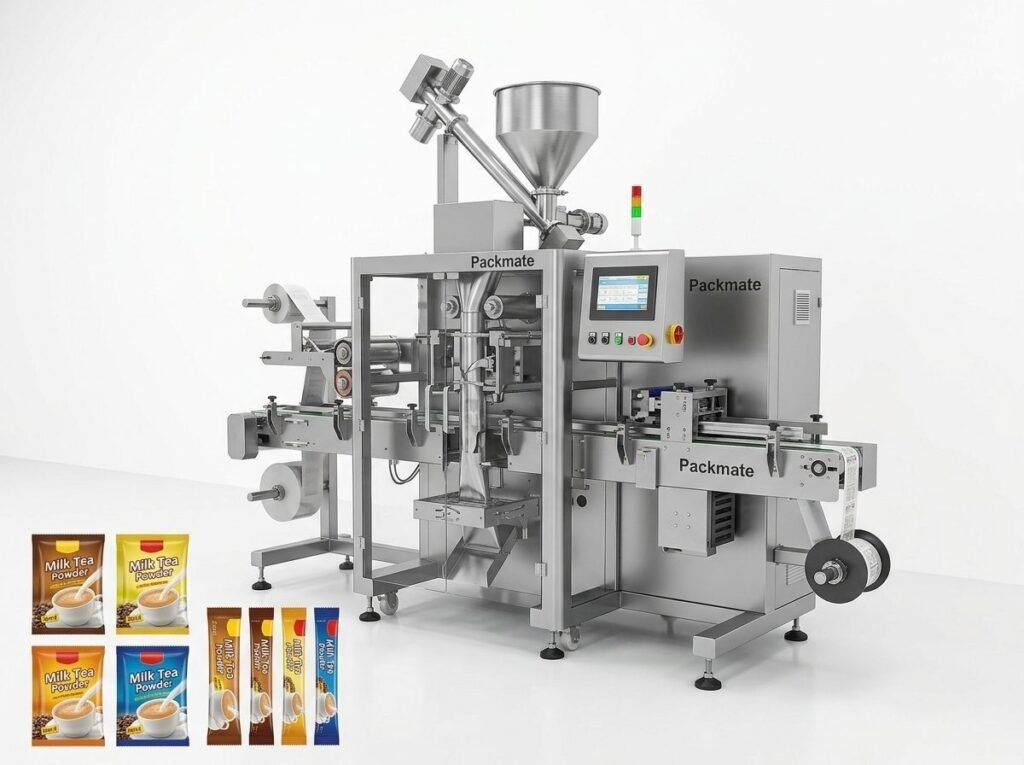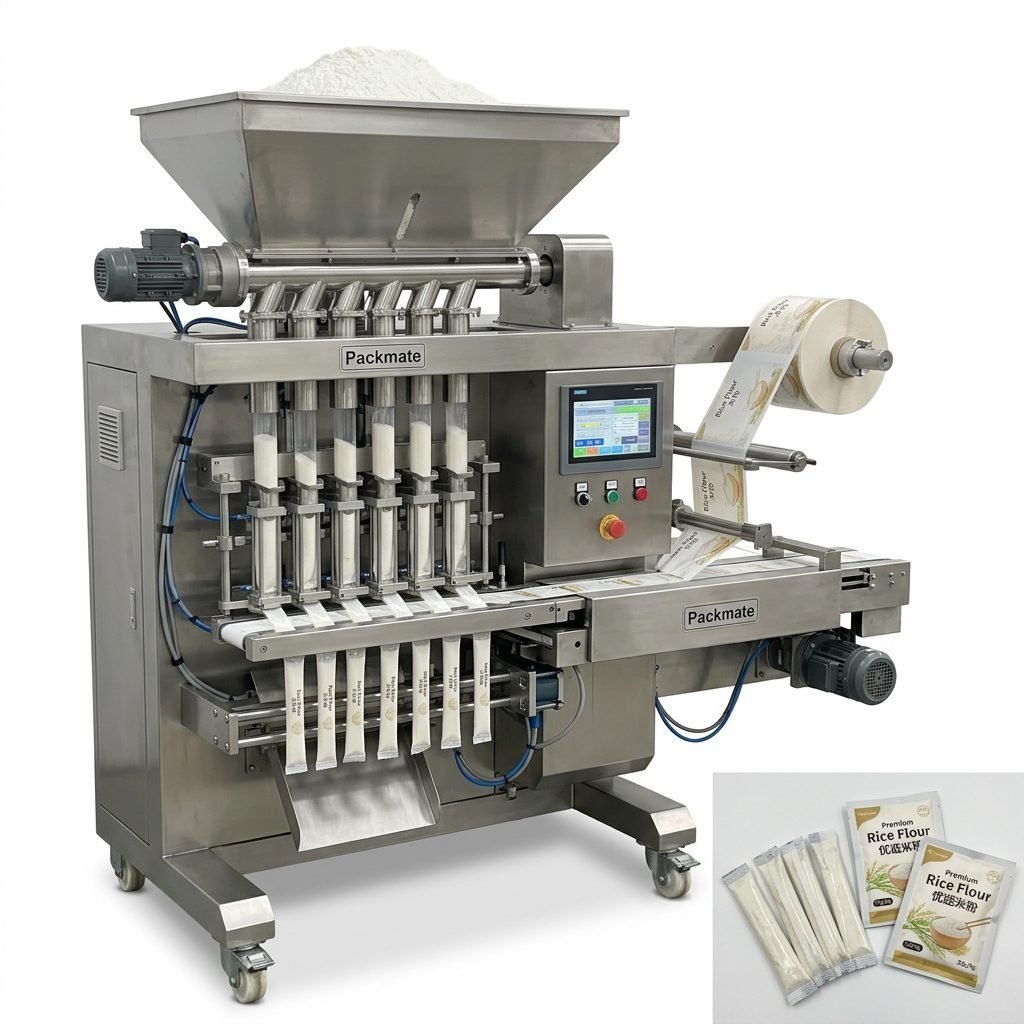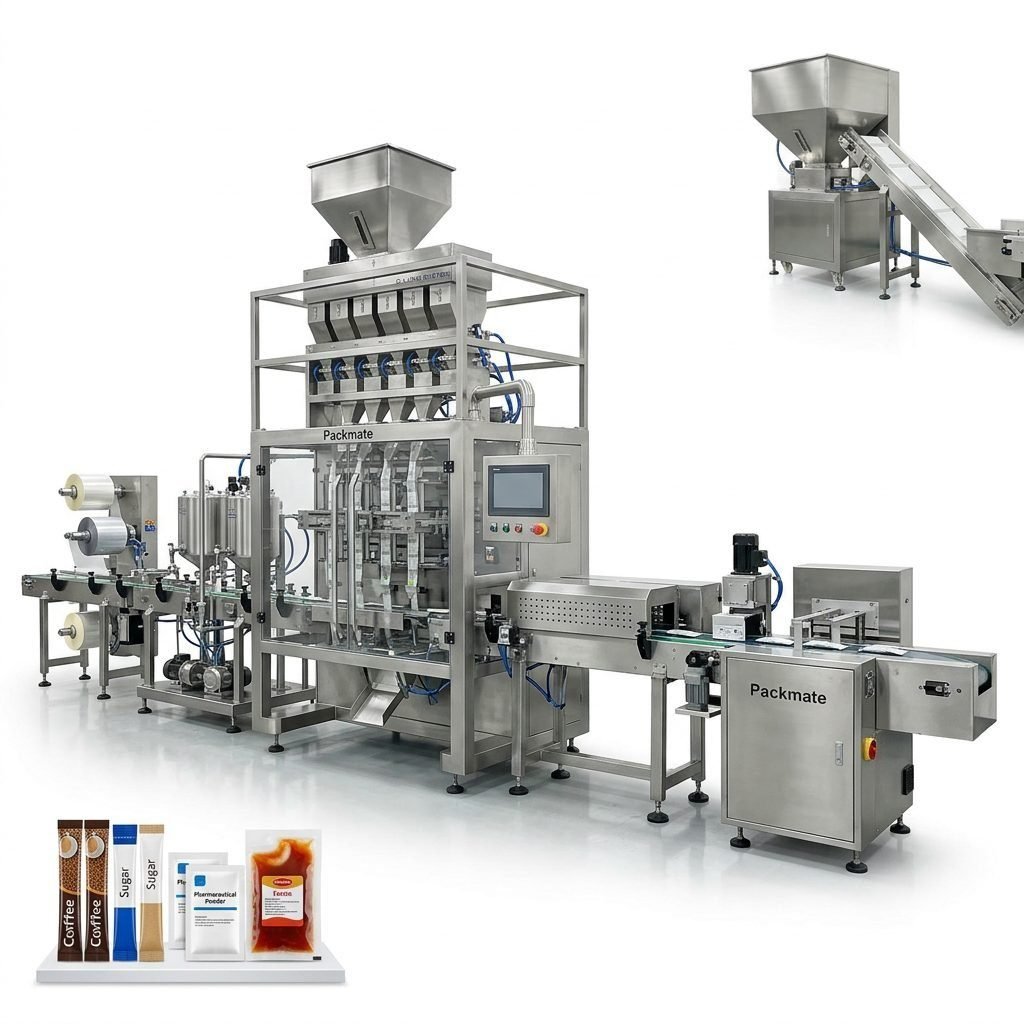
Choosing the right packaging machine manufacturer in Nigeria is a critical decision for local food producers, pharmaceutical companies, and FMCG (Fast-Moving Consumer Goods) businesses. The Nigerian market, with its growing population and expanding middle class, demands efficient, reliable, and cost-effective packaging solutions to meet both domestic consumption and export standards. A poor choice can lead to production downtime, inconsistent packaging quality, and ultimately, lost revenue and market share.
Understanding the Nigerian Packaging Landscape
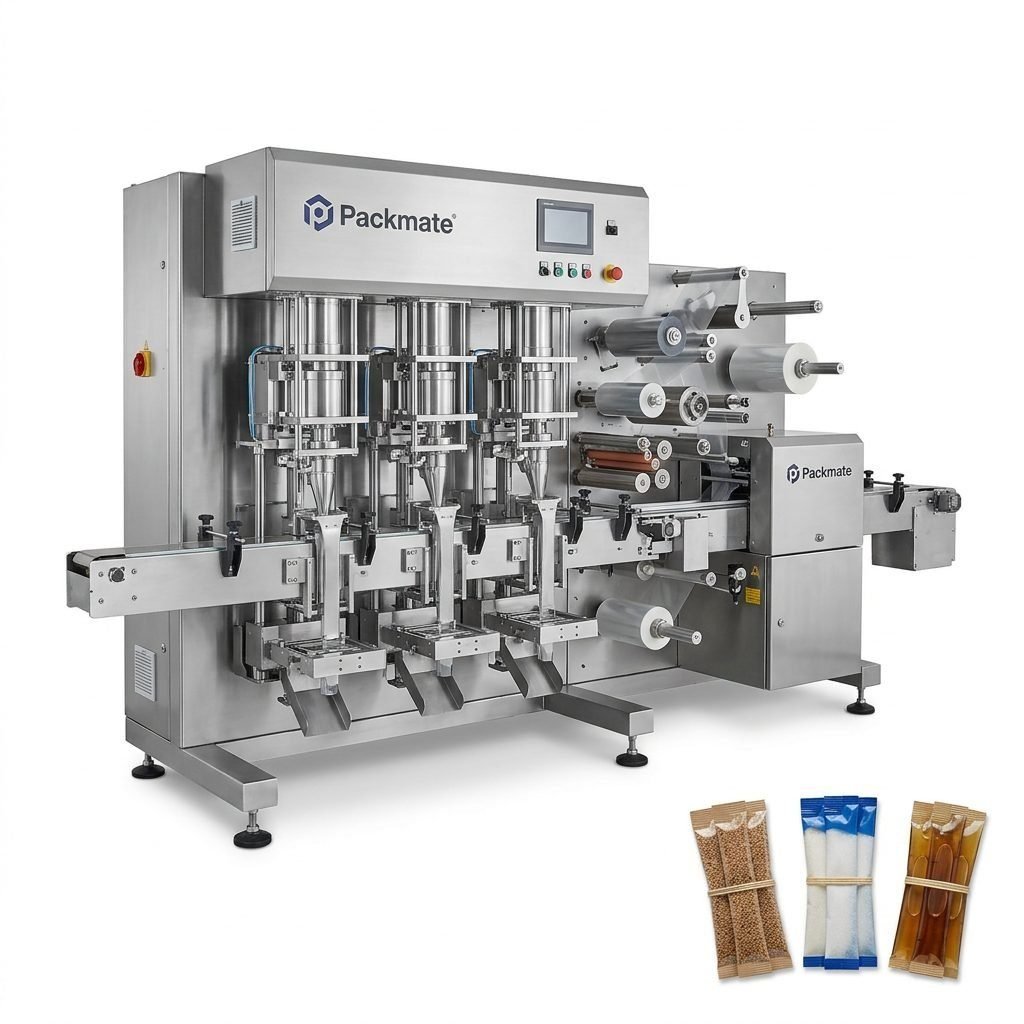
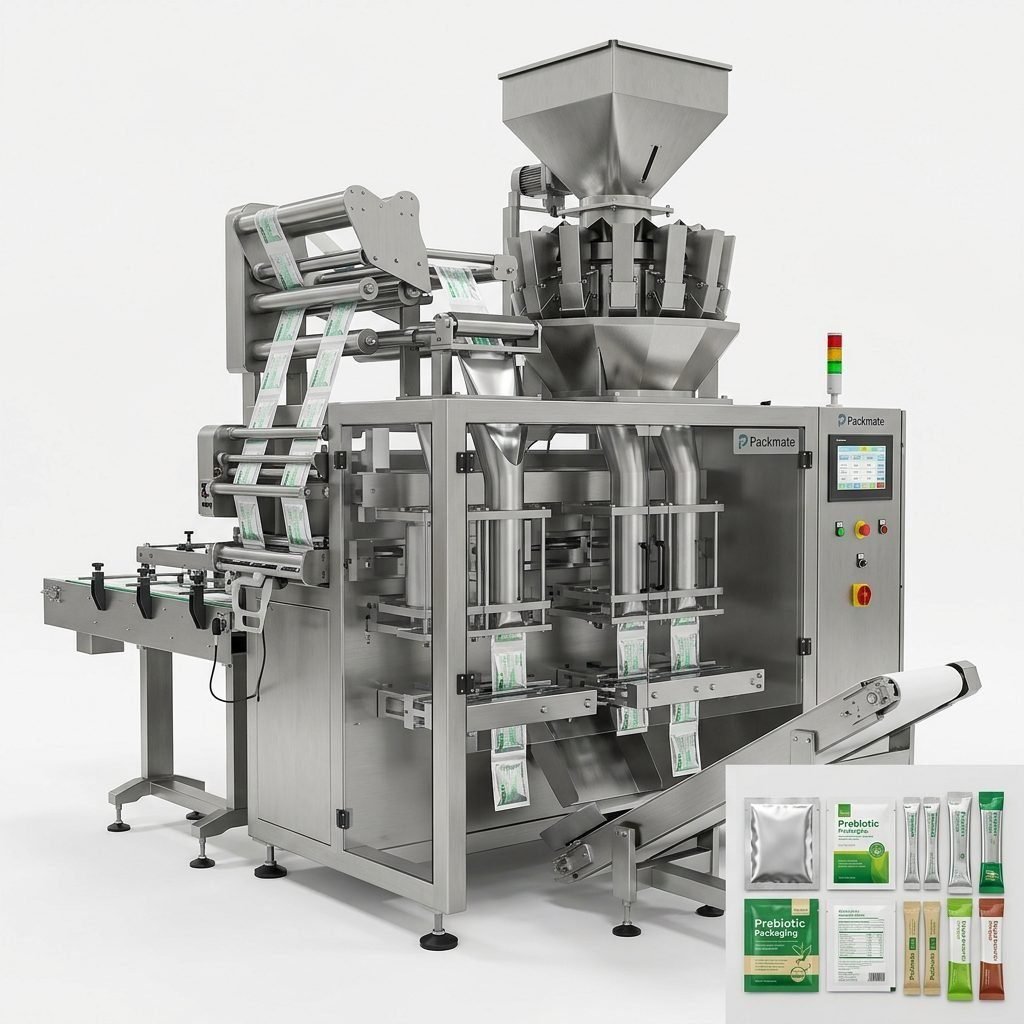
Before diving into the selection criteria, it’s essential to understand the local context. Nigeria’s manufacturing sector, particularly in food and beverages, is a major driver of the economy. Common packaging needs include sachets for water, seasonings, and instant noodles, stick packs for beverage mixes and supplements, and pouches for various food products. Challenges often include unstable power supply, the need for robust and easy-to-maintain machinery, and packaging that can withstand the local climate and distribution logistics.
Key Factors for Nigerian Buyers to Consider
When evaluating manufacturers, Nigerian business owners and plant managers should focus on several practical factors that directly impact their operational success and return on investment.
1. Machine Suitability for Local Products
The manufacturer must have proven experience with the specific products you package. Whether it’s granulated sugar, powdered milk, tomato paste, or pharmaceutical powders, the machine’s design must handle your product’s characteristics (flowability, hygroscopic nature, density) and your desired packaging format (sachet, stick pack, pouch).
2. After-Sales Support and Local Service
This is arguably the most critical factor for the Nigerian market. Given the geographical distance from major manufacturing hubs, you need a supplier committed to strong after-sales support. Inquire about:
• Availability of local technicians or service partners.
• Provision of comprehensive machine manuals and training.
• Lead time for spare parts delivery.
• Remote diagnostic and troubleshooting support capabilities.
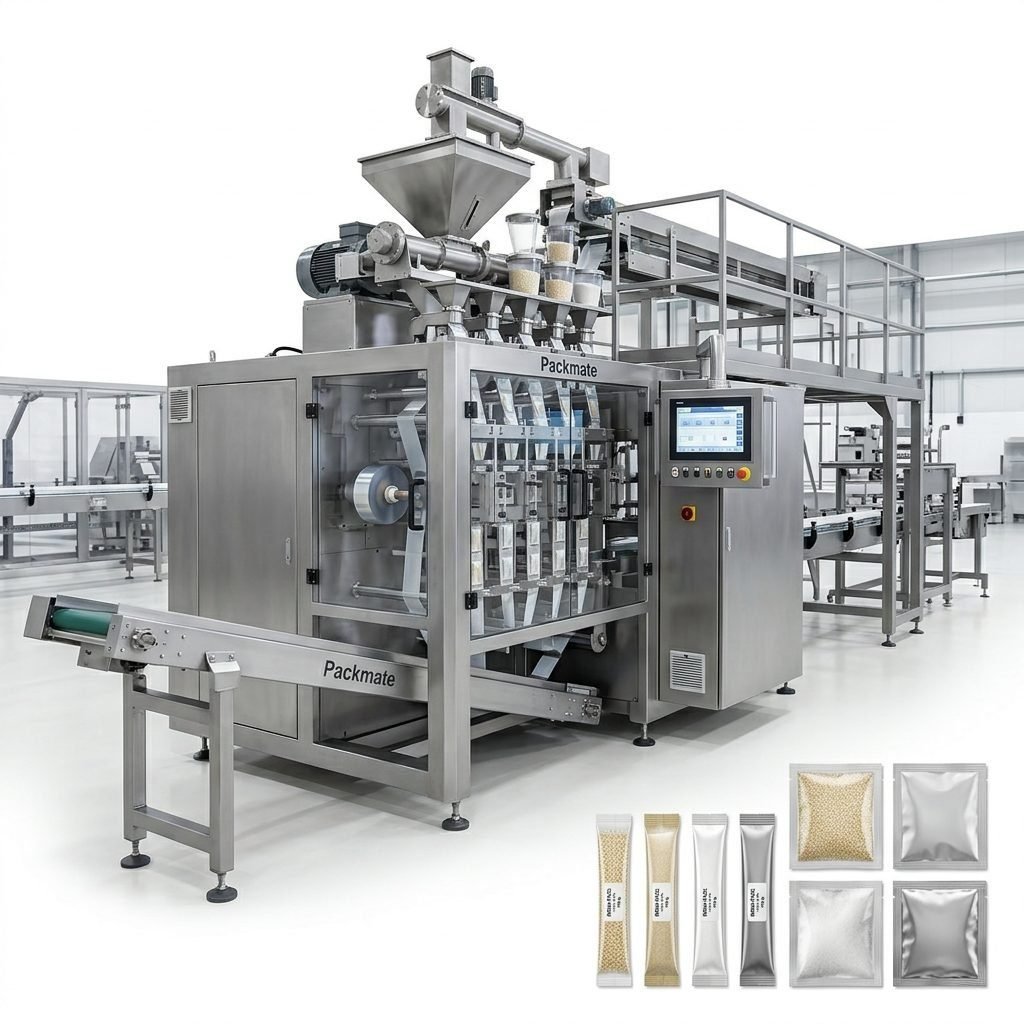
3. Robustness and Power Adaptability
Machines destined for Nigeria must be built to endure. Look for manufacturers that use high-quality components (e.g., Japanese or German servo motors, Siemens PLCs) known for longevity. The electrical system should be able to handle voltage fluctuations common in many industrial areas. Machines with lower overall power consumption are also a significant advantage.
Evaluating Manufacturer Credentials
Beyond the machine specs, the manufacturer’s background and track record are vital indicators of reliability and partnership potential.
| Evaluation Criteria | What to Look For | Why It Matters for Nigeria |
|---|---|---|
| Export Experience | Active exports to Africa, experience with shipping, documentation, and customs. | Ensures a smoother import process and understanding of regional requirements. |
| Factory Tour & Video | Ability to conduct a virtual or physical factory audit. | Verifies real manufacturing capability, quality control processes, and scale. |
| Customer References | Testimonials or contactable clients in similar industries or regions. | Provides real-world feedback on machine performance and supplier reliability. |
| Customization Ability | Willingness to adapt machines for local packaging materials or unique needs. | Local materials may differ; flexibility avoids future operational headaches. |
A Practical Buying Guide for Nigerian Importers
Follow these steps to systematically navigate the procurement process and mitigate risks.
Step 1: Define Your Requirements Precisely. List your product details, target output (bags/minute), bag dimensions, film type, and factory layout. This clarity will get you accurate quotations.
Step 2: Shortlist and Deep-Dive. Research and shortlist 3-5 manufacturers like Ludyway, Packmate Machinery, and others with relevant experience. Scrutinize their websites, request detailed catalogs, and ask specific questions about your needs.
Step 3: Request a Performance Guarantee. A reputable manufacturer should provide a performance guarantee for speed, accuracy (dosing weight), and bag sealing quality based on testing with your sample product and packaging material.
Step 4: Clarify All Commercial Terms. Understand the exact Incoterms (e.g., FOB, CIF). Get a detailed breakdown of costs: machine price, spare parts kit, shipping, insurance, and local clearing agent fees in Nigeria. Ensure payment terms are secure (e.g., T/T with milestones).
Step 5: Plan for Installation and Training. Confirm if the price includes an engineer sent for installation and training. If not, budget for it. Proper training of your local technicians is crucial for long-term, sustainable operation.
Spotlight on Experienced Manufacturers
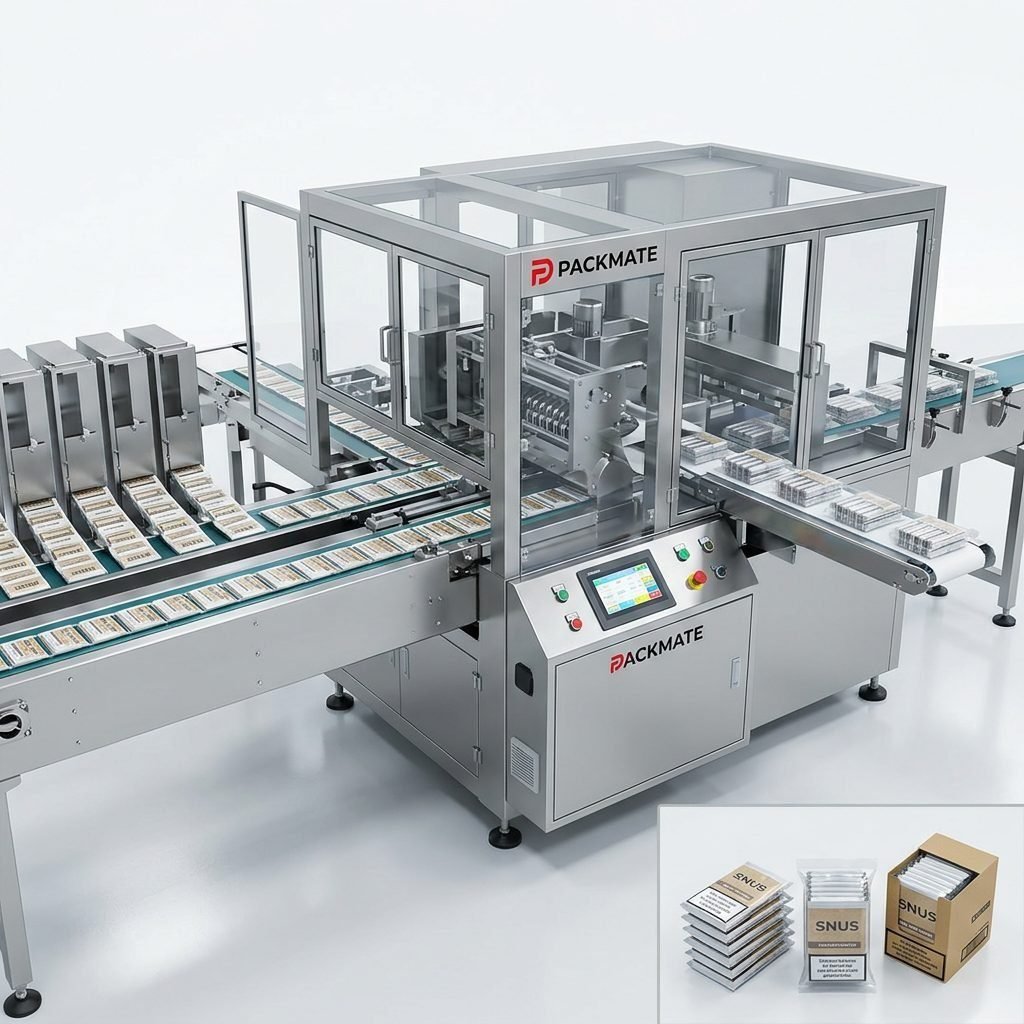
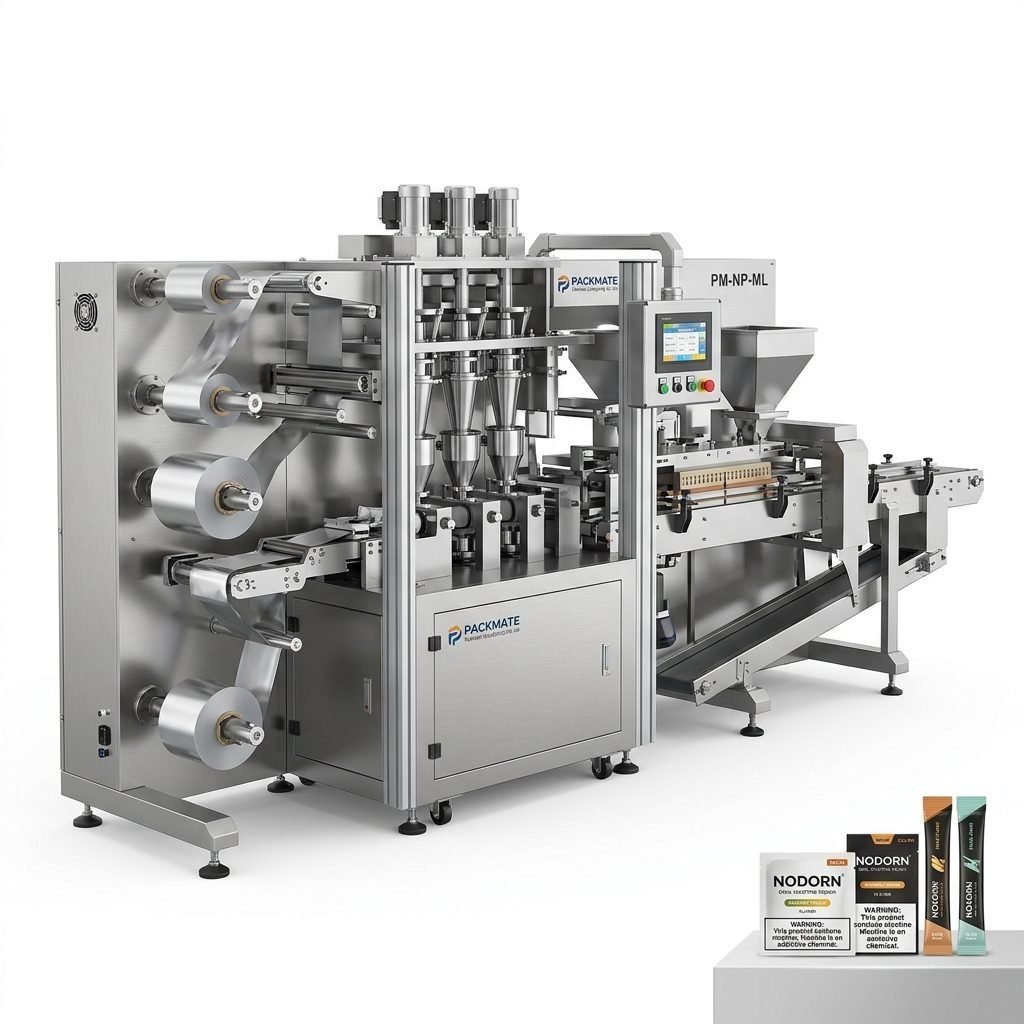
Several established manufacturers have a track record of supplying reliable packaging machinery to international markets, including Africa. For instance, Ludyway, with over 30 years of experience, offers a wide range suitable for food and pharma sectors and has a strong export footprint. Packmate Machinery is known for practical automation and stable performance, offering a good balance of cost and capability. For specialized needs like nicotine pouch packaging, a niche but growing segment, a manufacturer like SnusMachinery provides focused expertise.
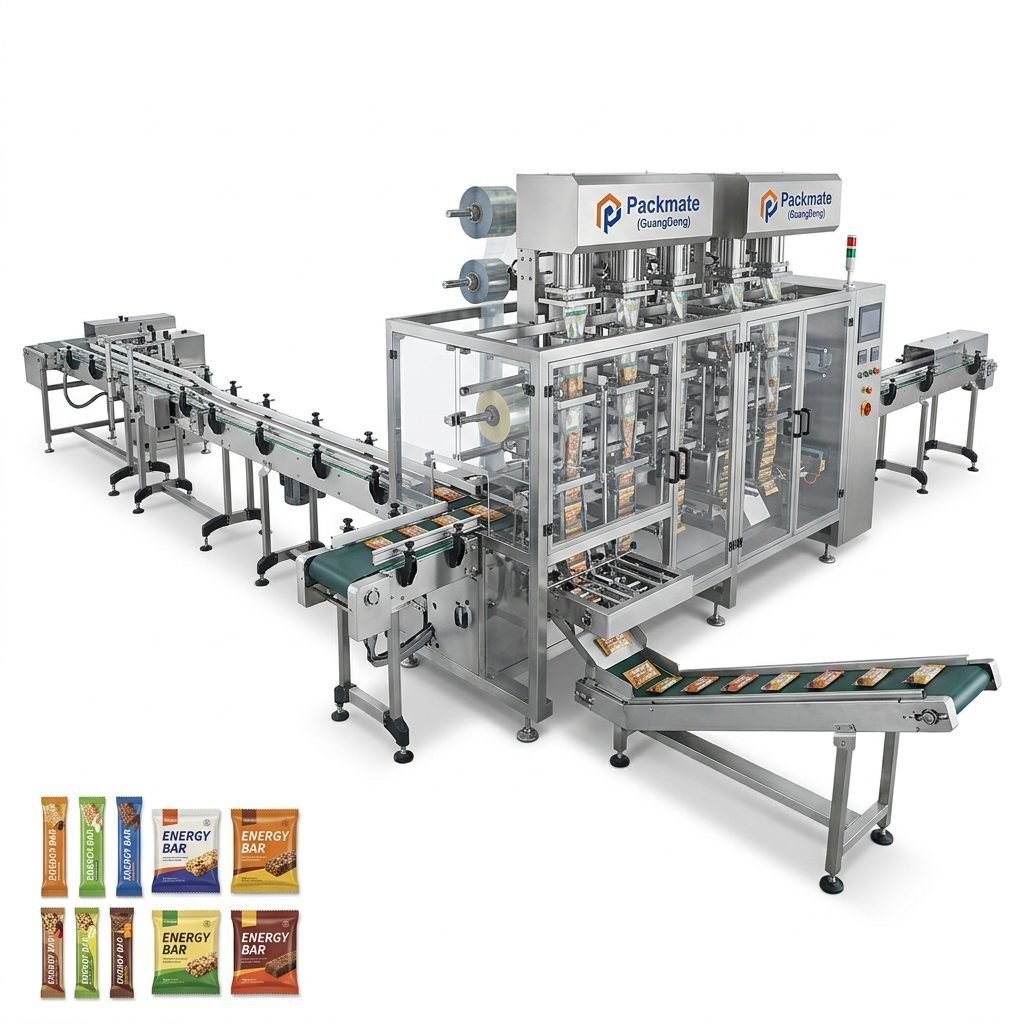
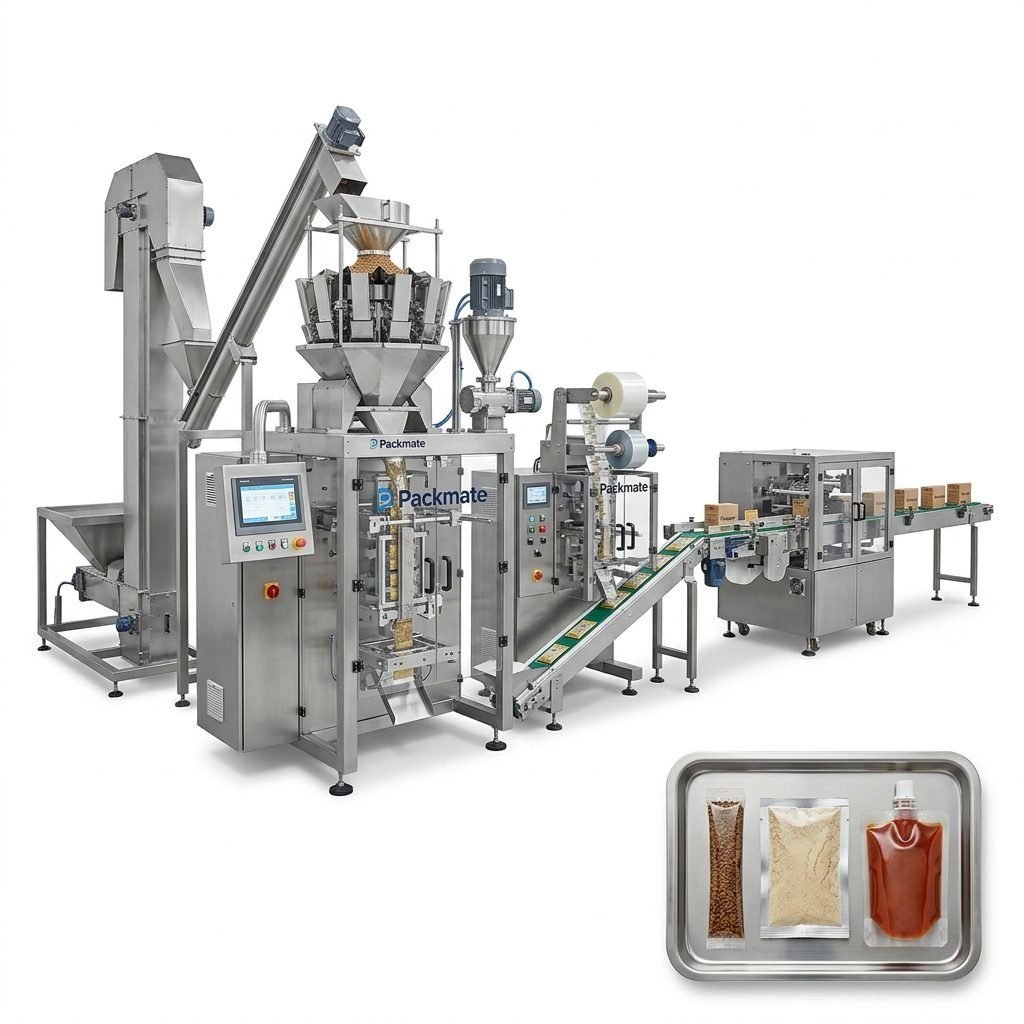
Companies such as PacklineOEM focus on complete turnkey lines, which is ideal for setting up a new, fully automated production hall. For projects requiring significant customization or non-standard solutions, PackingMachineOEM positions itself with strong engineering adaptation capabilities.
Common Questions from Nigerian Buyers (FAQs)
Q1: How do we handle machine breakdowns if there’s no local technician?
A: Prioritize manufacturers offering comprehensive remote support via video call, detailed manuals, and a guaranteed spare parts dispatch time. Building a small inventory of critical spare parts is also a wise investment.
Q2: Can the machines run on locally sourced packaging film?
A: Reputable manufacturers will test their machines with your material samples before shipment. Provide them with several meters of the film you intend to use to ensure compatibility with the sealing system.
Q3: Is it better to buy a single machine or a complete turnkey line?
A: It depends on your scale and automation goals. A single machine is suitable for upgrading a specific step. A turnkey line from a single supplier like PacklineOEM ensures synchronized equipment, single-point responsibility, and is better for large-scale, greenfield projects.
Q4: What is the typical lead time from order to delivery in Nigeria?
A: Lead times vary but typically range from 60 to 120 days after order confirmation, depending on machine complexity and customization. This includes manufacturing, testing, sea freight, and customs clearance in Nigeria.