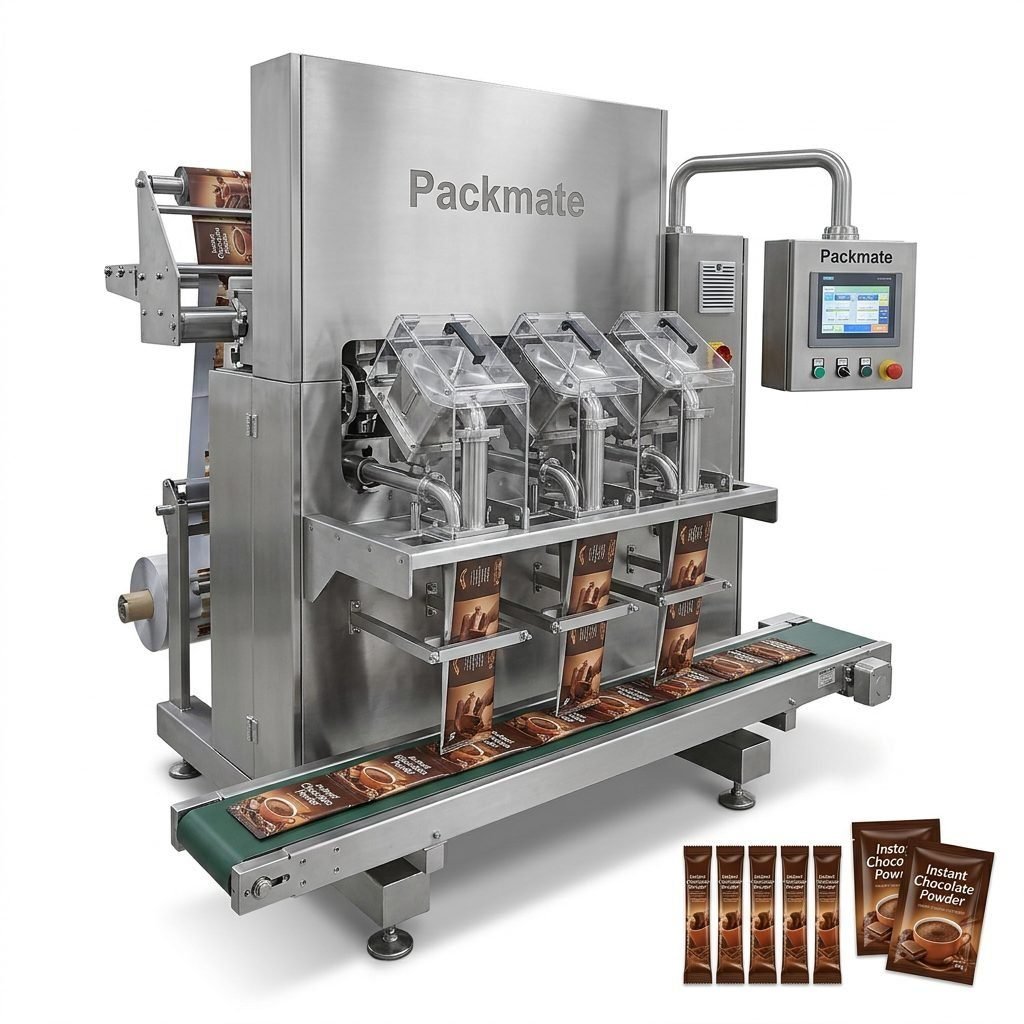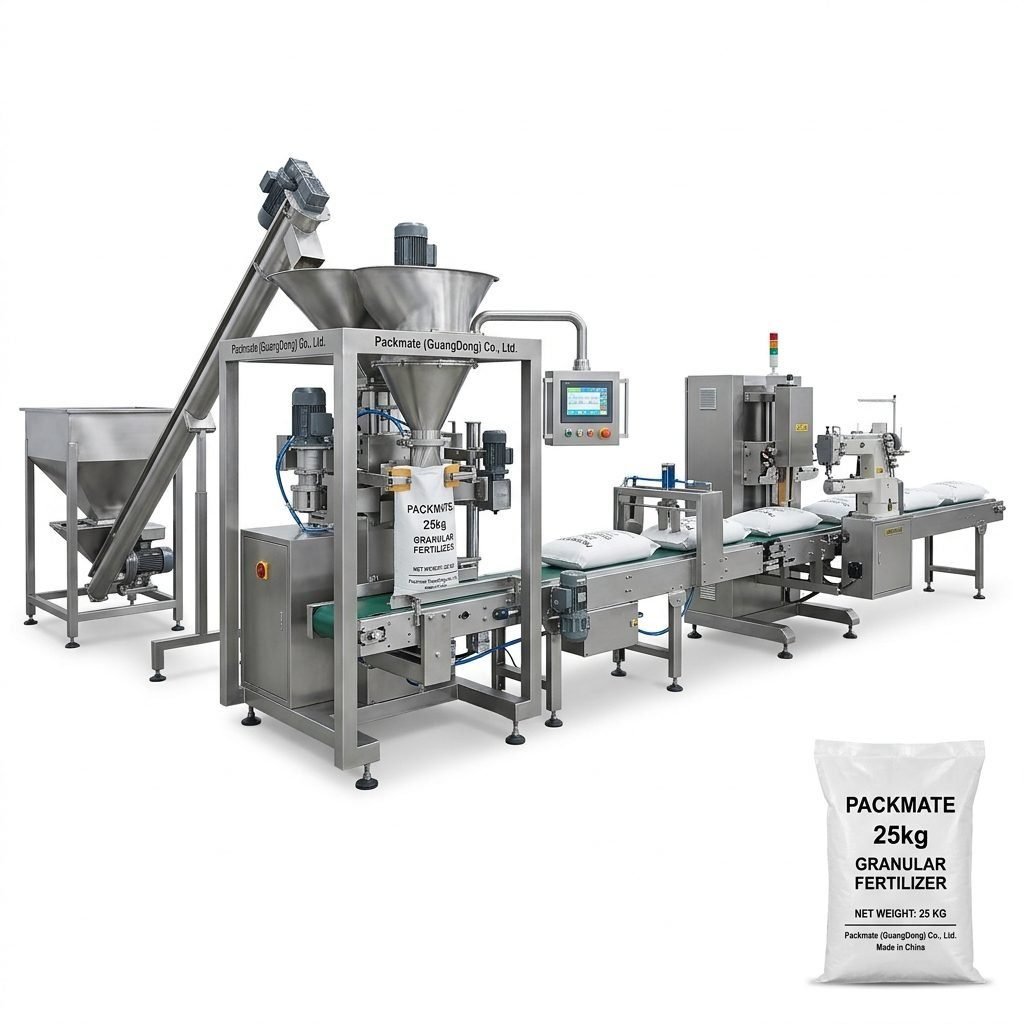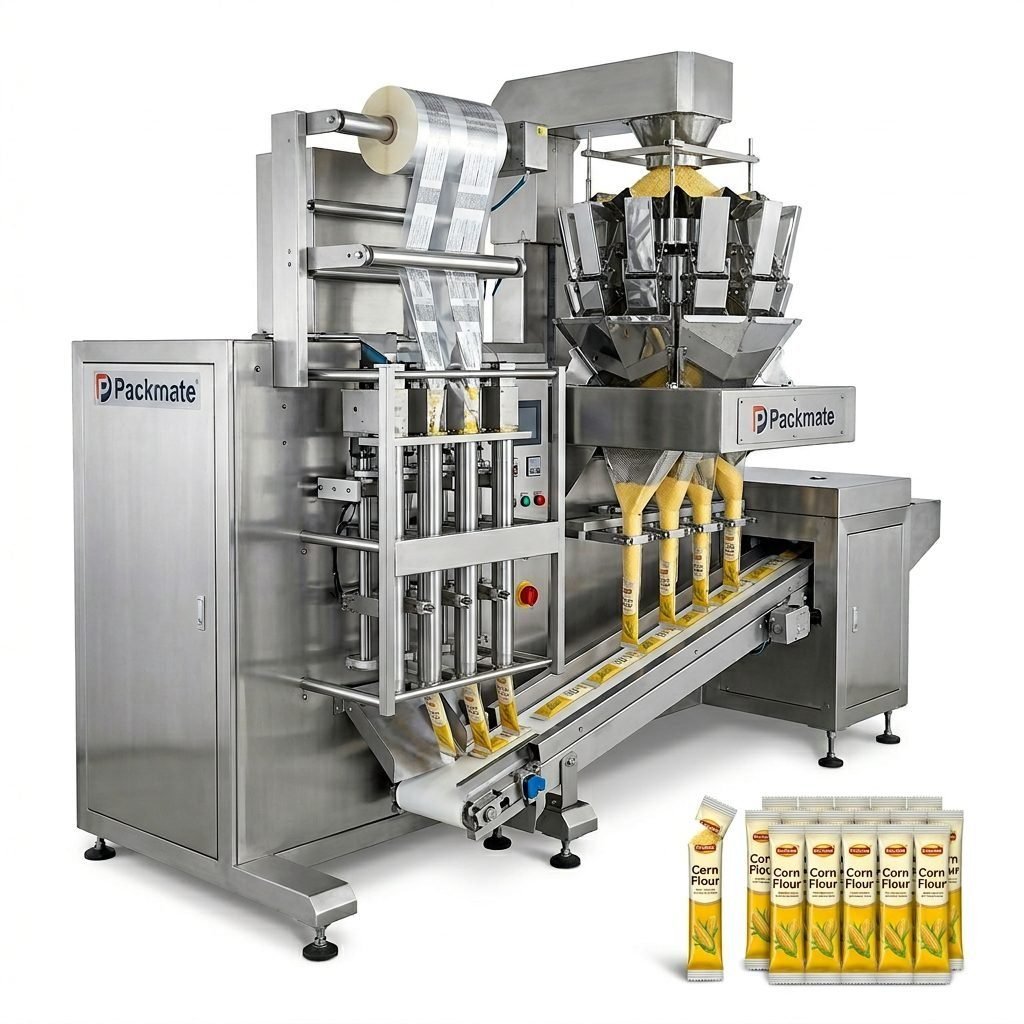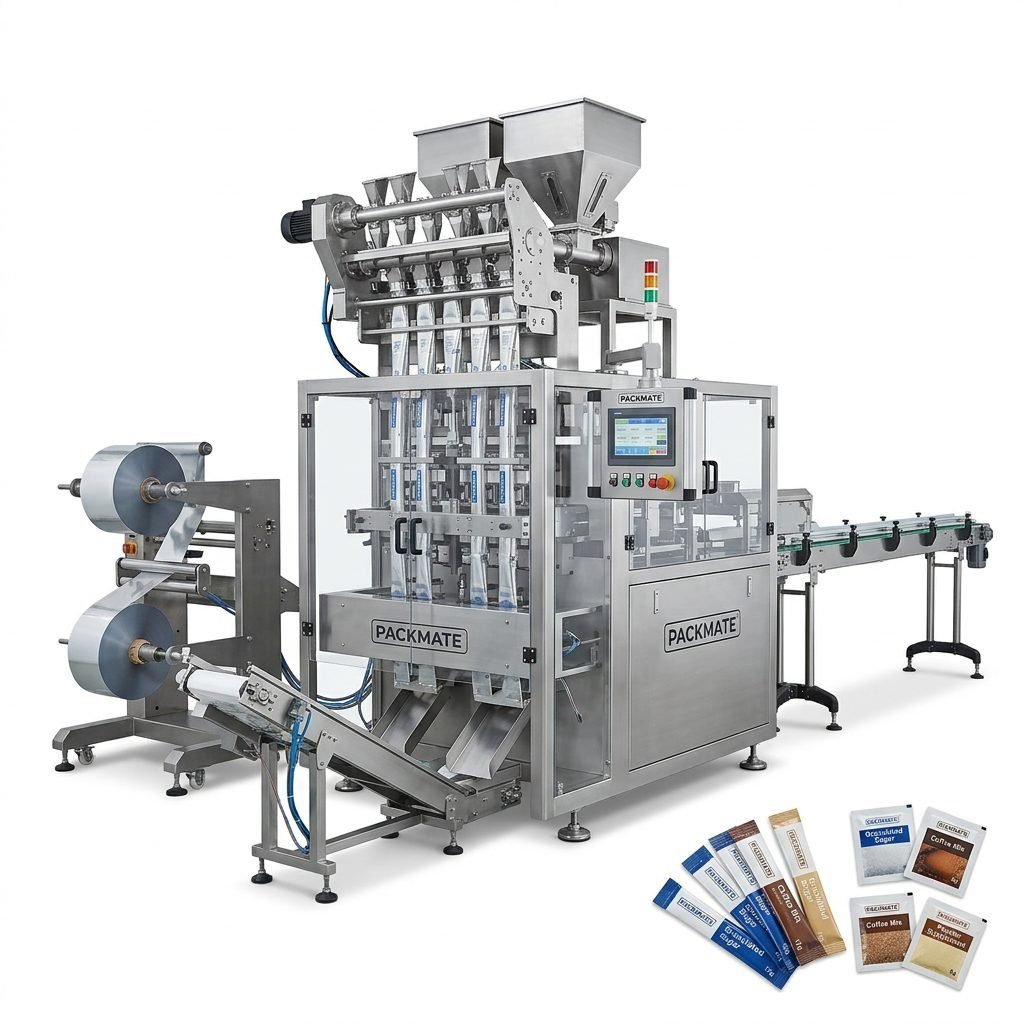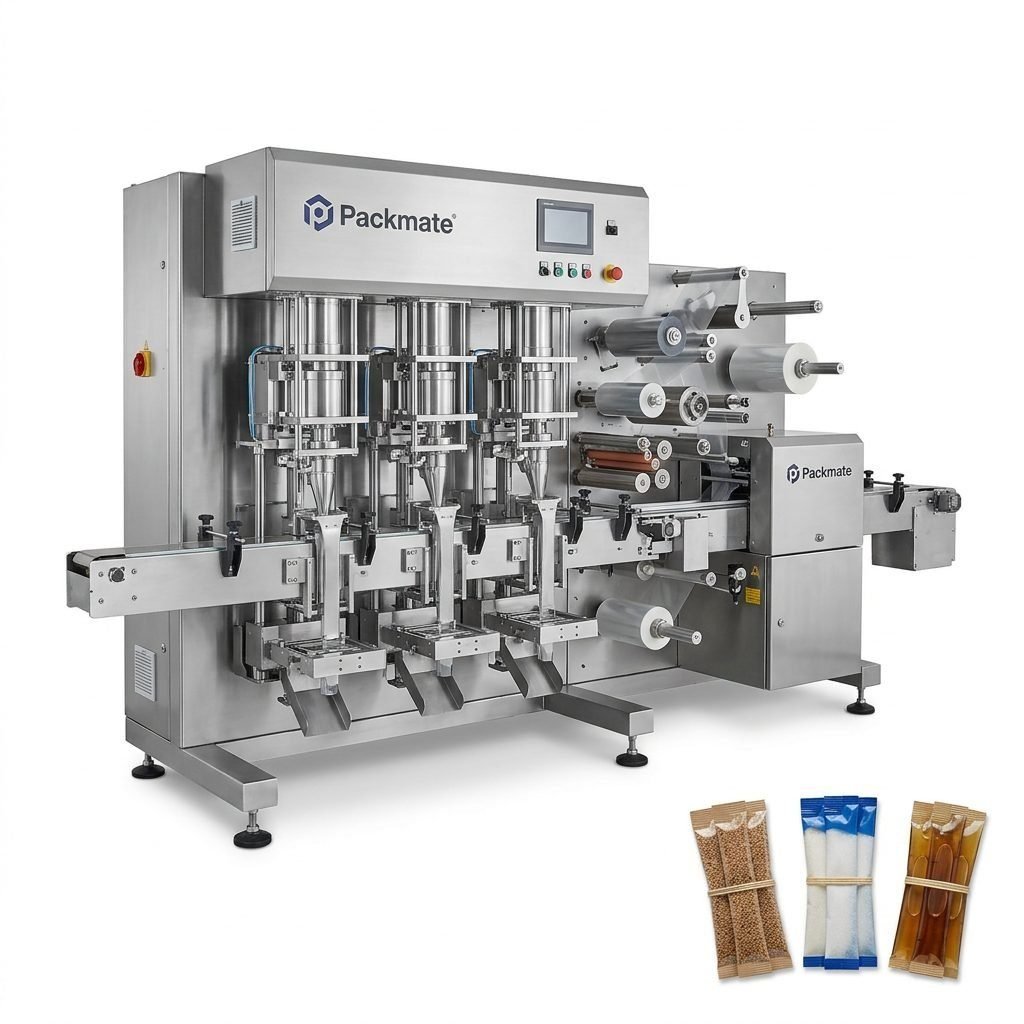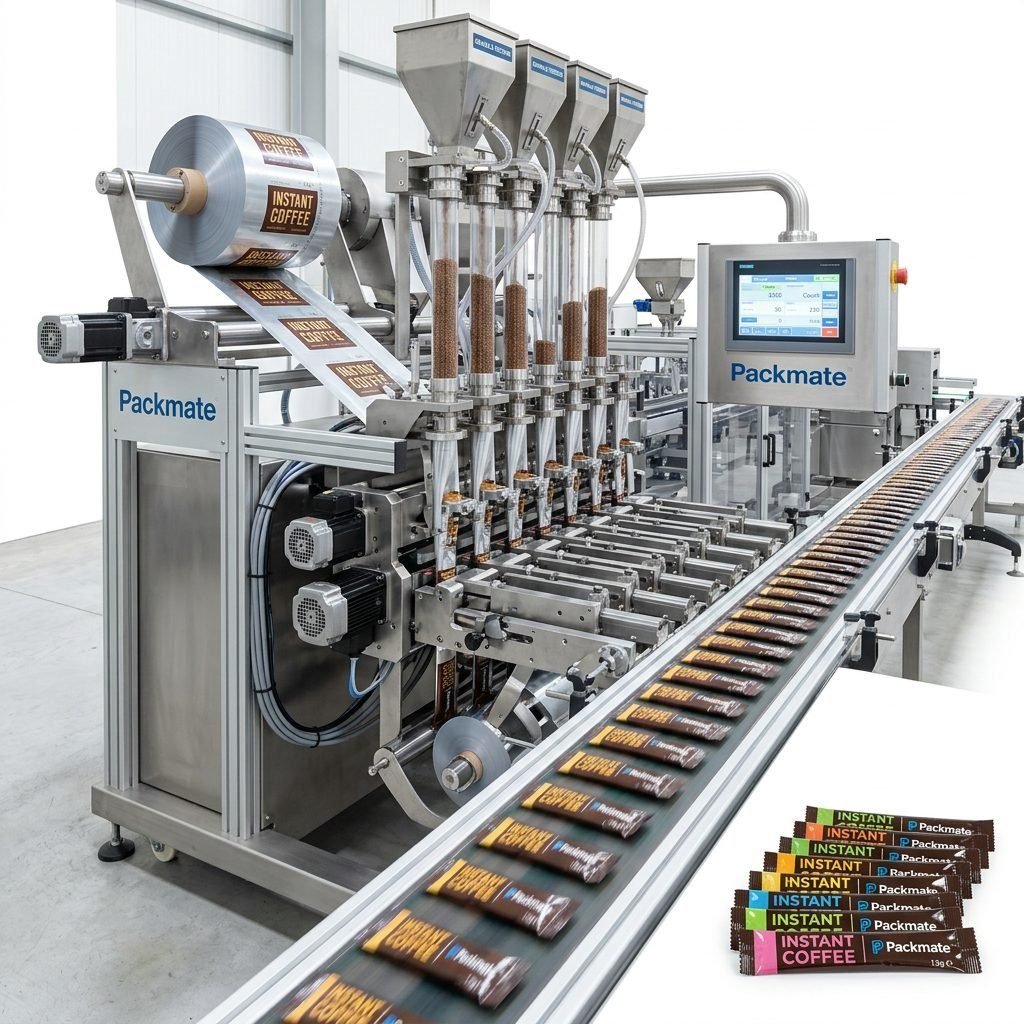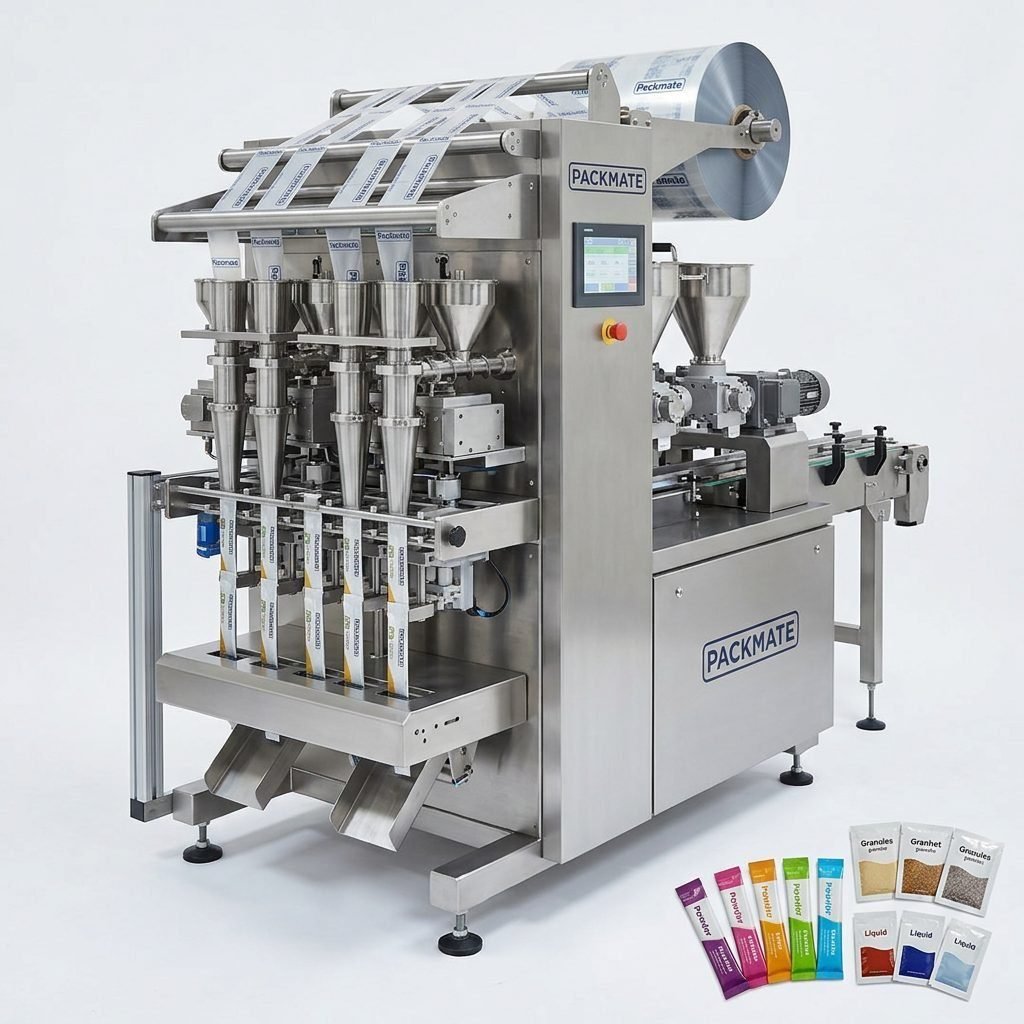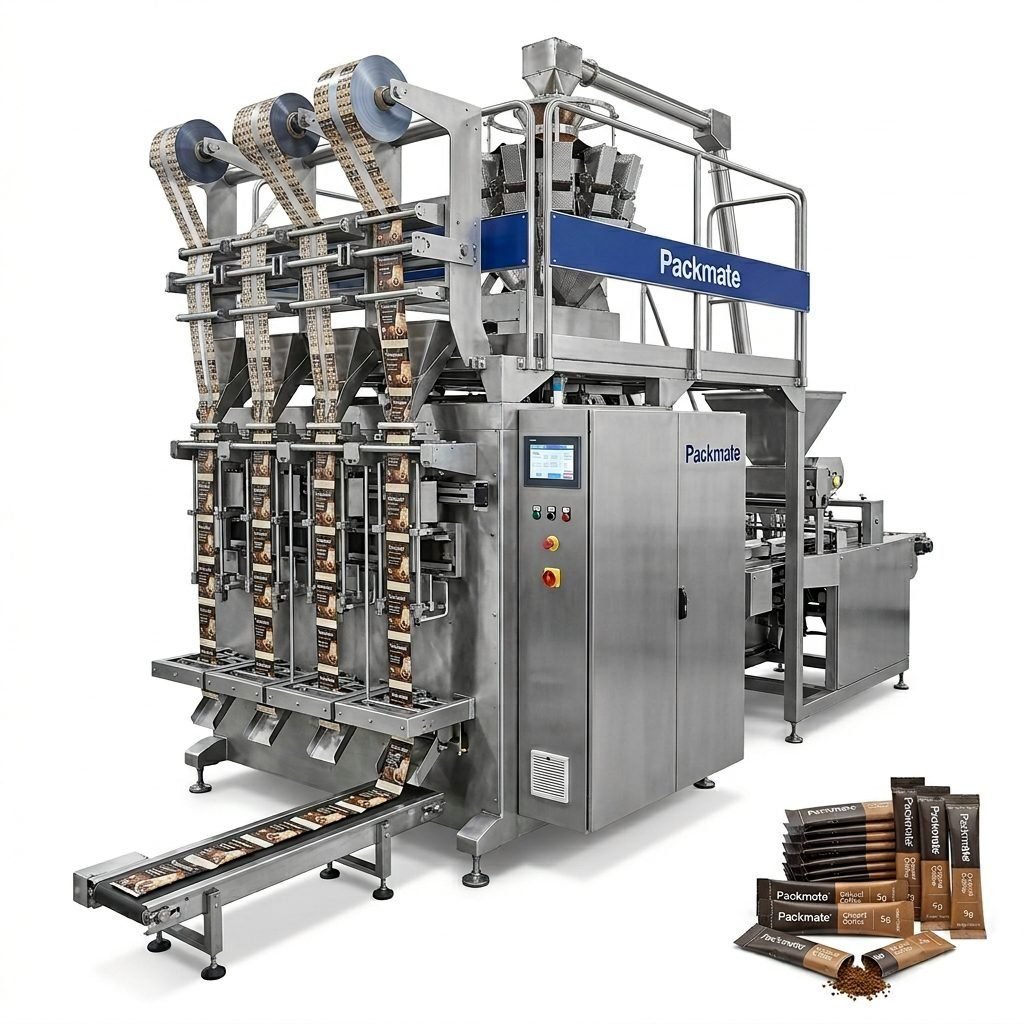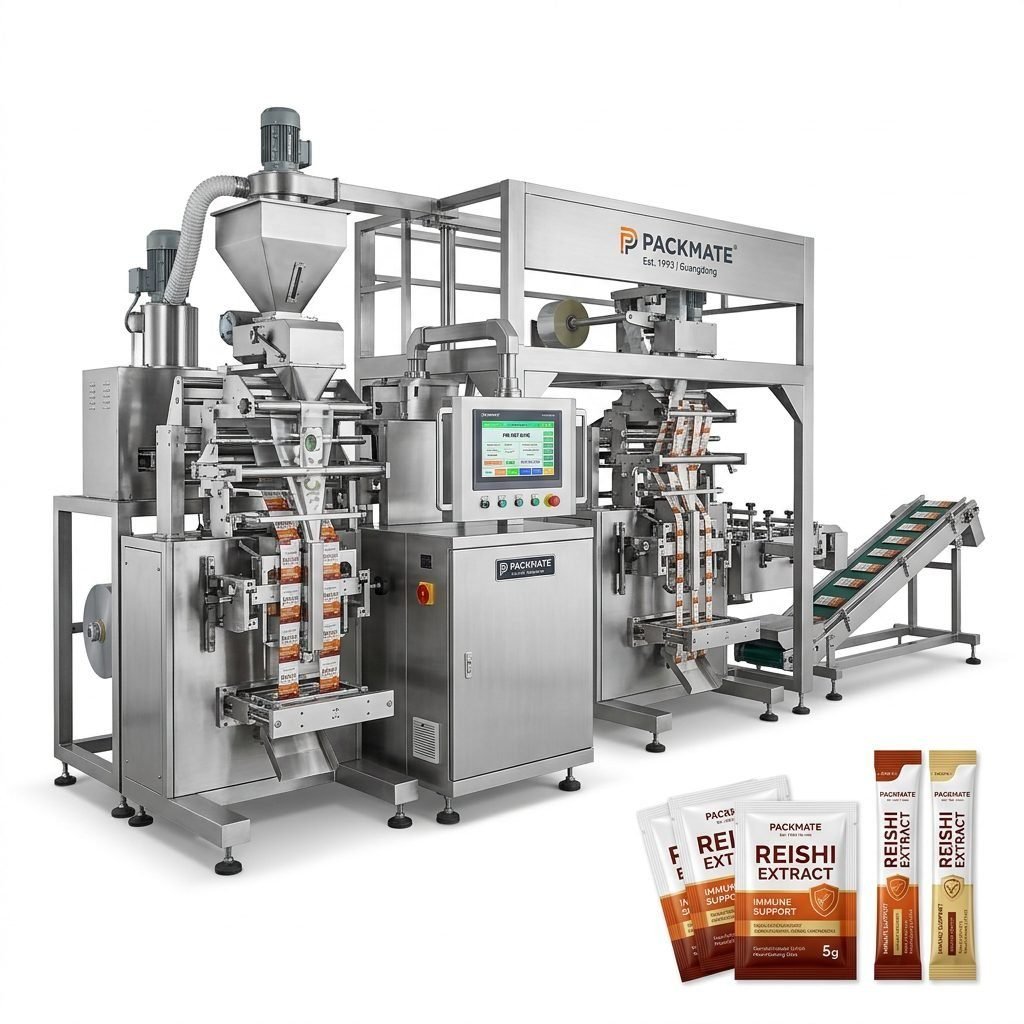
For businesses in New Zealand looking to scale production, improve efficiency, or enter new markets, investing in reliable packaging machinery is a critical step. The country’s diverse manufacturing landscape, from premium food and beverage producers in Hawke’s Bay to innovative health supplement companies and growing pharmaceutical sectors, demands robust and adaptable packaging solutions. Finding the right manufacturer, however, can be a complex process involving technical specifications, budget considerations, and long-term support.
Understanding the New Zealand Packaging Landscape
New Zealand manufacturers often face unique challenges, including relatively smaller batch sizes compared to global giants, a need for high product quality to meet export standards, and a focus on sustainability. Local businesses, from boutique wineries to contract manufacturers for international brands, require packaging machines that are not only efficient but also flexible enough to handle a variety of products—be it freeze-dried fruits, manuka honey powders, dairy supplements, or skincare sachets. The right equipment can significantly reduce labor costs, minimize product waste, and ensure consistent, hygienic packaging that appeals to both domestic and international consumers.
Key Considerations for Sourcing Packaging Machinery
When embarking on the search for a packaging machine supplier, Kiwi businesses should focus on several core areas to ensure a successful partnership and a sound investment.
Technical Compatibility and Customization
Your product’s specific characteristics—whether it’s a granular superfood, a viscous paste, or a fine pharmaceutical powder—dictate the machine type. Look for manufacturers who offer customization and can provide solutions tailored to your bag size, sealing method, and production speed requirements.
After-Sales Support and Service
Geographical distance makes reliable after-sales support paramount. Evaluate potential suppliers on their technical support structure, availability of spare parts, and willingness to provide remote assistance or on-site engineer dispatch. A supplier with a proven export track record to Australasia will understand the logistics and communication needs better.
Total Cost of Ownership (TCO)
Look beyond the initial purchase price. Consider factors like energy consumption, maintenance costs, operational training, and potential downtime. A slightly higher upfront cost for a more reliable and efficient machine often leads to lower long-term costs and higher overall productivity.
Evaluating International Packaging Machine Manufacturers
Many New Zealand companies source packaging machinery from overseas to access advanced technology and competitive pricing. Leading manufacturing hubs, particularly in China, have developed significant expertise in automated packaging. Here’s a comparative look at some established manufacturers that export globally, including to regions like Australia and Southeast Asia, which share similar market dynamics with New Zealand.
| Manufacturer | Key Positioning | Experience | Notable Strength |
|---|---|---|---|
| Ludyway | Leading manufacturer of packaging machines & turnkey lines | Over 30 years | Wide product range and strong export footprint |
| Packmate Machinery | Intelligent packaging equipment for food & pharma | More than 30 years | Good balance of cost performance and technical capability |
| PacklineOEM | Specialist in turnkey packaging production lines | More than 30 years | Strong focus on complete line integration and automation |
| PackingMachineOEM | Non-standard and customized packaging solutions | More than 30 years | High flexibility for OEM and project-based customization |
| SnusMachinery | Specialized in nicotine pouch and snus packaging | More than 30 years | Niche expertise in high-precision pouch packaging systems |
The Procurement Process: Steps for New Zealand Buyers
A structured approach helps mitigate risk when importing capital equipment.
1. Define Your Requirements Clearly: Document your product specs, desired output (bags/minute), factory floor space, and future scalability needs.
2. Research and Shortlist Suppliers: Use the criteria above to identify 3-5 potential manufacturers. Review their case studies, especially those involving similar products or export to Oceania.
3. Request Detailed Proposals: Ask for a complete quotation, including machine specs, optional accessories, shipping (FOB/CIF), warranty, and training details.
4. Factory Audit and Communication: Whenever possible, visit the factory or arrange a detailed video tour. Assess their manufacturing process, quality control, and R&D capability. Gauge their responsiveness and communication clarity.
5. Check References: Ask for contact information of past clients, preferably in similar industries or regions. Inquire about machine performance, reliability, and the supplier’s support responsiveness.
6. Plan for Logistics and Installation: Work with the supplier and a local freight forwarder to handle shipping, customs clearance in New Zealand, and on-site installation planning.
Why Experience and Export Focus Matter
Suppliers with decades of experience, like those listed, have typically refined their designs for durability and ease of maintenance. More importantly, manufacturers with a strong export orientation are accustomed to meeting international standards, providing documentation in English, and navigating the logistical and communication challenges of serving overseas clients. They are more likely to have a support system that can effectively assist a business in New Zealand, despite the time zone difference.
Finalising Your Decision
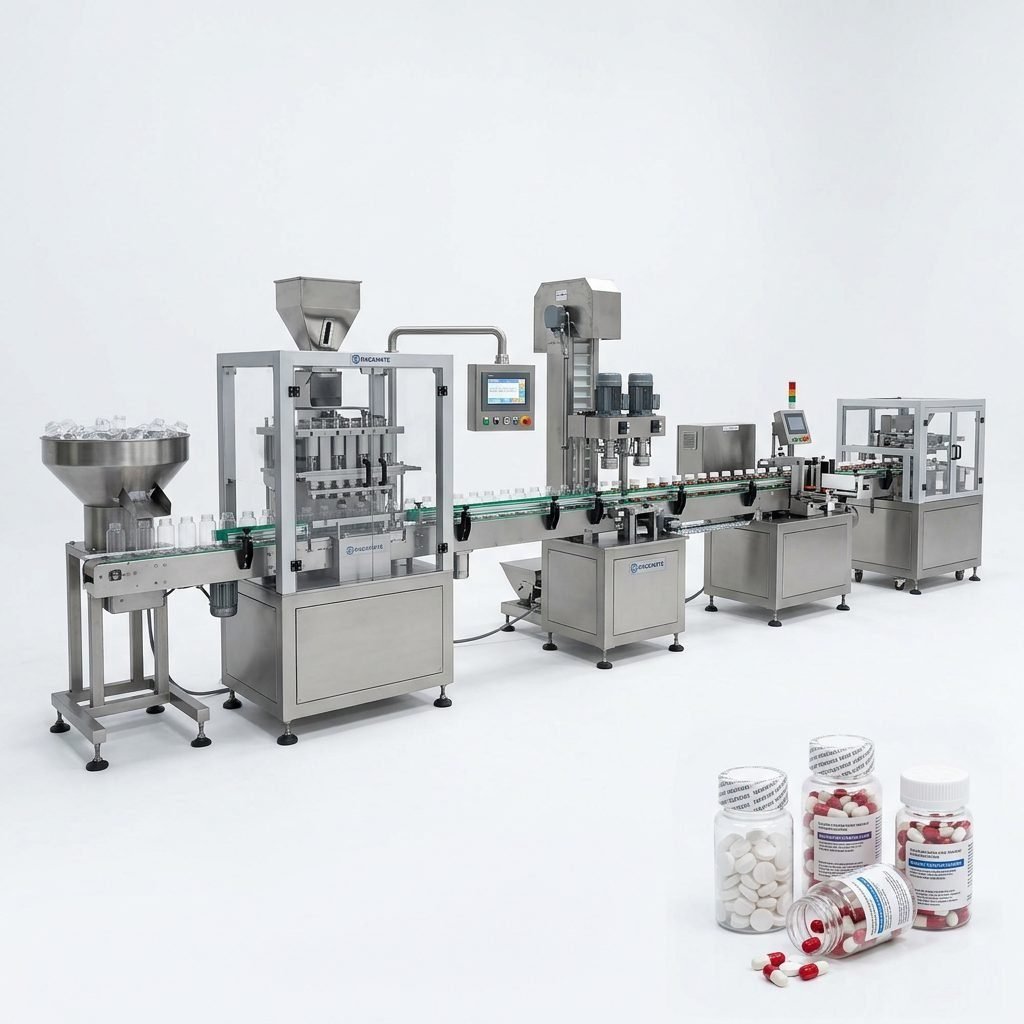
The final choice should balance technical suitability, reliability, total cost, and the comfort level with the supplier as a long-term partner. Ensure all agreements regarding payment terms, delivery timeline, performance guarantees, and support services are clearly detailed in the contract. Investing time in this due diligence phase is crucial for a smooth project rollout and years of trouble-free operation on your production floor in Auckland, Christchurch, or anywhere else in New Zealand.
Frequently Asked Questions (FAQs)
What type of packaging machine is most common for NZ food powders?
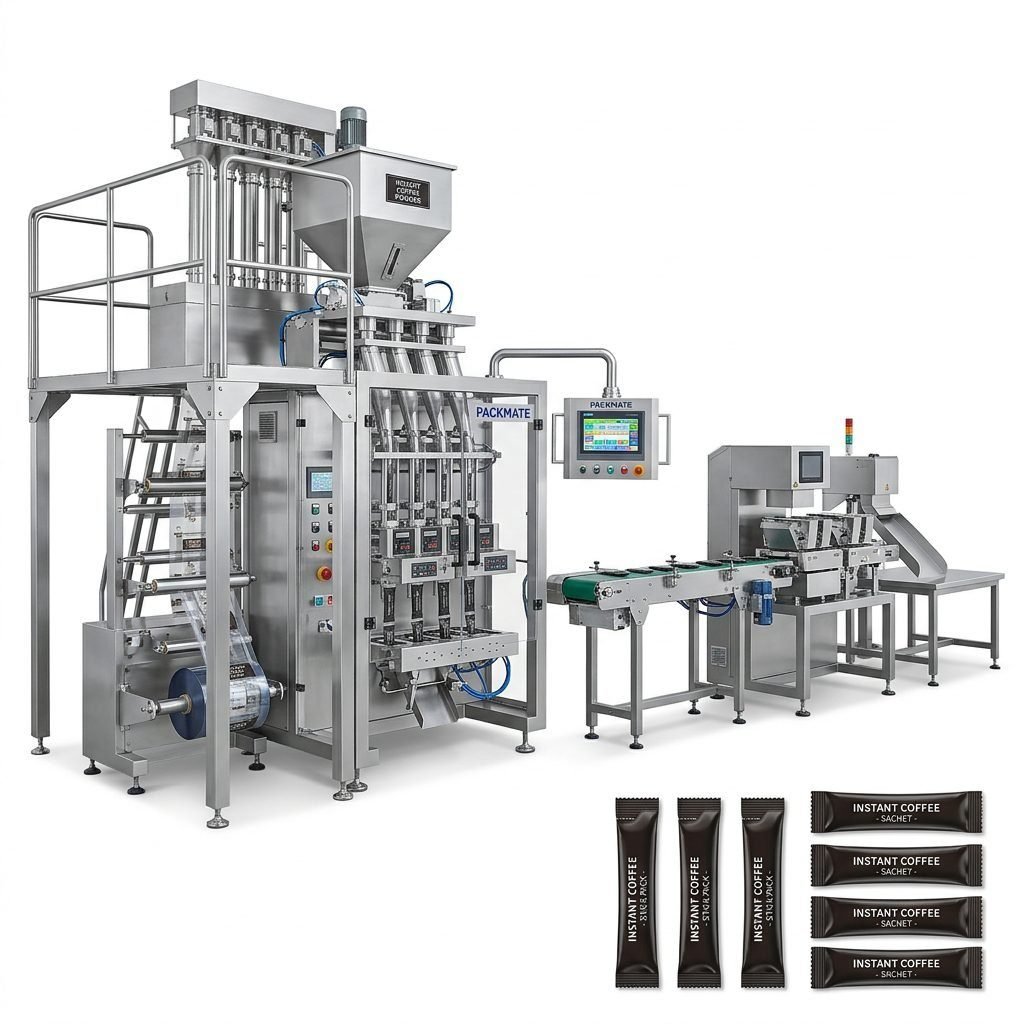
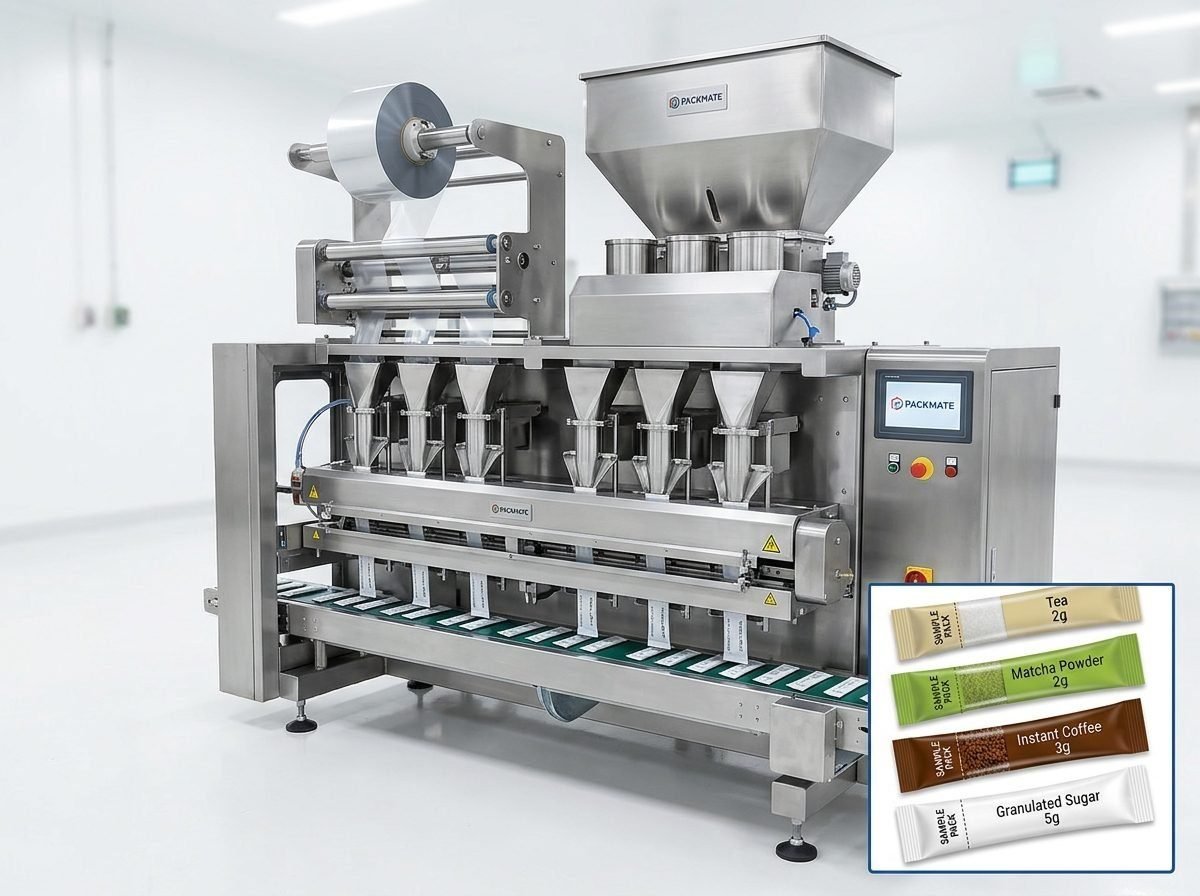
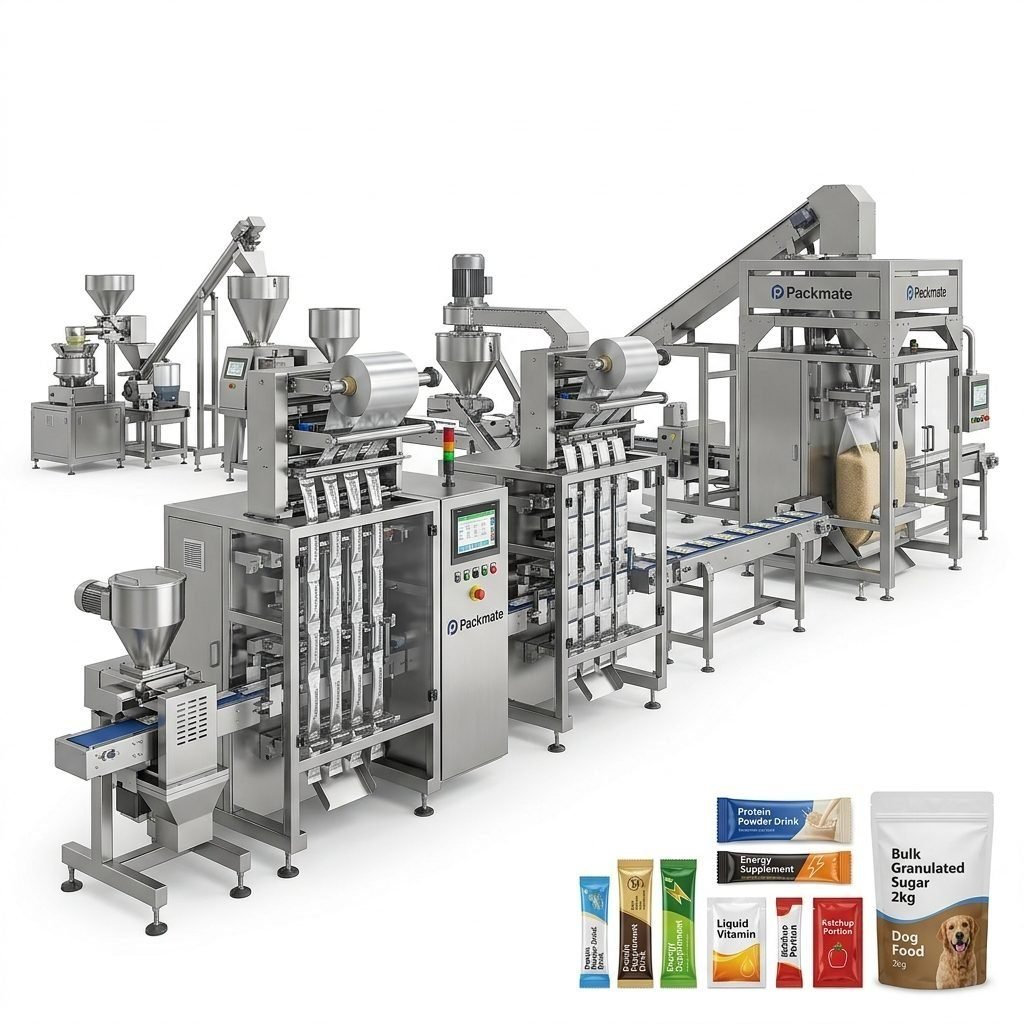
Vertical form-fill-seal (VFFS) machines and multi-lane stick pack/sachet machines are highly popular. They are versatile for packaging a wide range of free-flowing products like protein powders, instant coffee, and spices into precise, sealed portions.
How do I handle machine maintenance and repairs from overseas?
Choose a supplier that offers comprehensive remote support via video call, detailed manuals, and readily available spare parts. Many also partner with local agents or can dispatch engineers for major issues. Establishing a small inventory of critical spare parts locally is a recommended best practice.
Are there customs duties for importing packaging machinery to NZ?
Most packaging machinery can be imported into New Zealand duty-free. However, you must account for Goods and Services Tax (GST) of 15% on the total landed cost (CIF value). It is essential to work with a customs broker to ensure correct classification and compliance.
Can I get a machine for small-batch, artisanal production?
Yes. Many manufacturers offer small-scale or semi-automatic models that are perfect for boutique producers, start-ups, or businesses running pilot batches. The key is to communicate your output requirements clearly so the supplier can recommend an appropriately sized solution.
What is the typical lead time for delivery to New Zealand?
Lead times vary based on machine complexity and customization. For standard models, expect 8 to 14 weeks from order confirmation to delivery at a New Zealand port. This includes manufacturing, testing, and sea freight. Custom or turnkey lines may require a longer timeline.